Valley Forge Historical Park is huge, which was a surprise, but then 12,000 troops had to be housed, fed and trained there, becoming the 4th largest city in the young United States during a miserable winter encampment.
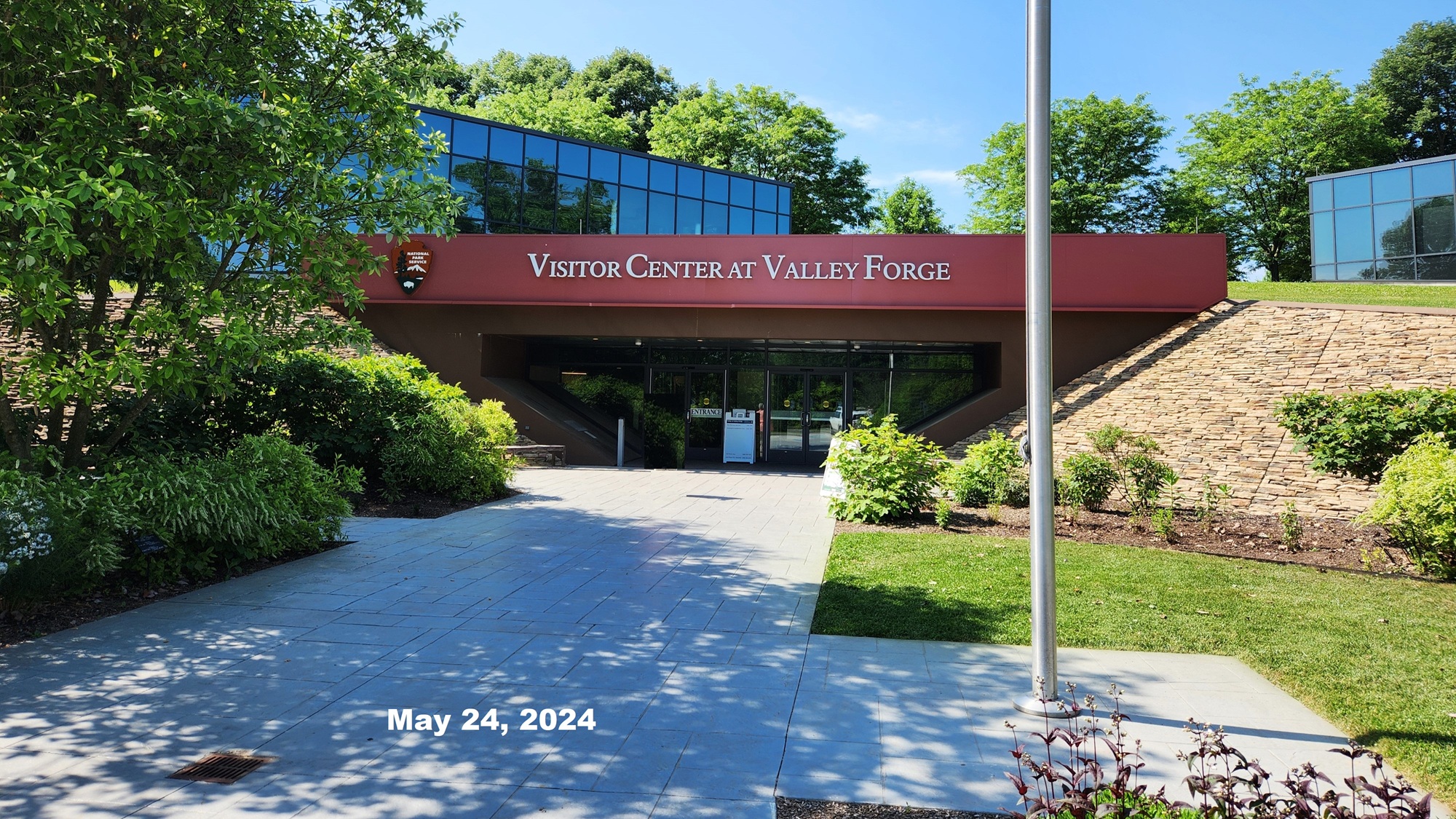
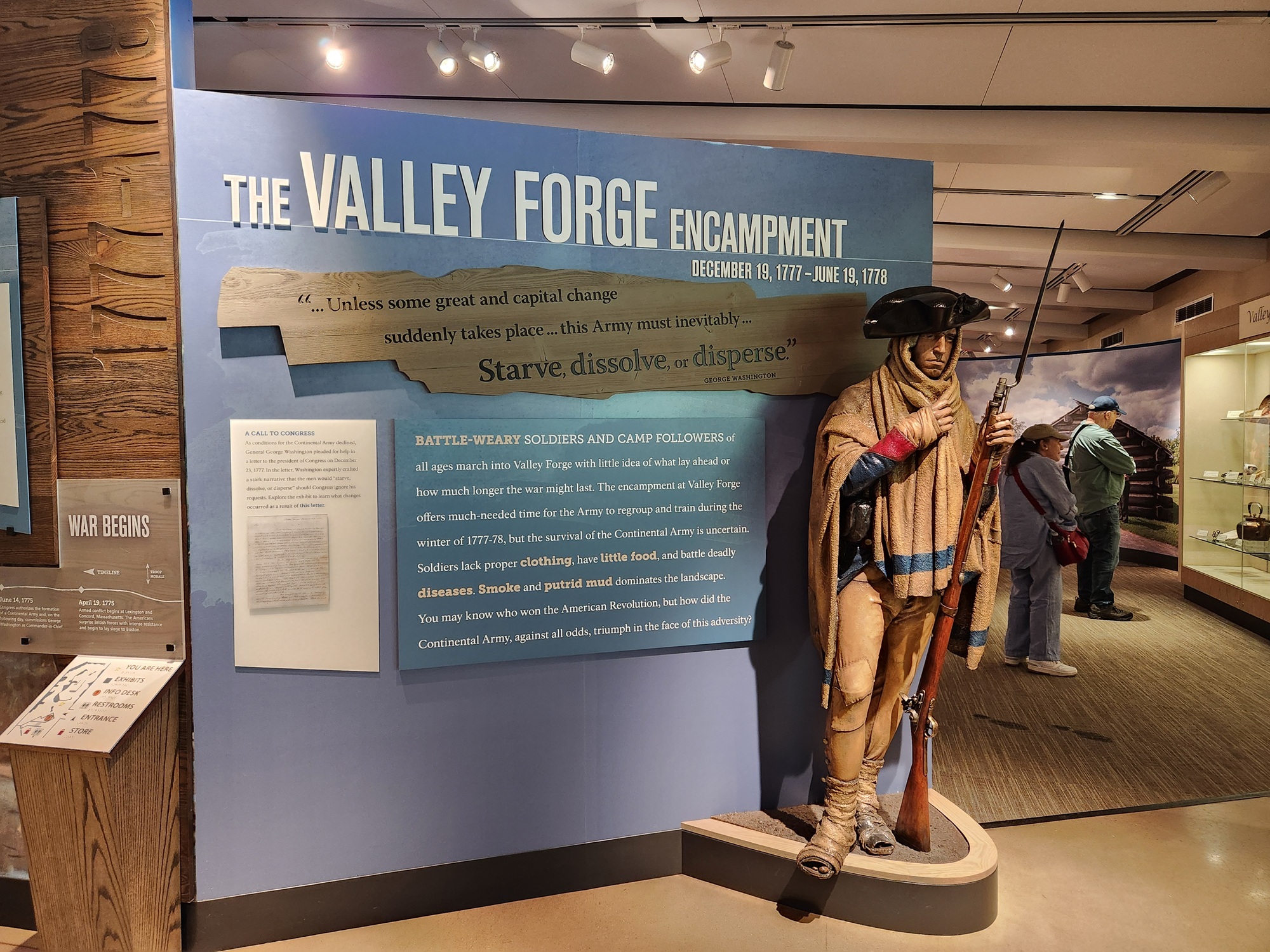
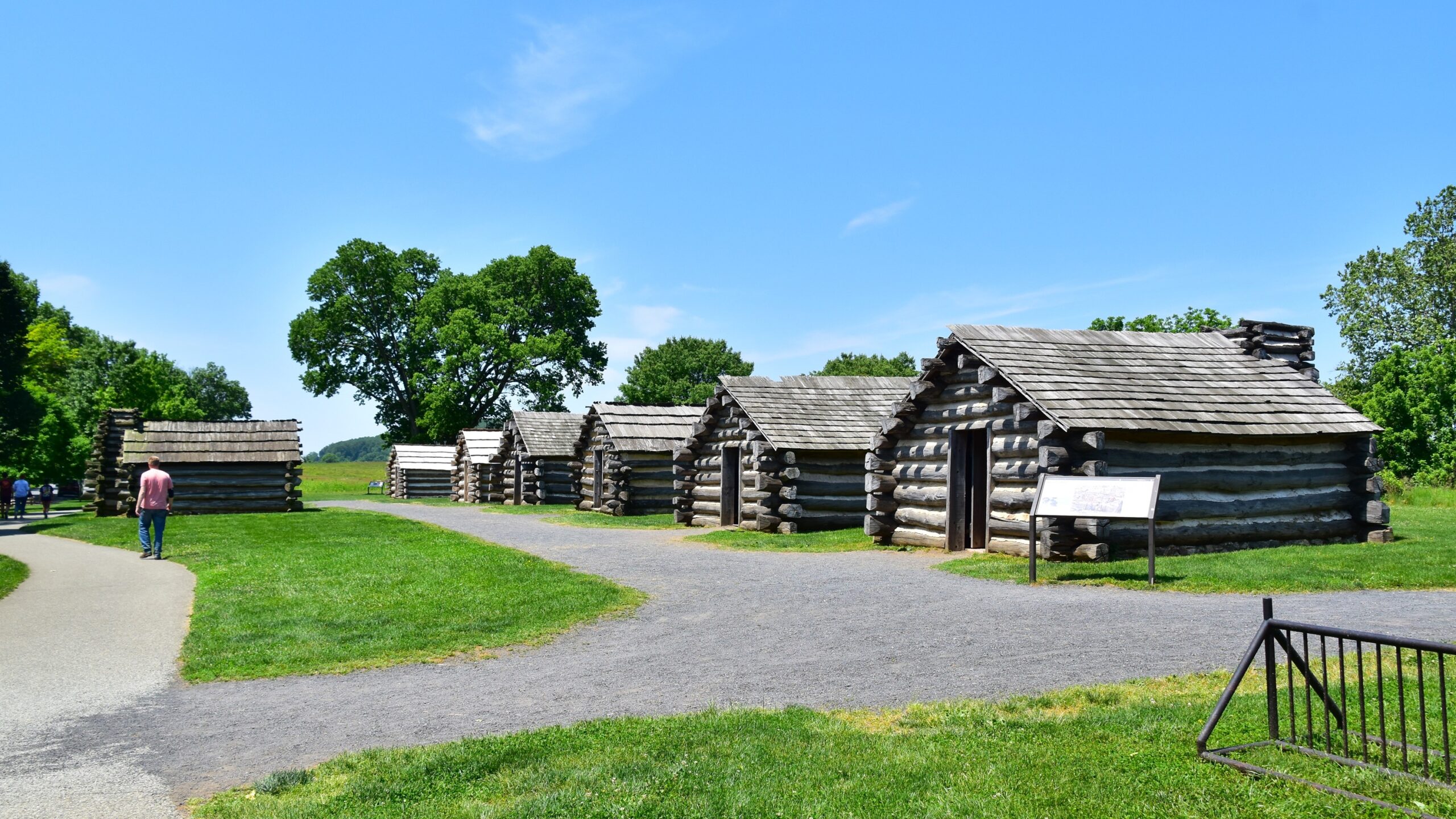
Around 1,500 cabins were quickly built to house everyone, pretty much stripping the surrounding countryside of trees.
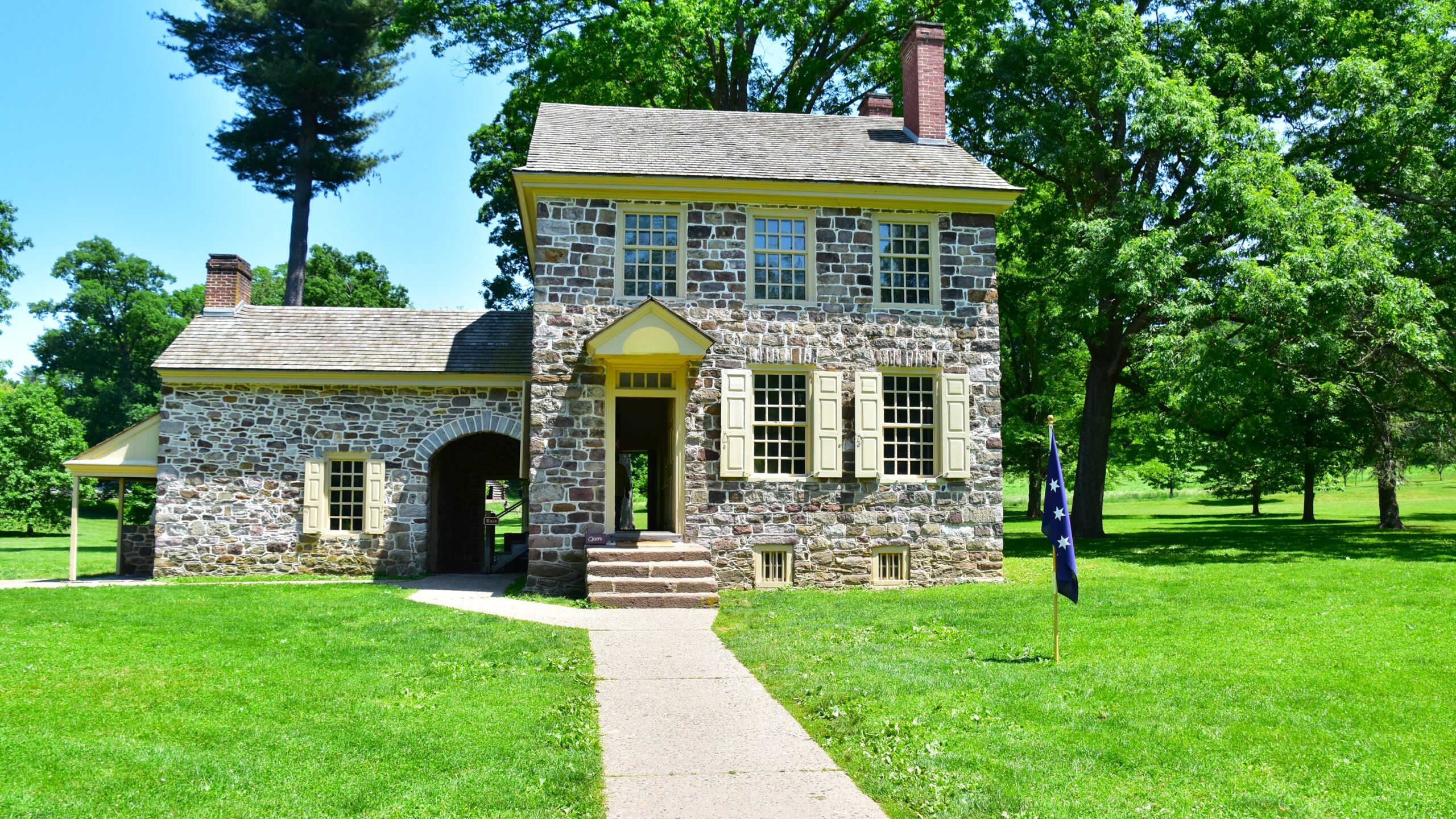
General Washington, along with his wife and some staff, used this house as his headquarters.
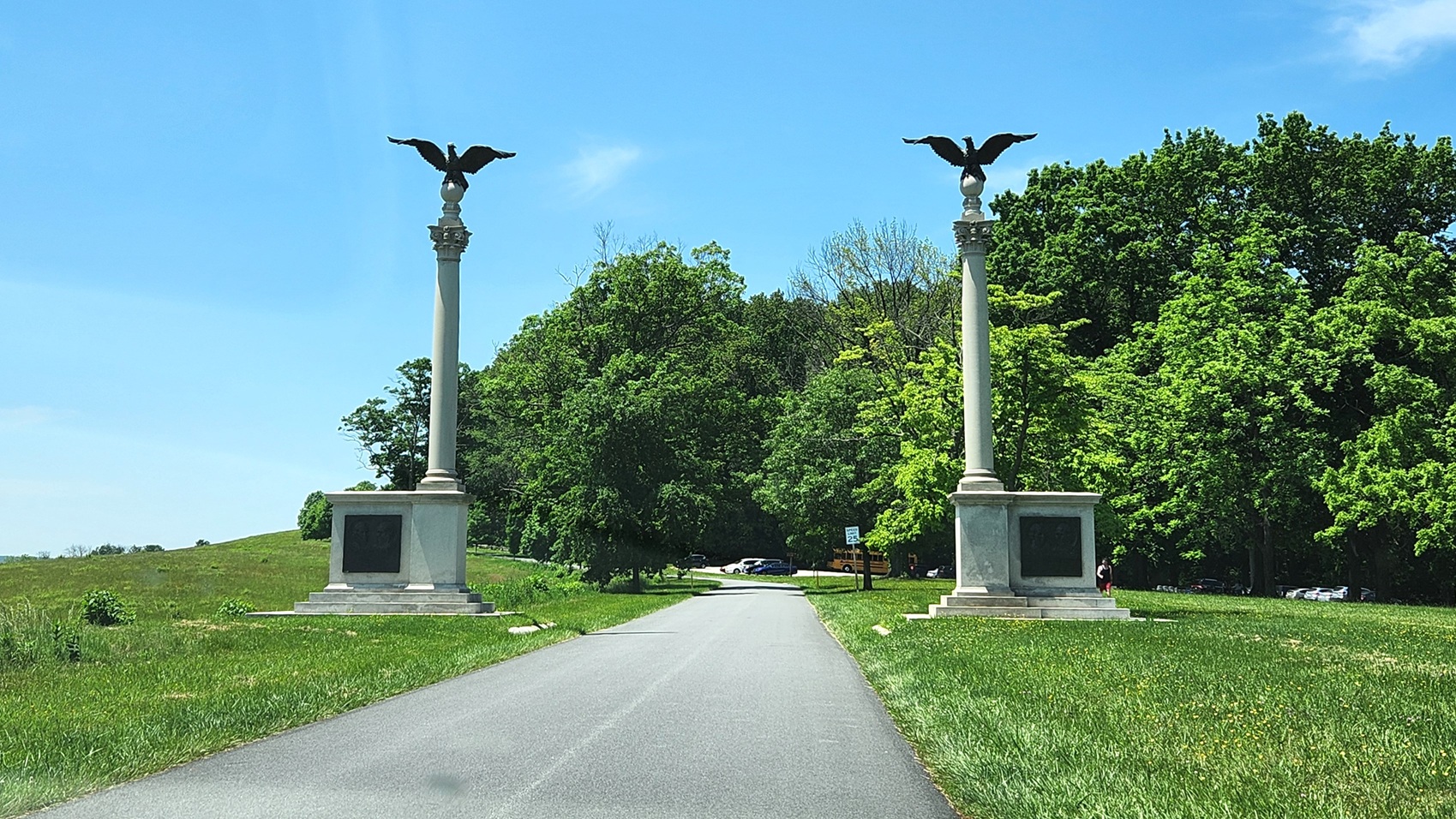
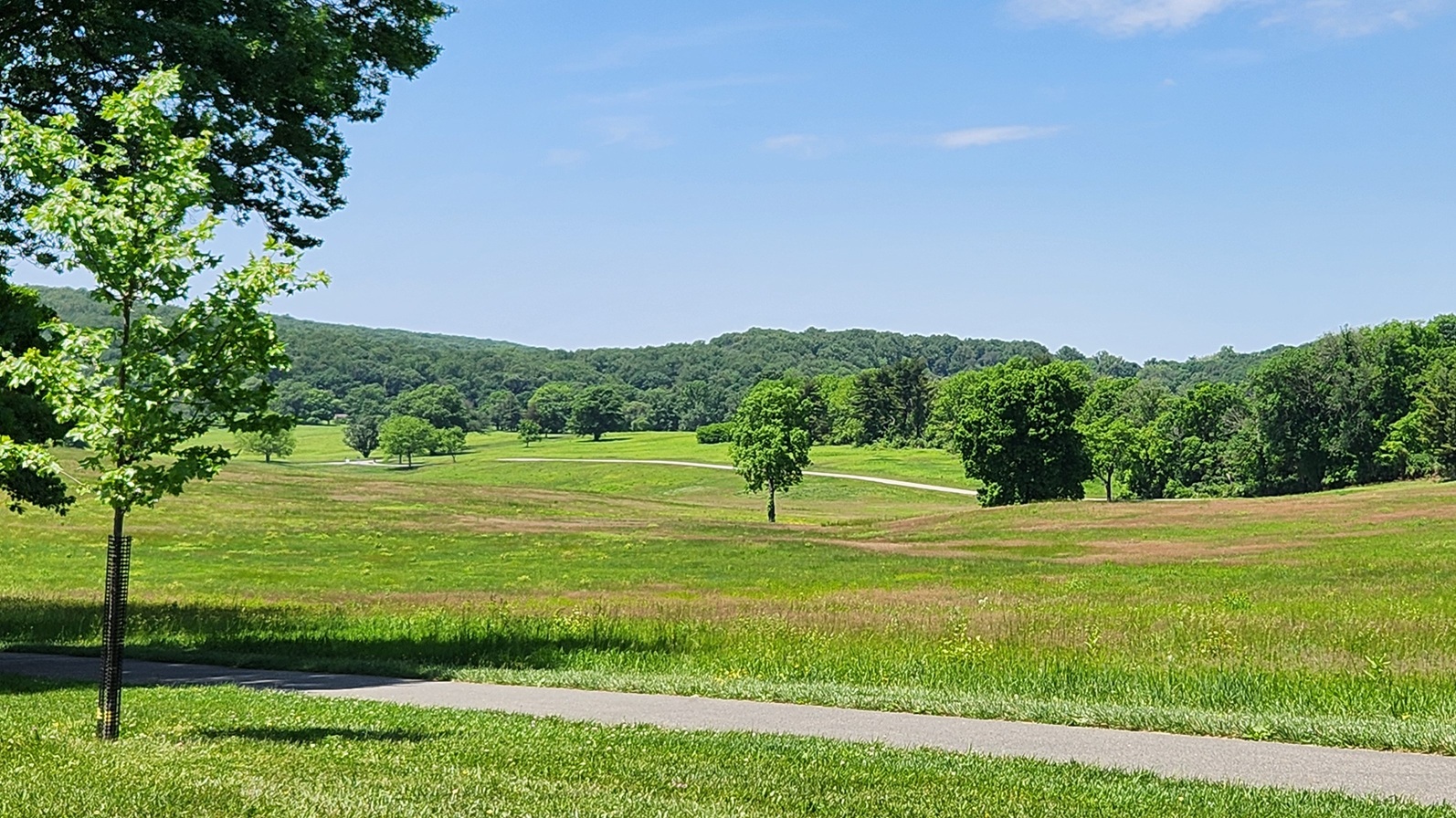
Large open areas were used for much-needed training of the troops, which was organized by a recently arrived Prussian drill master, Baron Friedrich Von Steuben, who helped to improve the professionalism of the military.
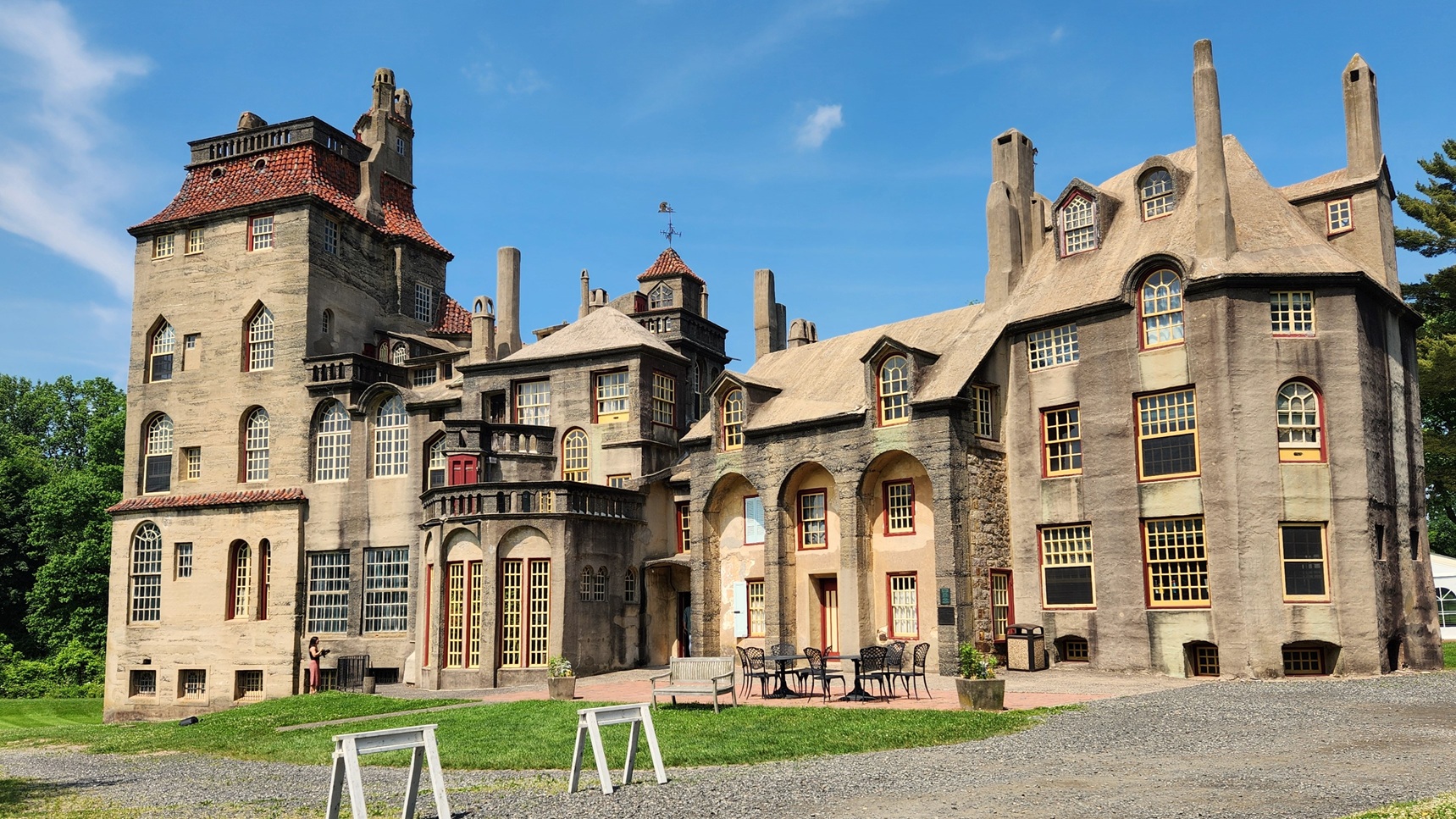
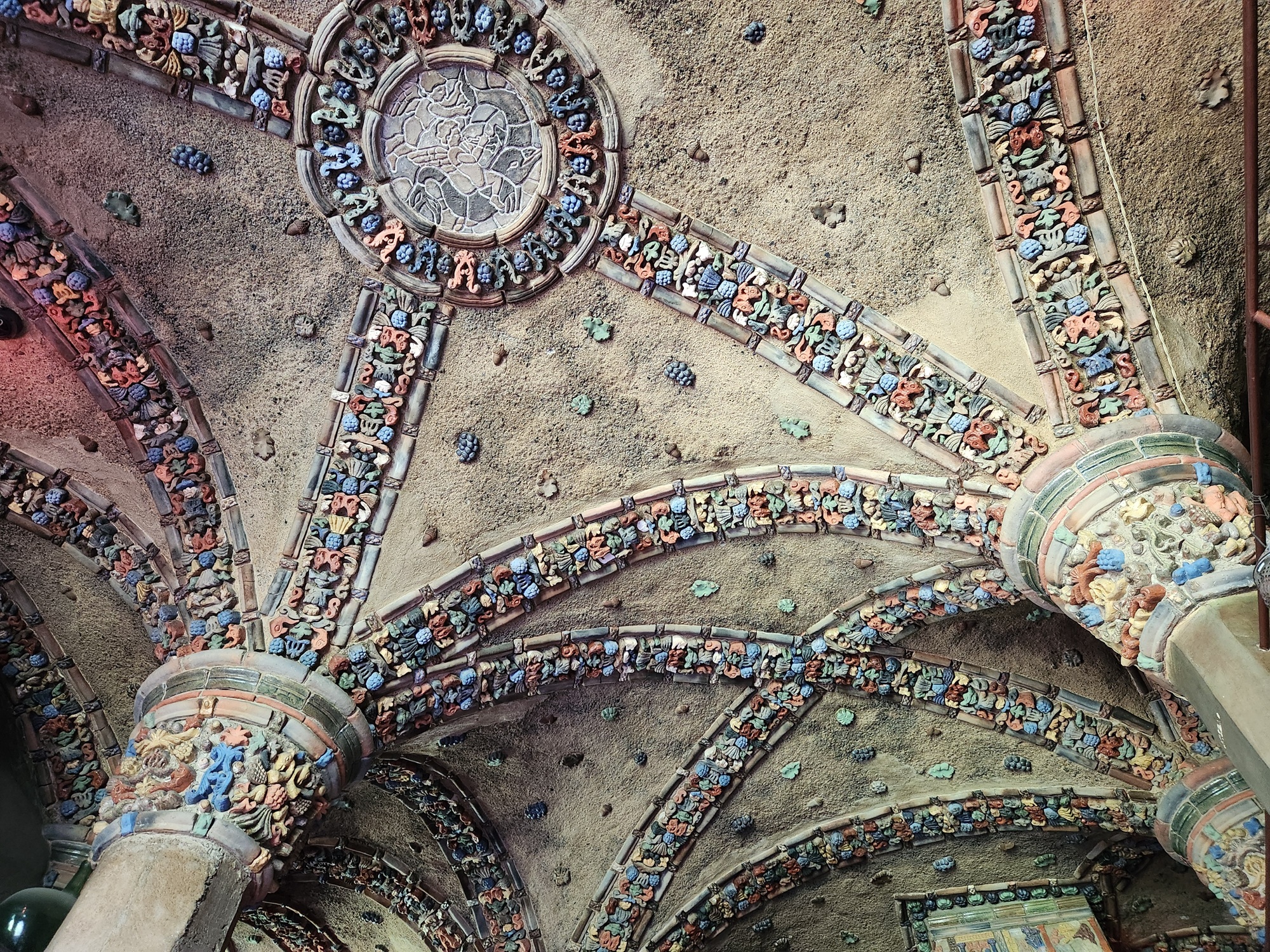
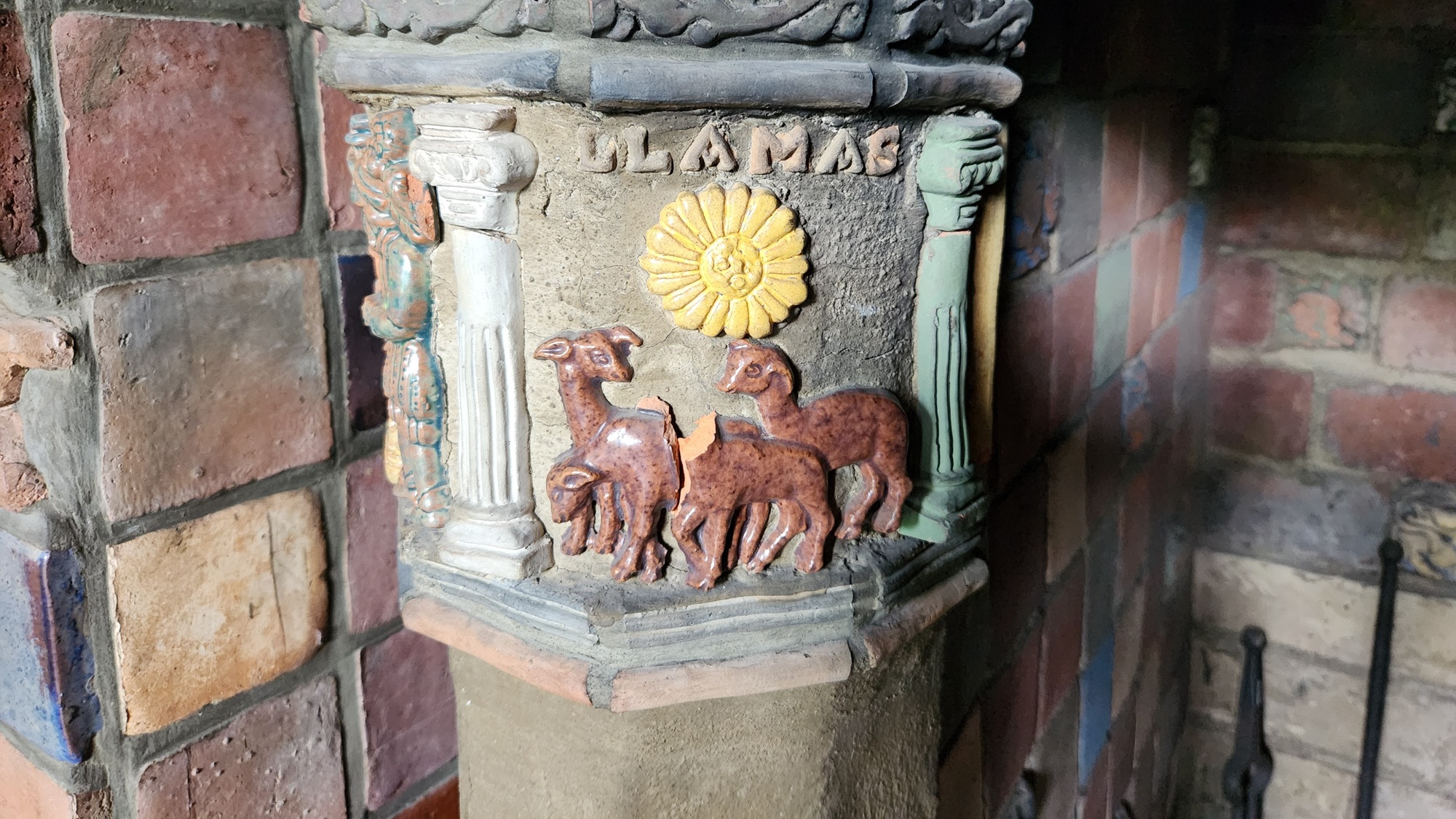
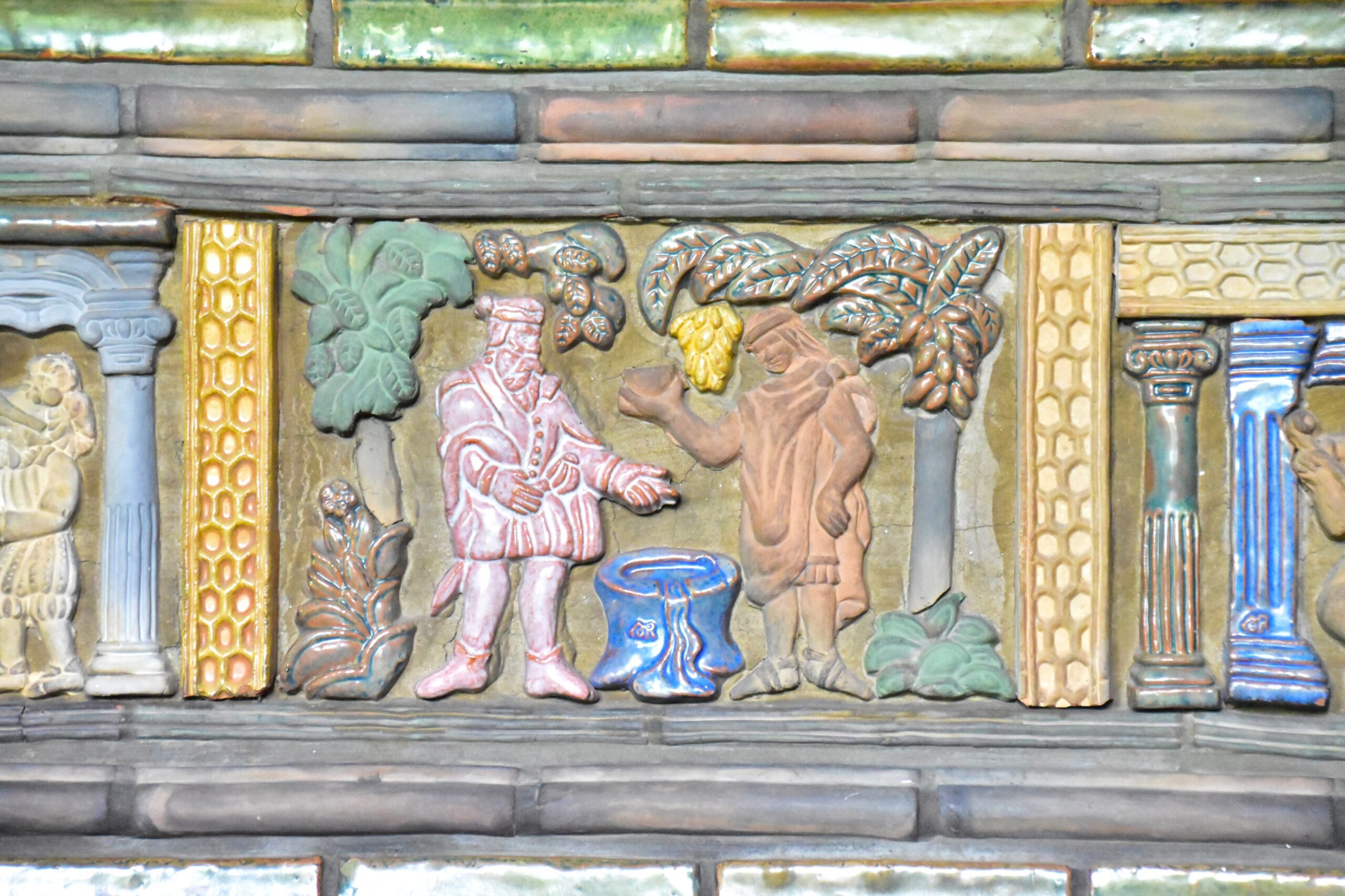
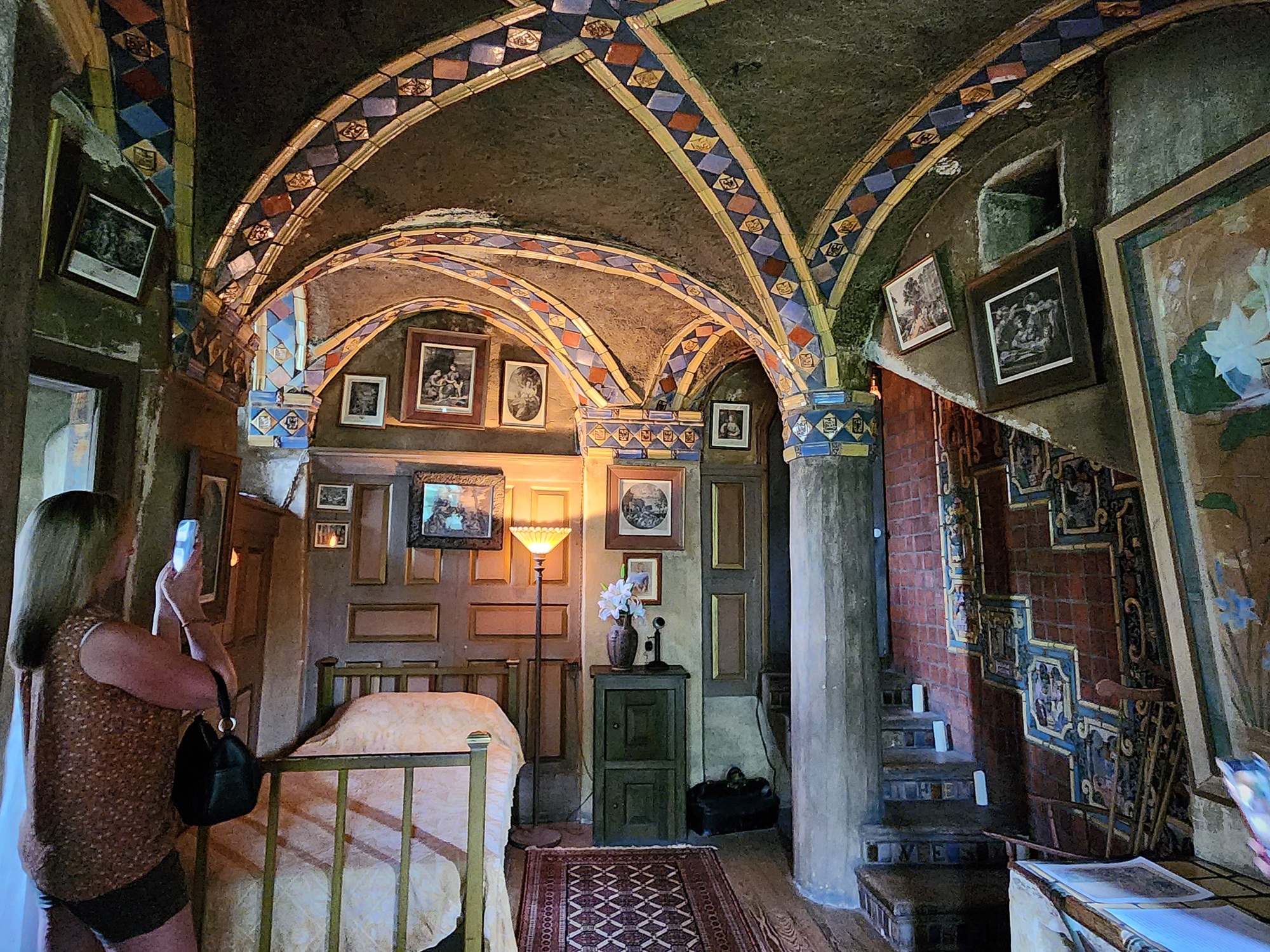
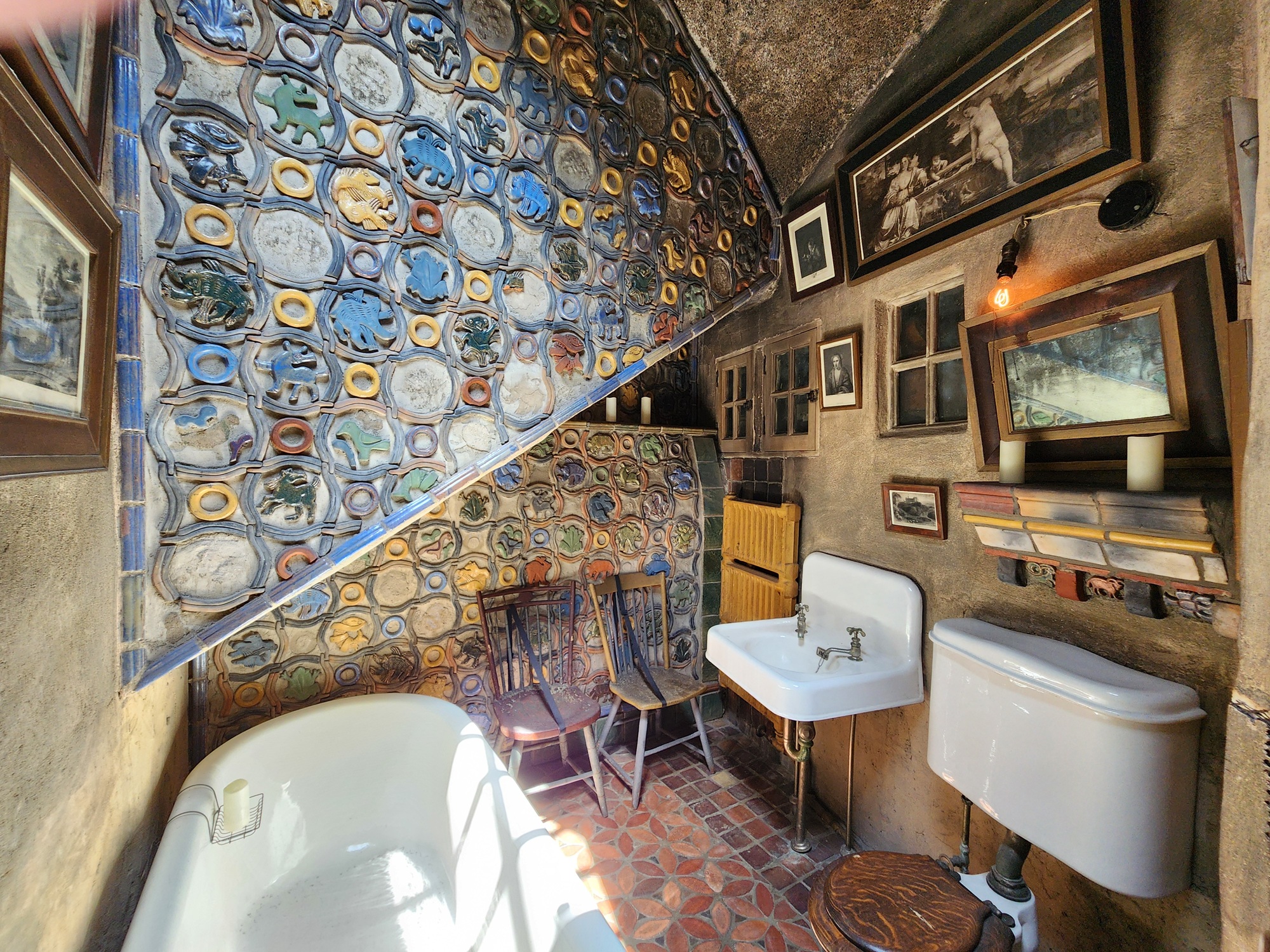
Henry Mercer wanted to build a home that was fireproof, so he built Fonthill Castle, in Doylestown, out of reinforced concrete, with forty-four rooms, over two hundred windows and eighteen fireplaces. The tile factory that Henry owned produced unique and beautiful tiles that were used to make the home a showpiece.
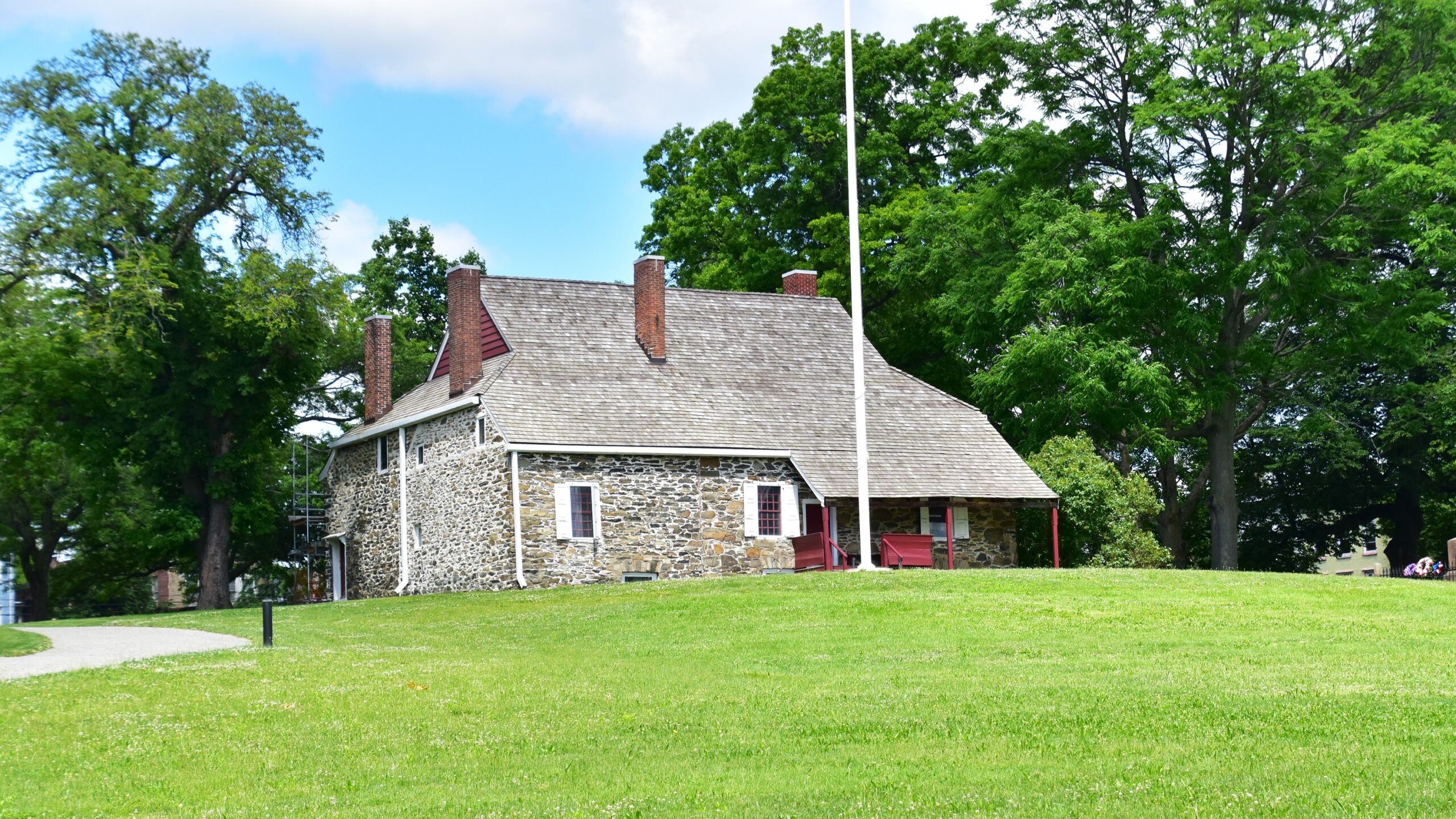
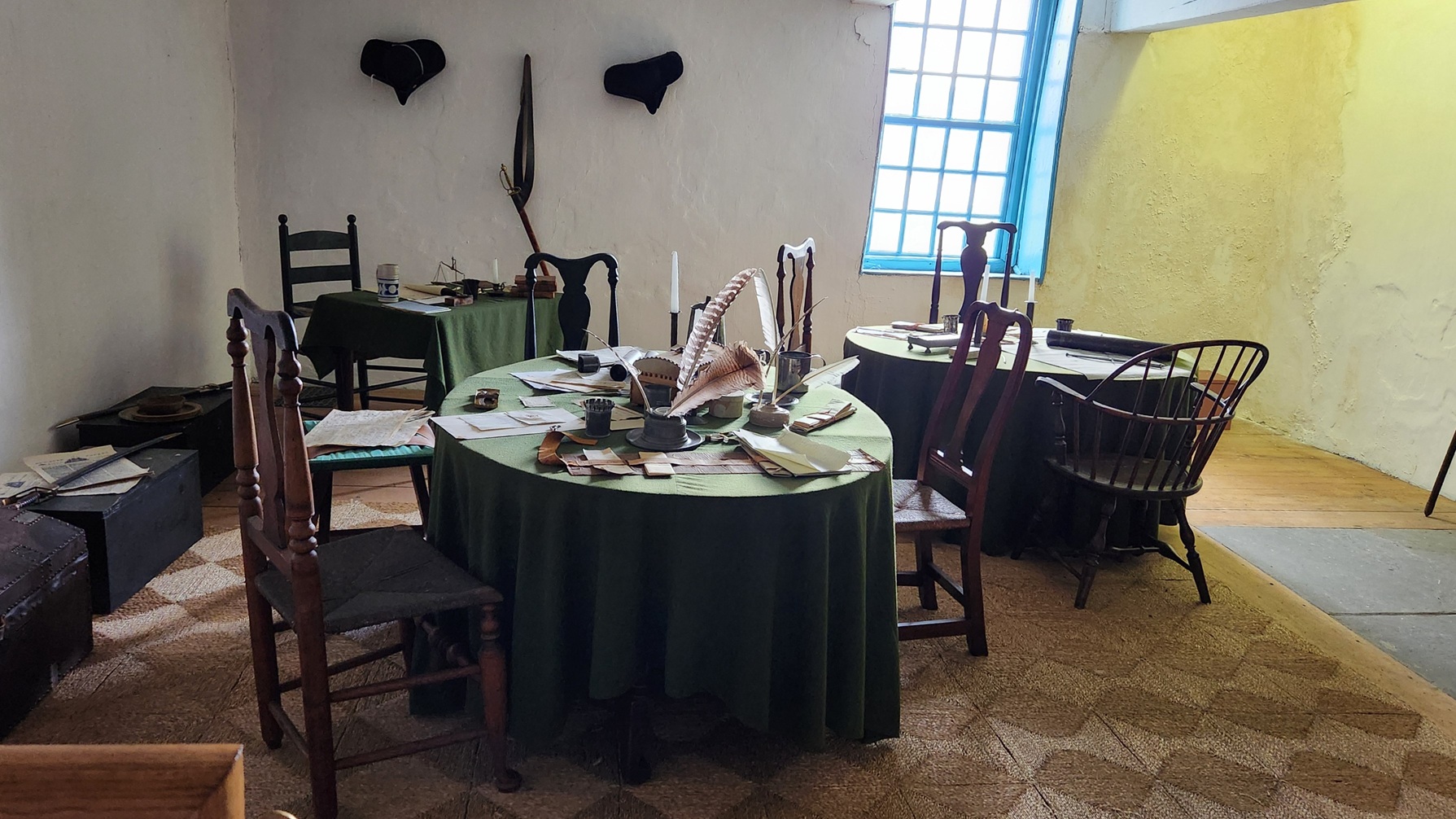
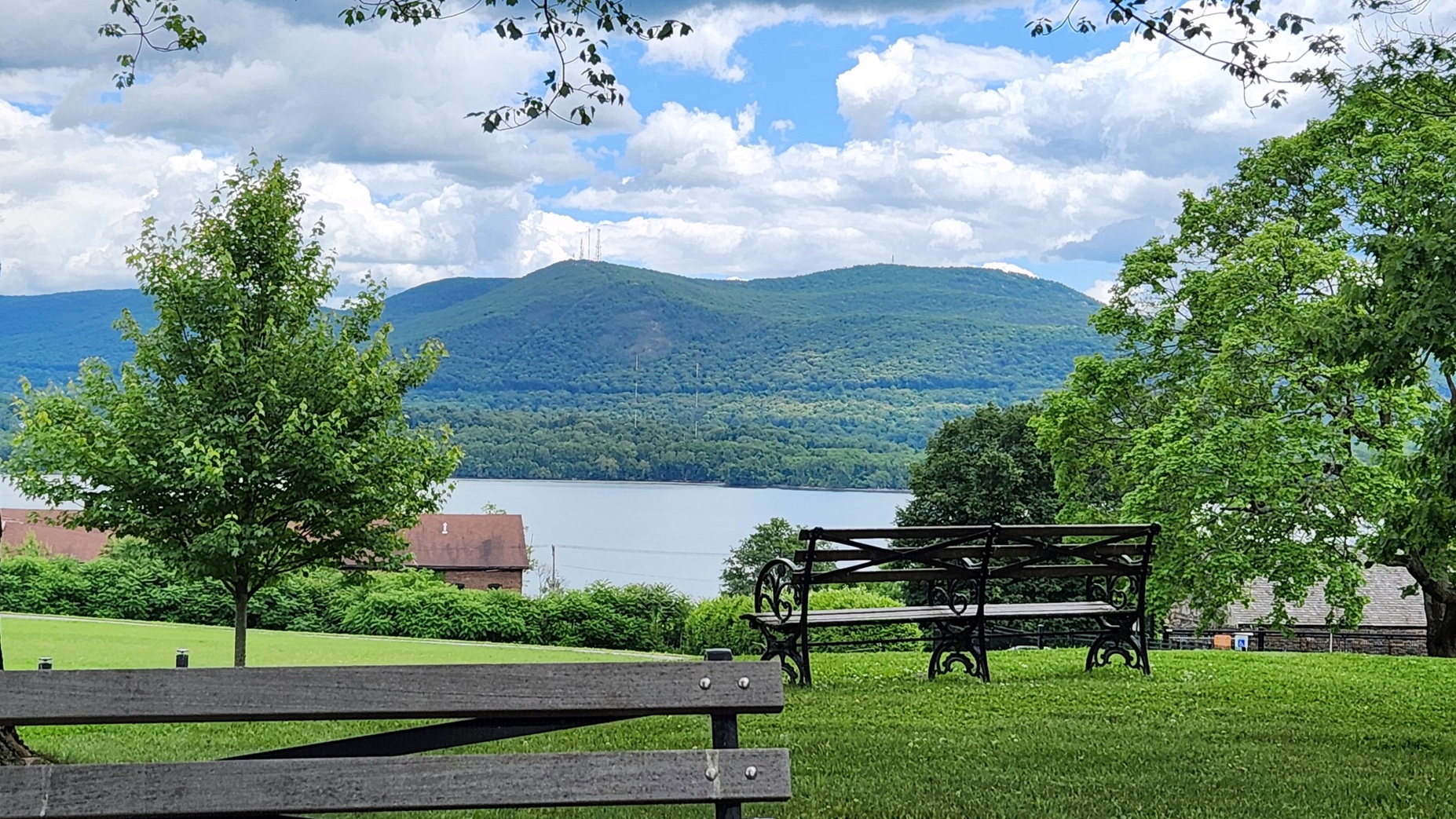
1782 – 1783 saw George Washington in a rented home next to the Hudson River, writing down his thoughts on how the new United States should proceed now that the end of the Revolutionary War was at hand.
That home is now part of Washington Headquarters State Historic Site 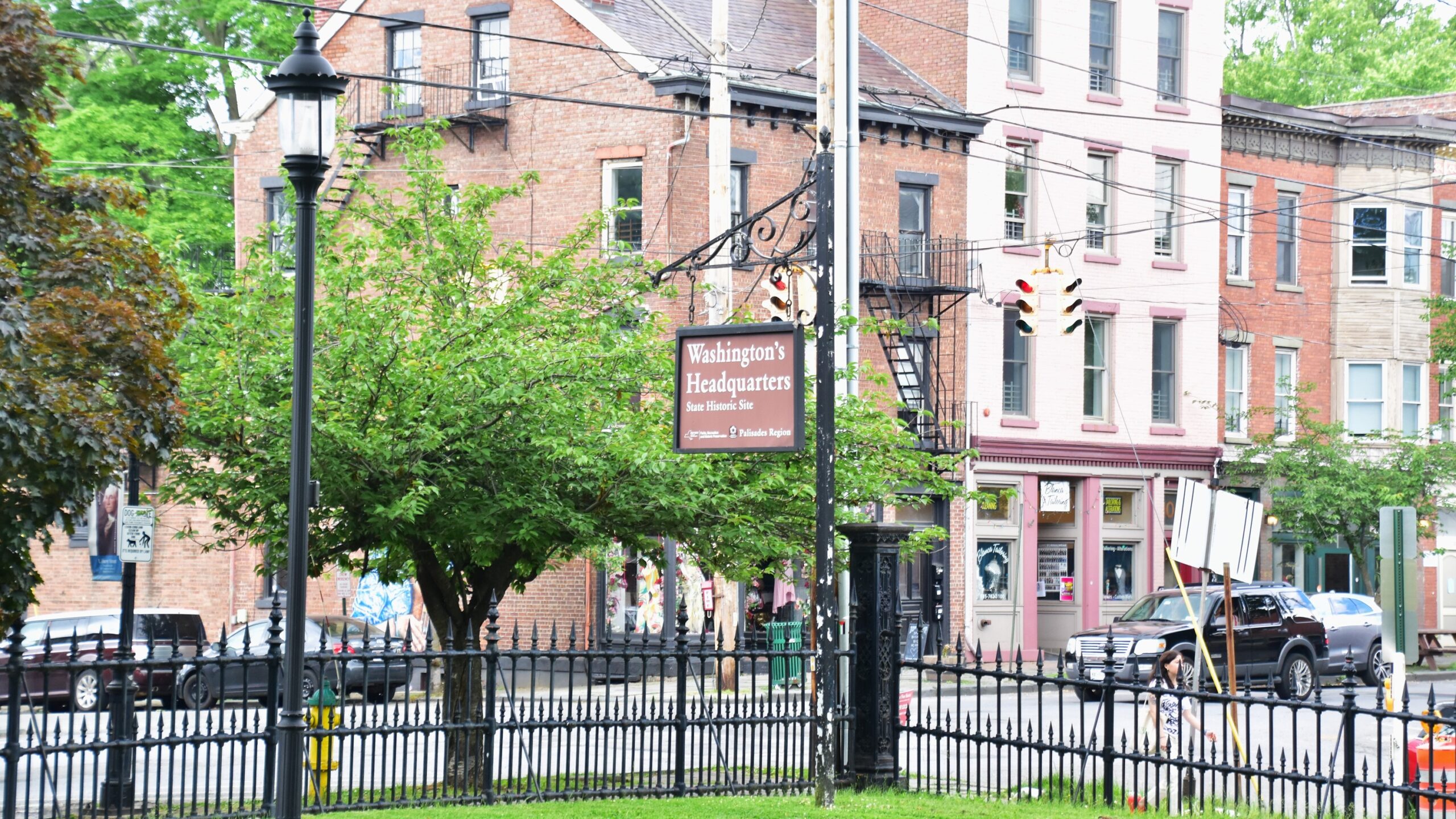 and includes a small but very well-done museum next door.
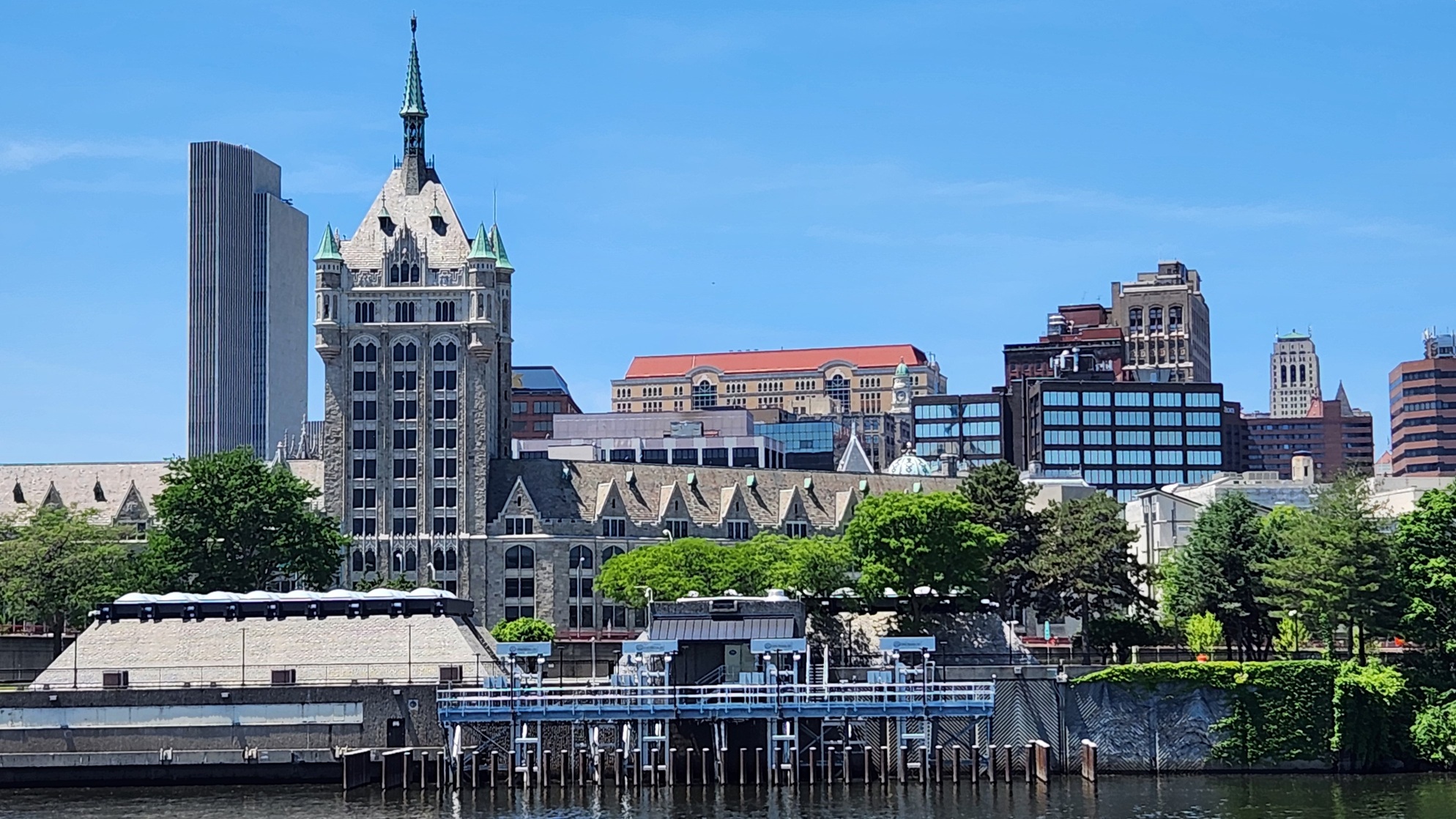
New York’s Capitol, in Albany, has to be the largest complex of buildings, for a capitol, that we have encountered so far. To begin with, the capitol building looks like a castle.
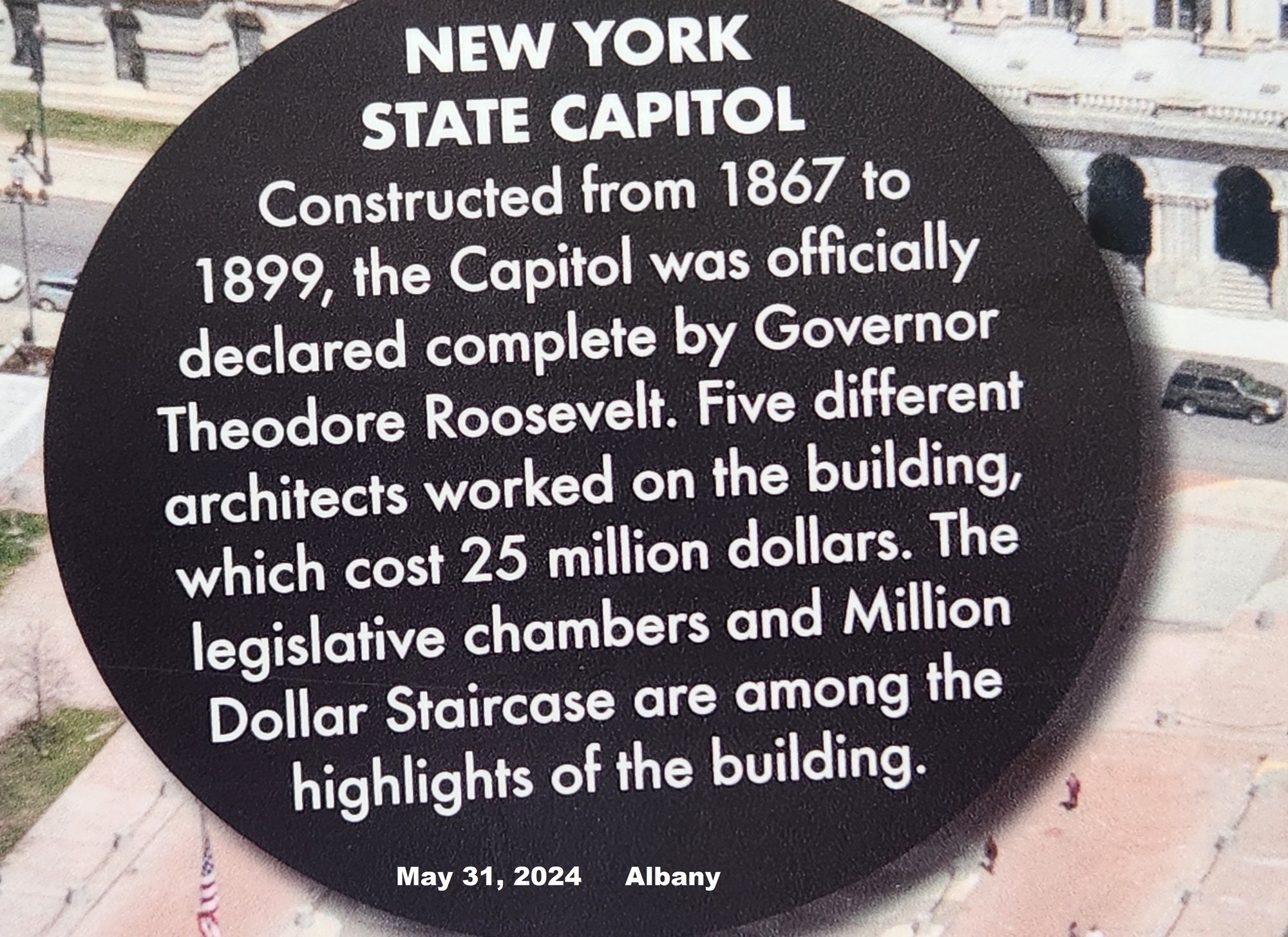
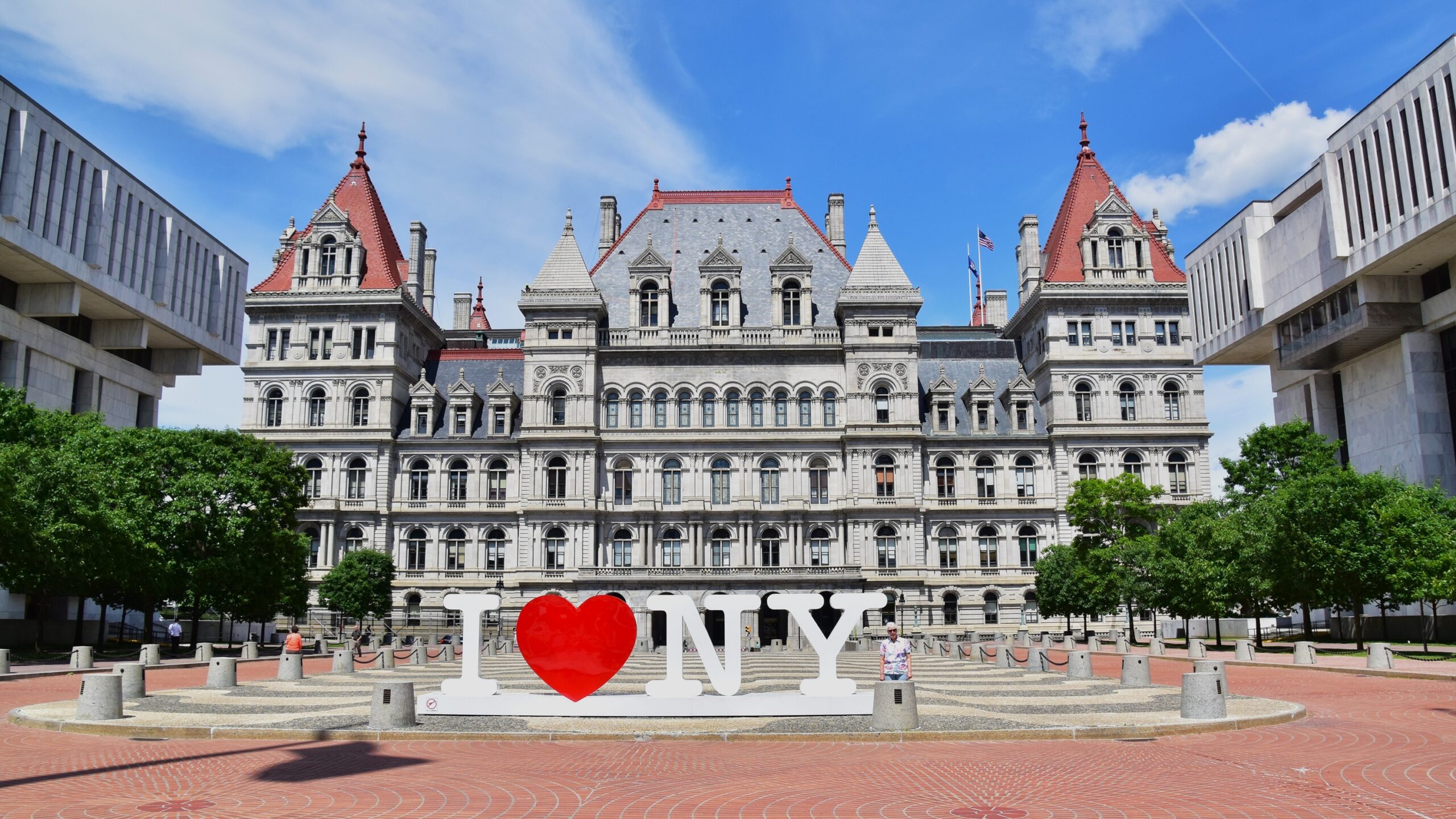
Intricate carving continued on sections of this building for 32 years, before Governor Teddy Roosevelt called a halt to the work. Consequently, some areas were never finished.
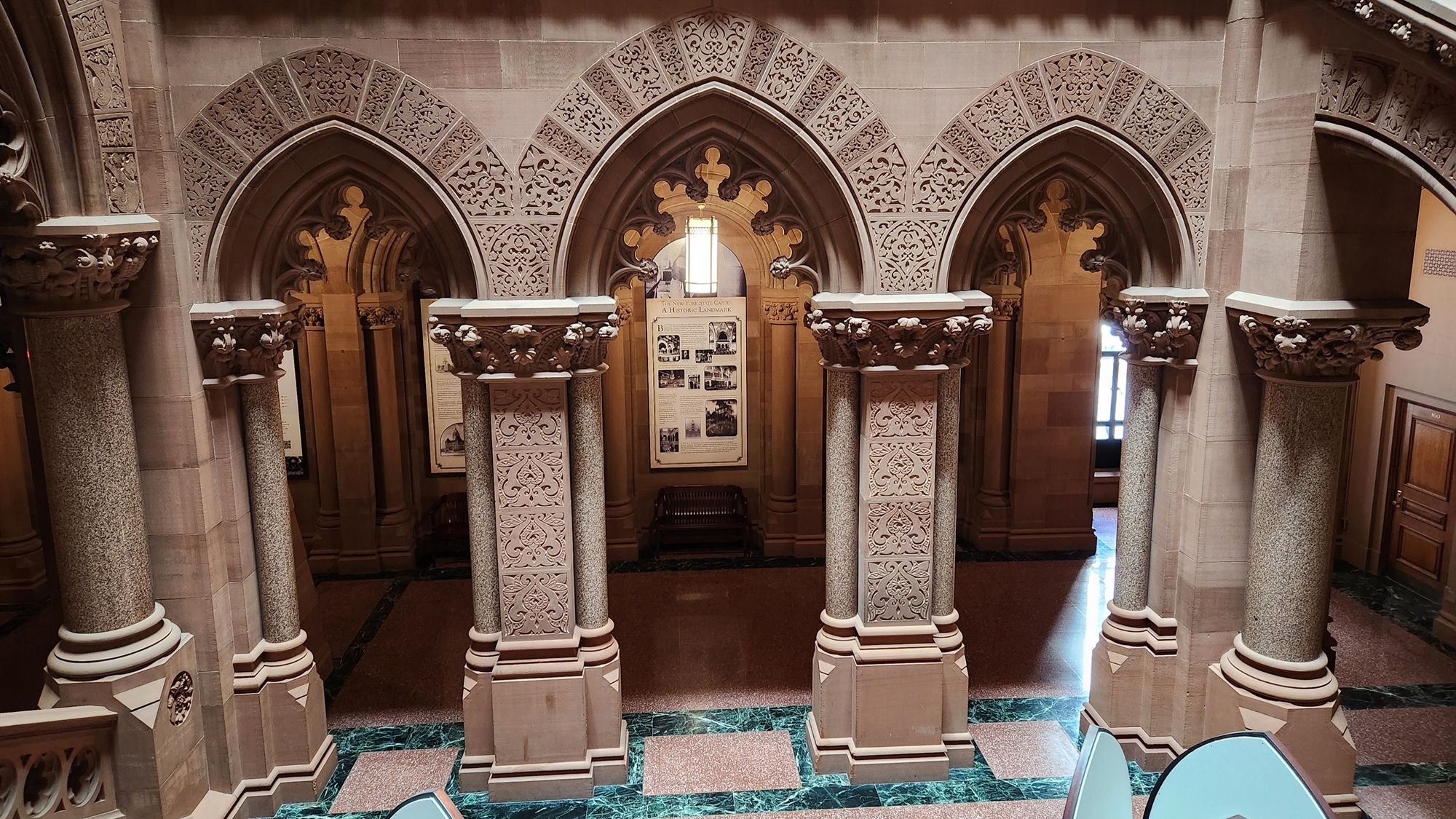
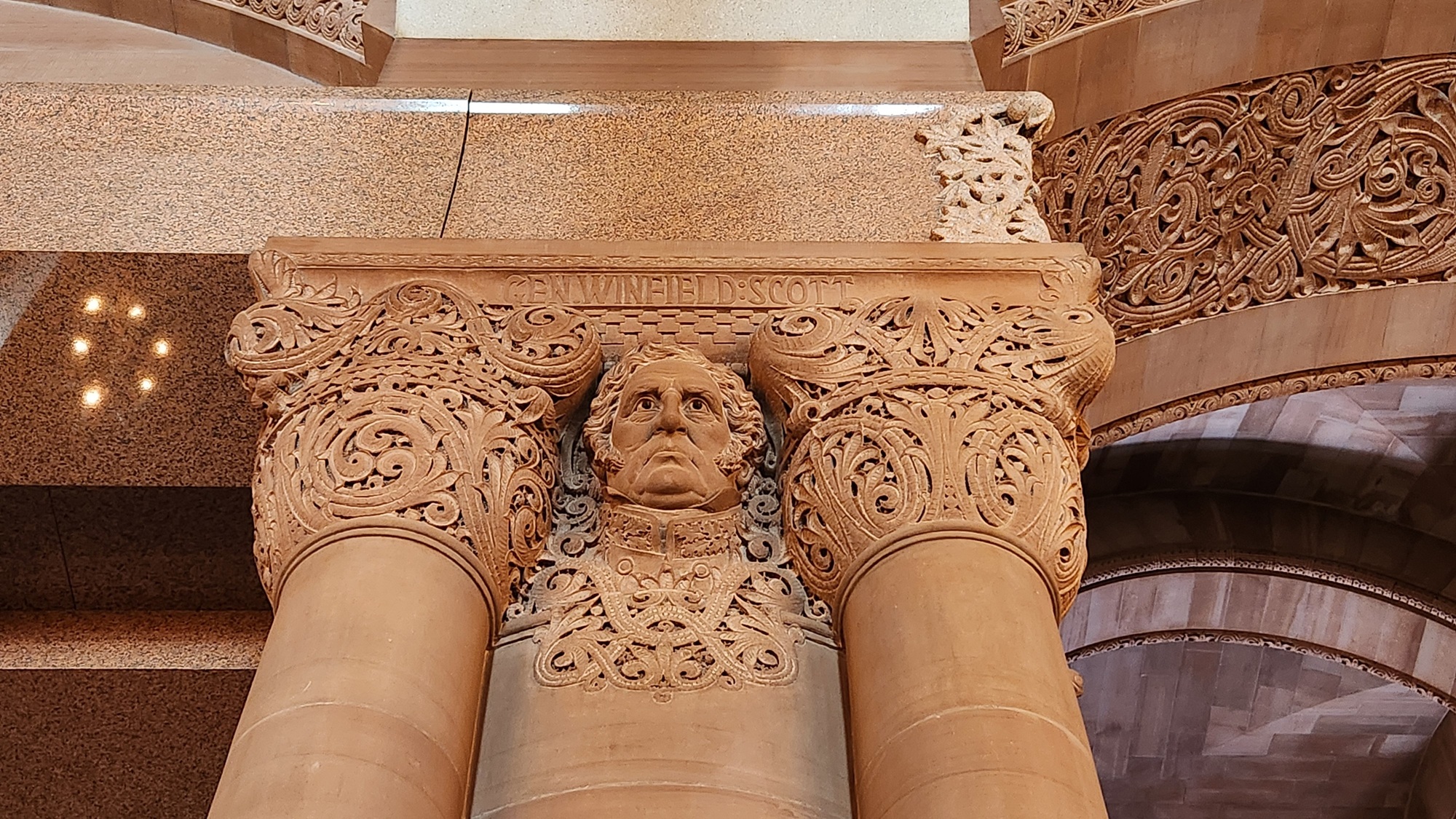
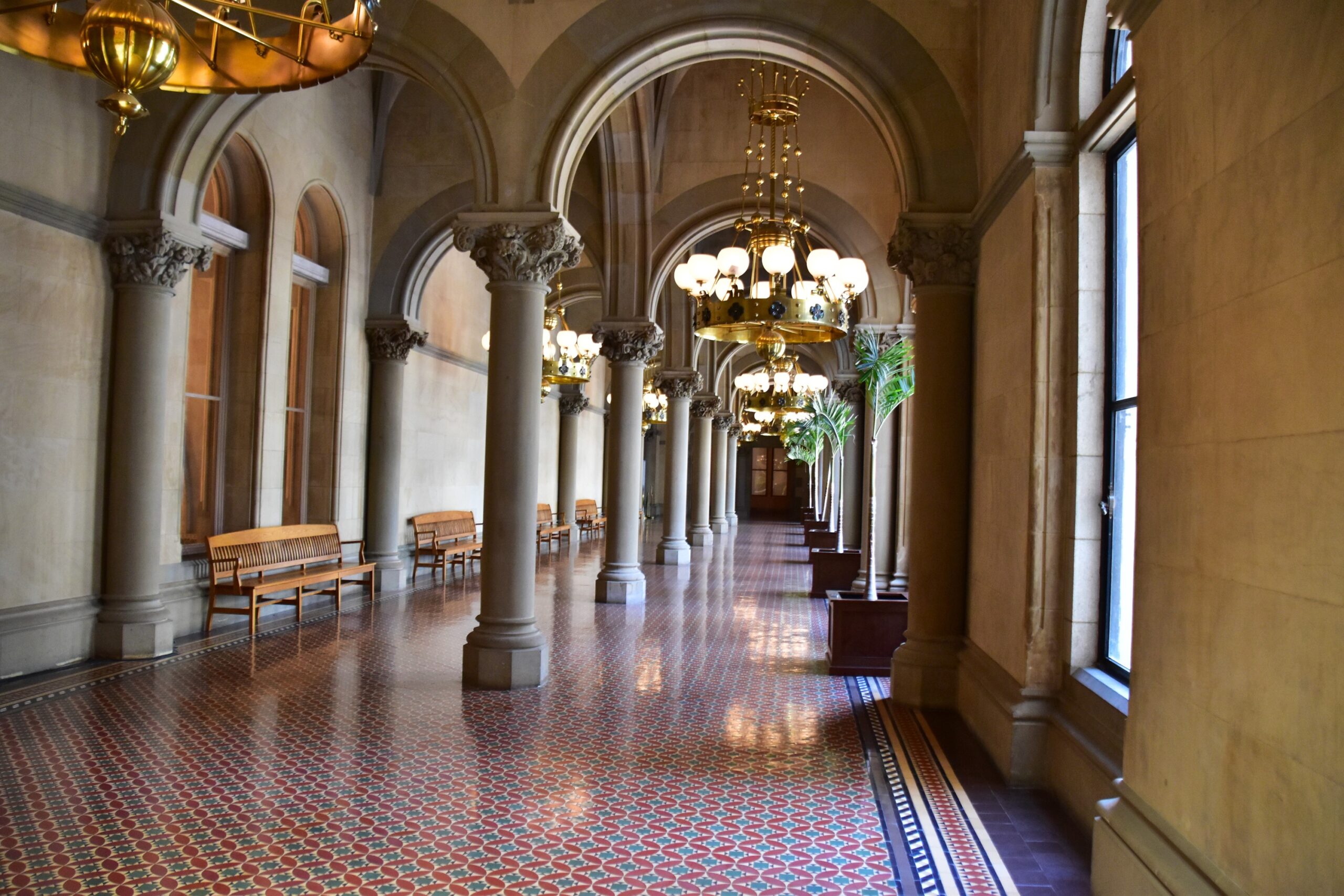
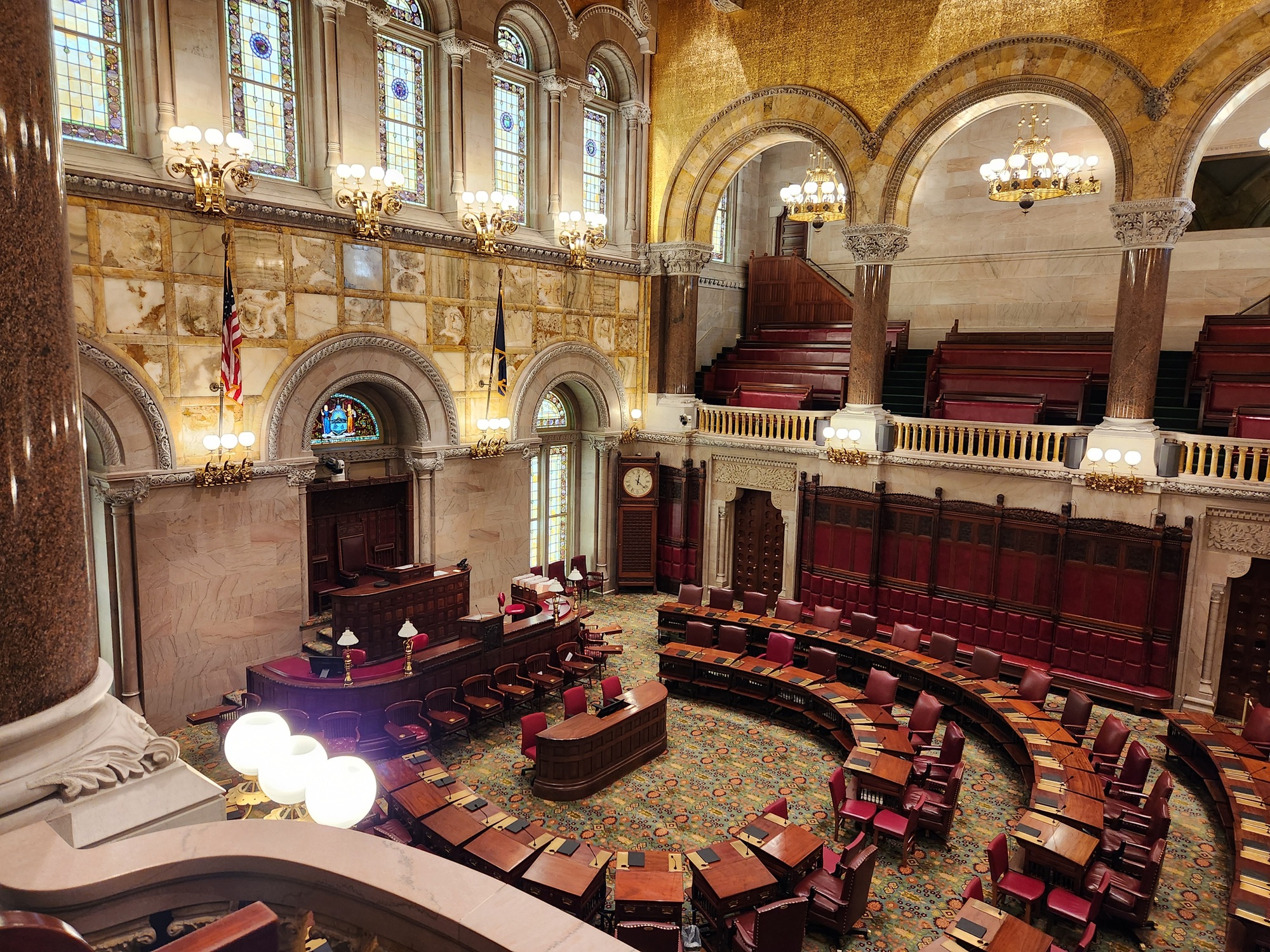
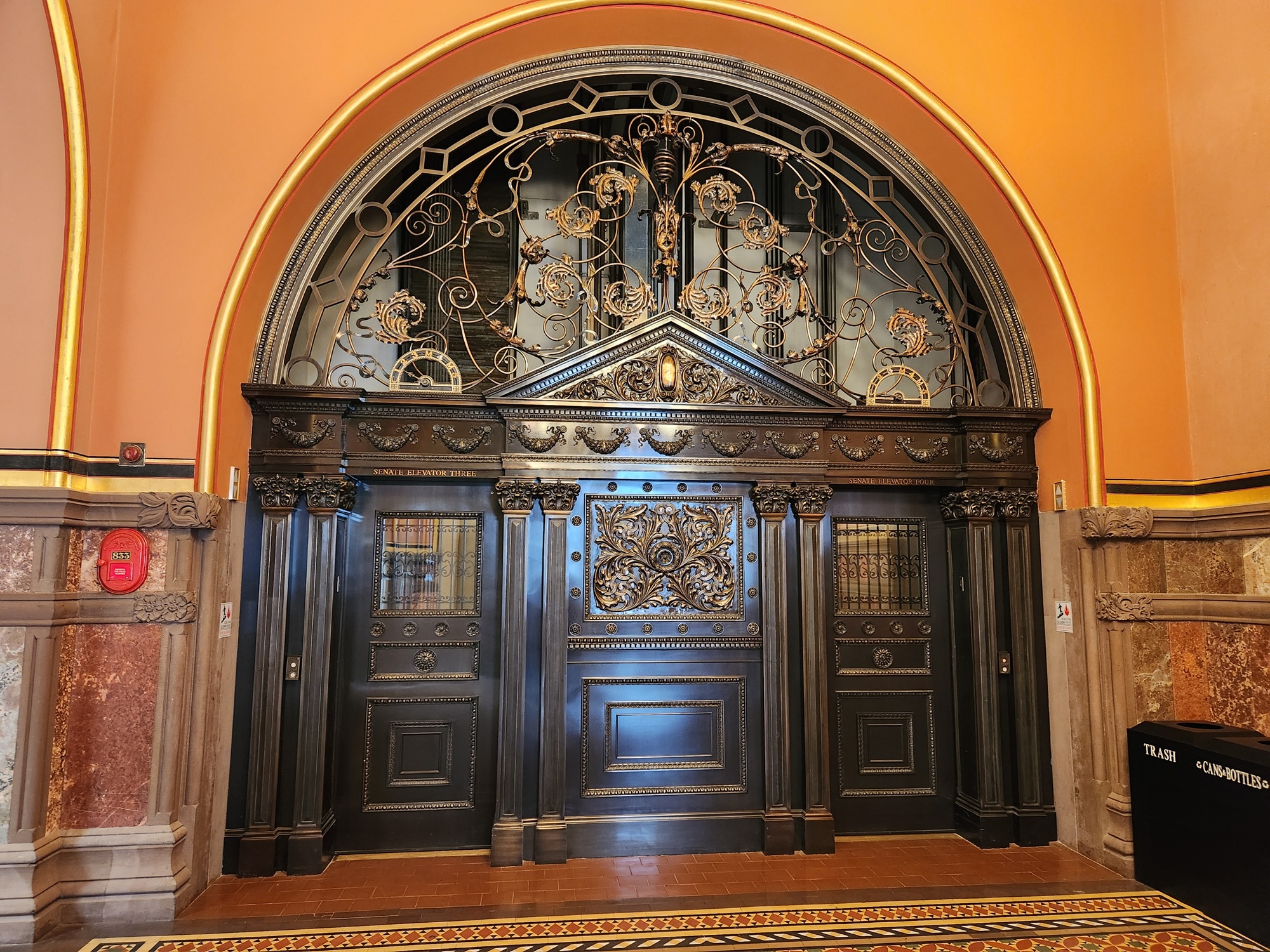
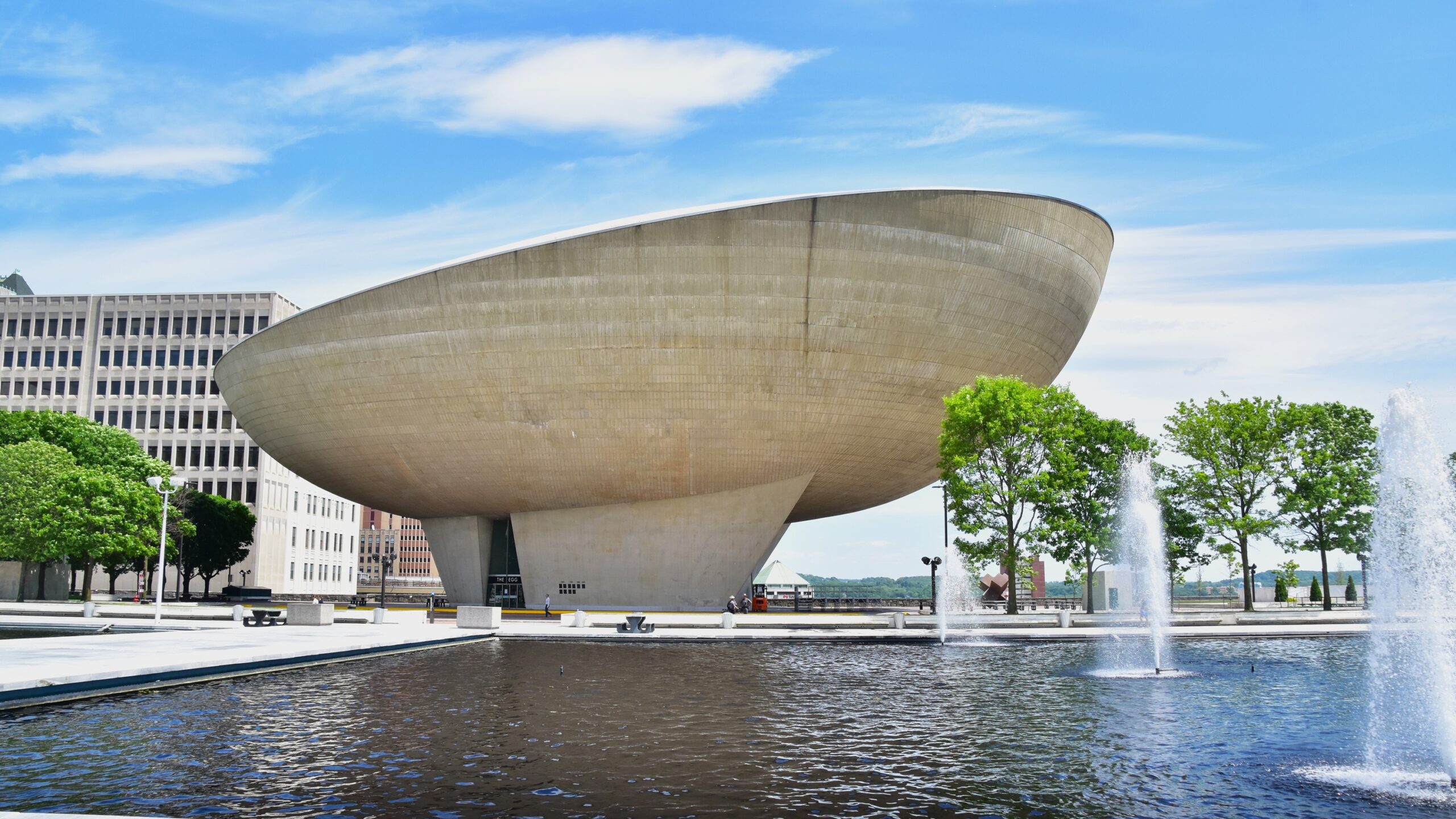
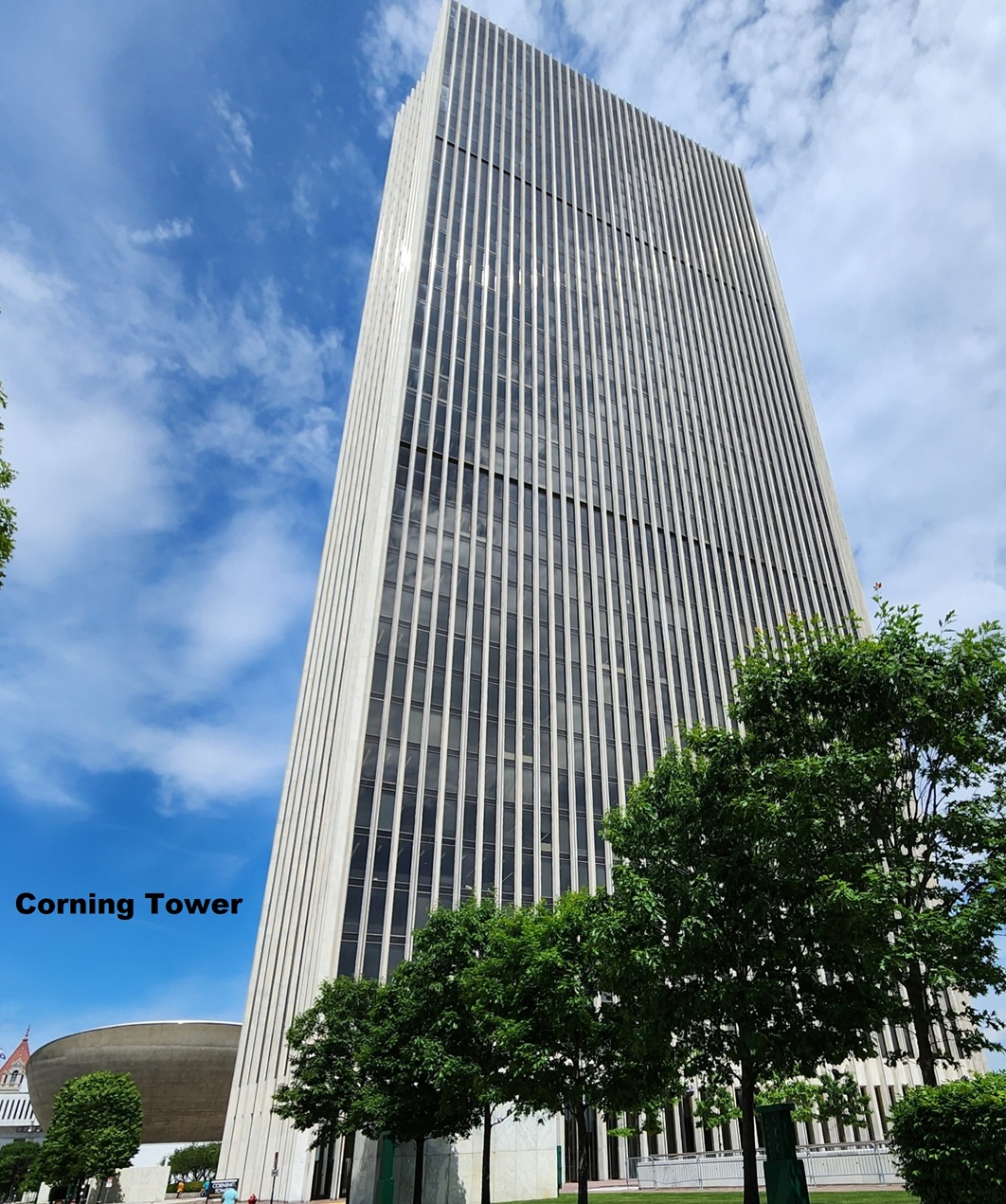
The capitol building is part of a huge square that contains a central courtyard, office buildings, fountains, ‘The Egg’, a round performing arts venue, a museum and a tall tower with an elevator to whisk you to the top for some great views.
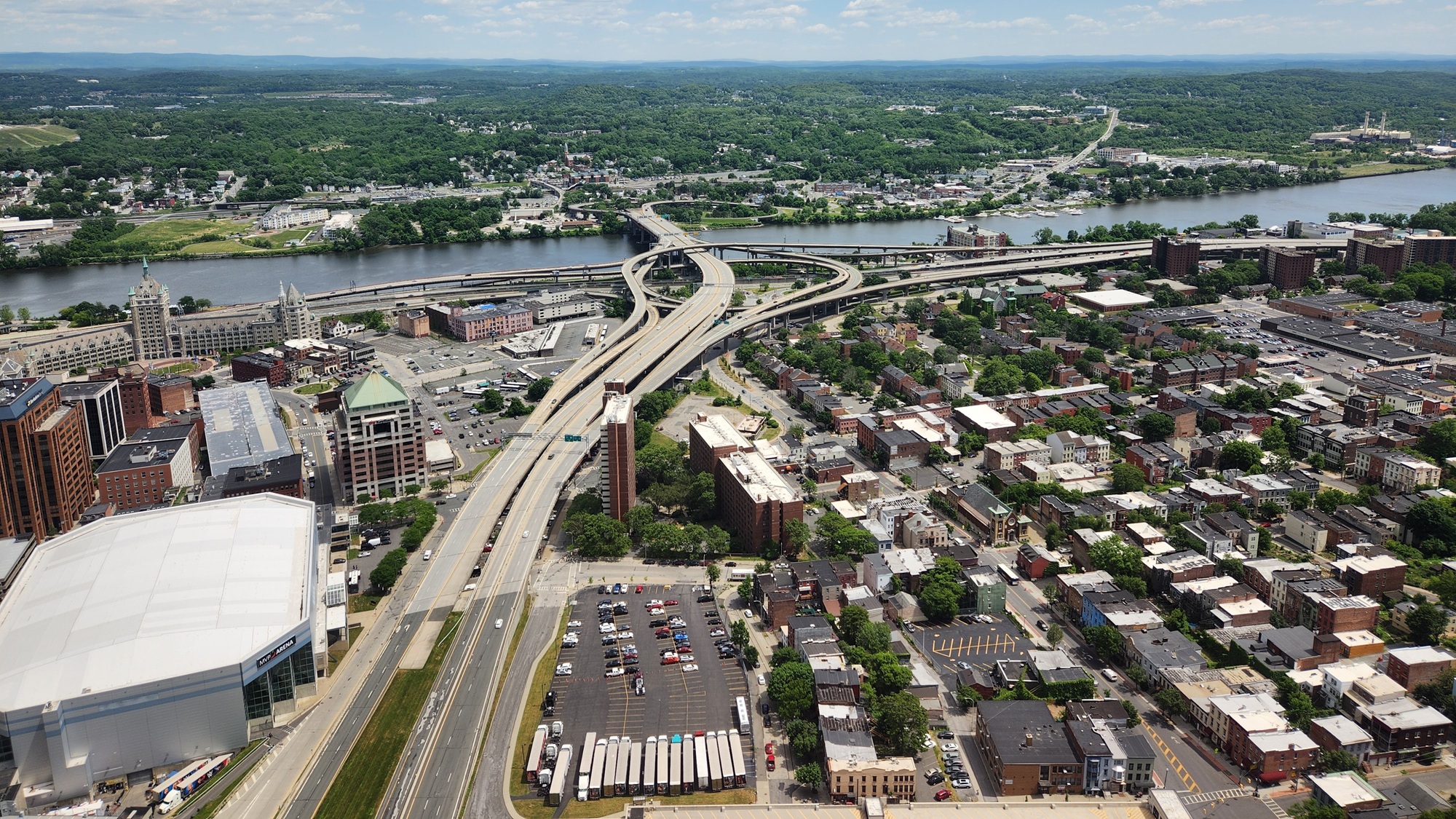
Underneath all of this is a concourse that connects all these places and contains its own set of businesses, restaurants and multiple parking garages. Quite the place!
We had a two-boat day in Albany, first a tour of the USS Slater, a well-preserved WWII Destroyer Escort and the only one still remaining.
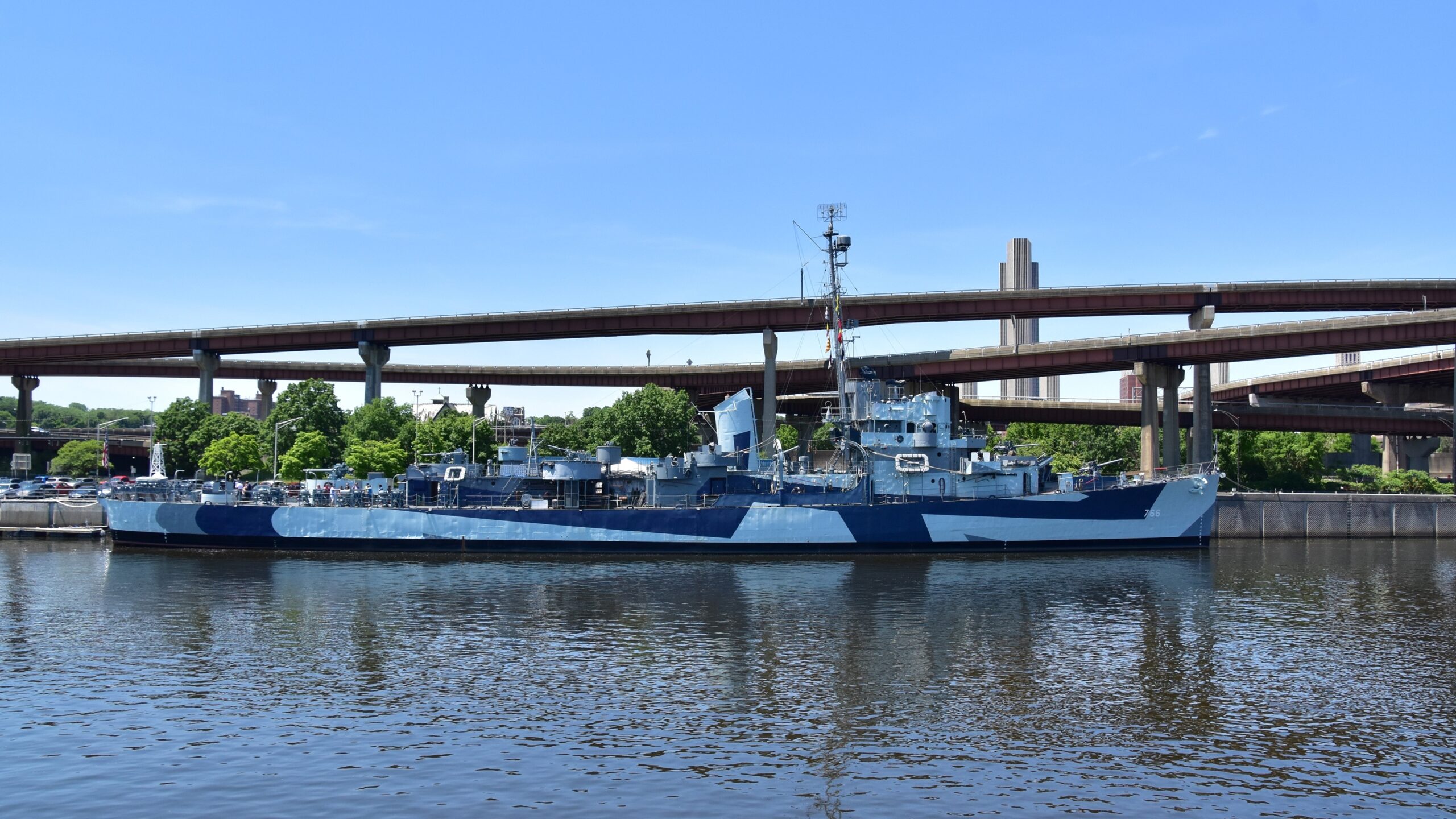
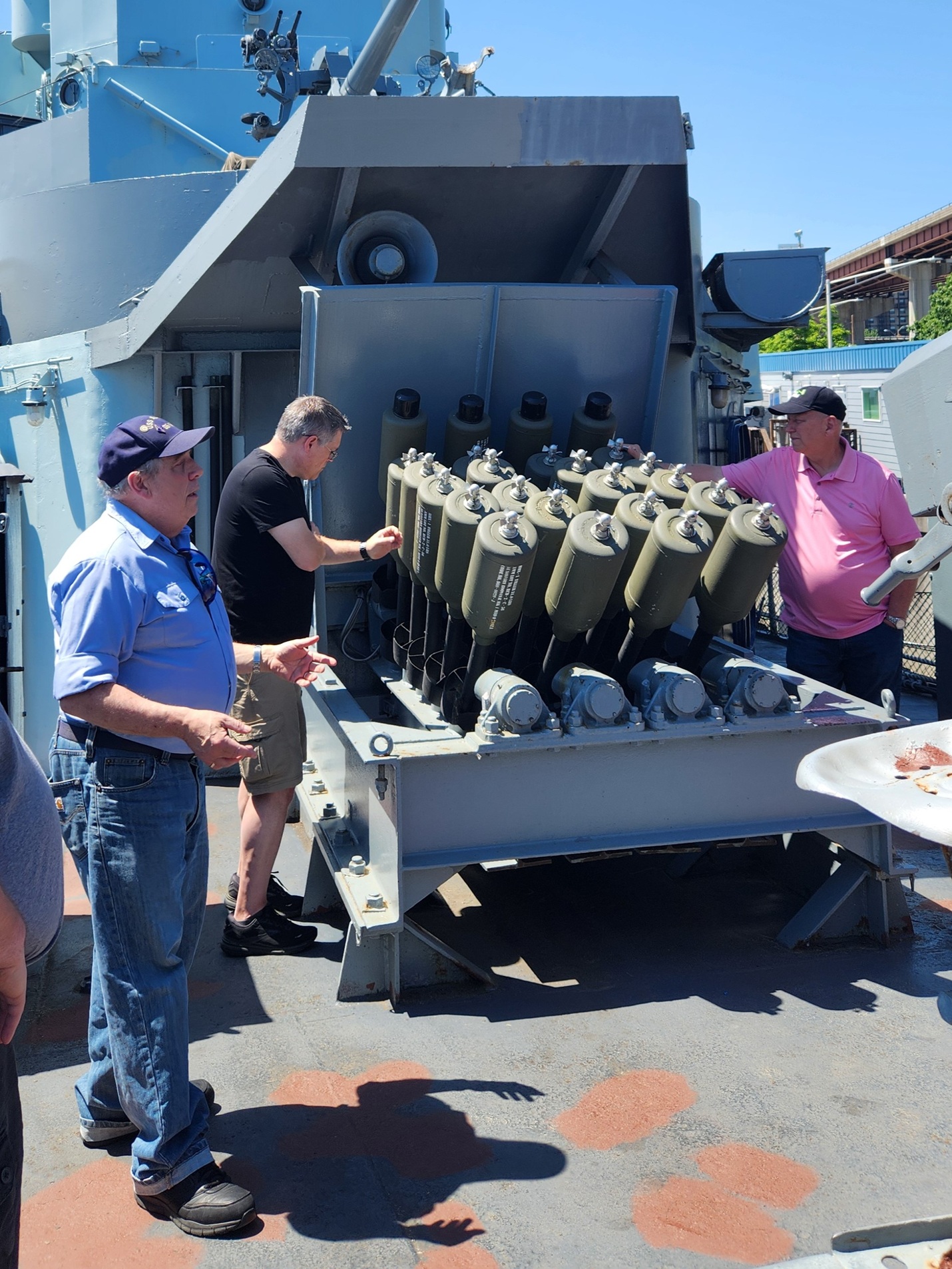
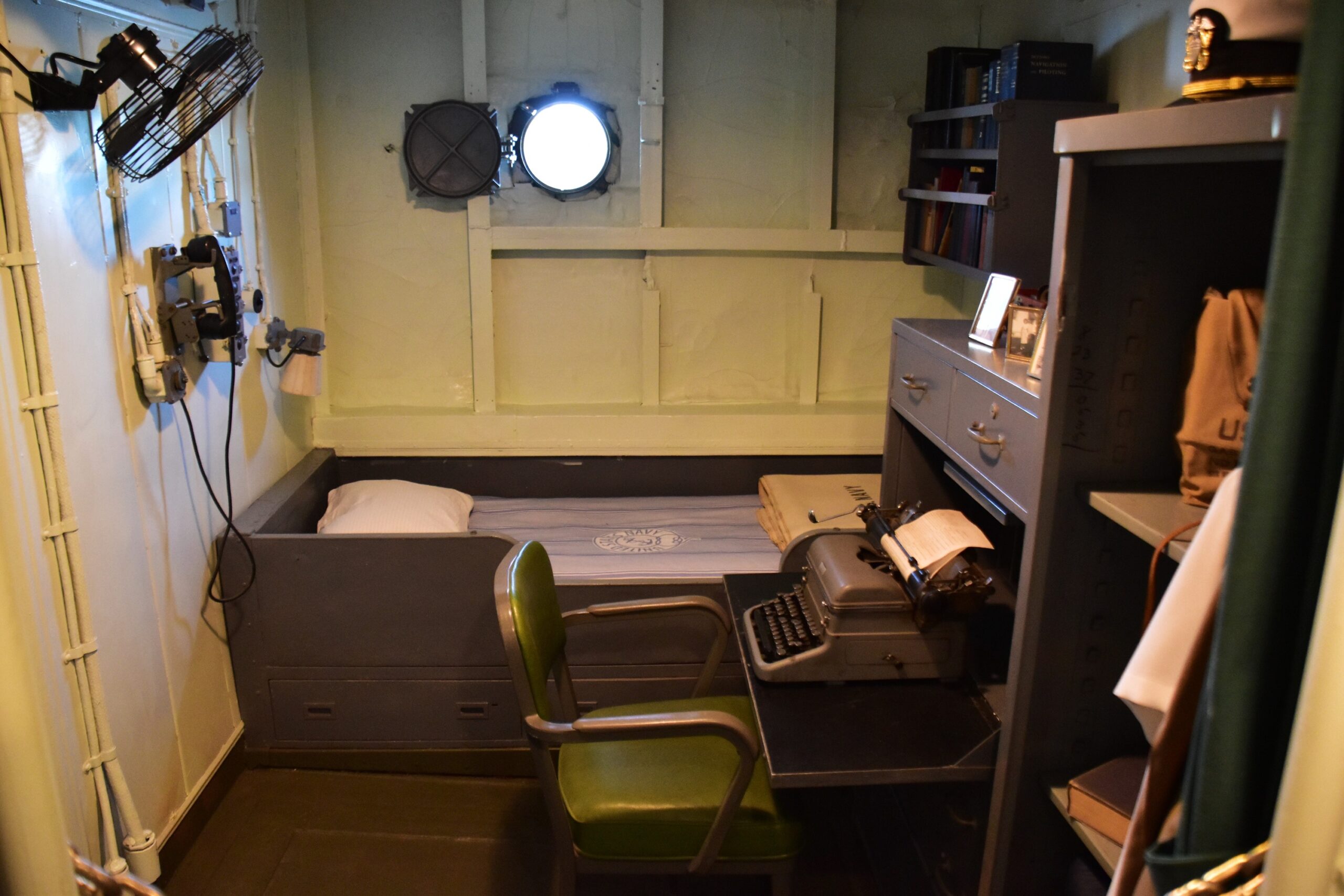
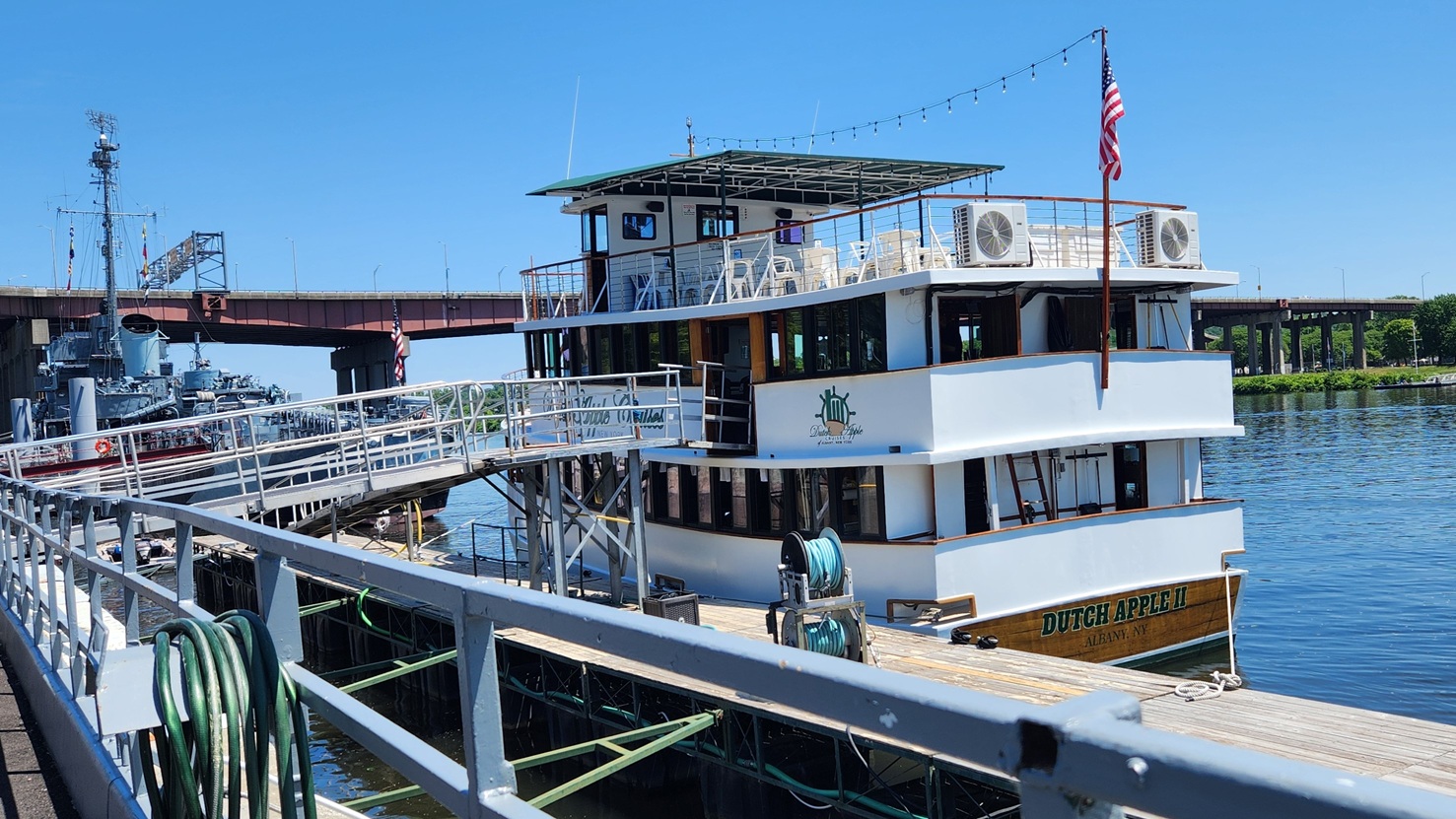
A 90-minute cruise on the Hudson with Dutch Apple Boat Tours was next; a very relaxing ride that included food and fruity drinks.
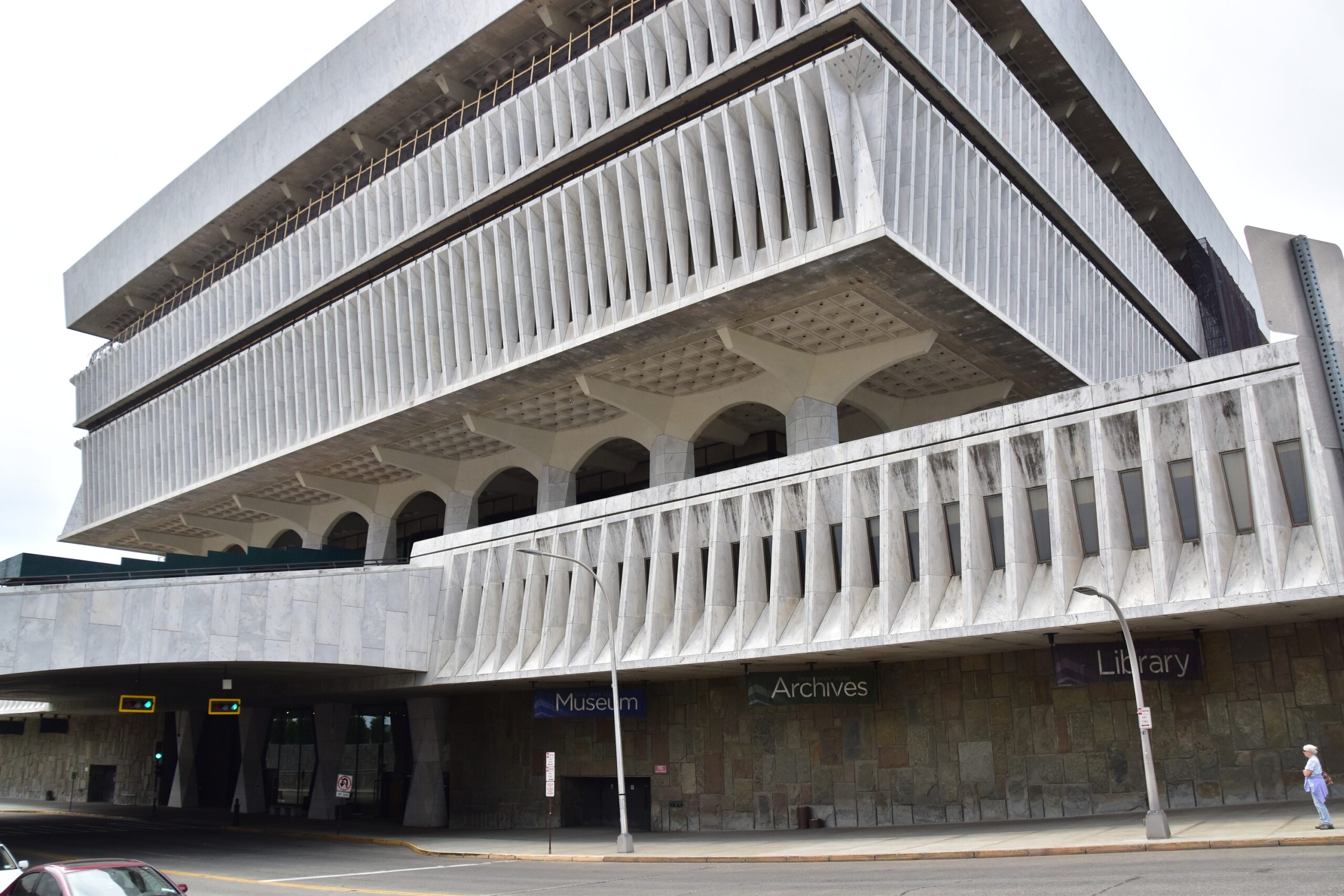
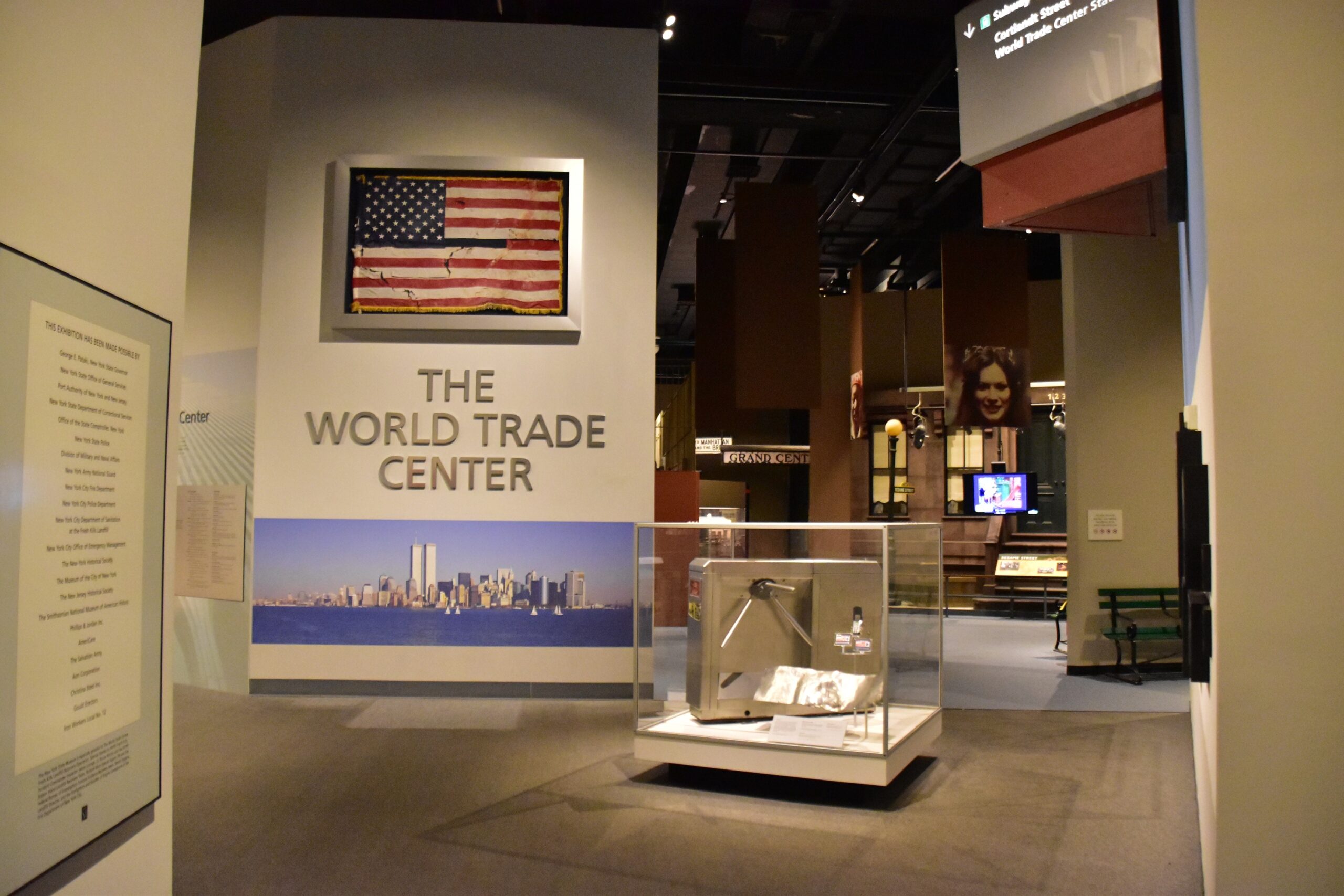
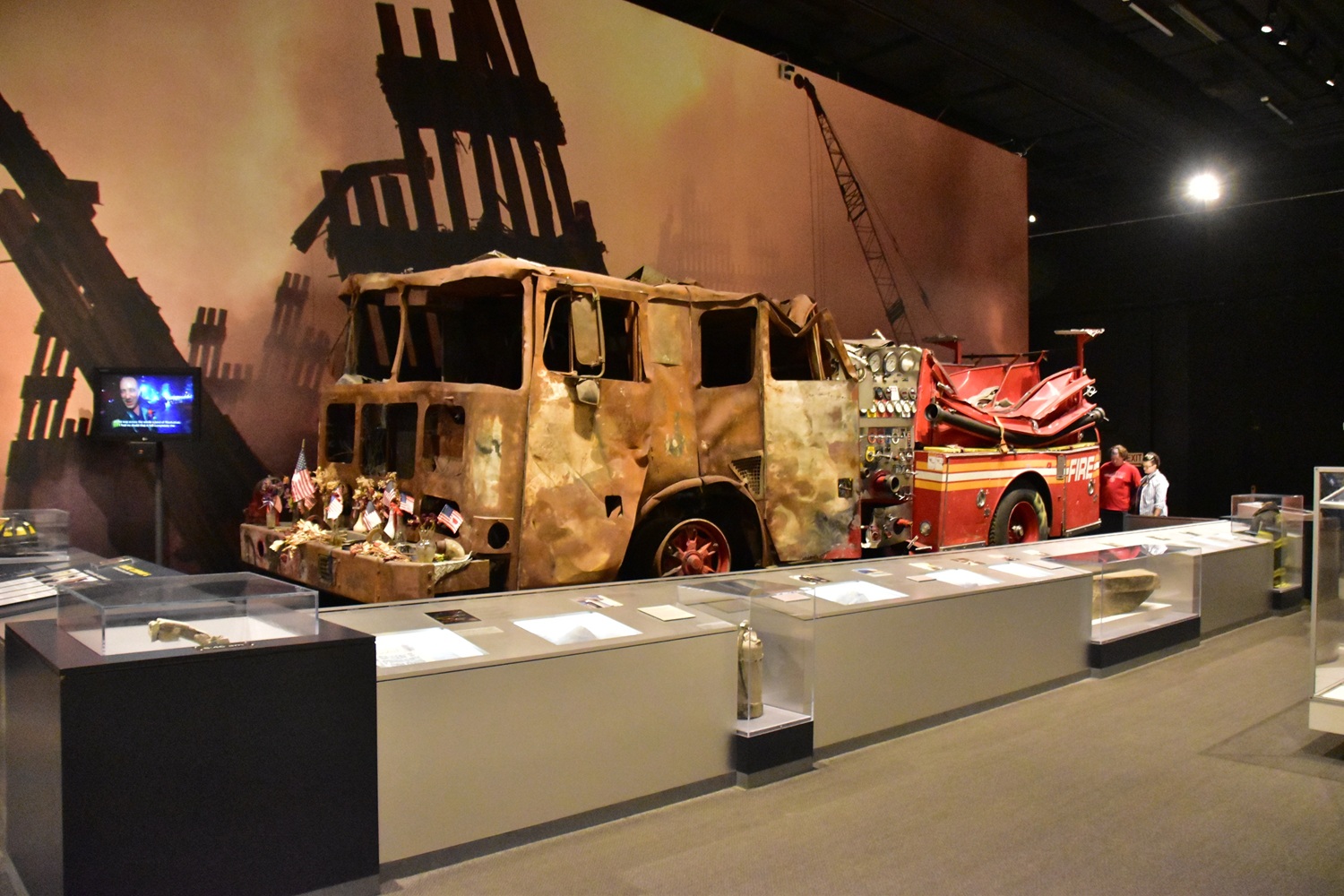
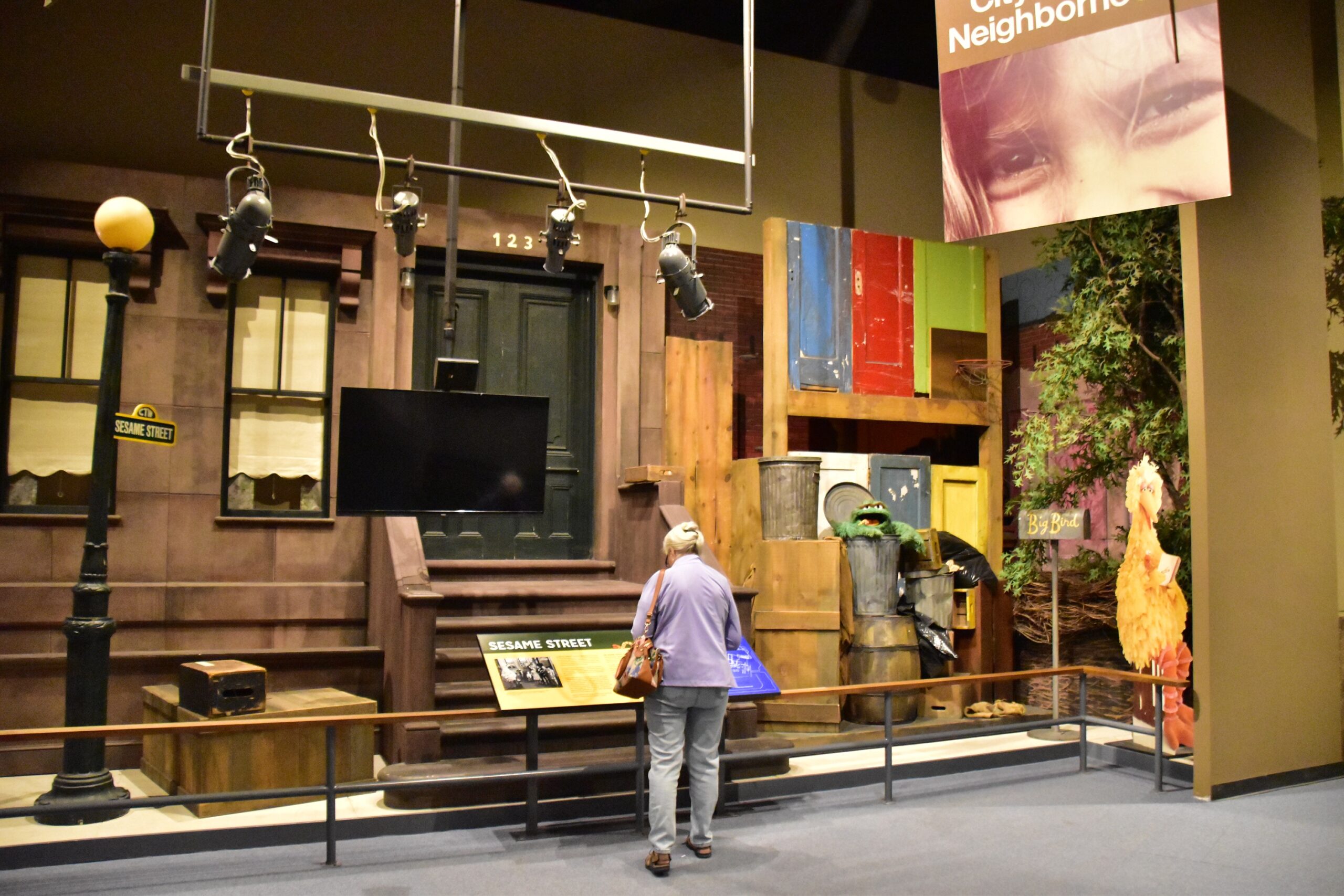
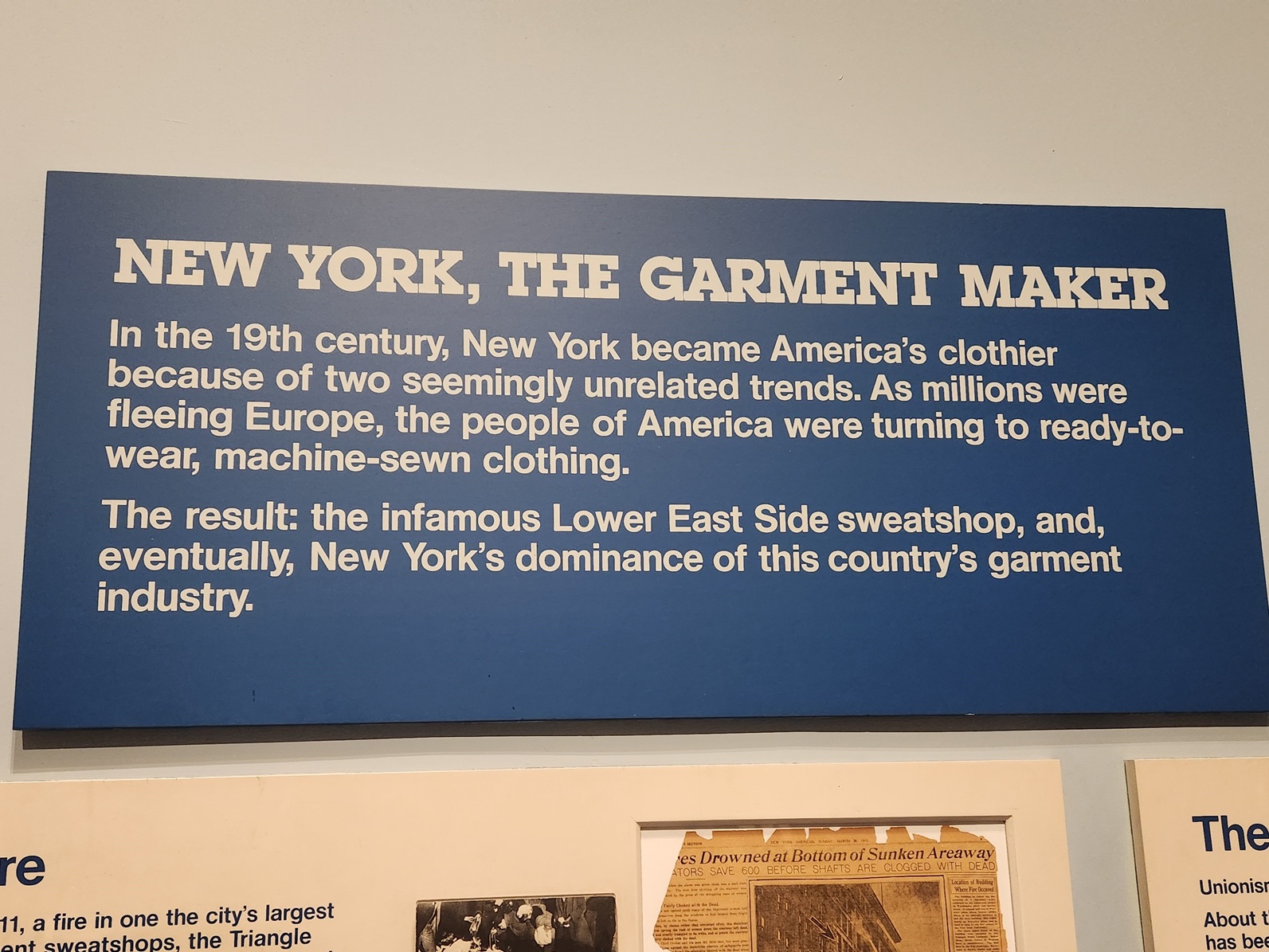
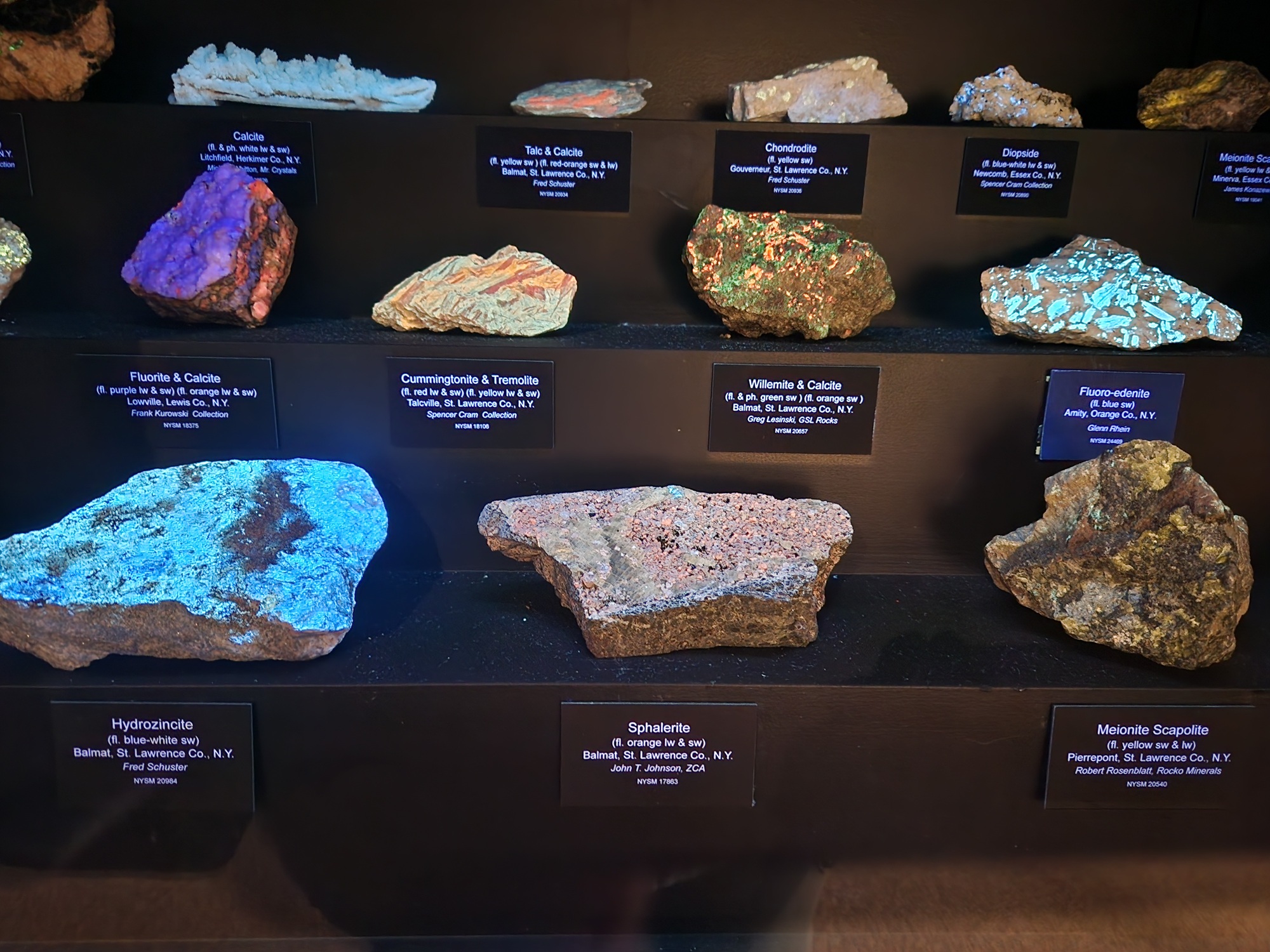
The New York State Museum is part of the capitol complex, and we spent an interesting day there. One of the most moving displays told the story of 9-11 and included videos and artifacts.
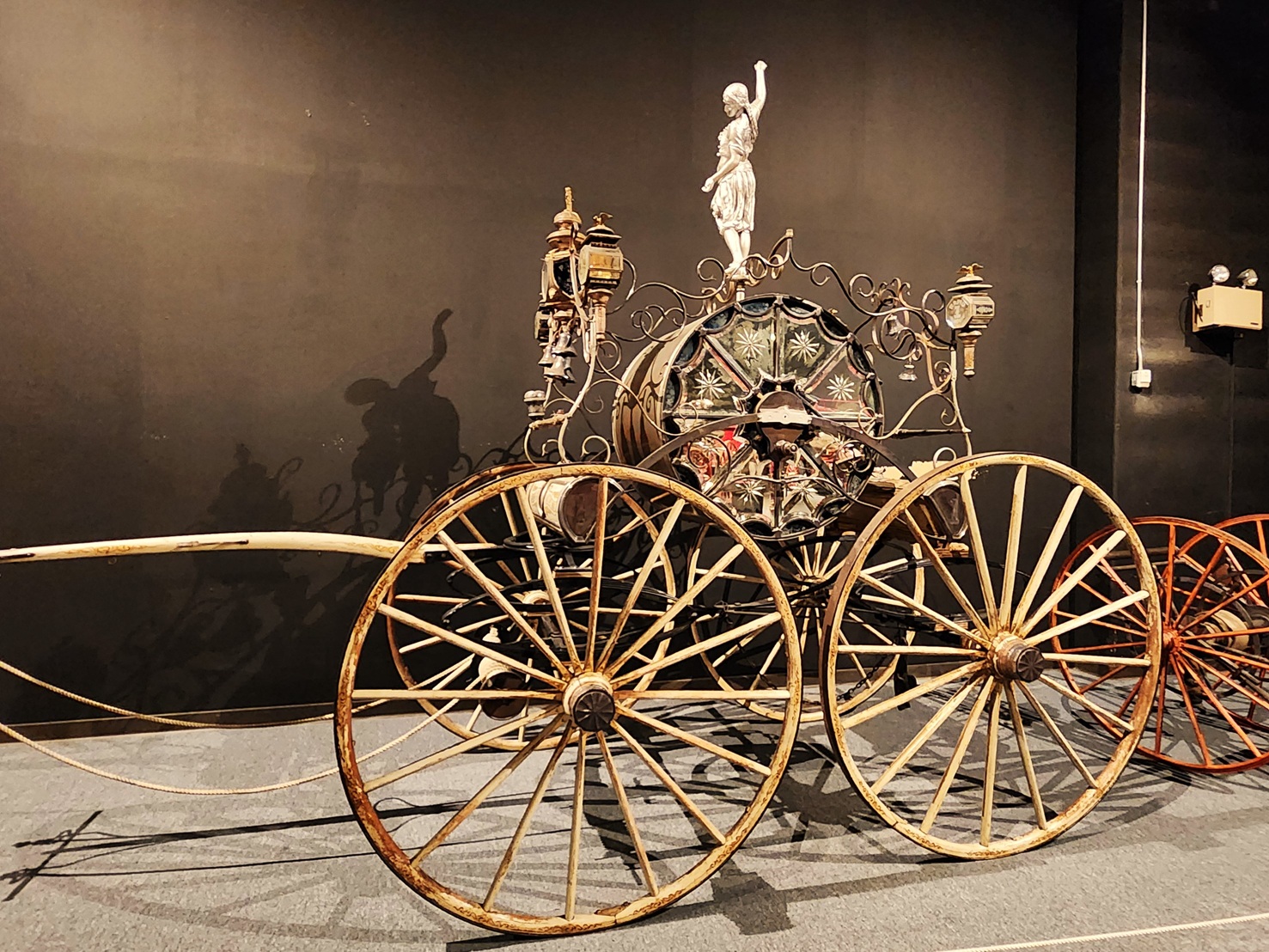
Antique fire wagon used in parades.
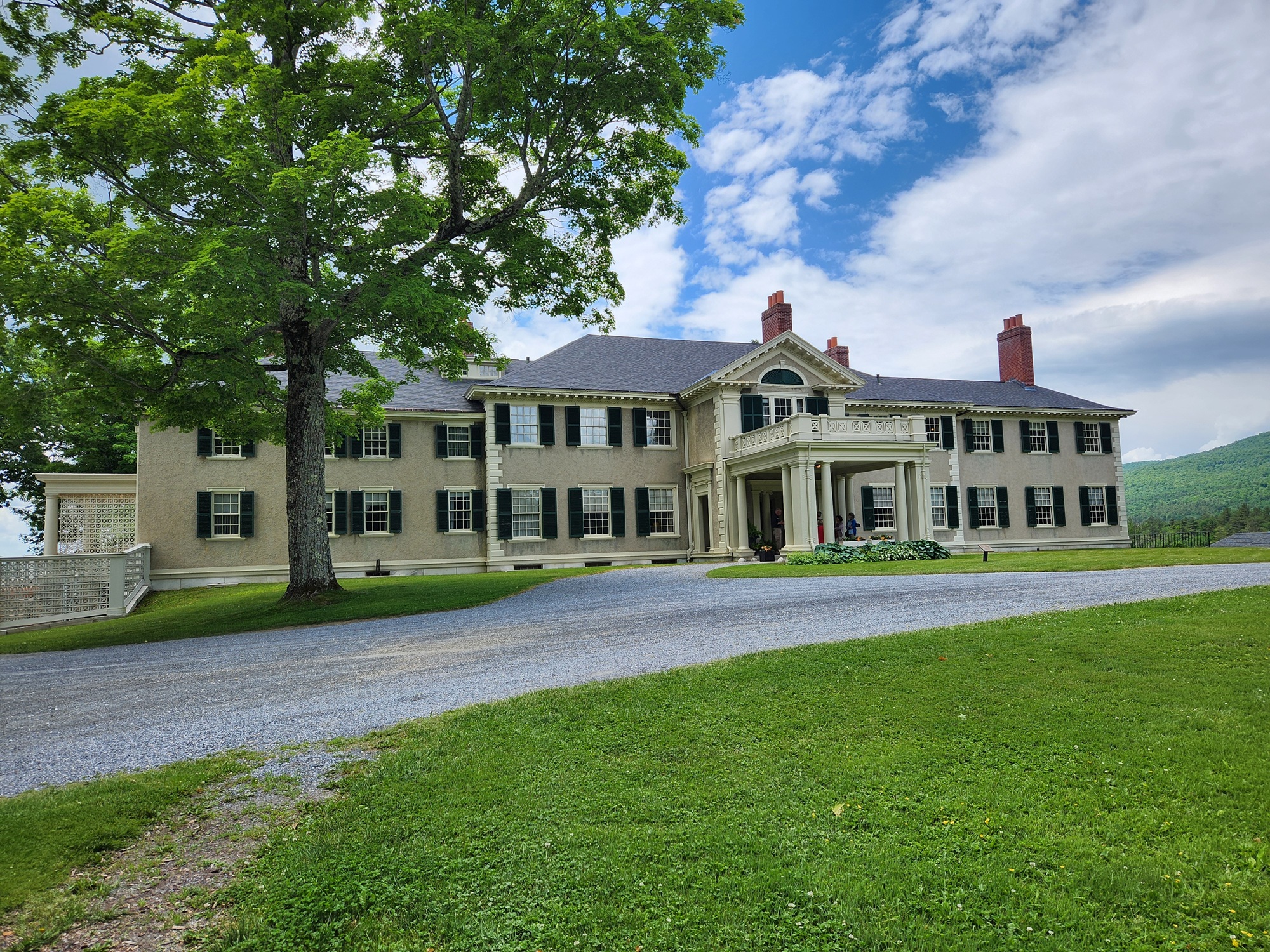
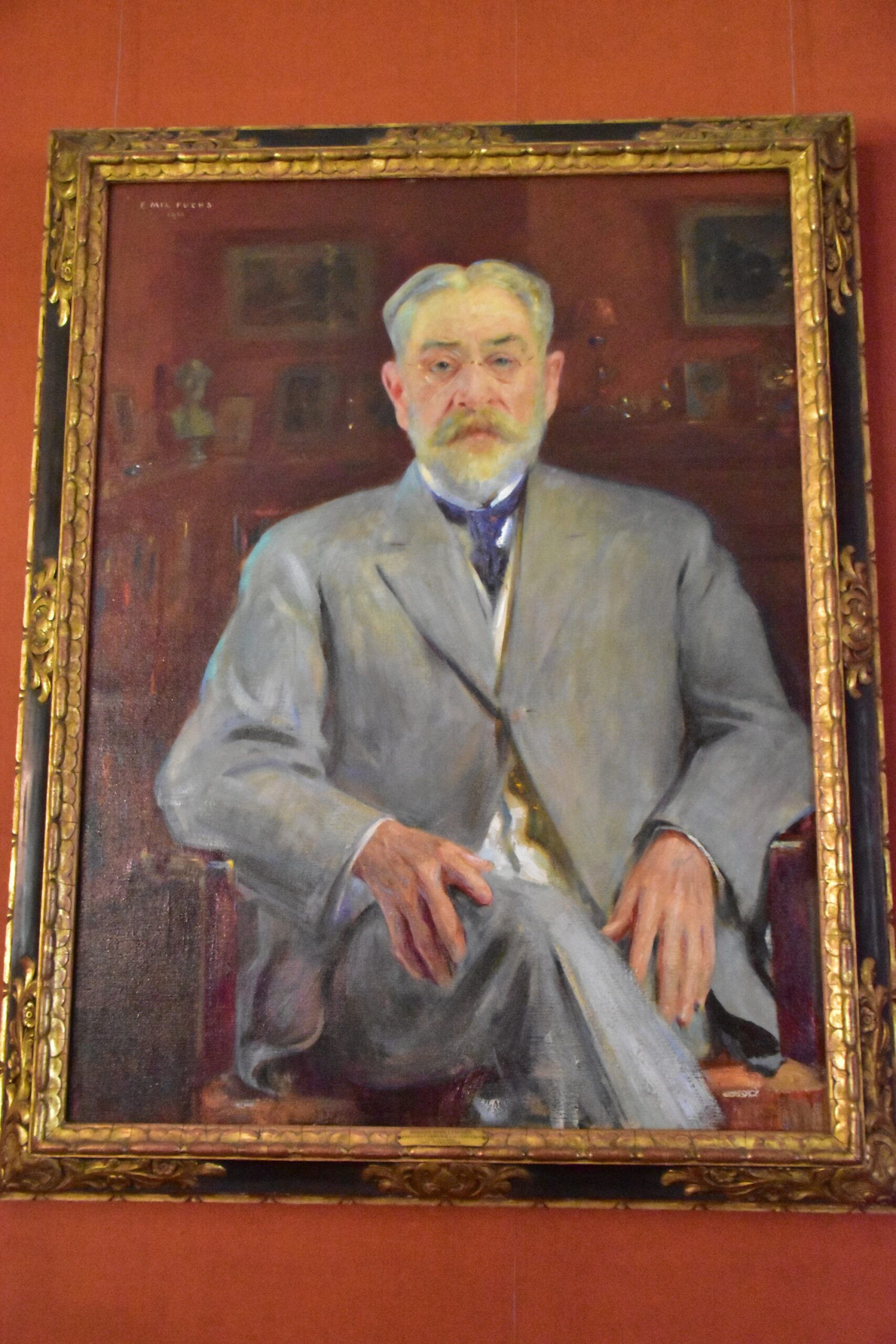
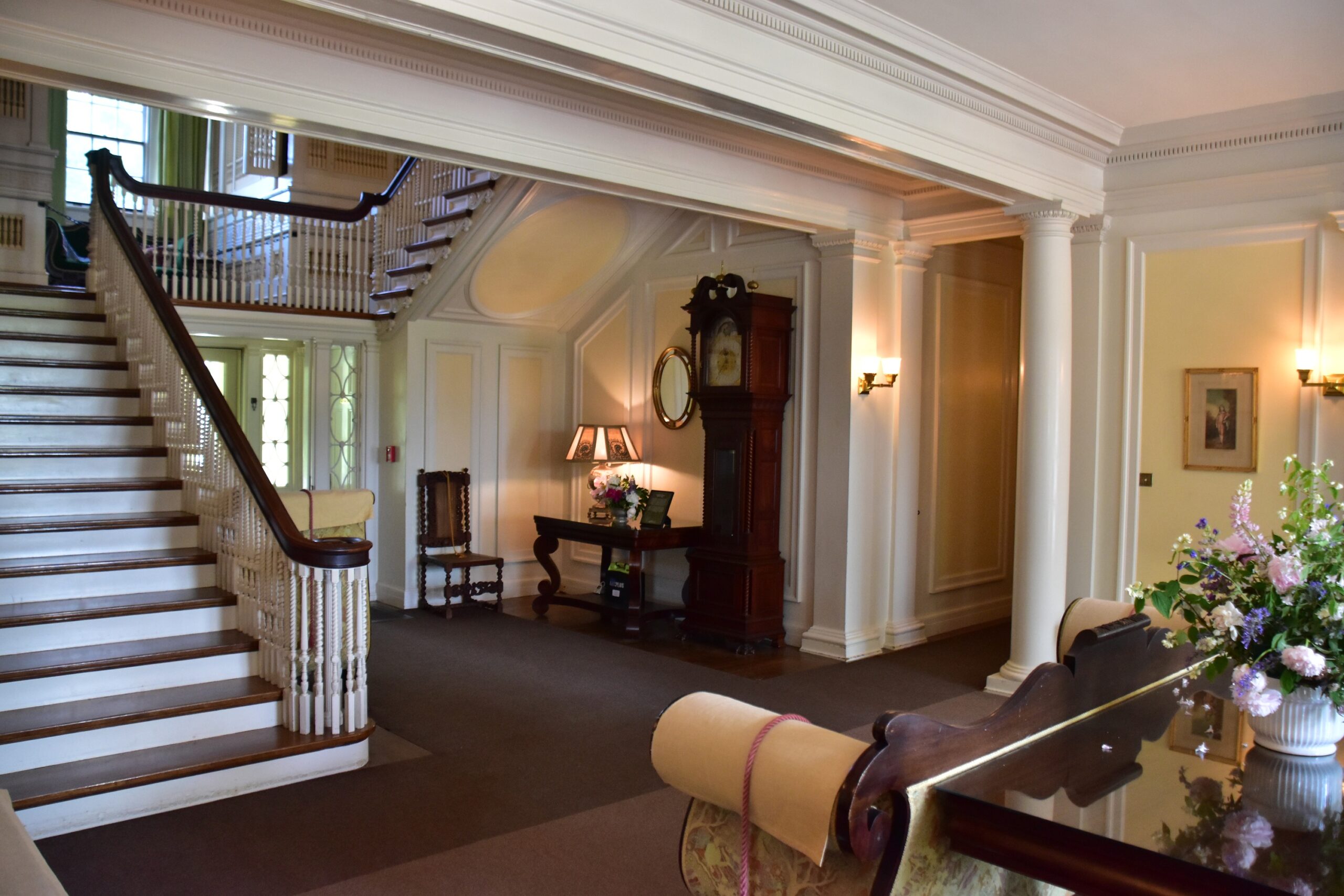
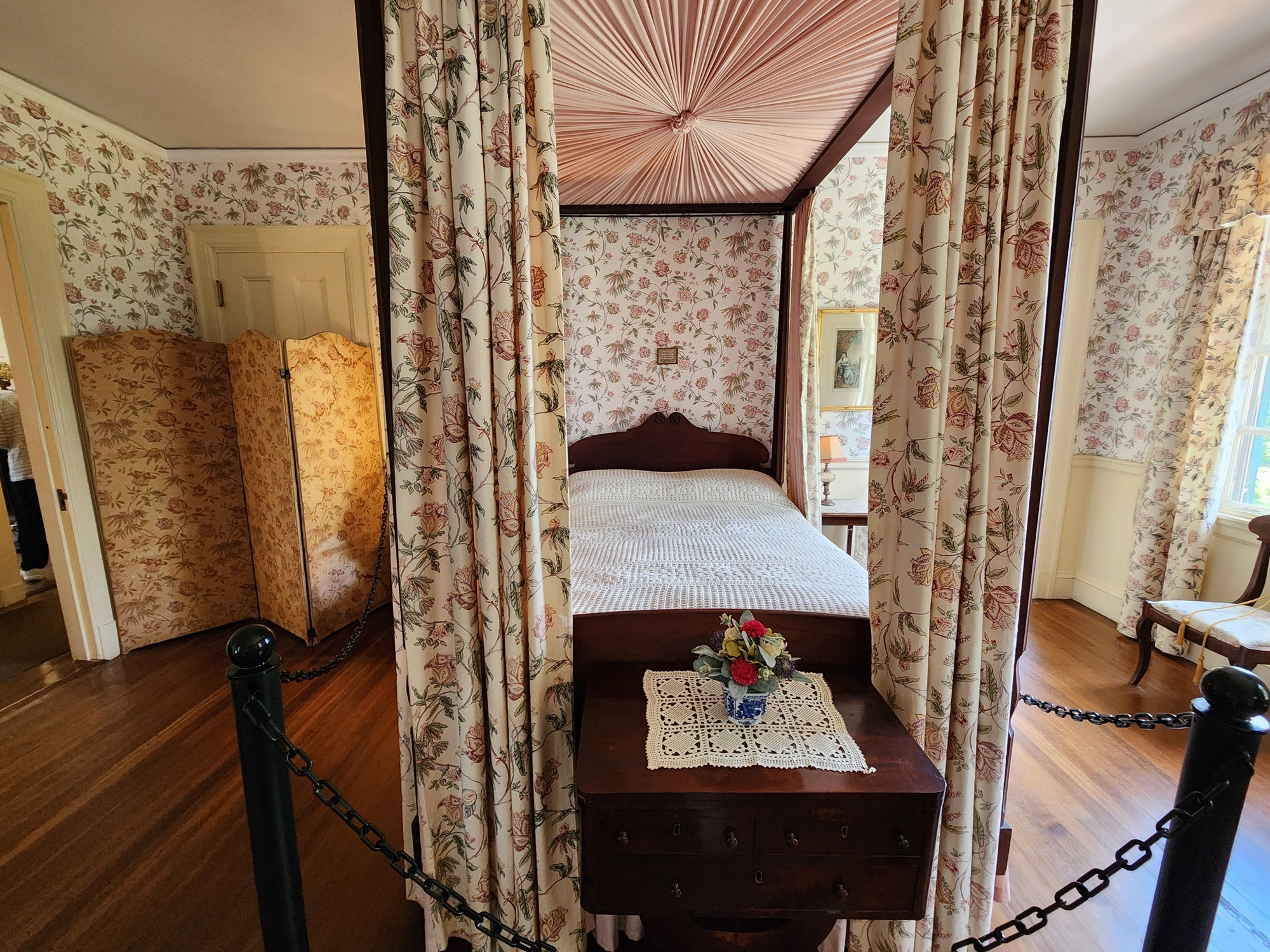
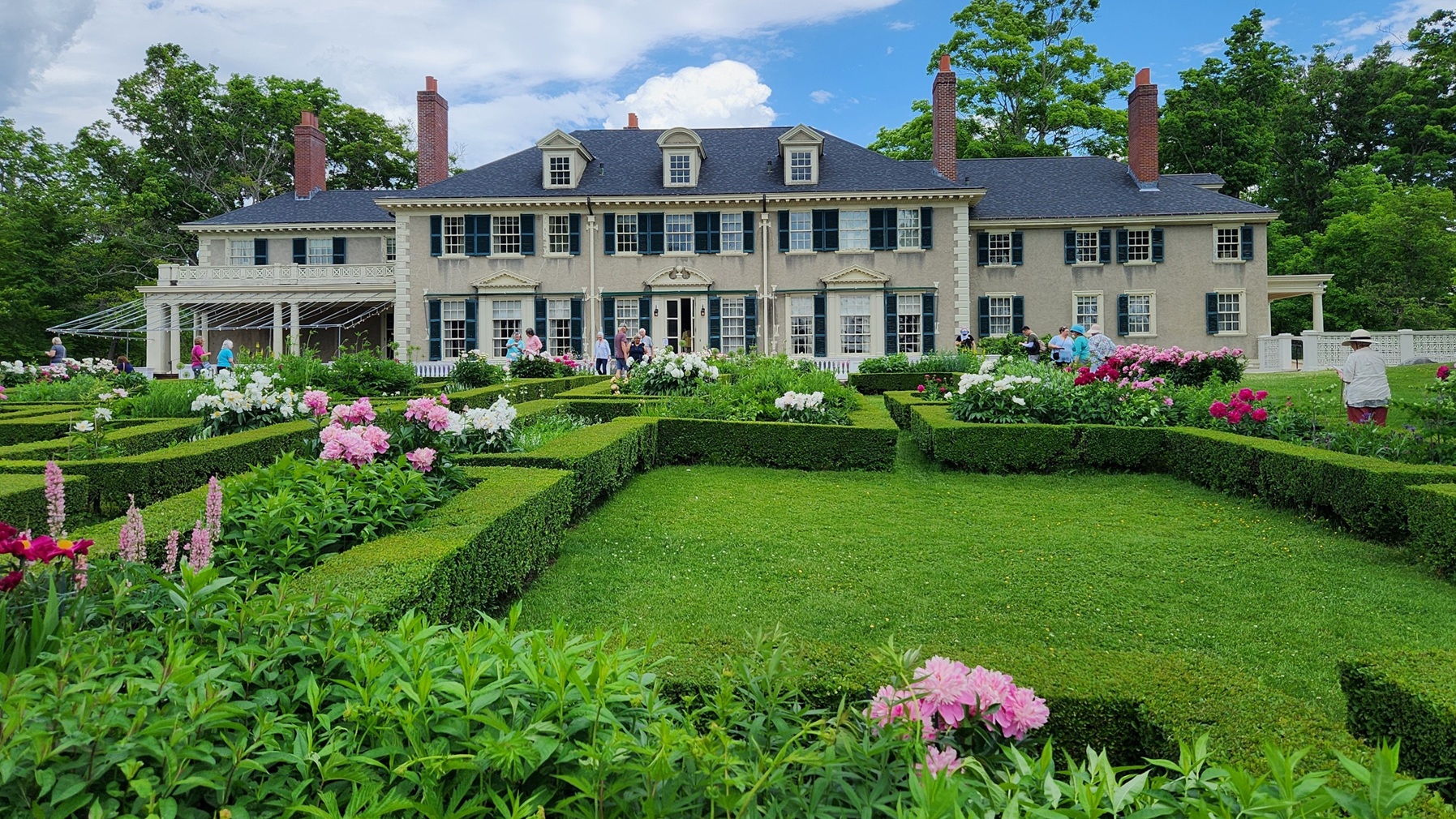
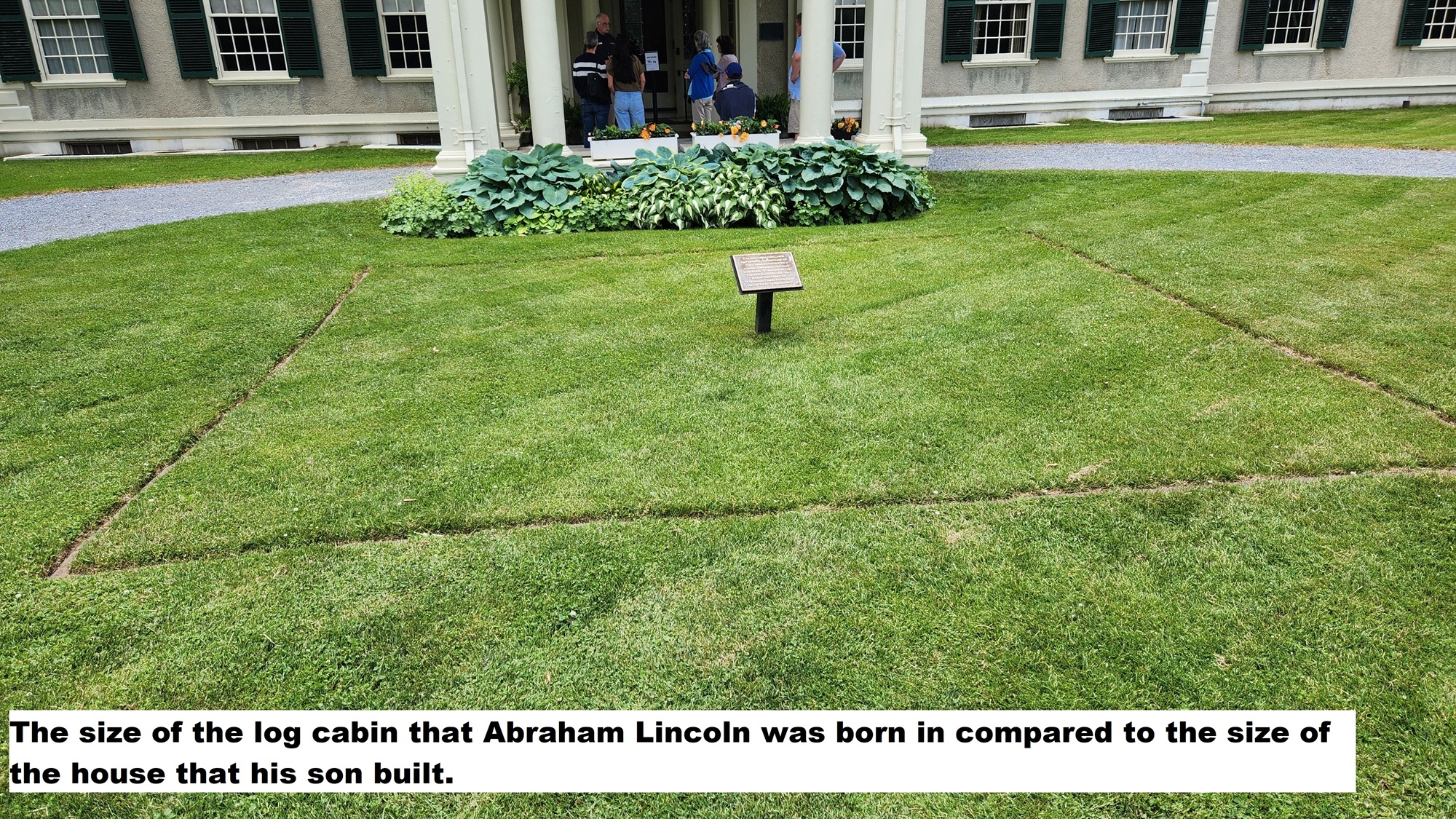
June found us in Vermont (one of our favorite states), visiting Hildene, which was built as a summer home by Robert Todd Lincoln, President Lincoln’s only surviving son. It was occupied by Robert’s granddaughter until 1975. The furnishings in the nicely preserved home are mostly original, which is always a bonus.
We enjoyed the beautiful blooms in the garden.
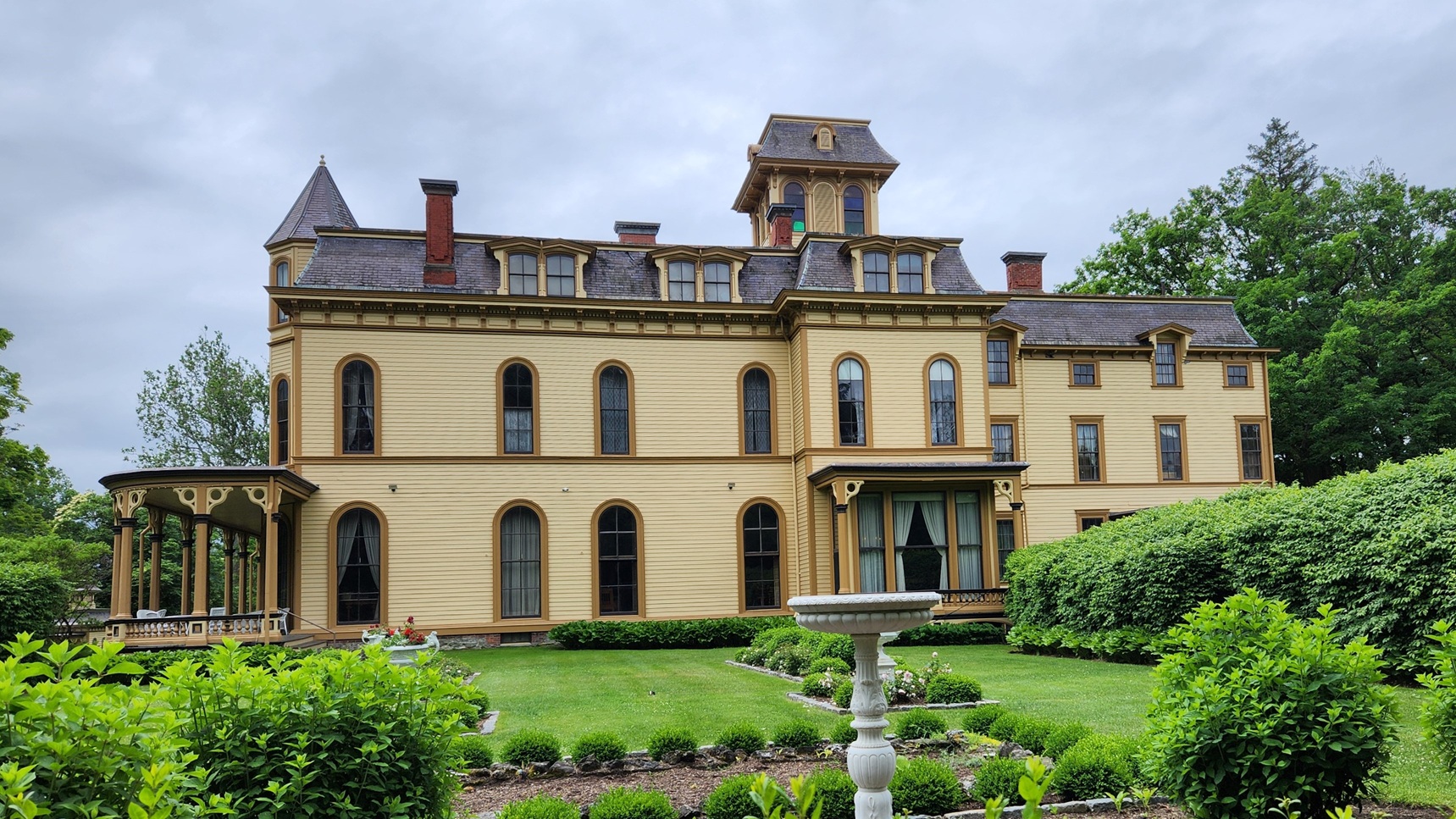
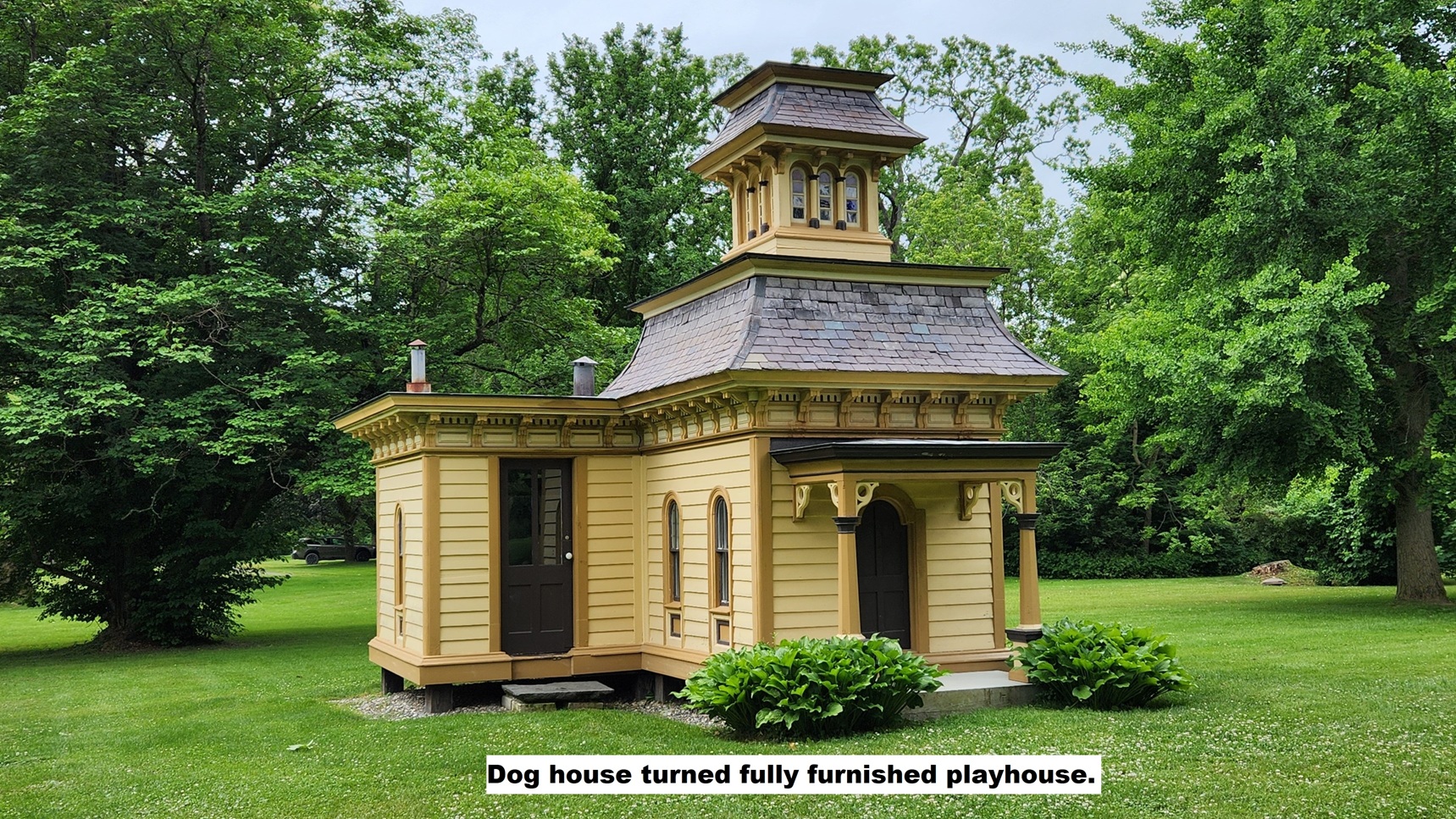
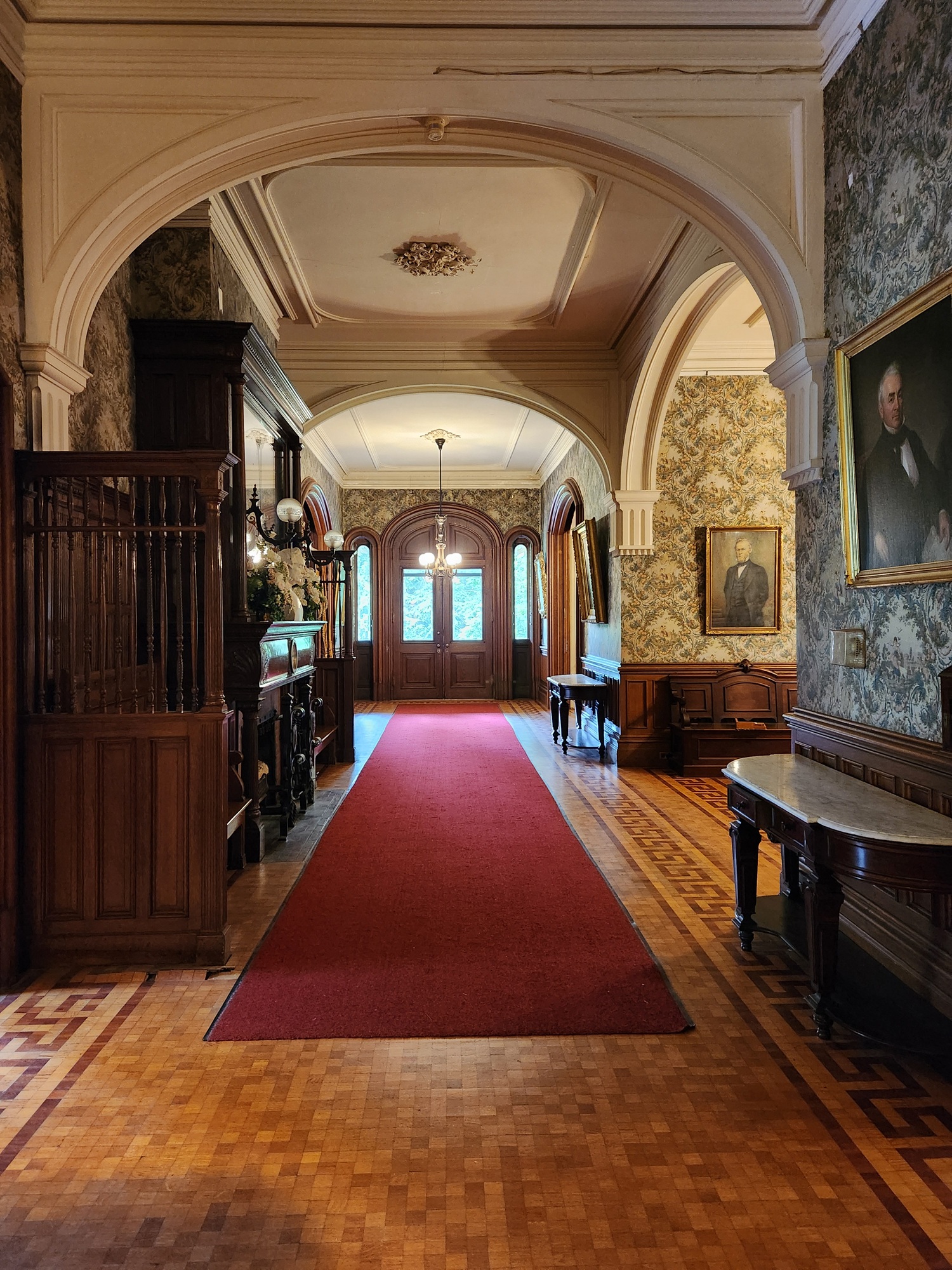
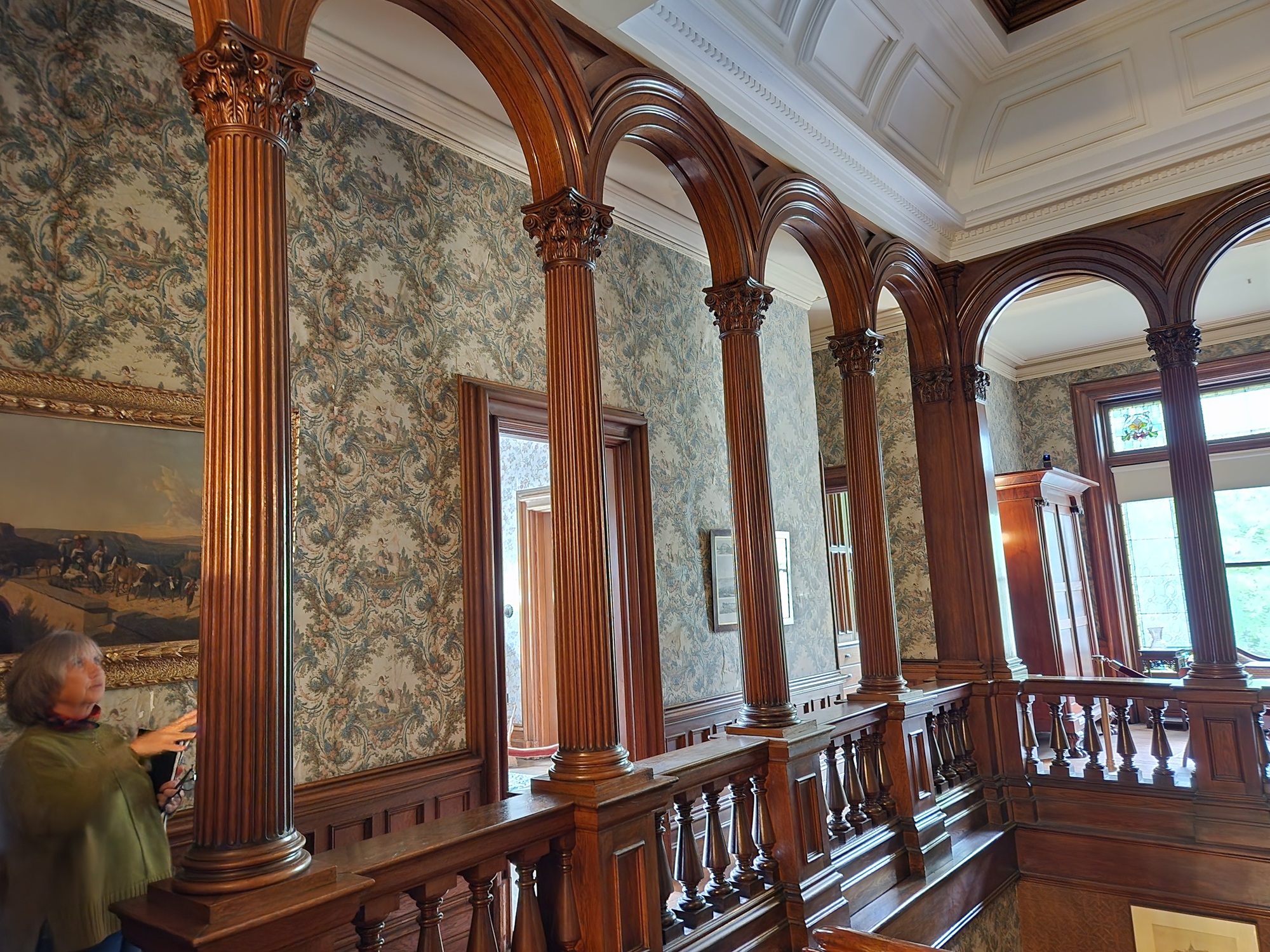
North Bennington is home to the Park-McCulloch mansion, famous for its beautiful parquet floors and an overnight visit from President Benjamin Harrison. The home is lovely and even has a doghouse-turned-playhouse built in the style of the home.
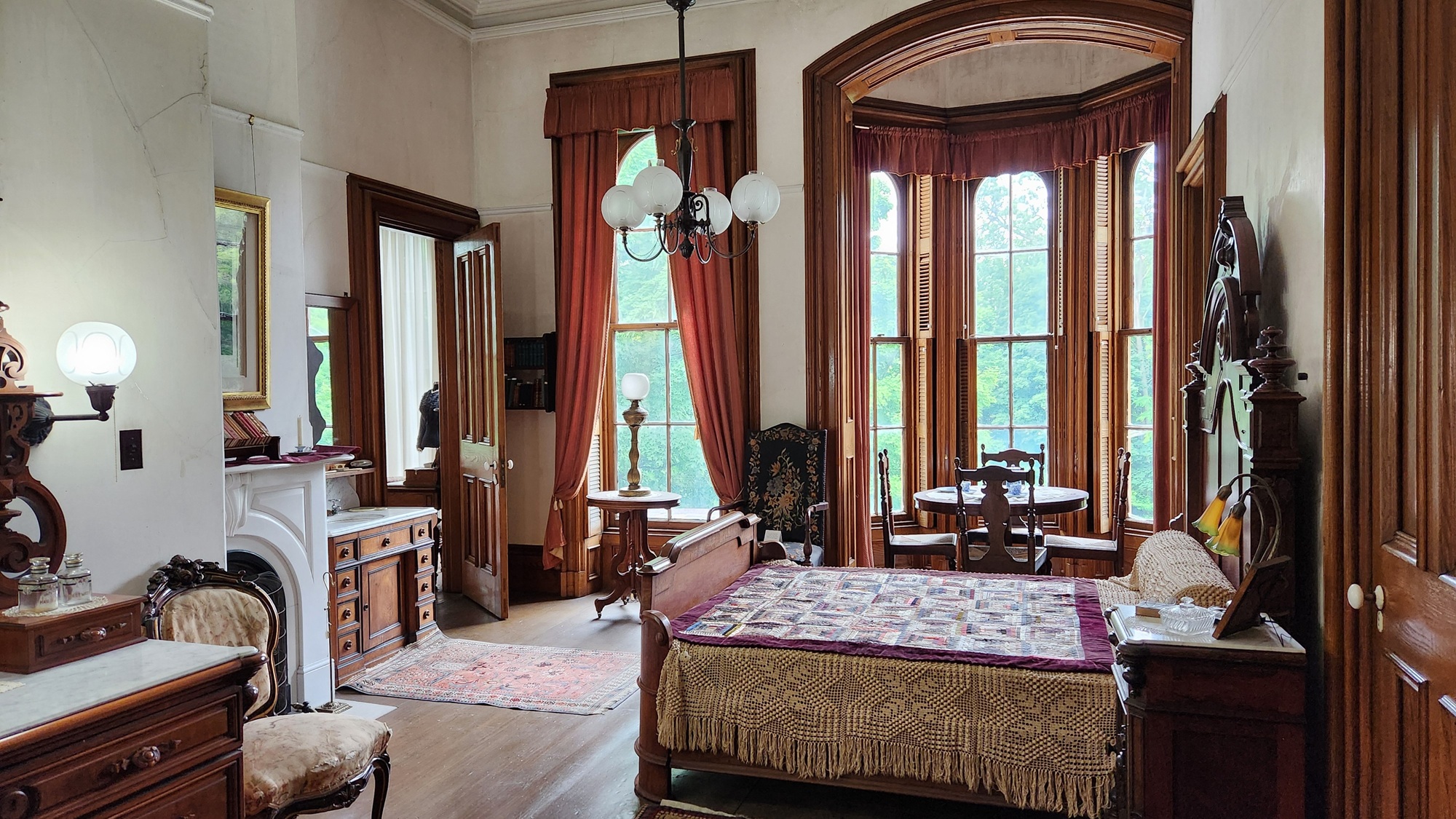
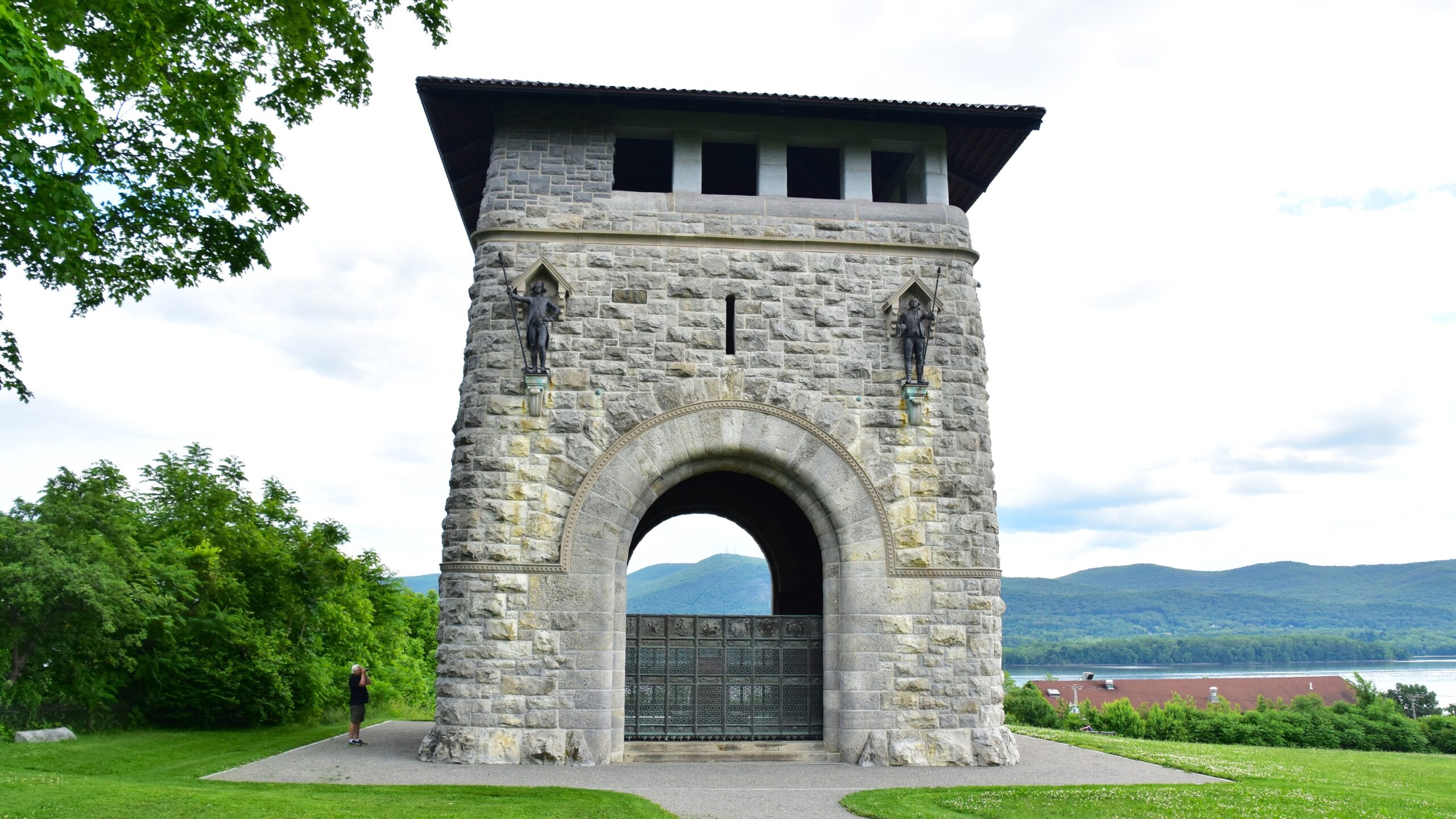
President Harrison was visiting North Bennington to take part in the dedication of the Bennington Battle Tower, which at 306’ tall is the tallest man-made structure in Vermont.
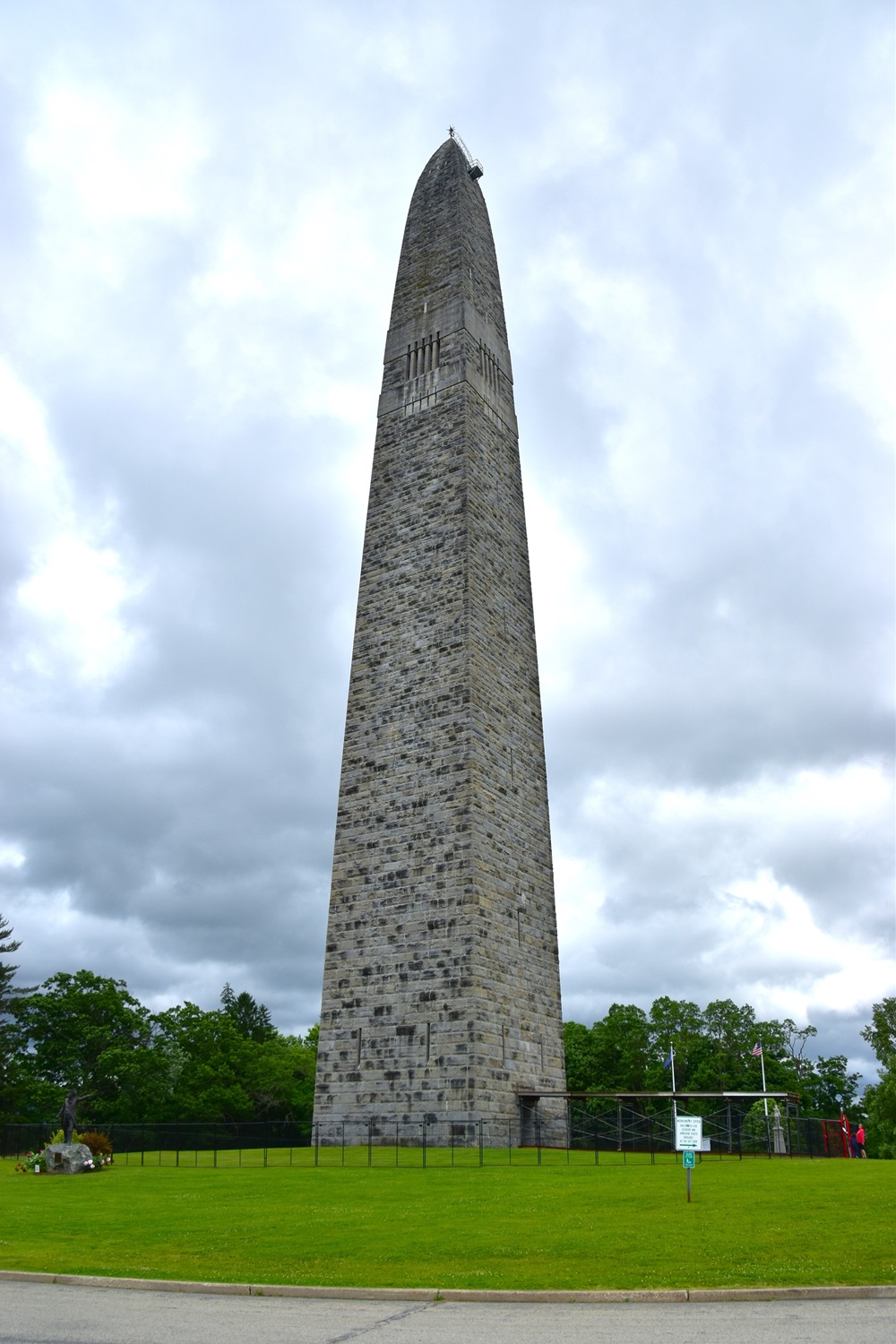
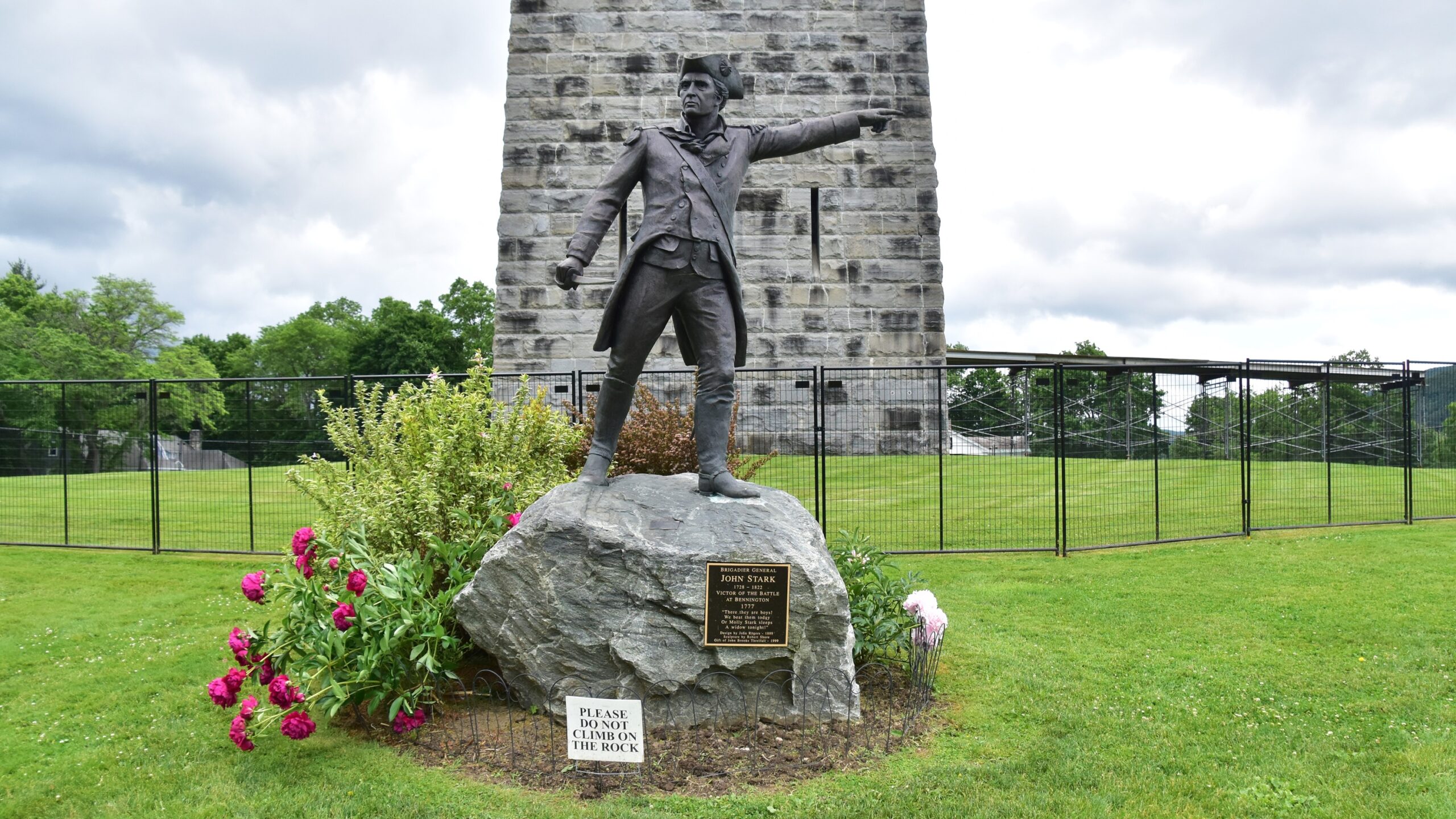
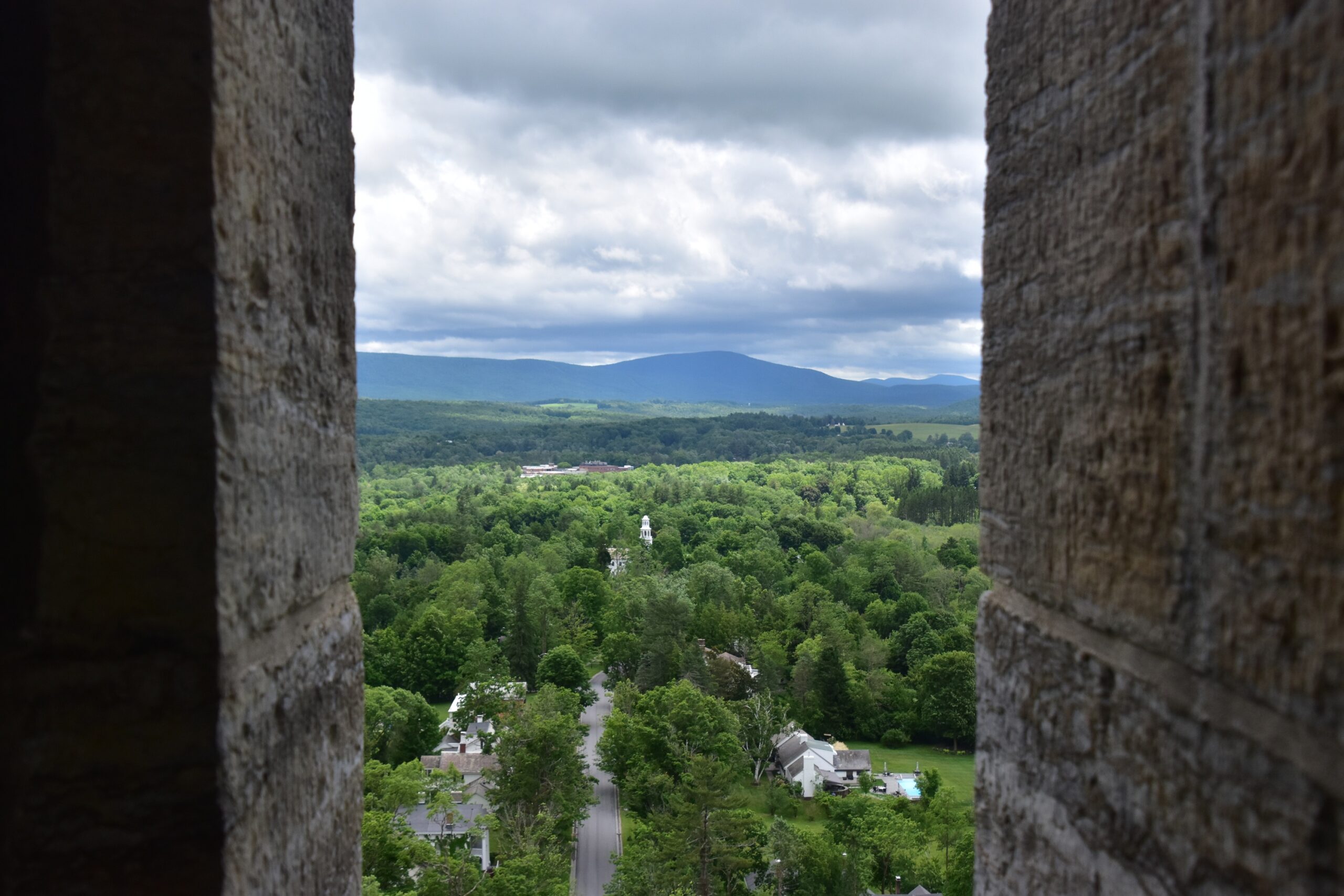
There is an elevator which zooms you up into the tower for a great view of the surrounding green hills of Vermont.
The Battle of Bennington, 1777, was a significant victory for the American forces during the Revolutionary War.
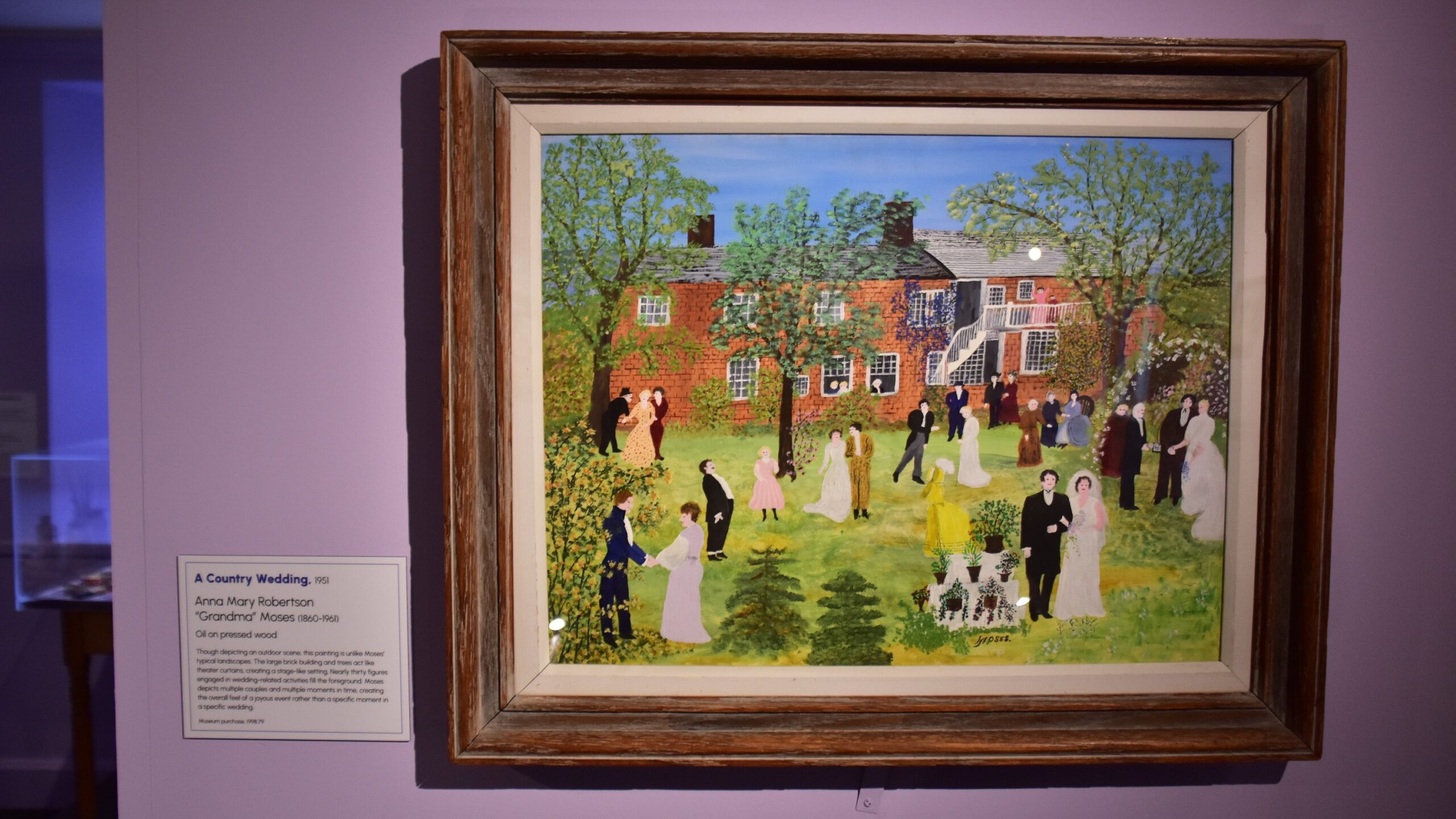
The interesting Bennington Museum, housed in a former church, contains multiple works of art, artifacts and a large section of the various works of Grandma Moses.
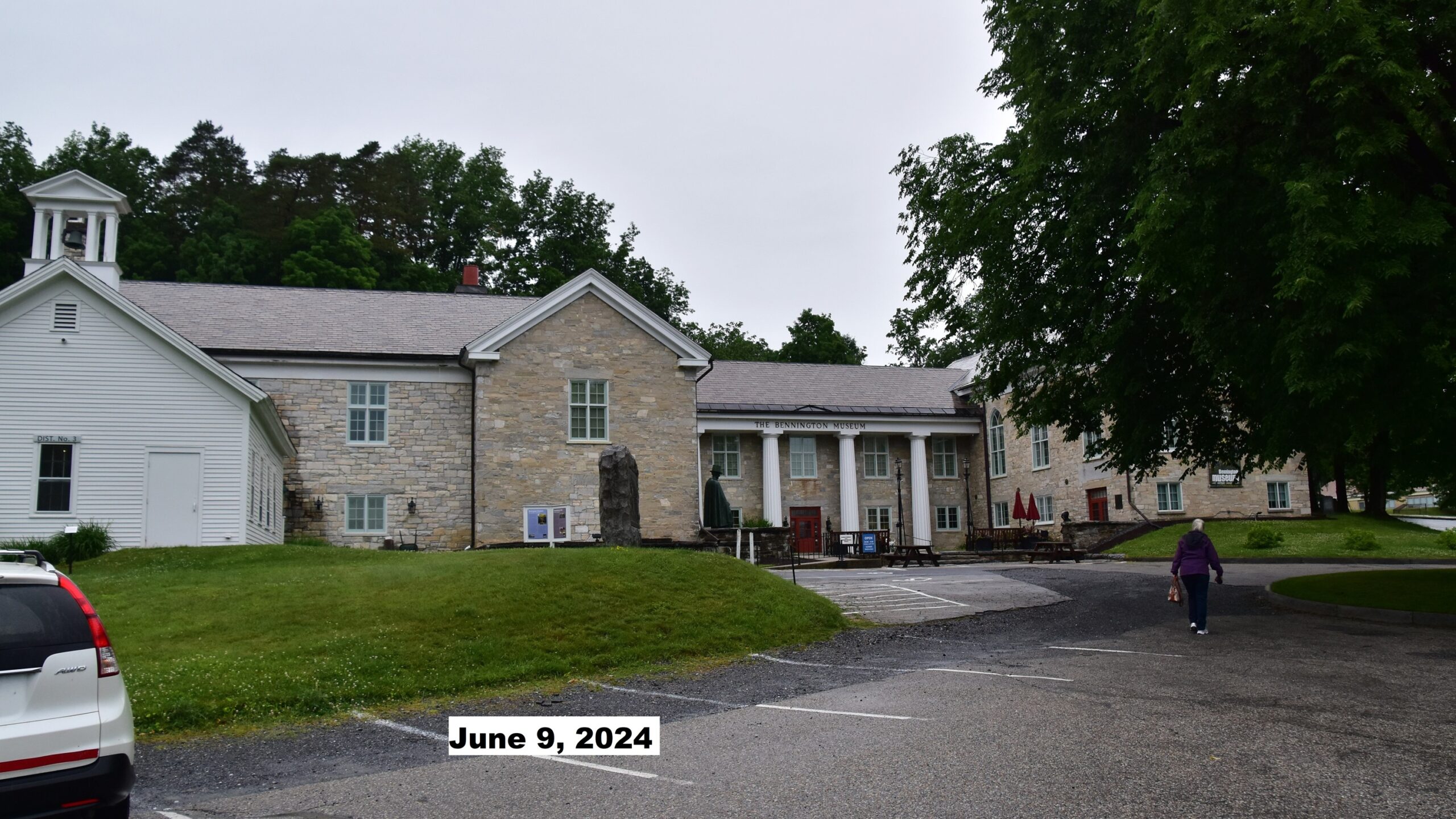
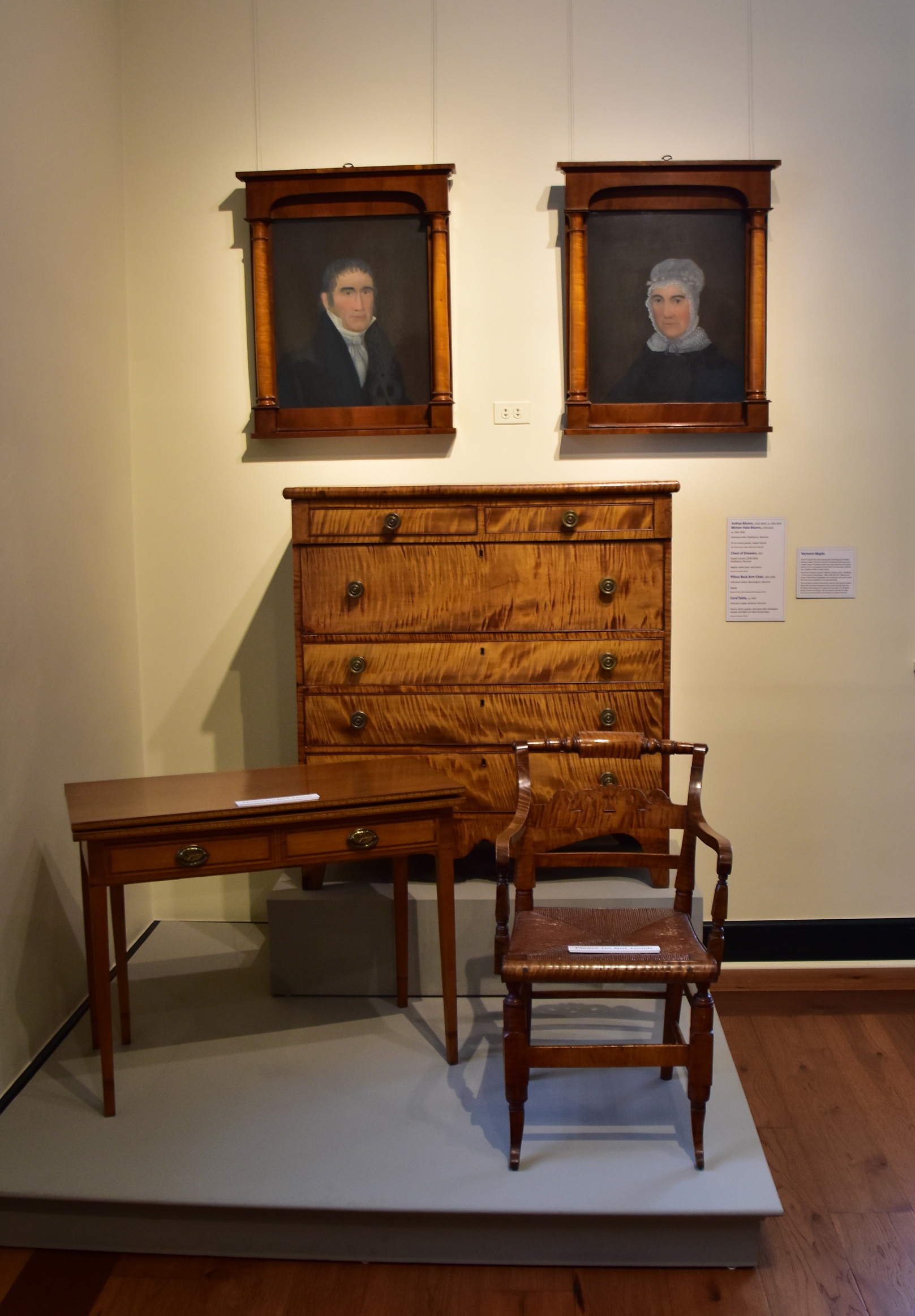
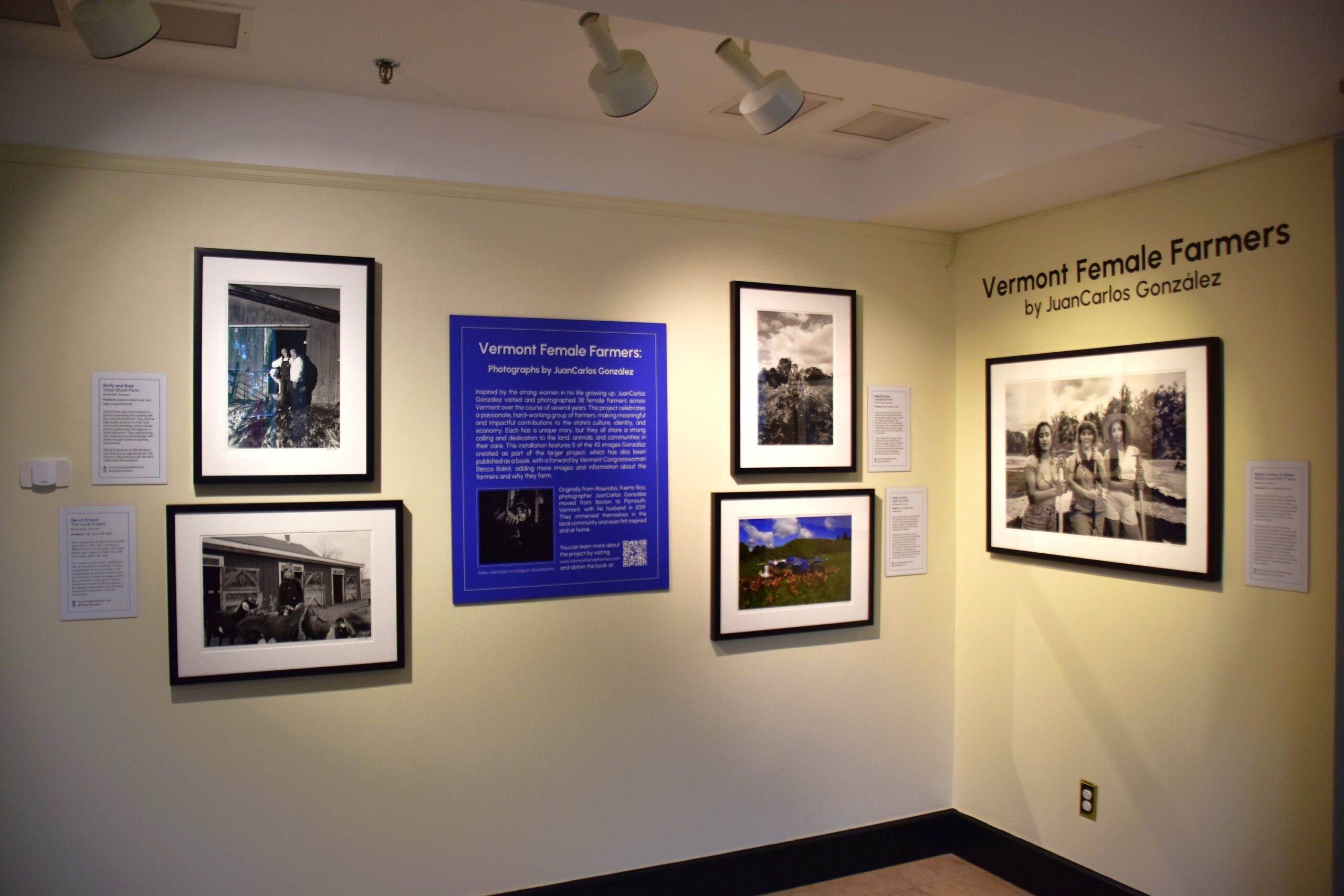
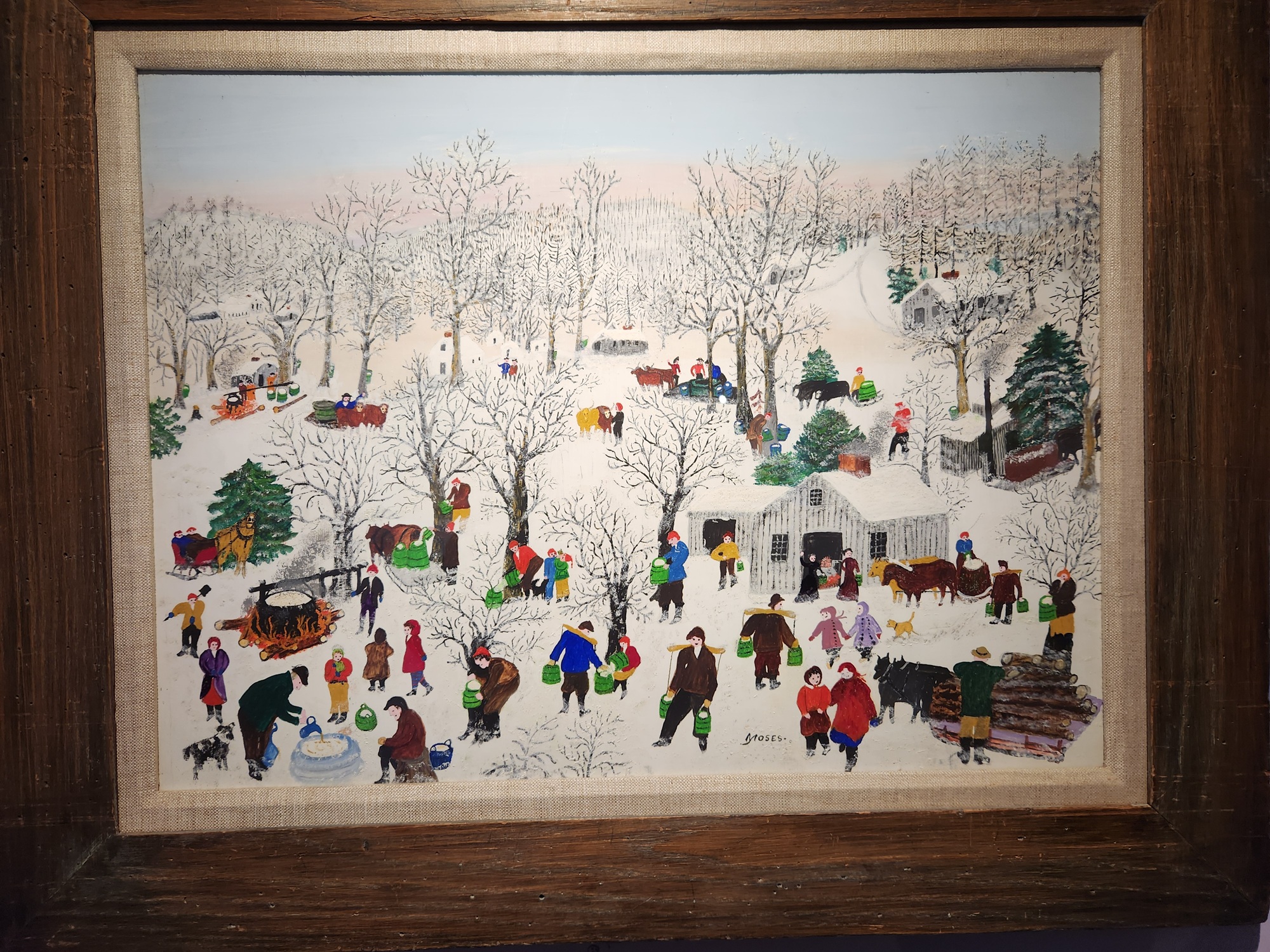
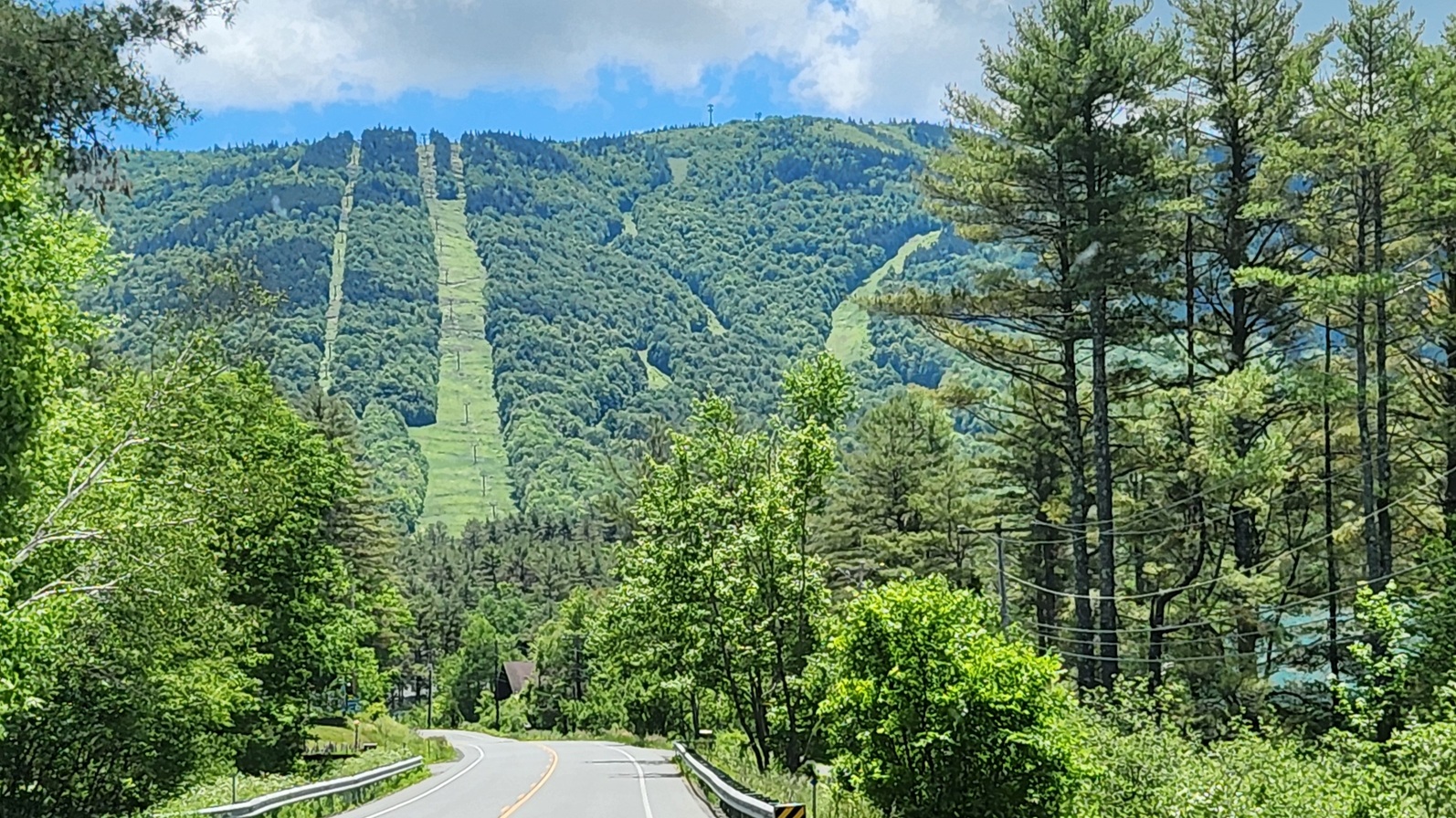
It seemed like every time we turned a corner in Vermont we found another ski hill. The ski hill- to-resident ratio for the state must be pretty dang low!
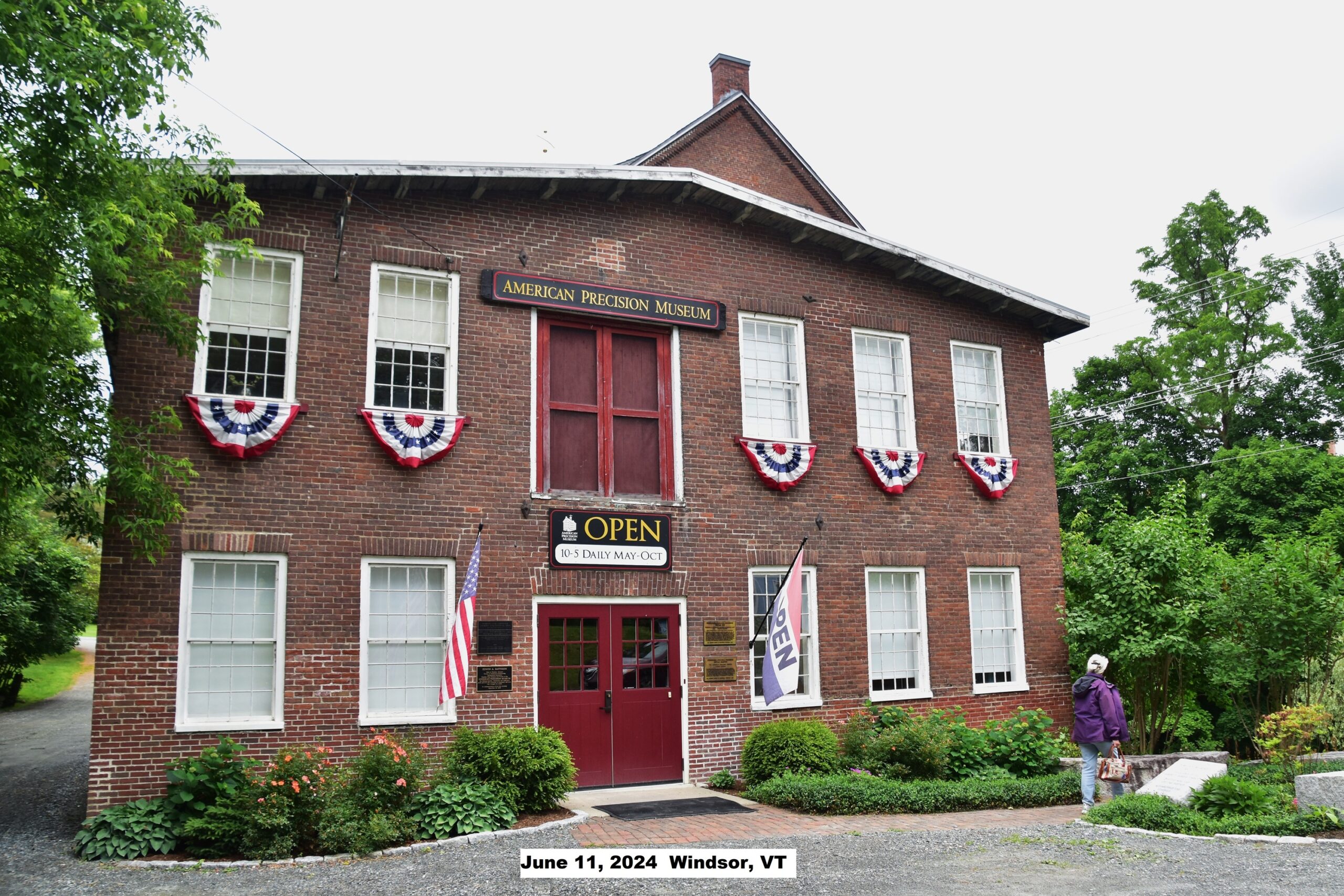
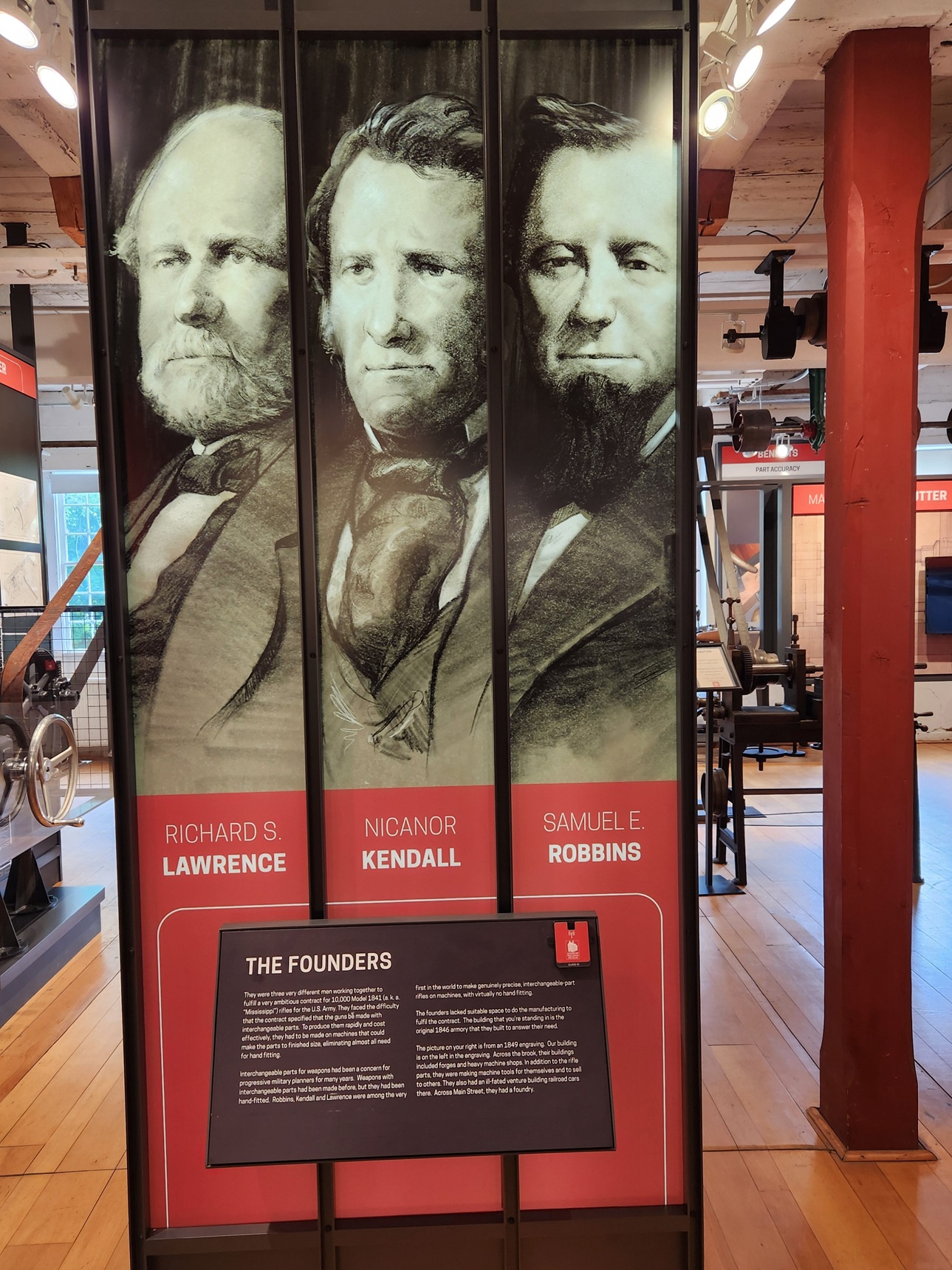
The American Precision Museum, in Windsor, displays machining tools from the 1700’s to modern day. The building was built in 1846 by three men who had a contract with the U. S. Government to produce 10,000 rifles for the Army that used interchangeable parts, a brand-new idea at the time because weapons of that era were all handmade. The men designed and built the machines necessary to successfully fulfill the contract.
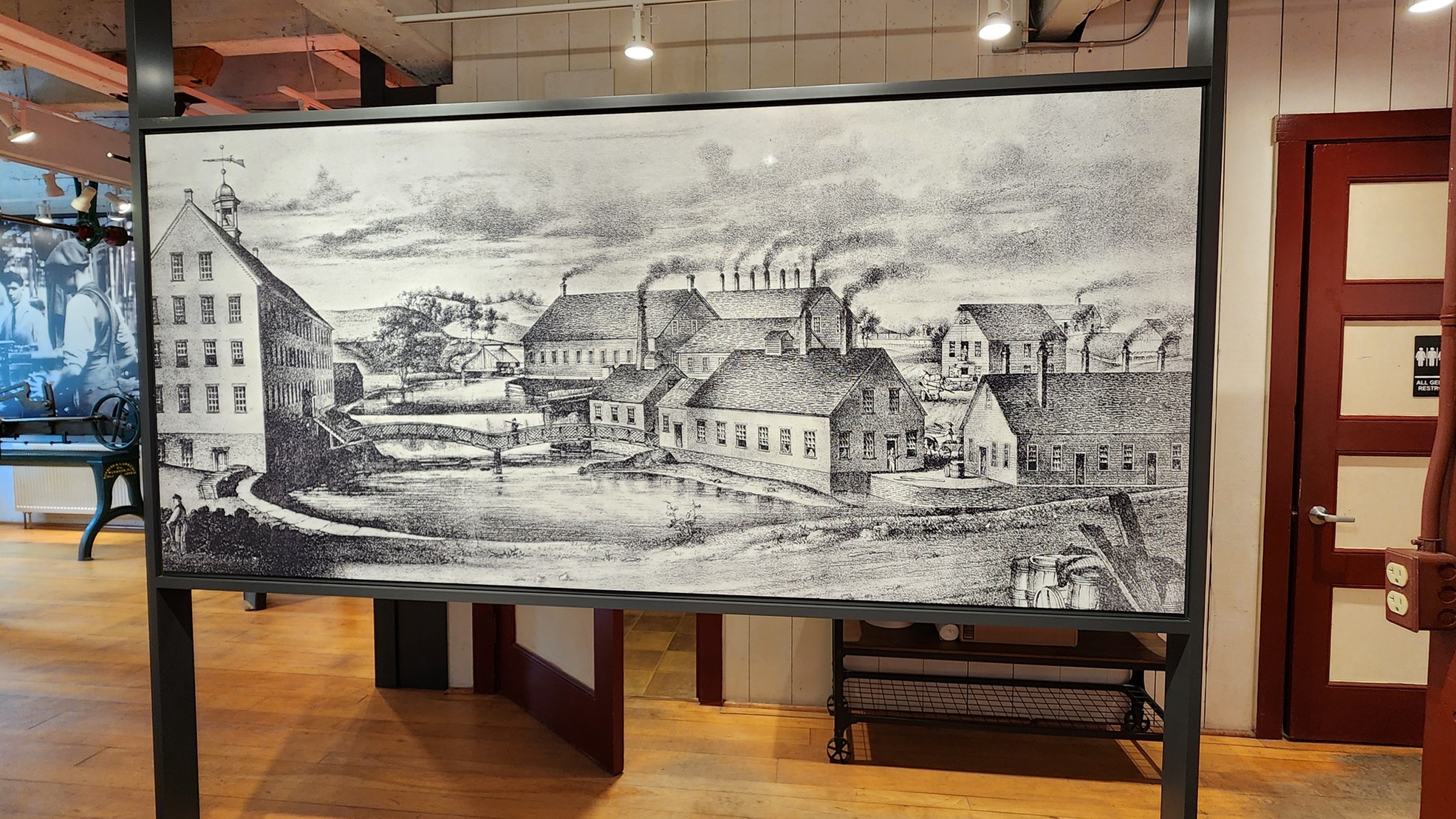
The volunteer on duty on the day we visited was a Navy veteran, so he and Bruce had a good visit and discussion about all the machines, many of which Bruce used during his machinist career. 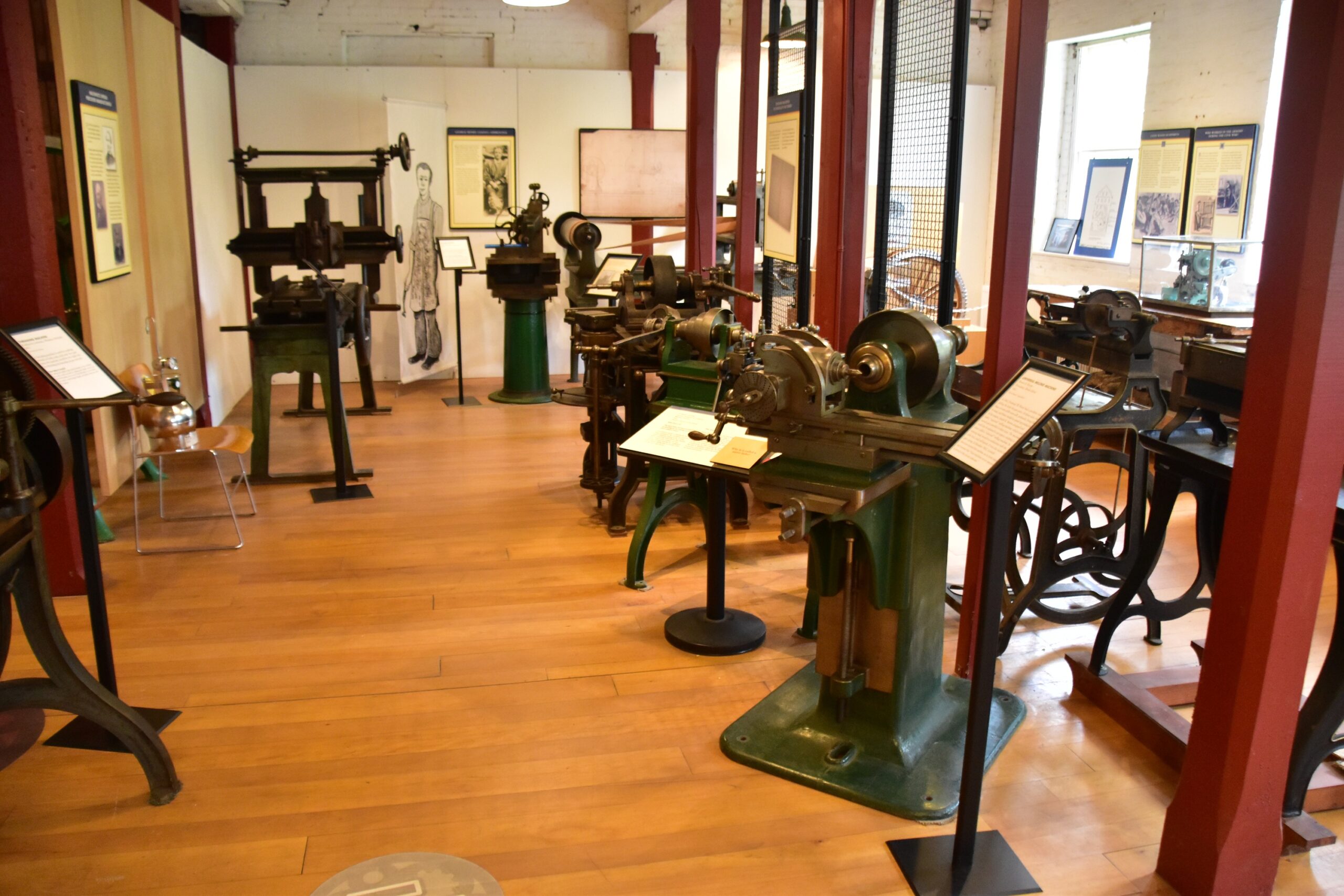
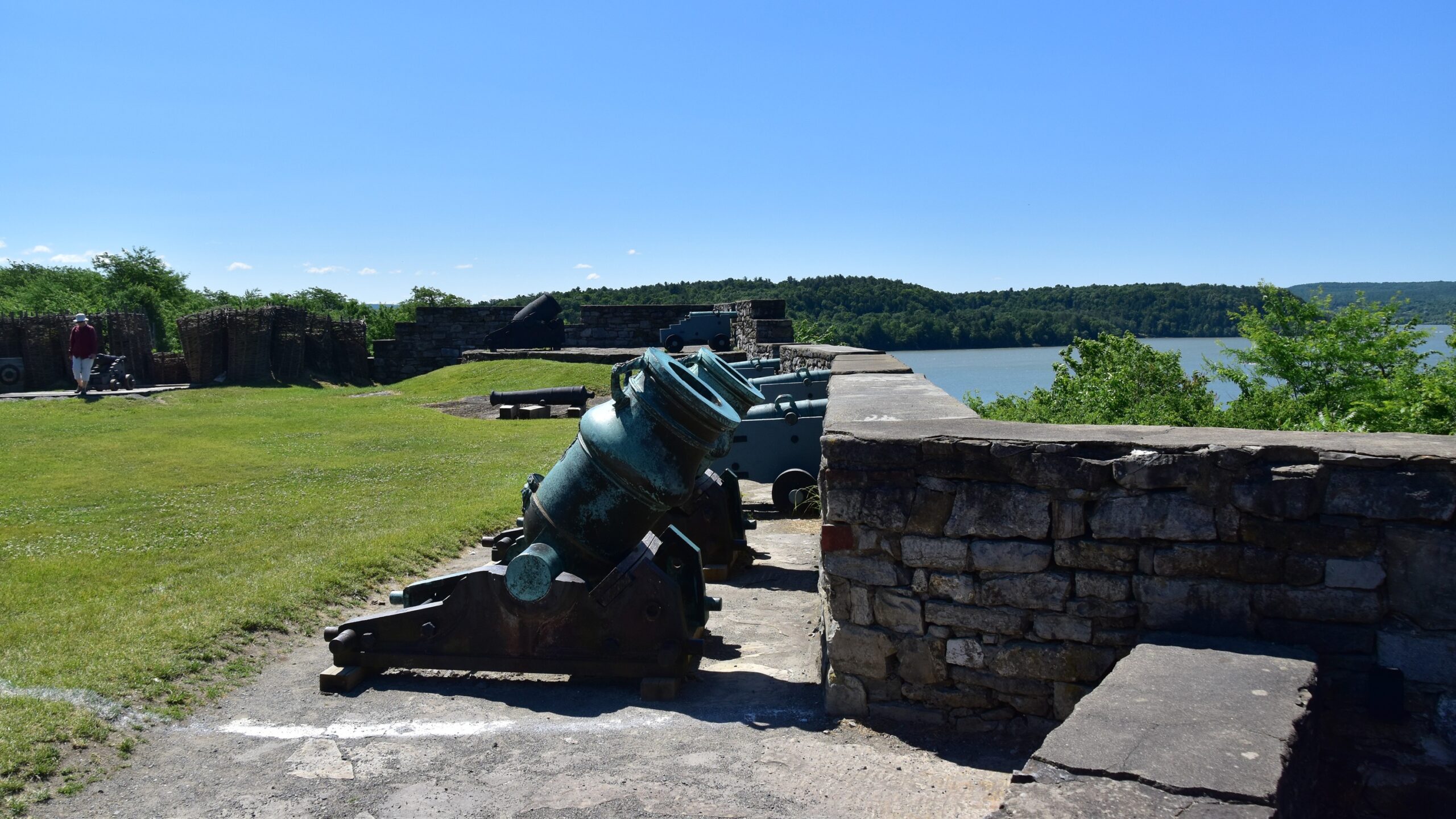
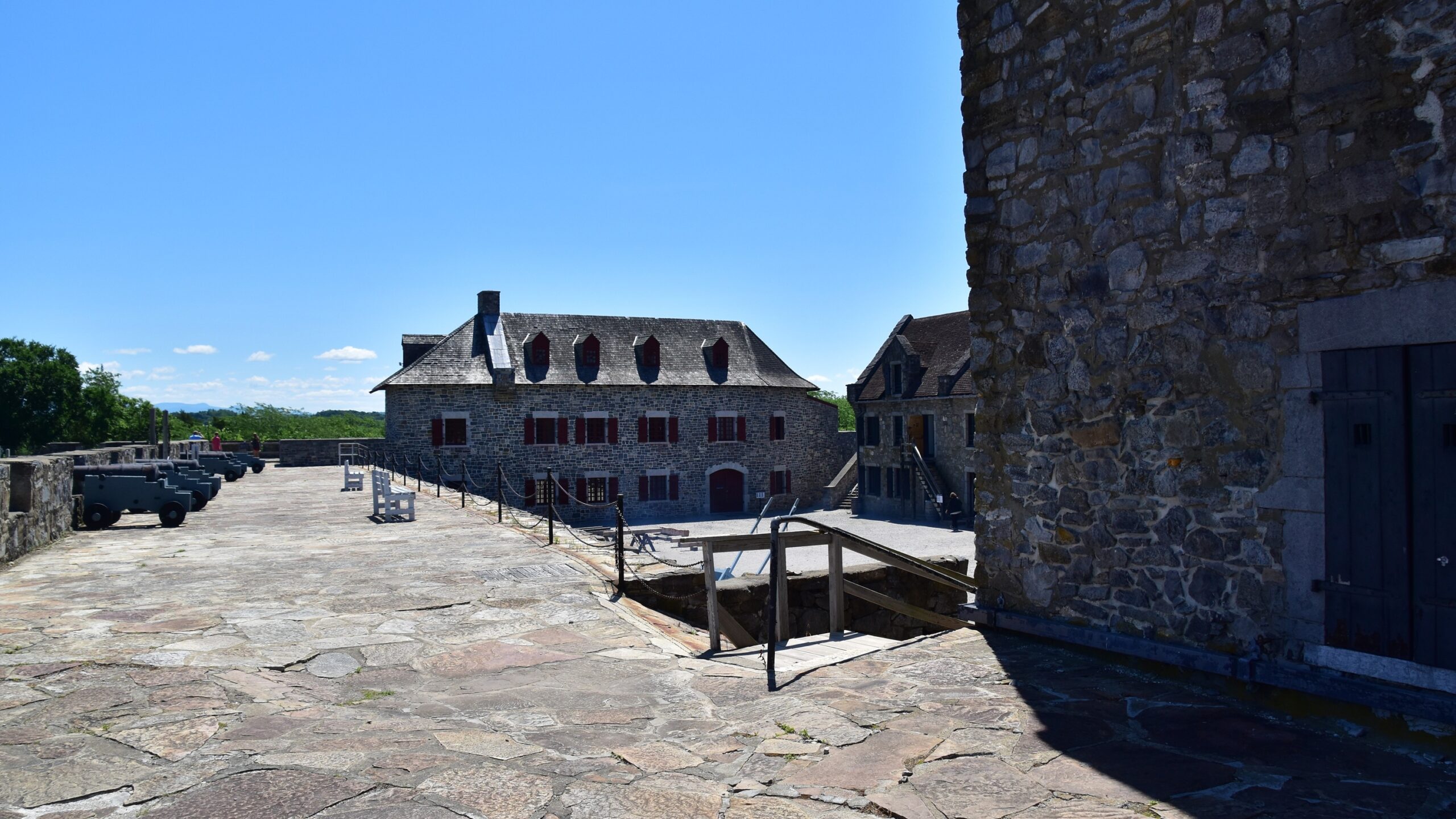
Fort Ticonderoga, an important fort during both the French and Indian War and the Revolutionary War, sits on top of a bluff in New York,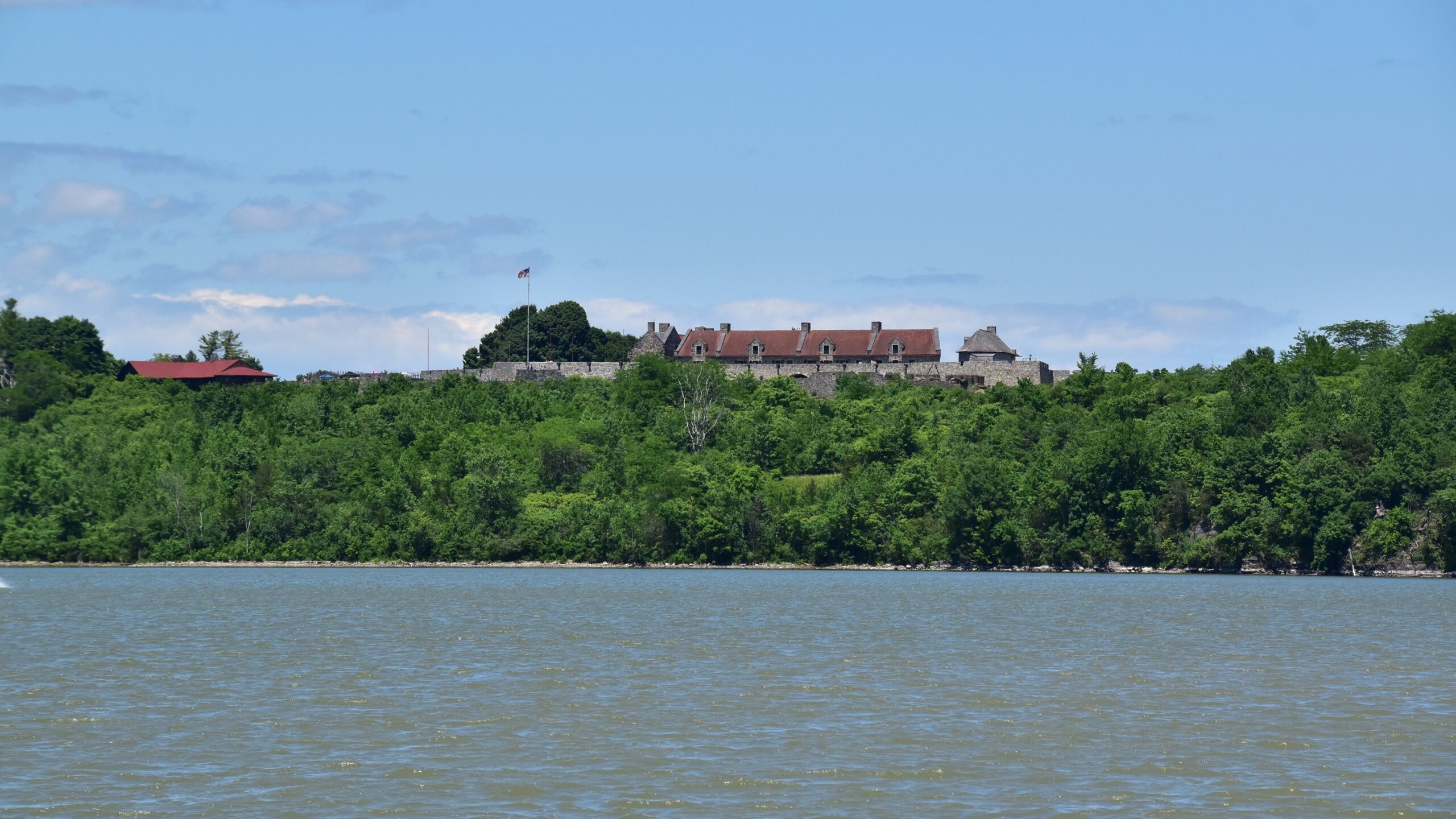
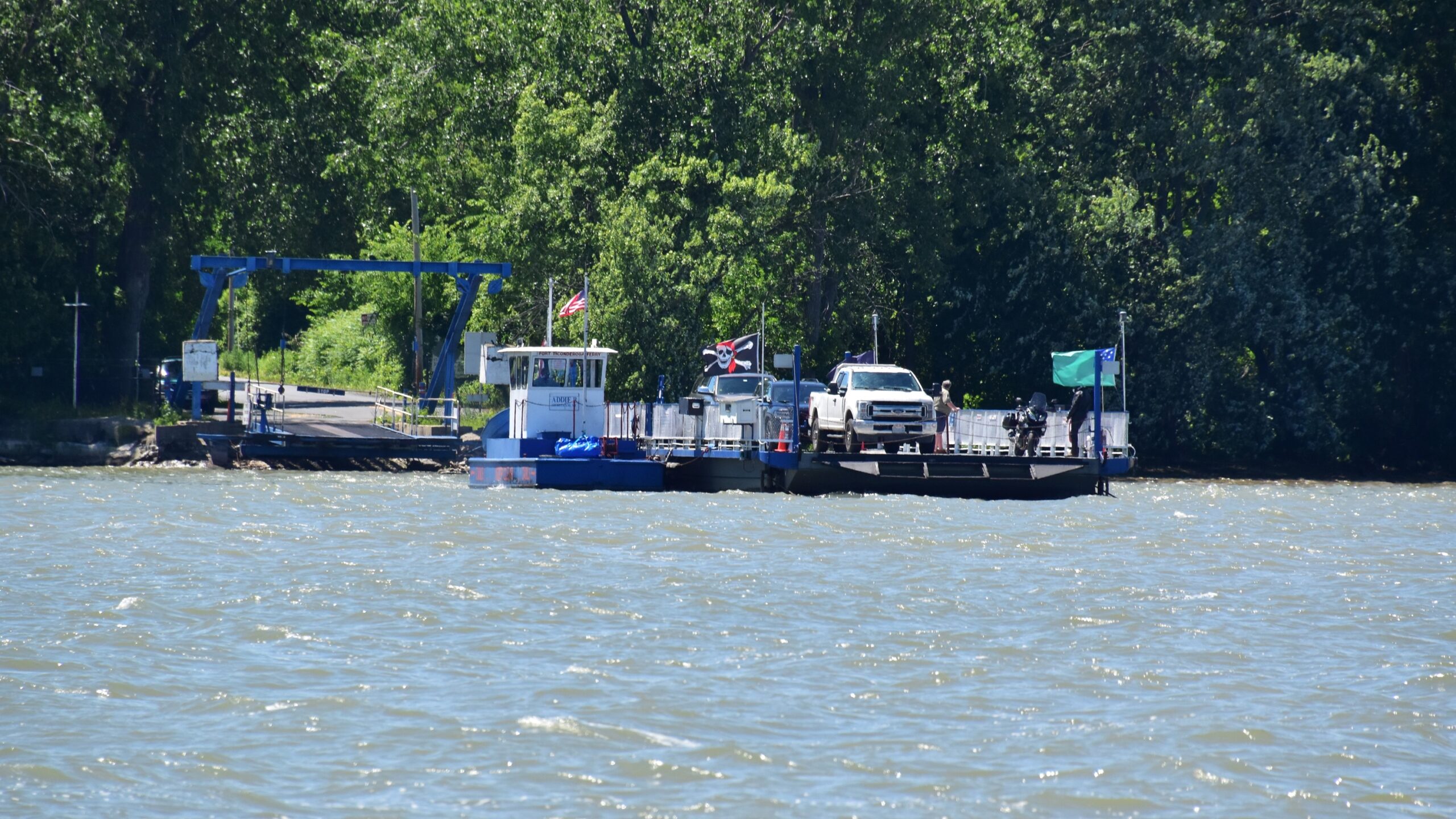
but is accessed via a ferry from Vermont.
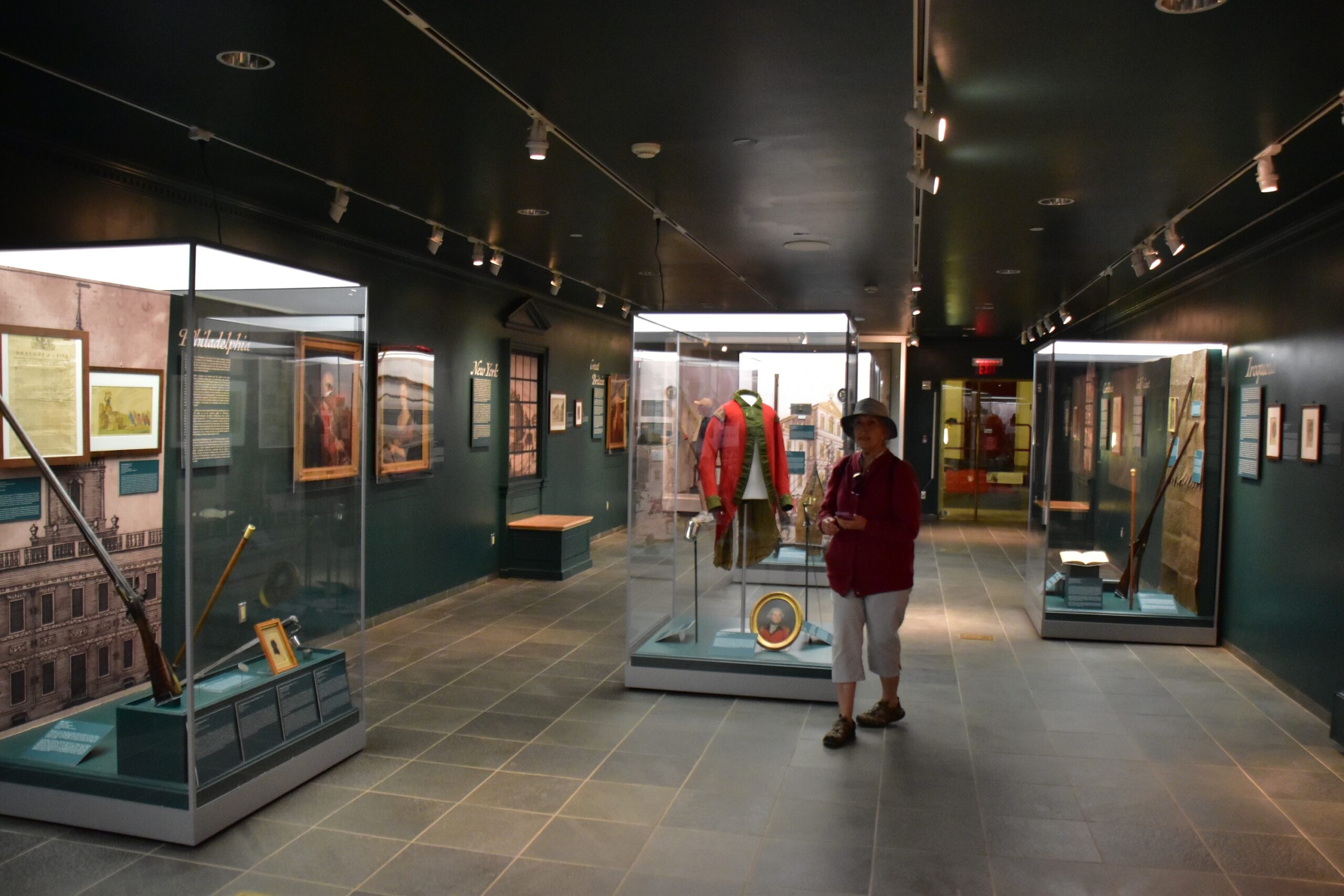
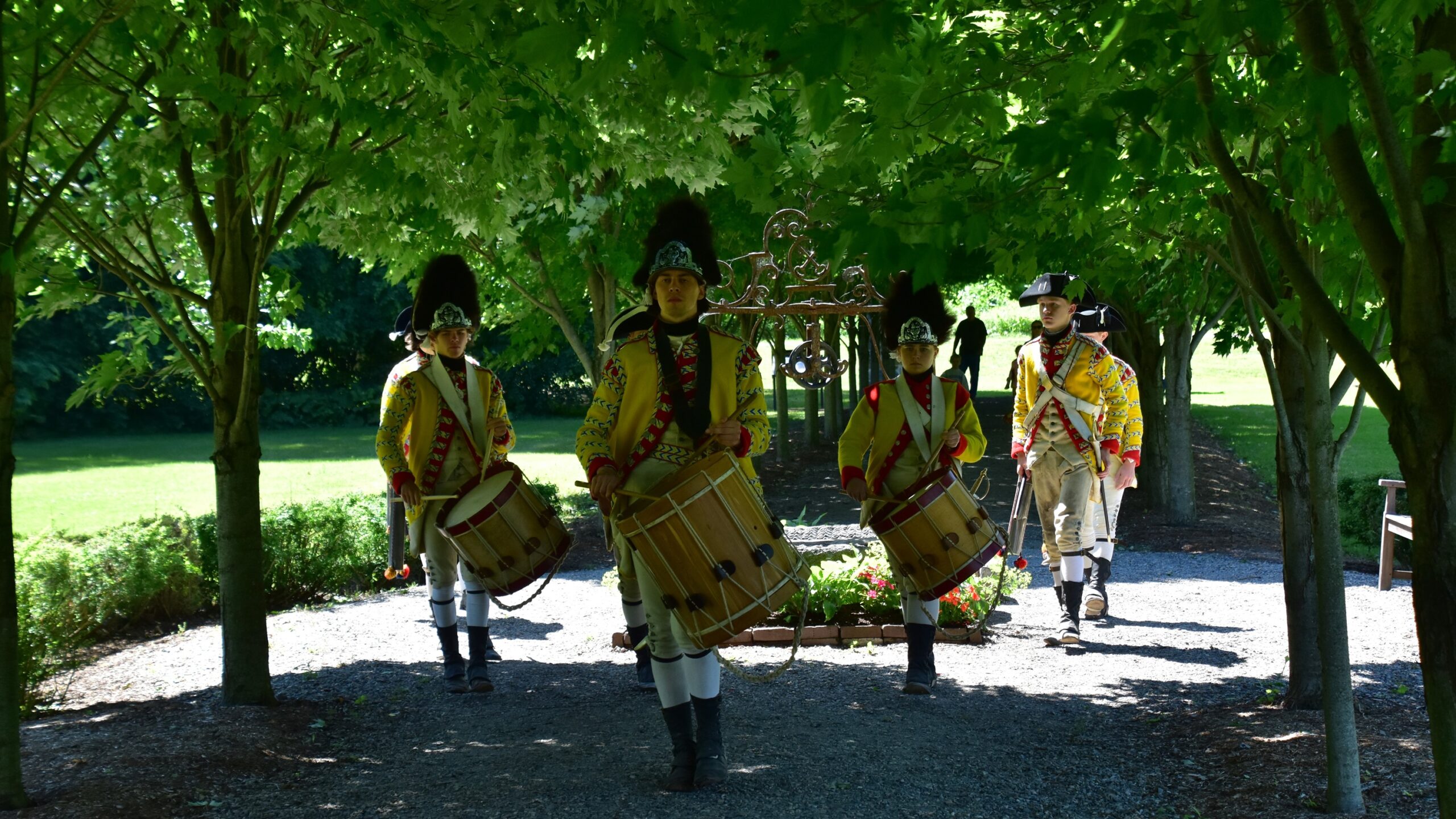
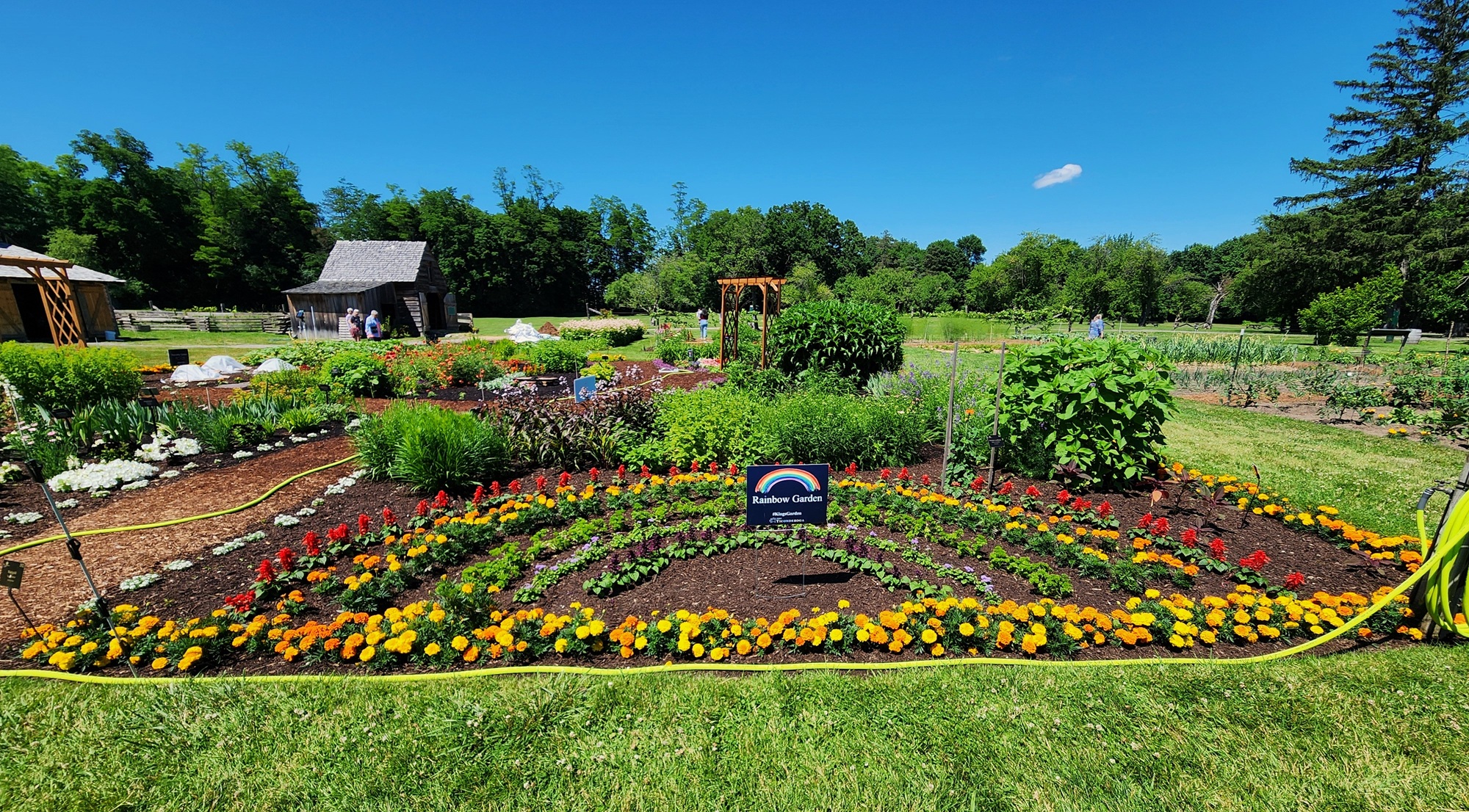
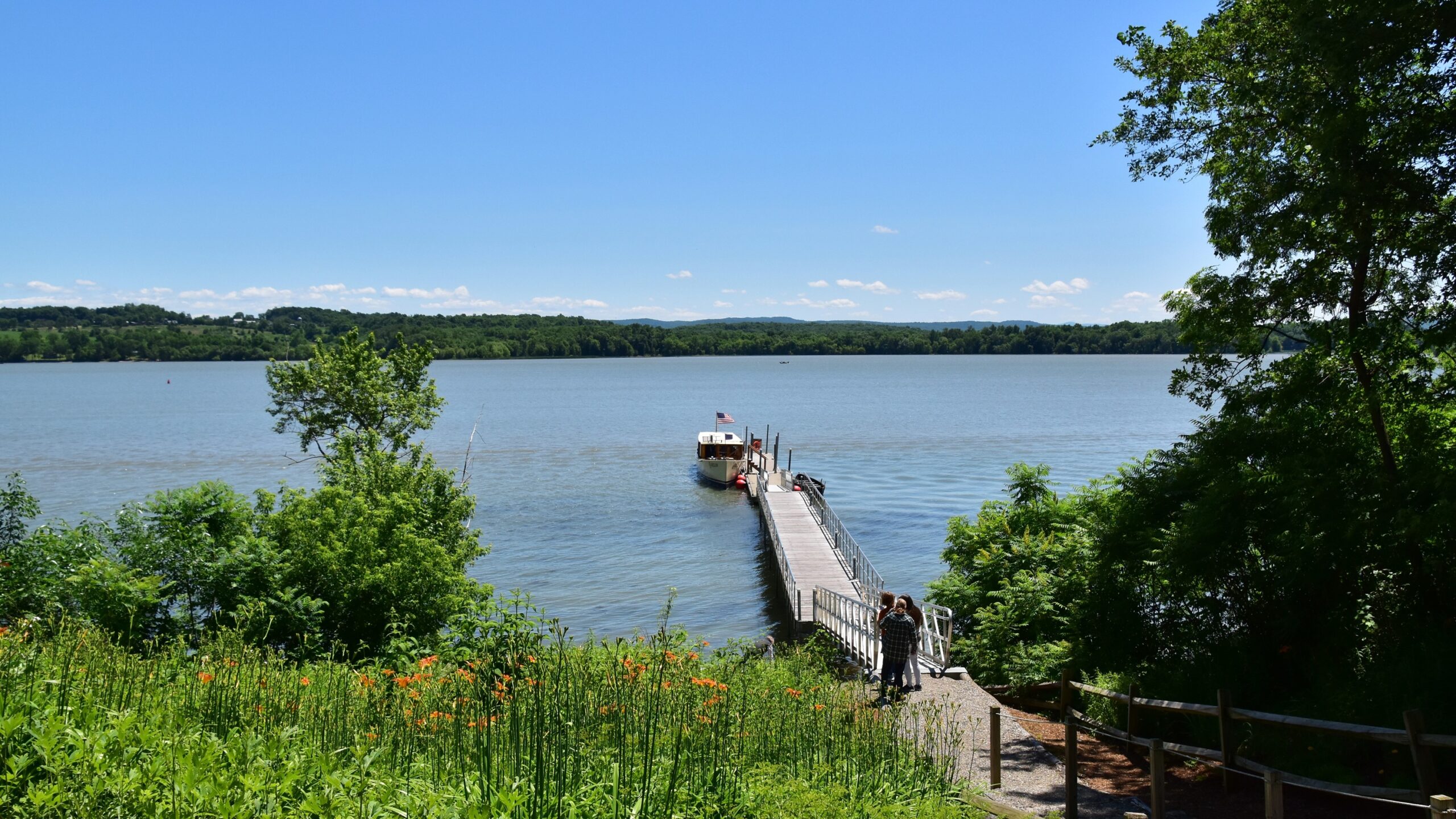
The fort has museum displays with some wonderful artifacts, people in period costumes, gardens, battlefield areas, and an enjoyable narrated boat tour on the river.
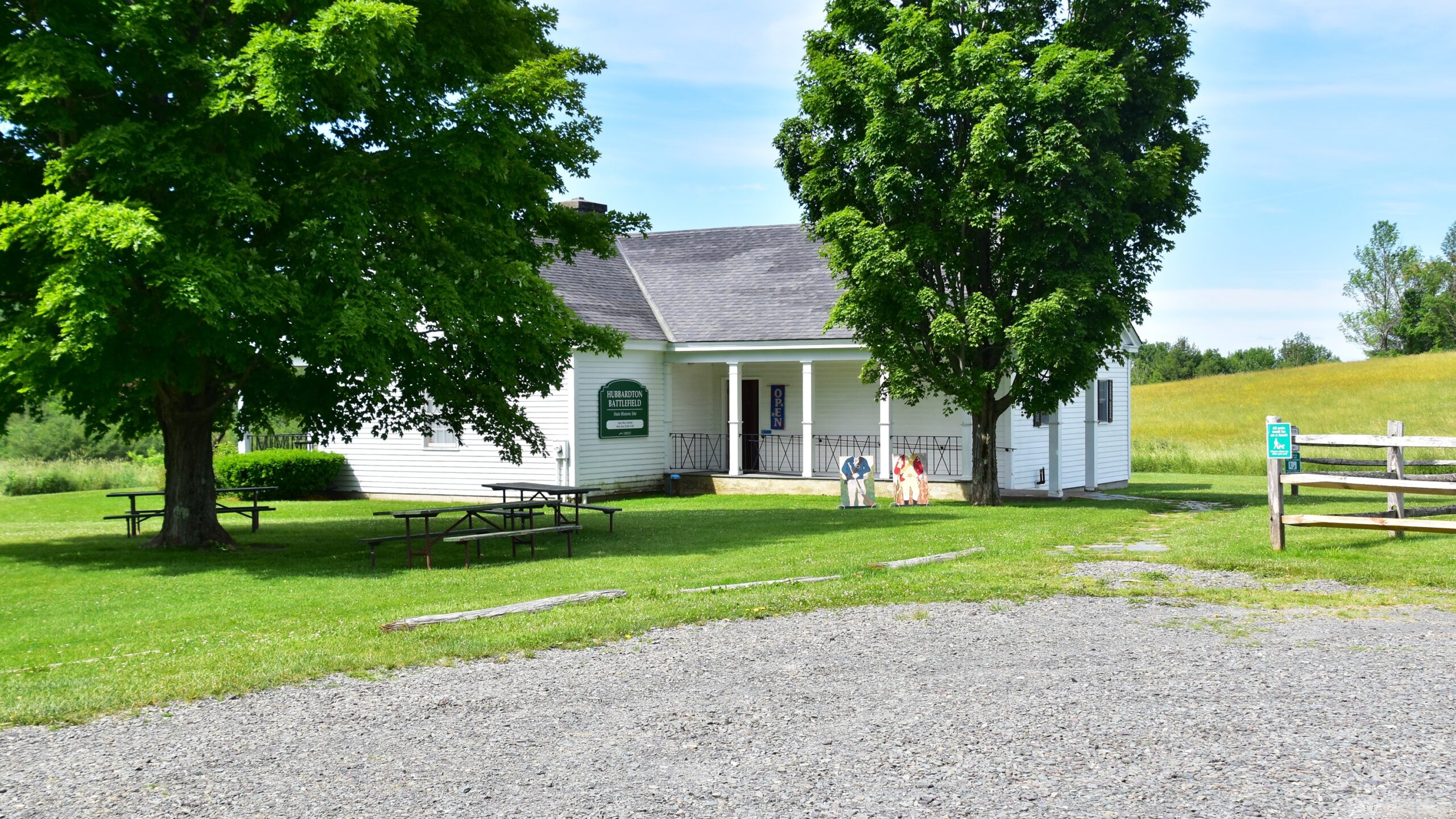
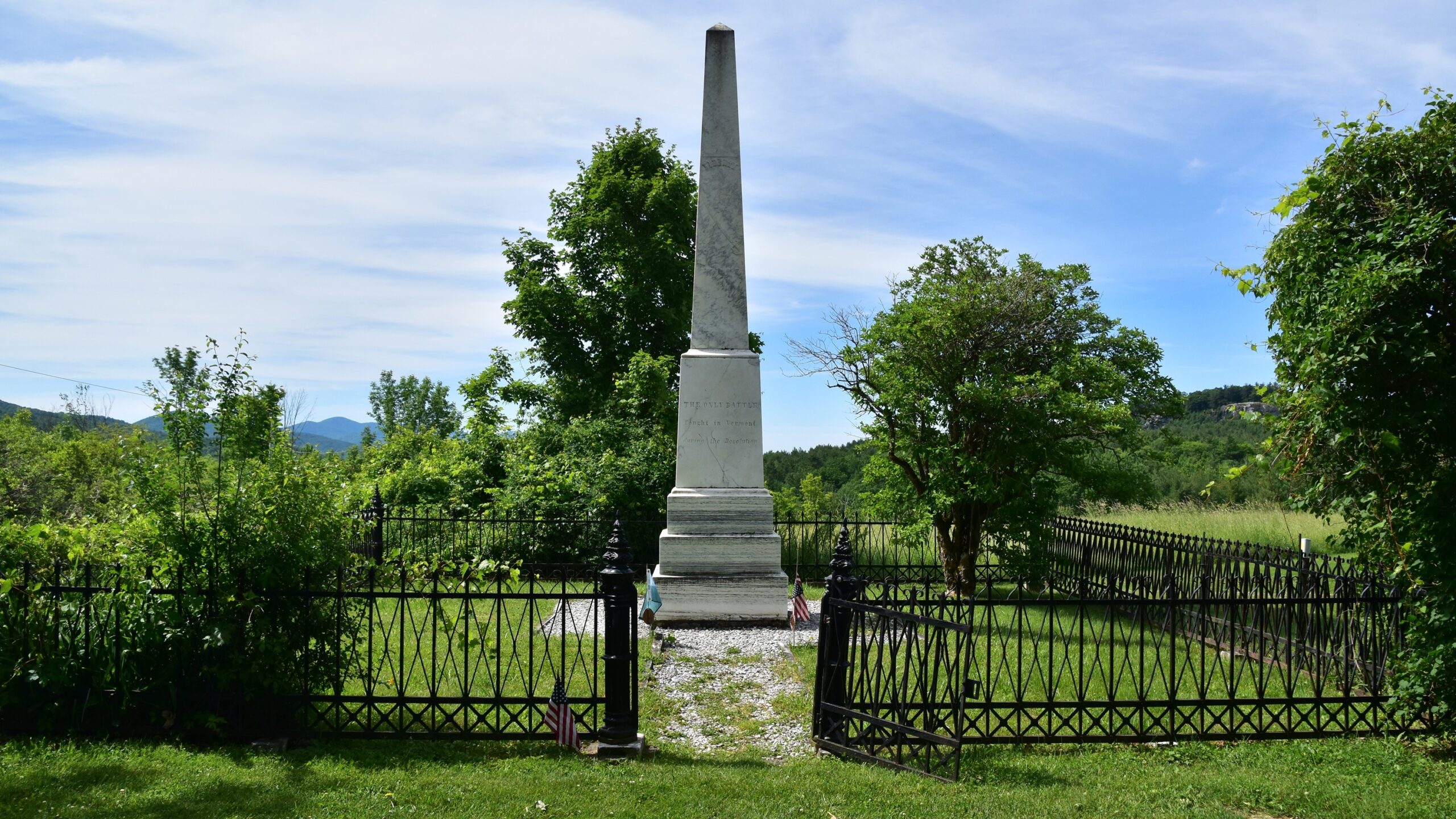
Hubbardton is the site of the only Revolutionary War battle that was fought entirely on Vermont soil, and Hubbardton Battlefield State Park has been created to memorialize that battle. There is a small museum, a marble battle monument and lots of sign boards to explain the action. As is true for so much of Vermont countryside, the battle took place in the steep green hills and a lovely meadow.
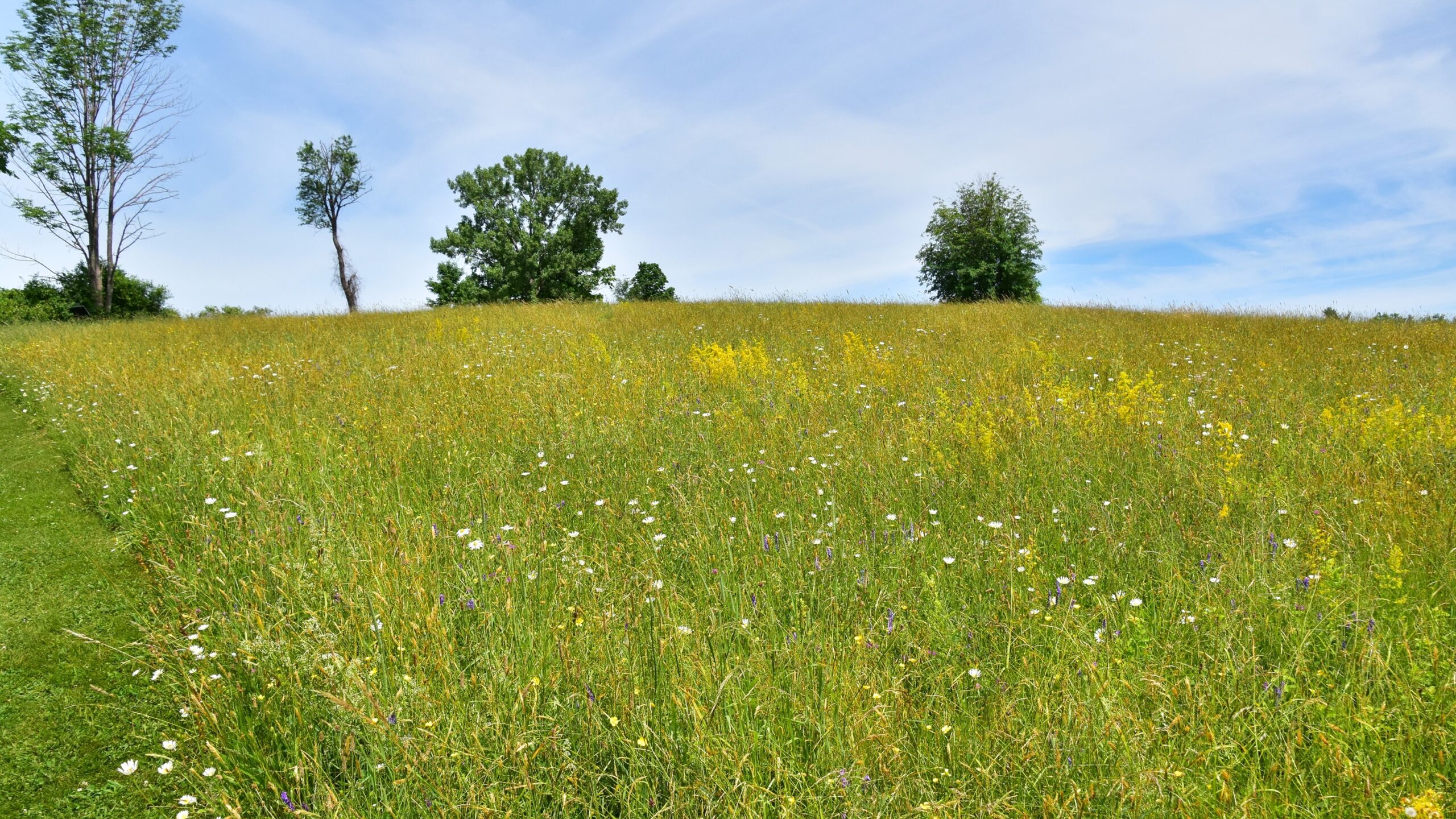
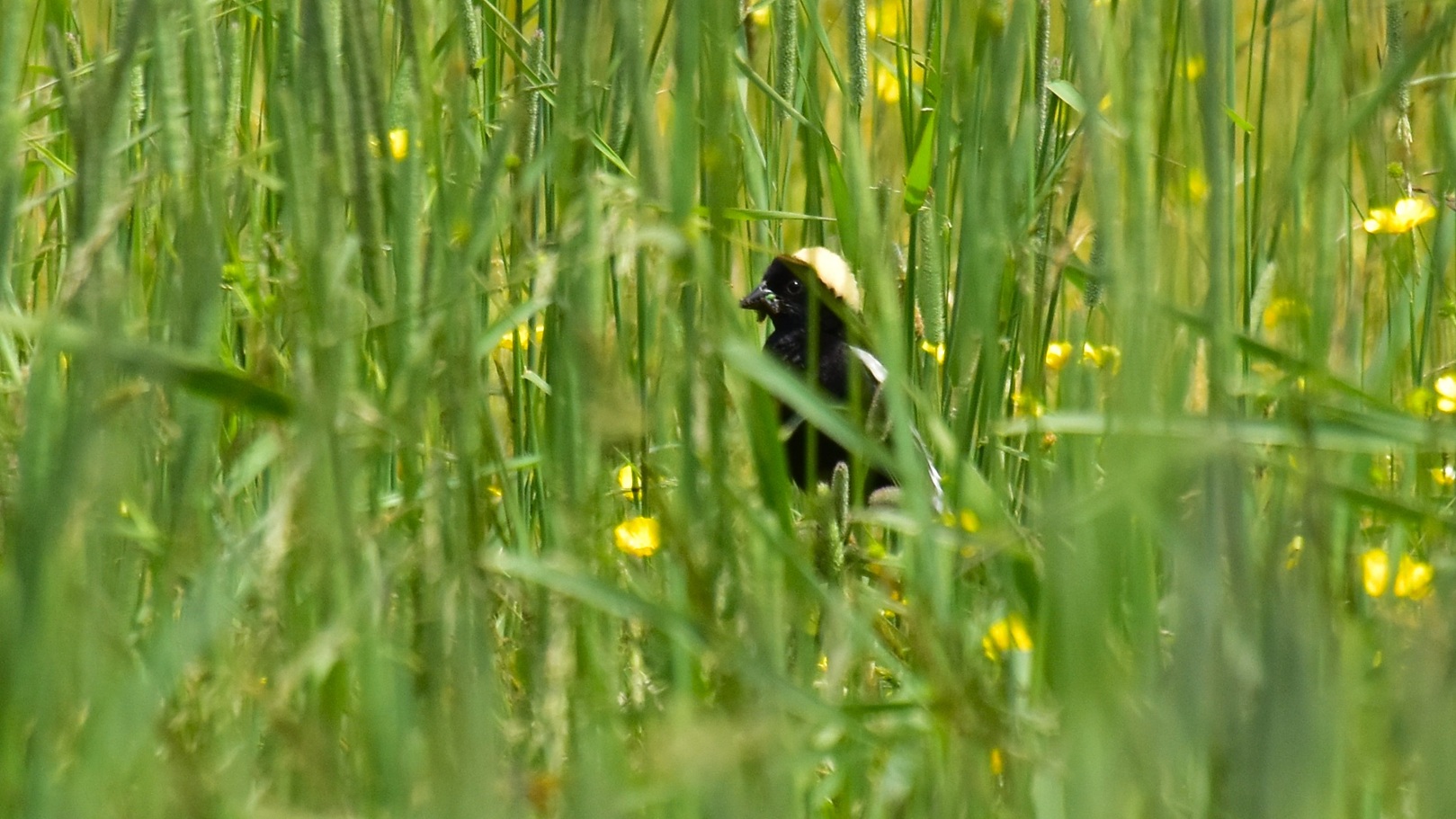
The meadow grass is allowed to grow tall during the spring months so that nesting birds can raise their families and then leave. The meadow is cut in time for a yearly July 7 reenactment of the battle, and when we were there in June the place was alive with birds, including quite a few of the very colorful Bob-O-Links.
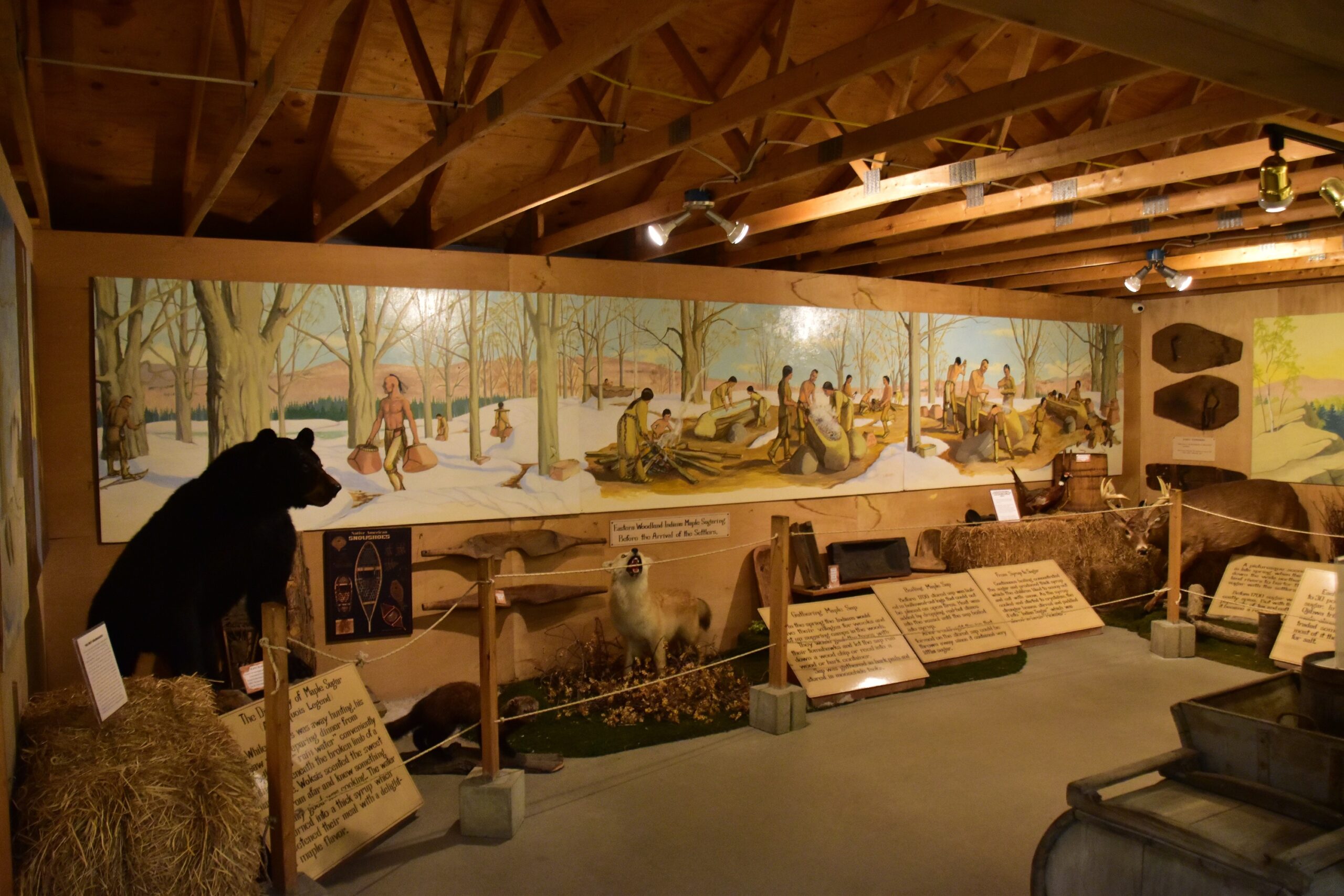
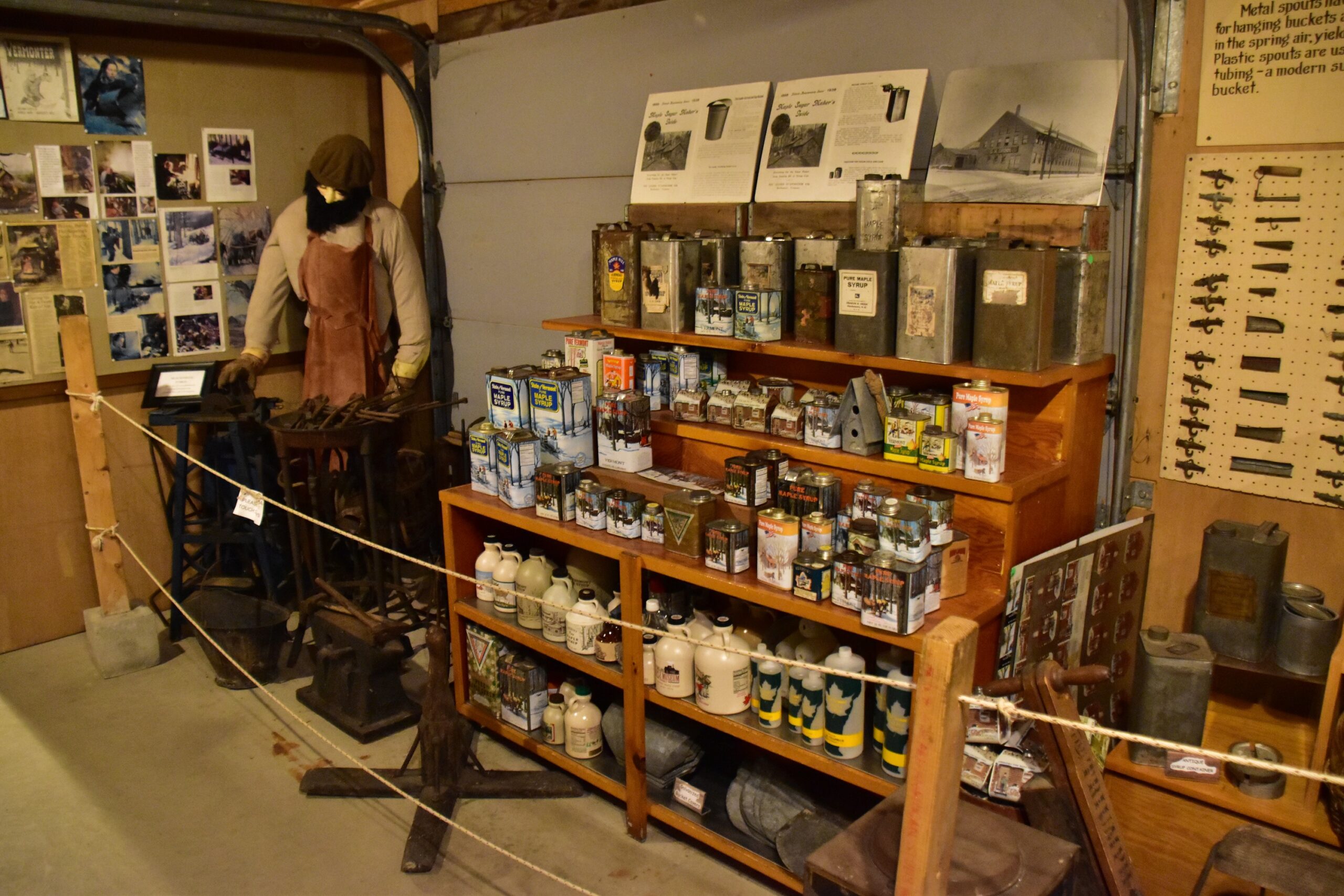
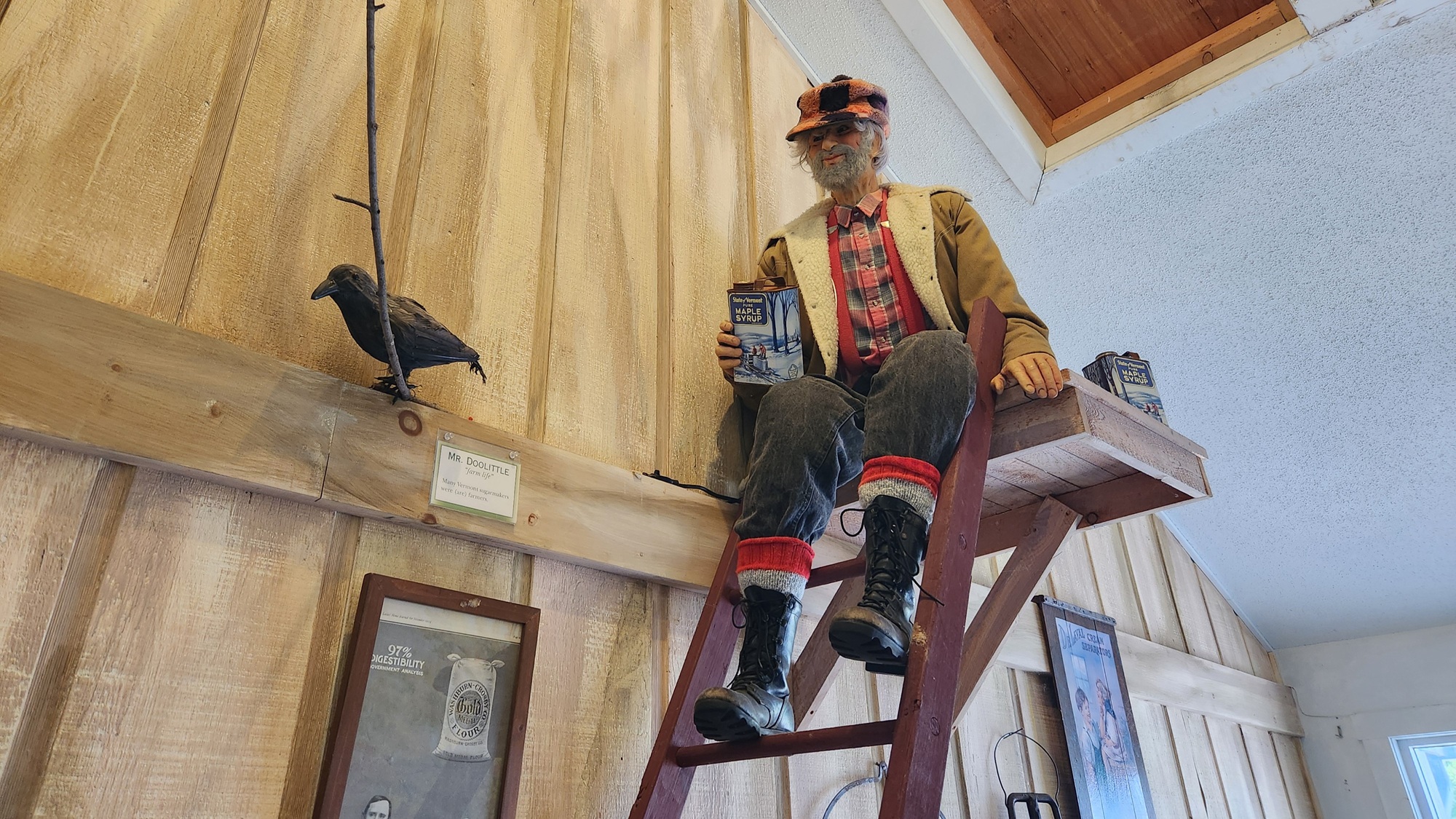
What would a visit to Vermont be without a stop to see a maple syrup museum? A local company has a store and a small, but informative, museum all about maple syrup processing from the early days to a more modern process. One tradition that we learned about is the celebration that families still have today at the end of the syrup season: Sugar on Snow. Hot maple syrup is drizzled on hard packed snow or ice, accompanied by doughnuts and dill pickles (to cut the sweetness).
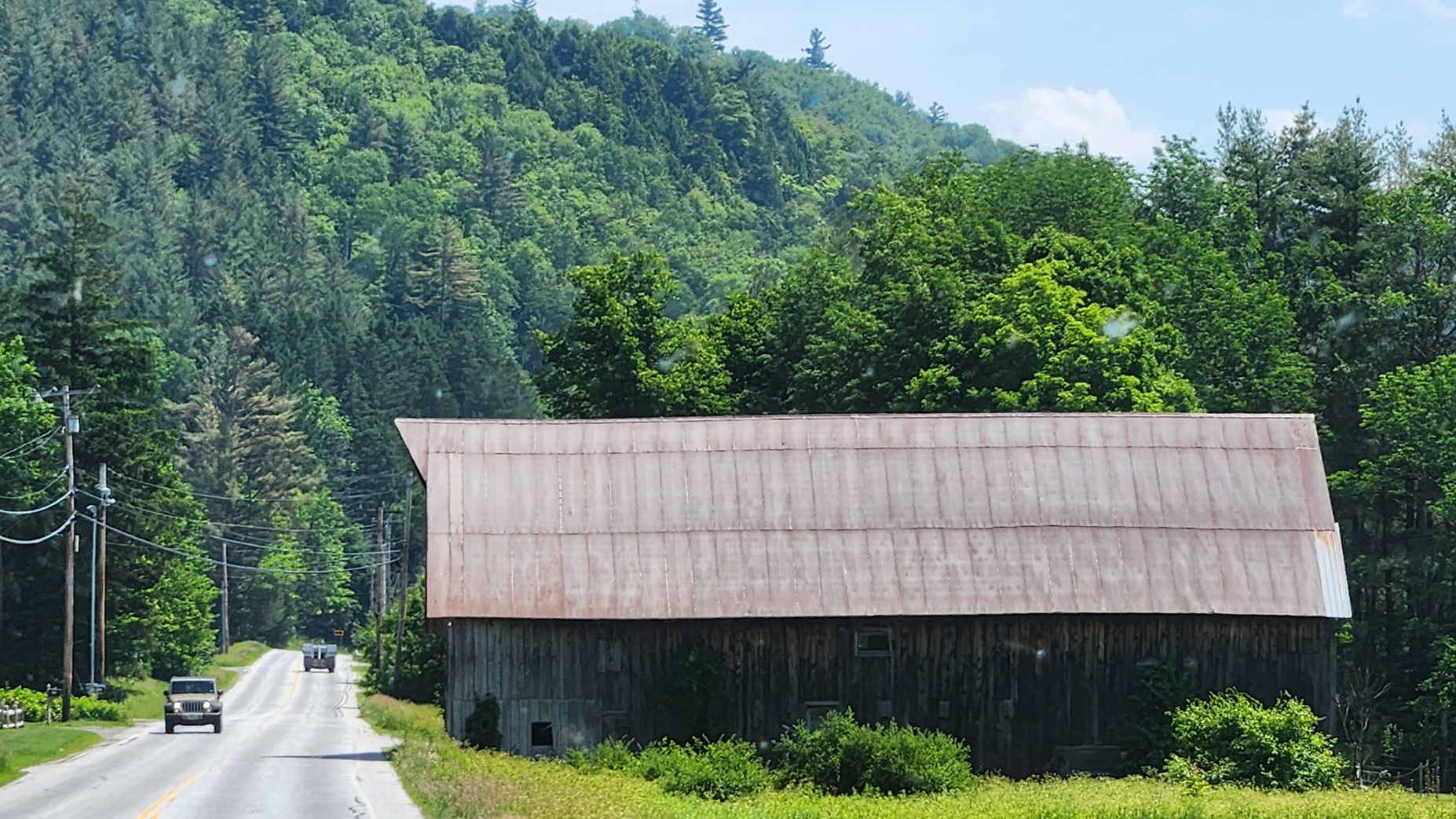
Traveling through small towns in the east, I am always surprised at how close some buildings are to the road. They must have been built next to wagon trails, which have gradually expanded into two-lane roads. It feels like I could roll down the window and reach out and touch some of the them as we pass by.
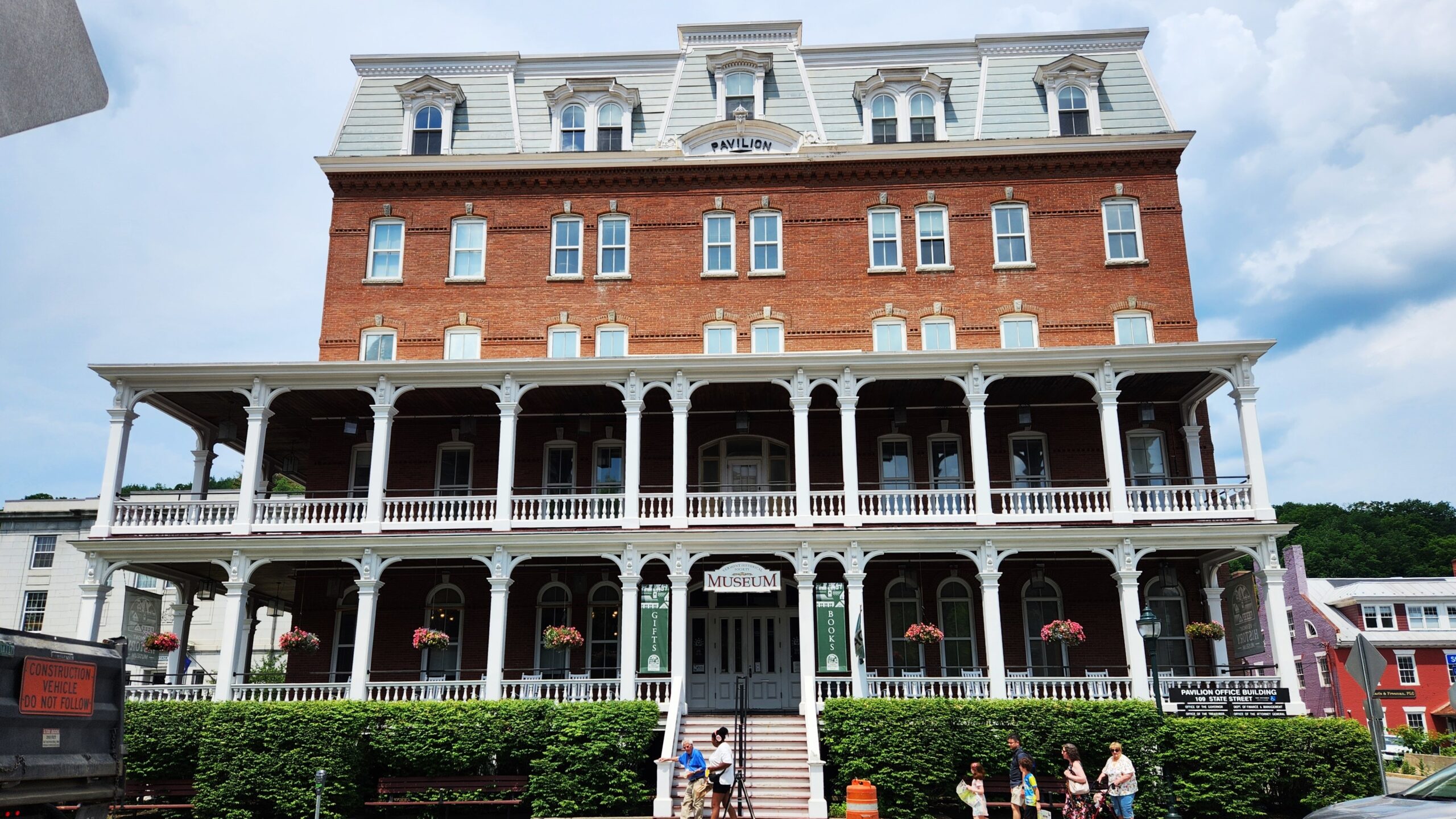
Montpelier, the capitol city of Vermont, is a pretty town that is very walkable and has a historic downtown area. 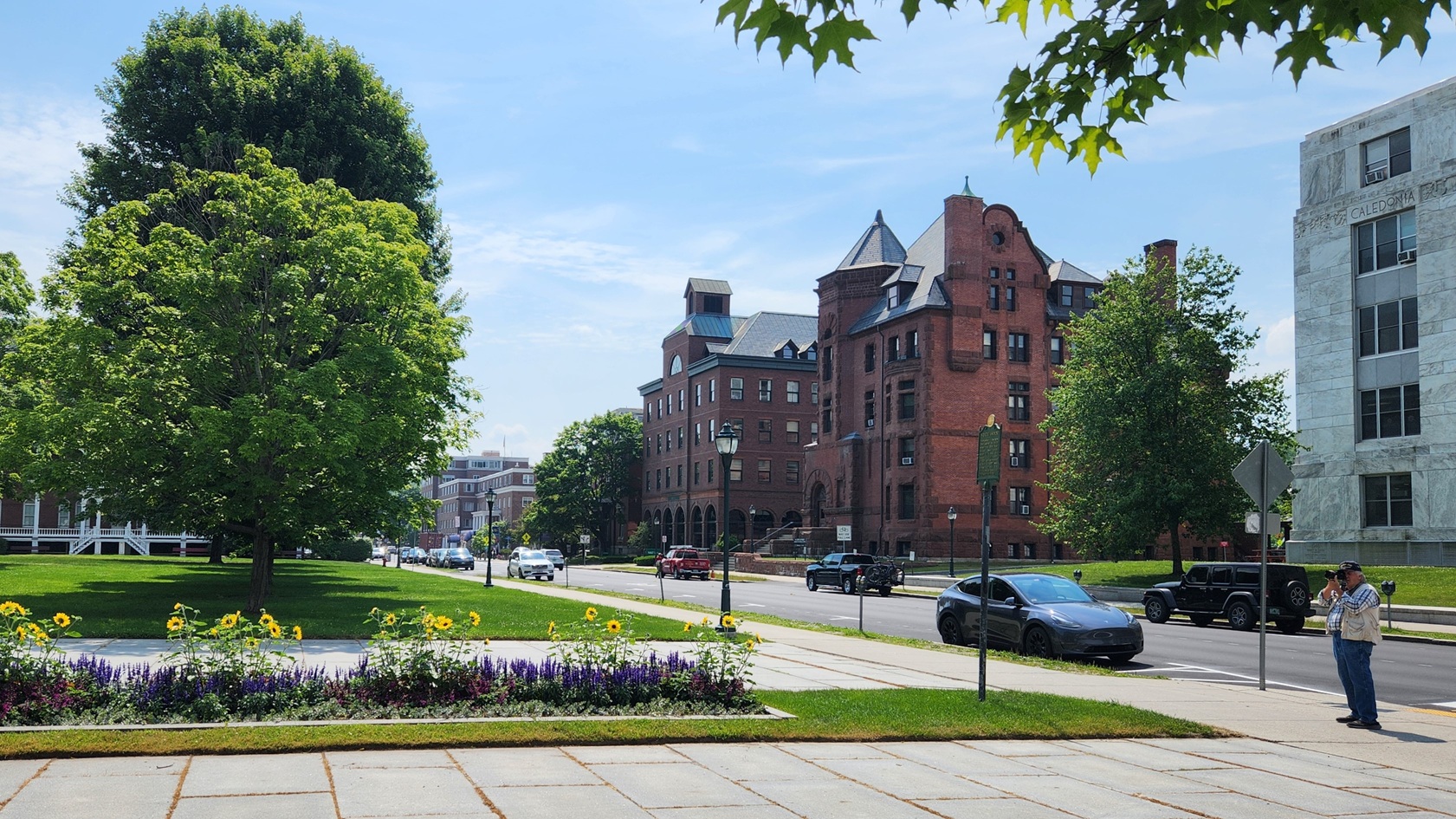
The state house is the most ‘comfortable’ one that we have visited, with bright colors, areas for sitting, fresh flowers; all things that make the space welcoming. 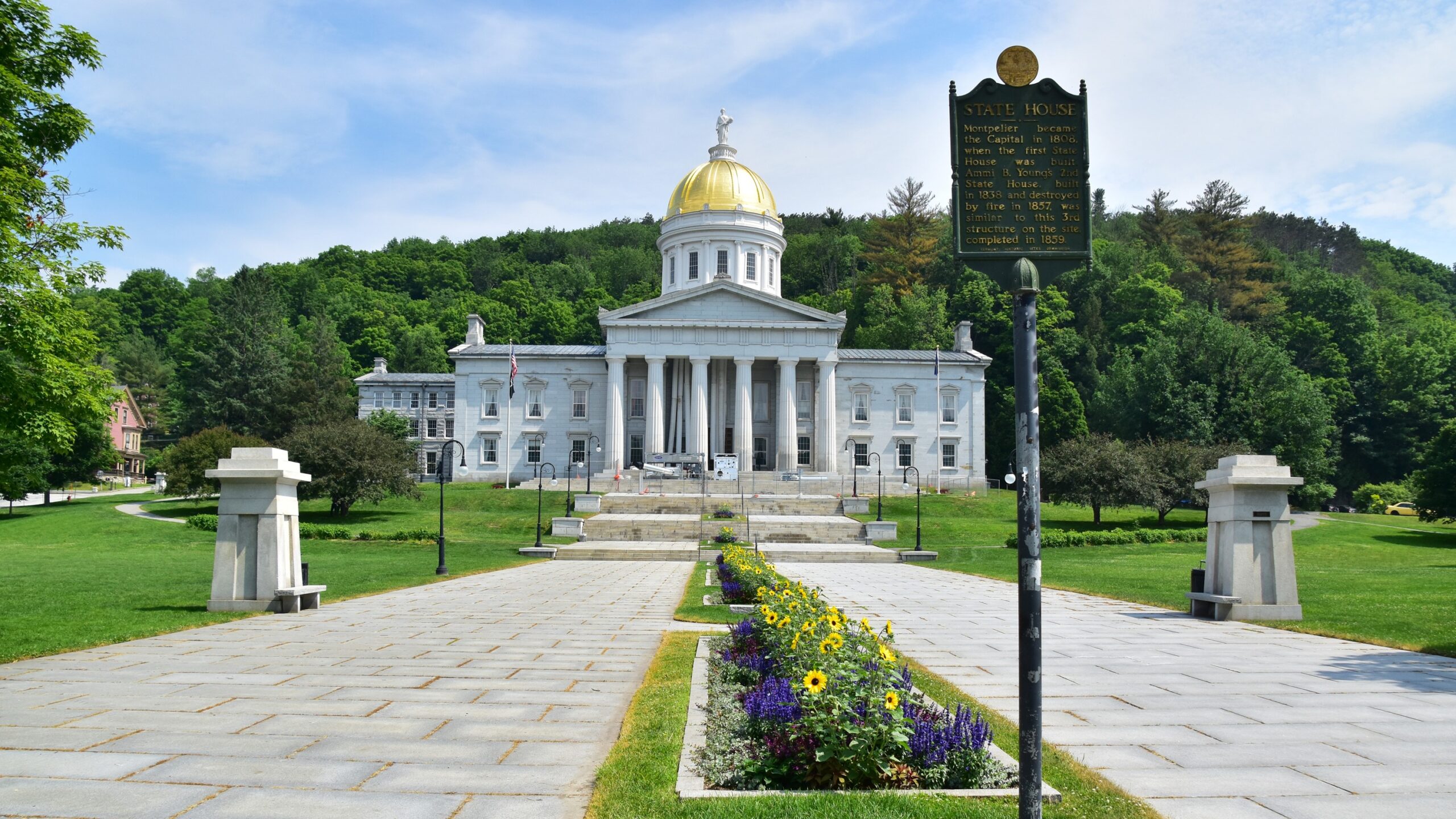
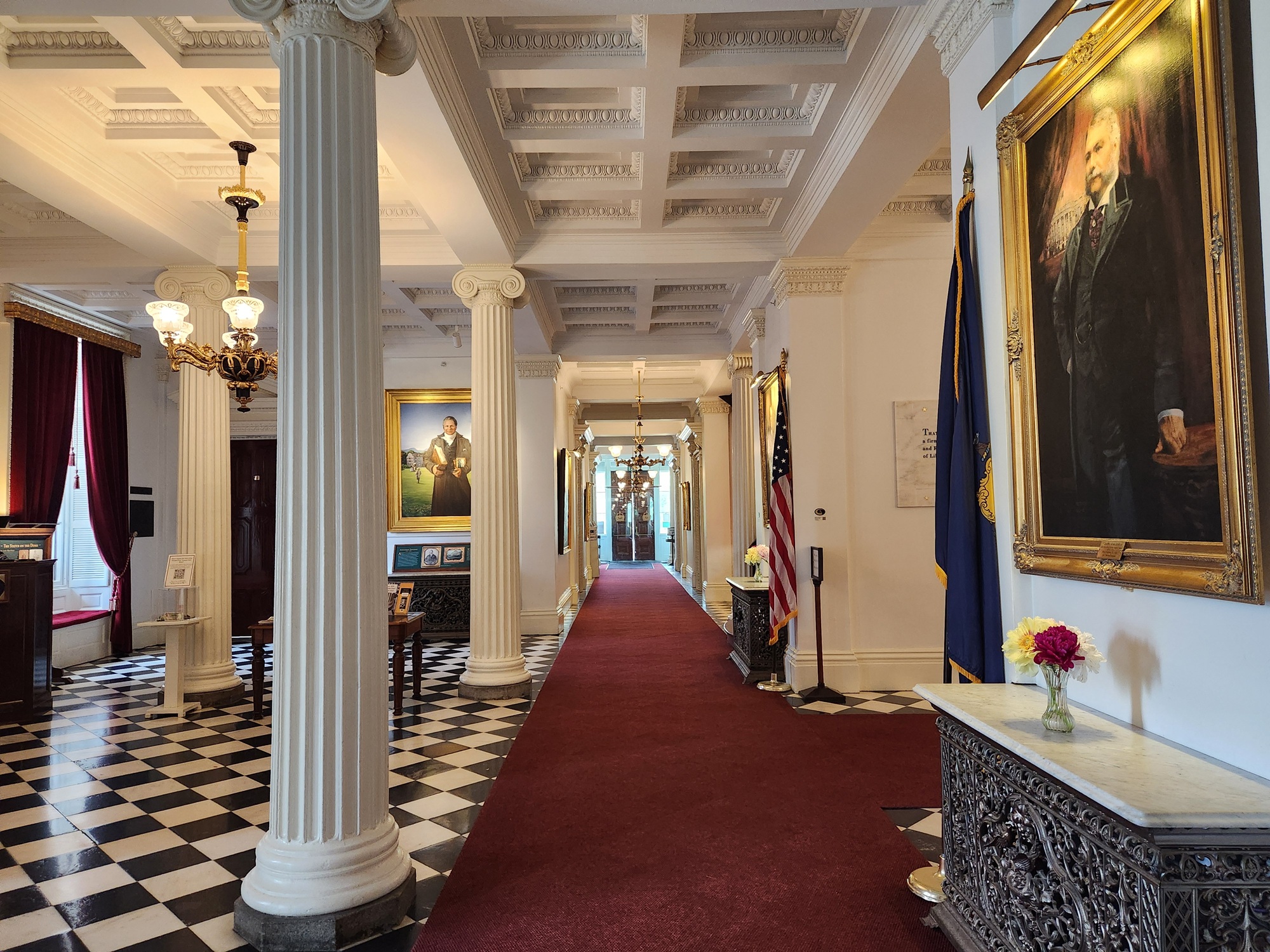
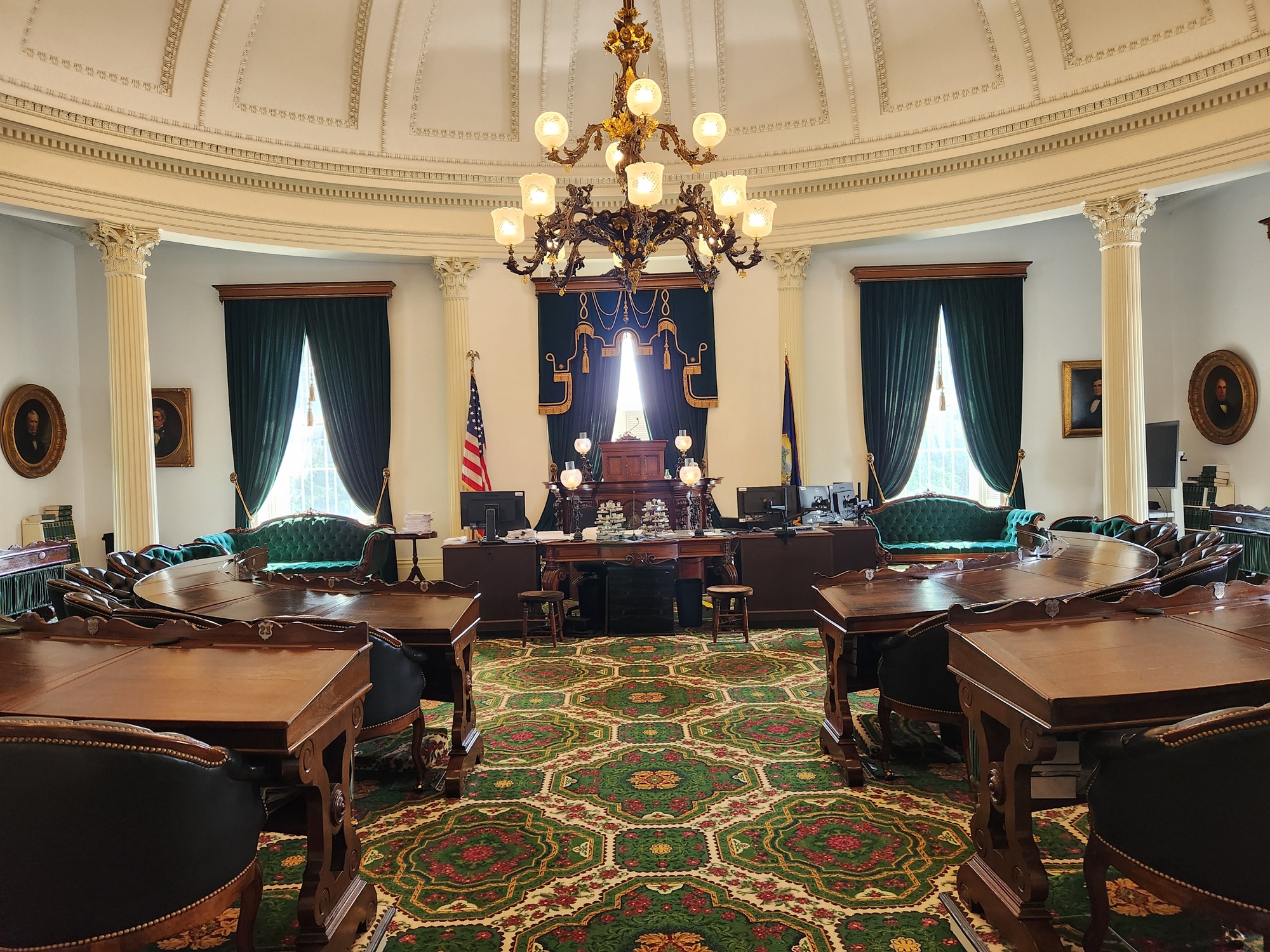
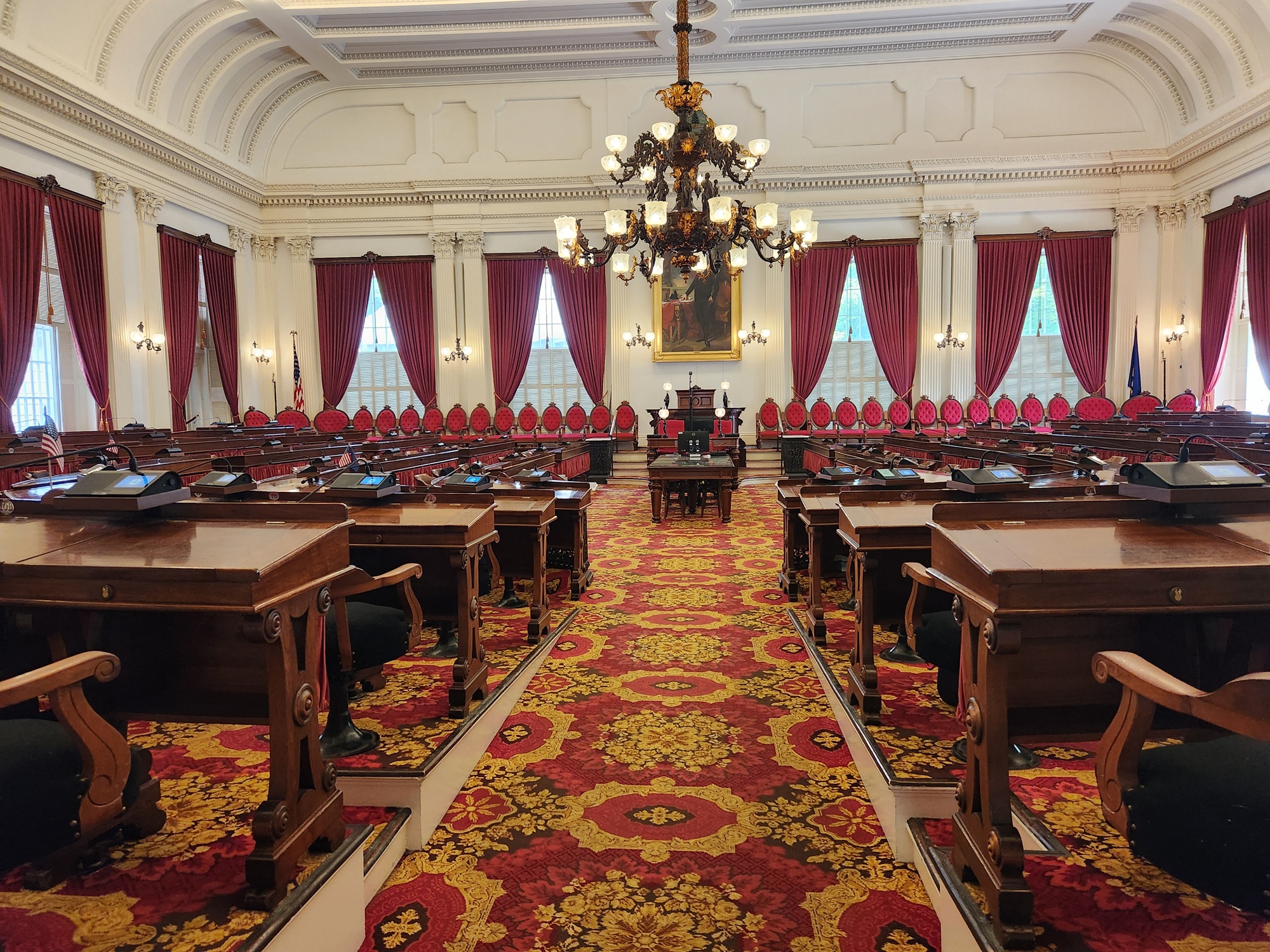
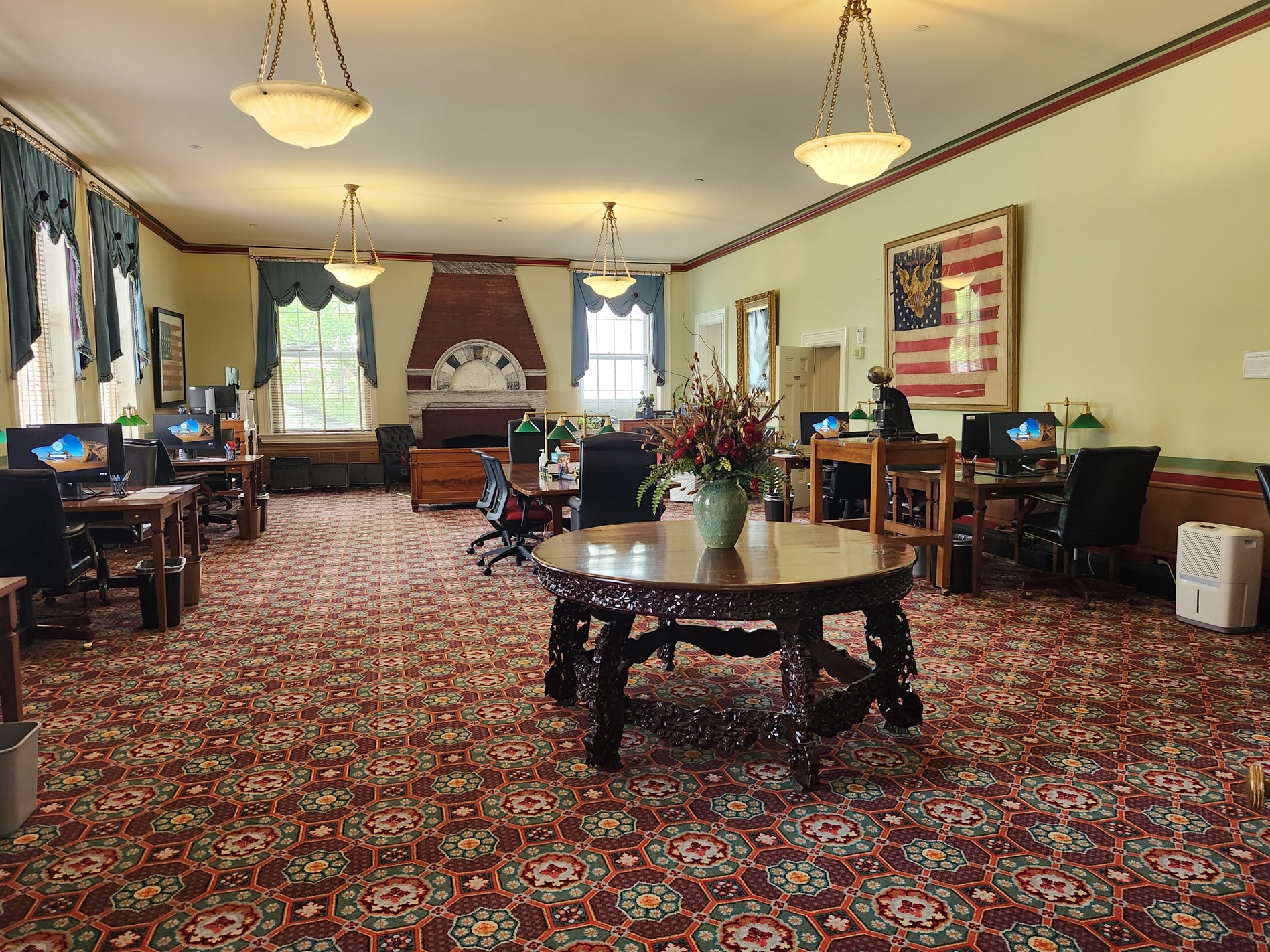
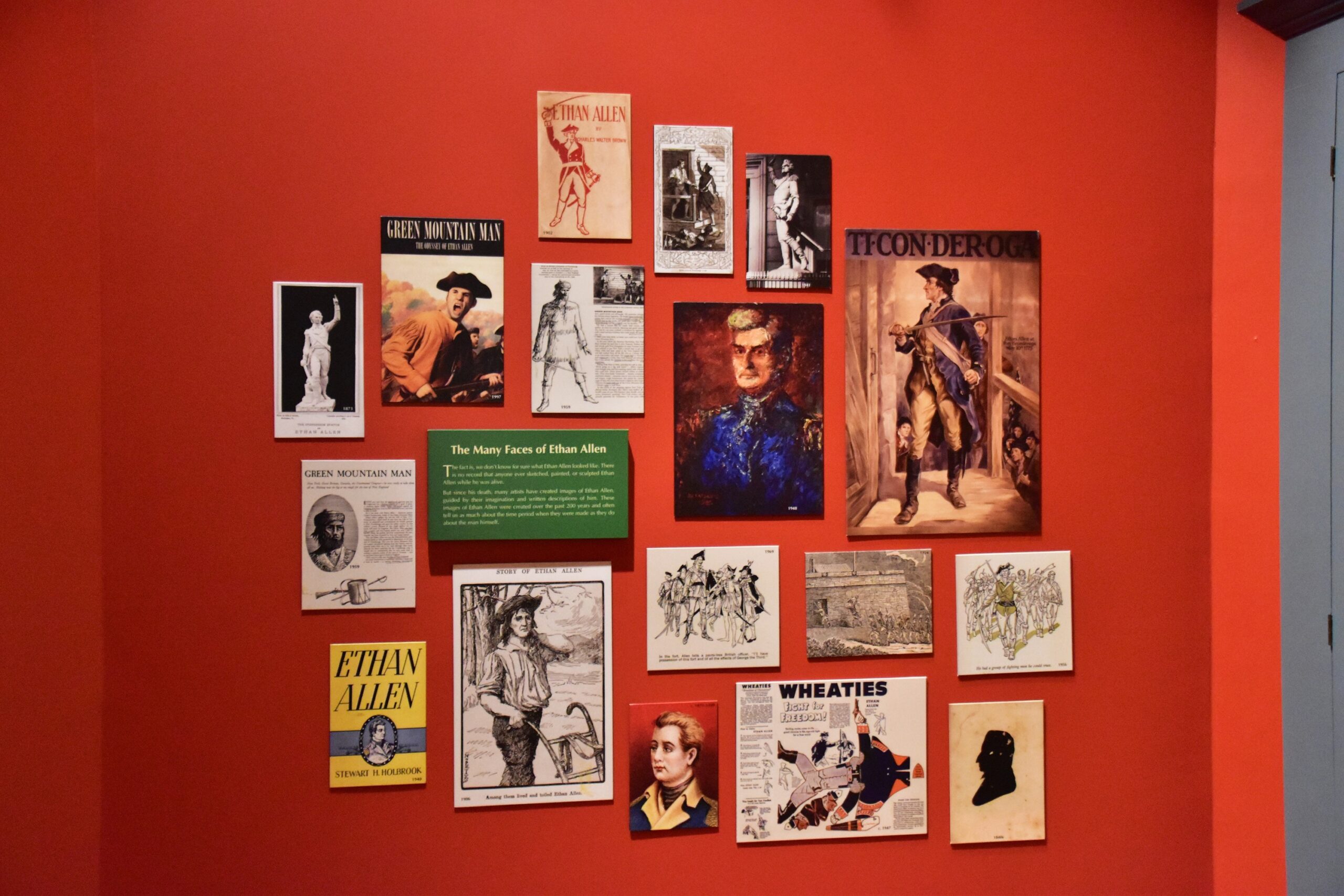
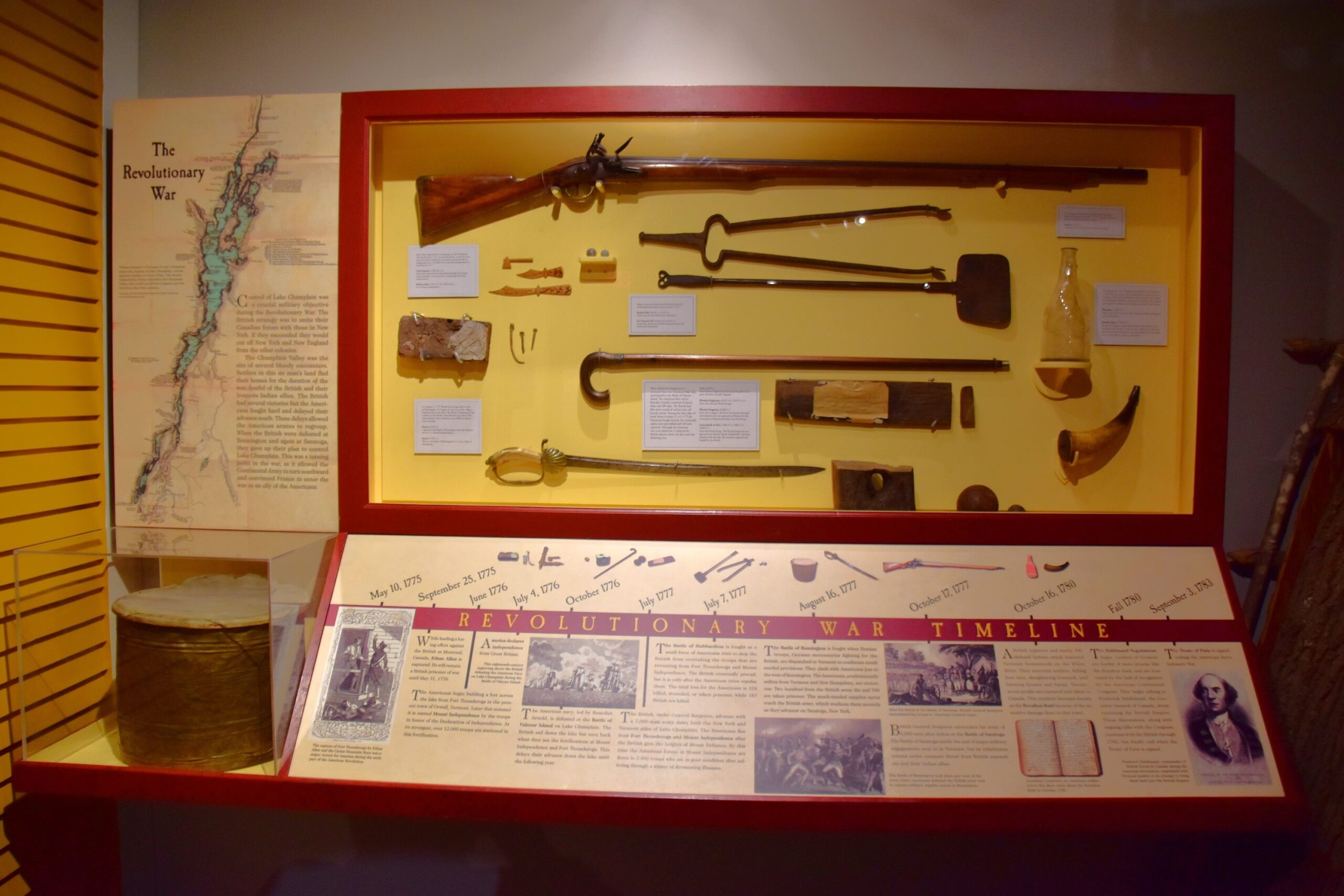
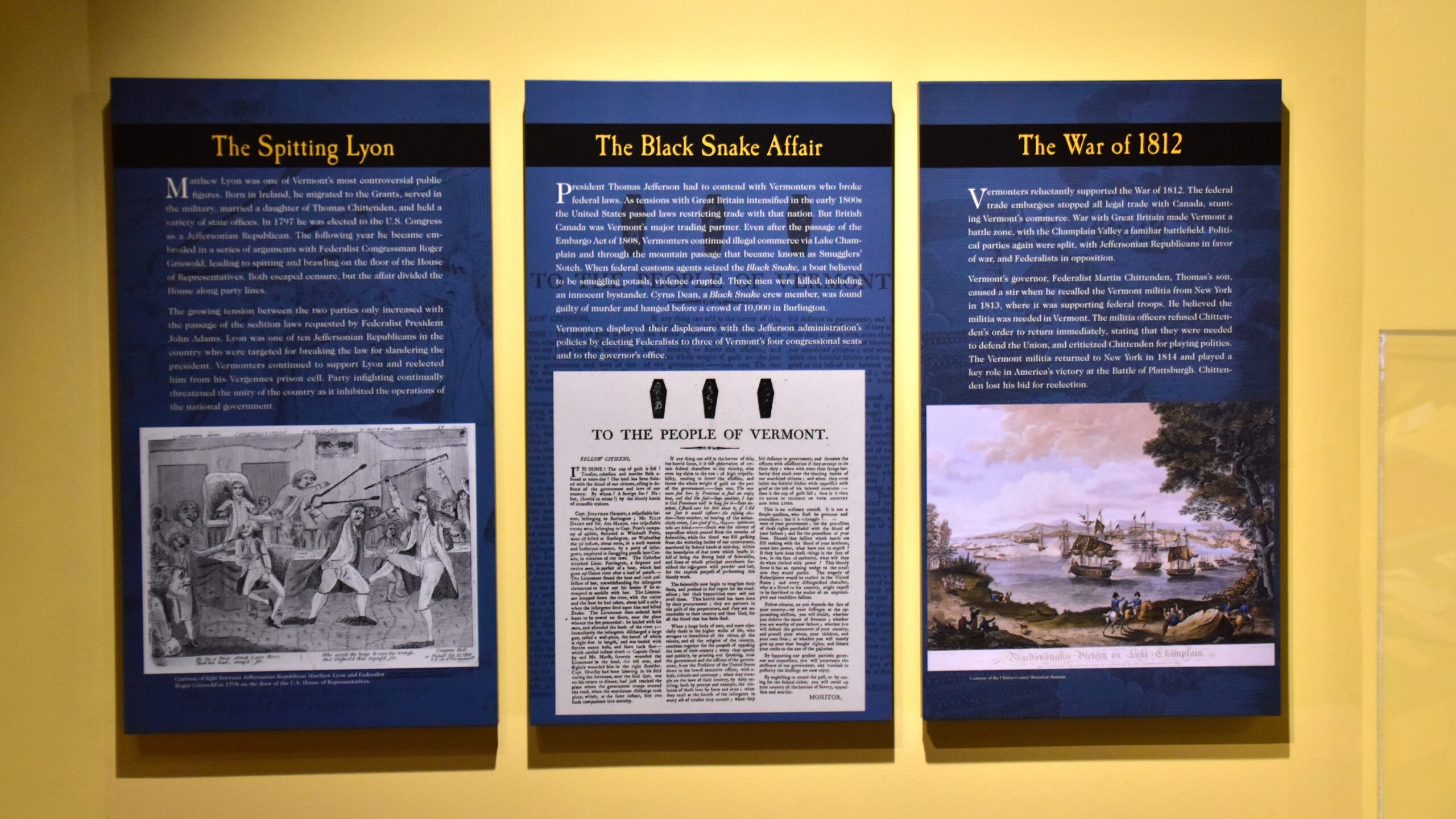
The Historical Society Museum is on the first floor of the downtown Pavilion Building, and the displays are well-done and interesting.
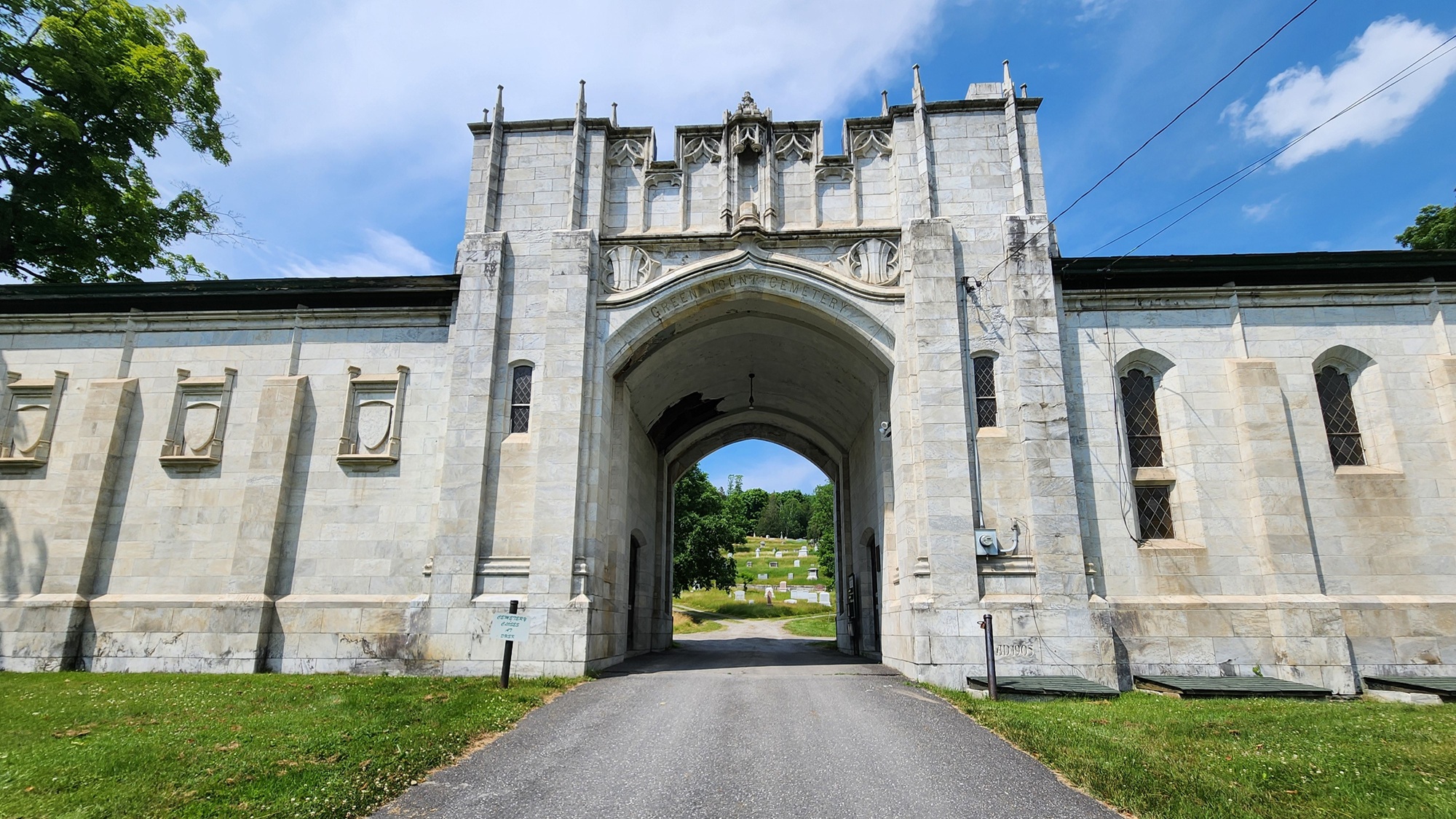
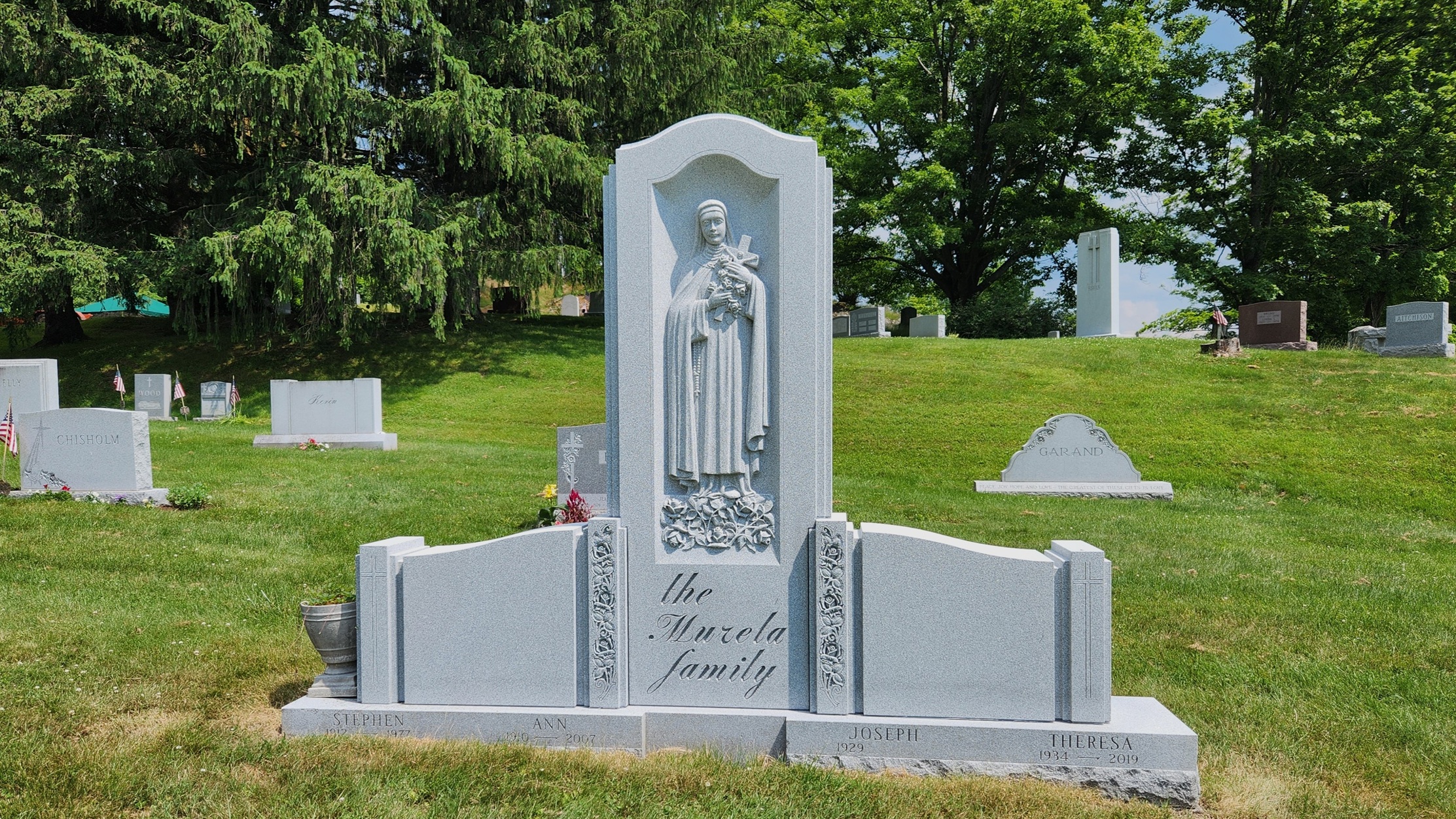
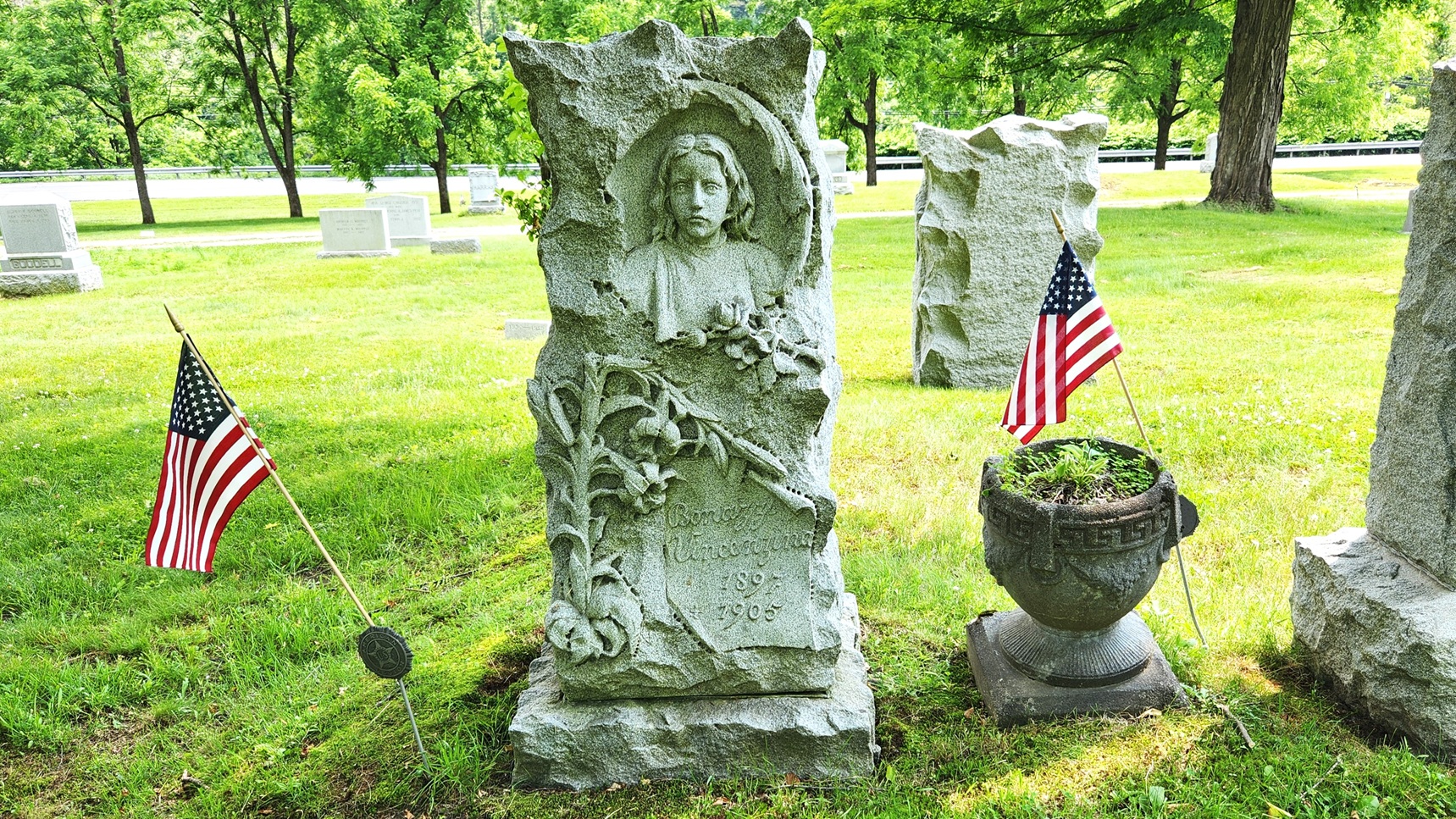
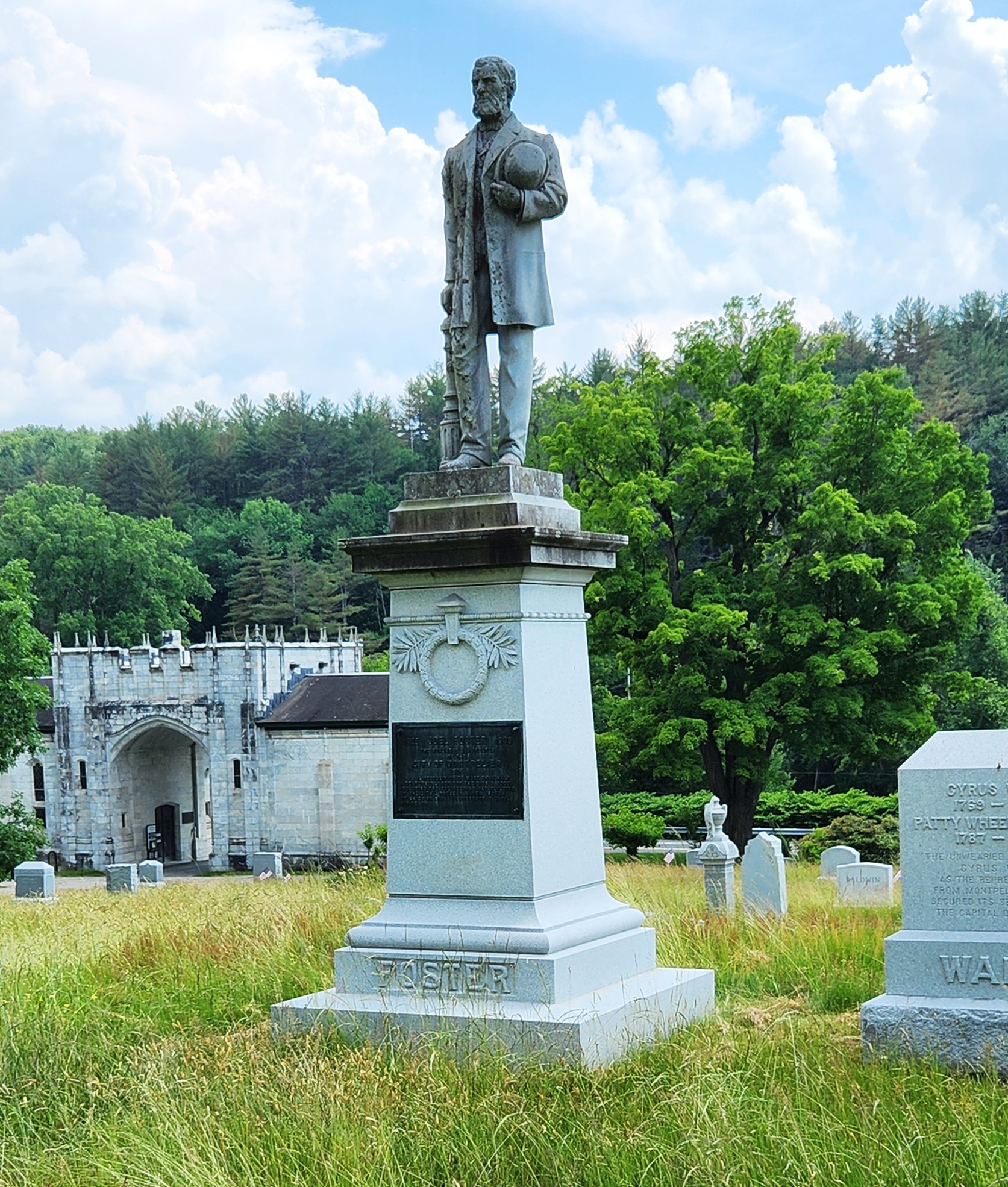
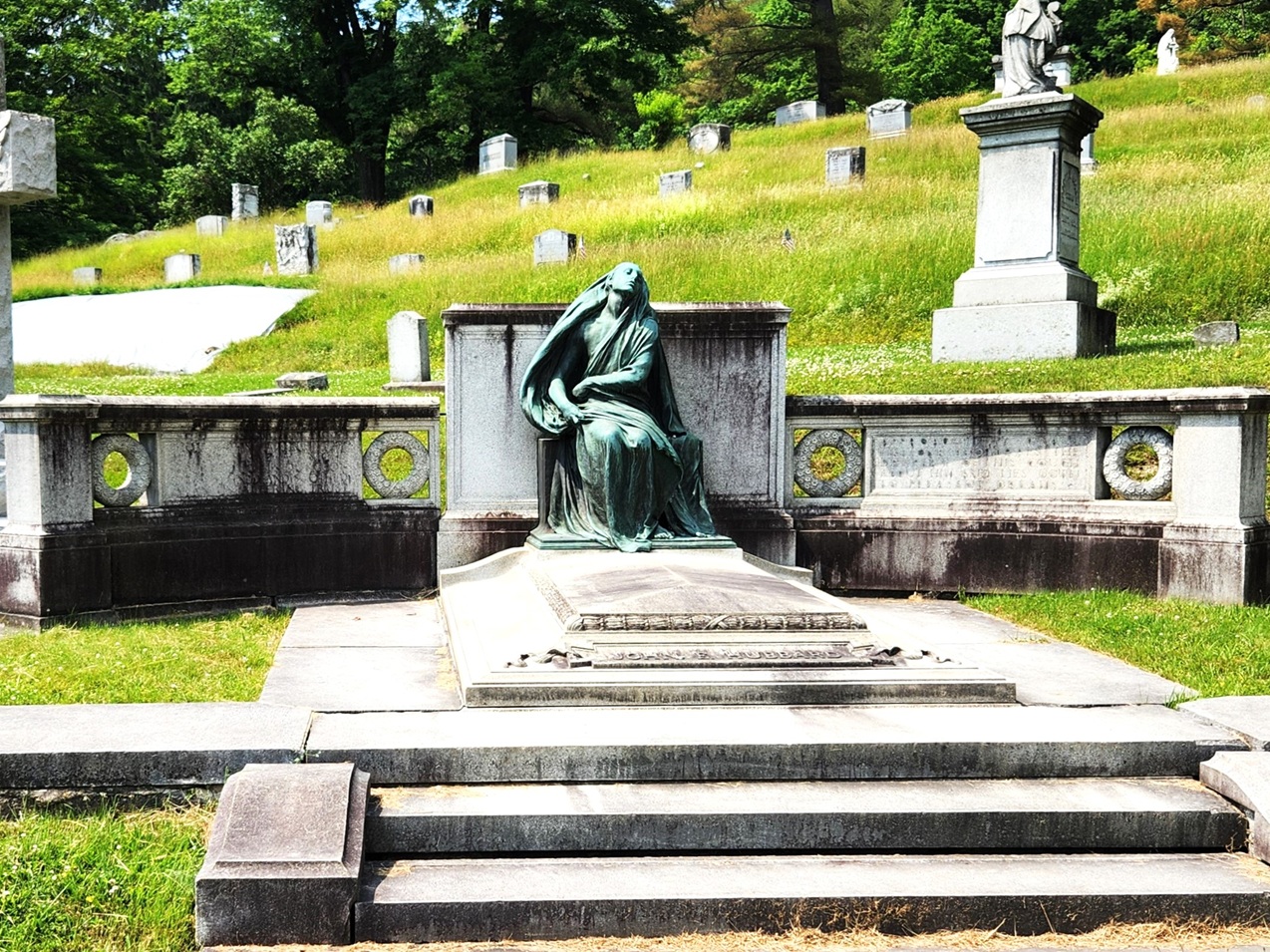
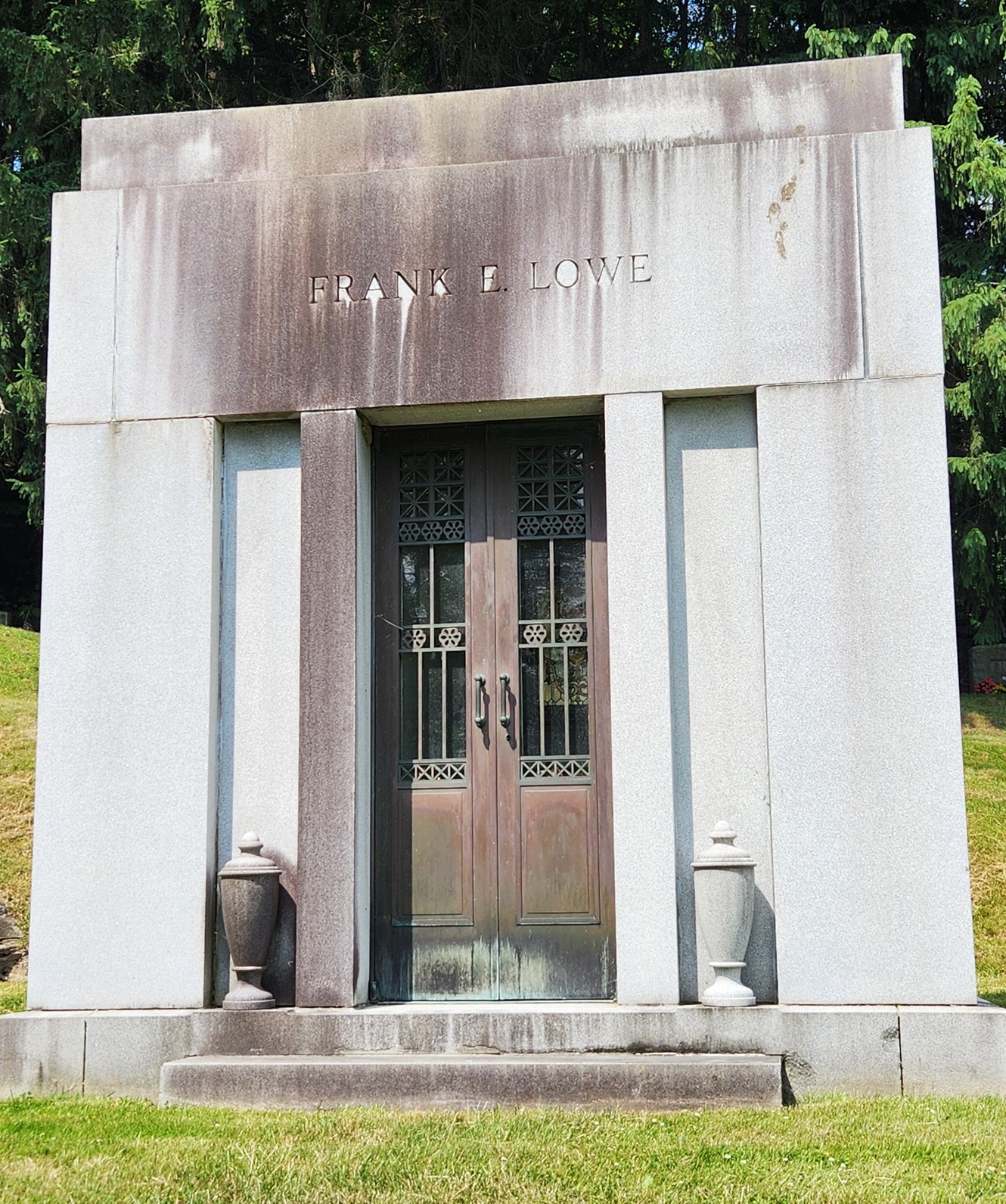
Green Mount Cemetery, with an elegant entrance, is nearby, and it is known for its sculpted grave markers carved from granite and marble. We found markers from as far back as the 1800’s that were in good shape because that material has held up well over the years.
We were staying in Graniteville, so we had to visit the Granite Museum,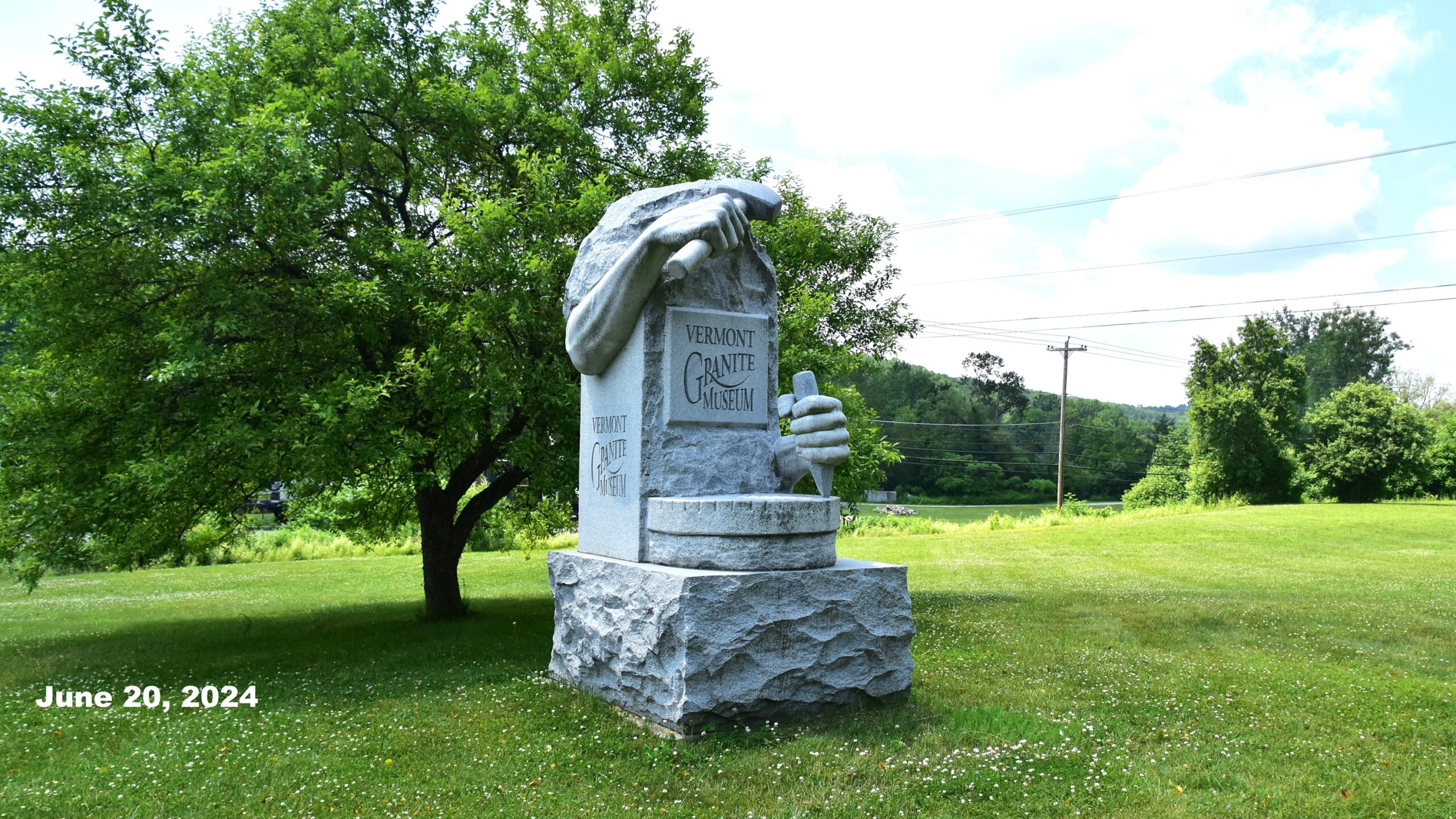
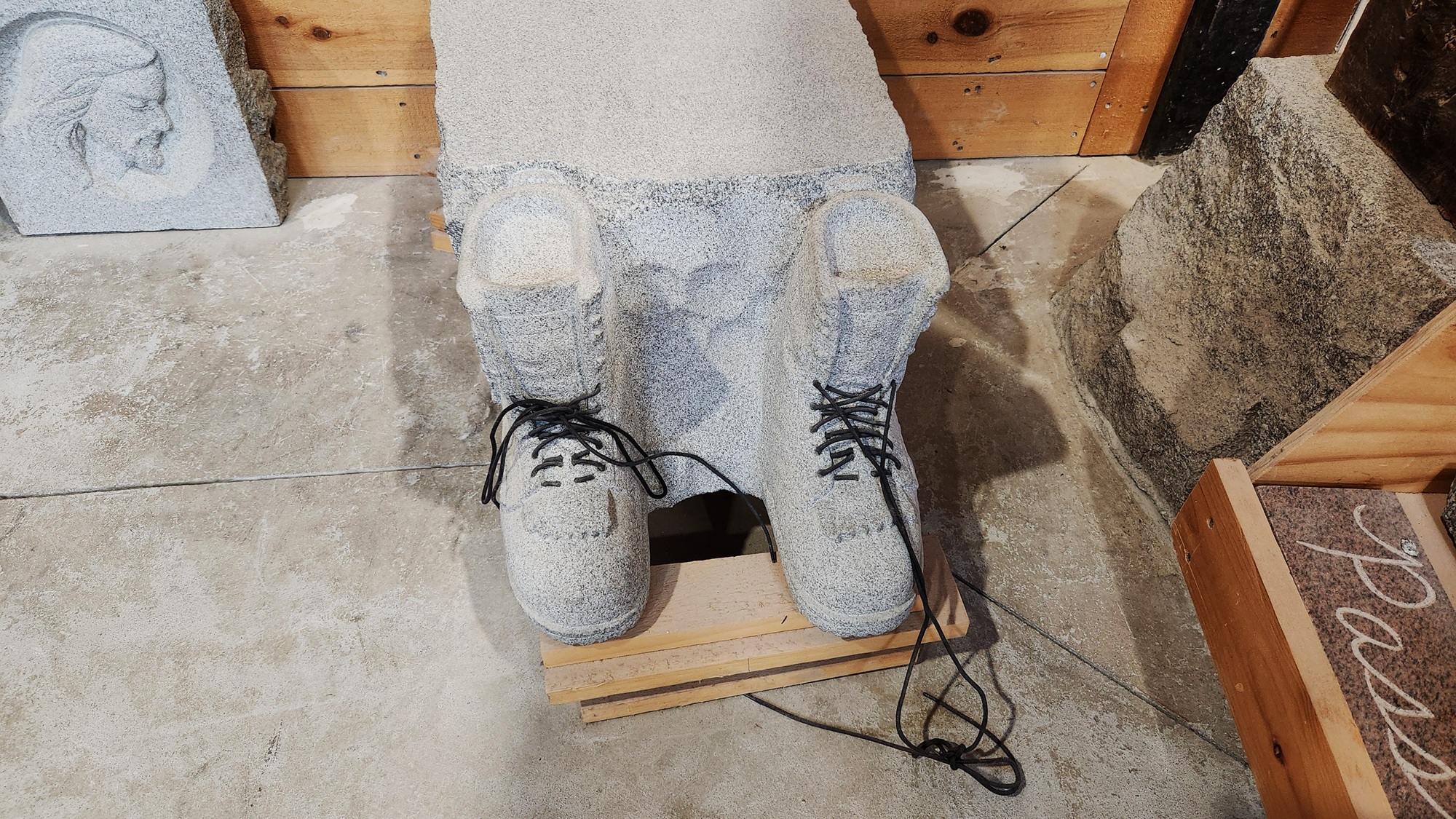
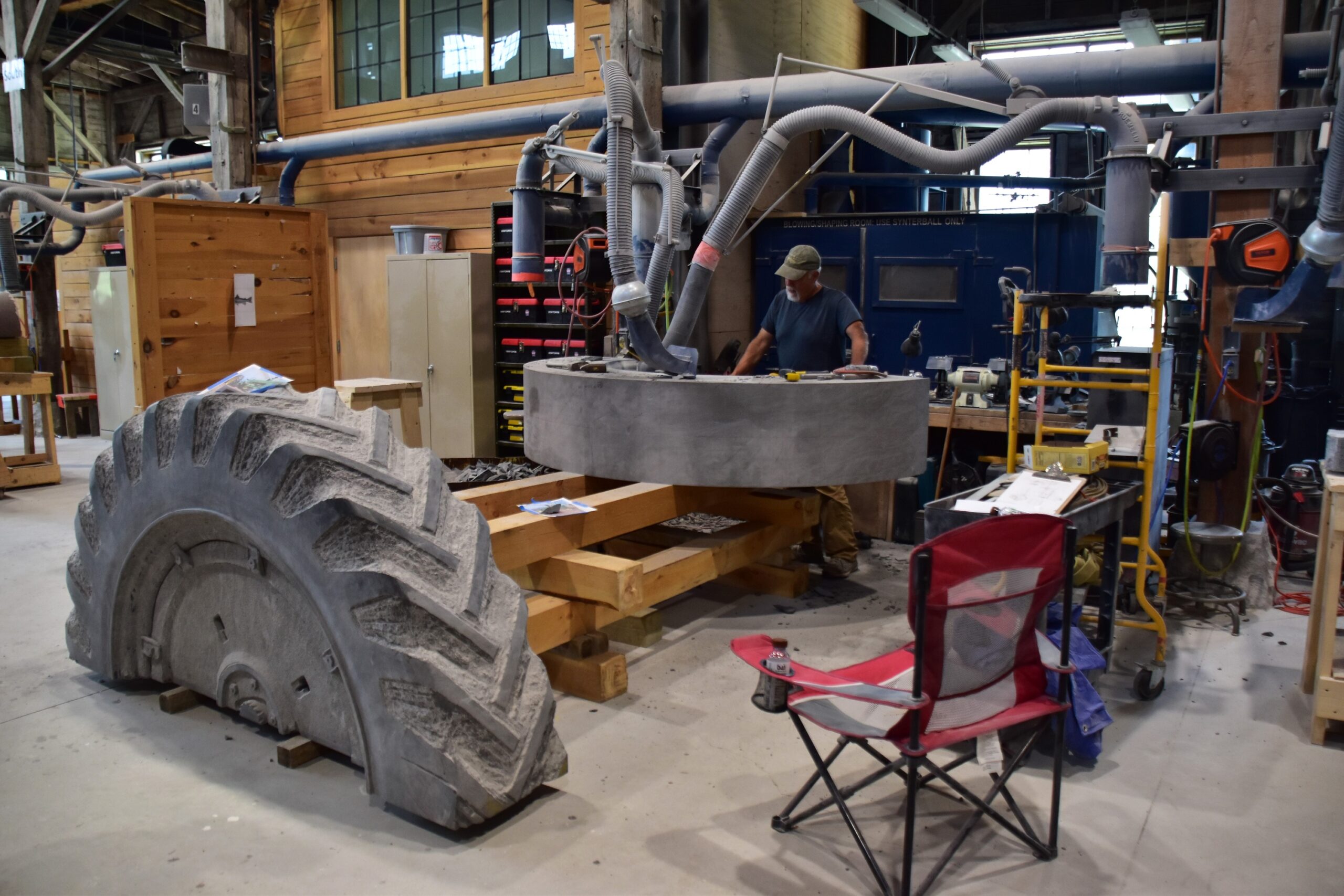
where, besides the expected displays about the history of granite processing, local artisans were allowed to work on projects. One of those projects was a 1 ¼ size John Deere Tractor on consignment. The block of granite for just the tires cost $30,000!
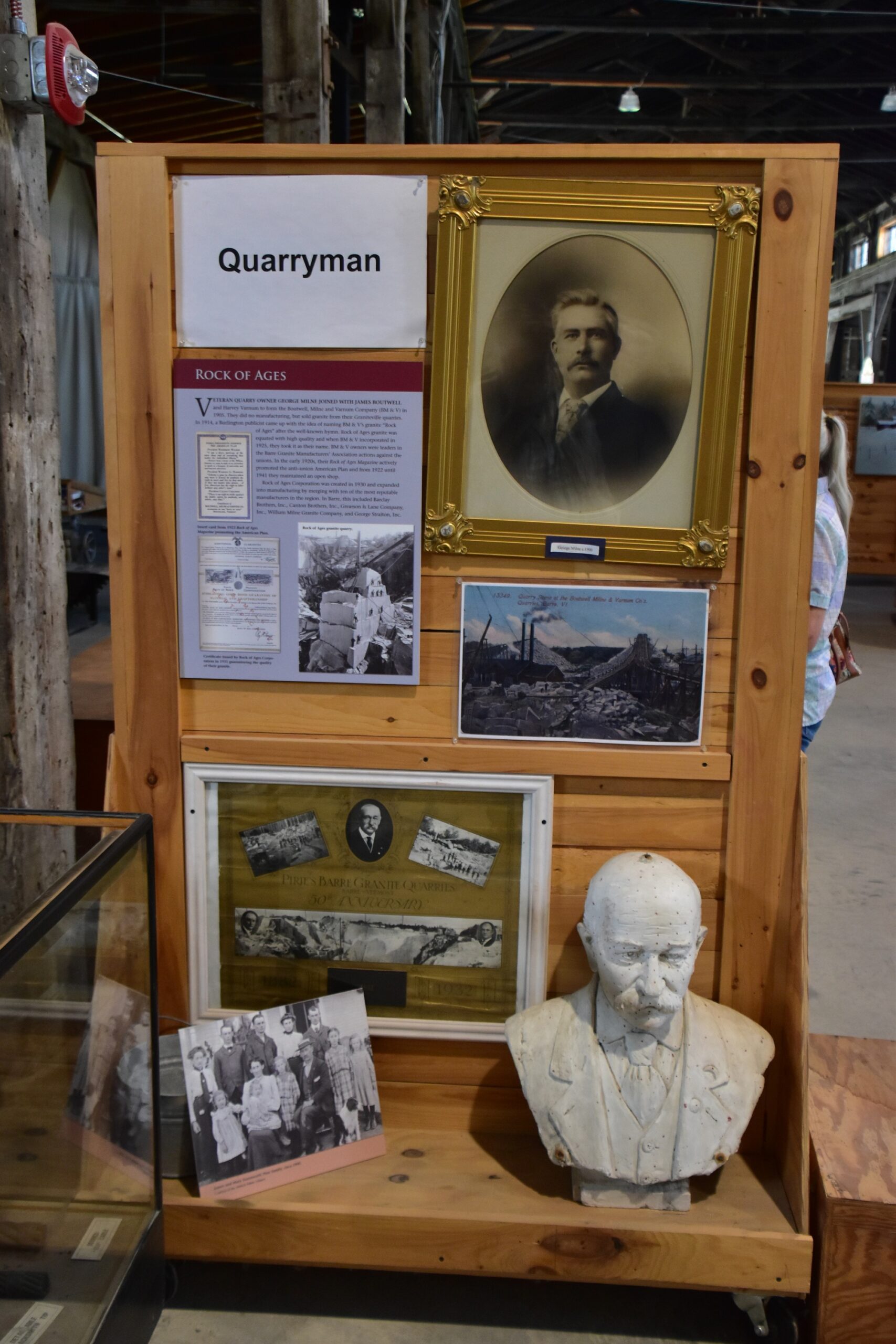
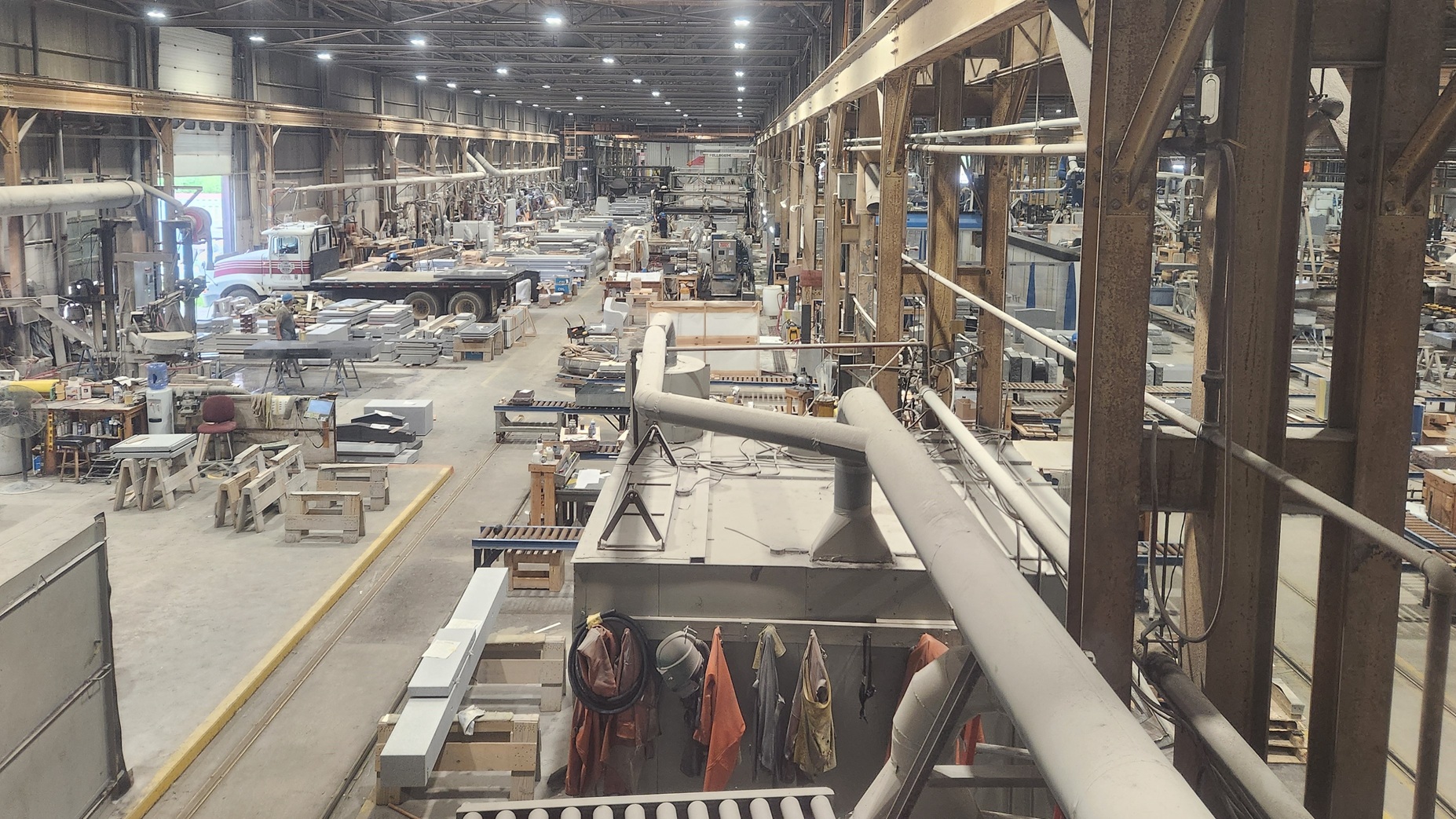
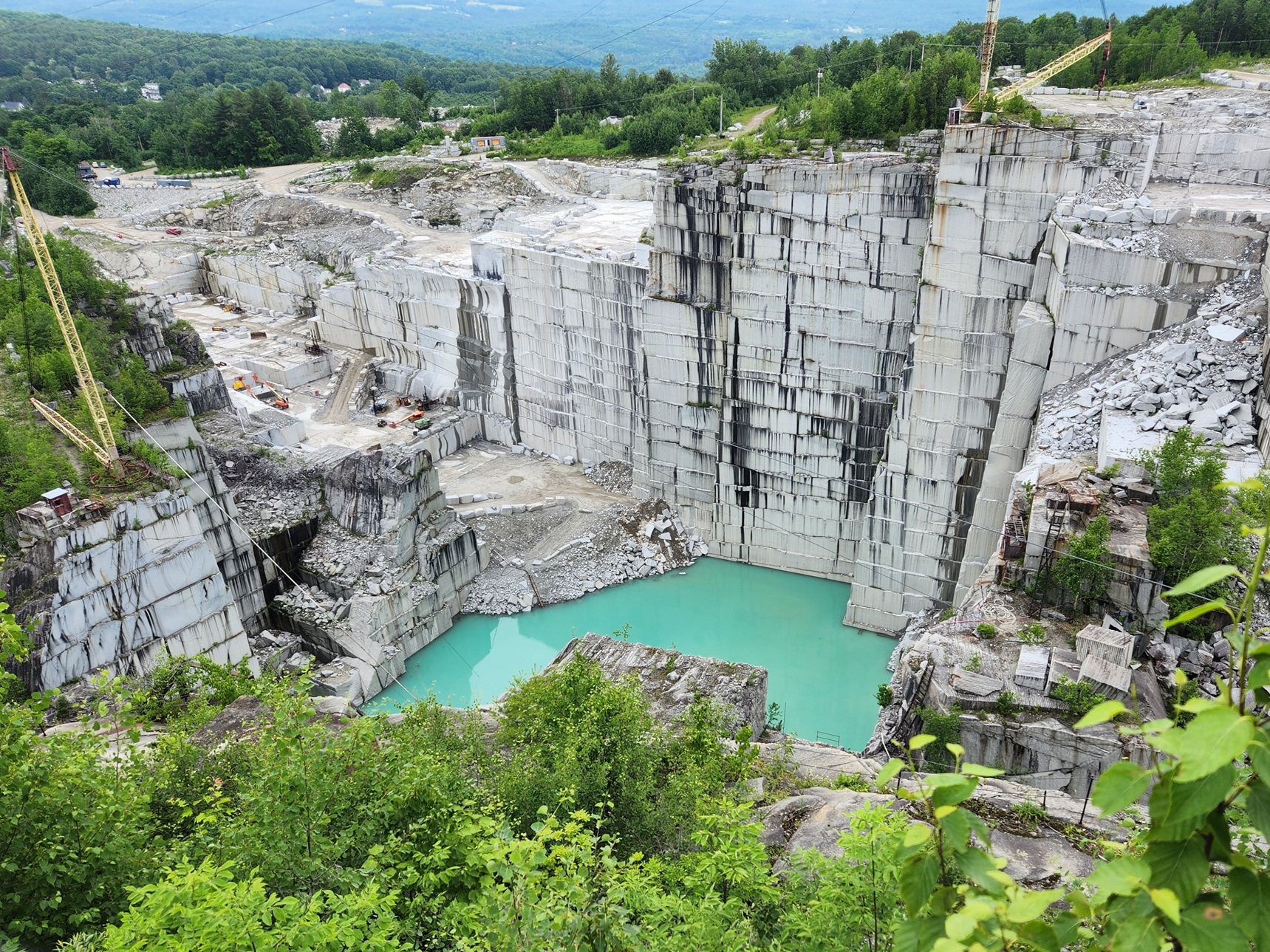
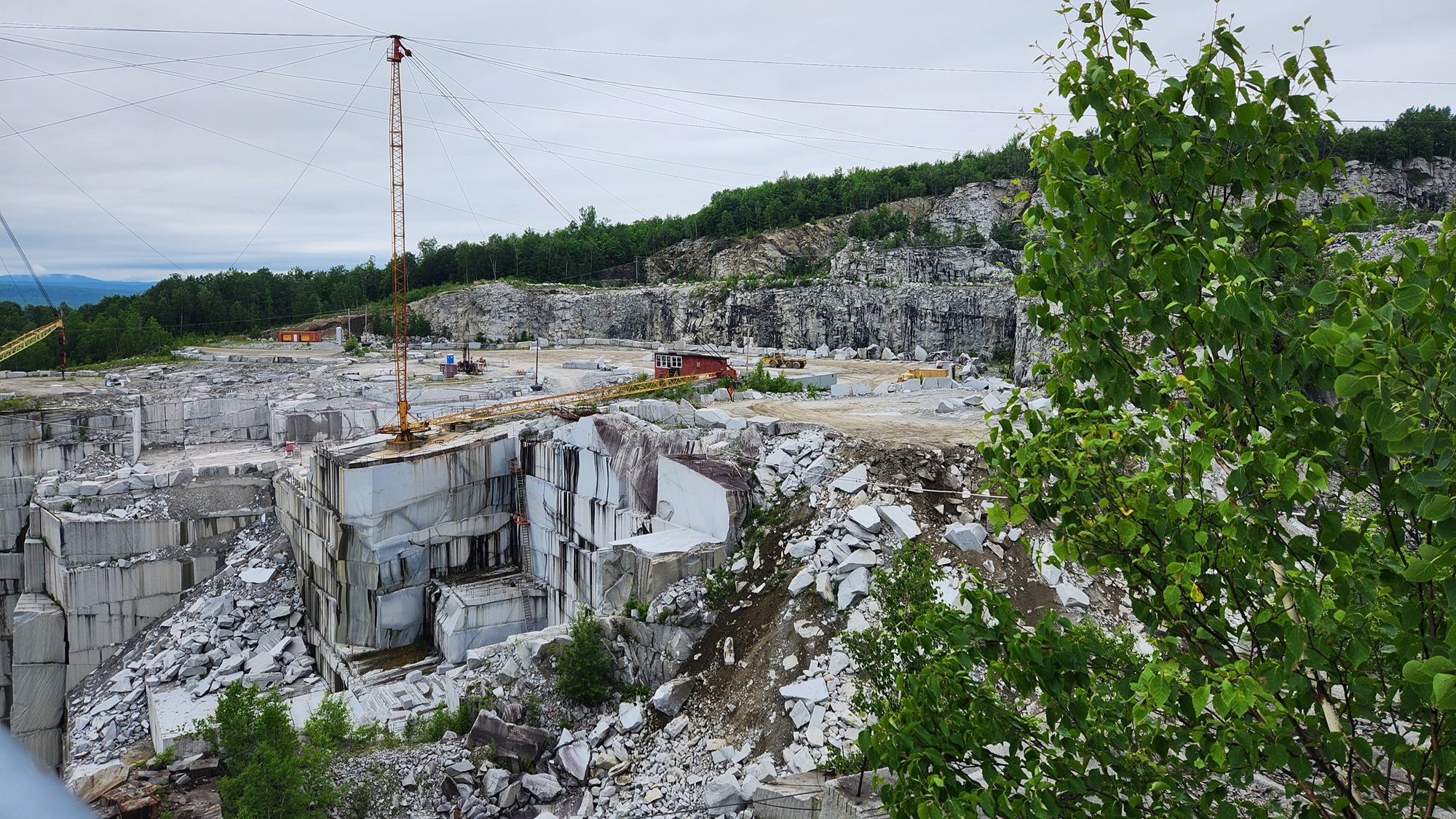
Continuing our granite education, we next visited the Rock of Ages factory, where they harvest granite slabs in their own quarry and then cut them to order in their factory. The size and weight of the material that they work with every day is pretty astounding. 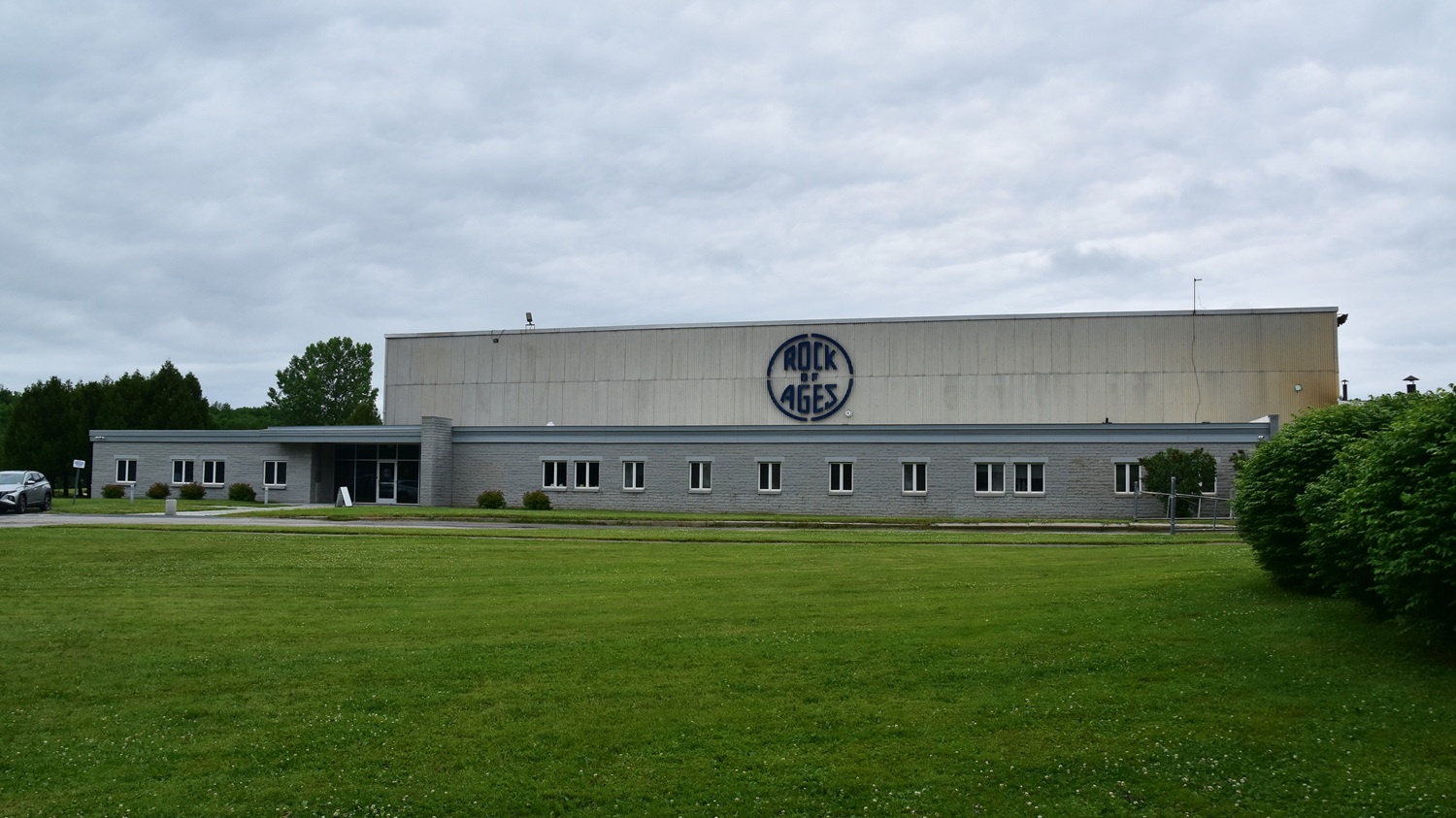
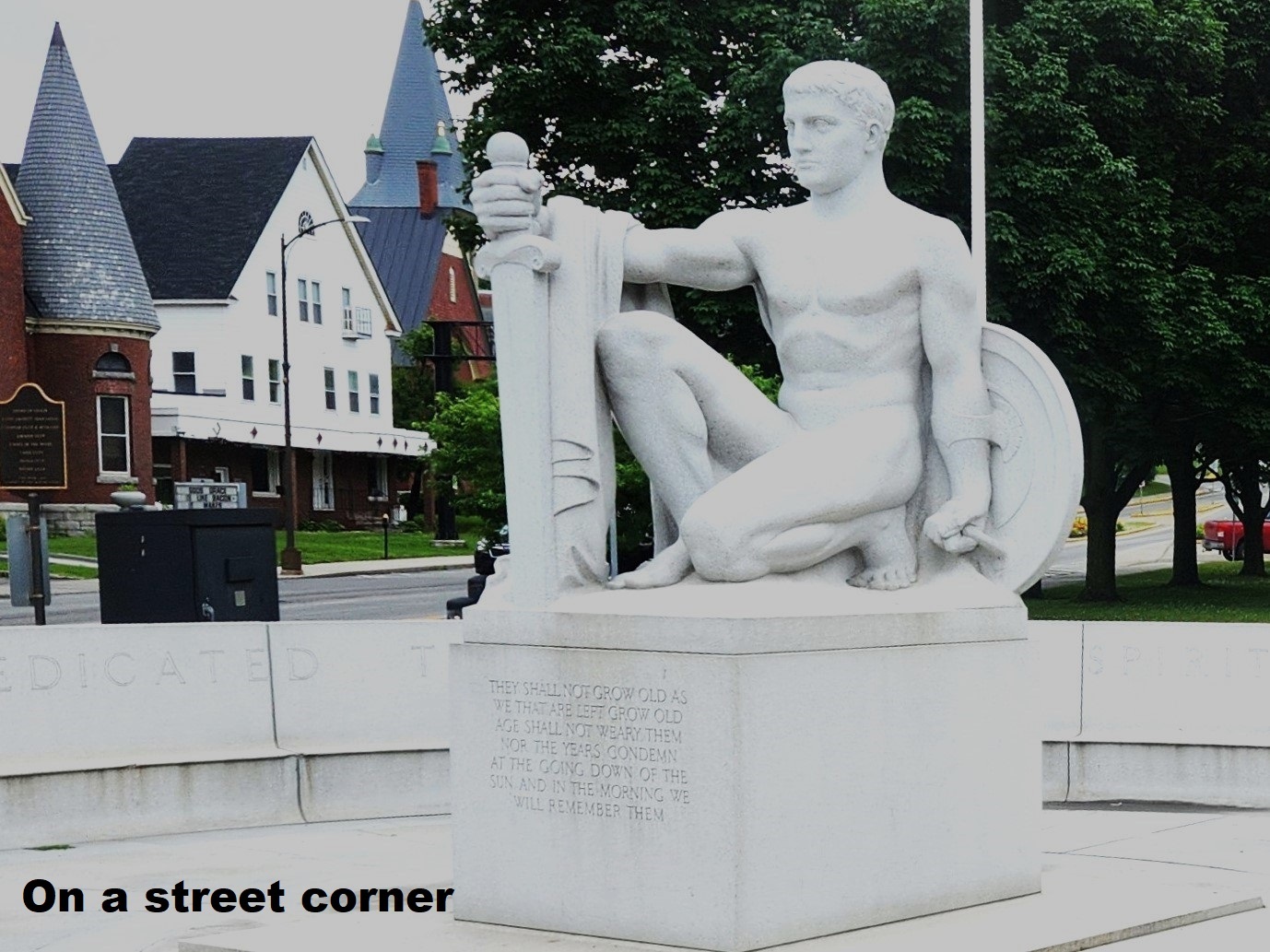
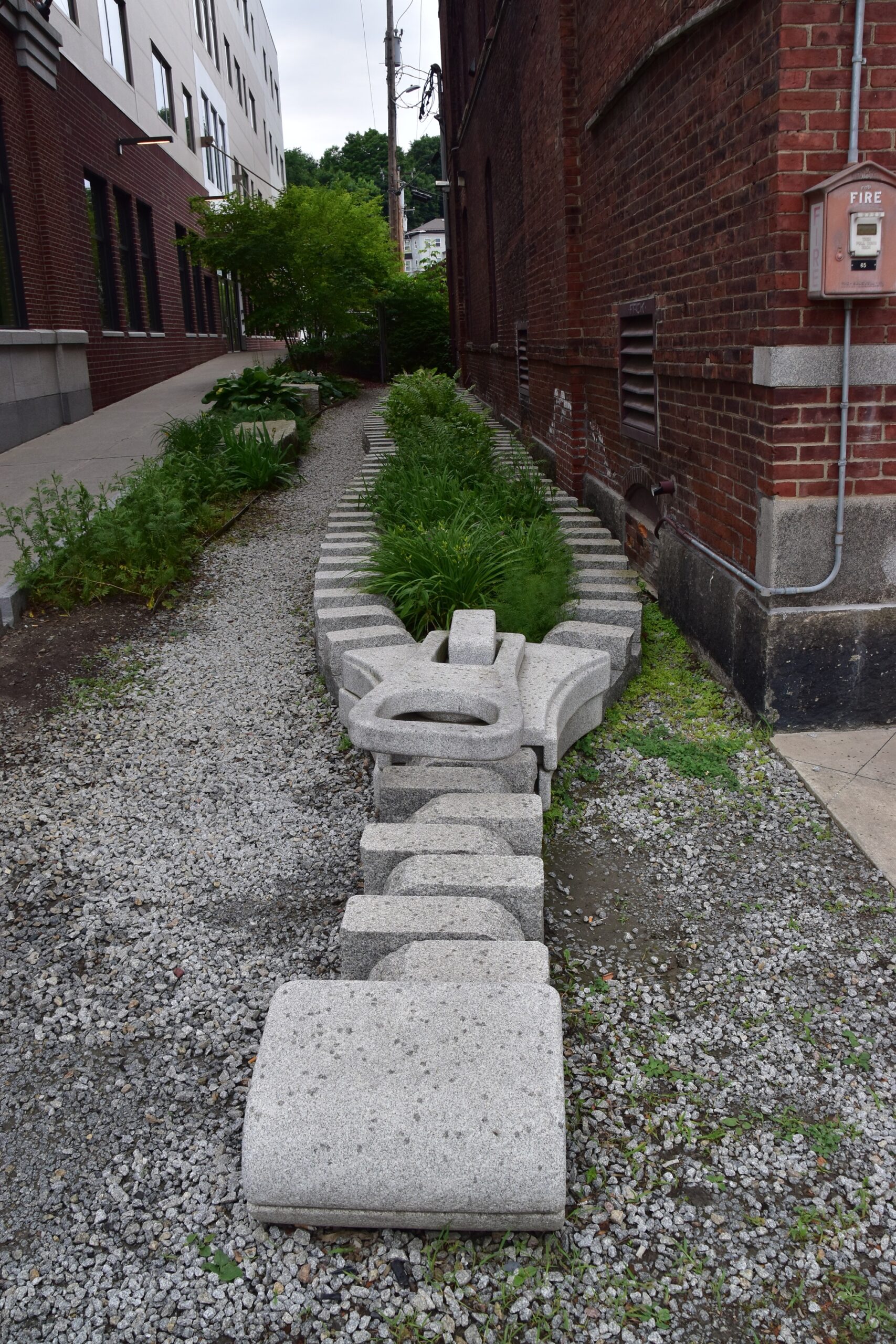
Granite statues are commonplace in the area, with one of them declaring that it is the largest zipper in the world.
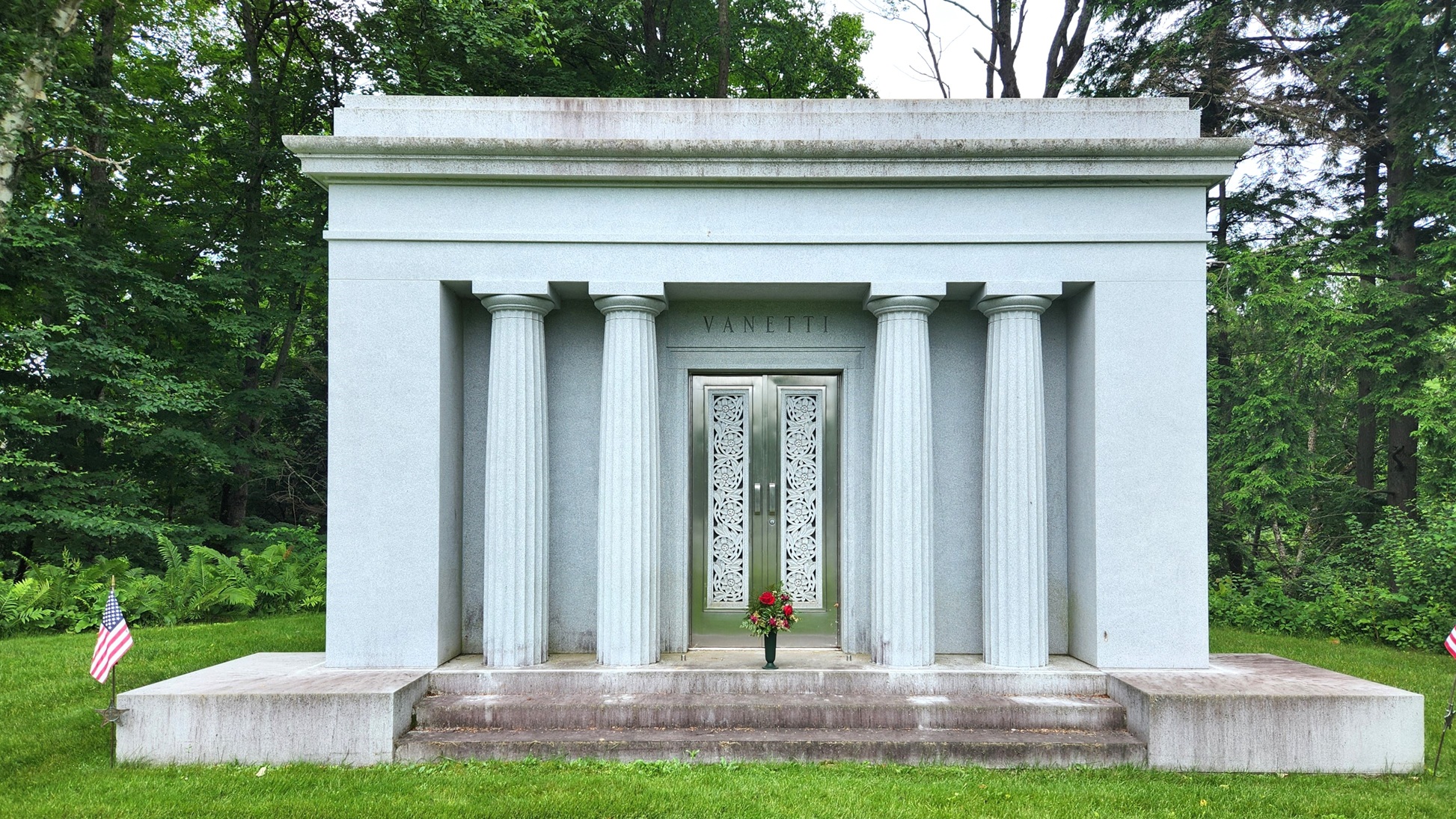
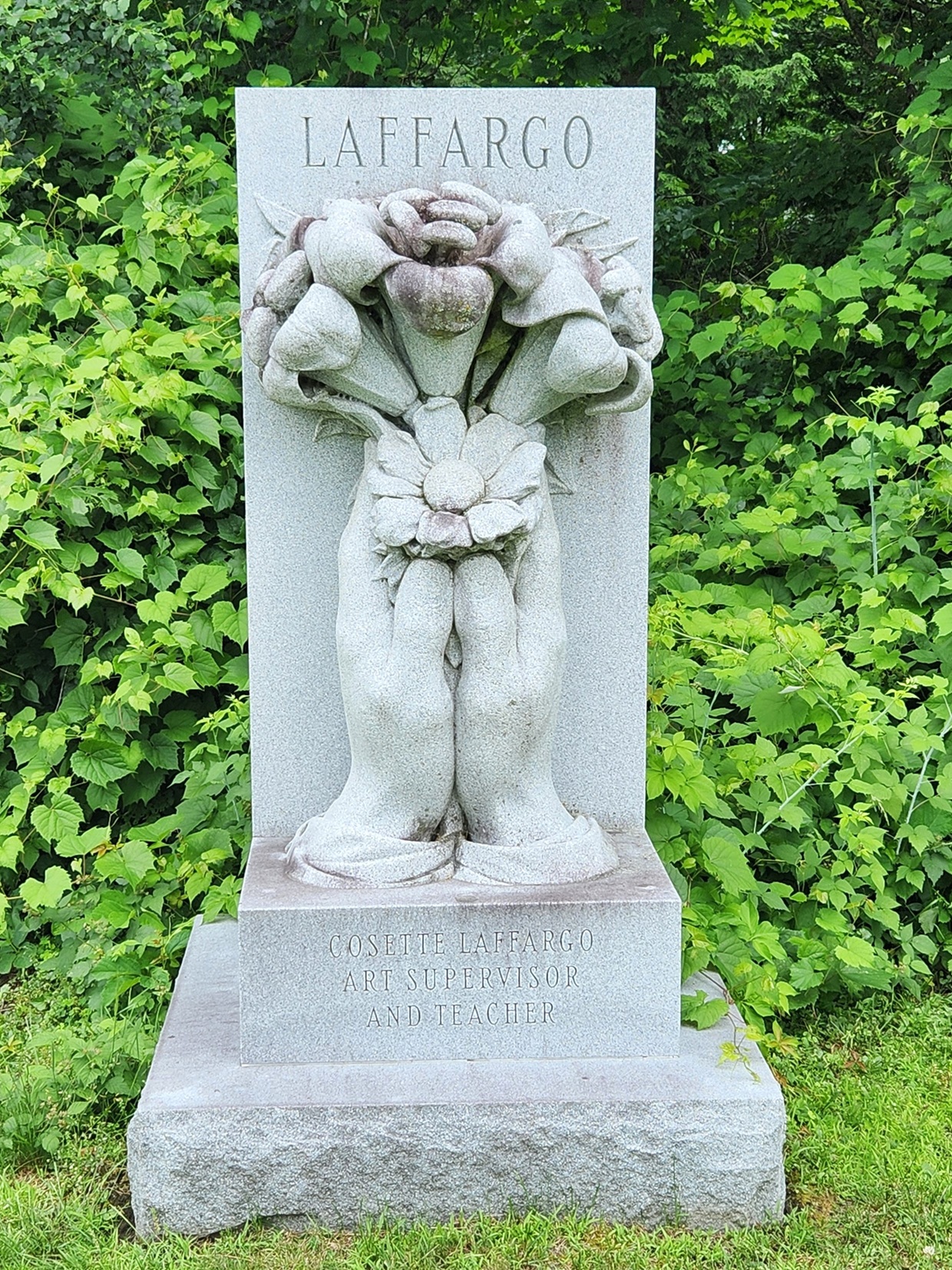
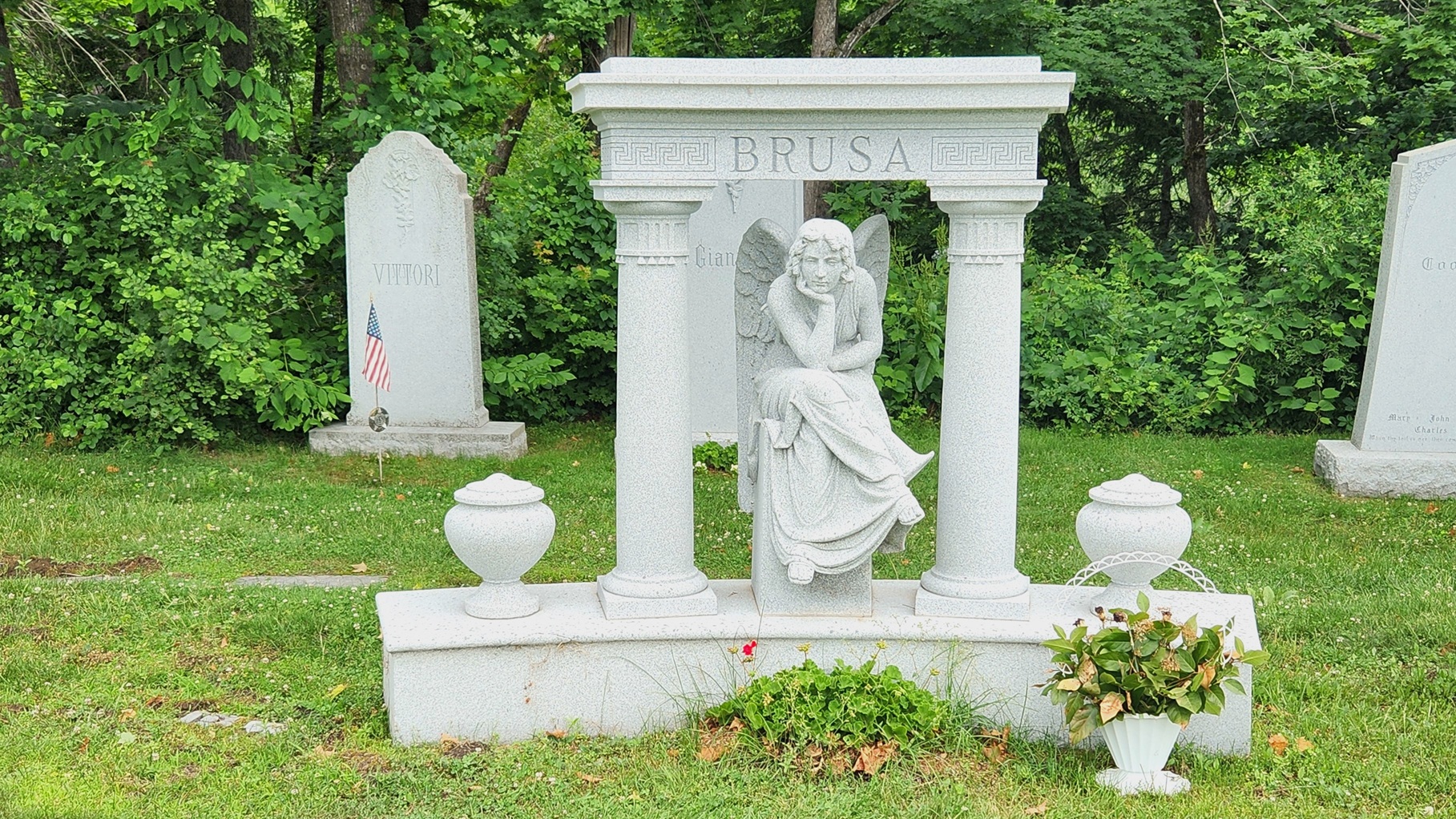
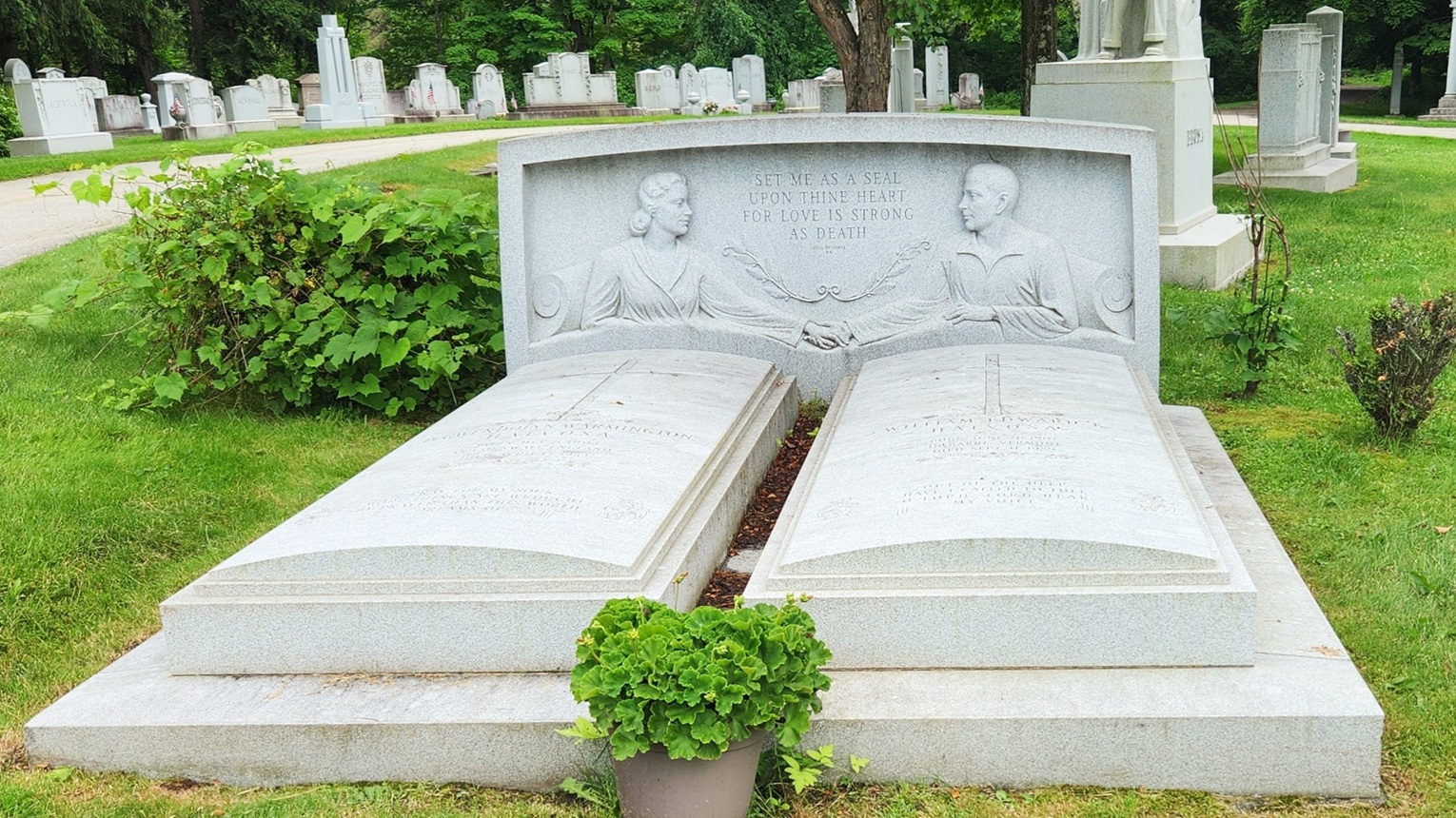
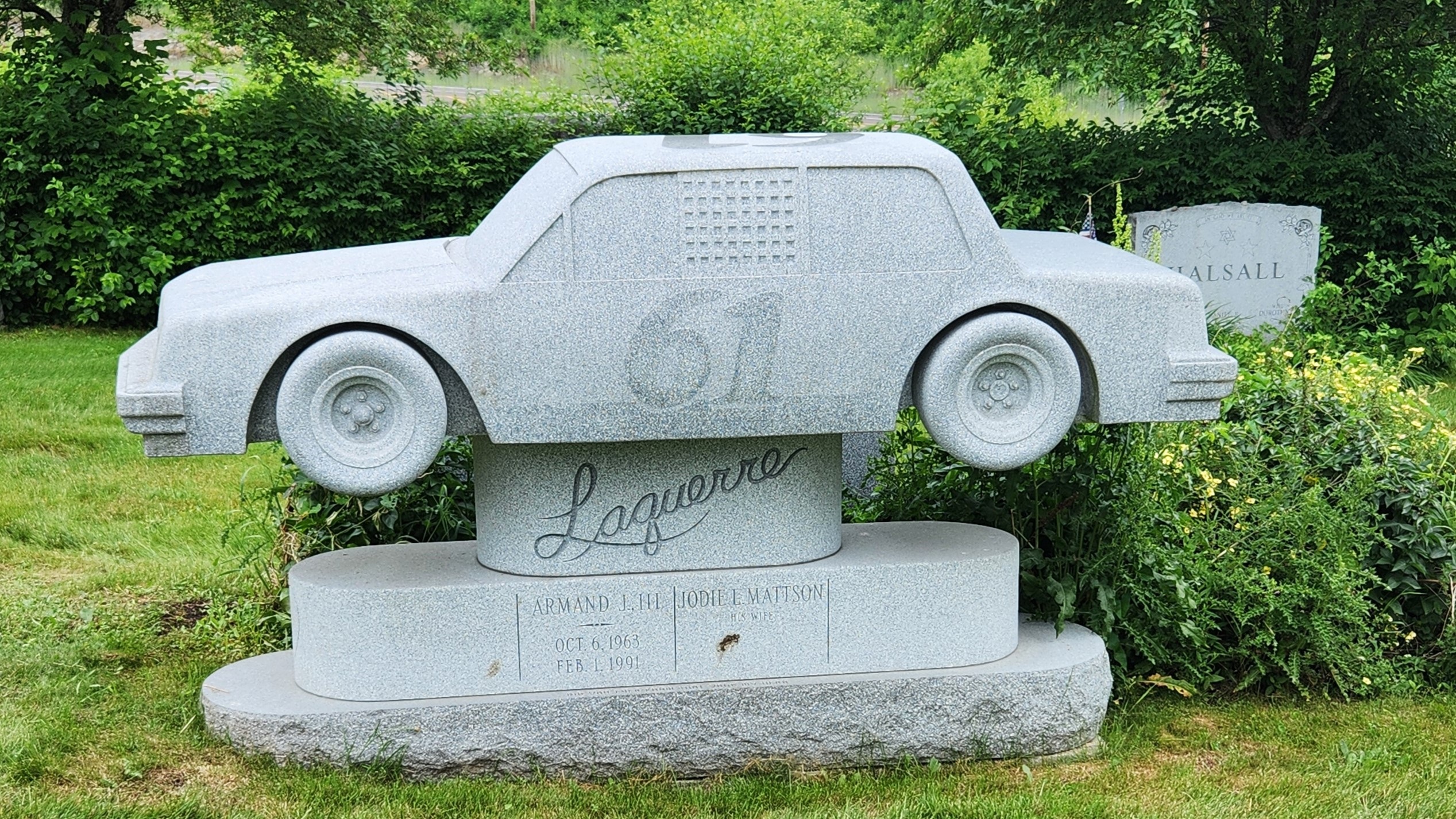
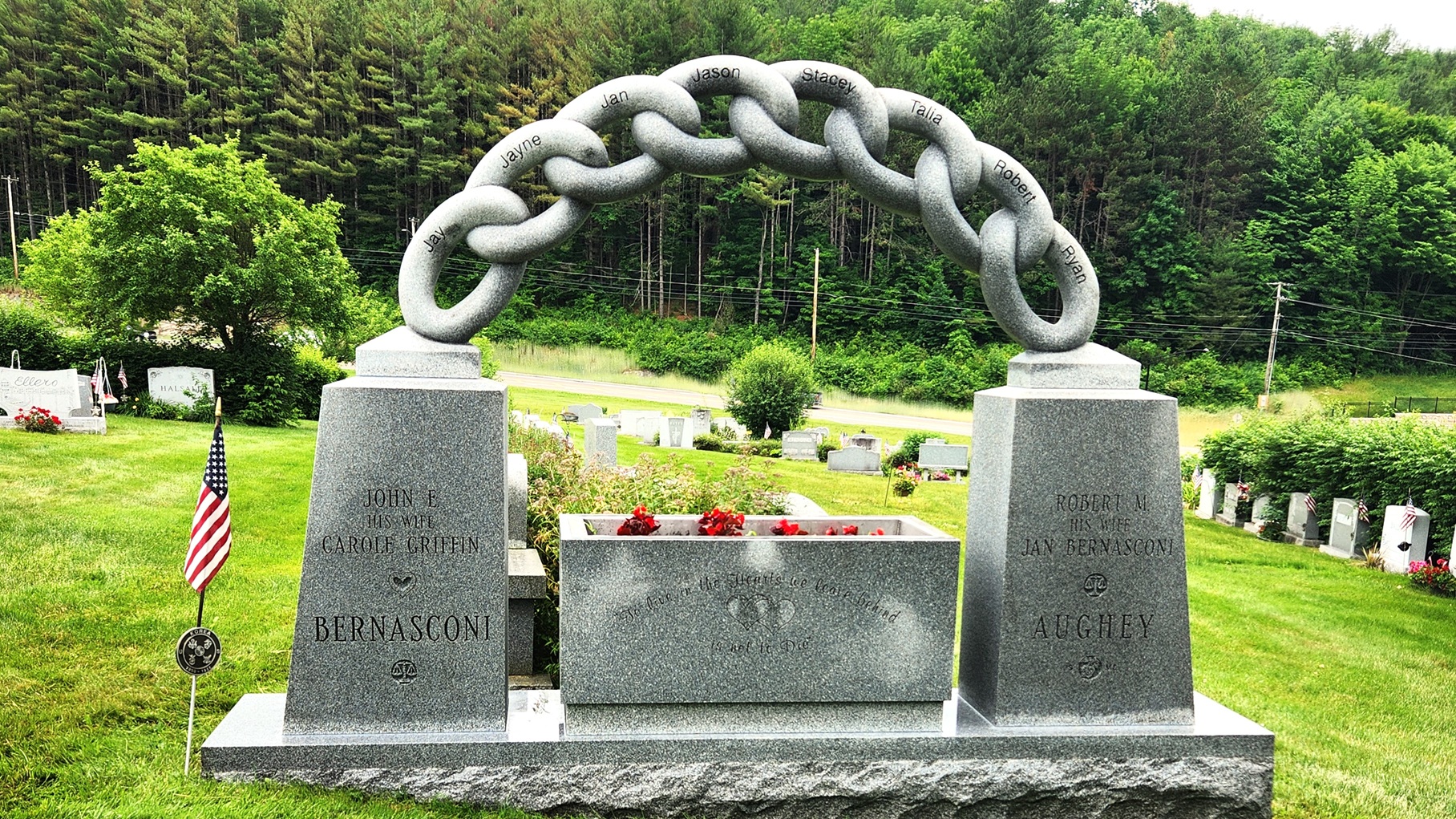
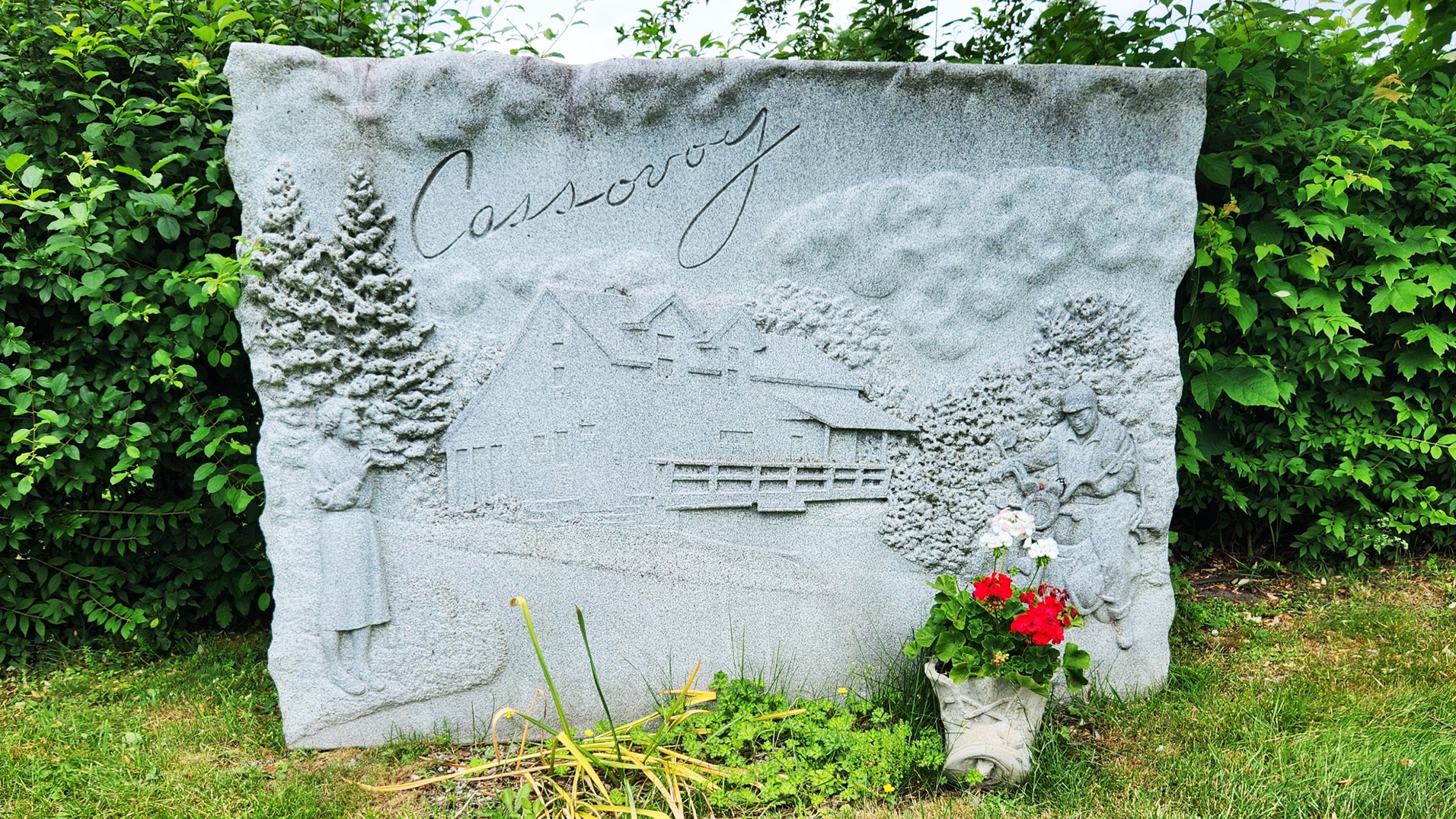
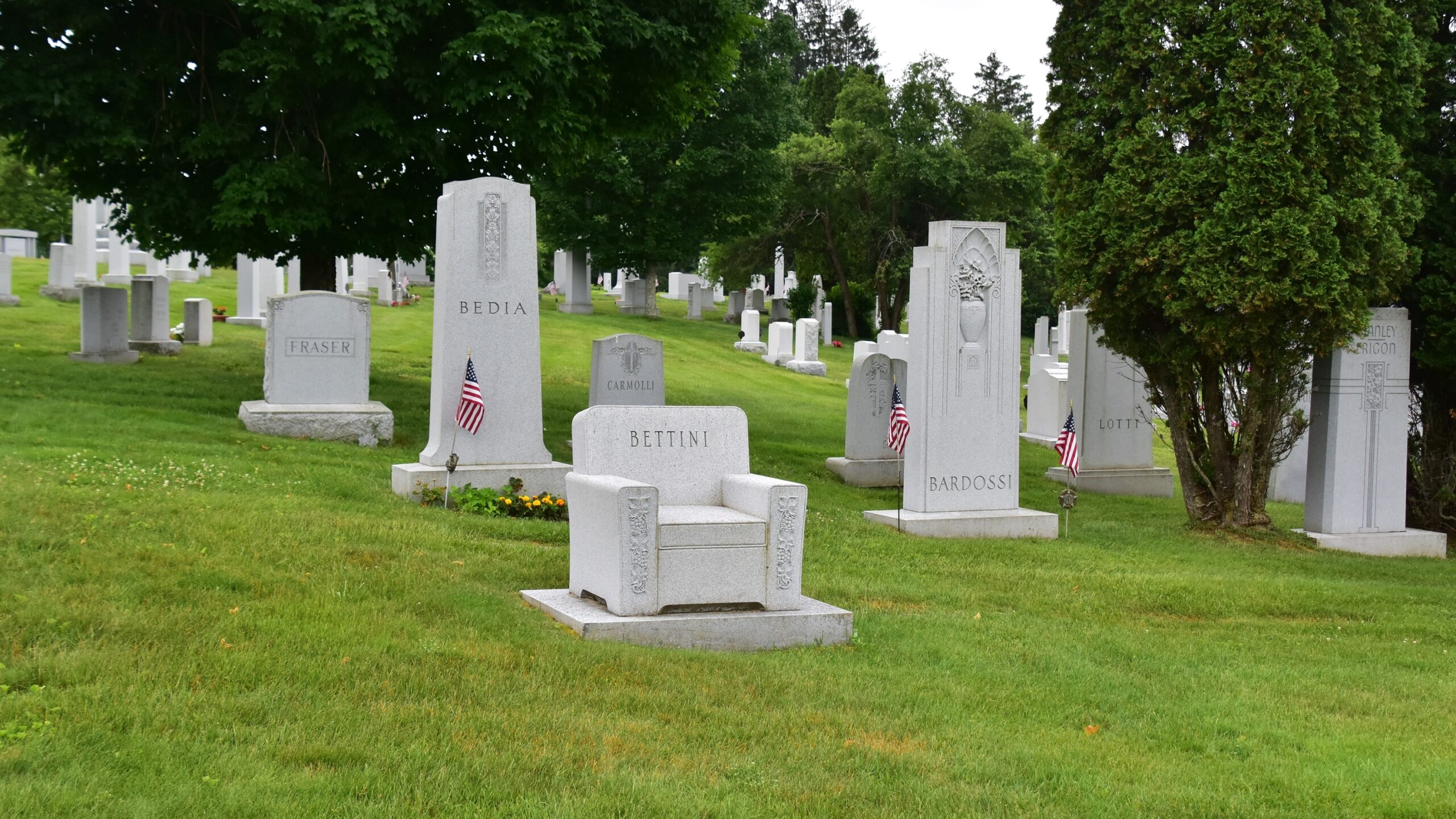
Our last, and most impressive, granite experience was at Hope Cemetery, which contains the most amazing collection of fabulous granite grave markers, many of them chiseled out by the occupant of the grave before their demise.
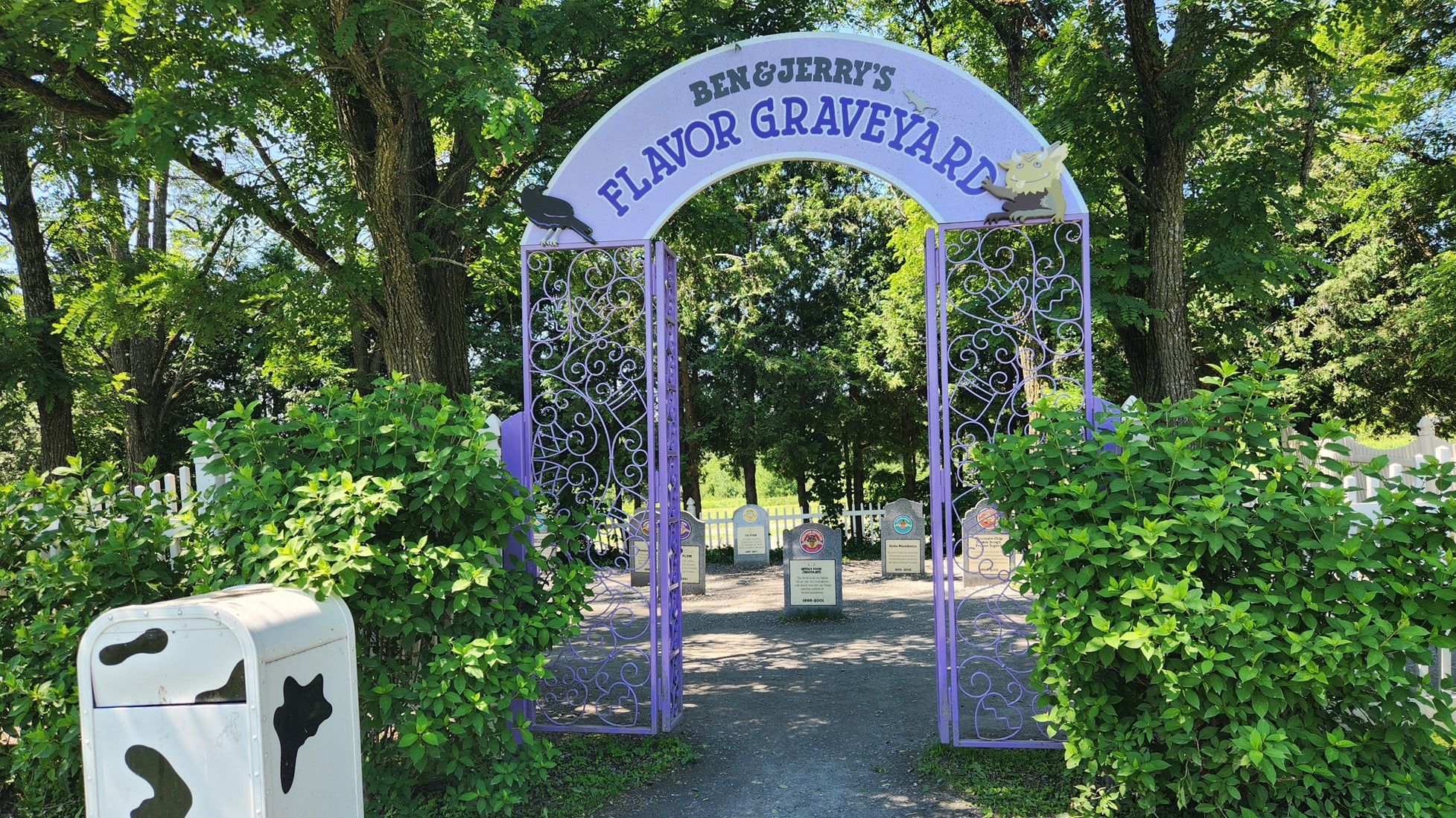
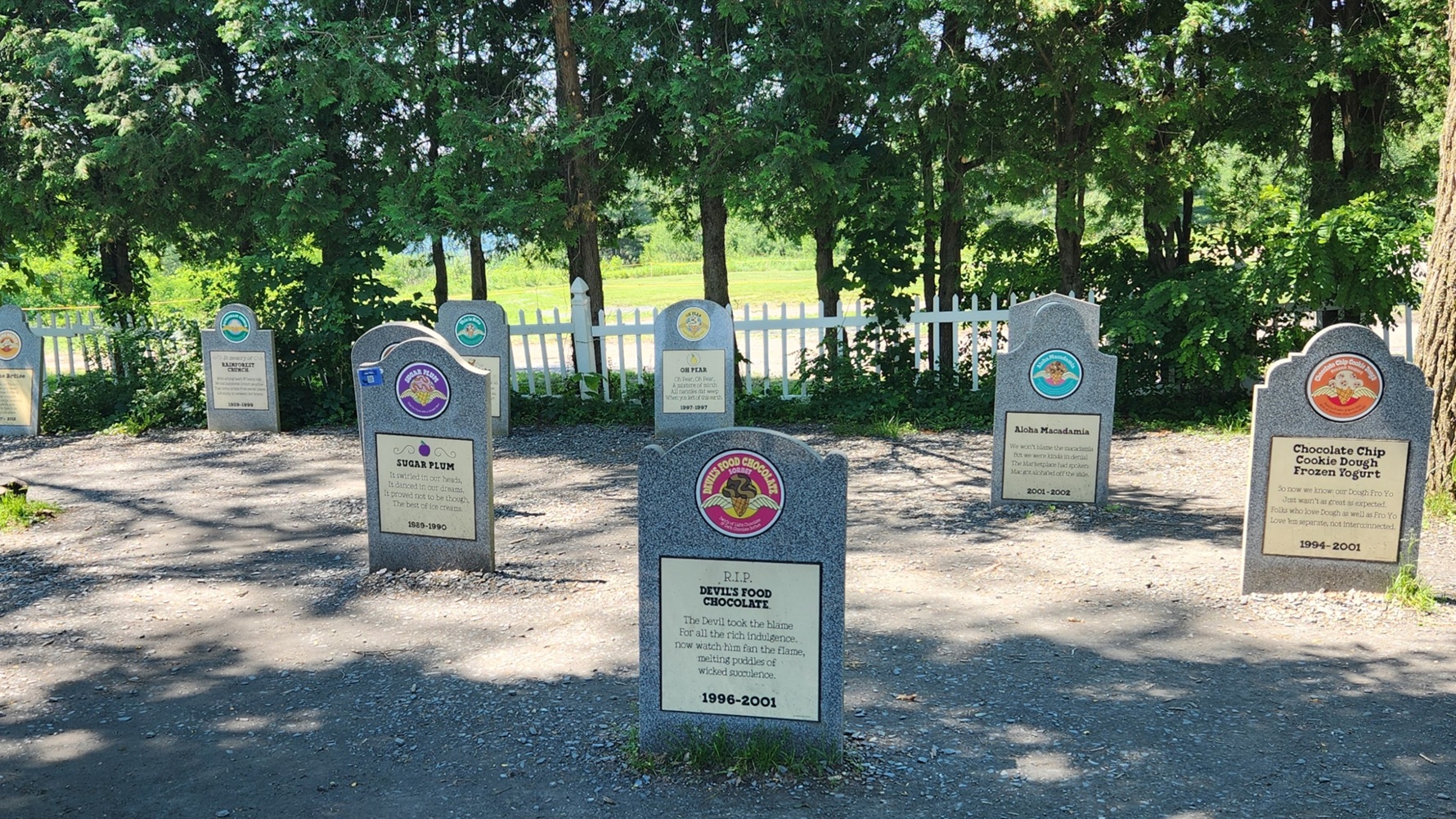
And now for the real reason anyone visits Vermont: Ben & Jerry’s Ice Cream Factory tour!
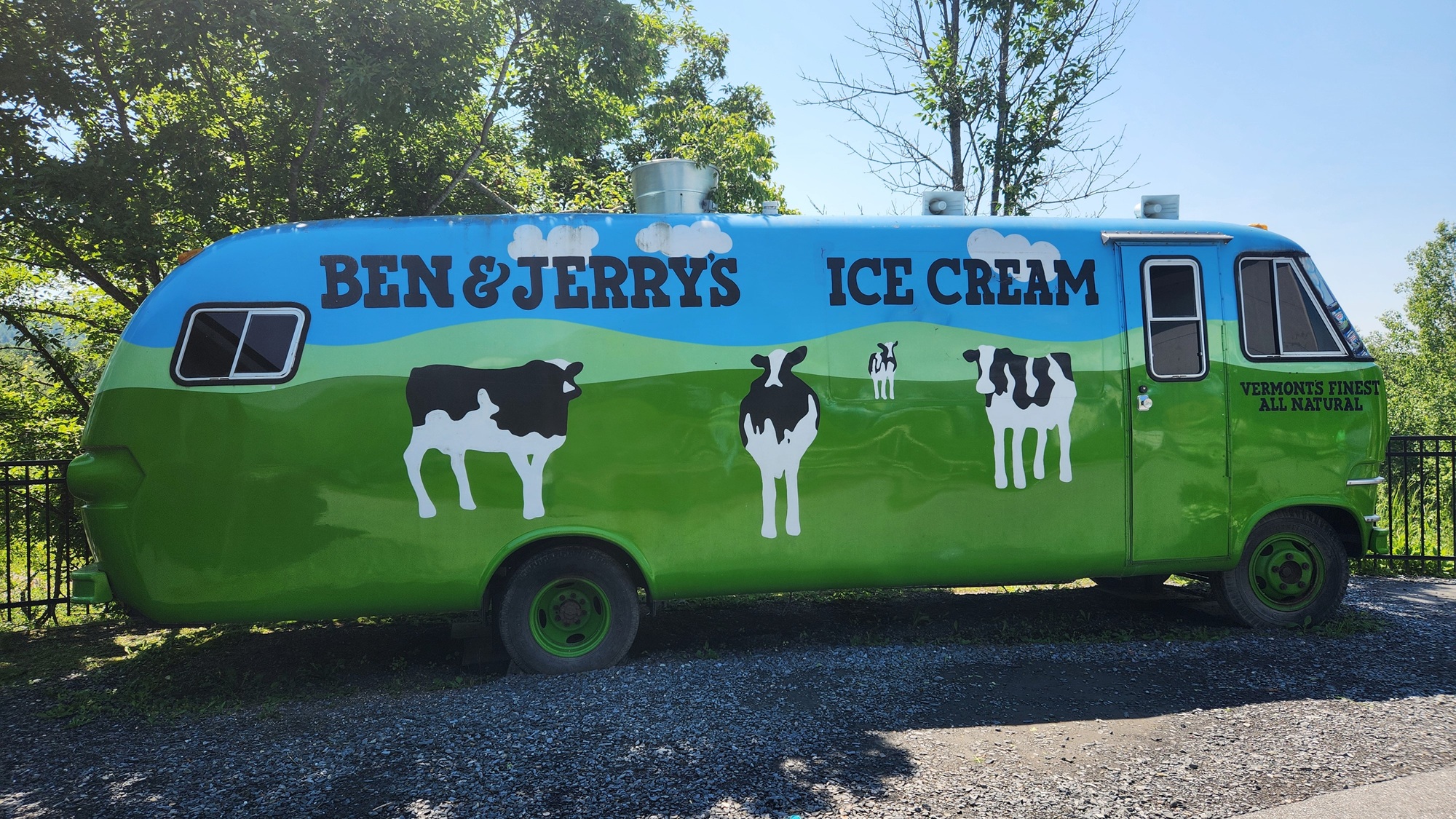
This factory is not their main production area any longer, but they do still produce a lot of ice cream here.
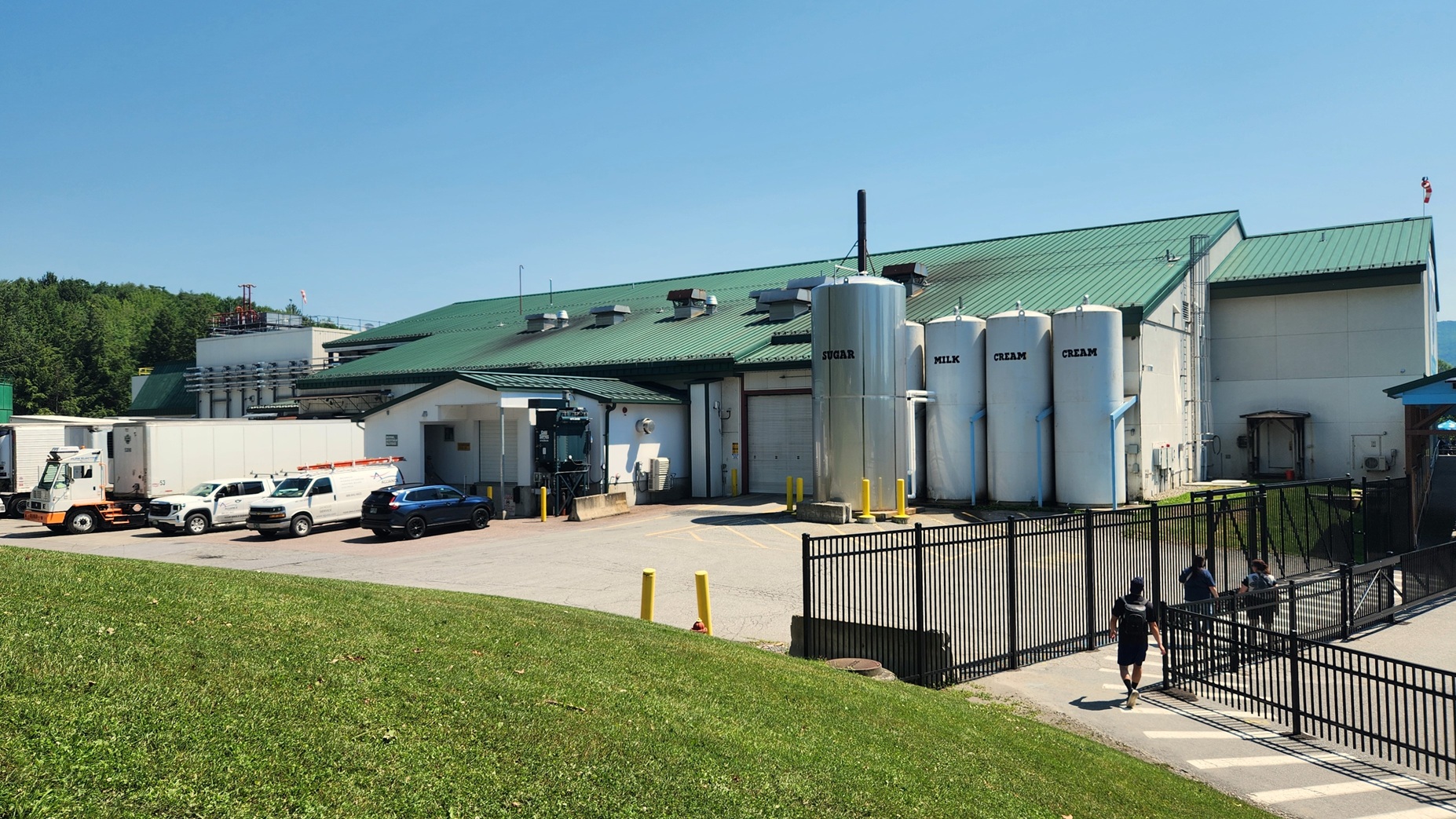
No photos are allowed of the process, but the production area is fairly small – not a lot of room is needed to mix the ingredients and then fill up cartons. Any cartons that do not pass inspection on the line are pulled out and tossed into large garbage cans to be recycled…what a tragedy! All of the tour people thought that a better use of the rejected ice cream containers would be to give them to us!
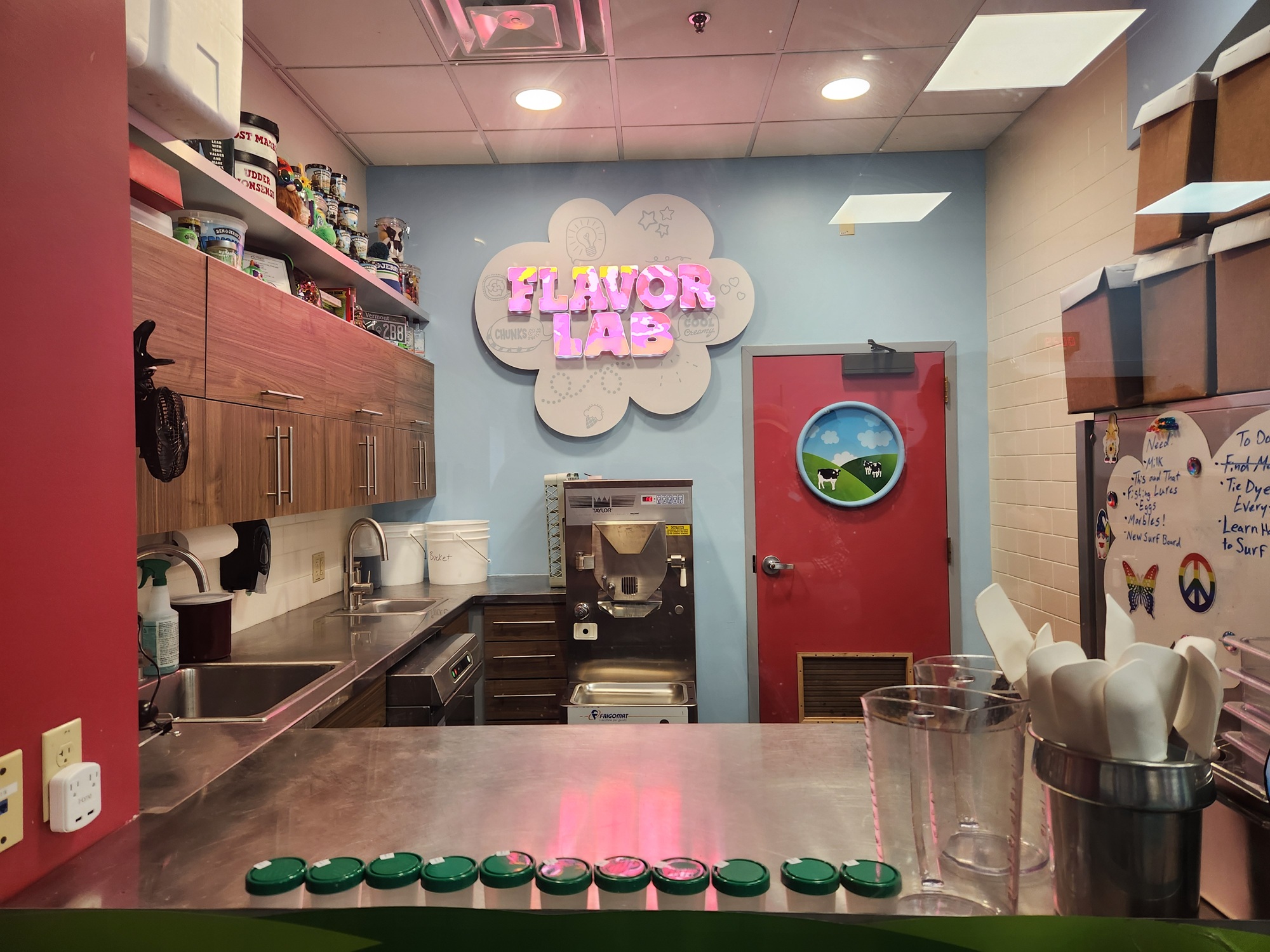
Each employee is given ice cream to take home, so it’s probably a good thing that we don’t work there! We did get free samples and then, of course, had to buy some as well.

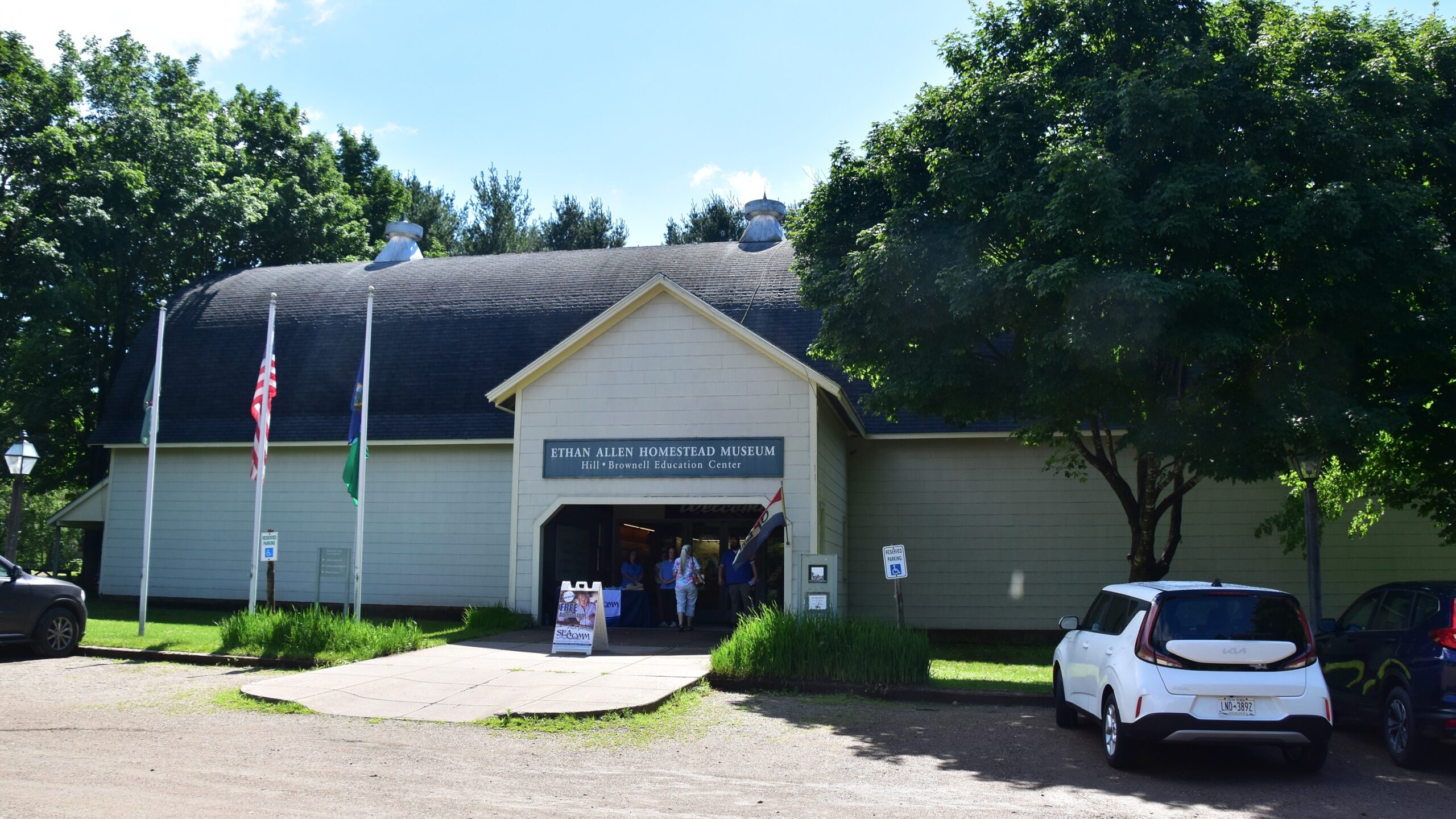
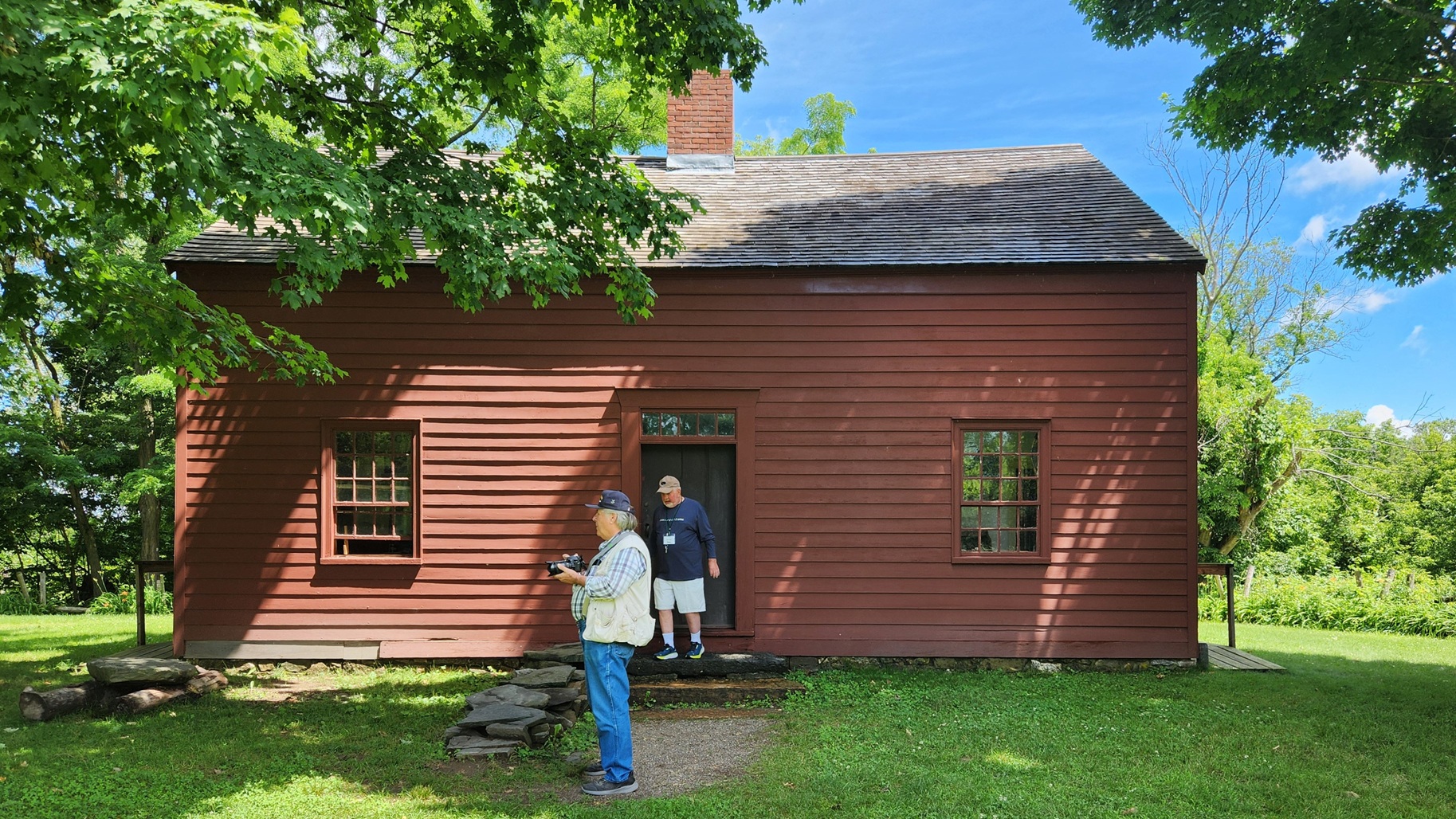
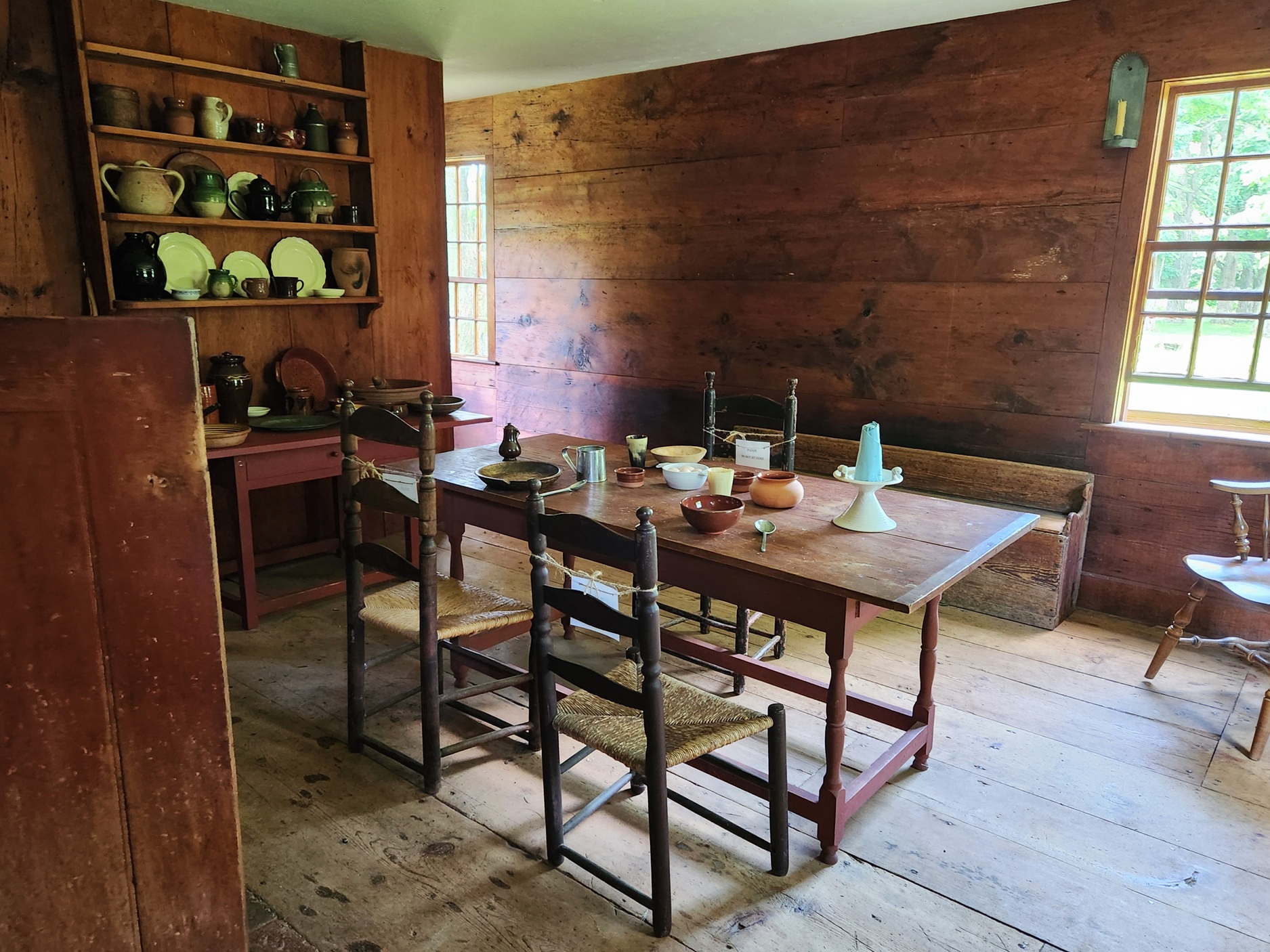
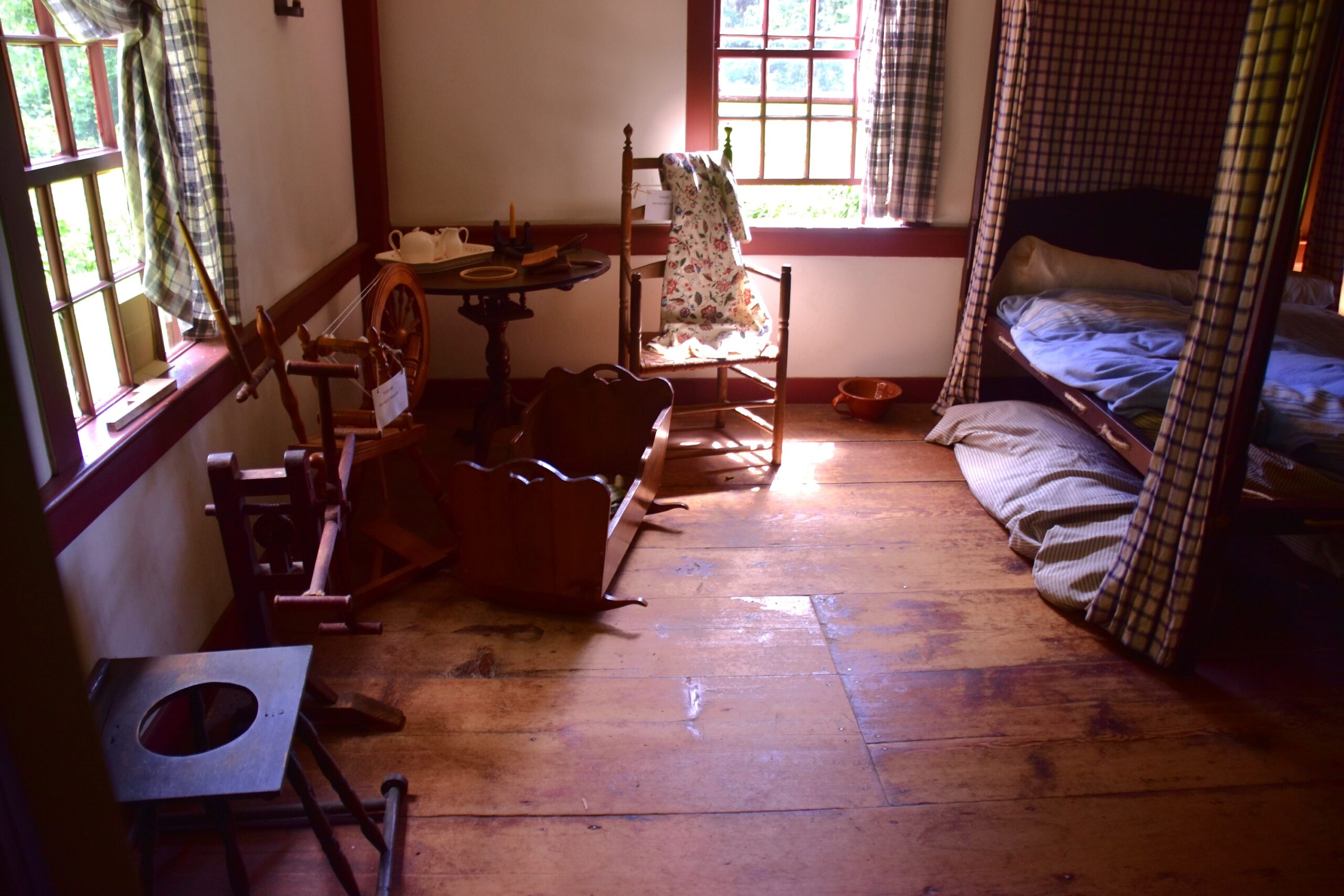
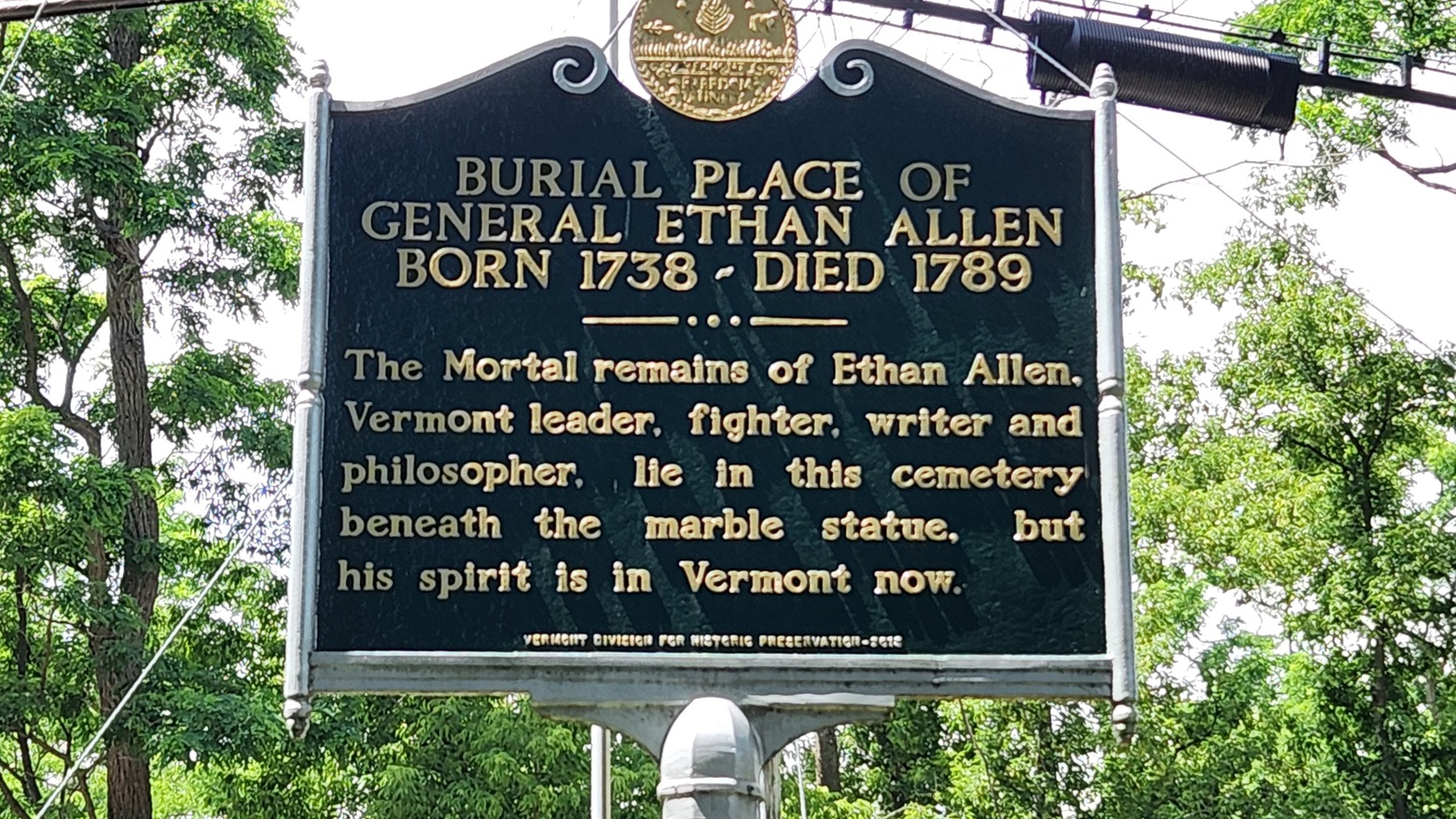
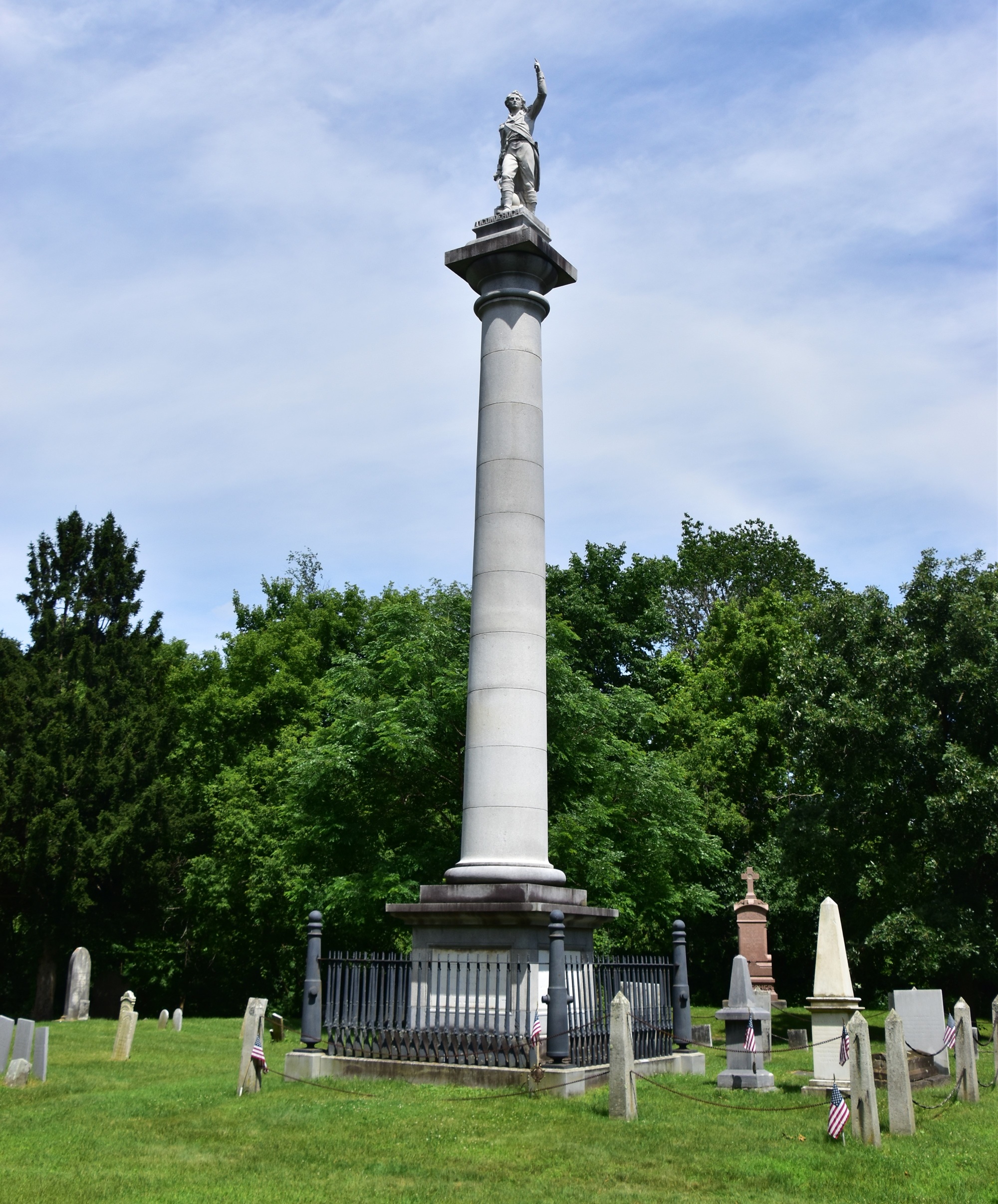
Ethan Allen was not a furniture maker! He was however, one of the founders of Vermont and of the Green Mountain Boys, who successfully resisted New York control of the Vermont area and also fought in the Revolutionary War. In 1787 he built a home on land above the Winooski River, and that place is now a museum.
Tucked in the backwoods of Vermont, is the Birds of Vermont Museum, which is one man’s multi-year project of hand-carving birds and placing them in natural settings.

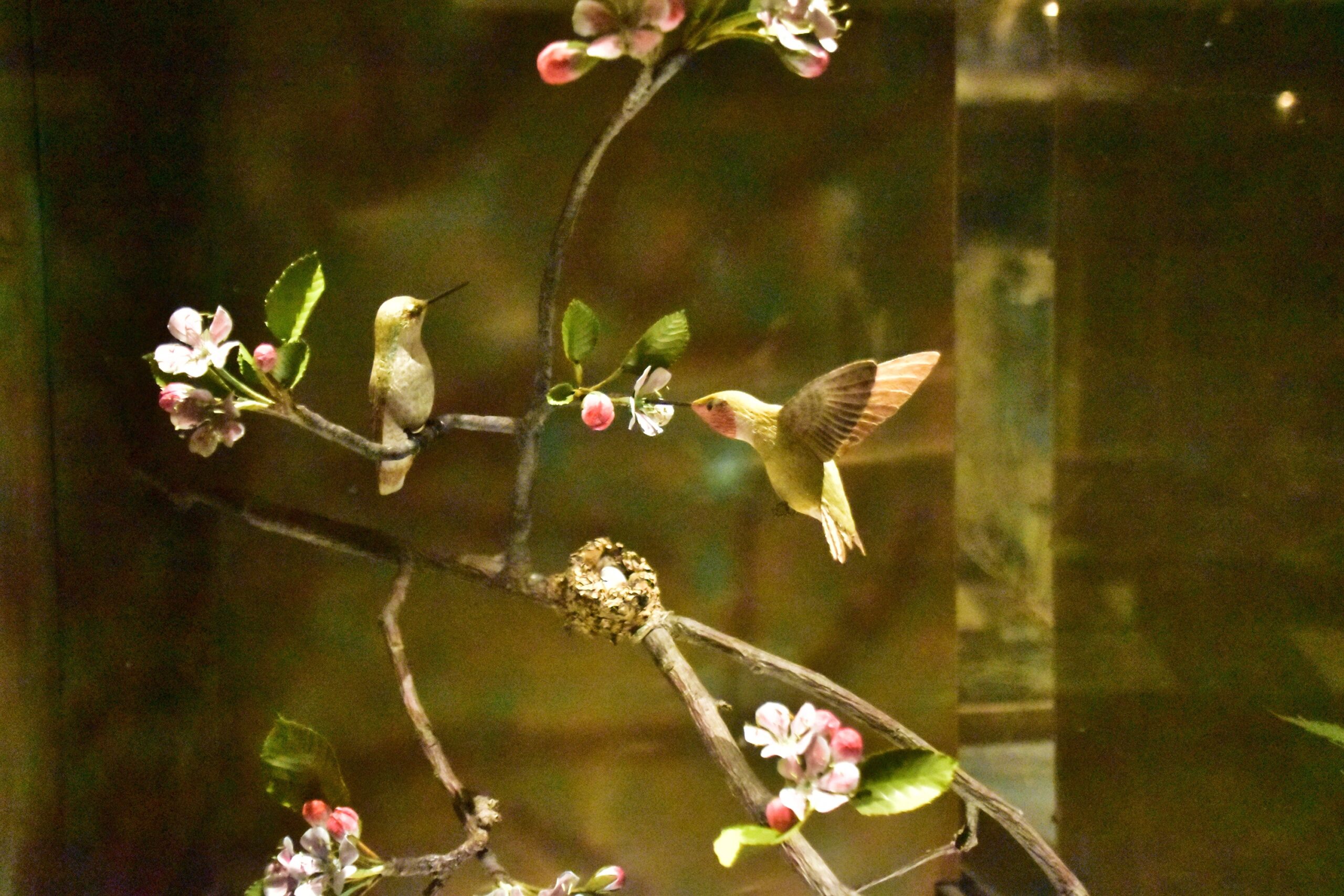
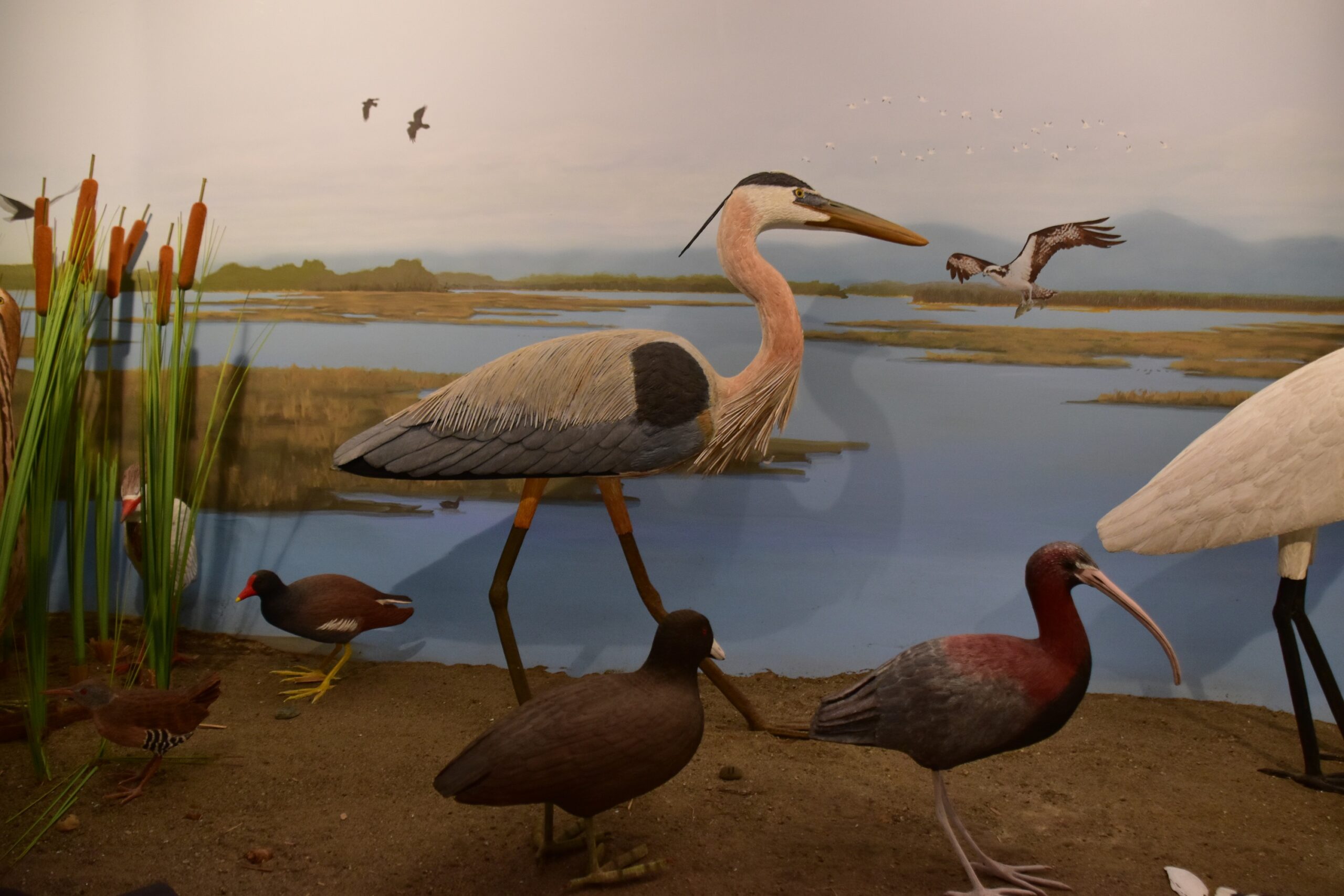
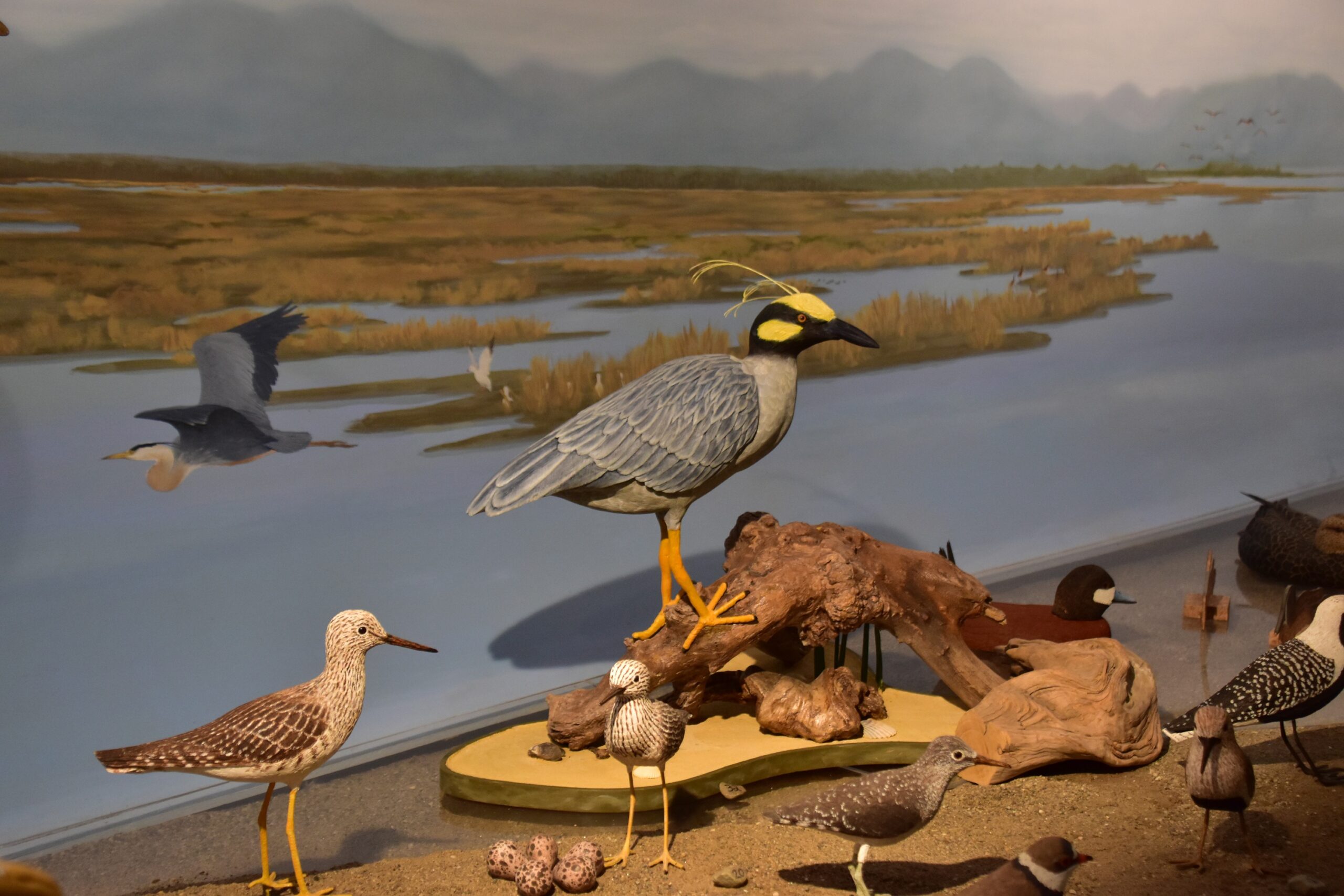
He carved a lot of birds – there are multiple rooms of them on display.
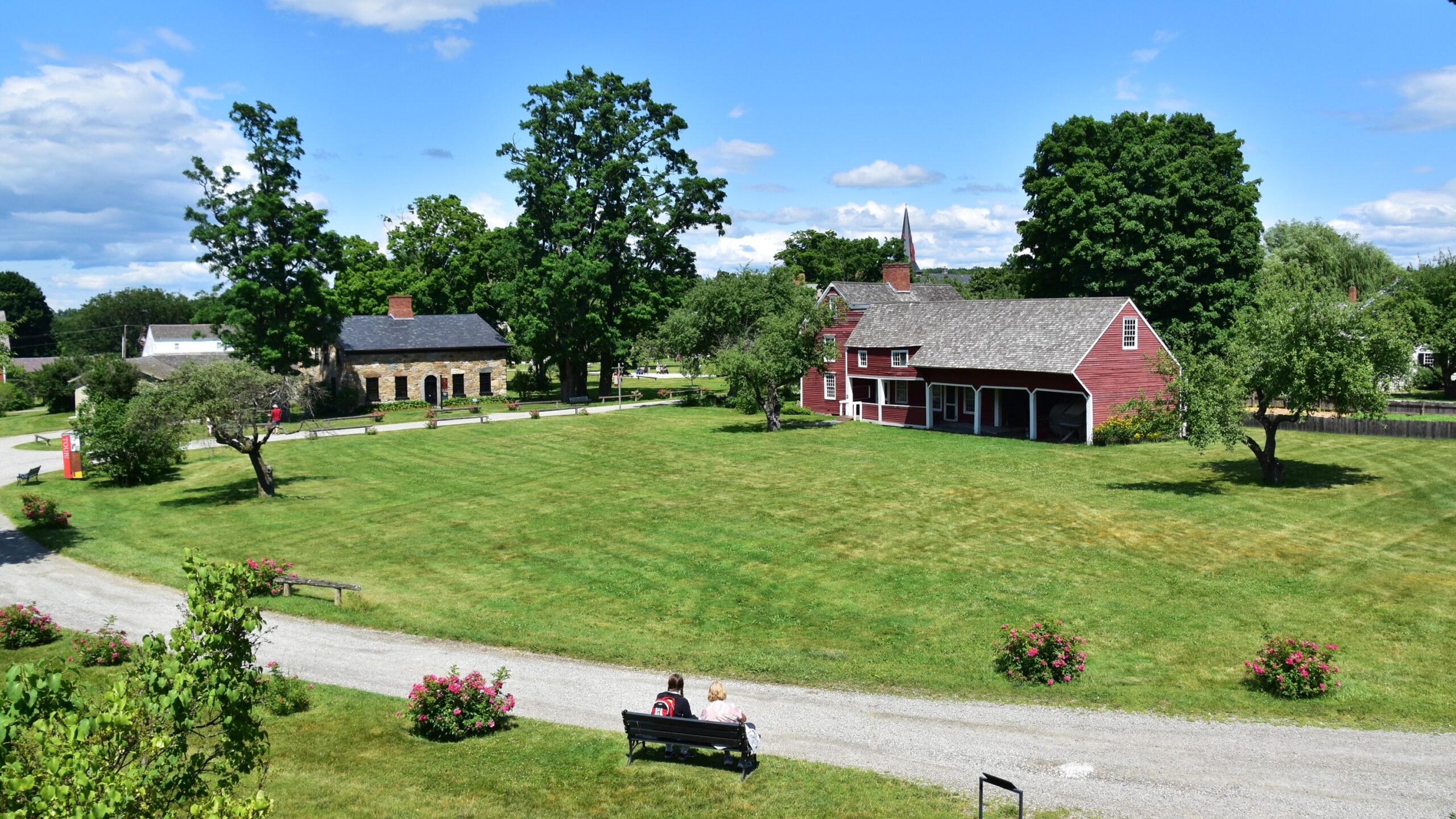
The last major attraction that we visited before heading further east was the Shelburne Museum, a large collection of 30+ historic buildings, antiques and other artifacts, begun by a lady whose father was at one time the richest man in America.
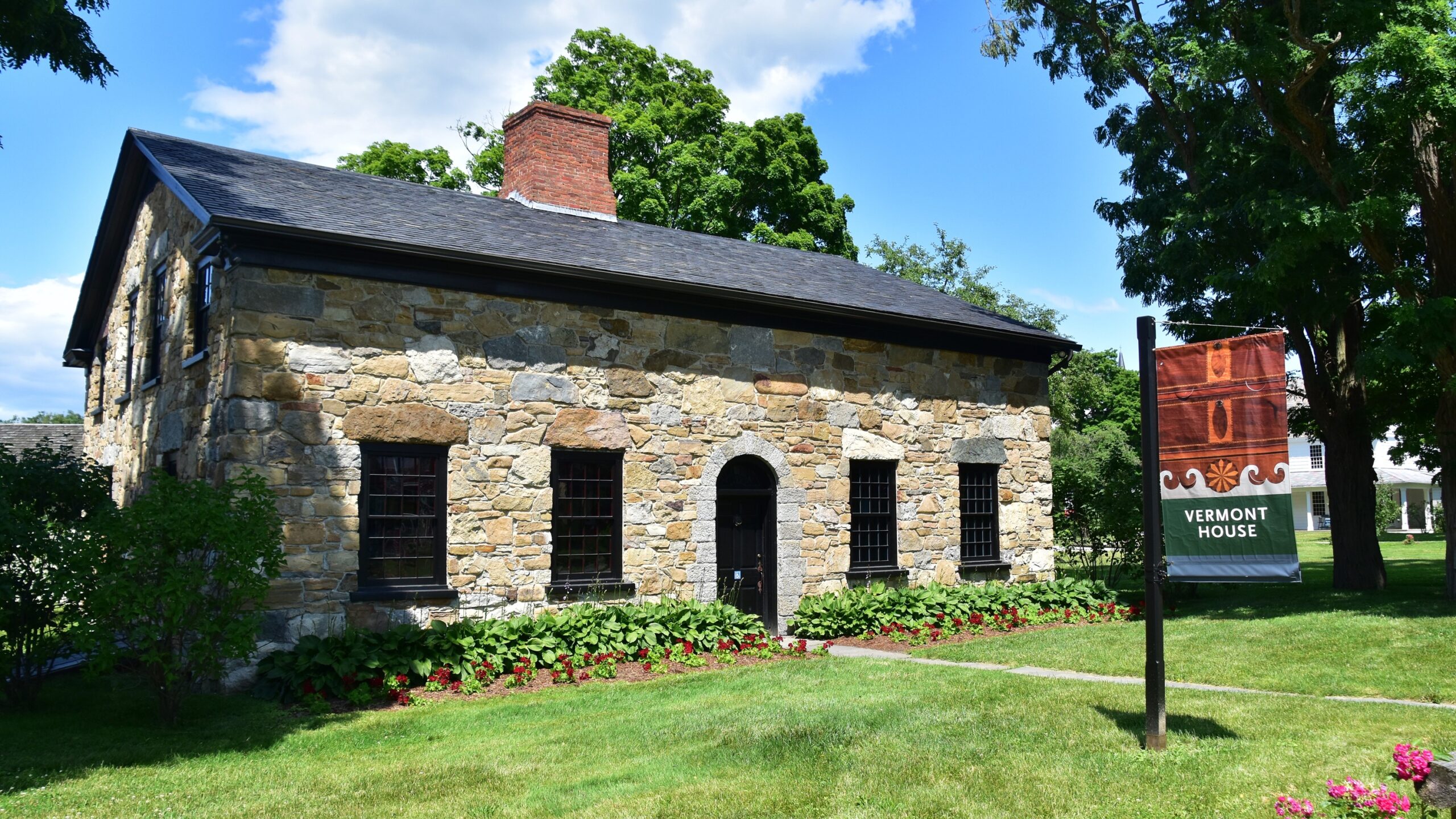
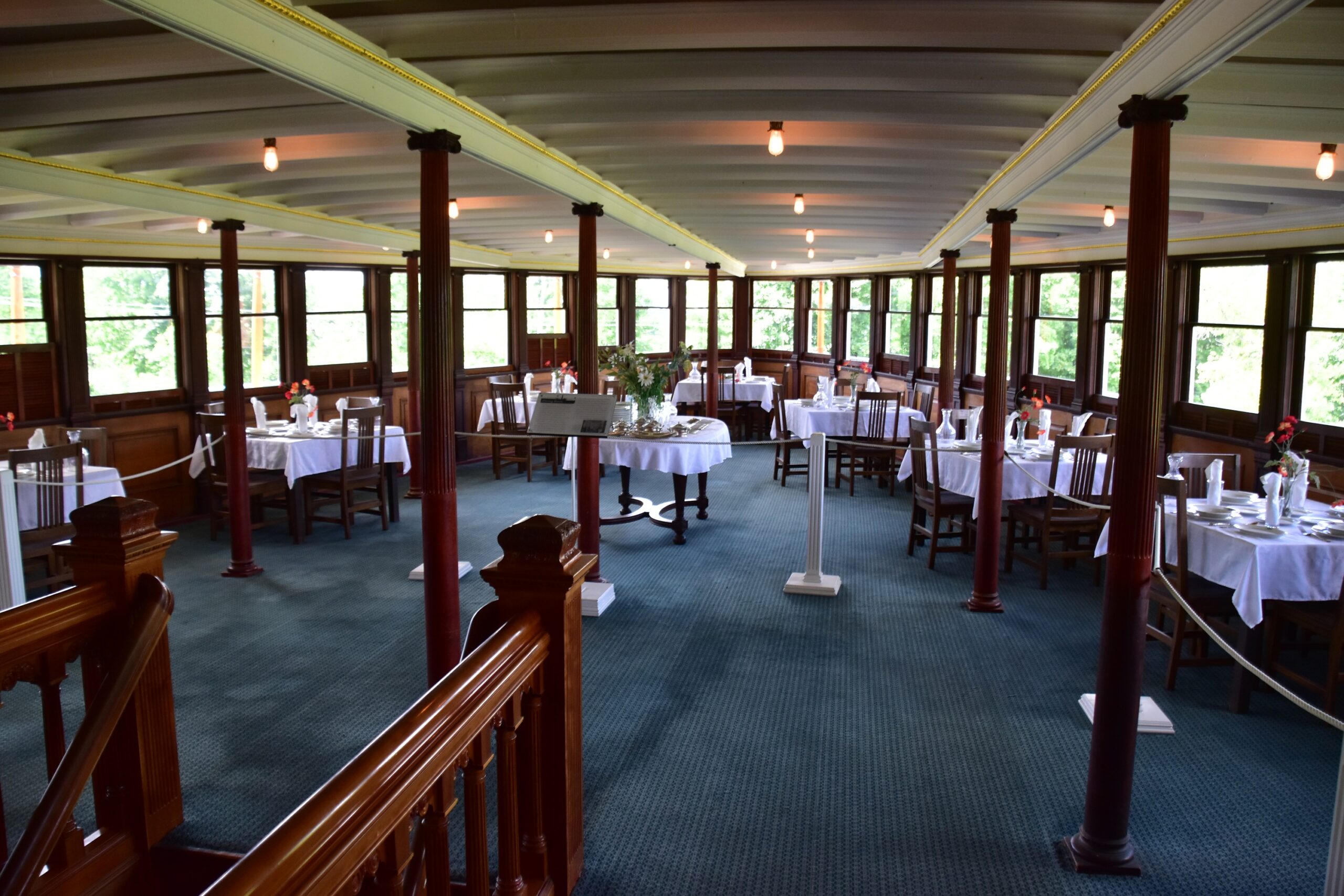
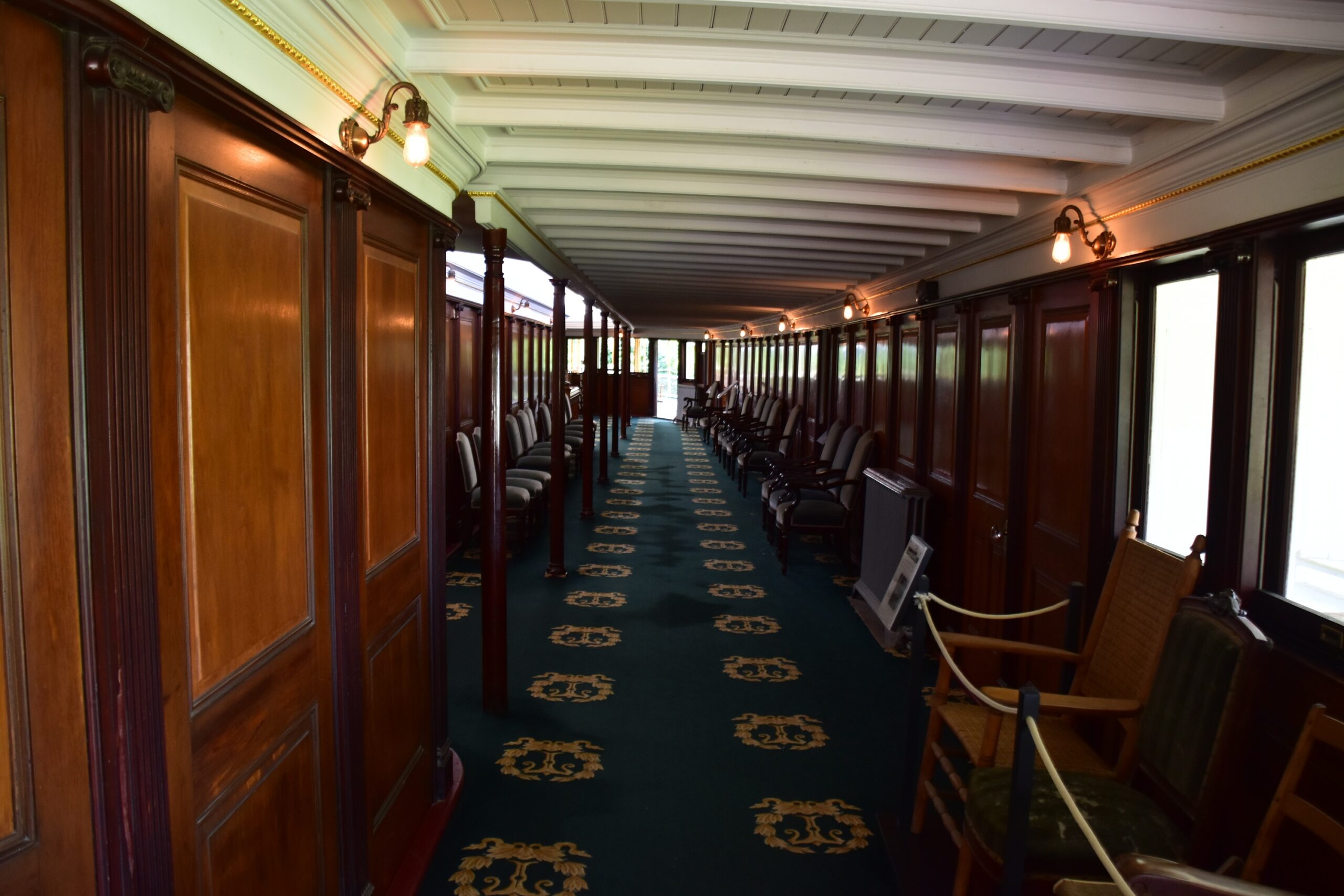
One part of the collection that was so interesting was the Ticonderoga, a wonderfully restored, 200-foot steamboat that was used on Lake Champlain. 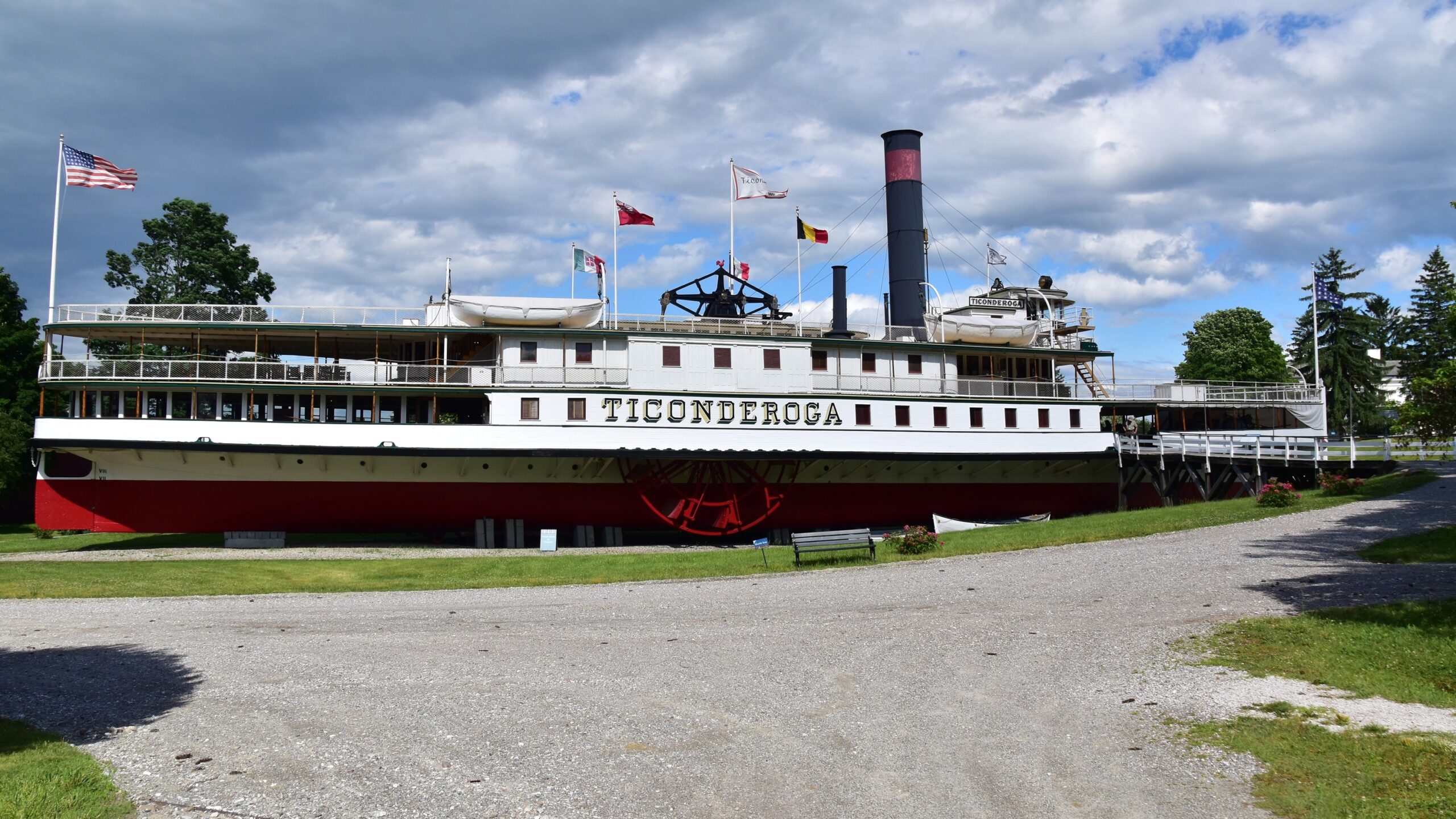
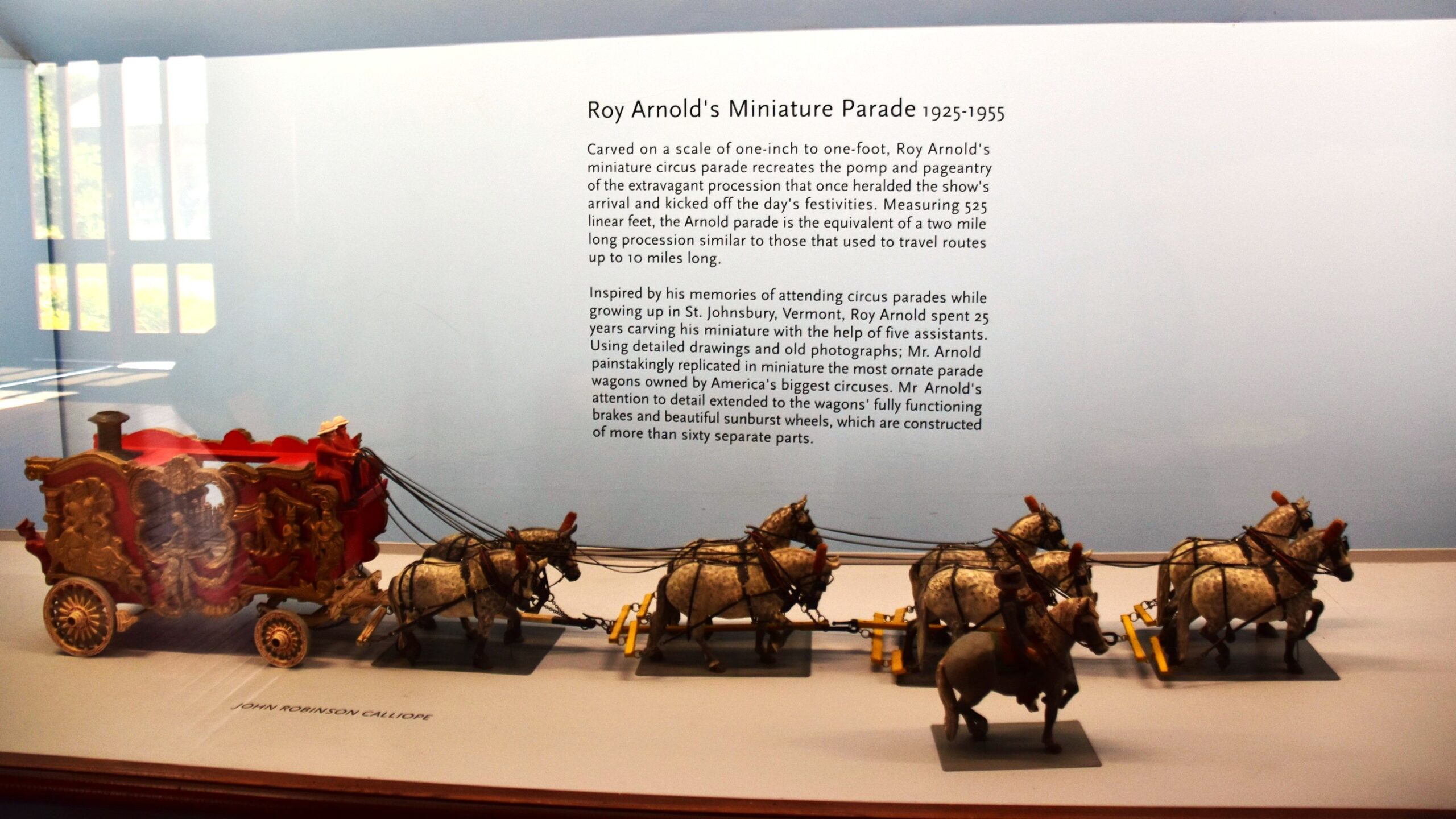
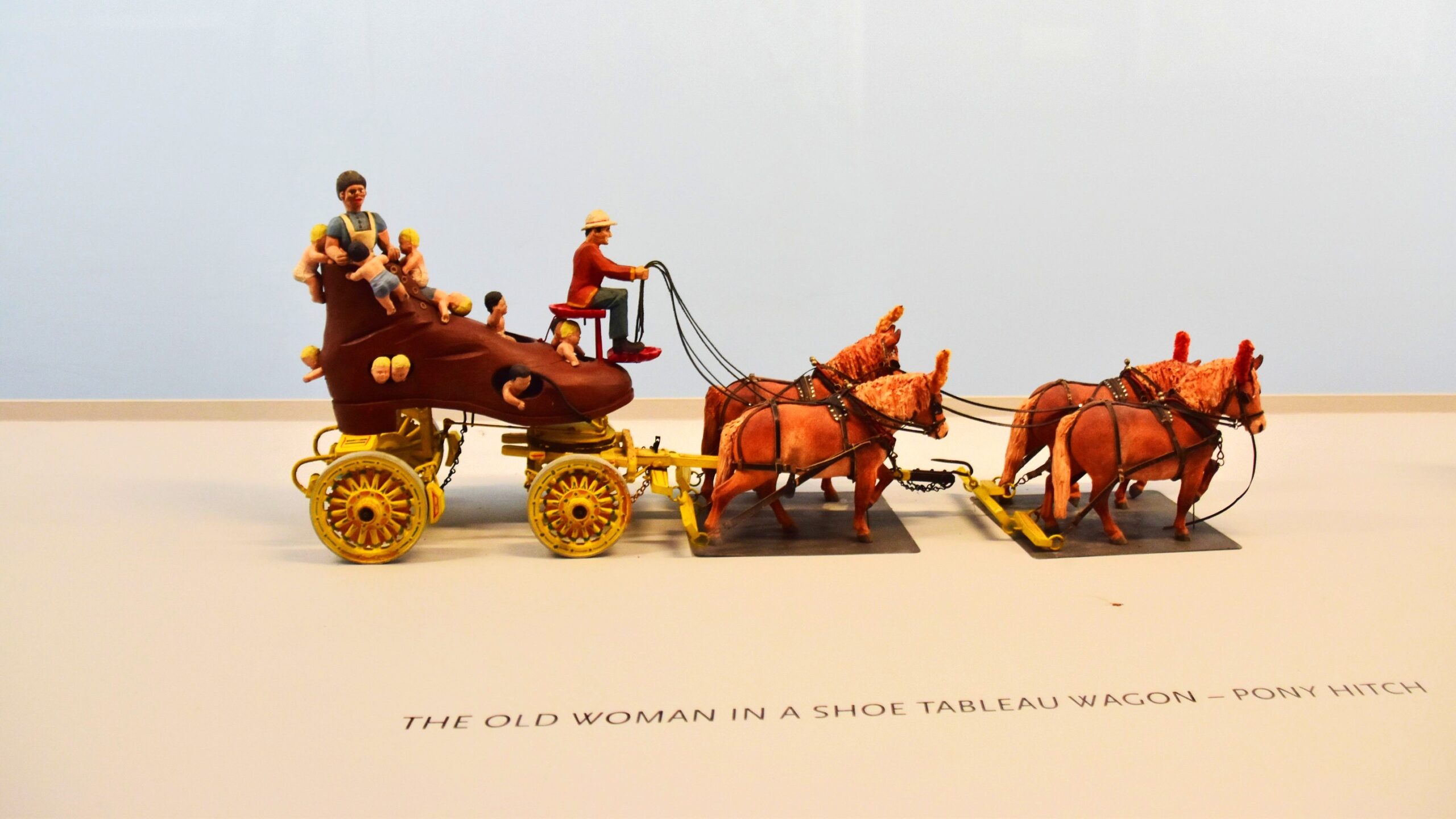
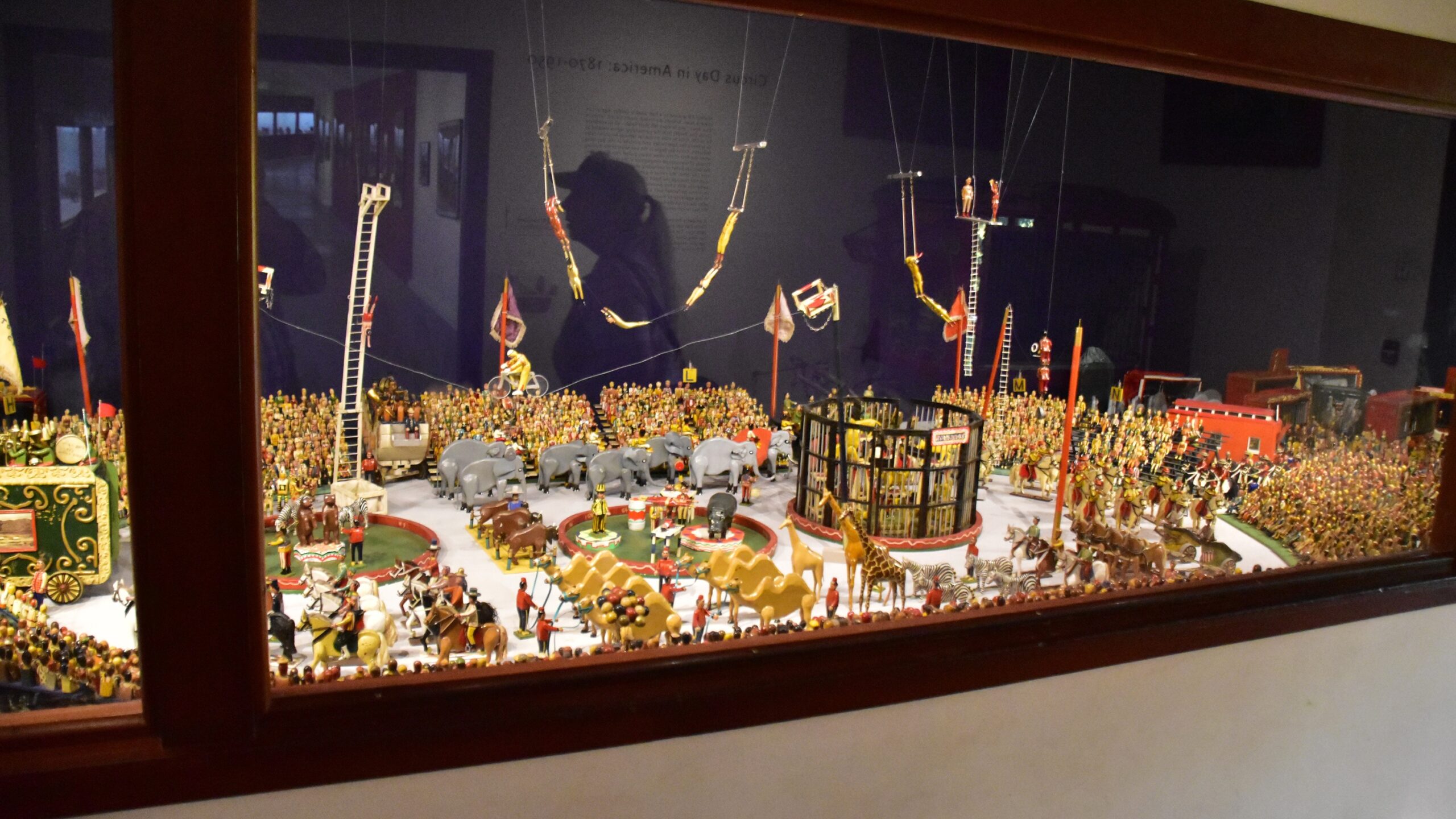
One entire building on the grounds was filled with one man’s project of hand-carved circus figurines.
One more one-man project in Vermont, a toy jack made out of fire hydrants that is sitting along a street. 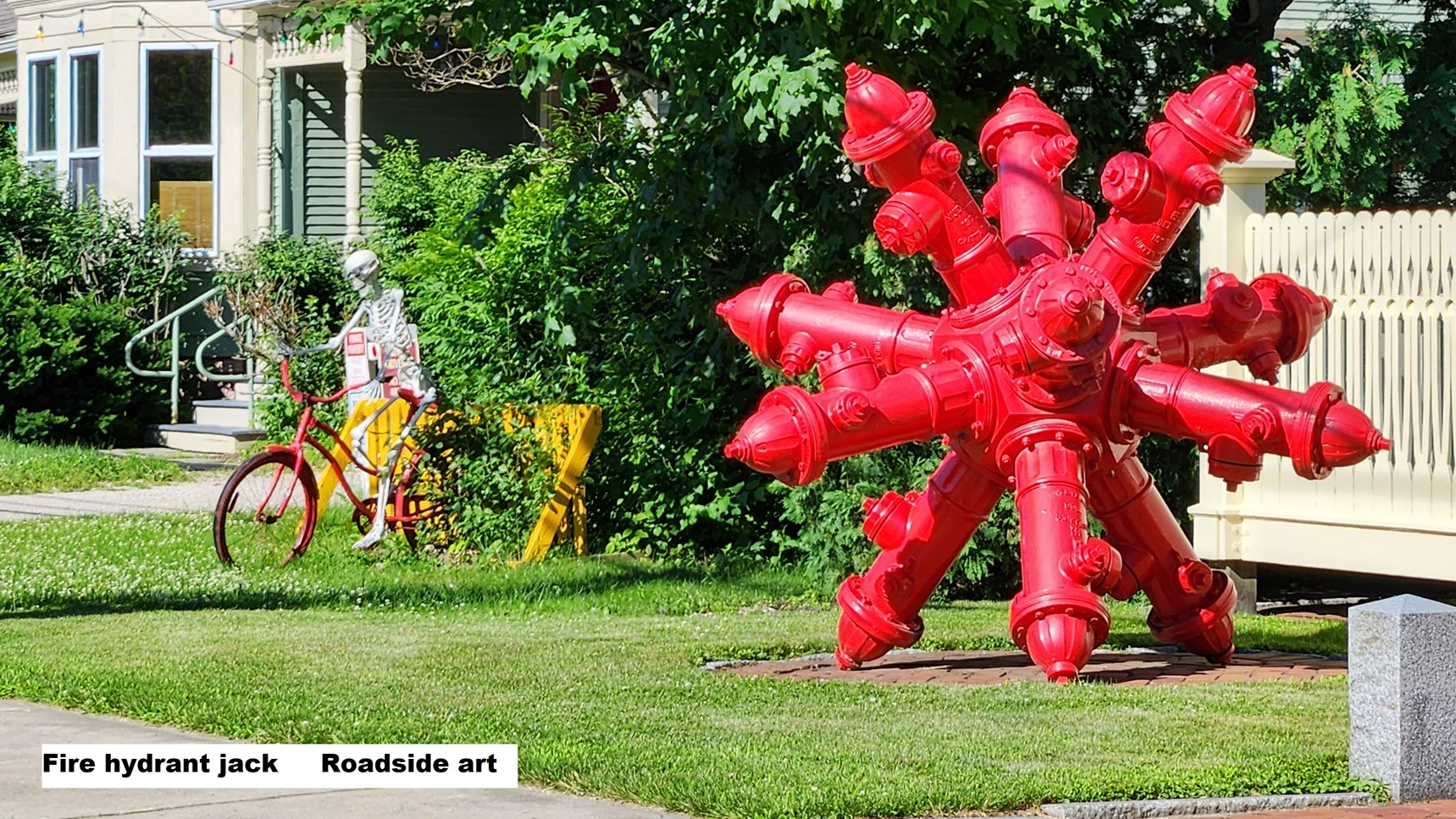
Where will our travels take us next? Check back soon to find out.