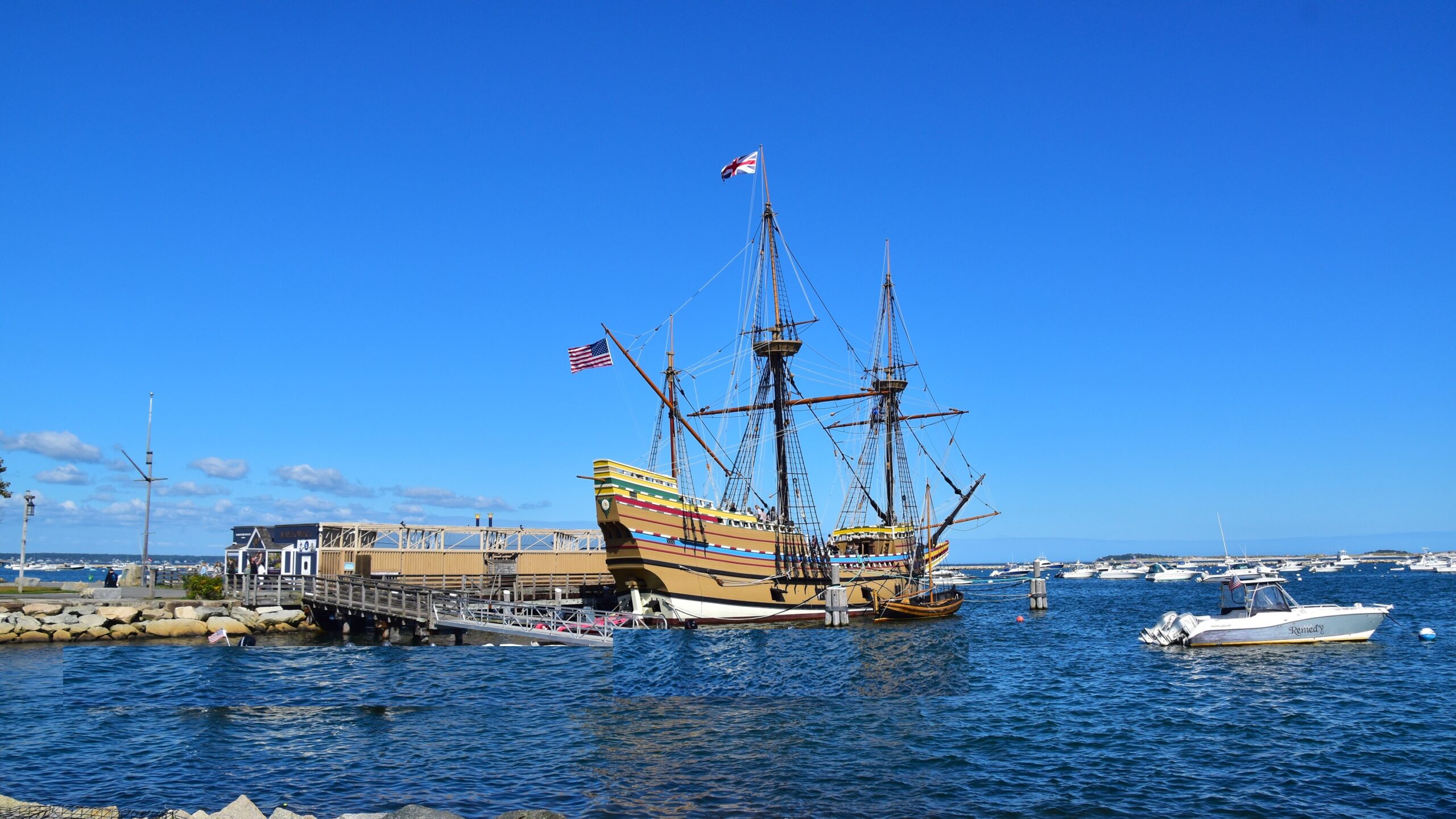
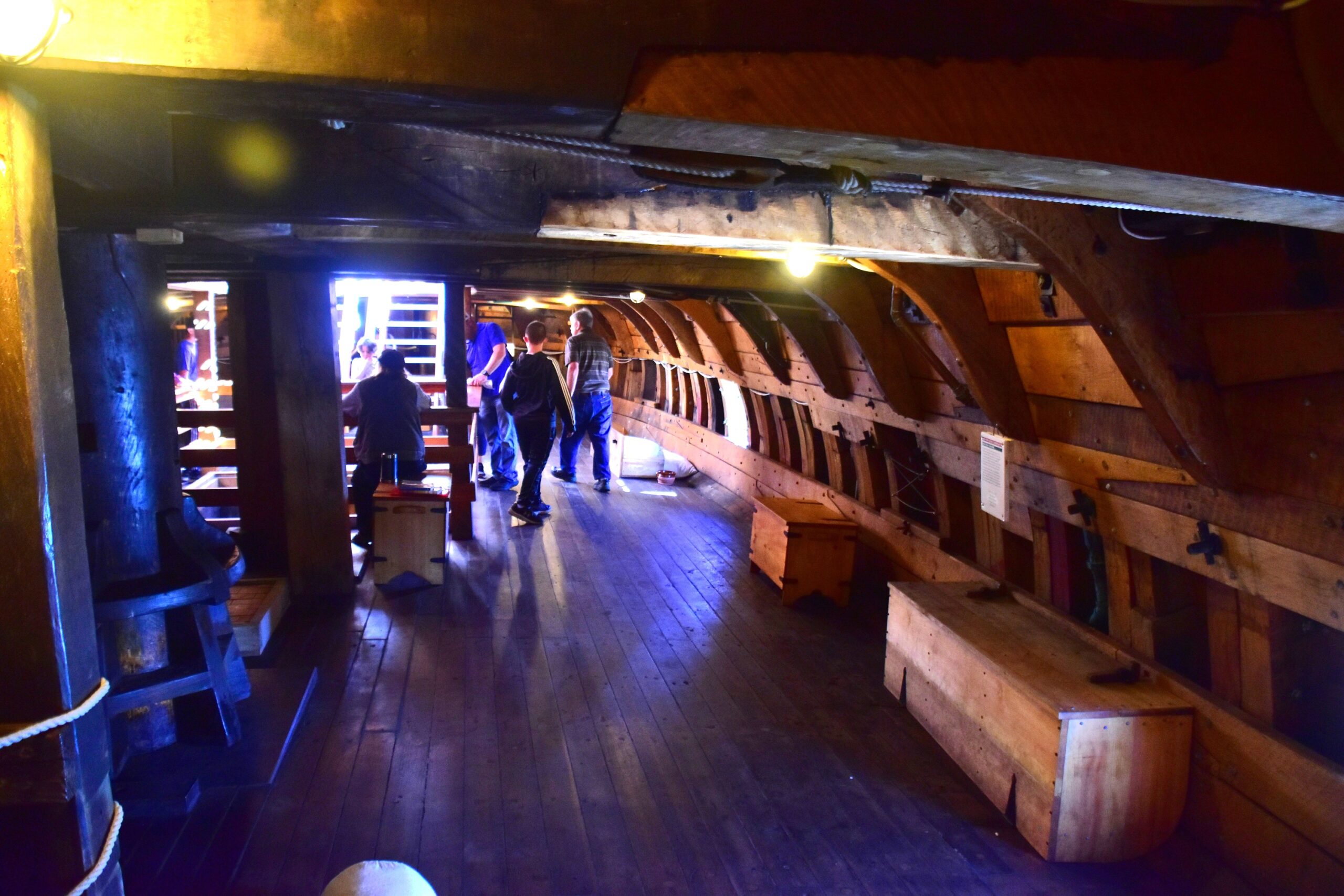
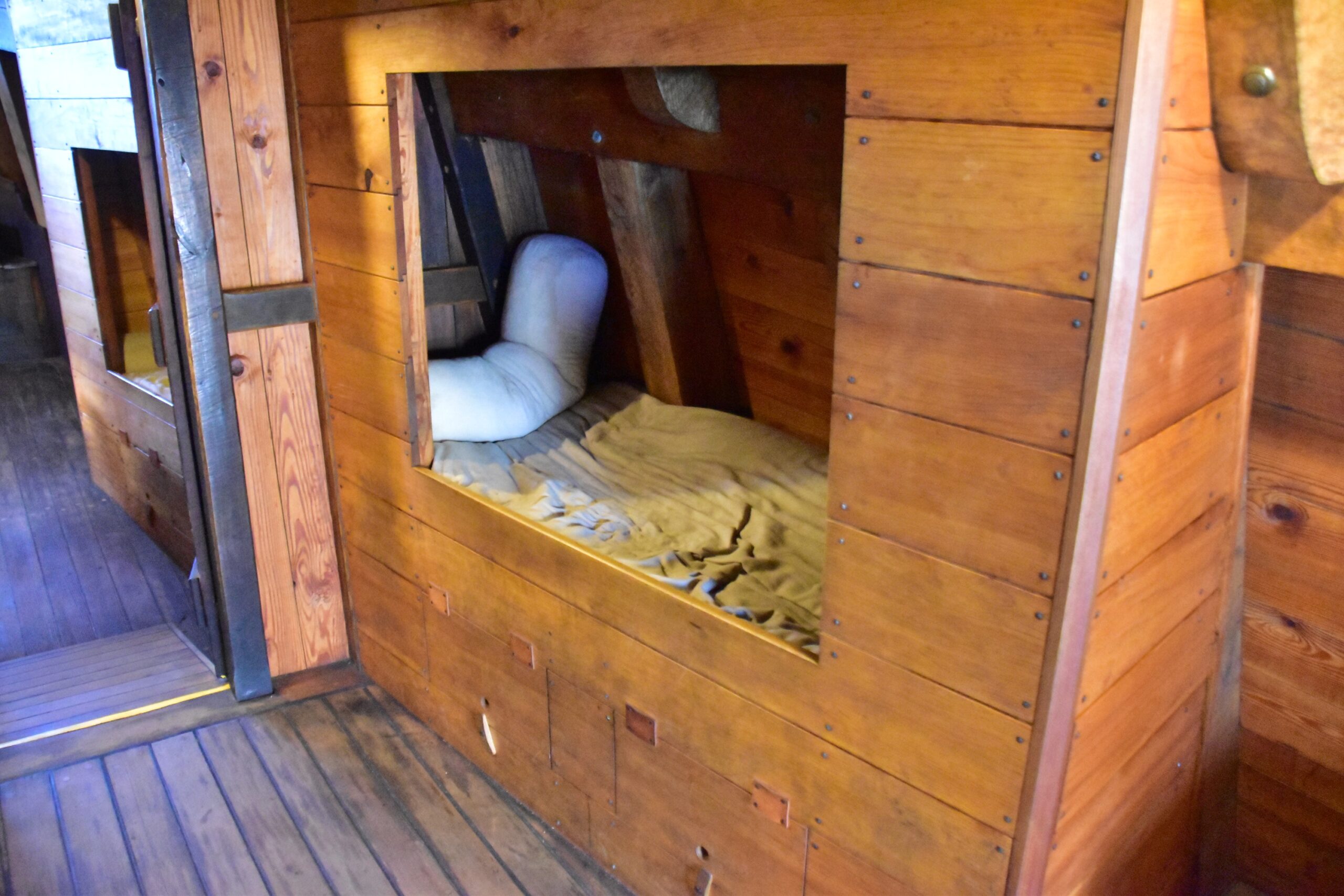
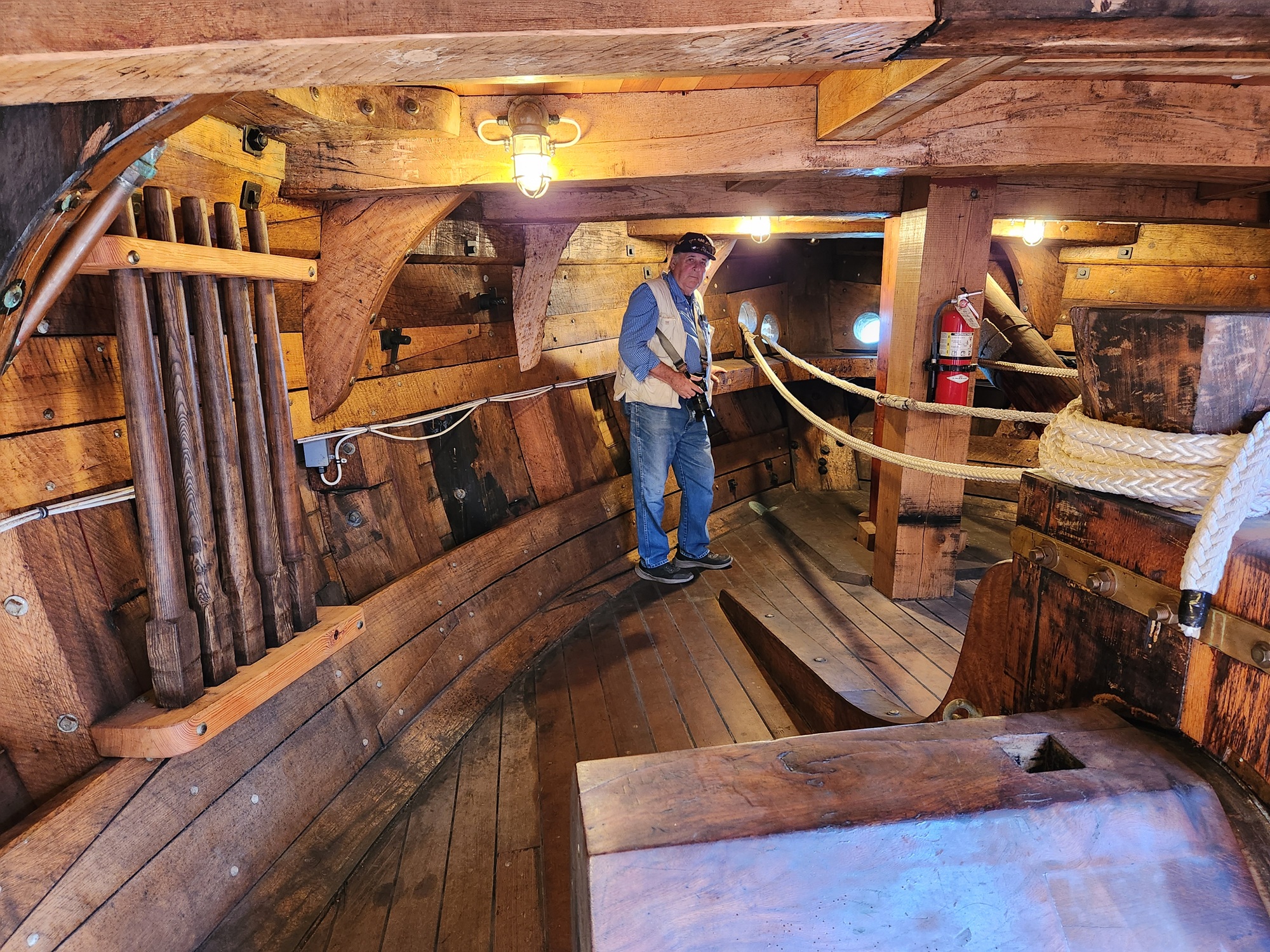
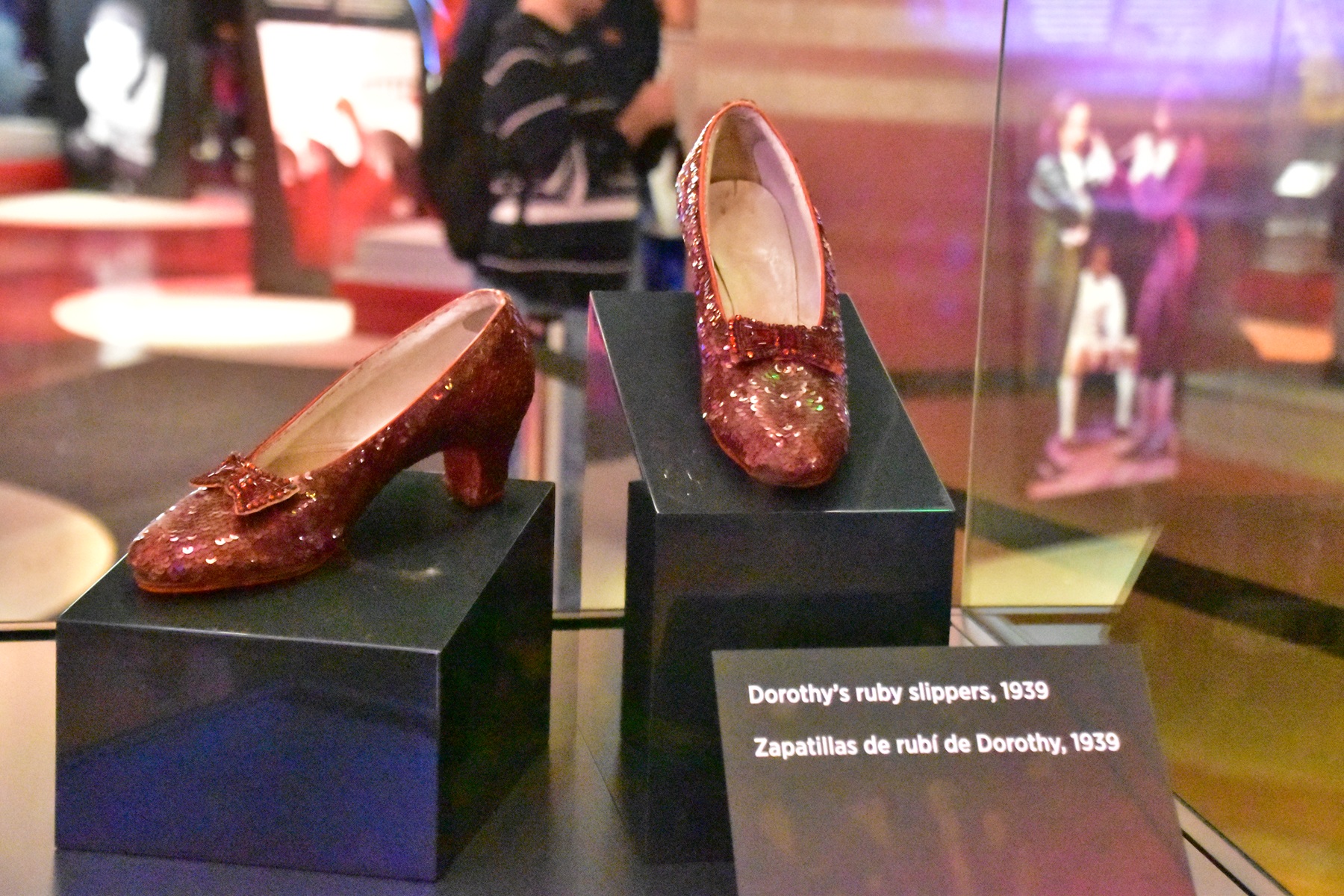
2024 Travels Part Three

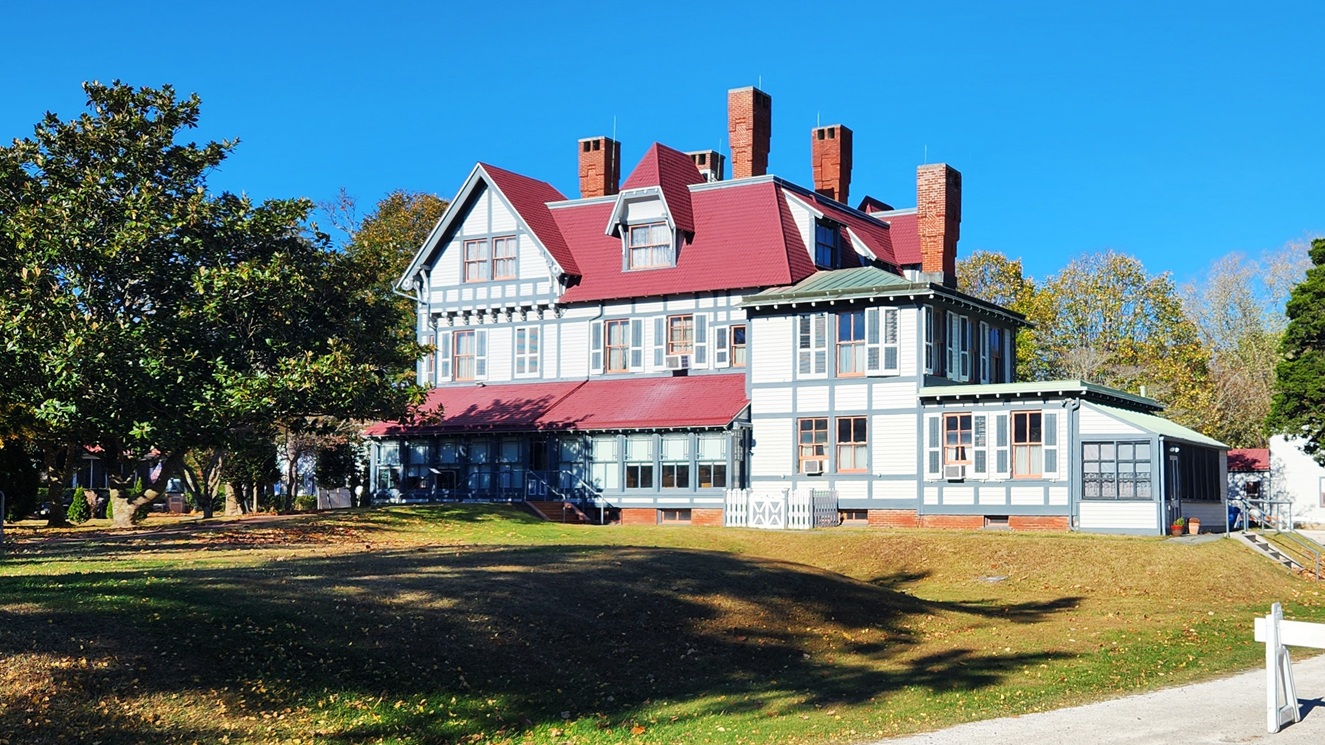
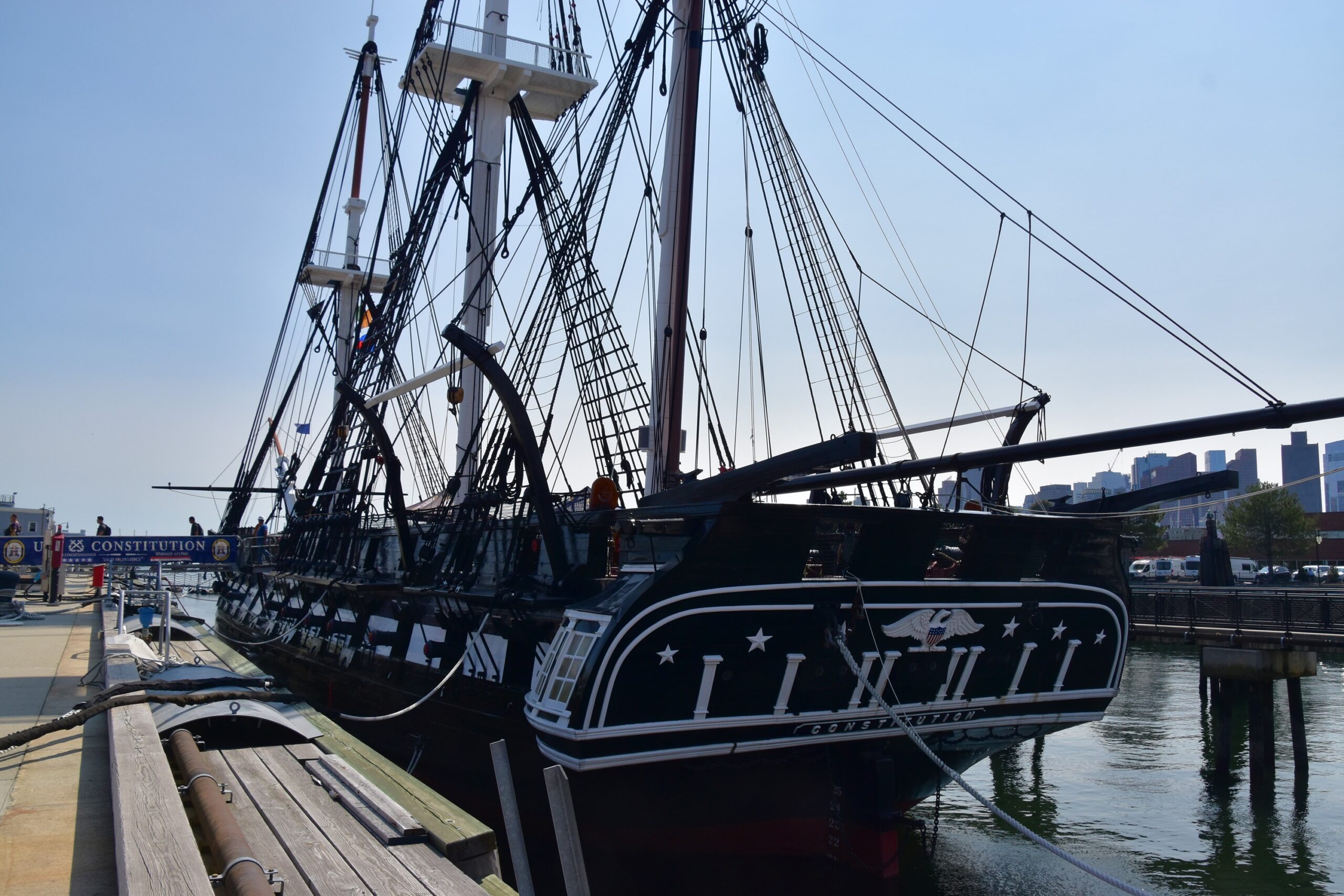
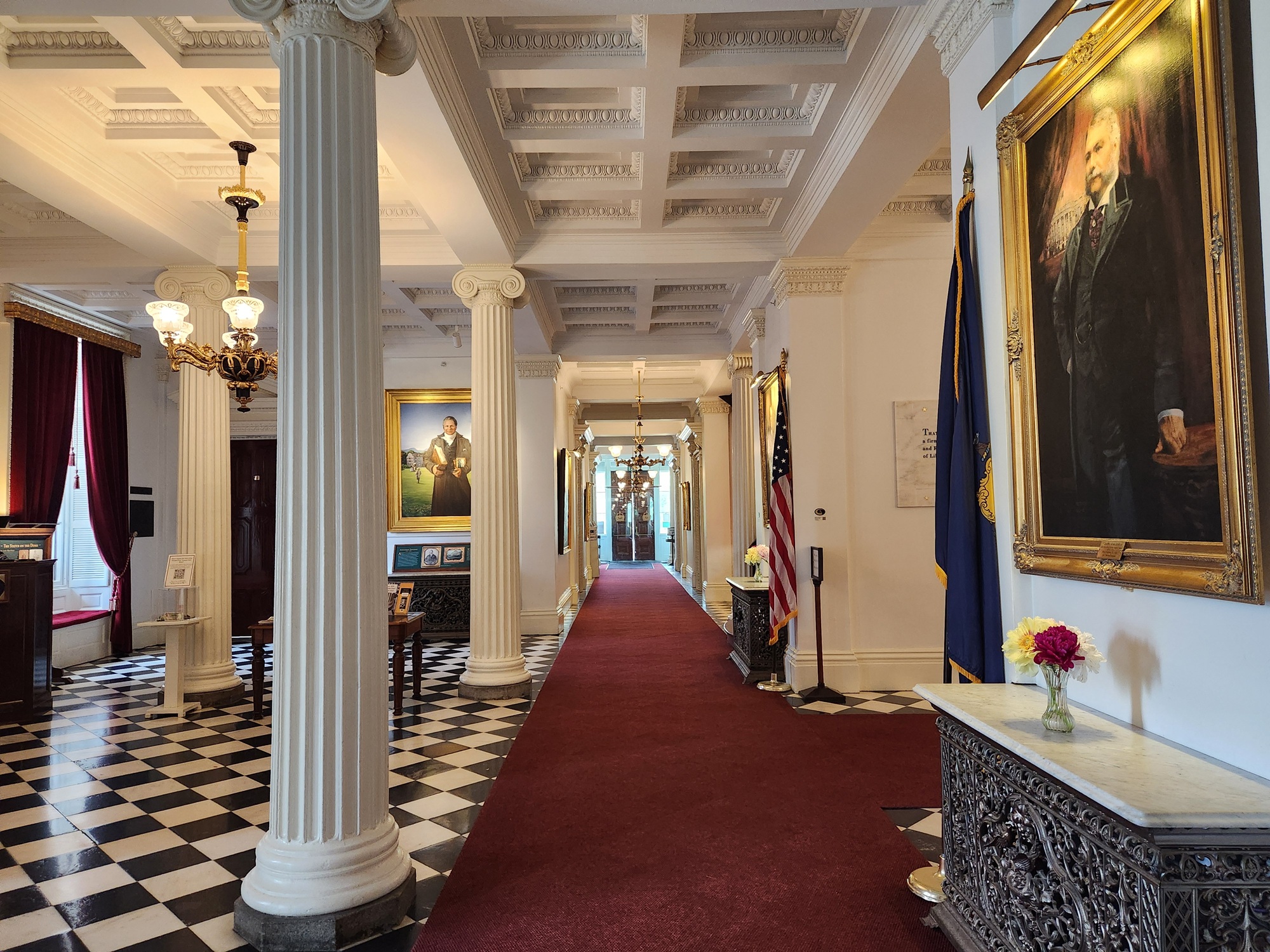
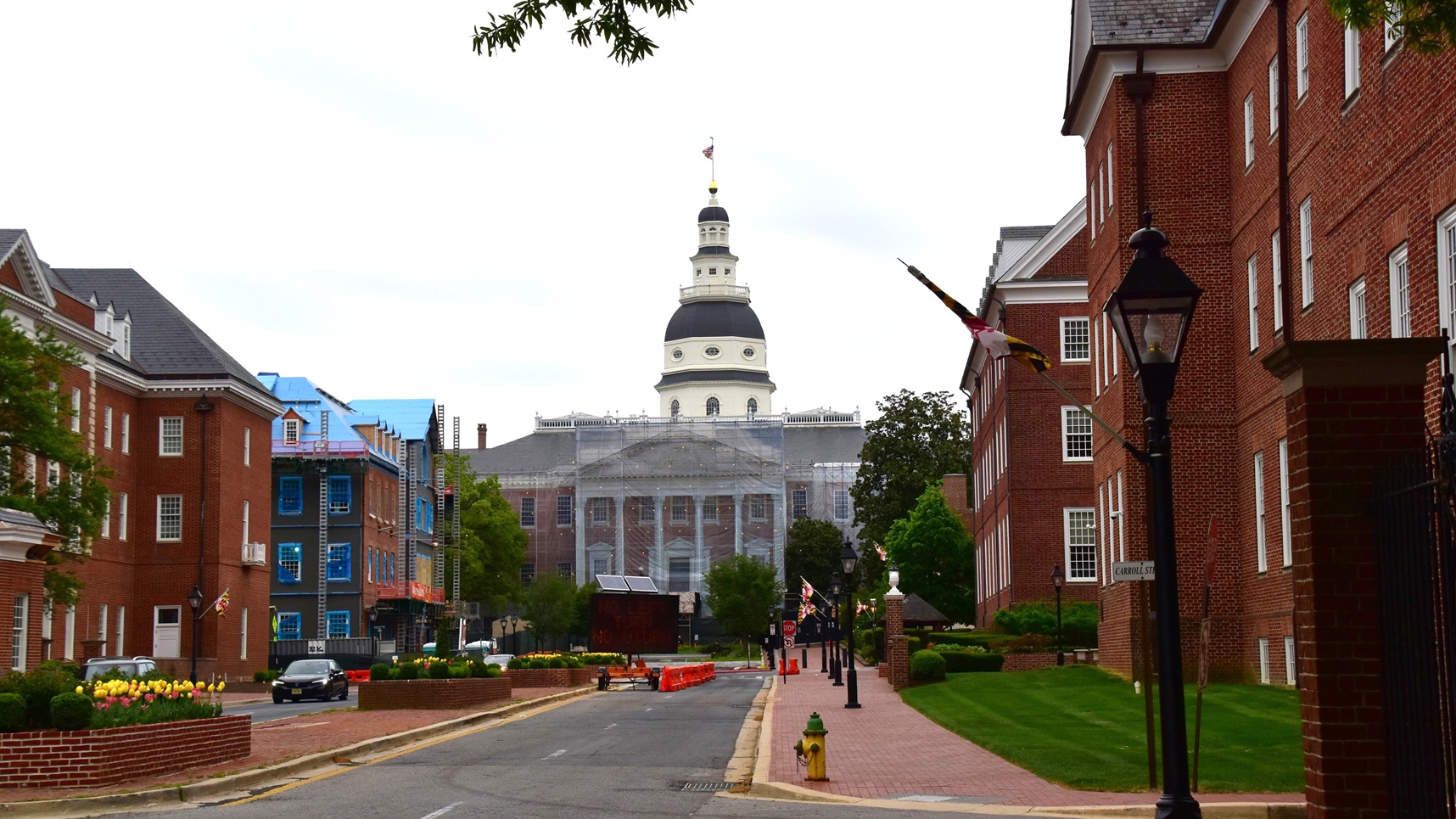
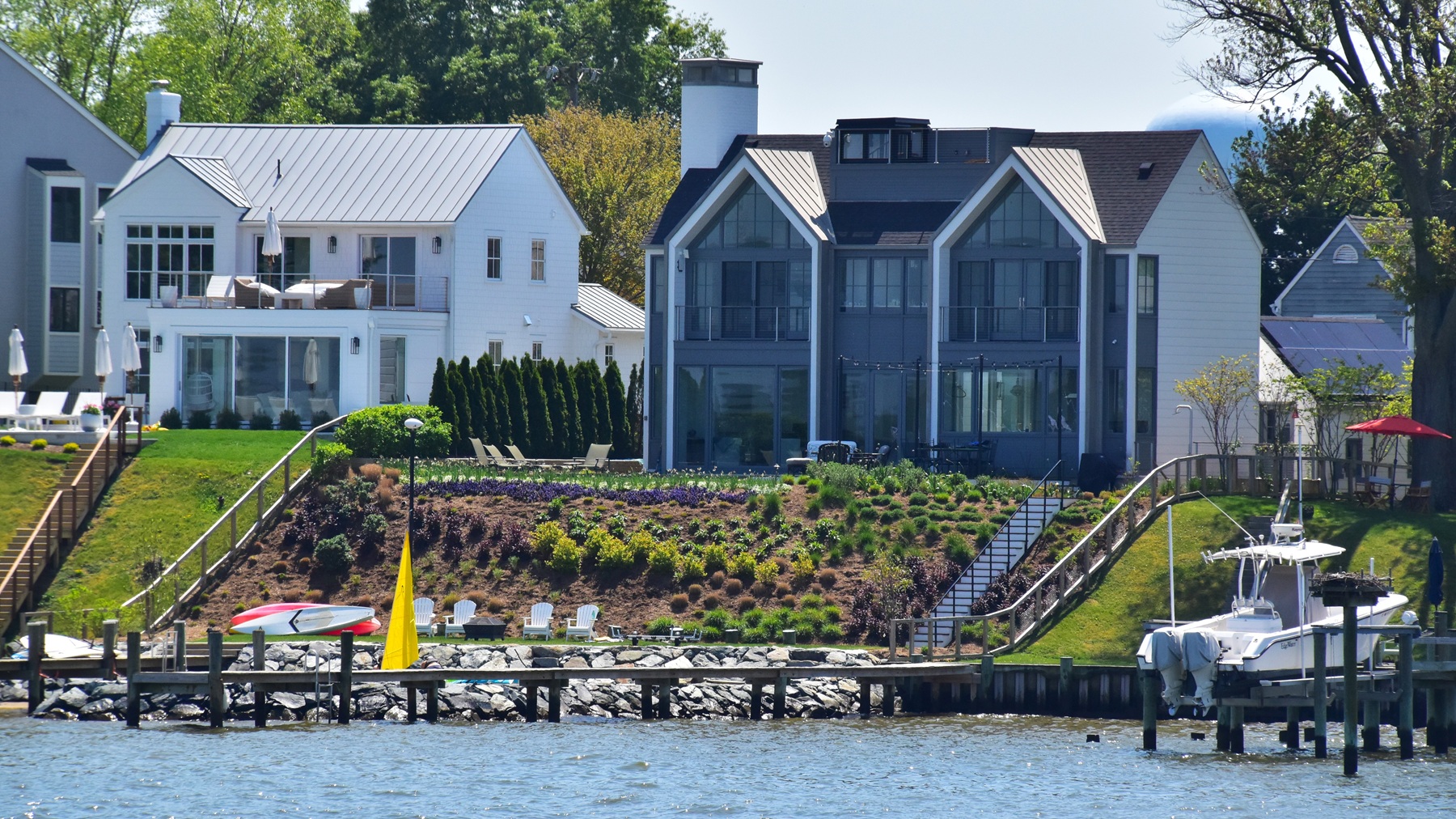
Annapolis is home to the State House for Maryland and the Naval Academy, both of which we were able to visit and also take a boat tour on Chesapeake Bay.

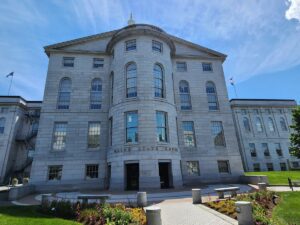
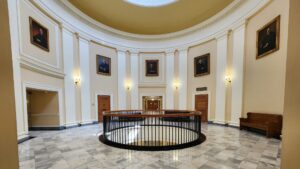
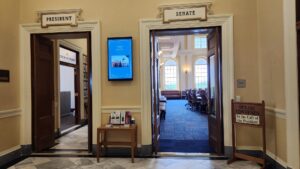
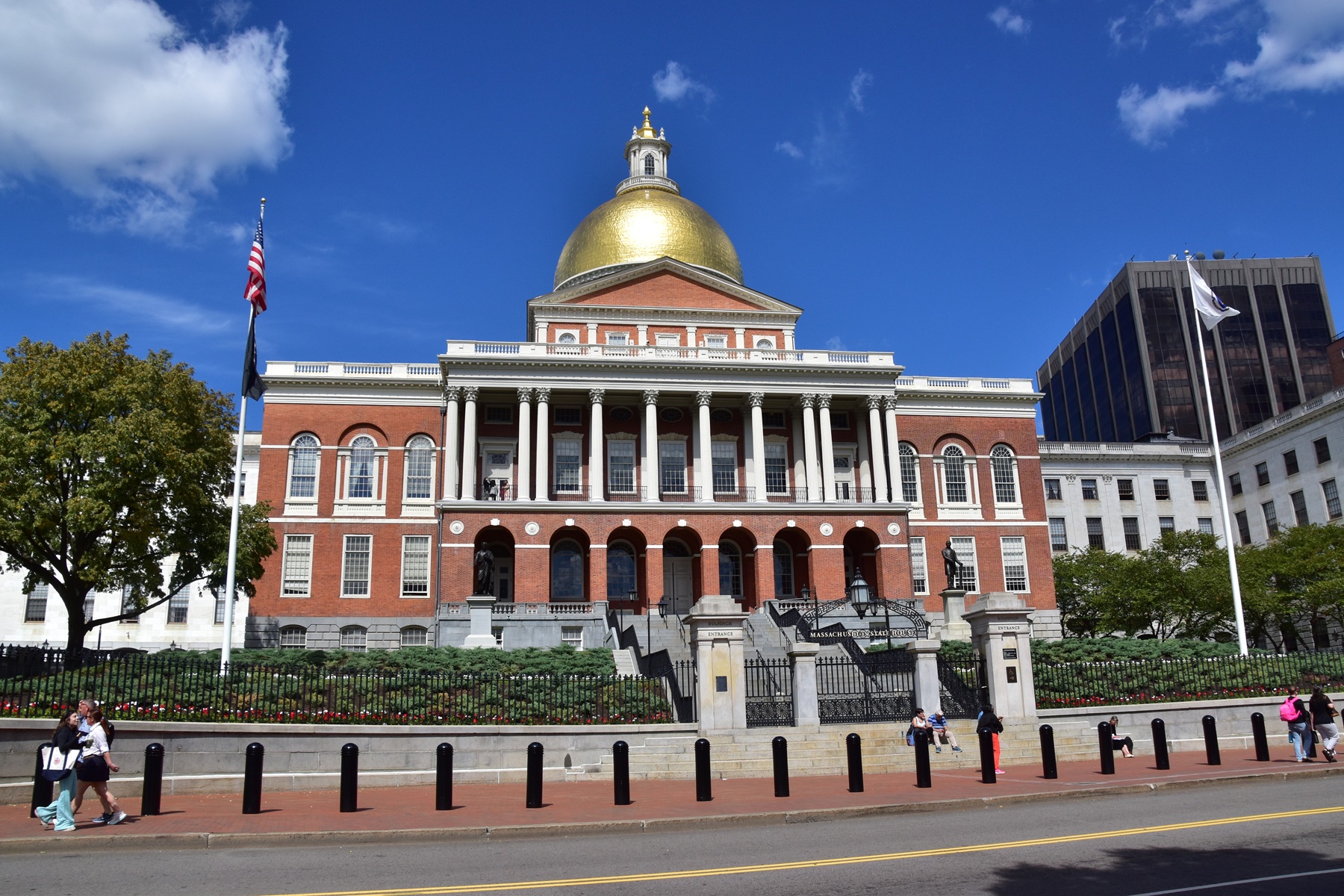
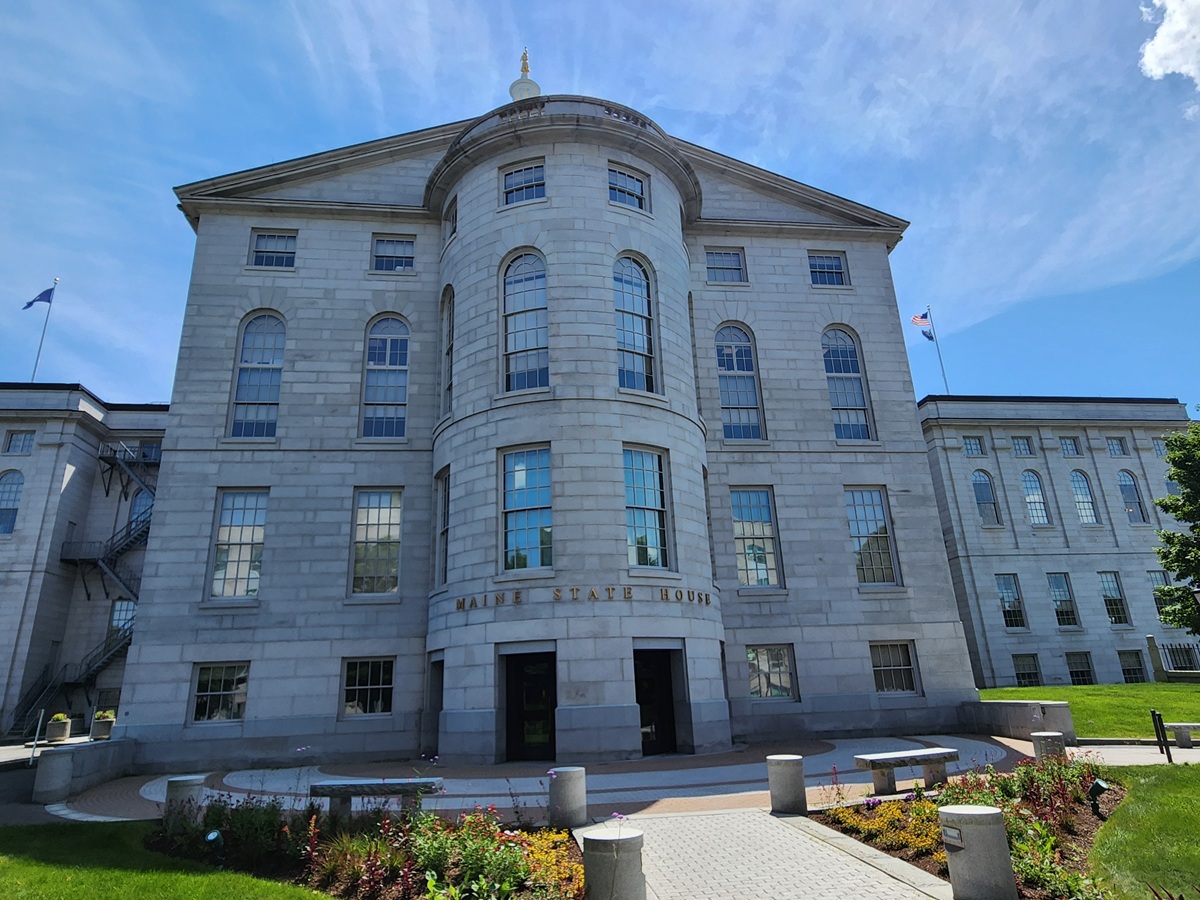
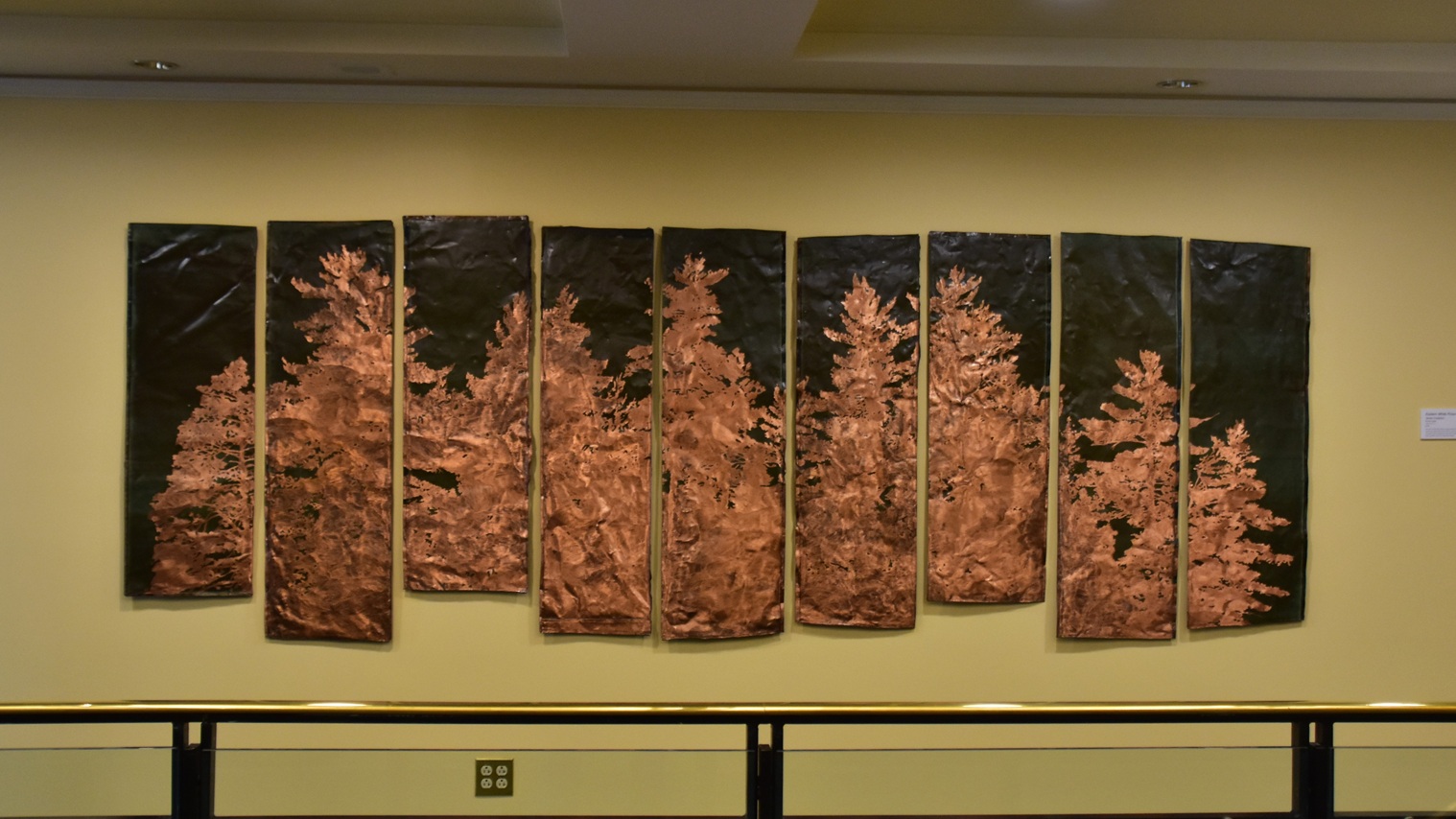
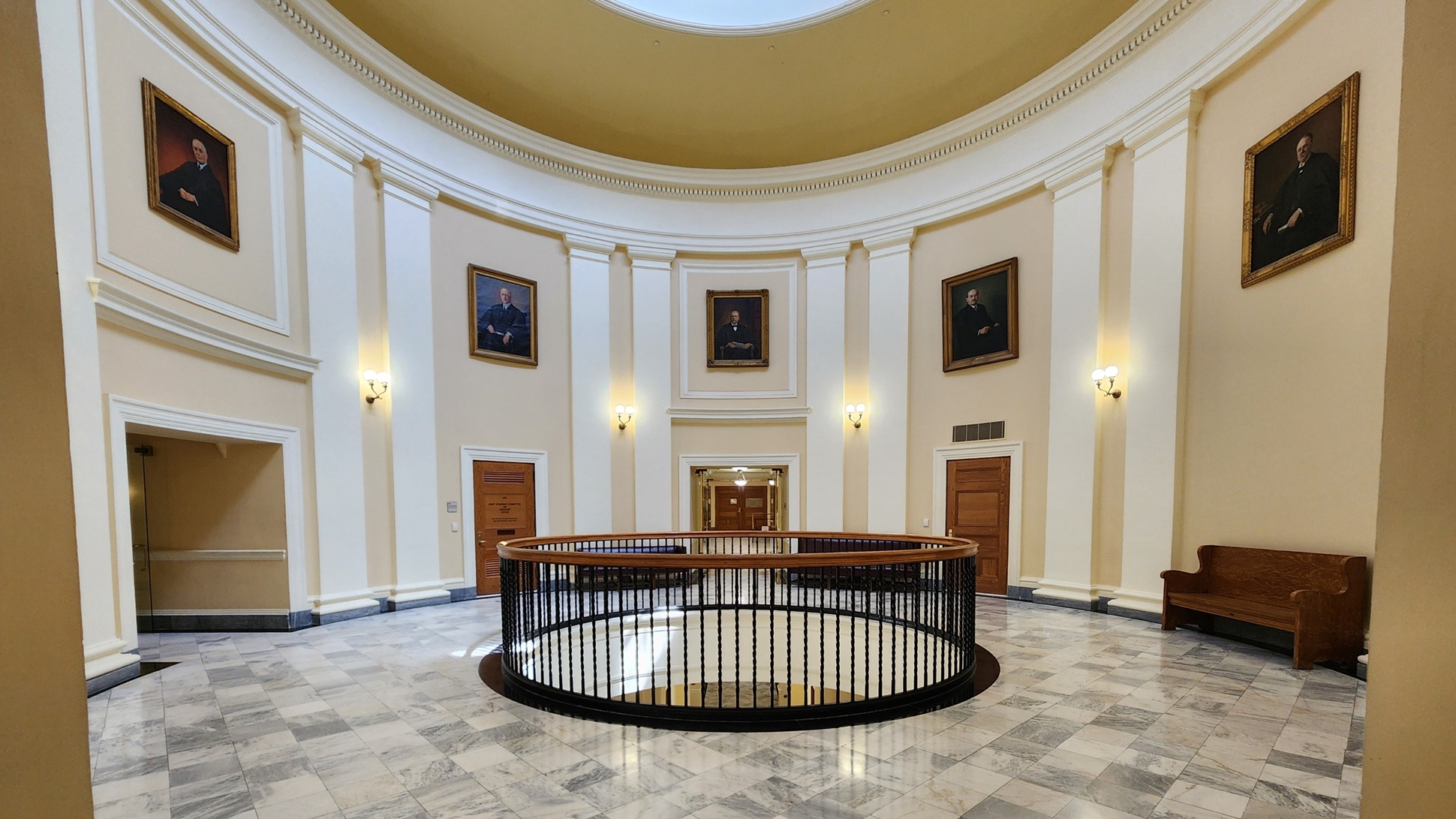
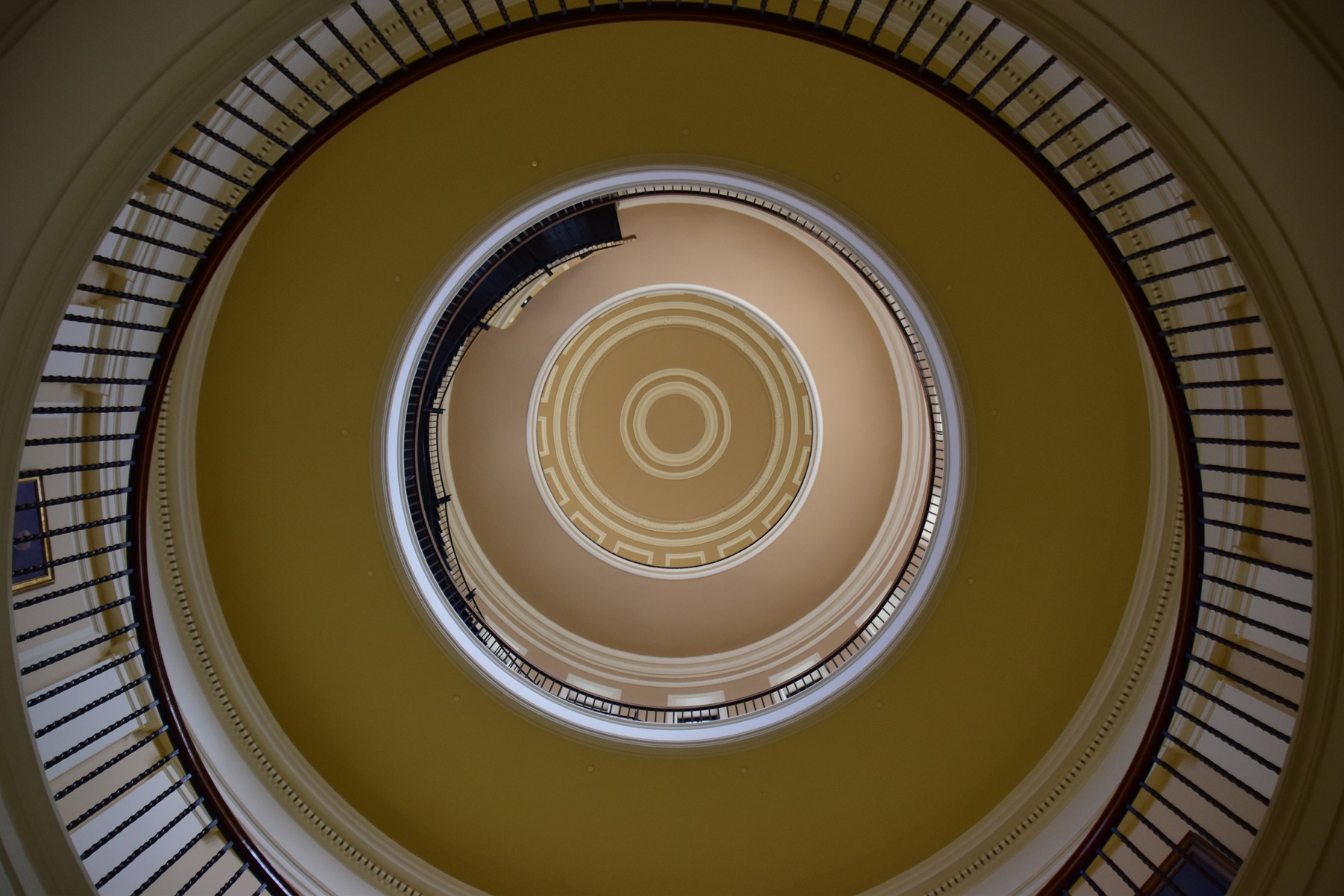
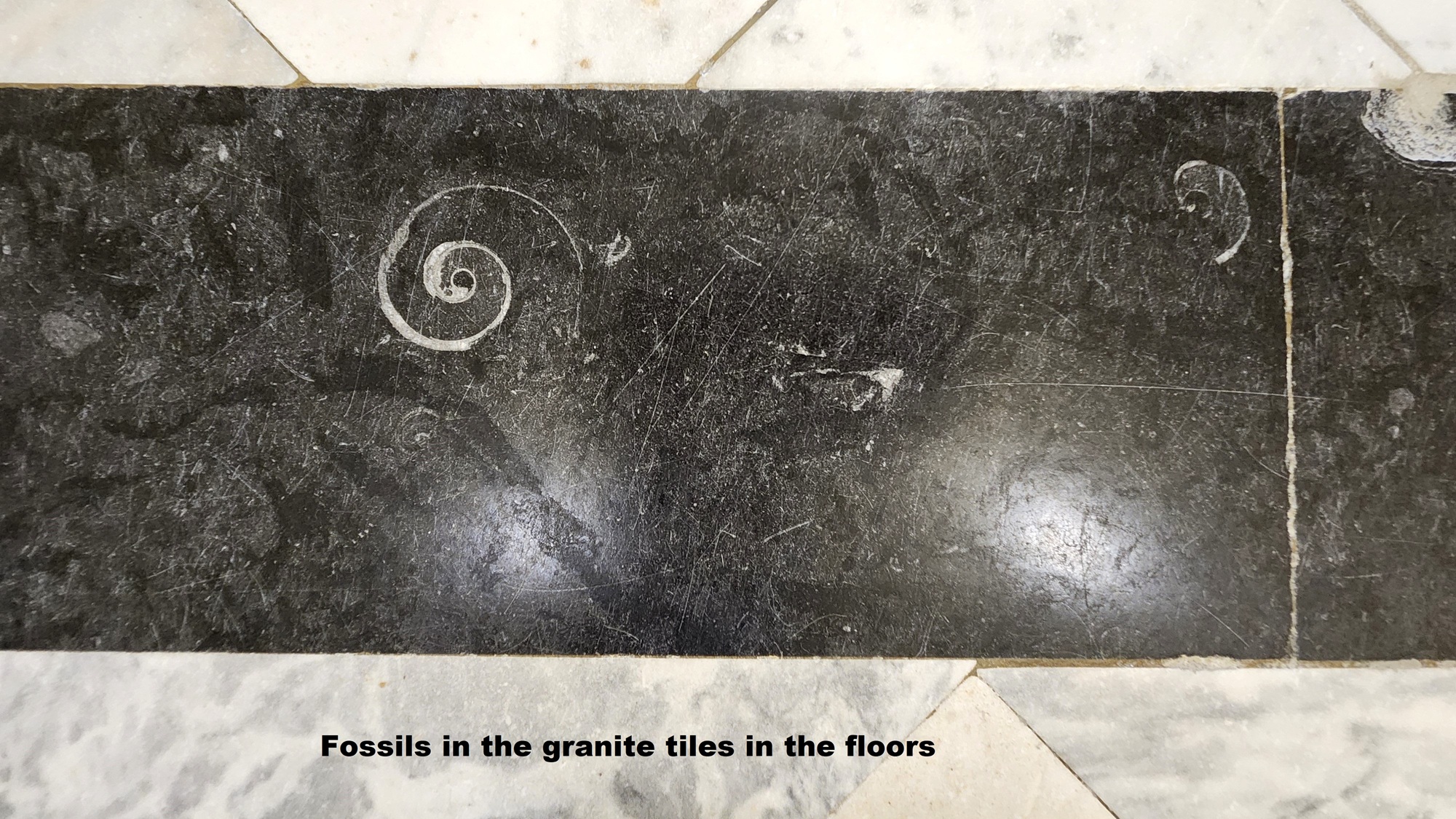
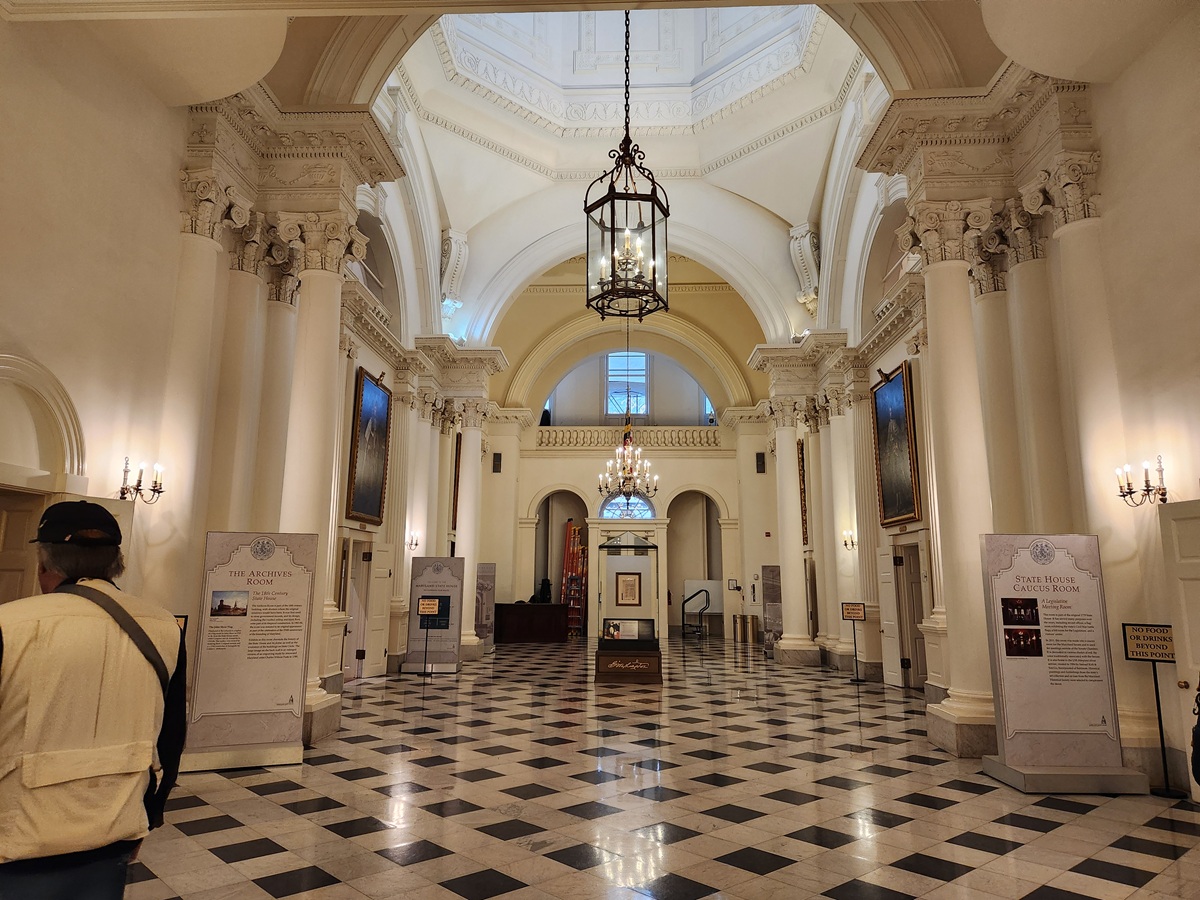
The State House was wrapped in plastic, getting a facelift; something that we have found several times in our visits to other capitals. The older buildings need constant upkeep.

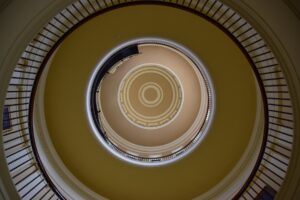
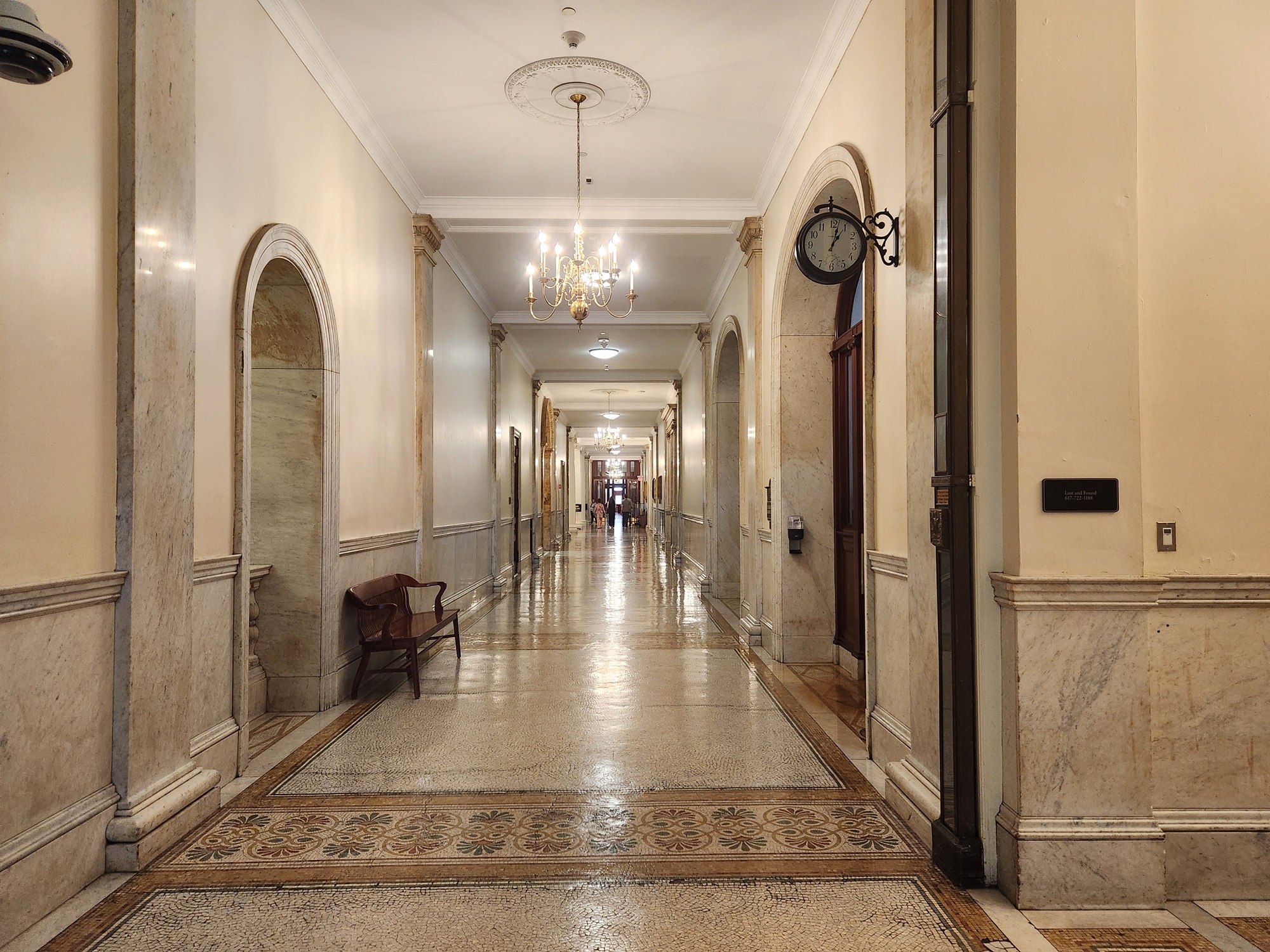
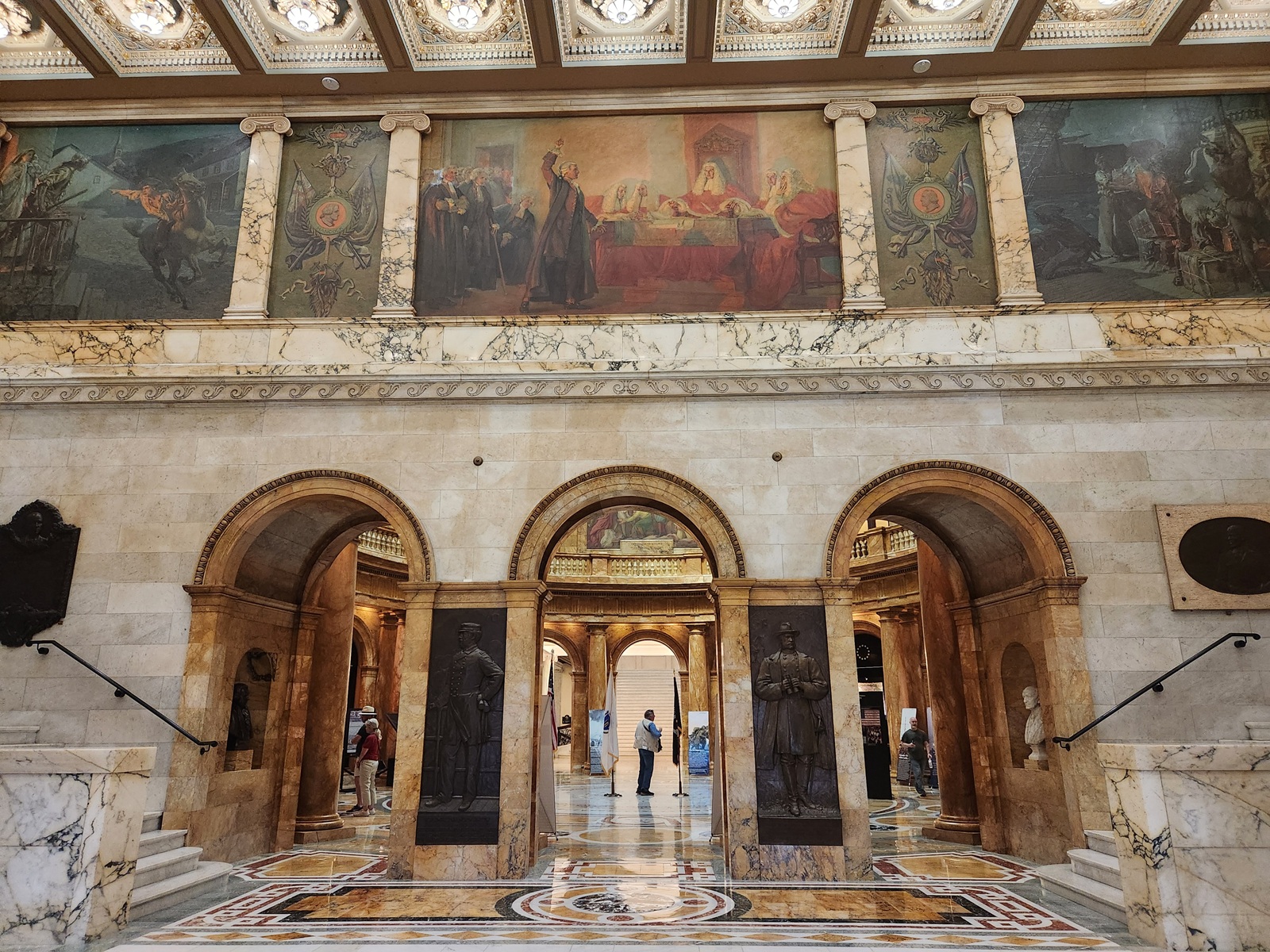
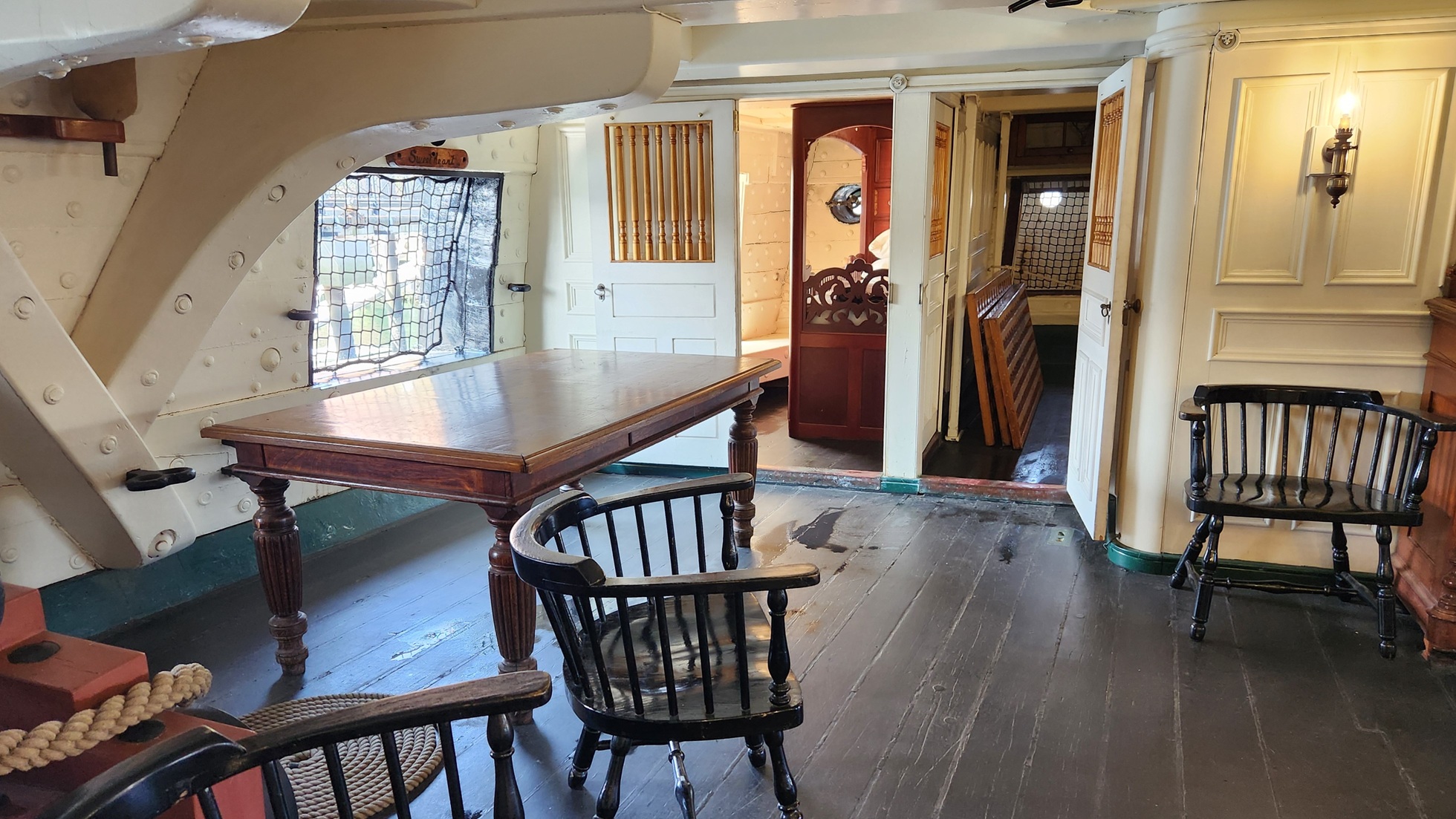
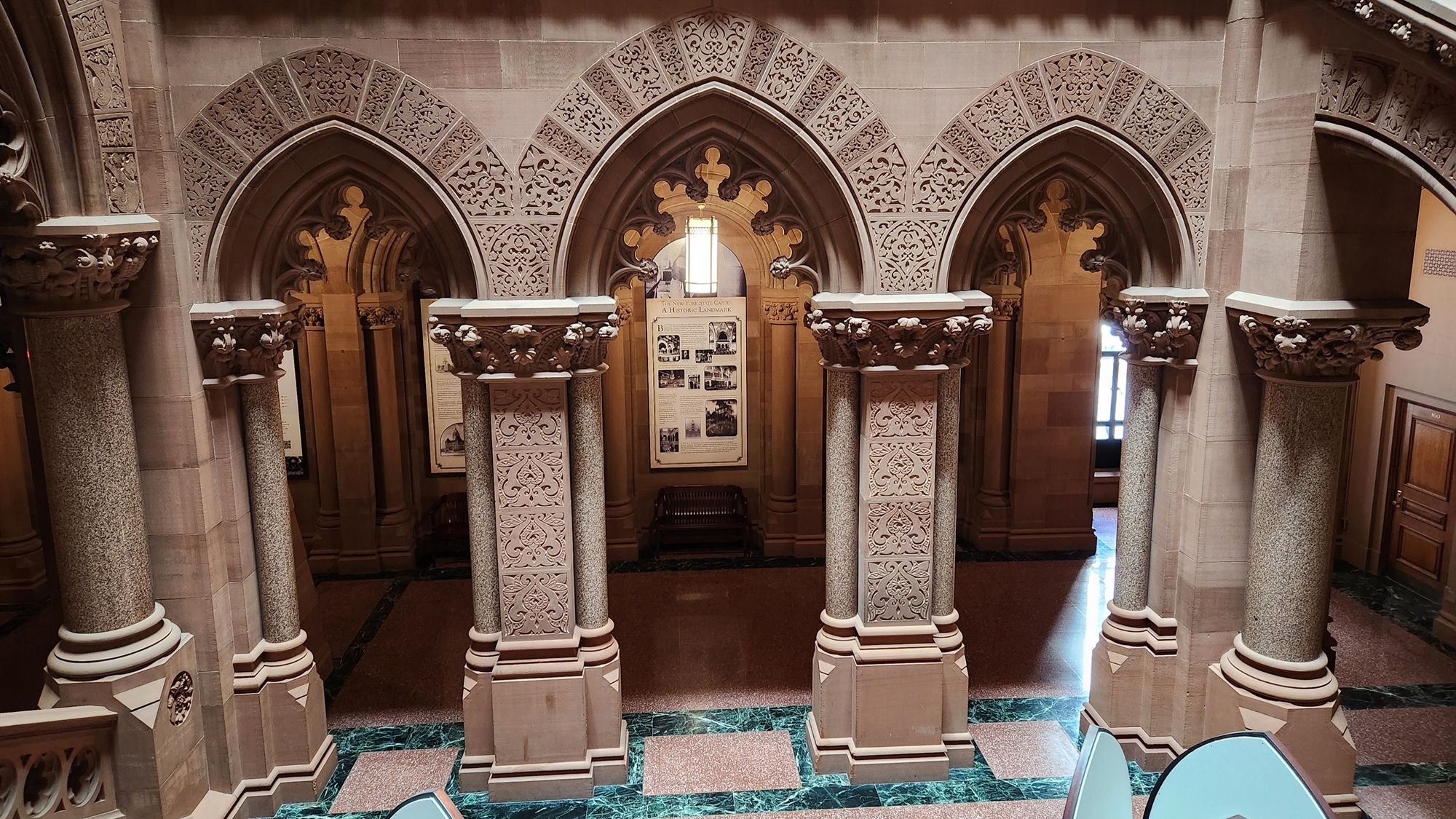
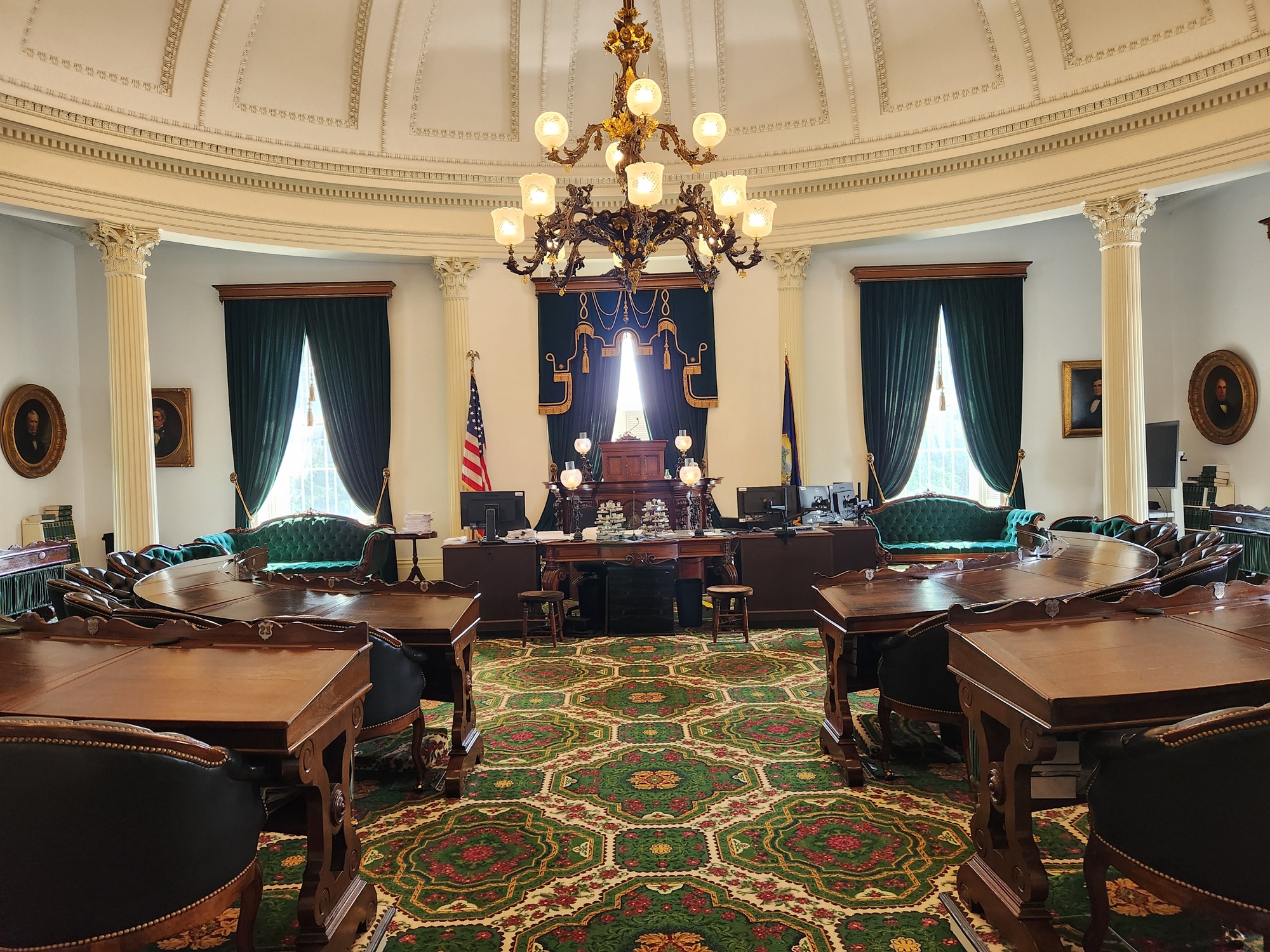
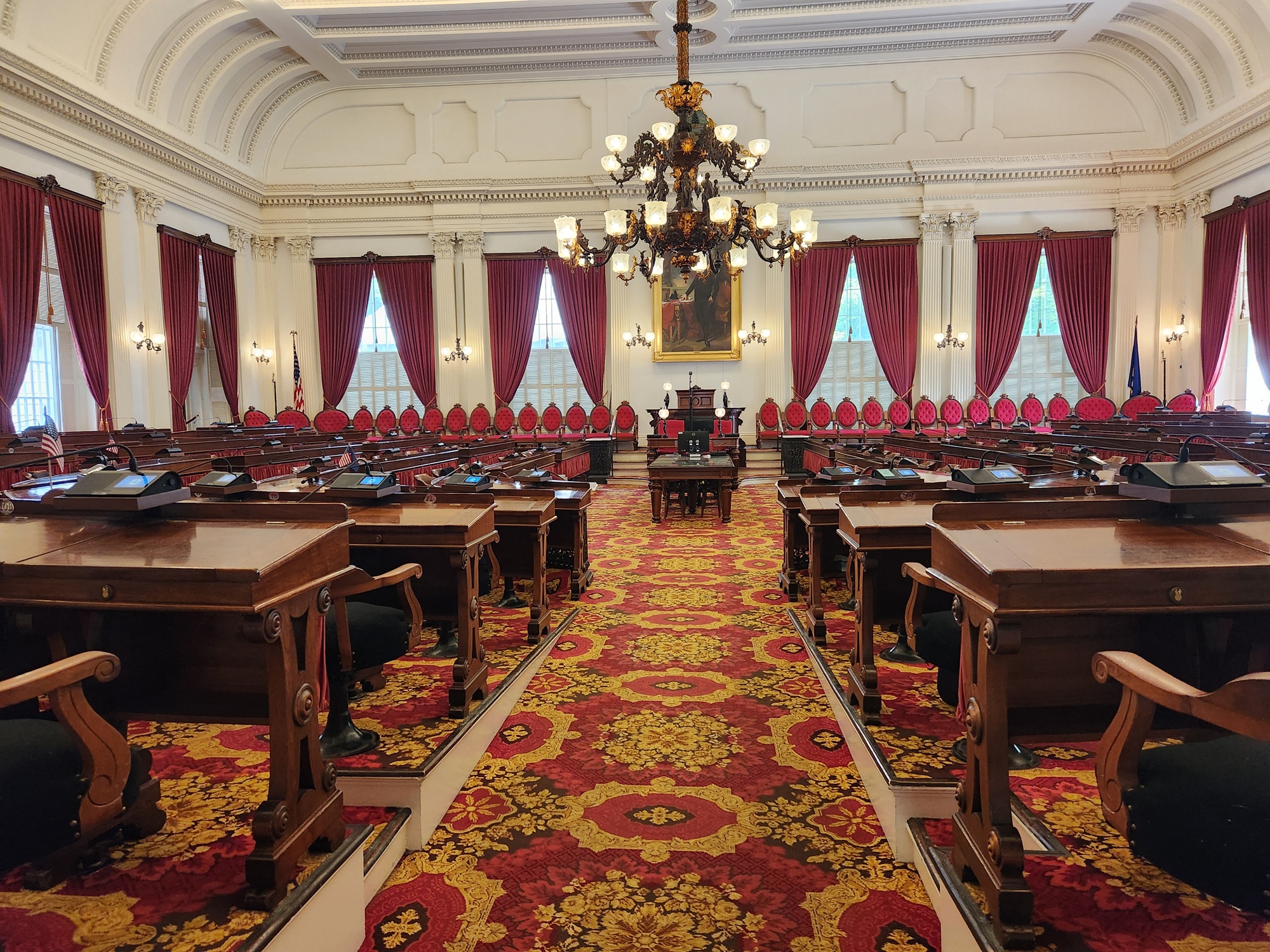
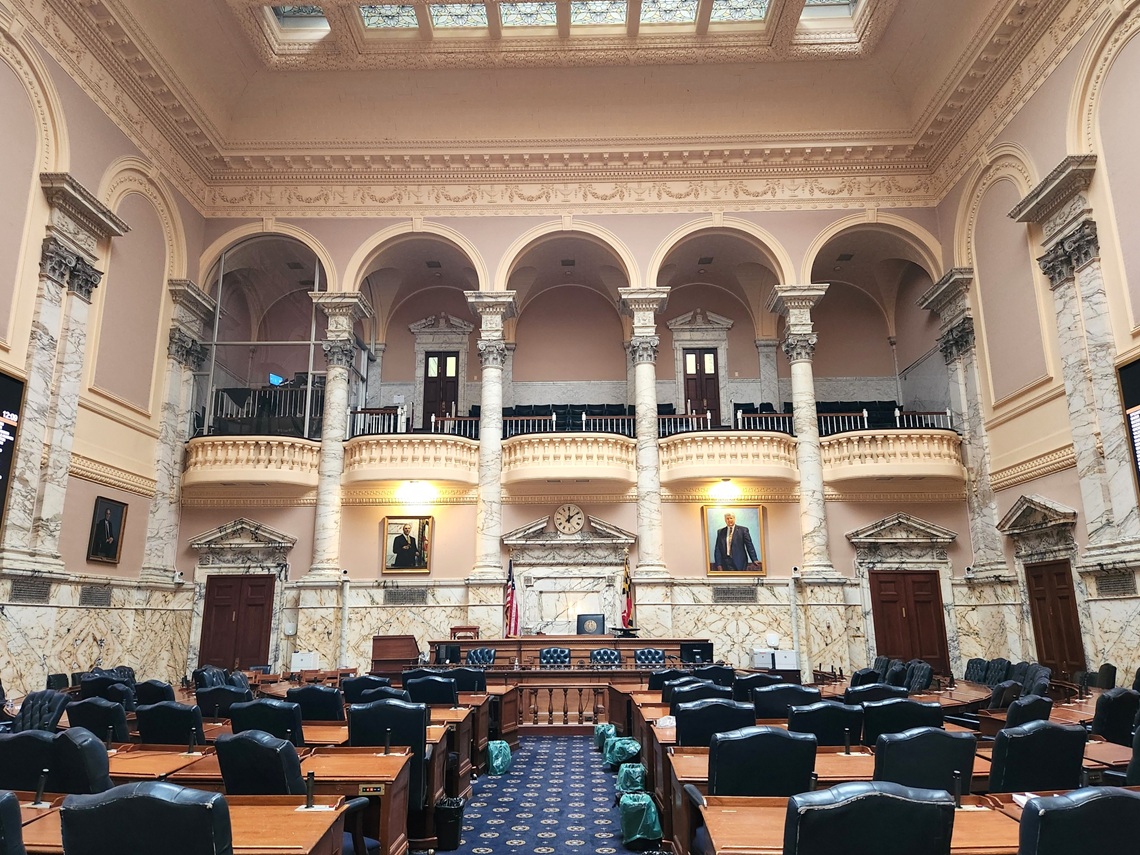
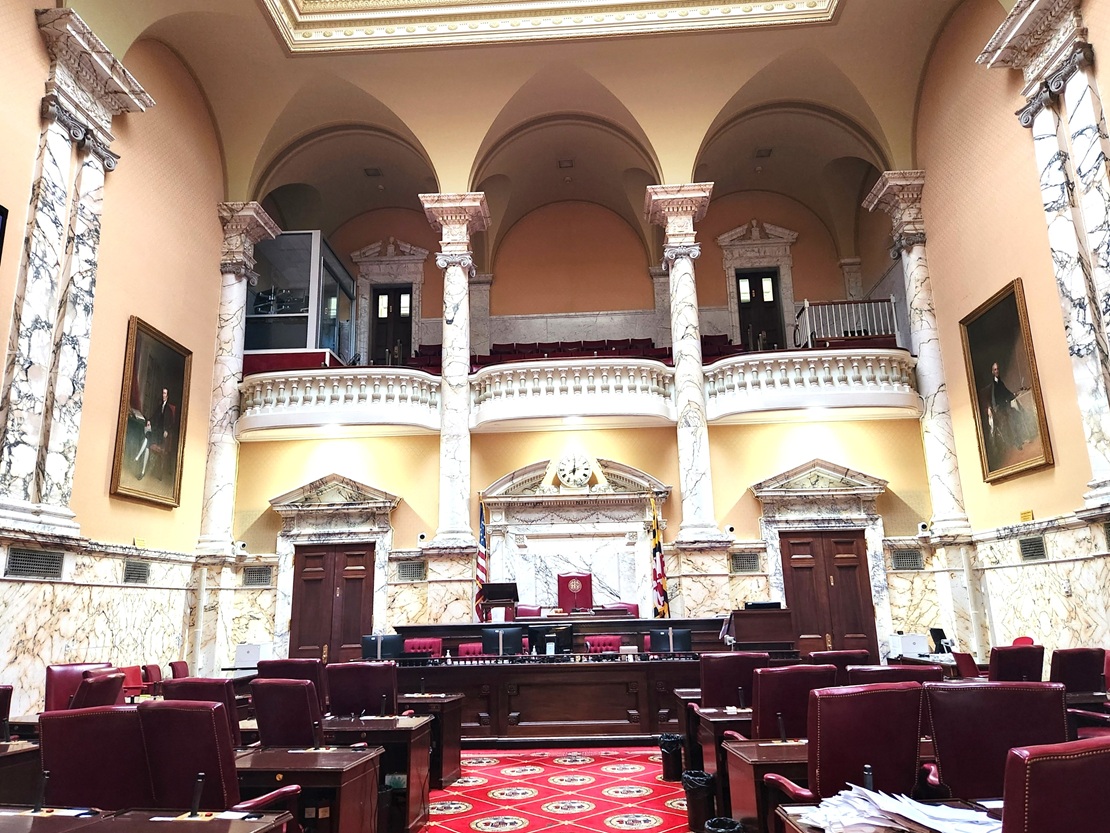
The inside rooms are small and elegant.


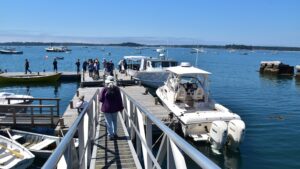
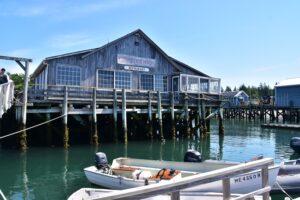
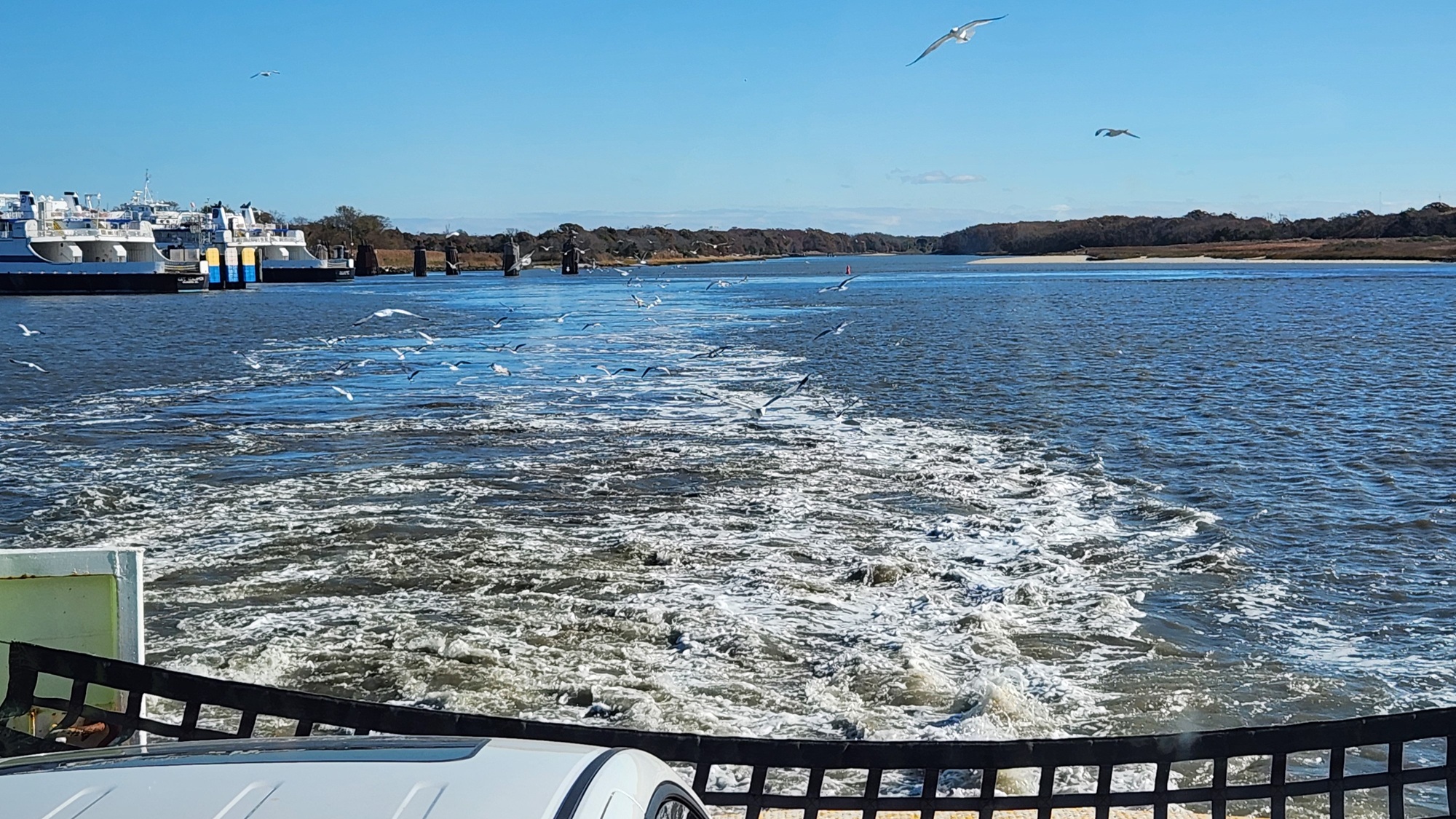
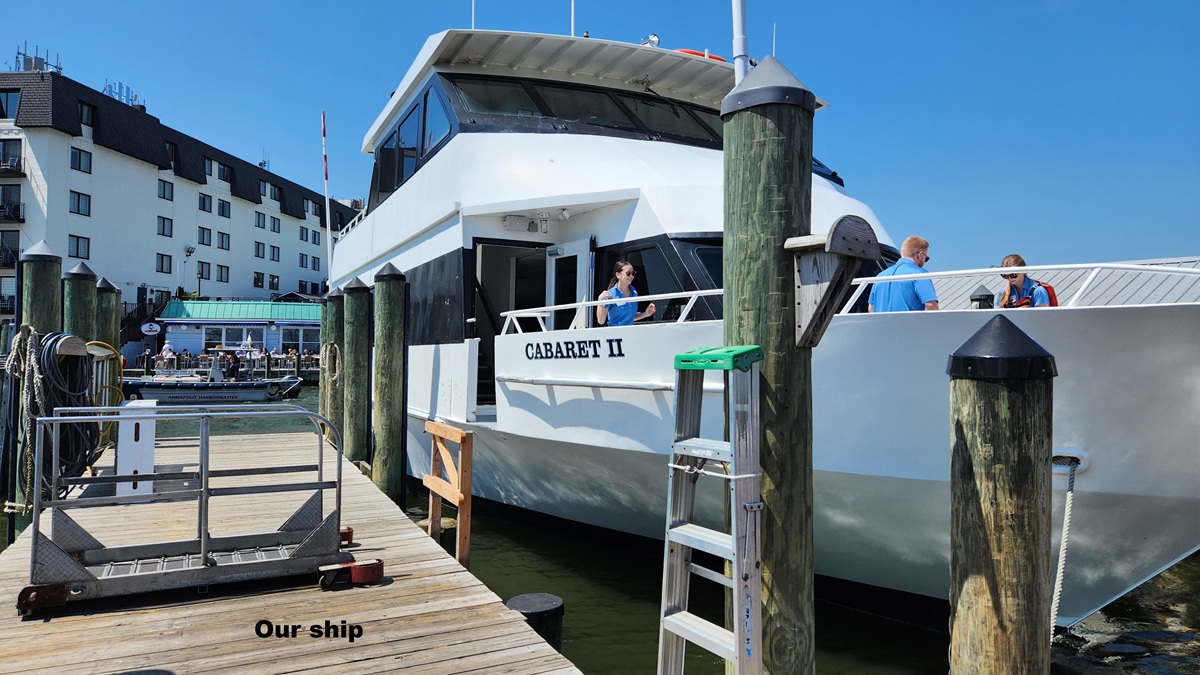
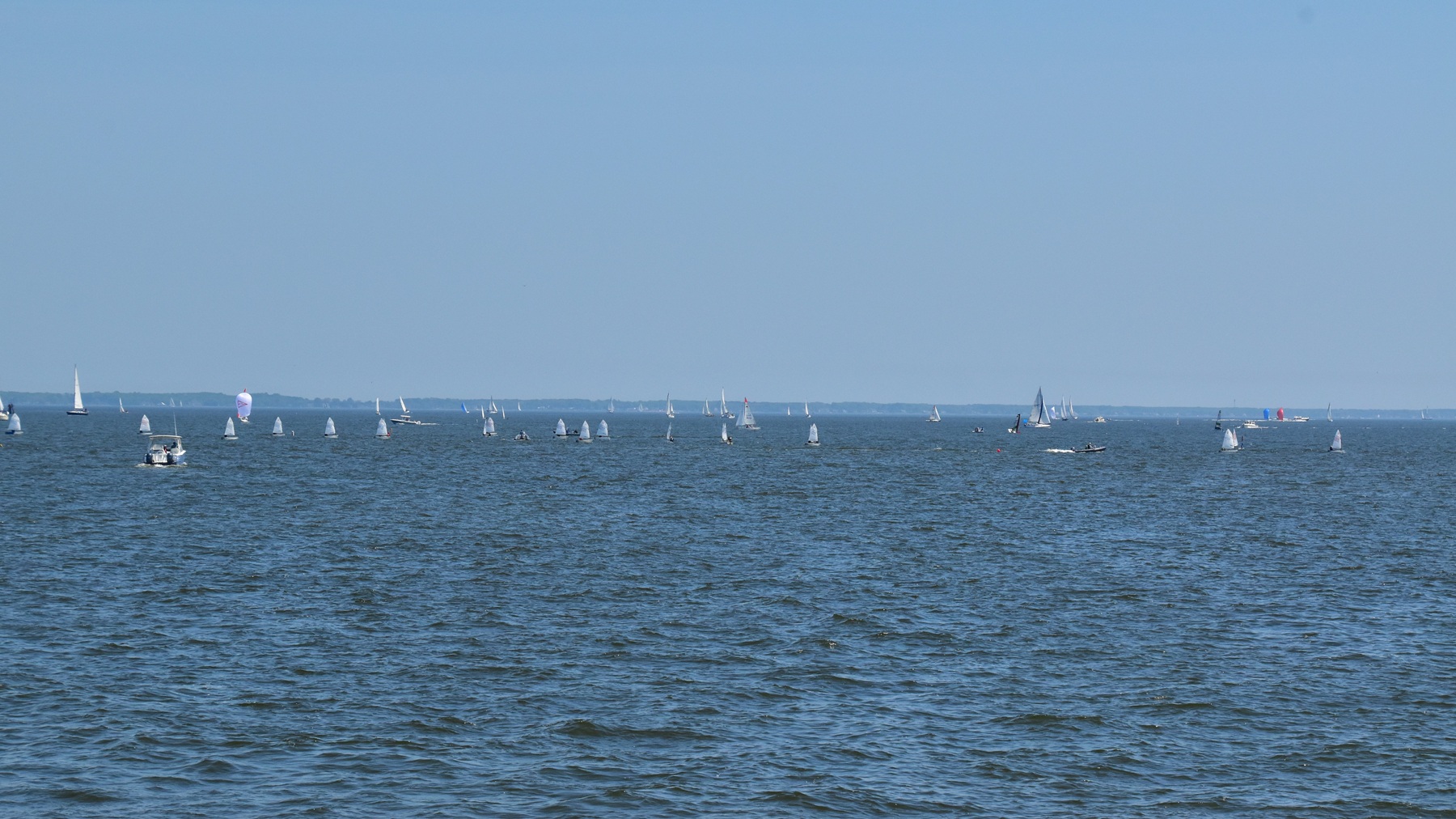
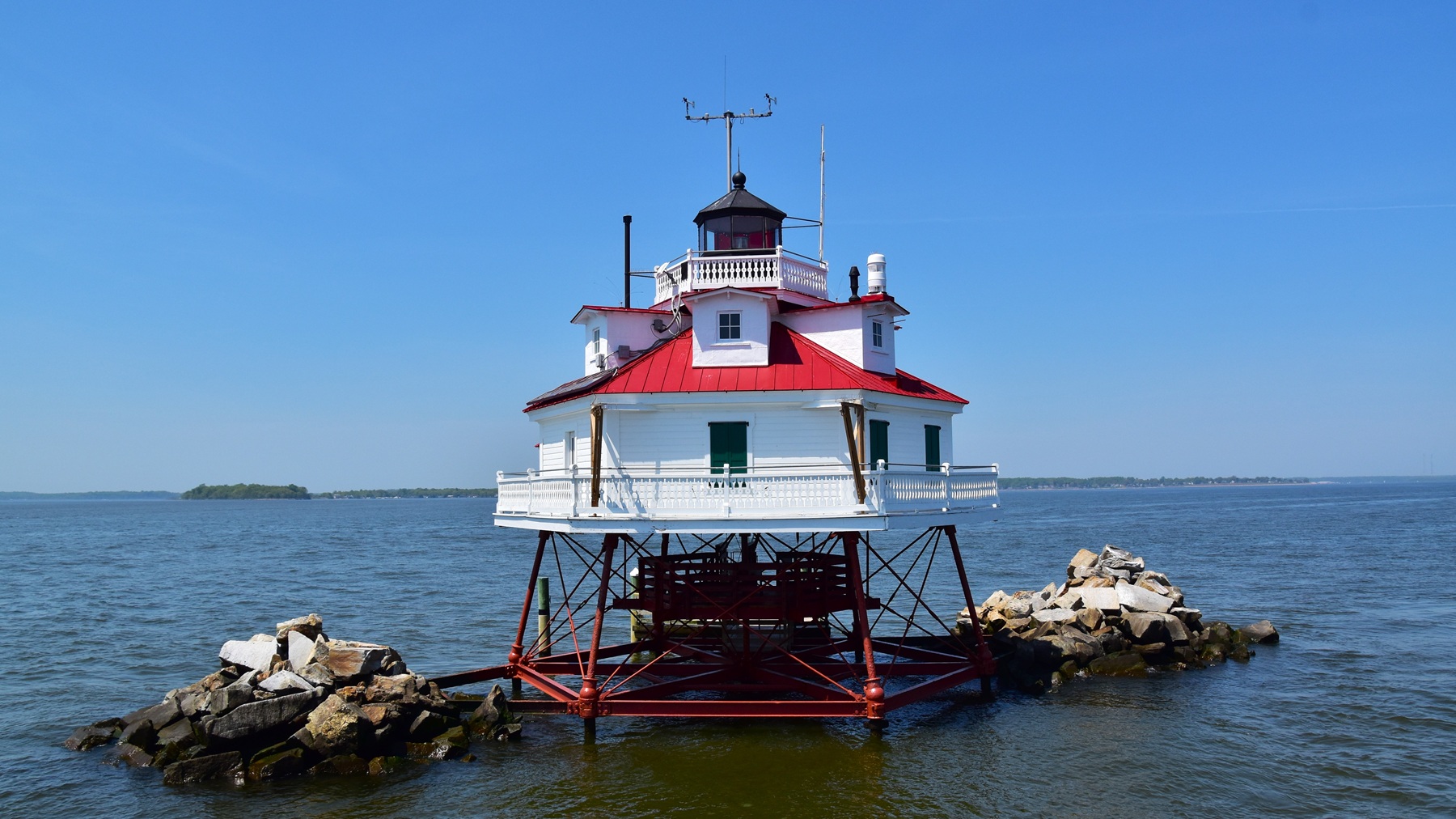
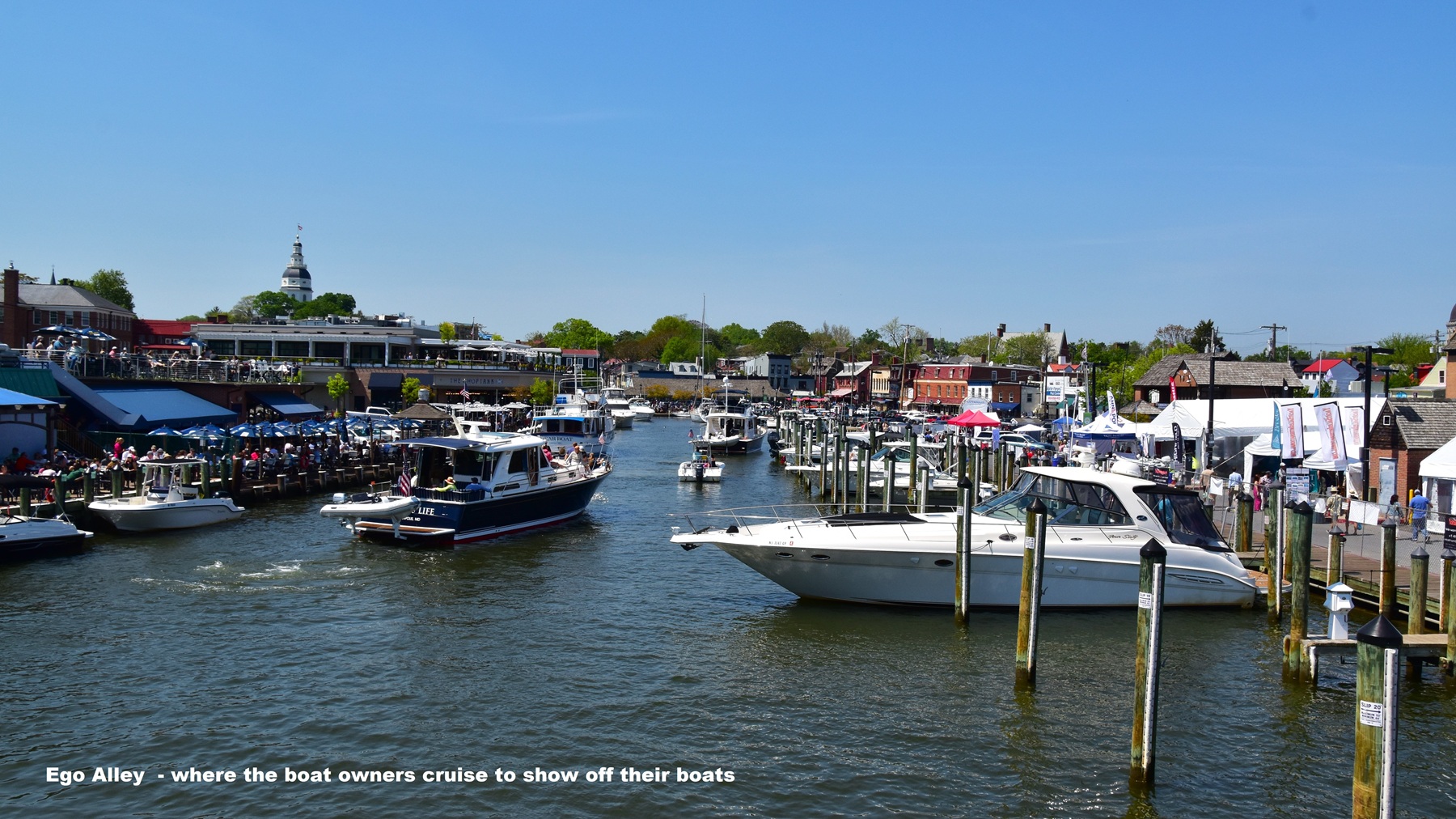
Chesapeake Bay is a bustling place on the weekends, it seems like everyone in Maryland owns a boat of some kind or hangs out at one of the outdoor bars lining the docks. We joined the boats on a tour of the bay and enjoyed the ride.


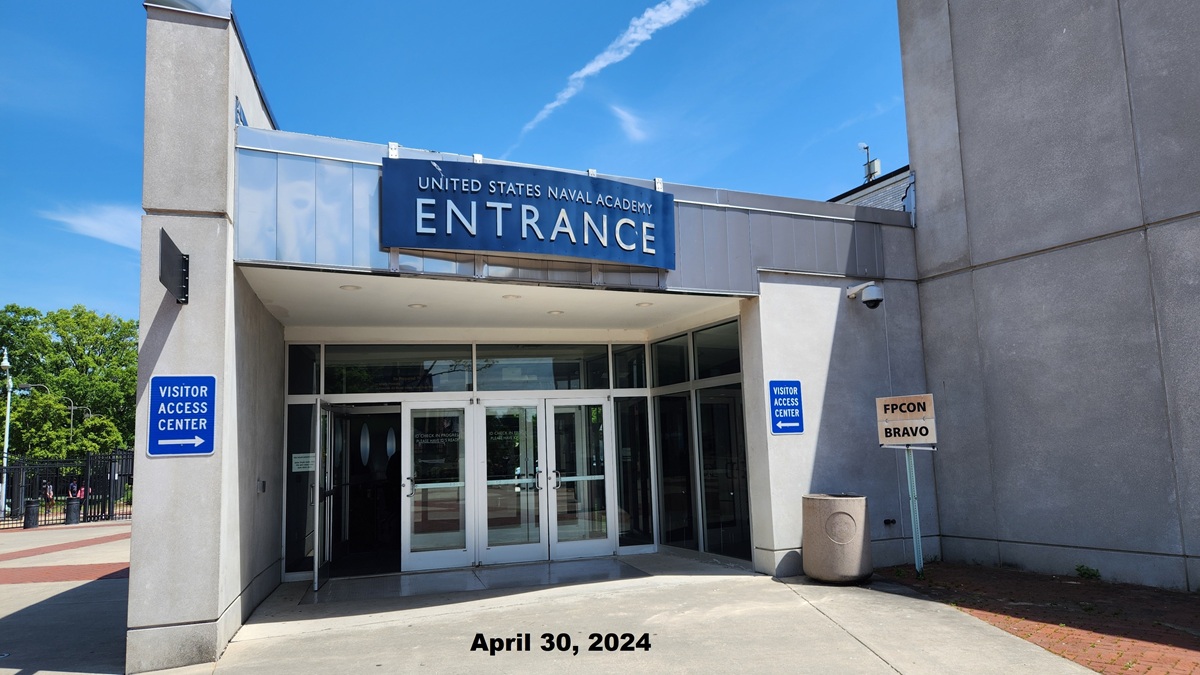
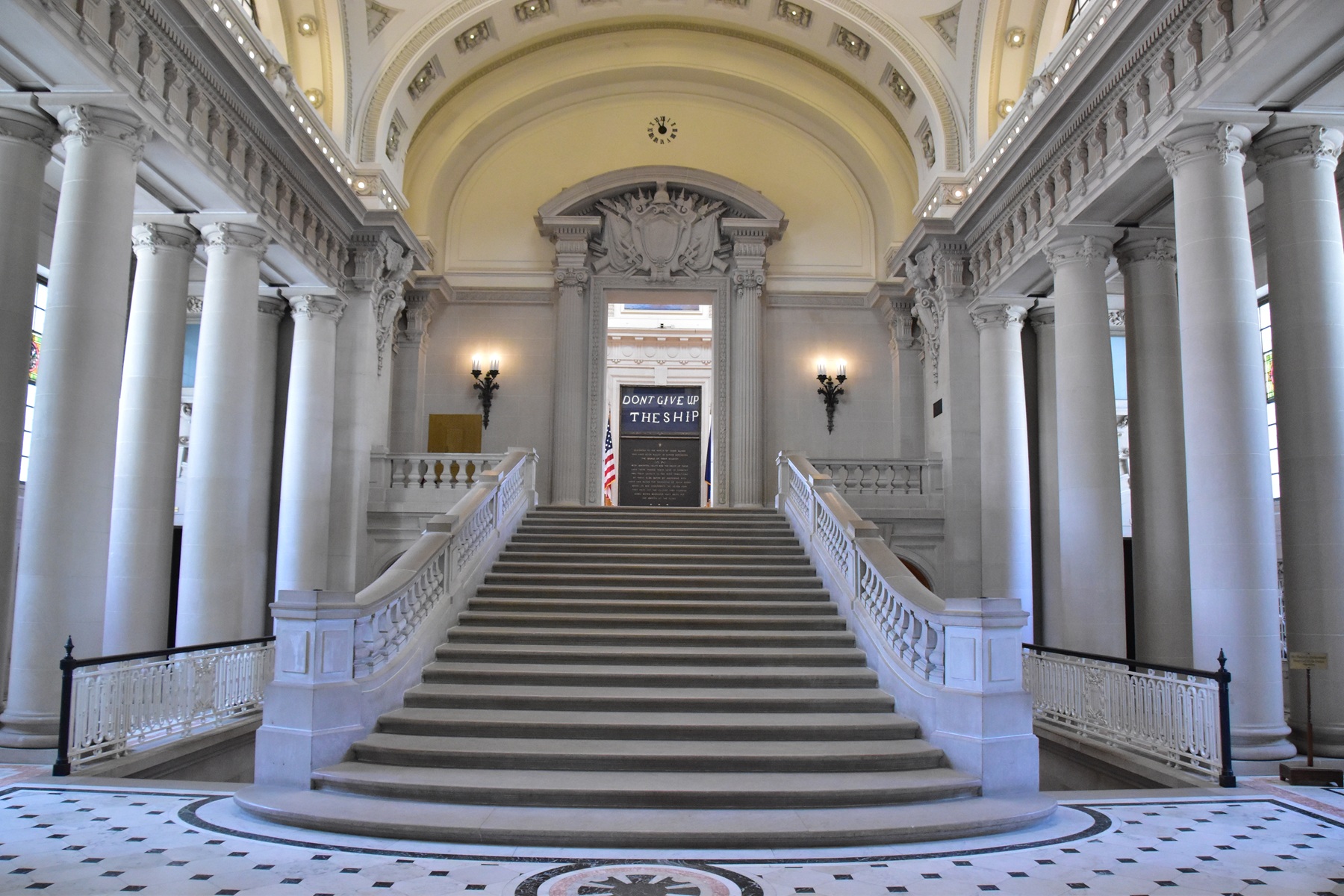
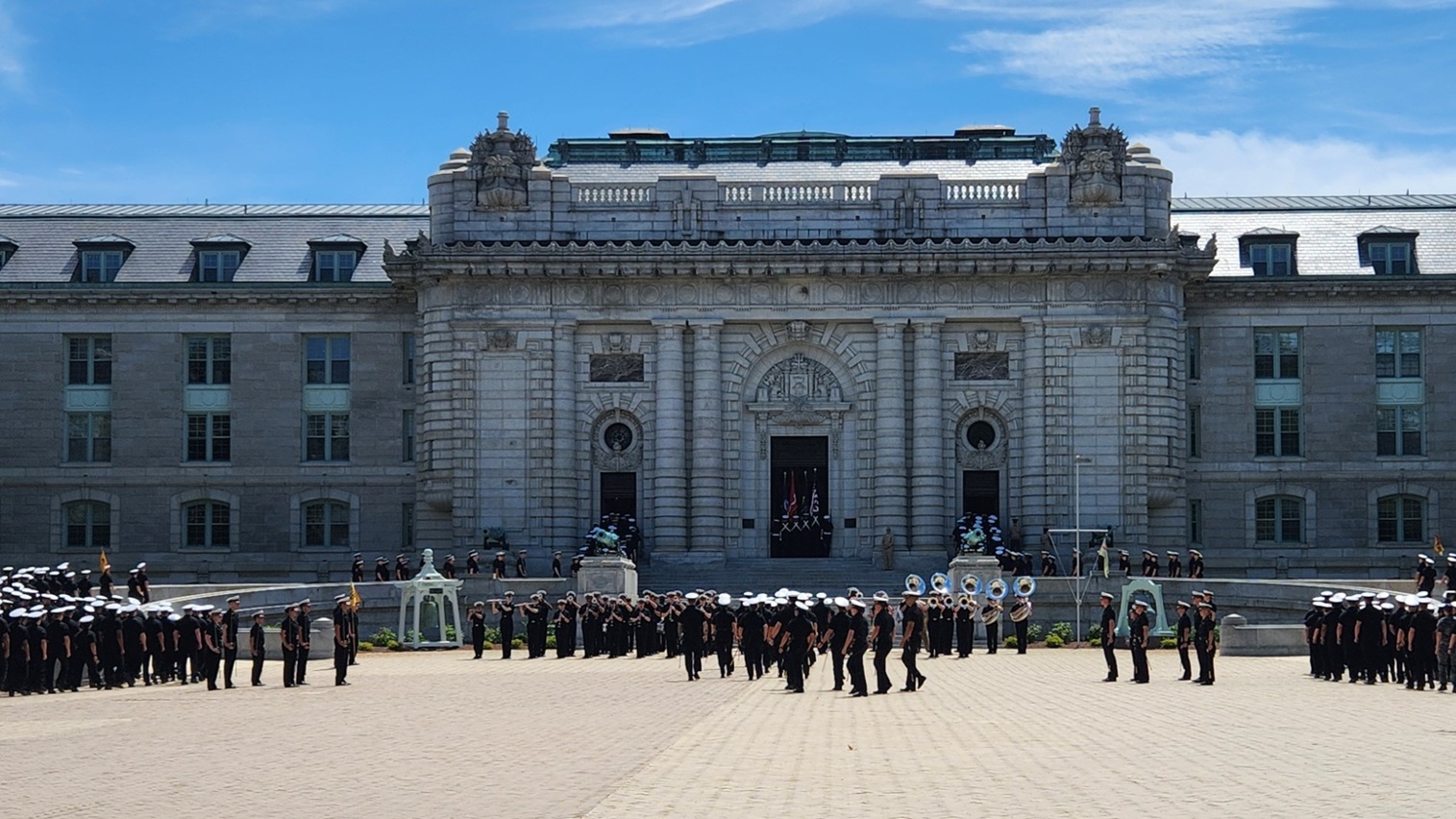
The Naval Academy was an eye-opening place to visit. The campus is beautiful and huge, located right on the bay, and full of history.

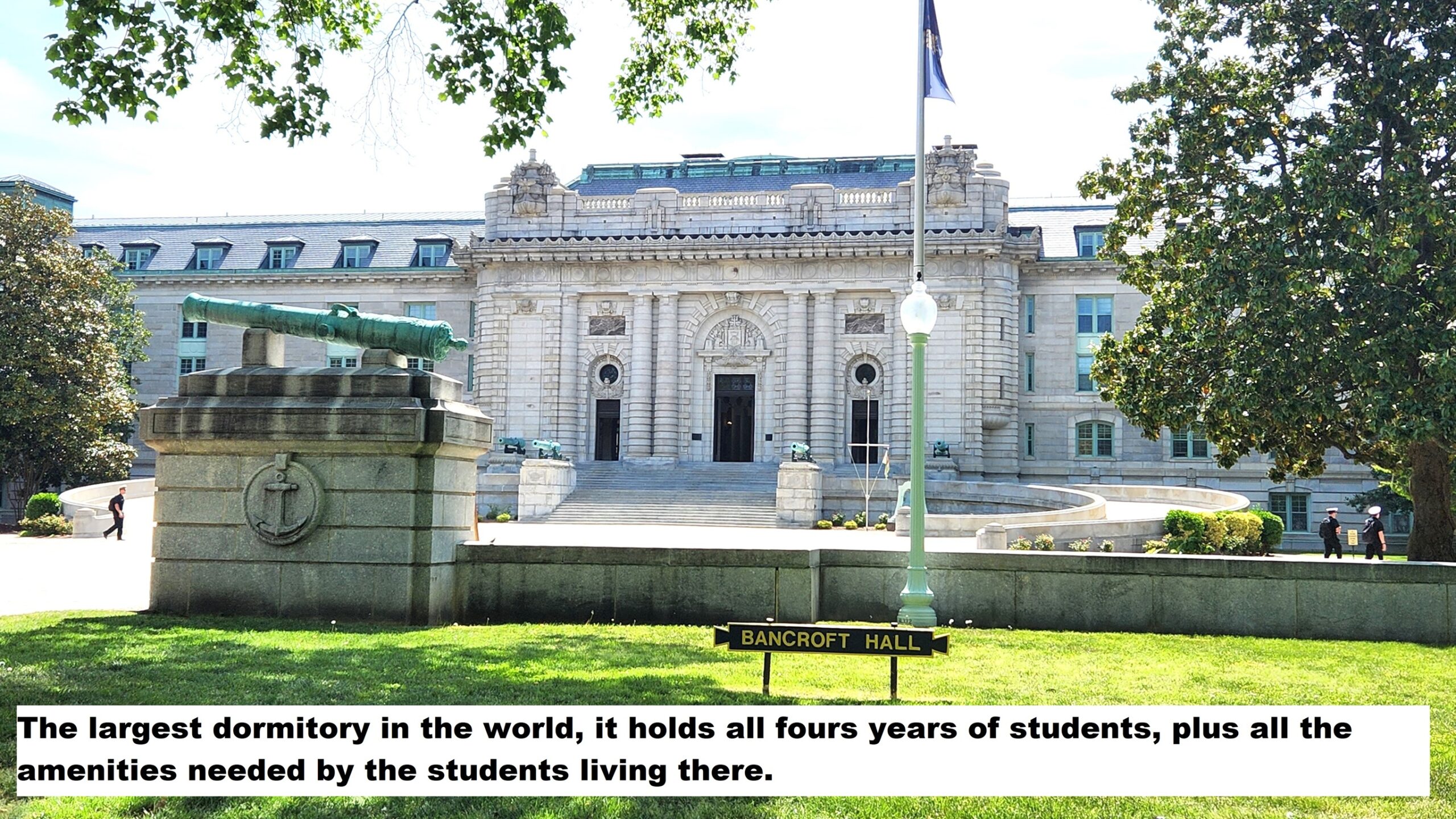
The dormitory is huge.

The requirements to even be considered for acceptance are daunting, but once a person is accepted, then the work begins. We were amazed at the workload that each person is expected to complete, and we know that the graduates will be outstanding young leaders.


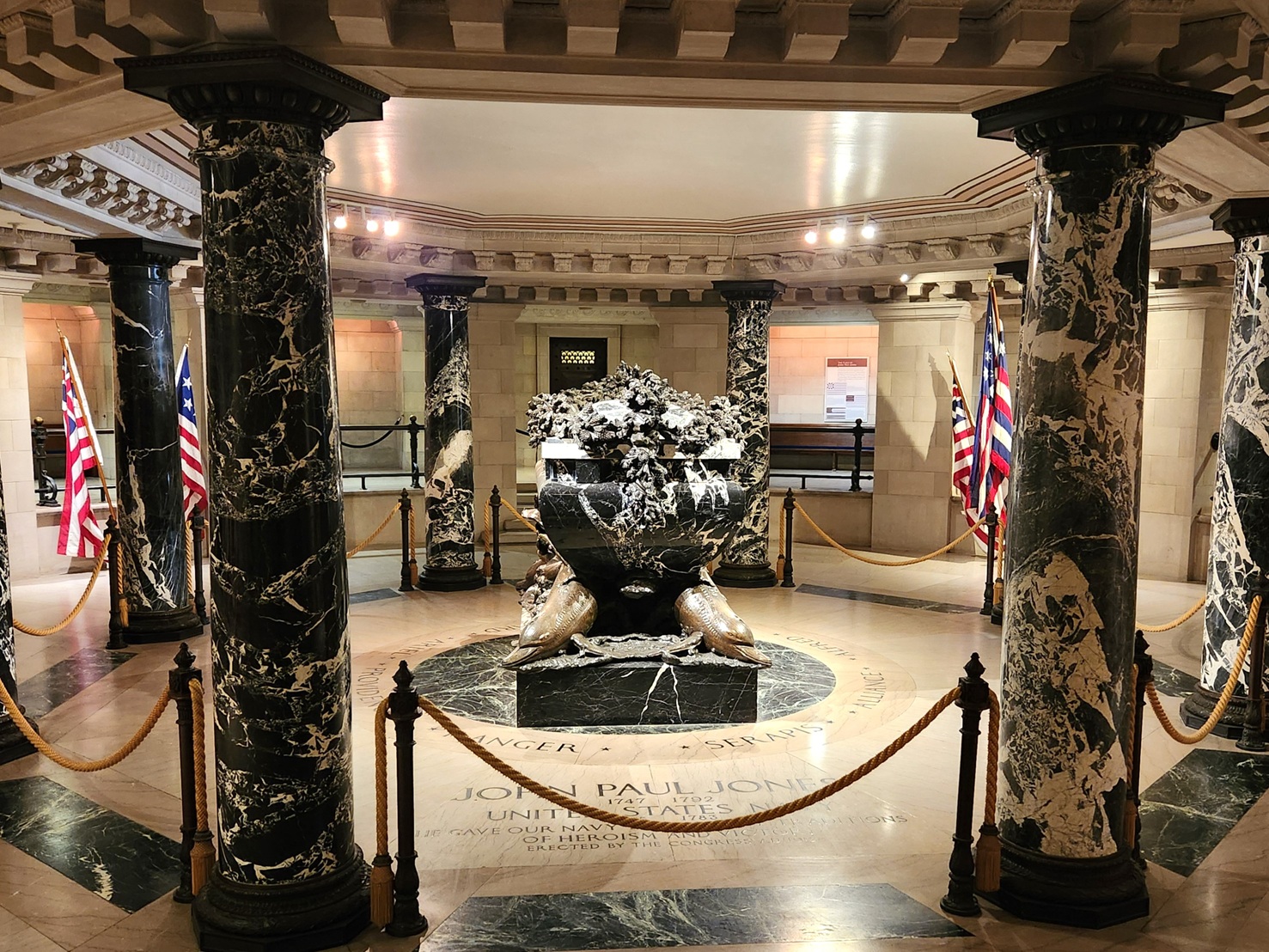
John Paul Jones, father of the modern Navy, is buried in a crypt under a chapel.


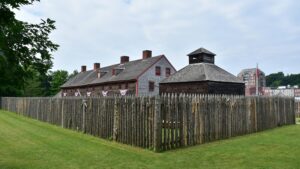
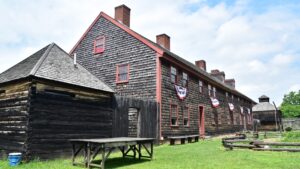
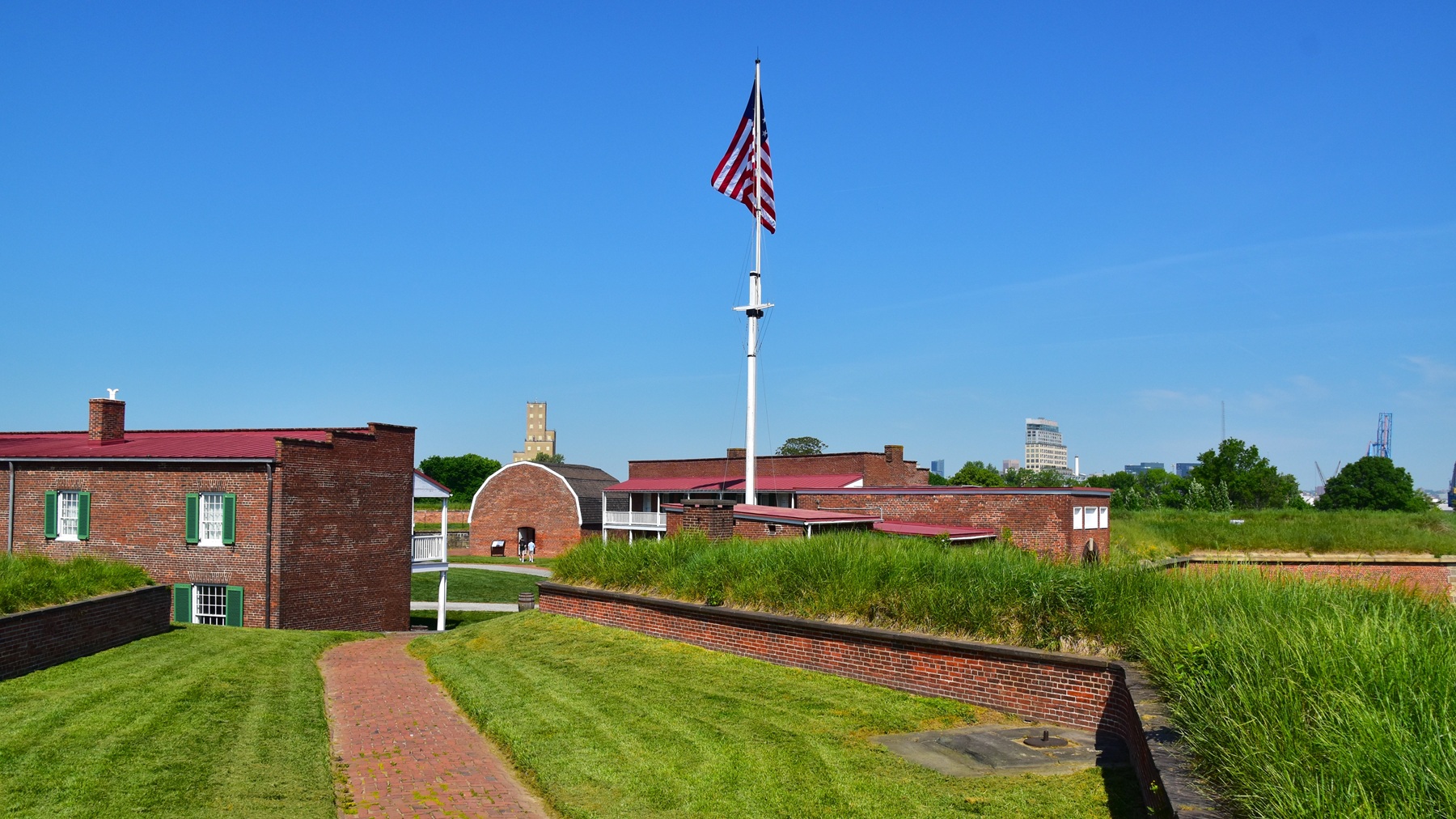
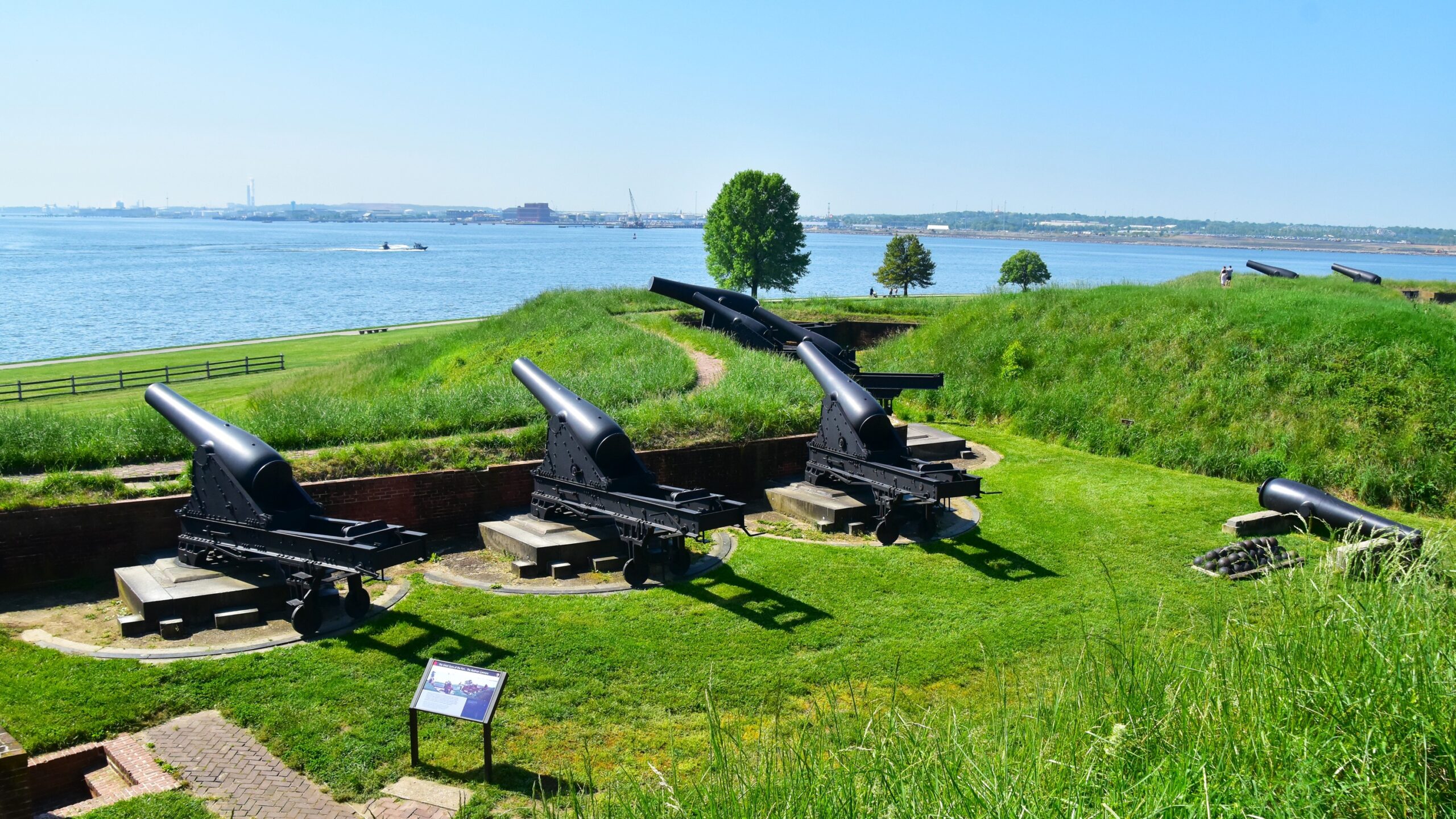
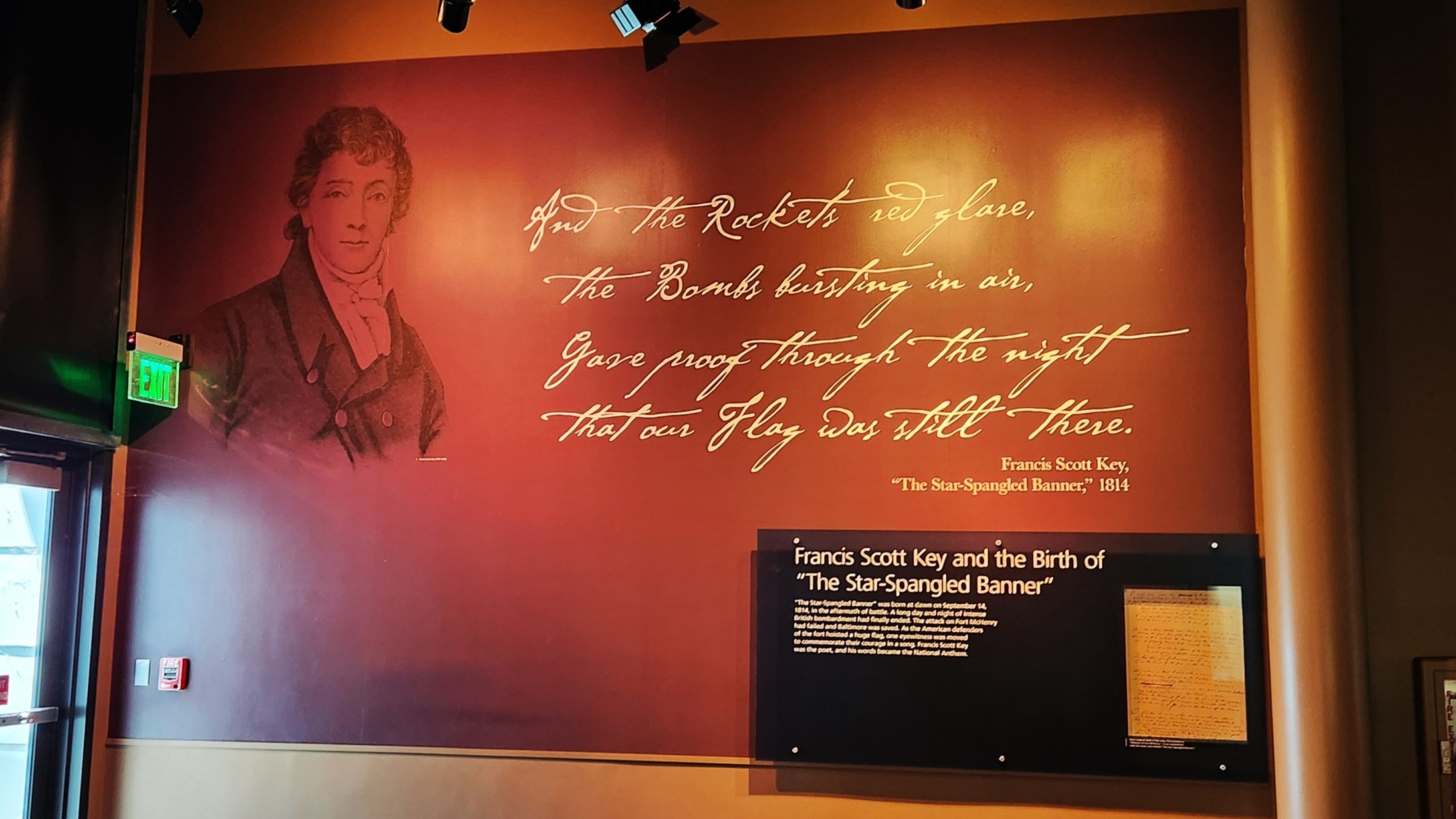
In Baltimore, we visited Fort McHenry (the birthplace of the Star-Spangled Banner).


From the fort, we could see the wreckage of the Francis Scott Key Bridge, which had been struck by a container ship not long before our visit.


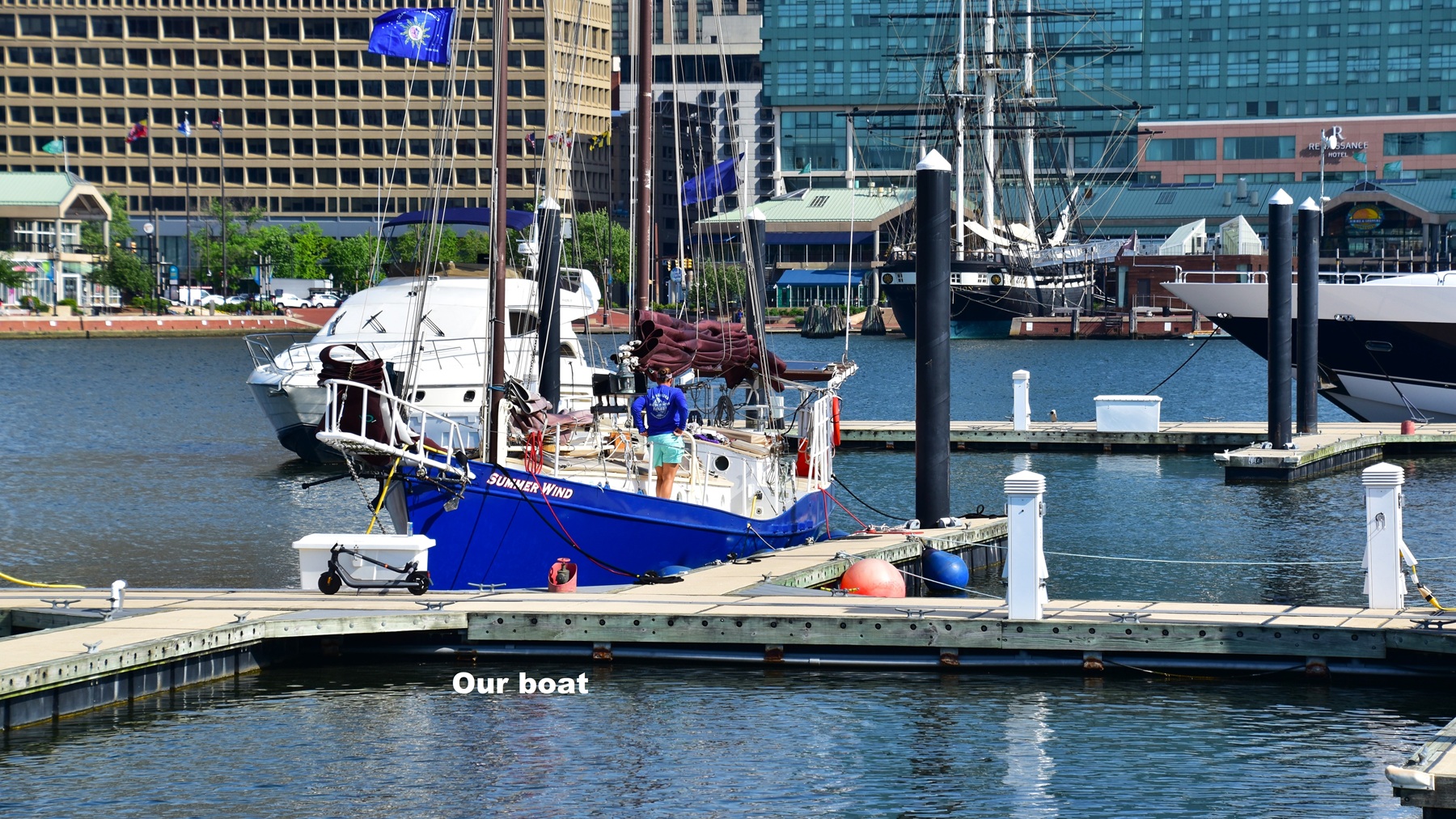
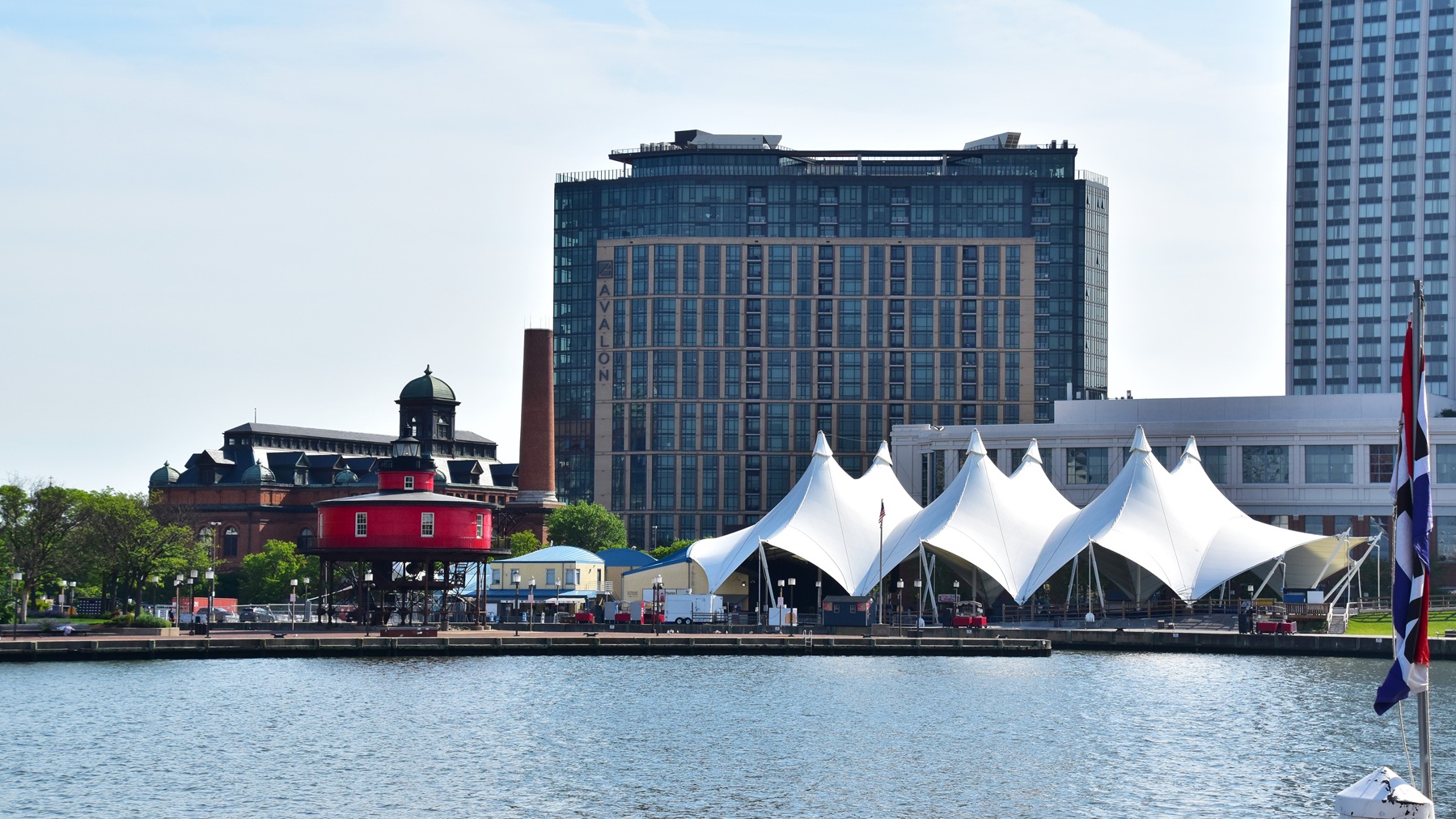
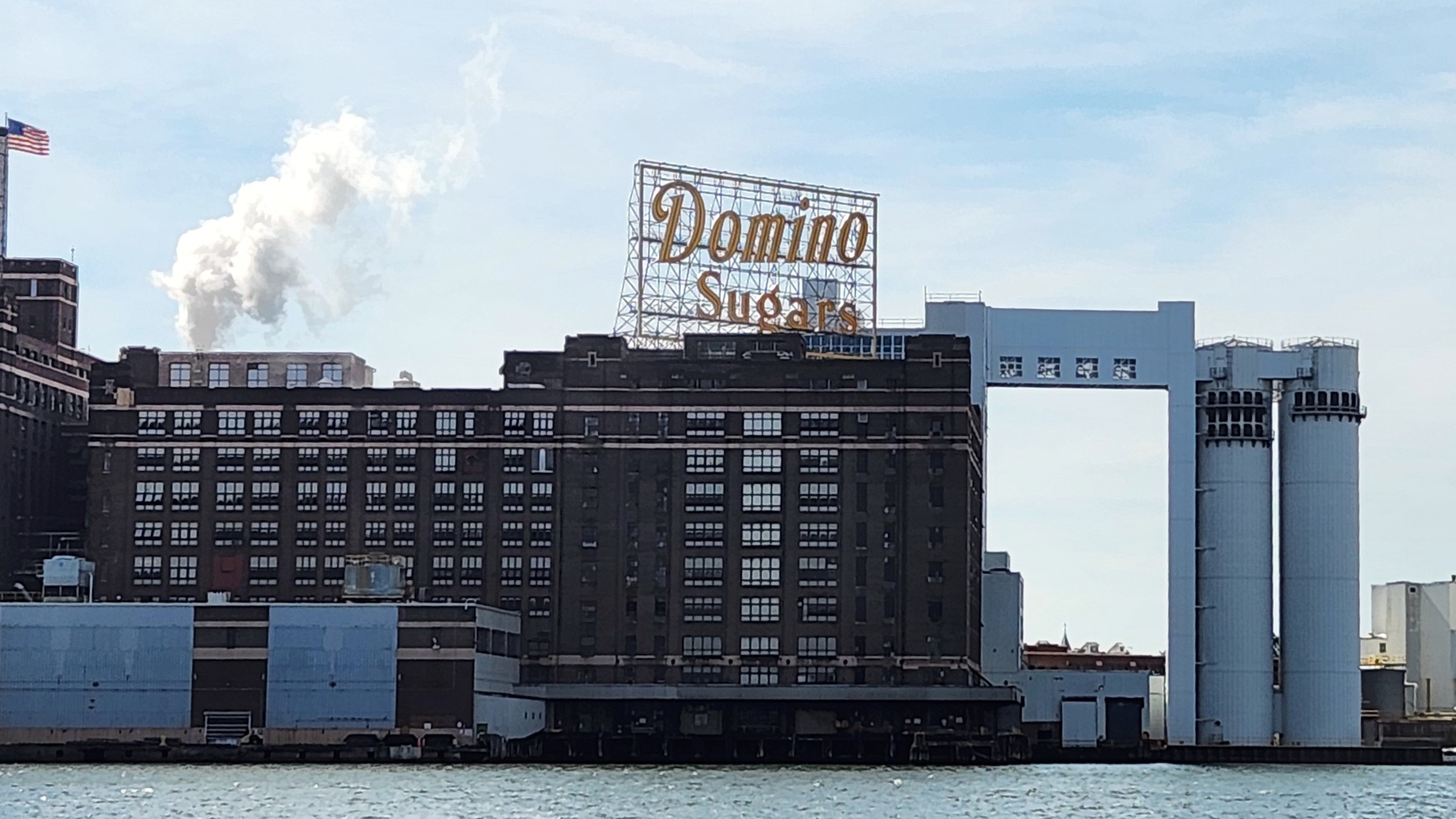
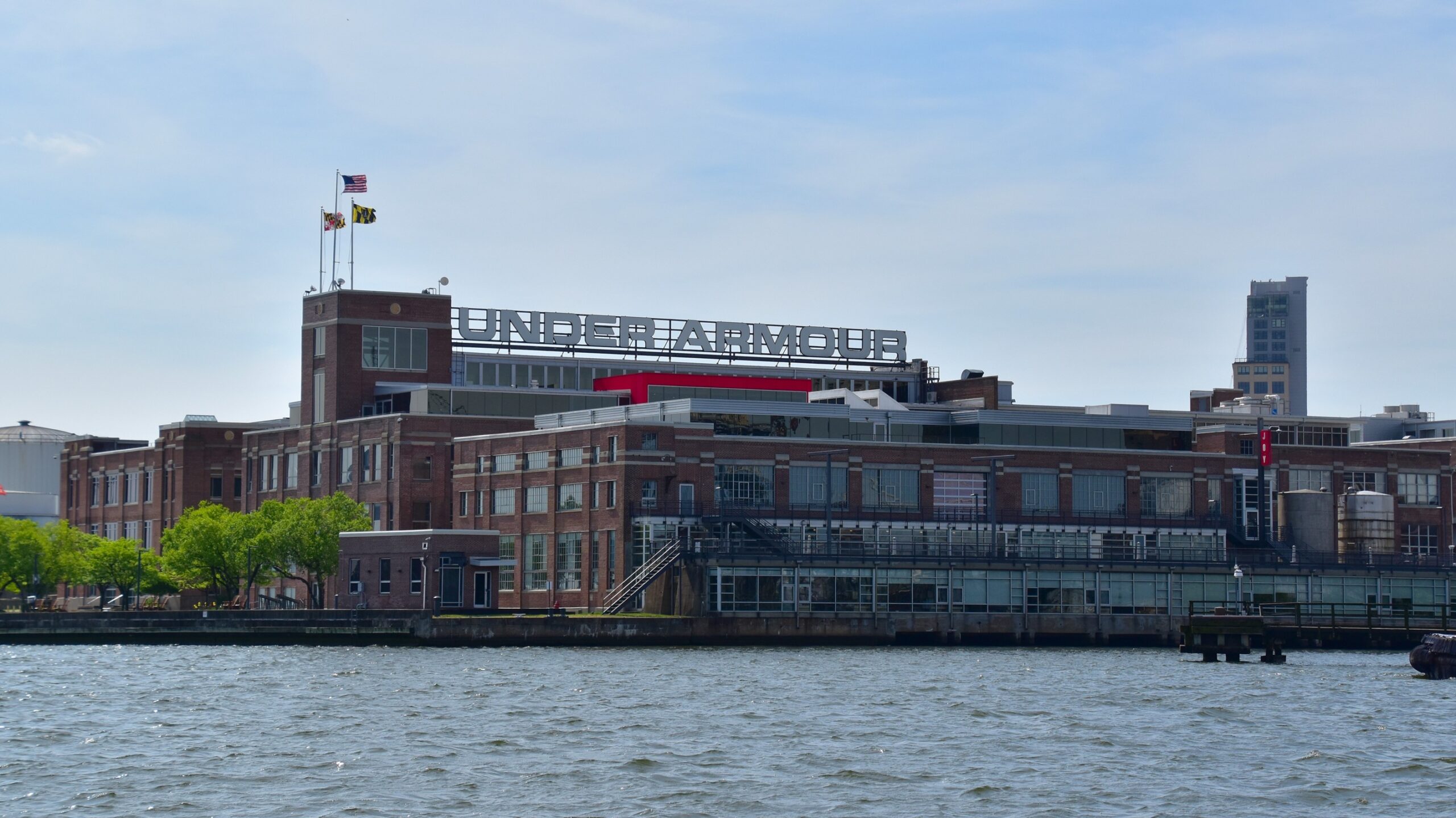
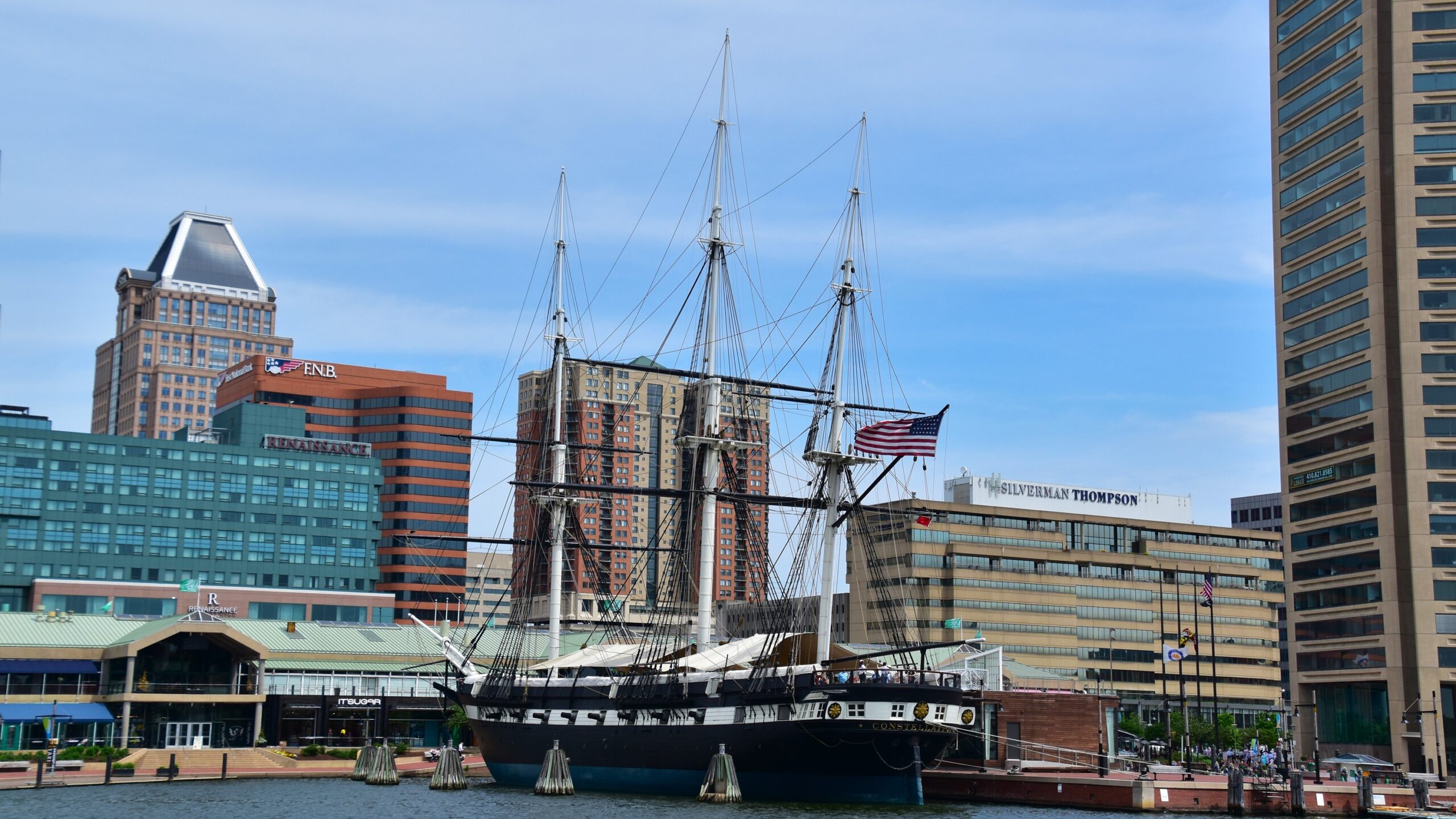
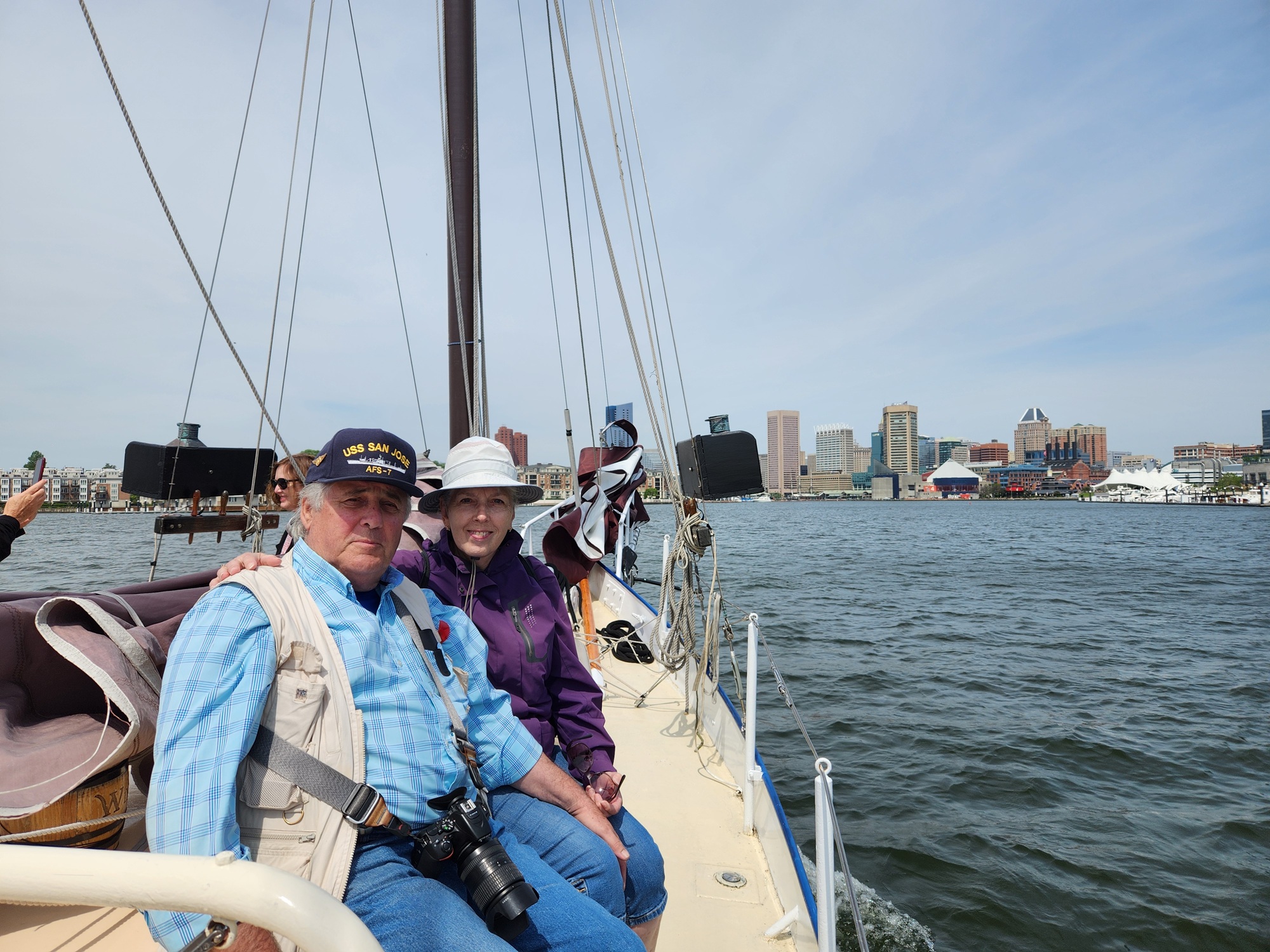
We had not been on a sailboat ride yet, so we took the opportunity to book one on Baltimore’s Inner Harbor, a busy area of recreation and commerce.


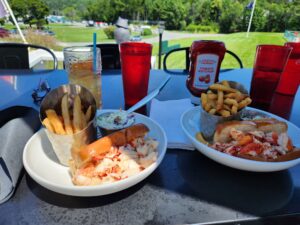
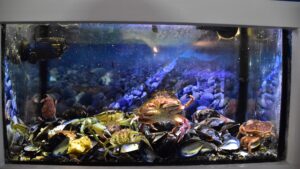
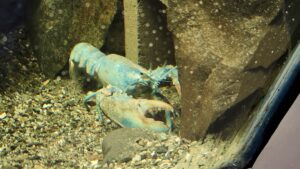
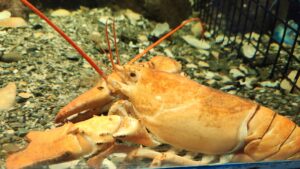
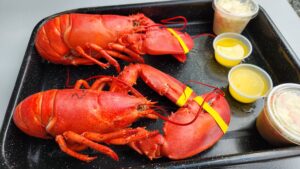
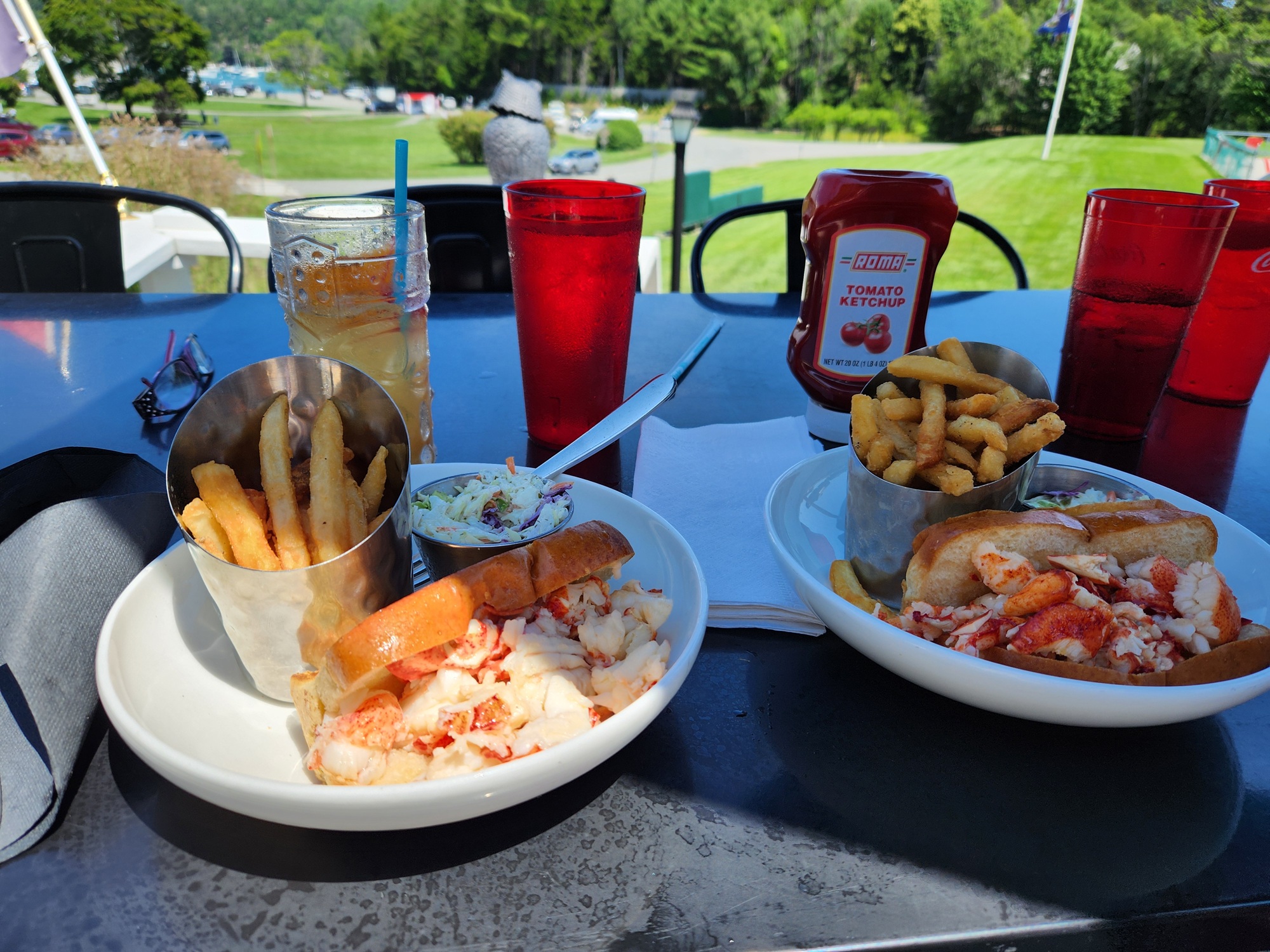
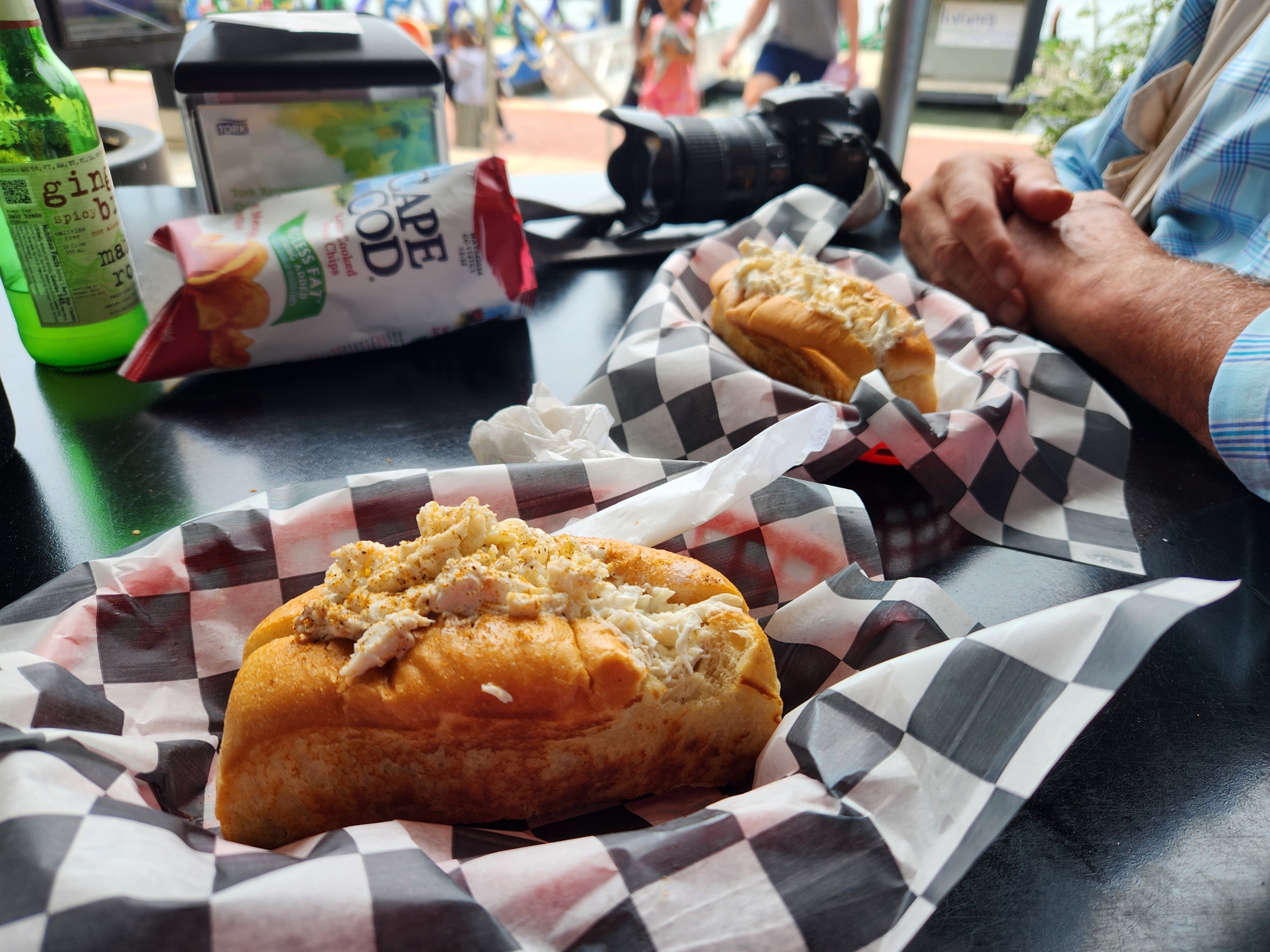
And who could visit the Inner Harbor without ending the day with a delicious lobster roll!


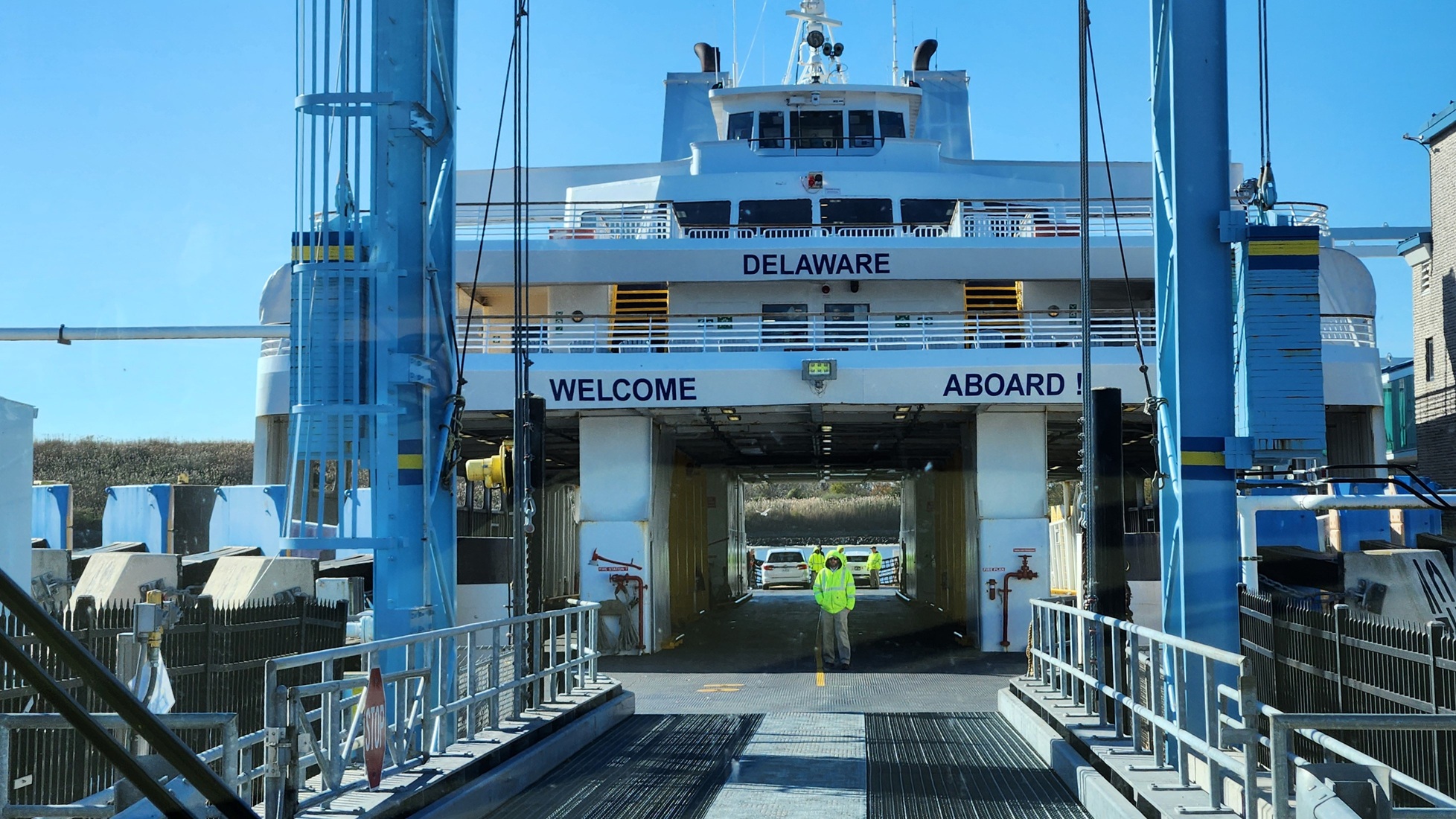
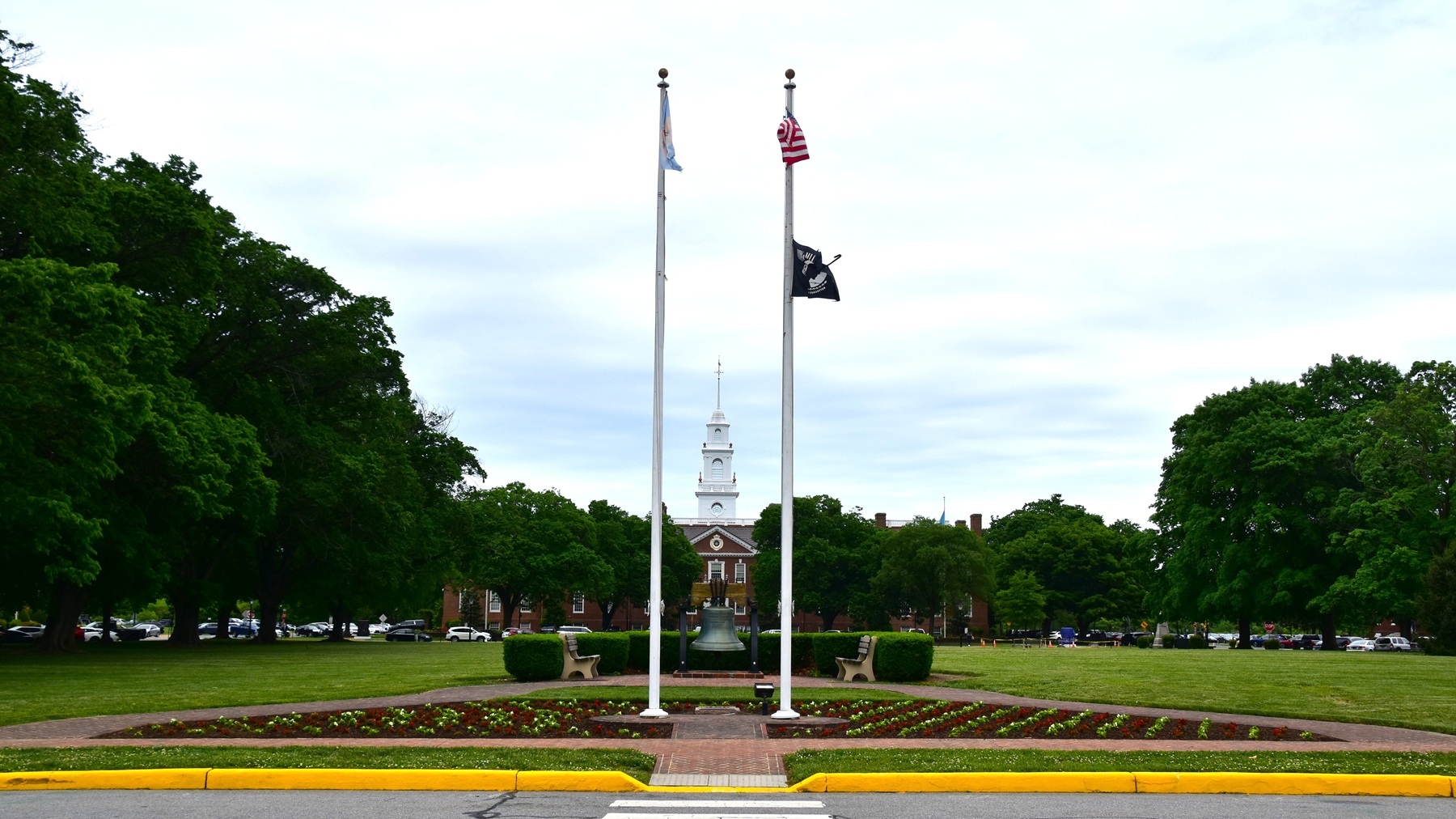
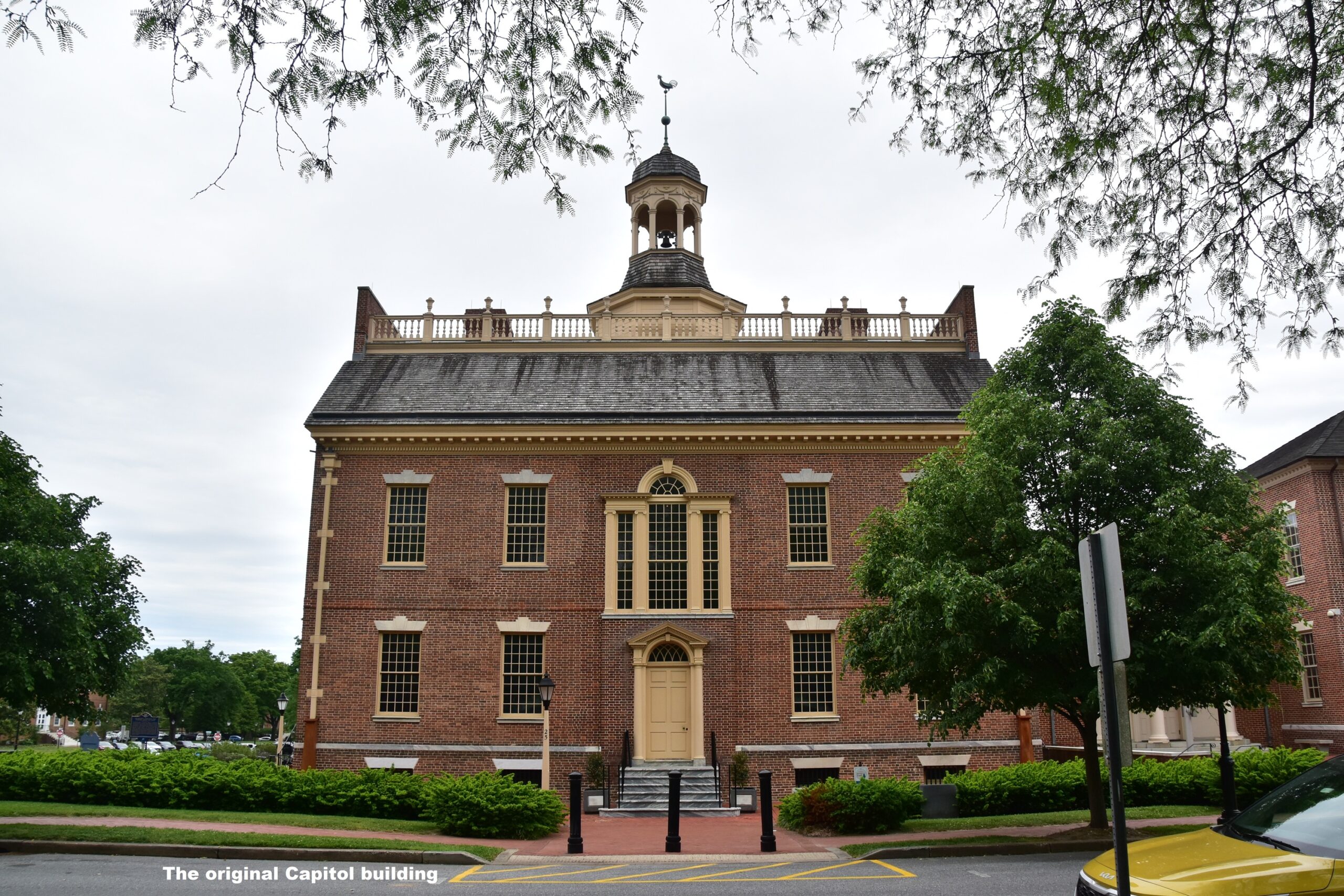
By May, we were in Delaware where we visited the Capital, Dover. Delaware was the first state to sign the Constitution, and they are quite proud of this honor and name things like “First State Heritage Park”. The Legislative Hall is where the legislature meets and it is small and has the most informal security of any of the state houses that we have visited.


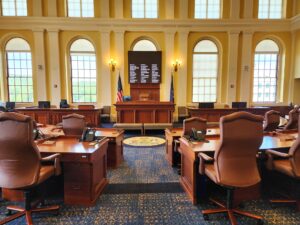
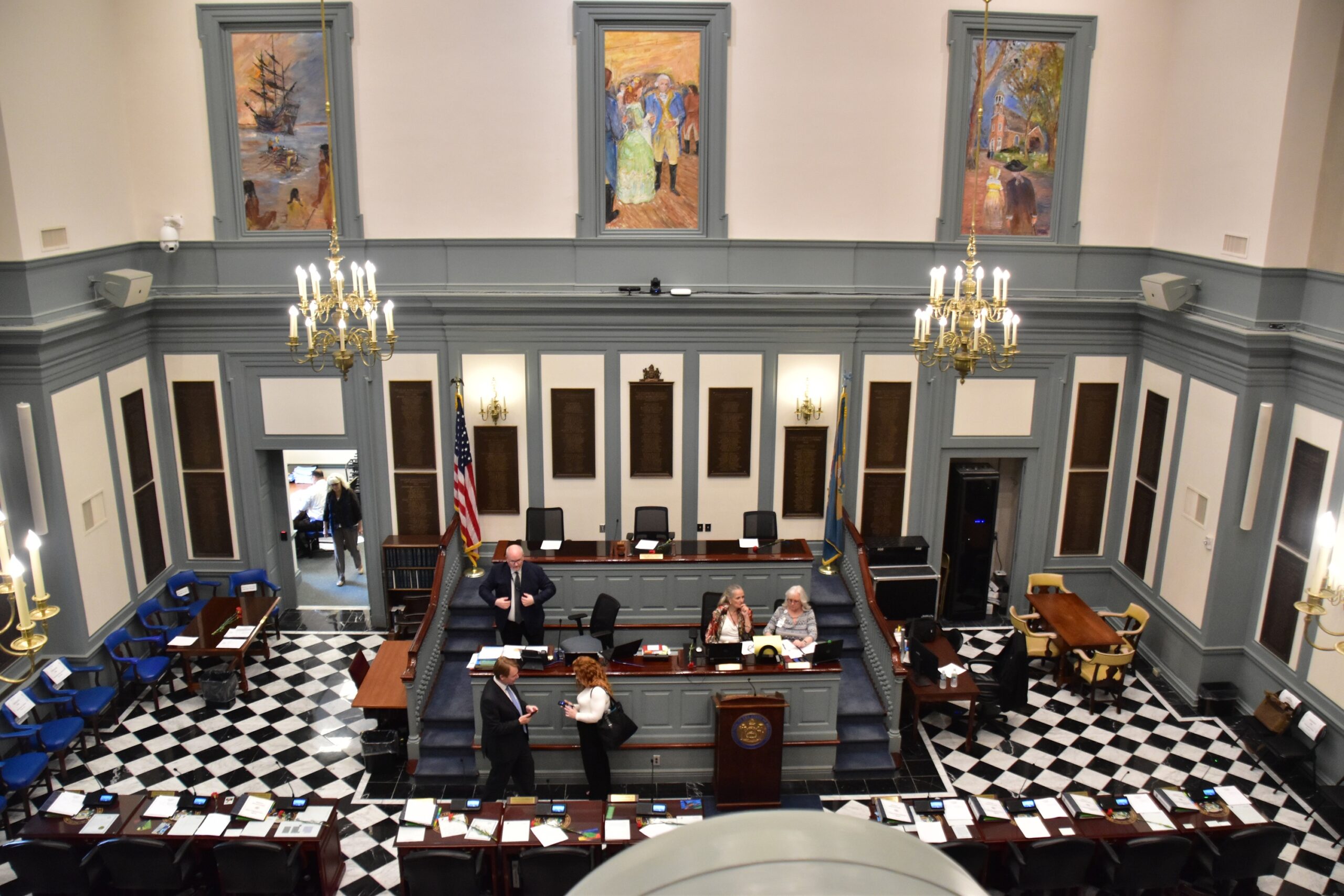
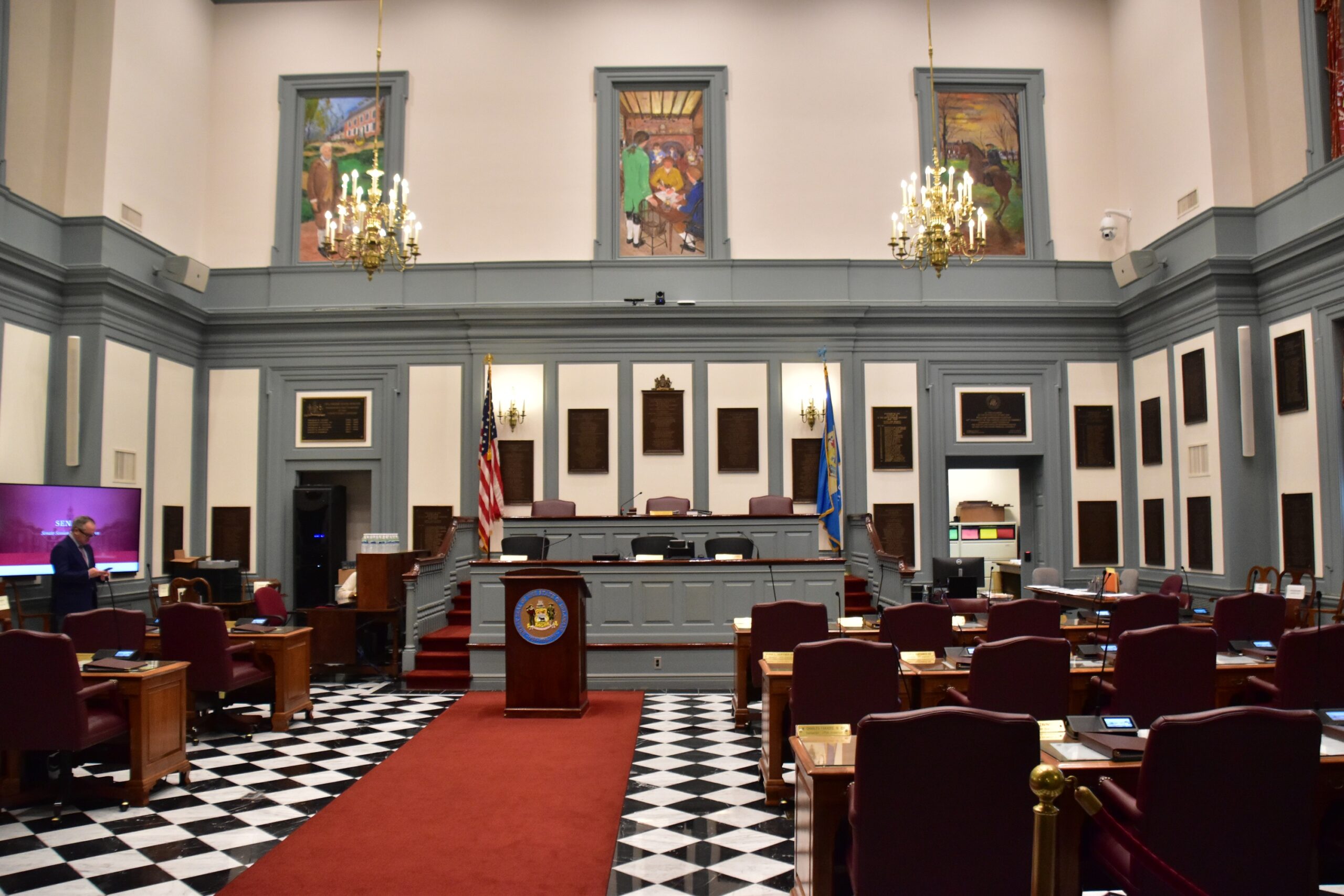
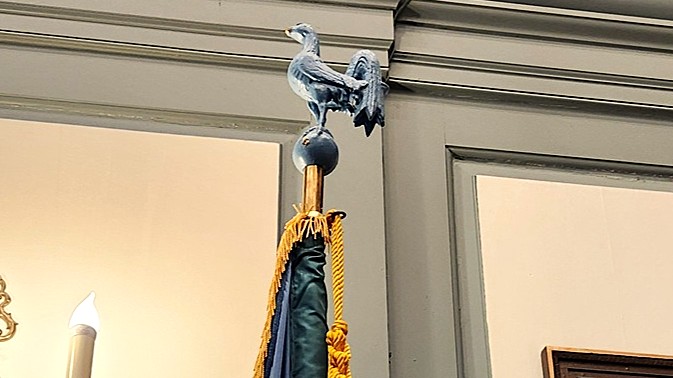
We took a docent tour and were able to walk up to the dais of both houses because everyone was on lunch break. The State Bird is the chicken, and blue chickens adorn the top of many of their flagpoles. During the Revolutionary War, cock fighting was a betting game and the Delaware cocks, offspring of a blue hen, often won, earning money for the troops.


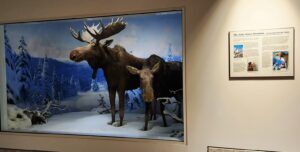
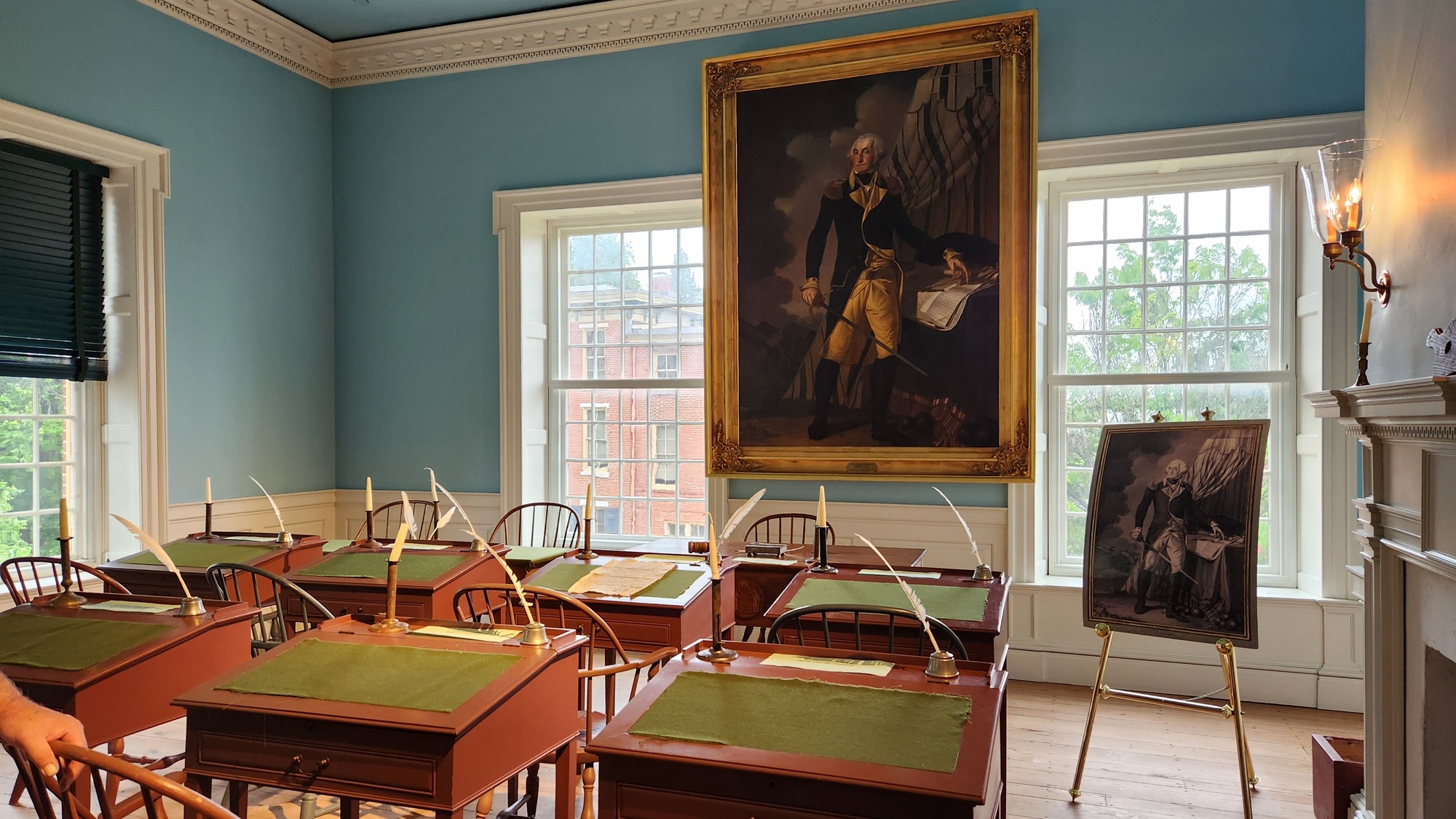
The original State House is a museum open for tours, and it is dominated by a life-sized portrait of George Washington.


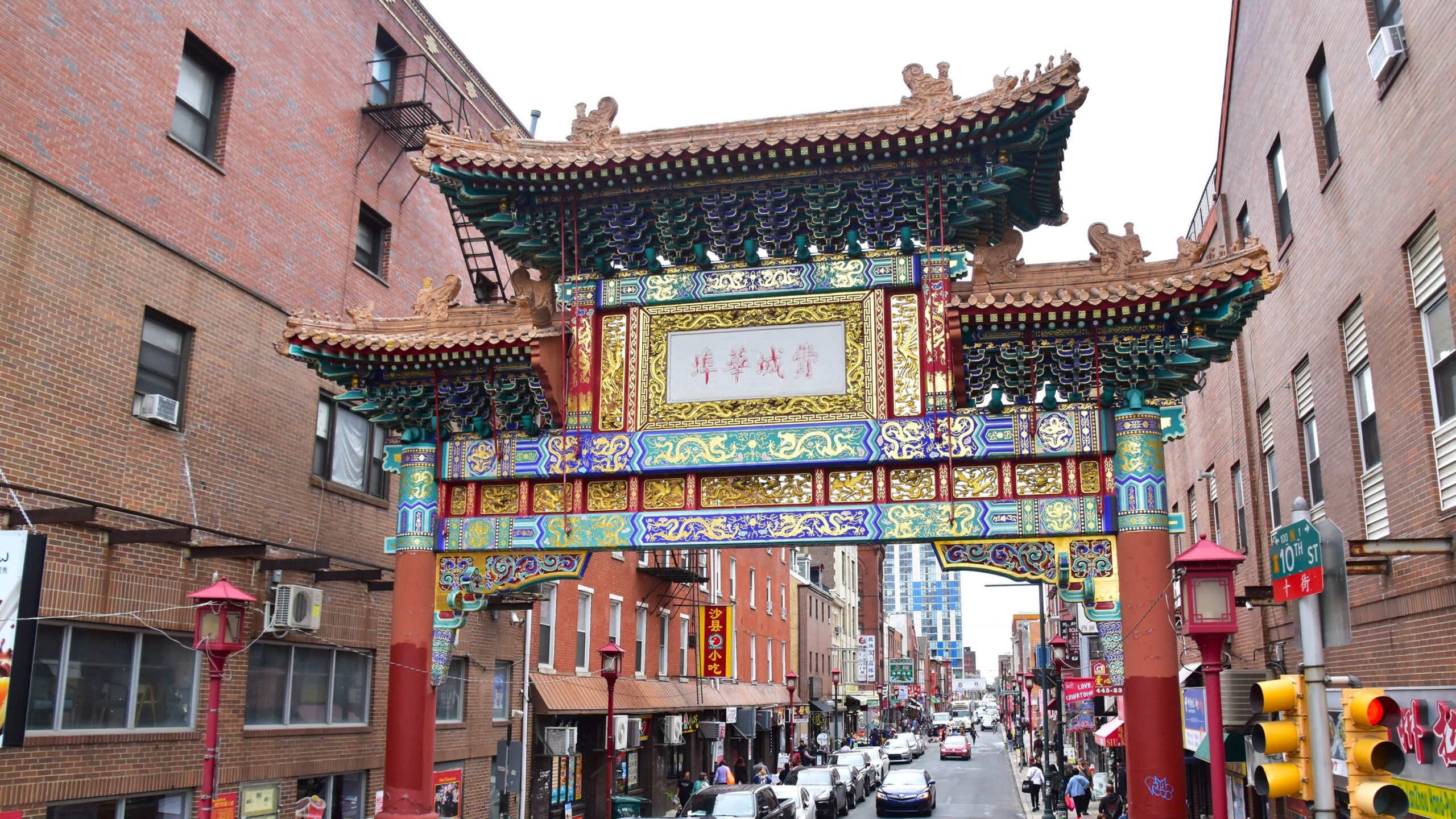
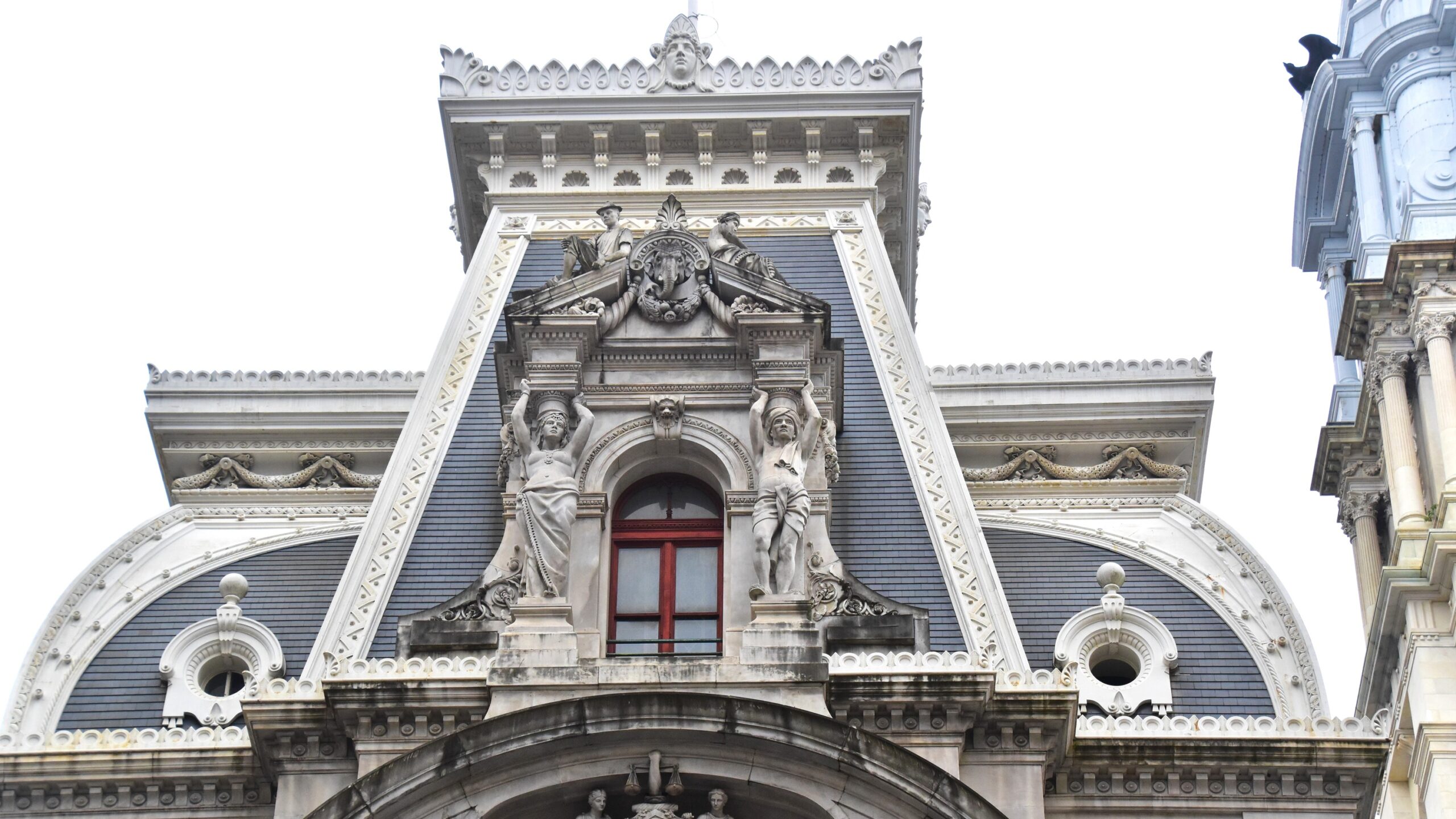
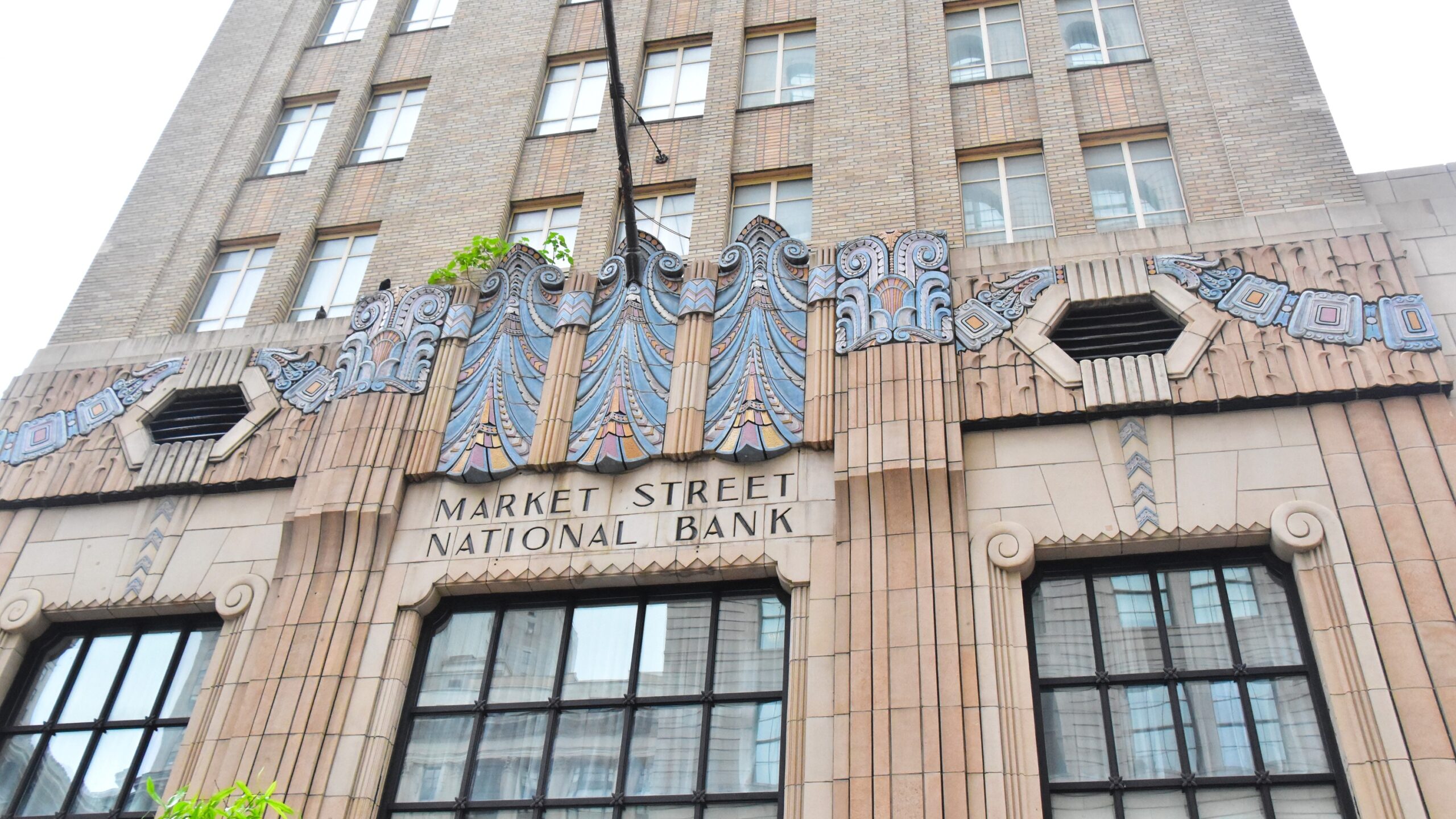
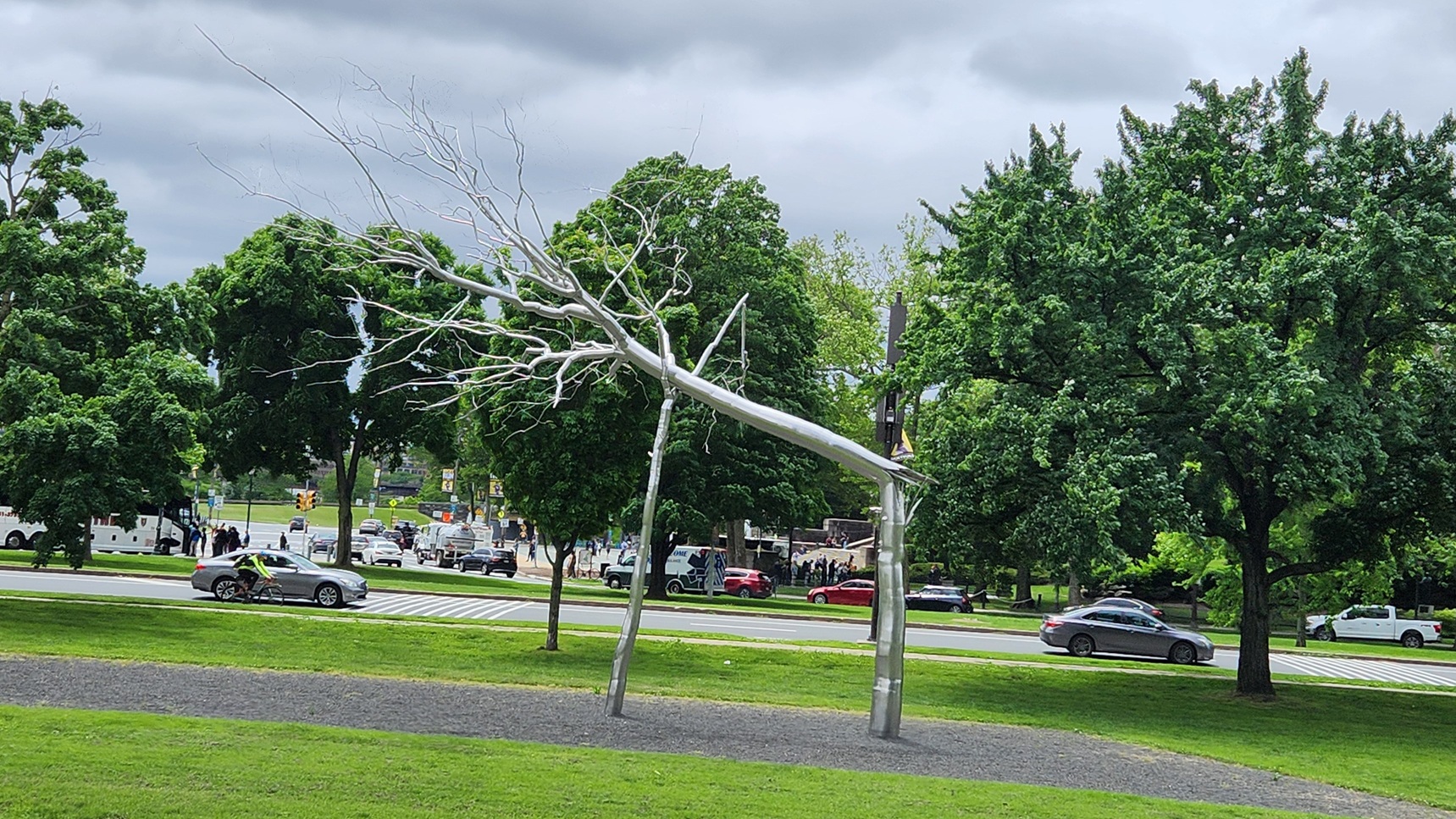
Philadelphia was next and, oh my, the history!

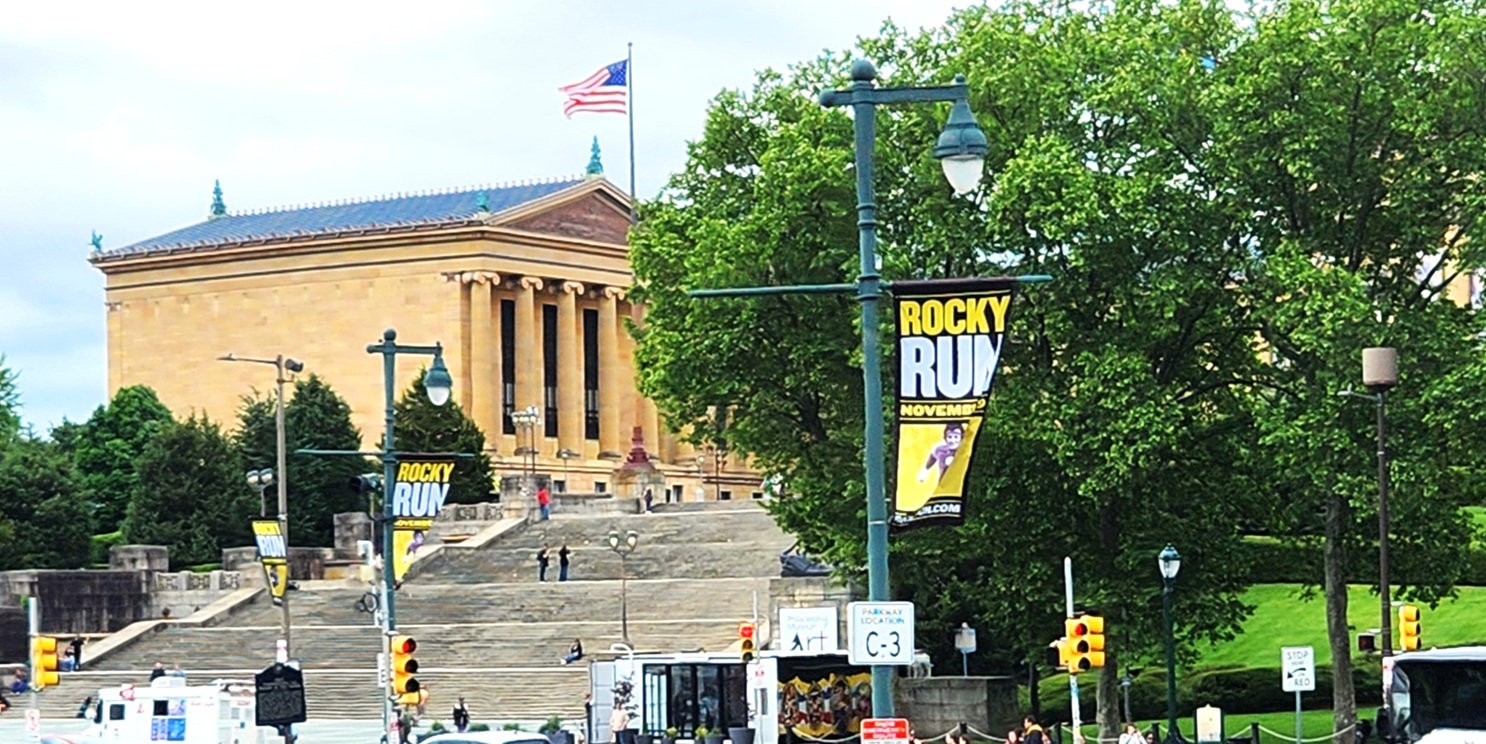
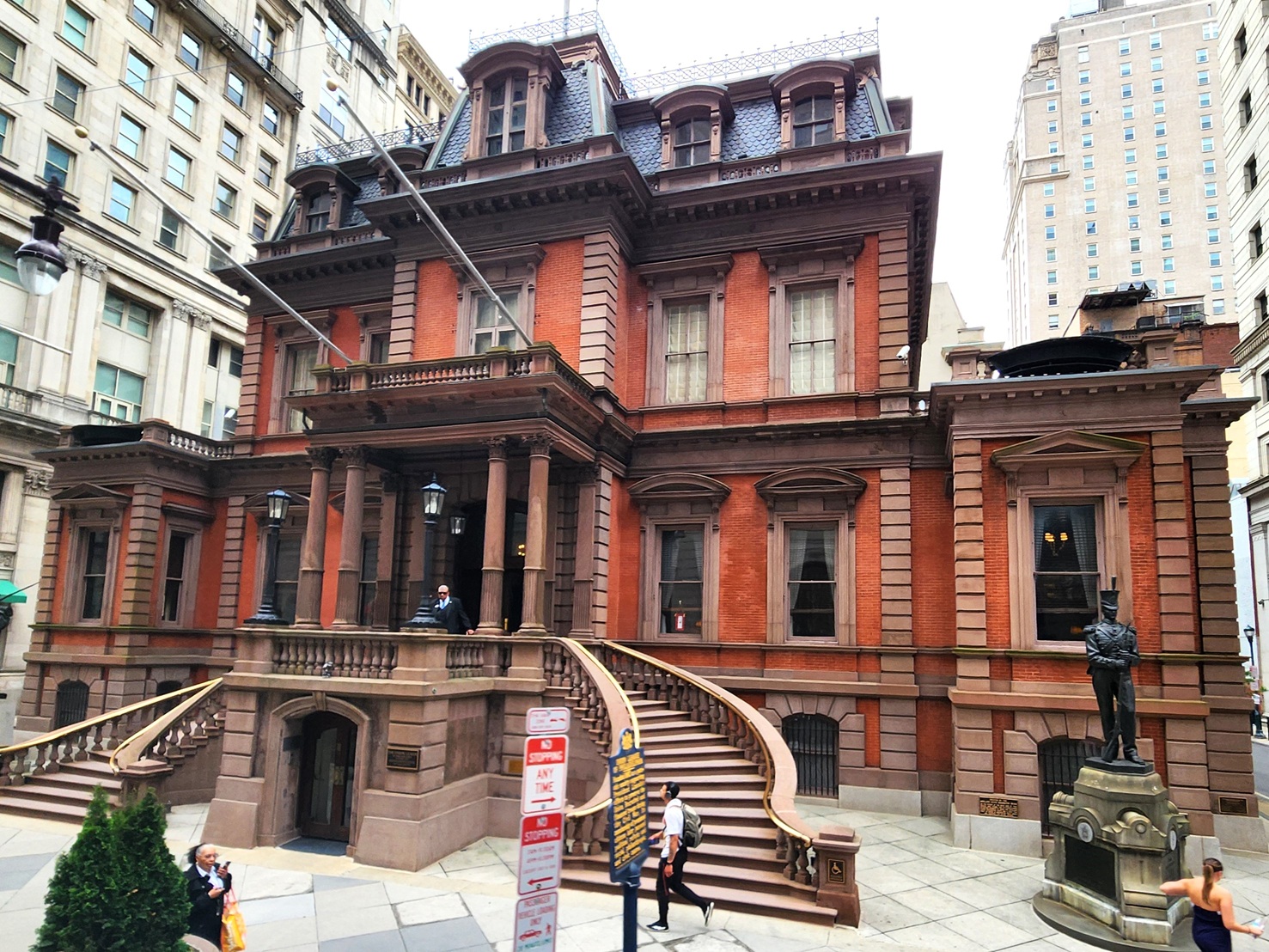
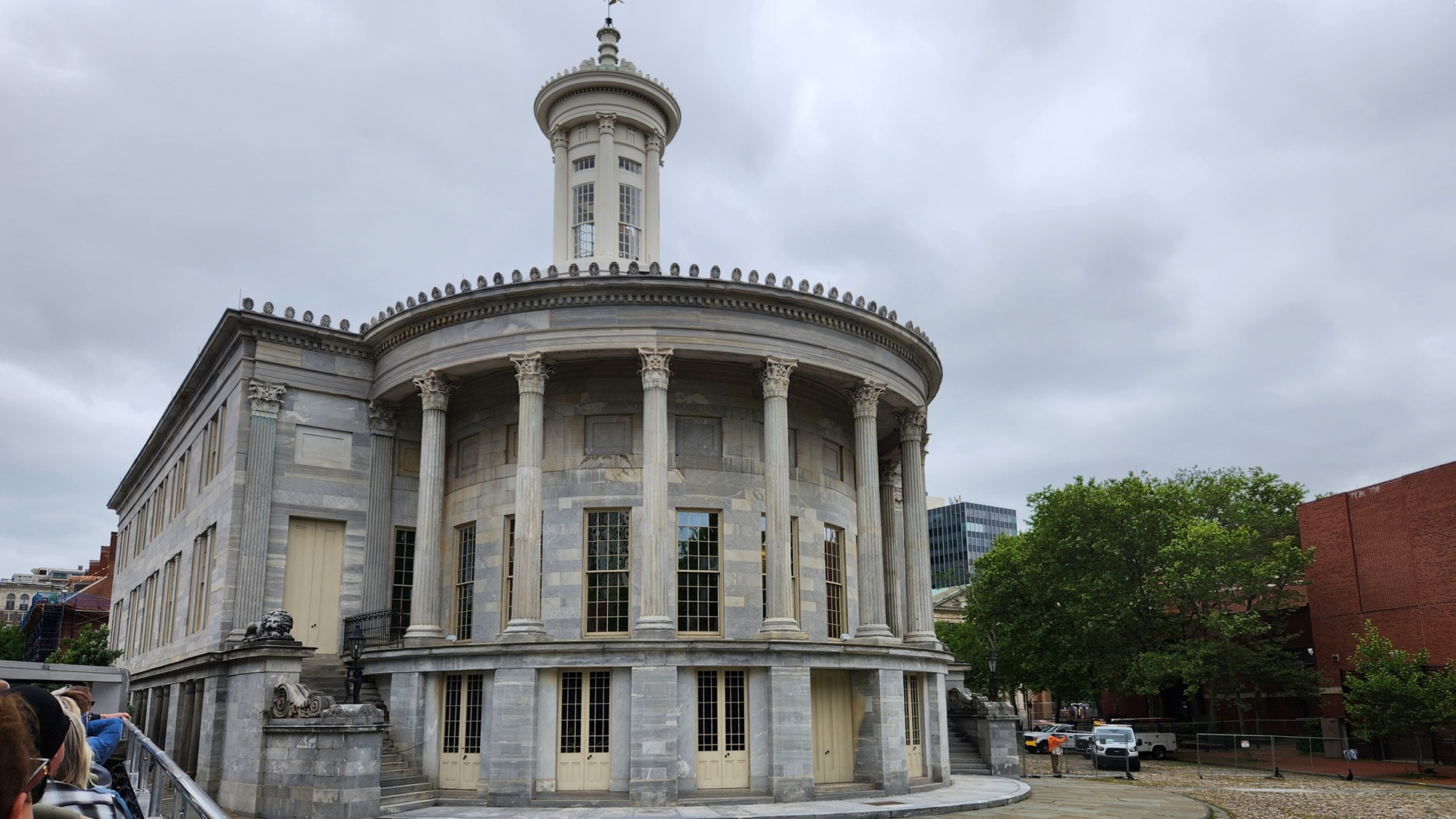
The first thing we do in a new city is to take a Hop On/Hop Off Bus tour, if one is available. This gives us a good overview of the area and usually points out the places that we want to visit, and it is a good way to get some photos that are hard to get while walking.


Some of the highlights from our time in Philly:


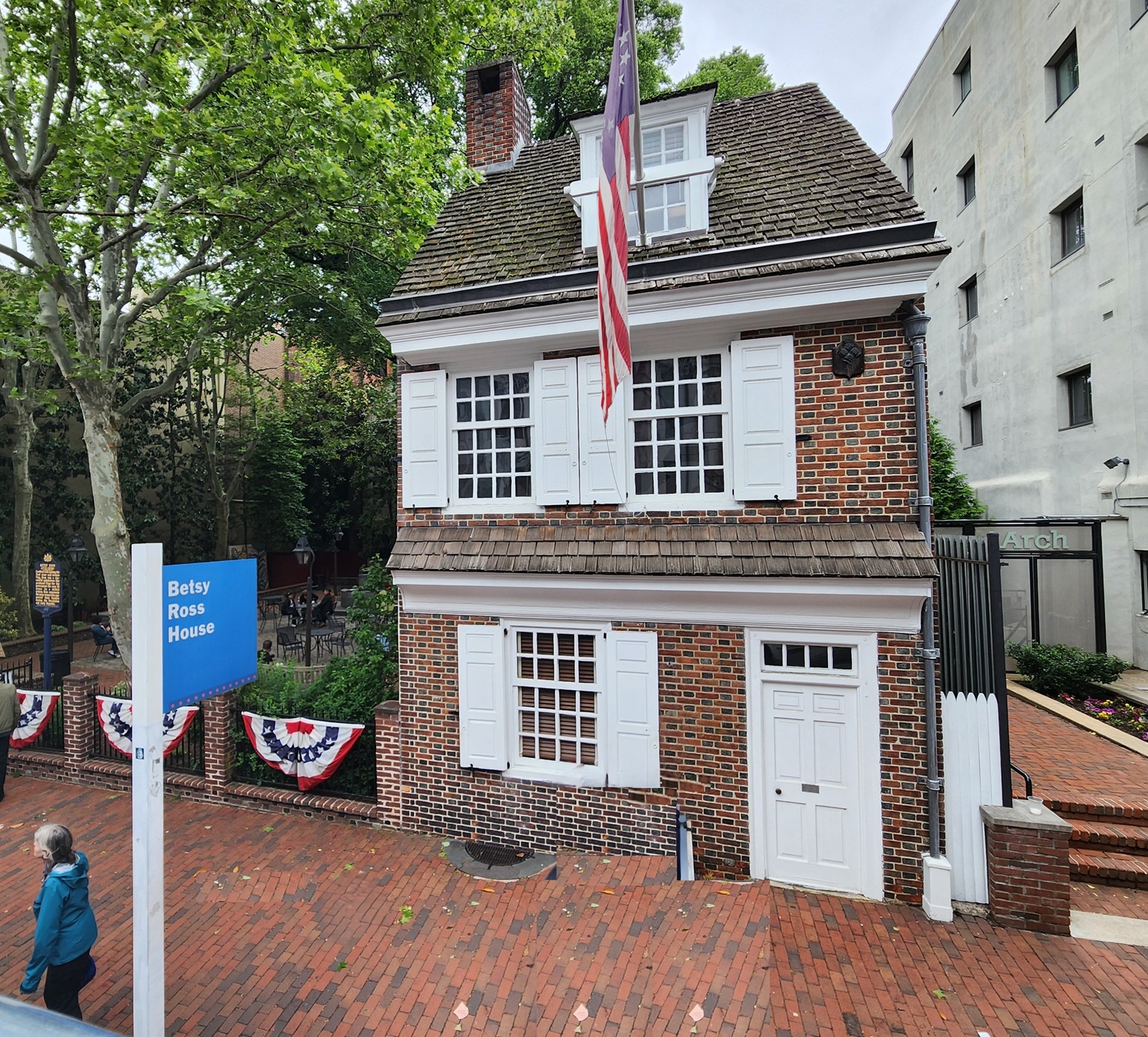
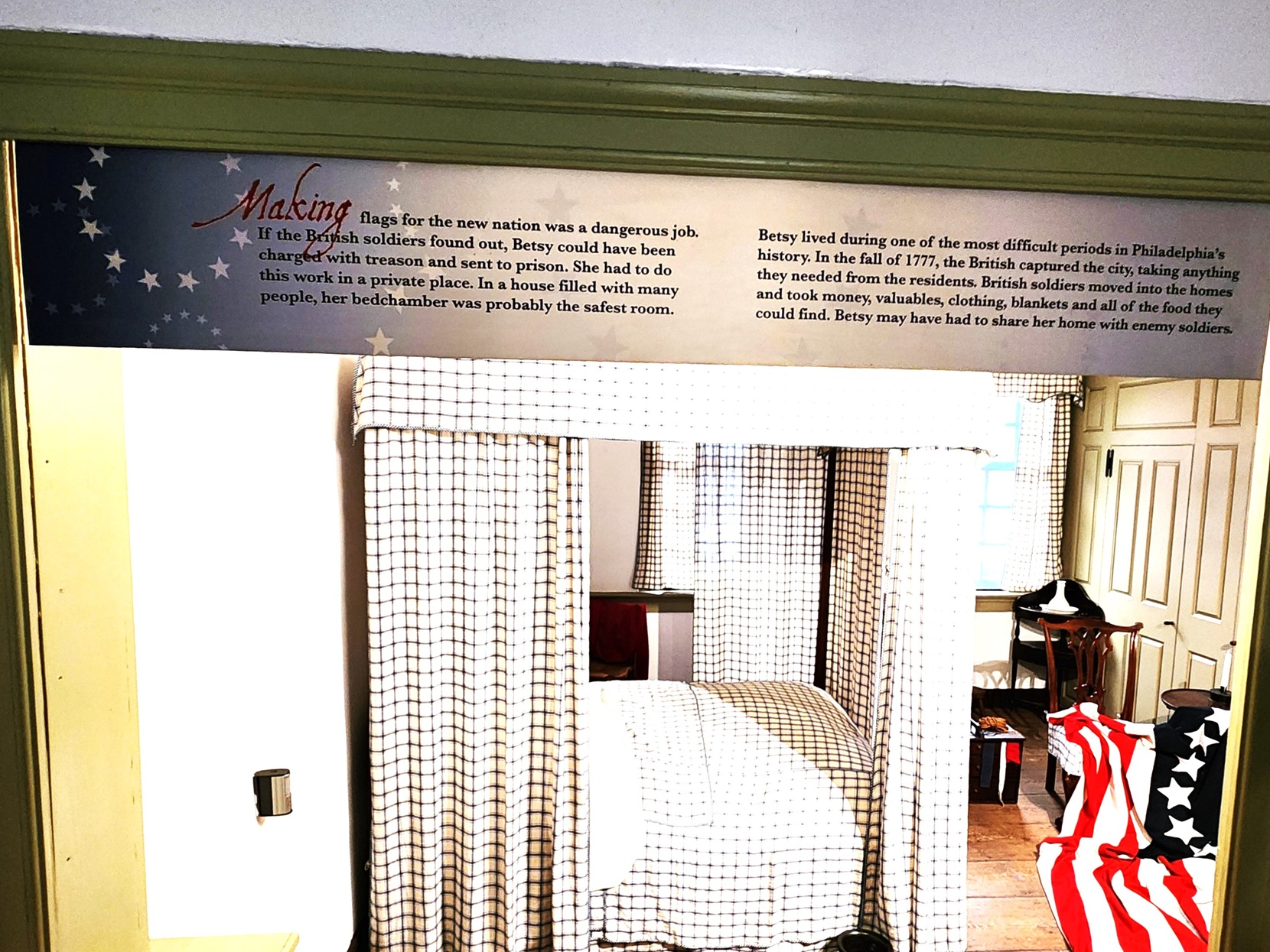
Betsy Ross House:


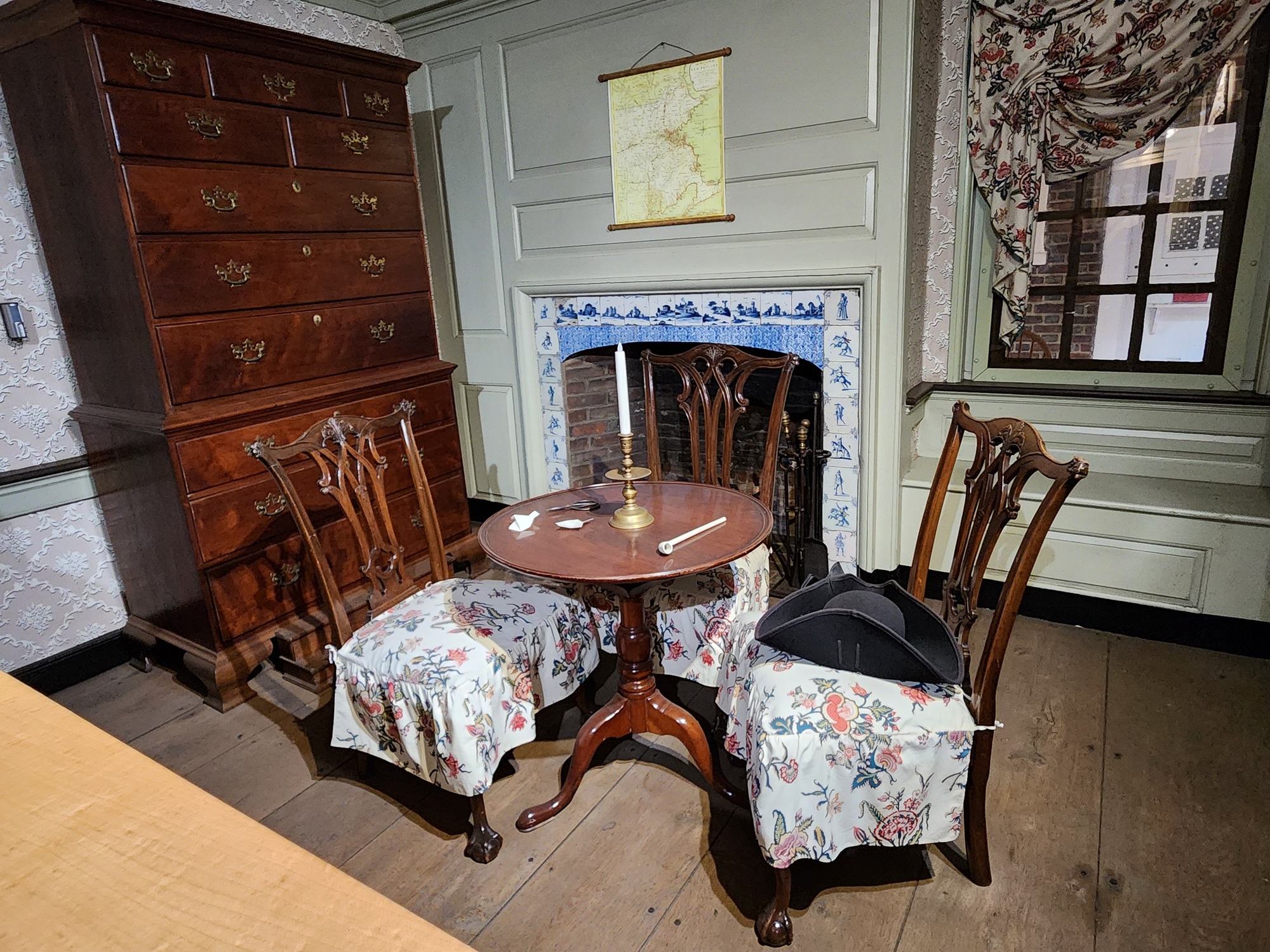
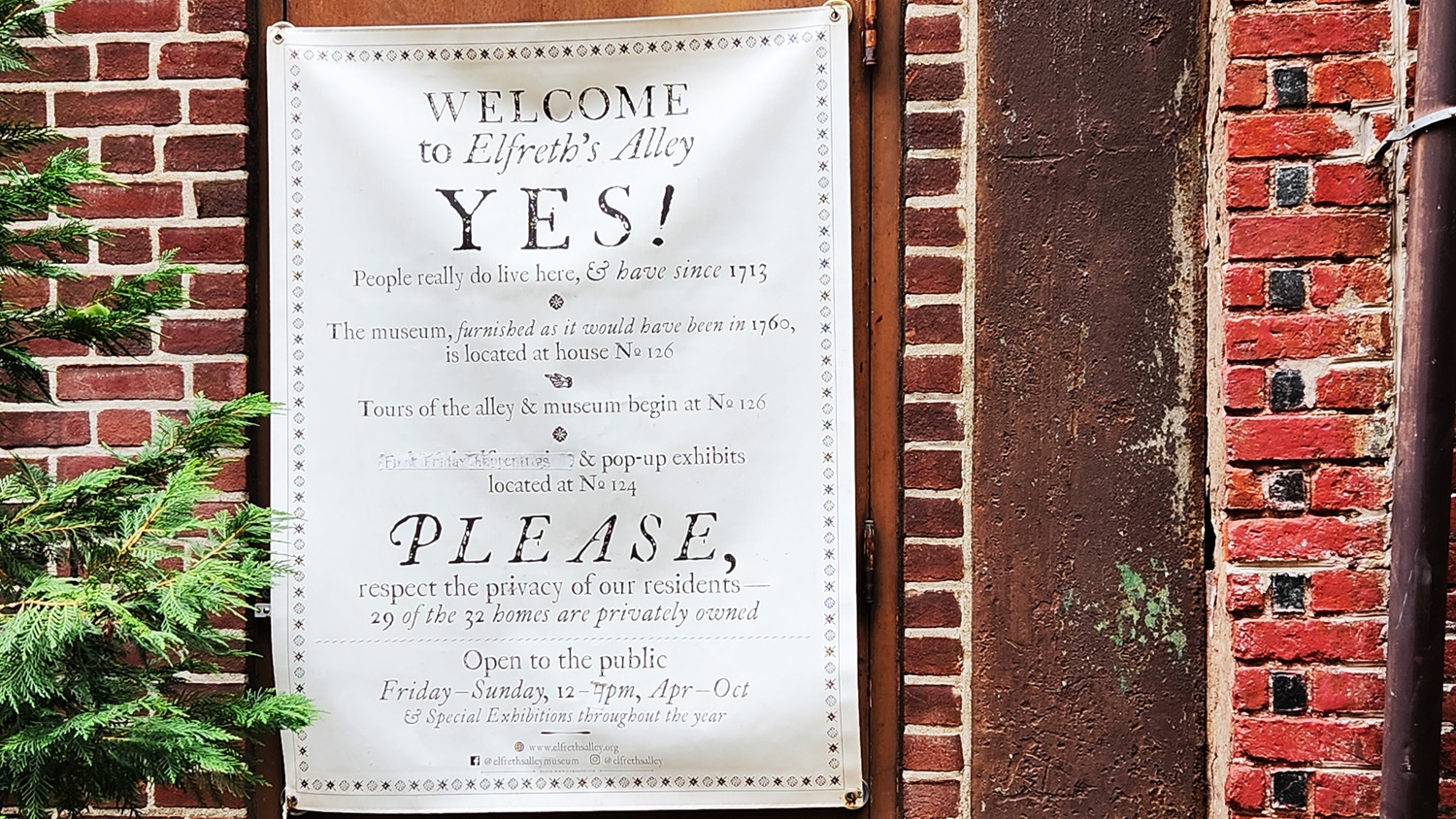
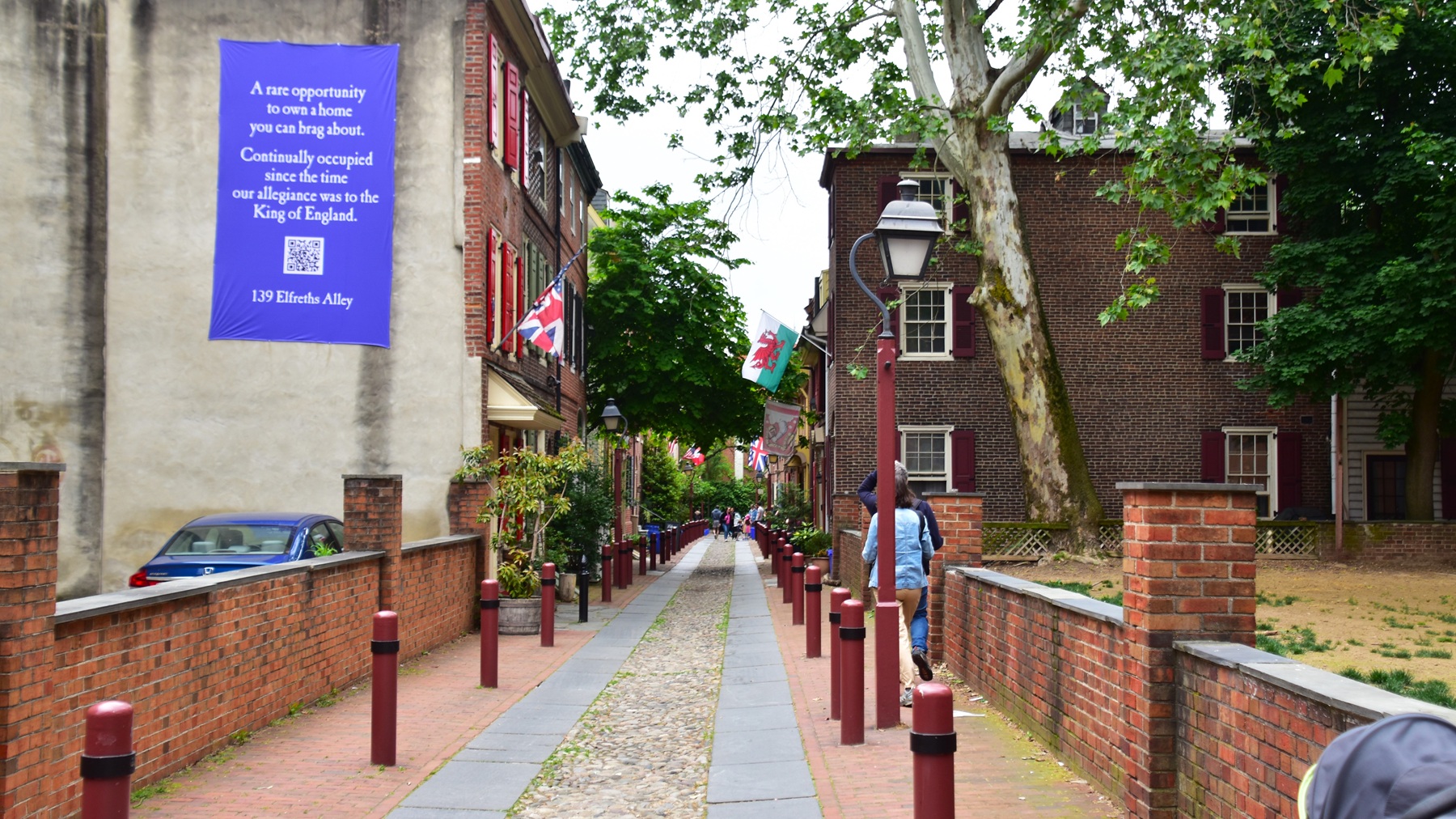
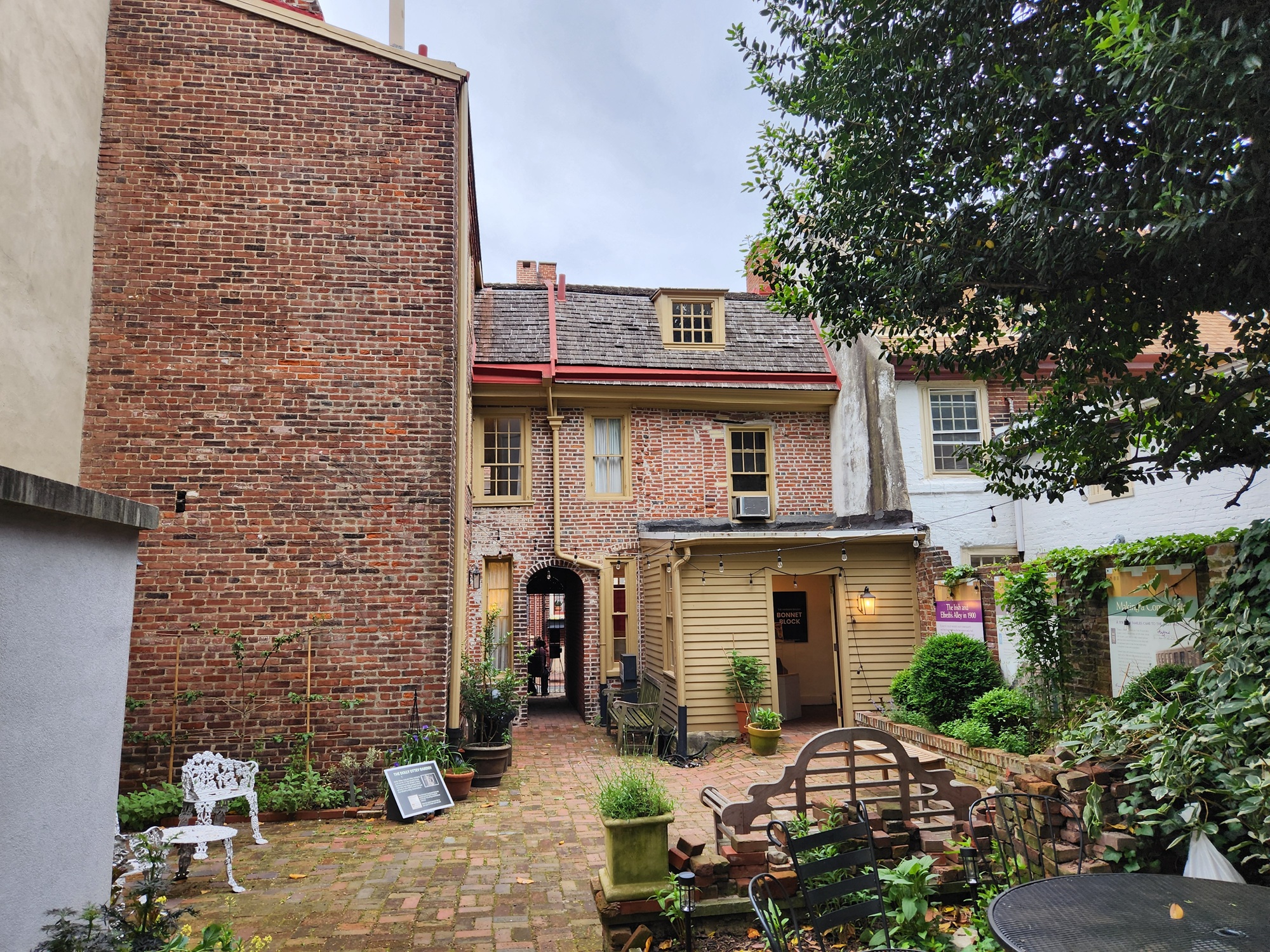
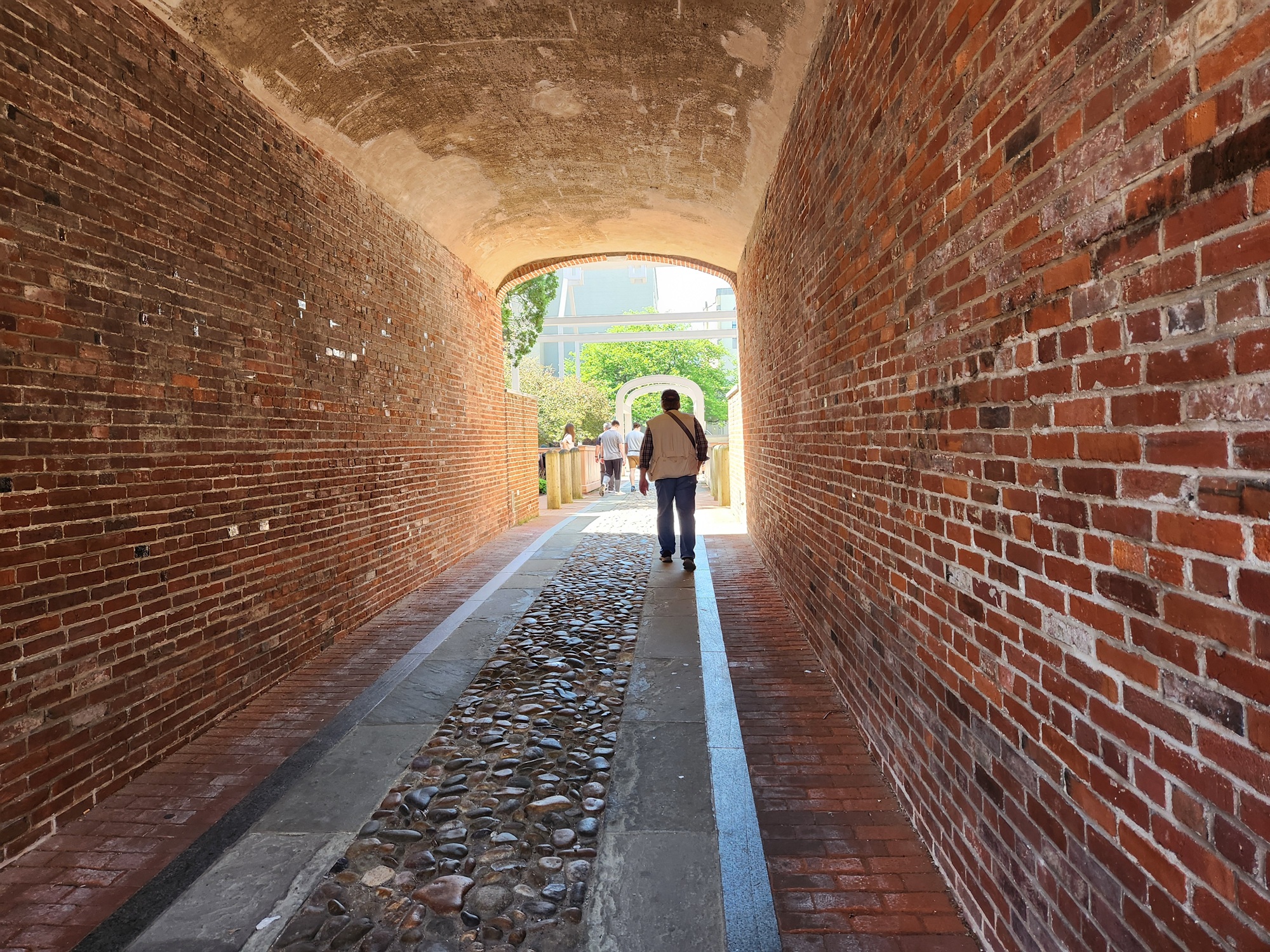
Elfreth’s Alley, houses built beginning in 1702, and still in use.


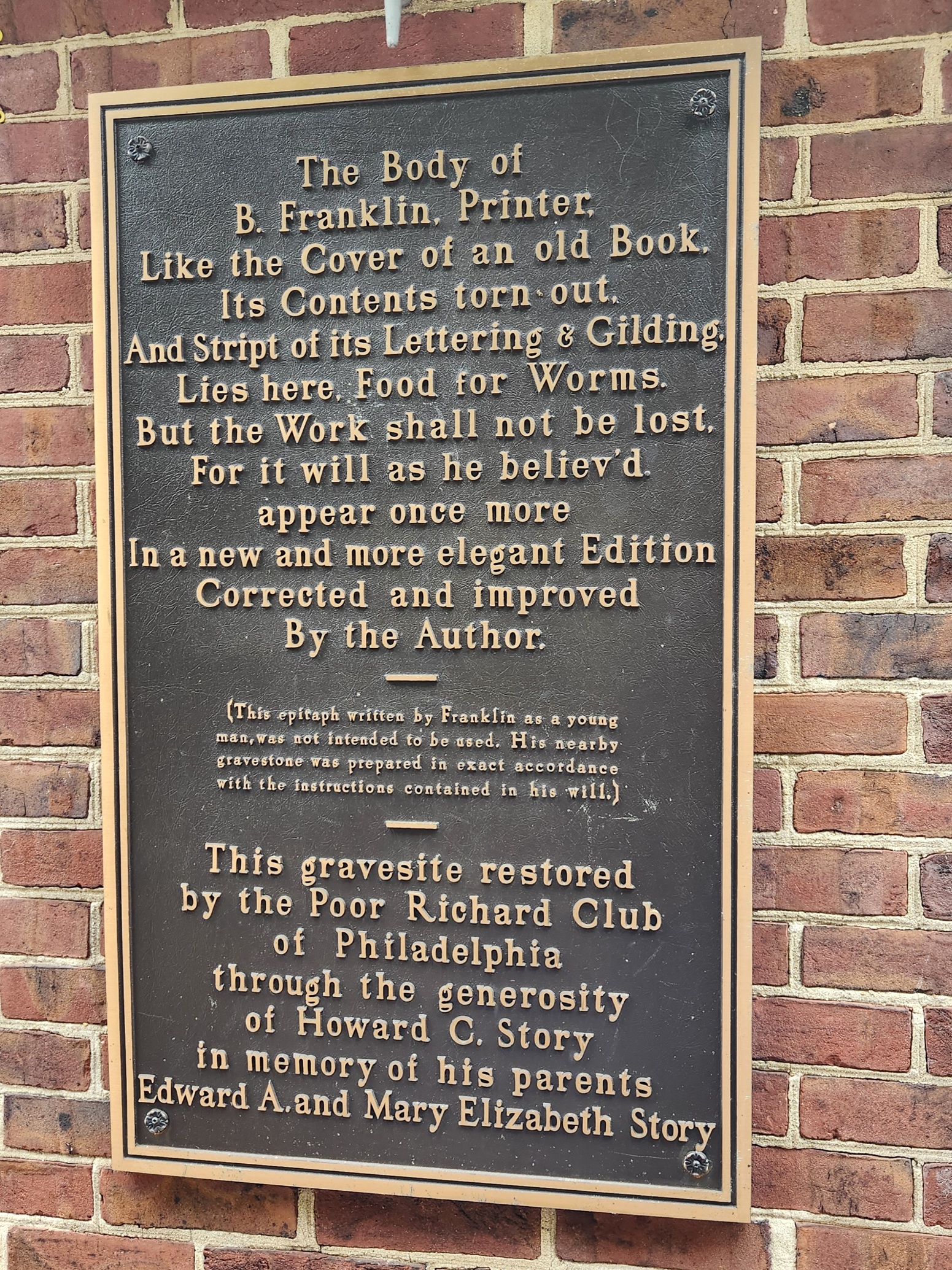
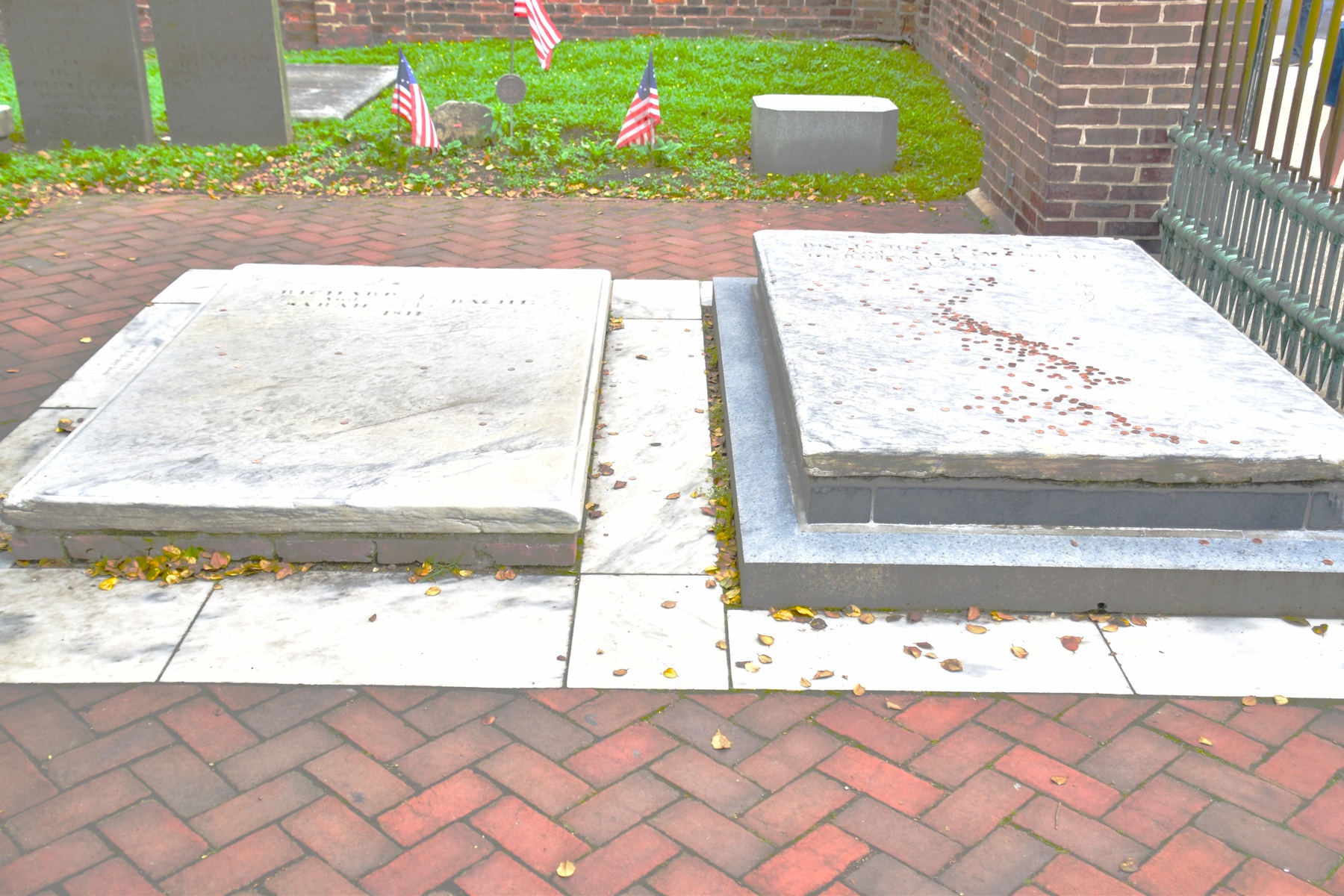
Christ Church burial ground, where Benjamin Franklin and his wife are buried.


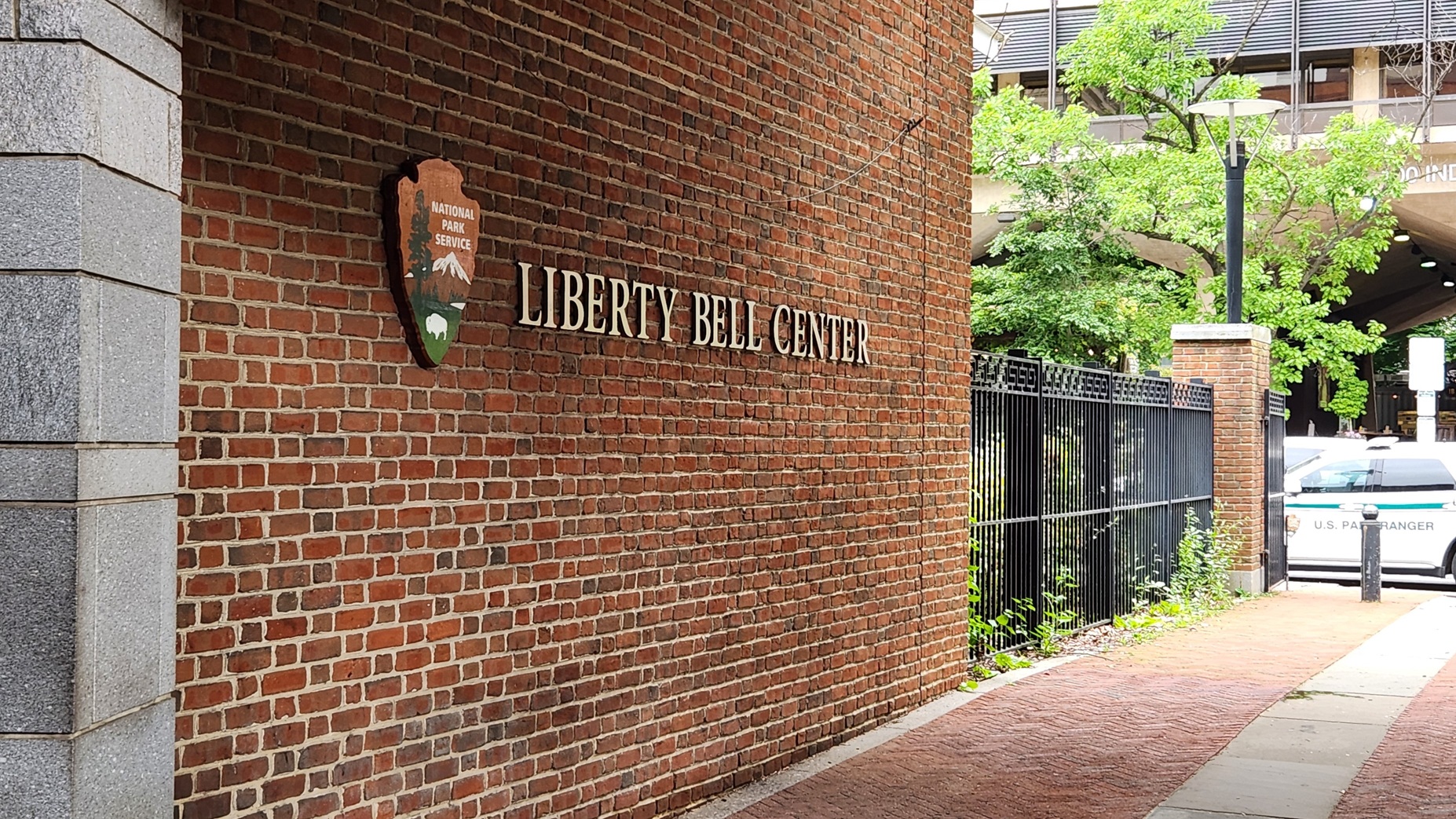
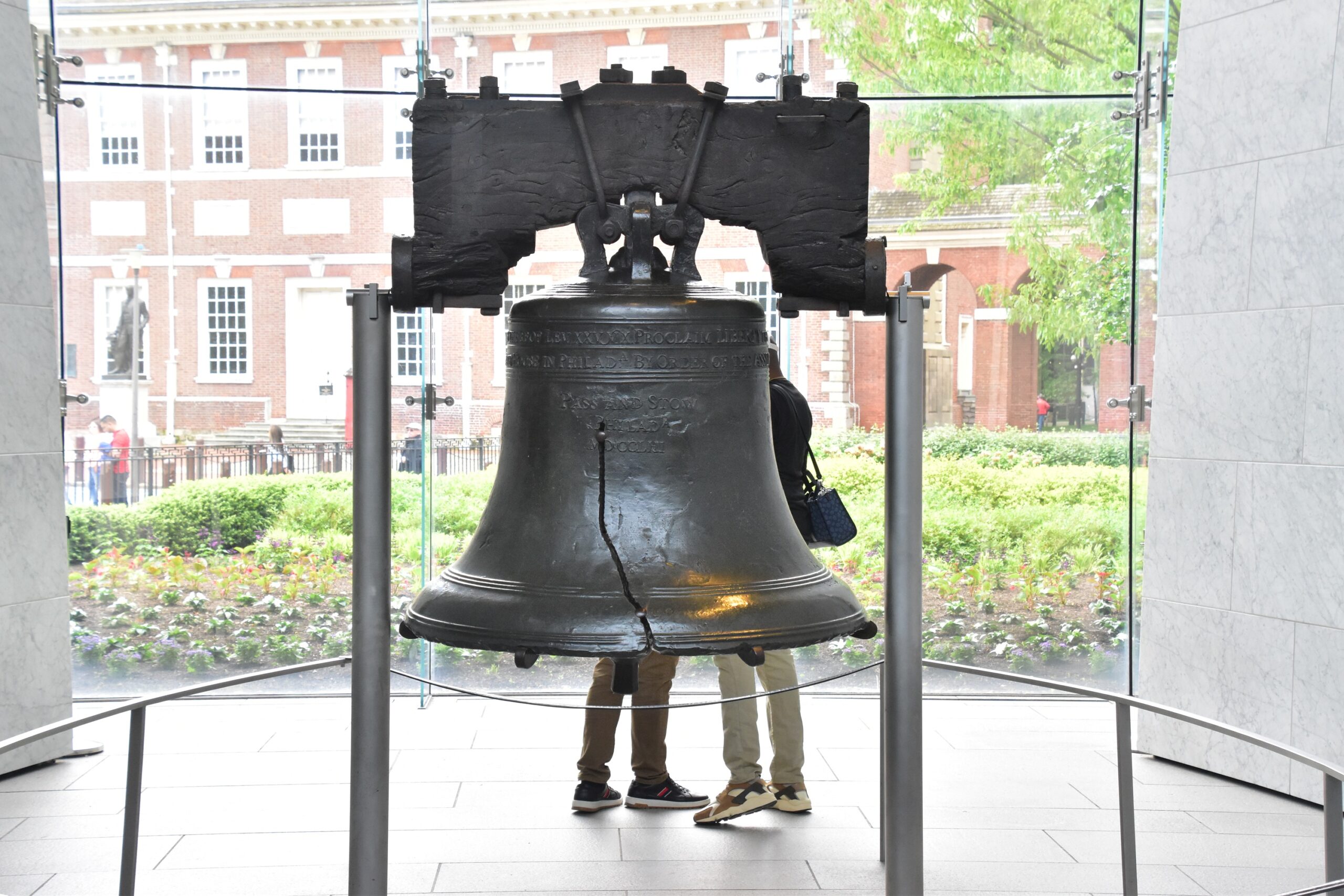
The Liberty Bell


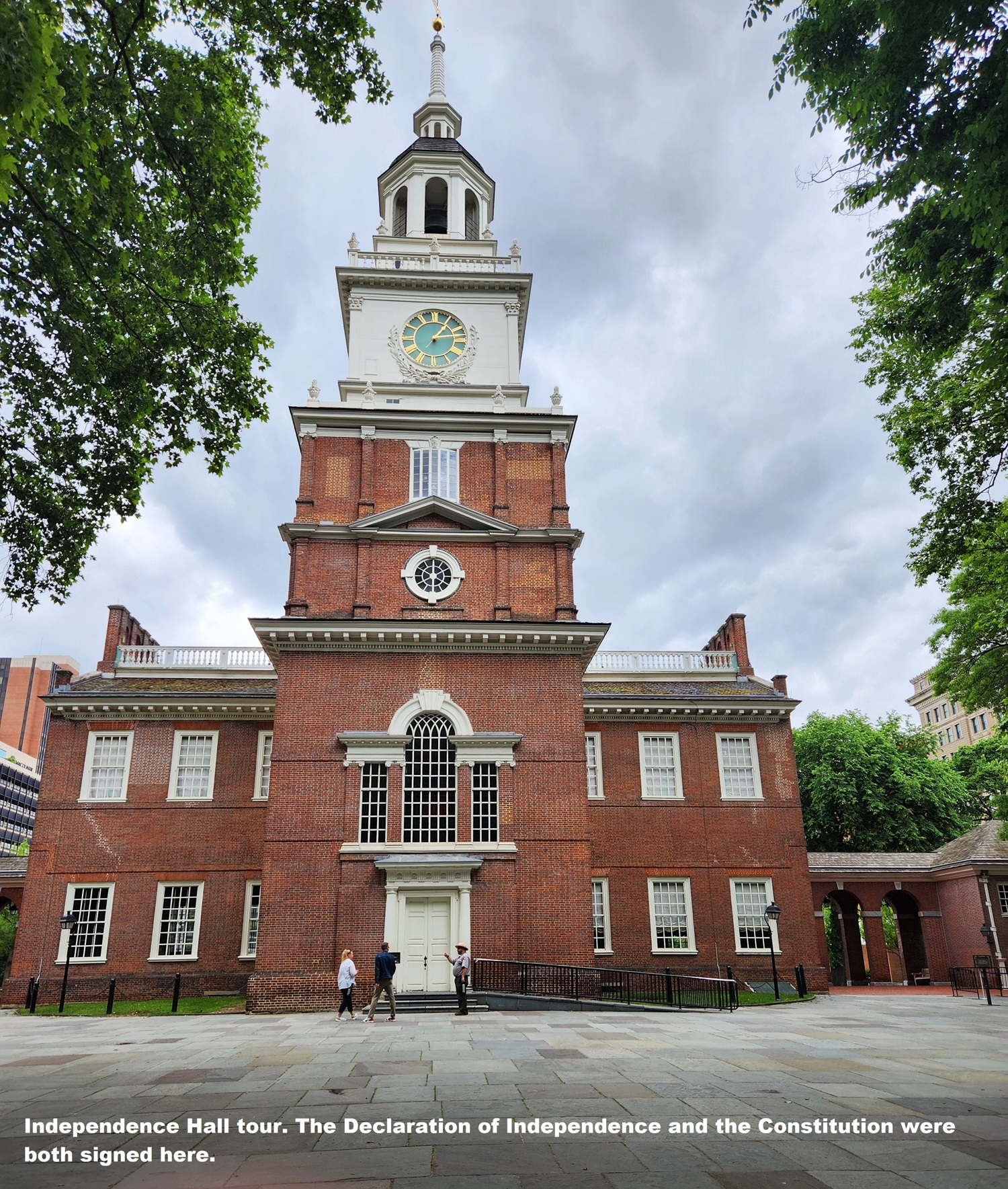
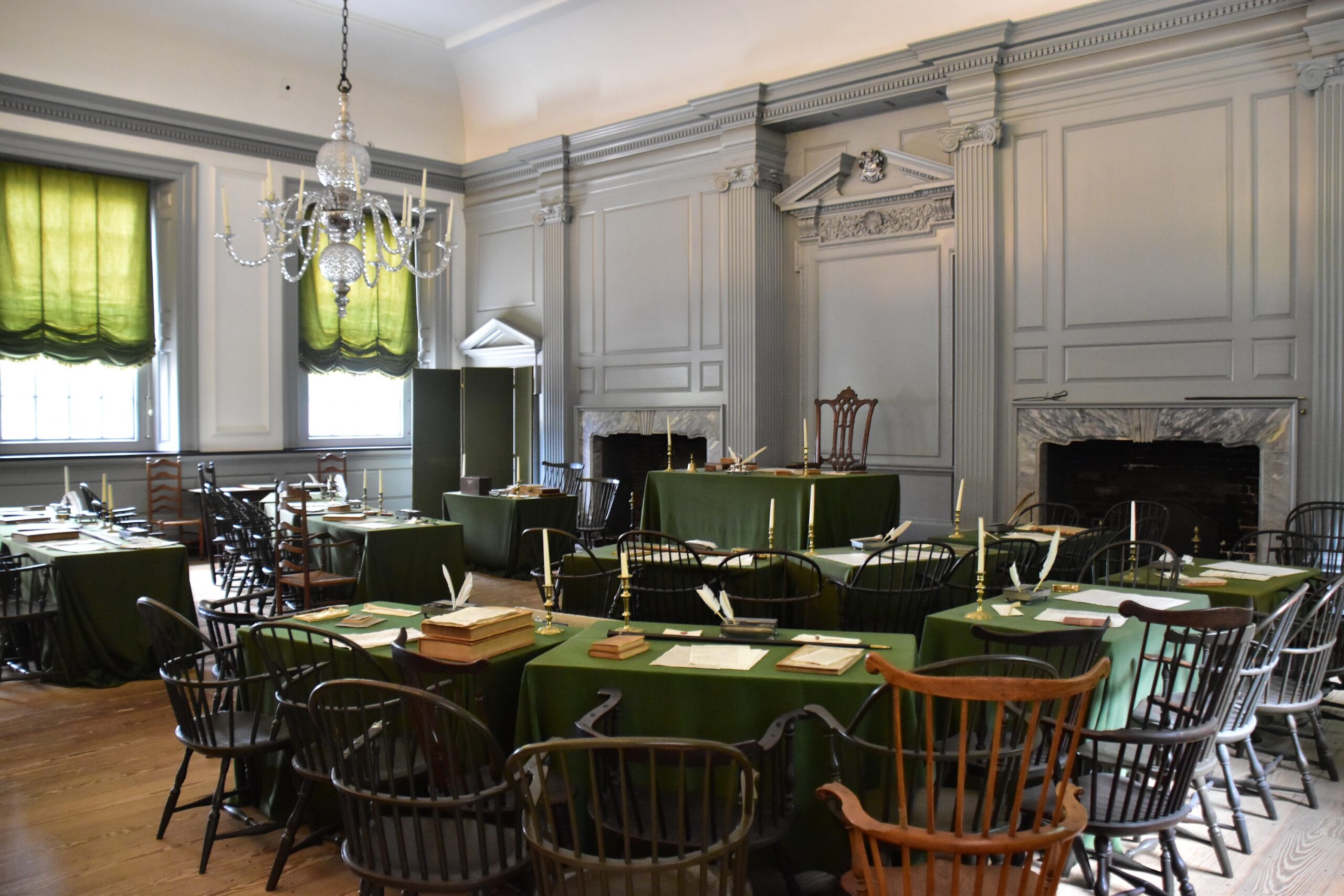
Independence Hall – where the Declaration of Independence was signed and, later where the Constitution was drafted.


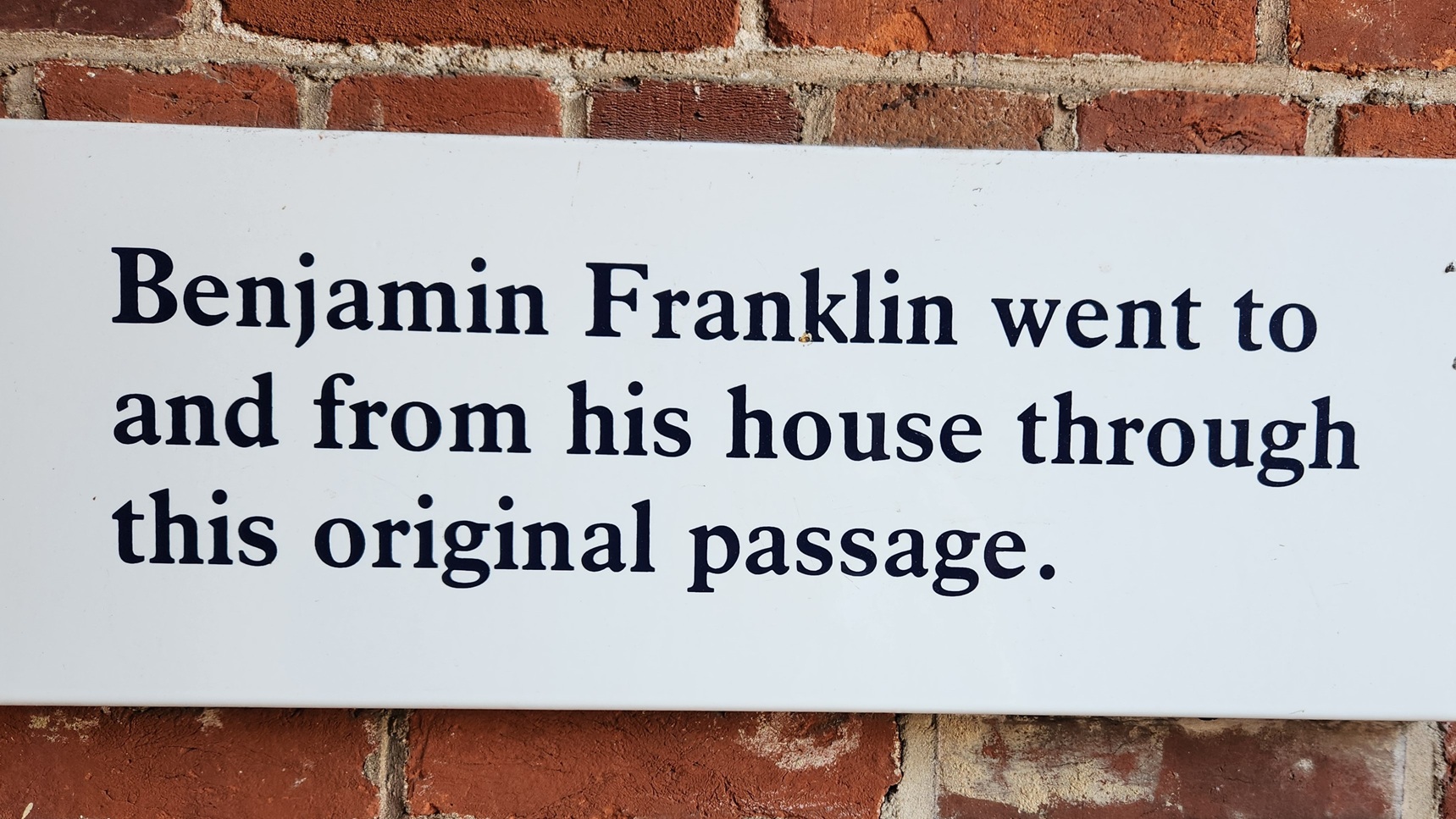
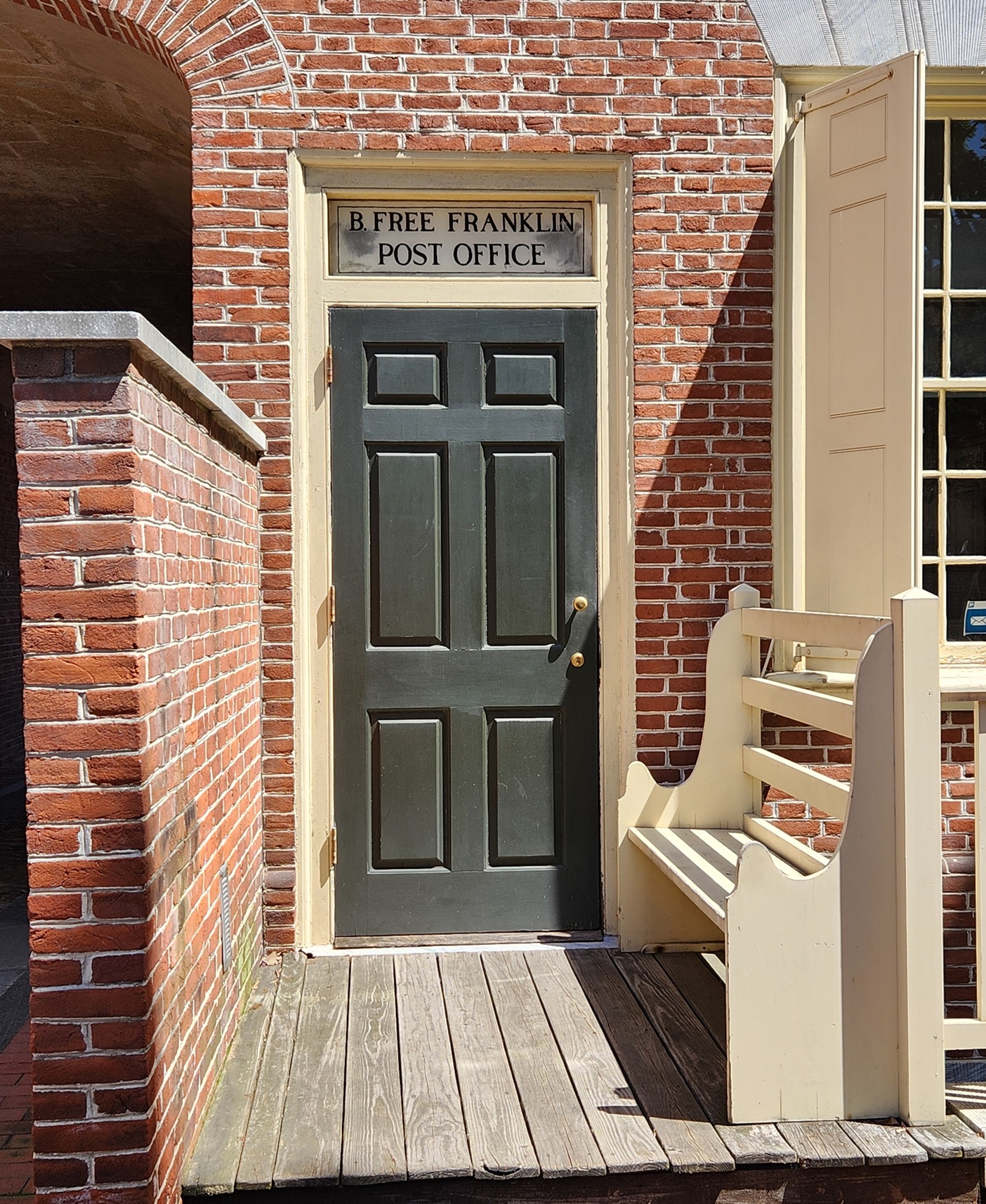
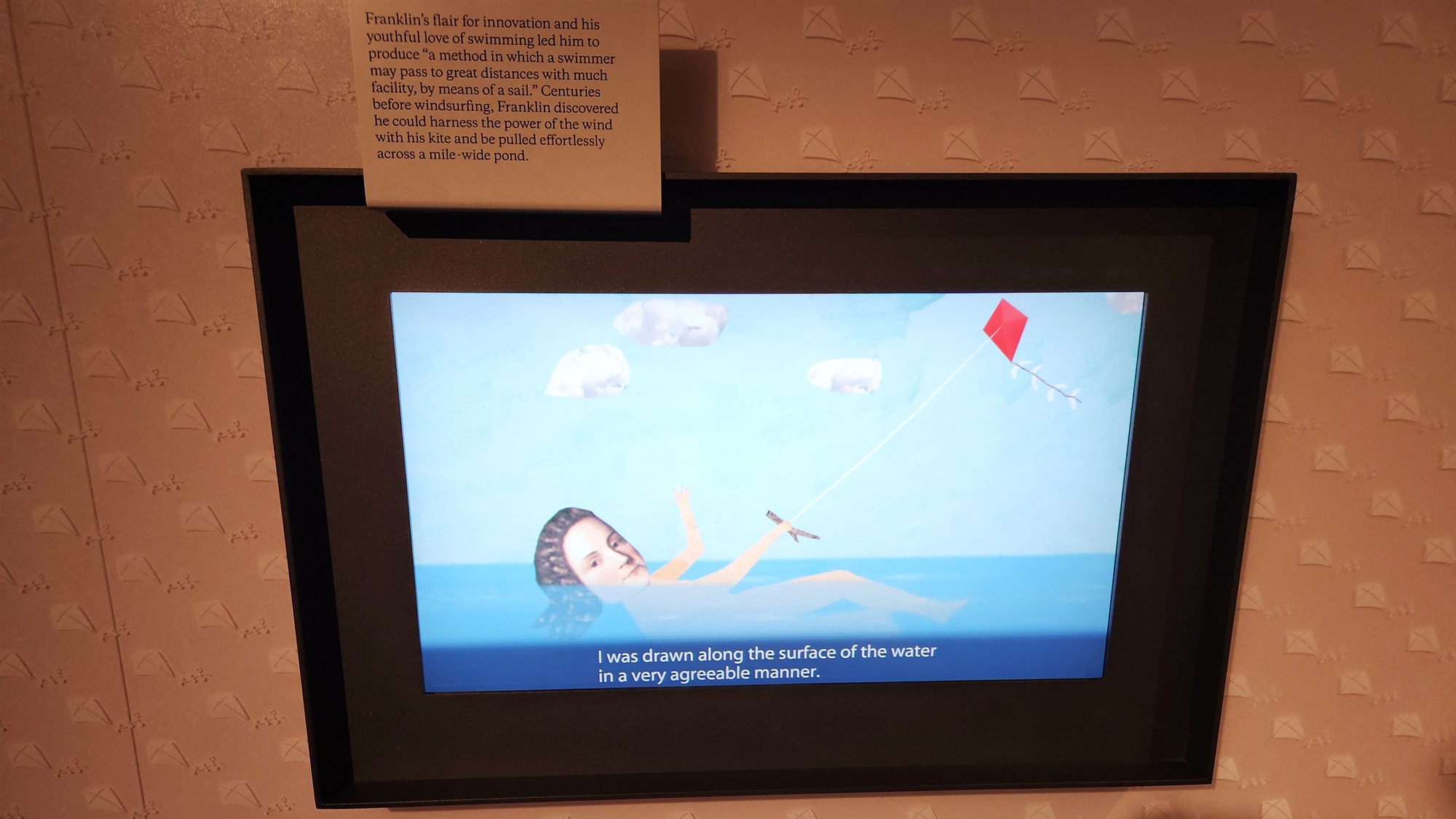
Ben Franklin Museum, built near where his home was located.


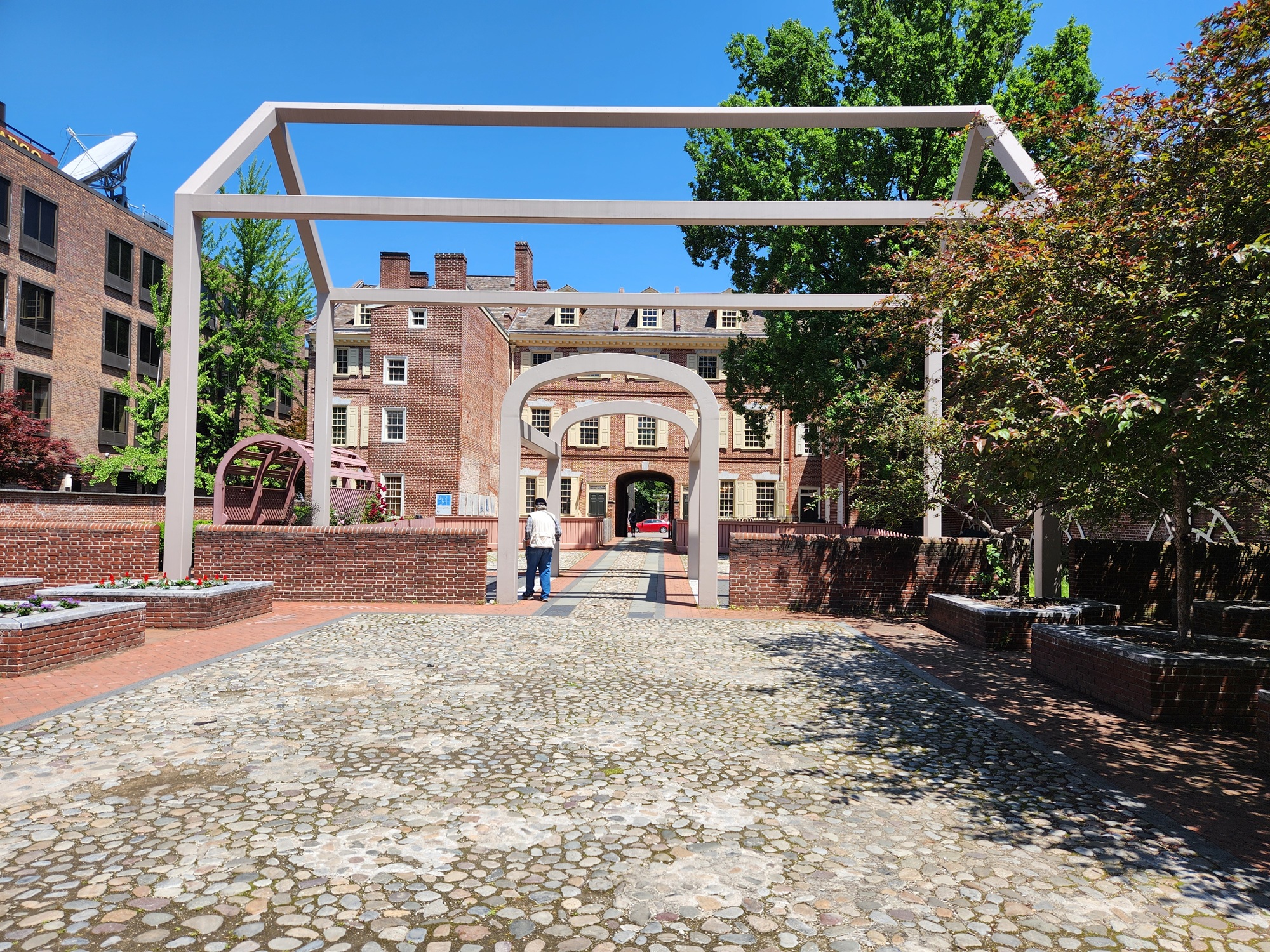
The original house is gone, but a frame has been erected over the site.


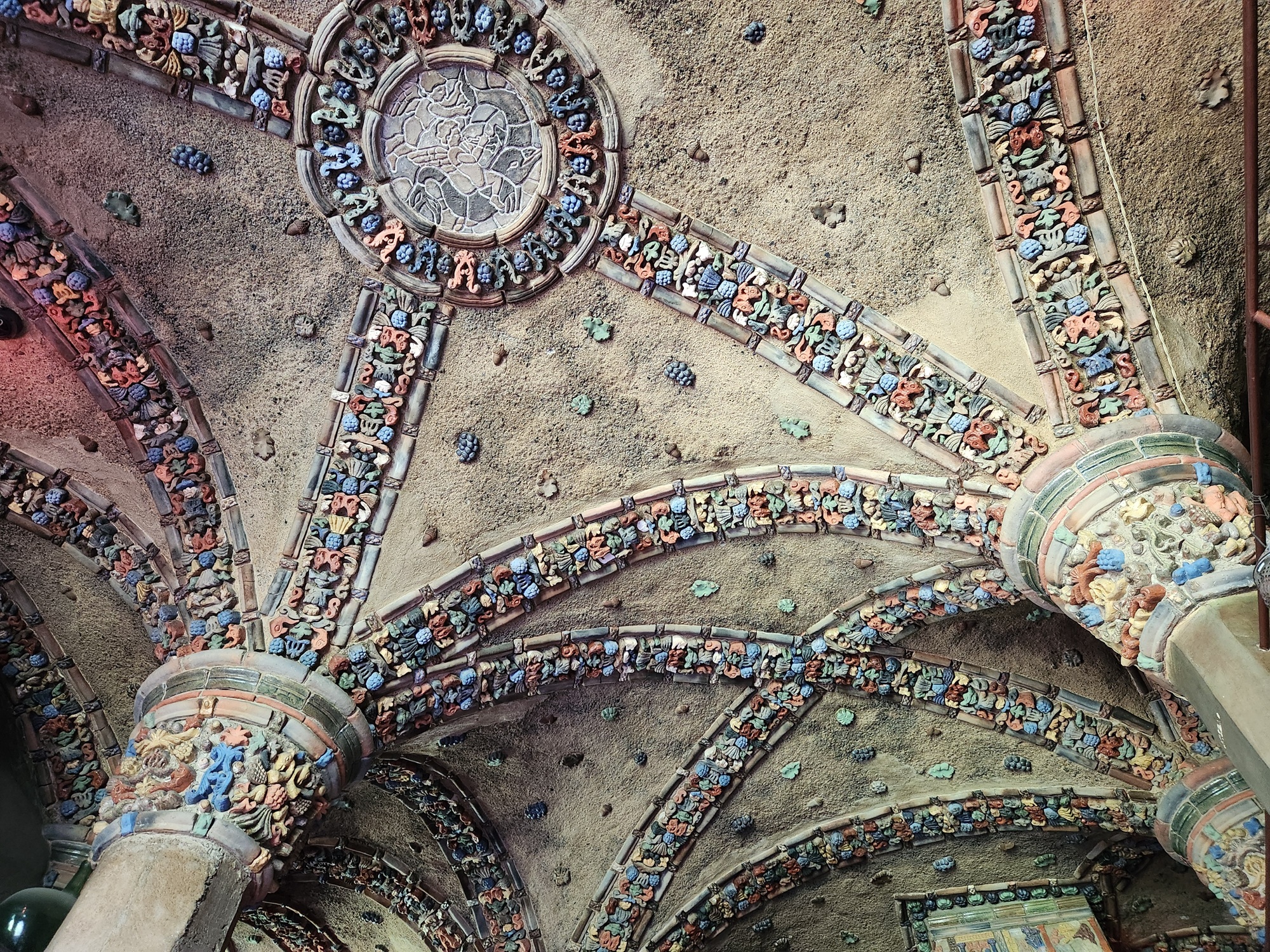
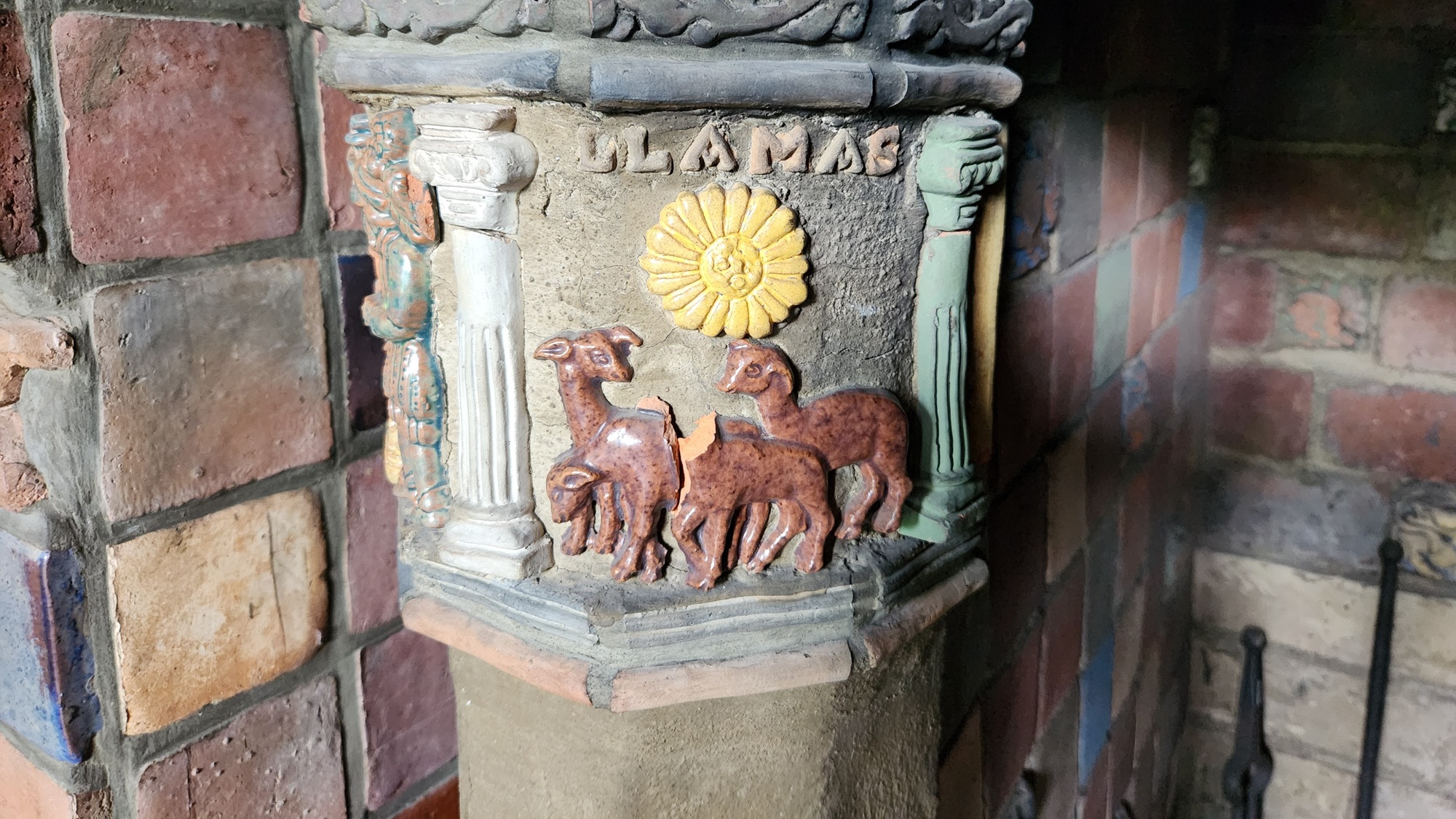
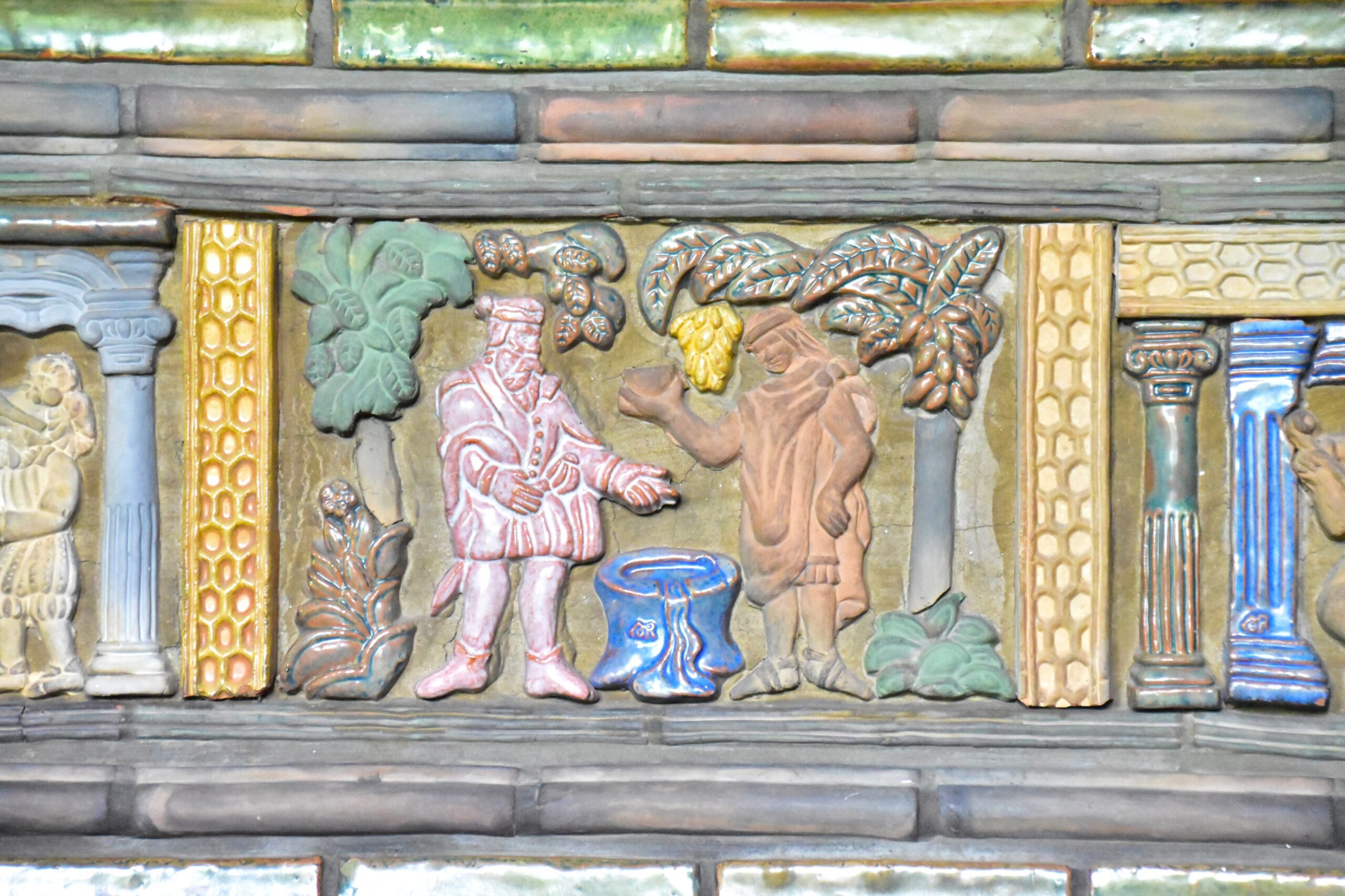
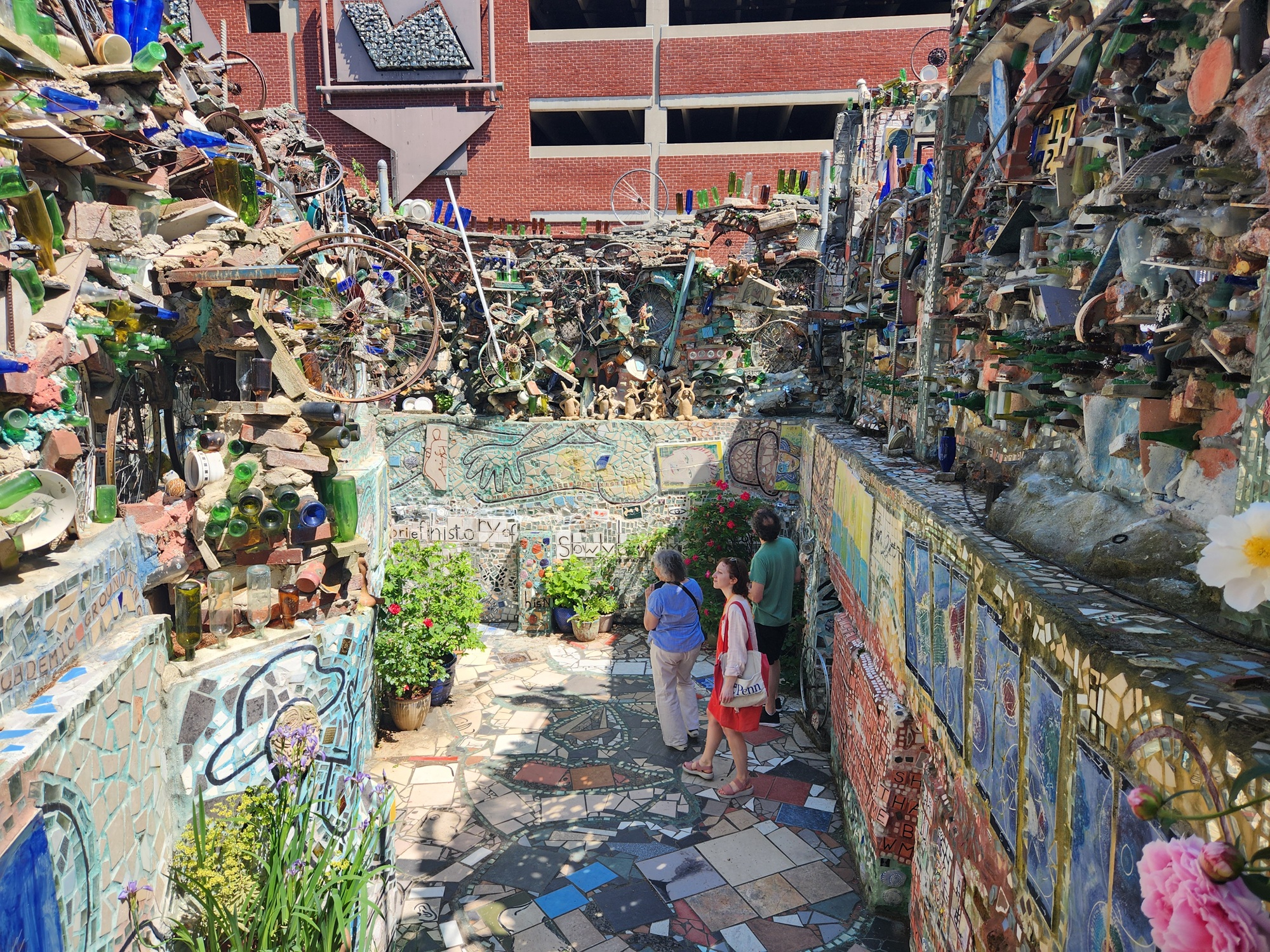
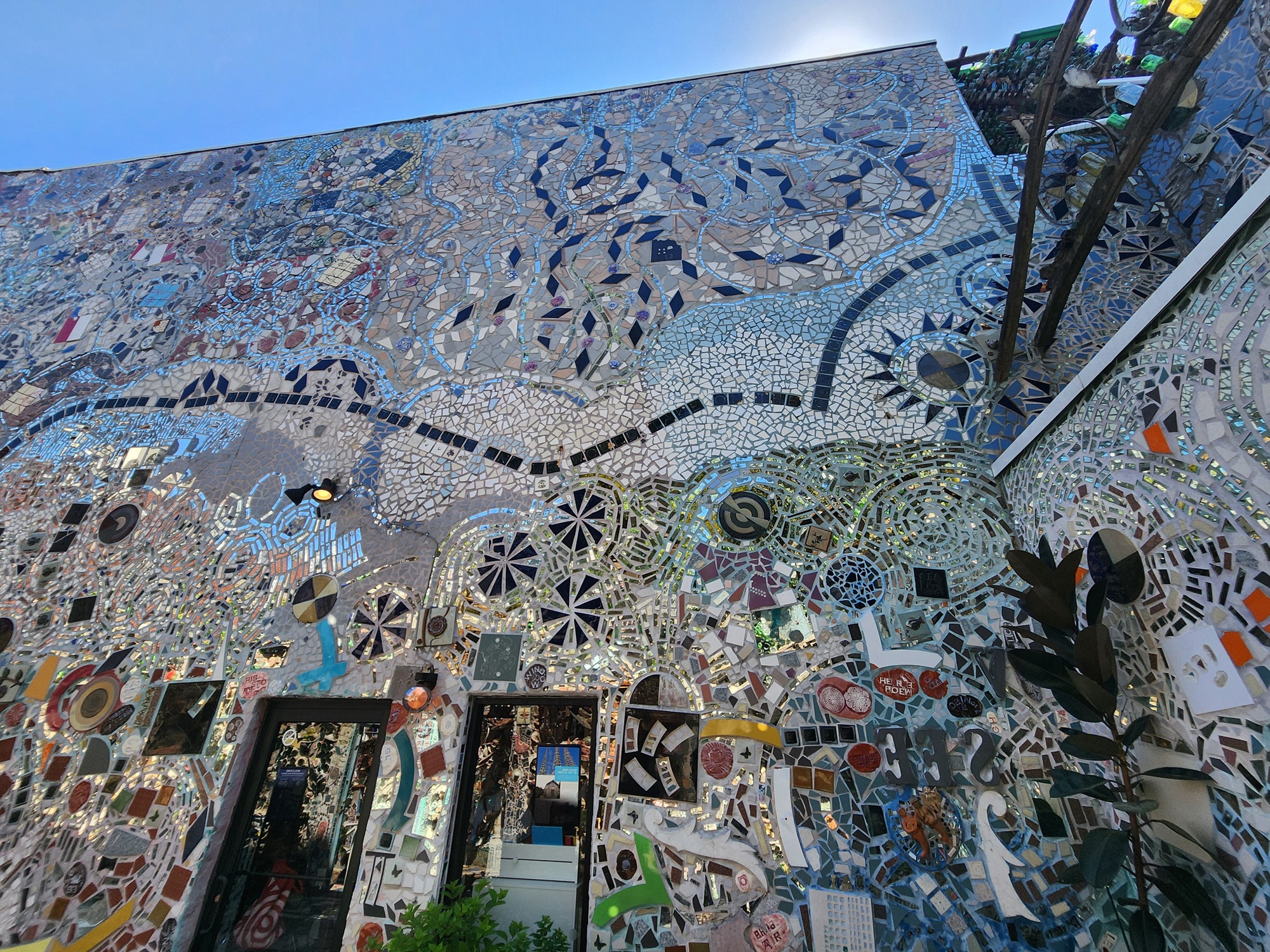
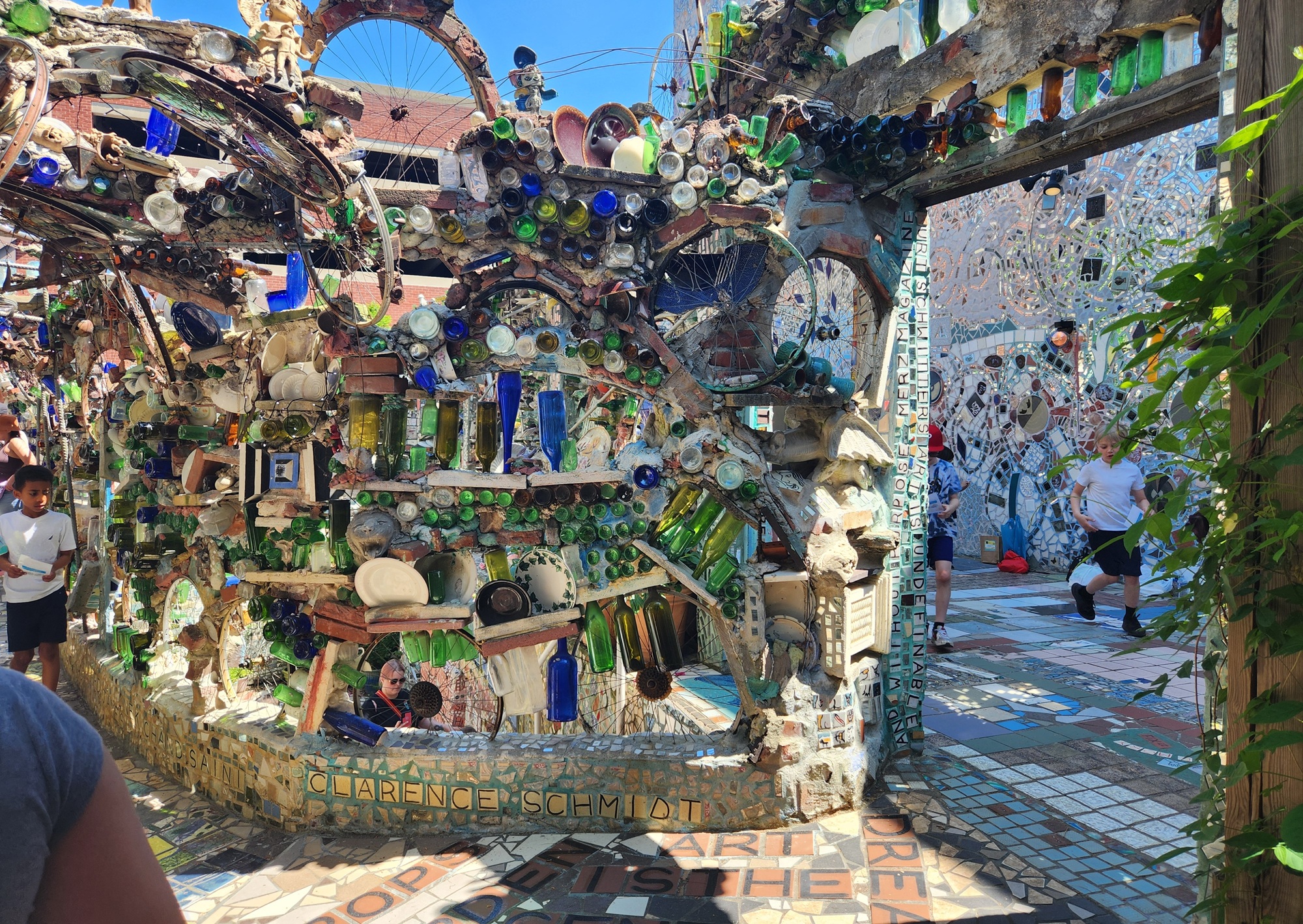
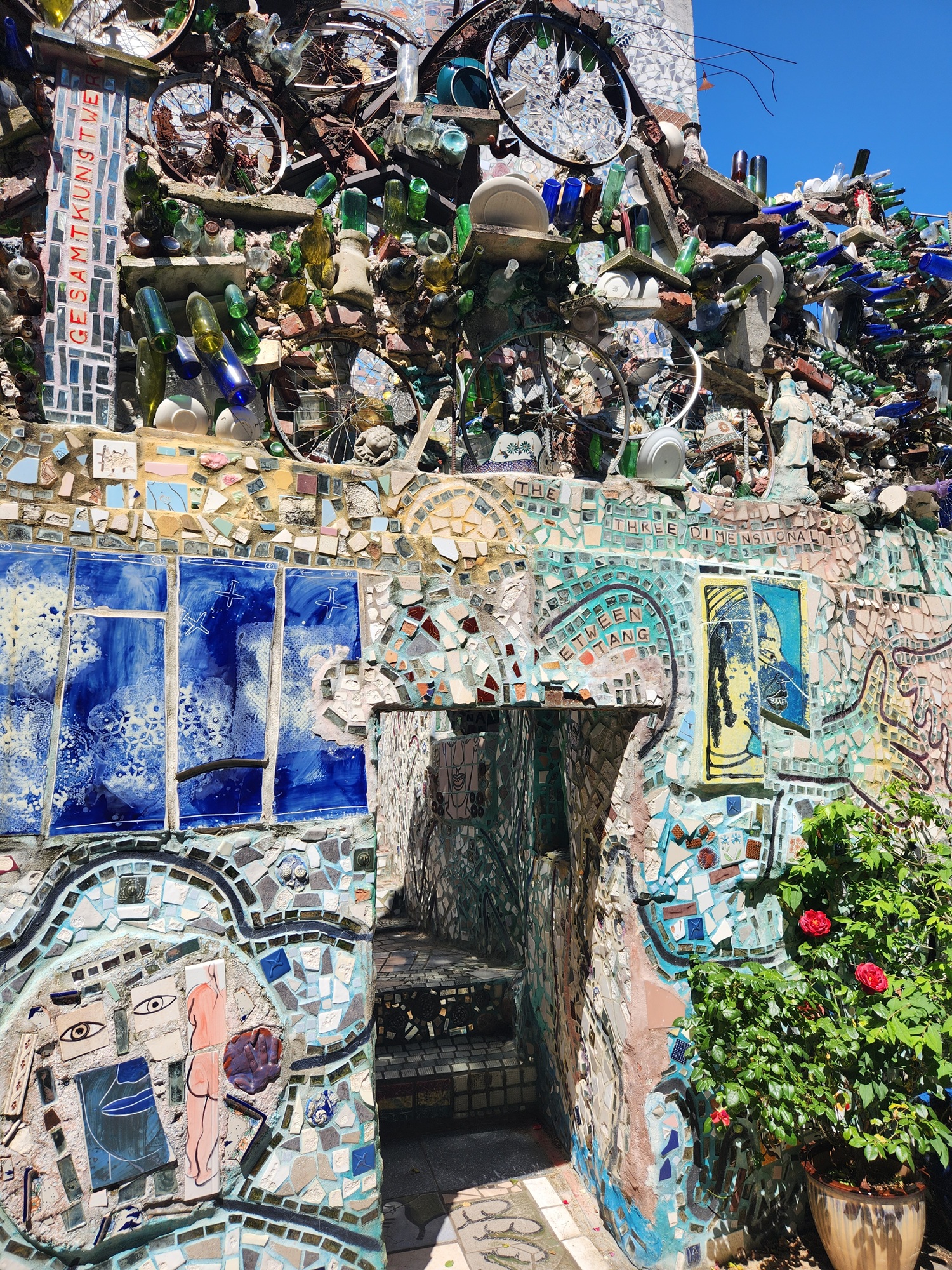
Philadelphia Magic Garden – an outdoor art exhibit.


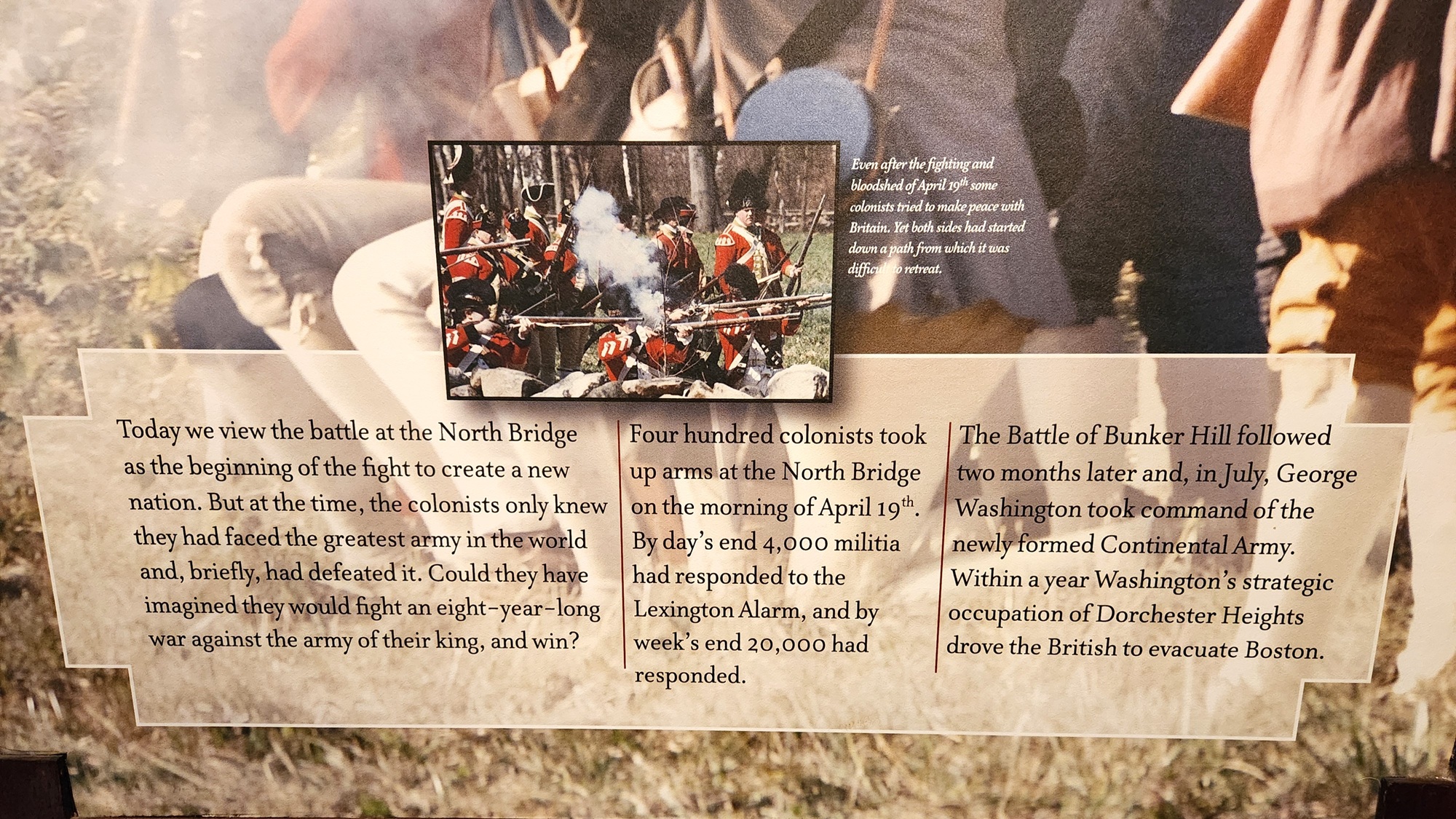
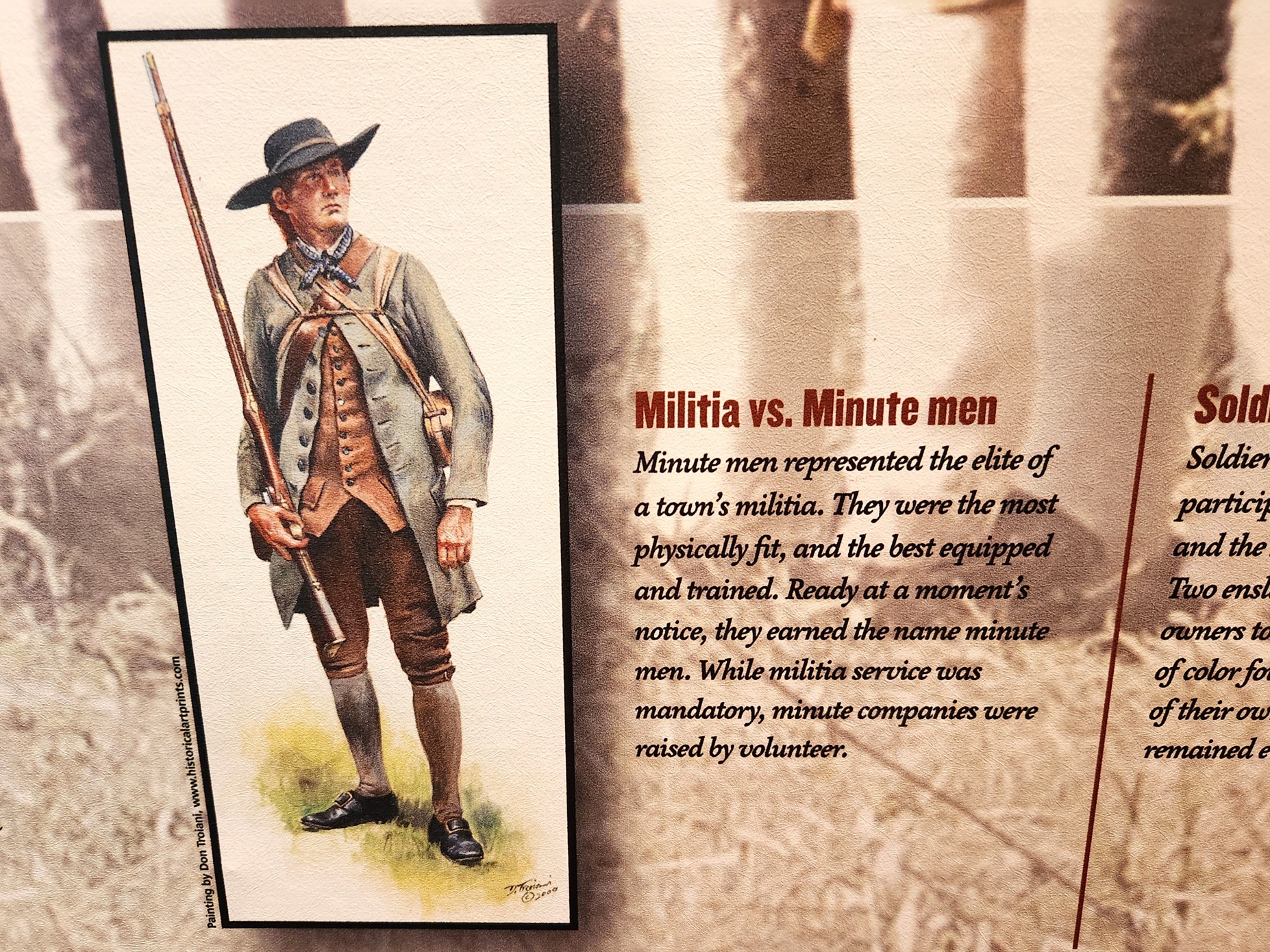
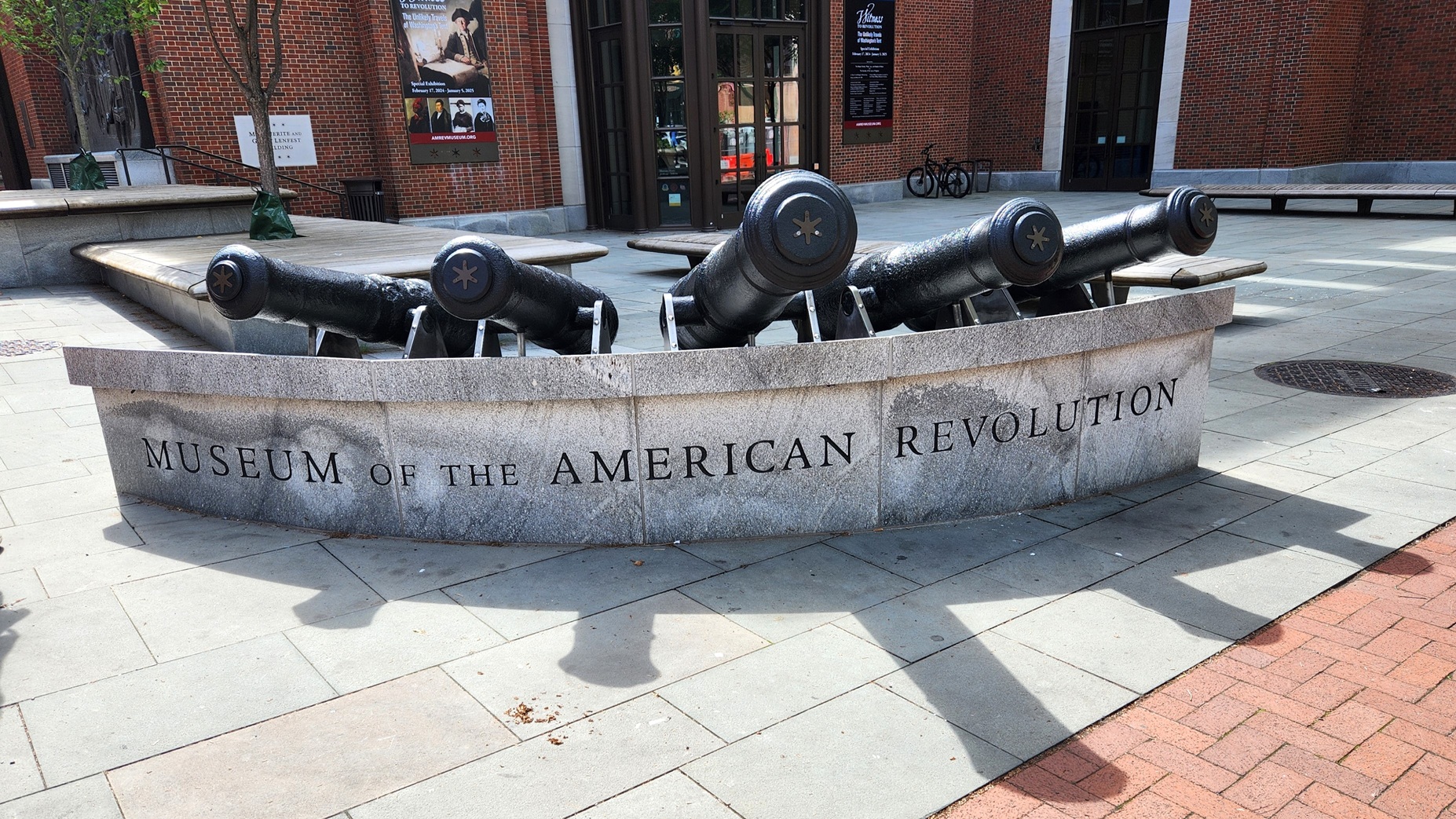
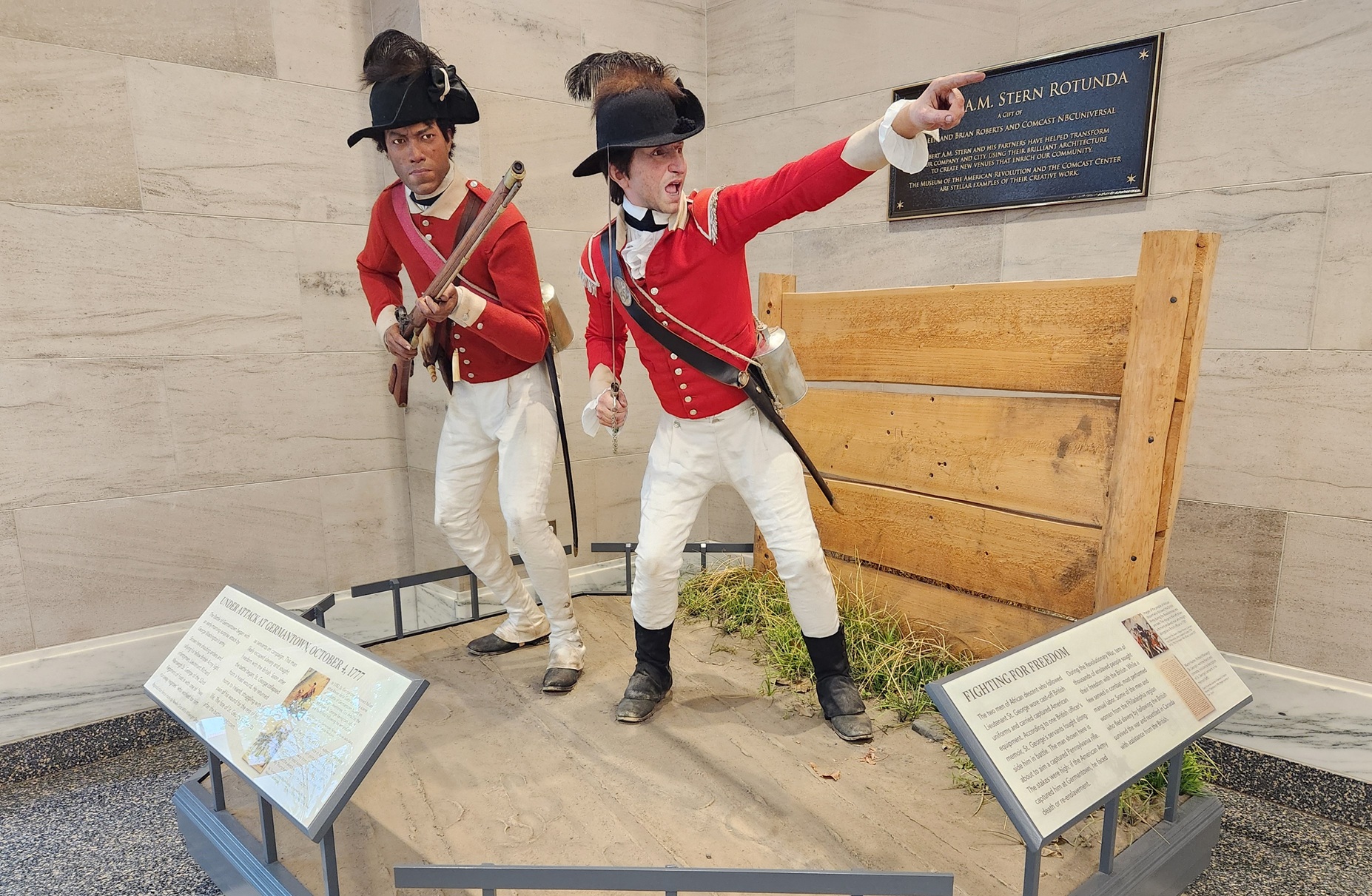
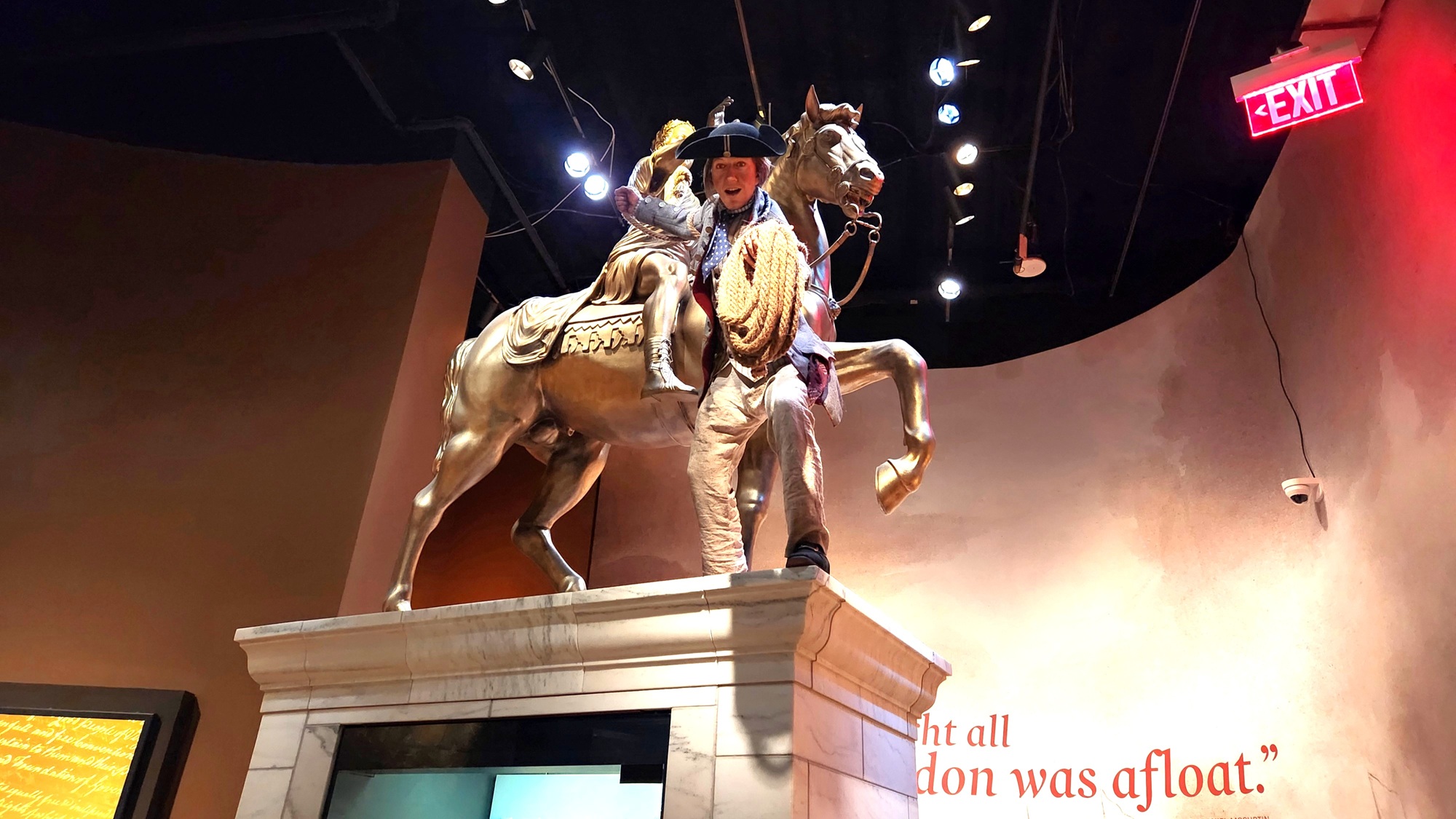
The Museum of the American Revolution is huge, and we spent a lot of time viewing all of the displays.


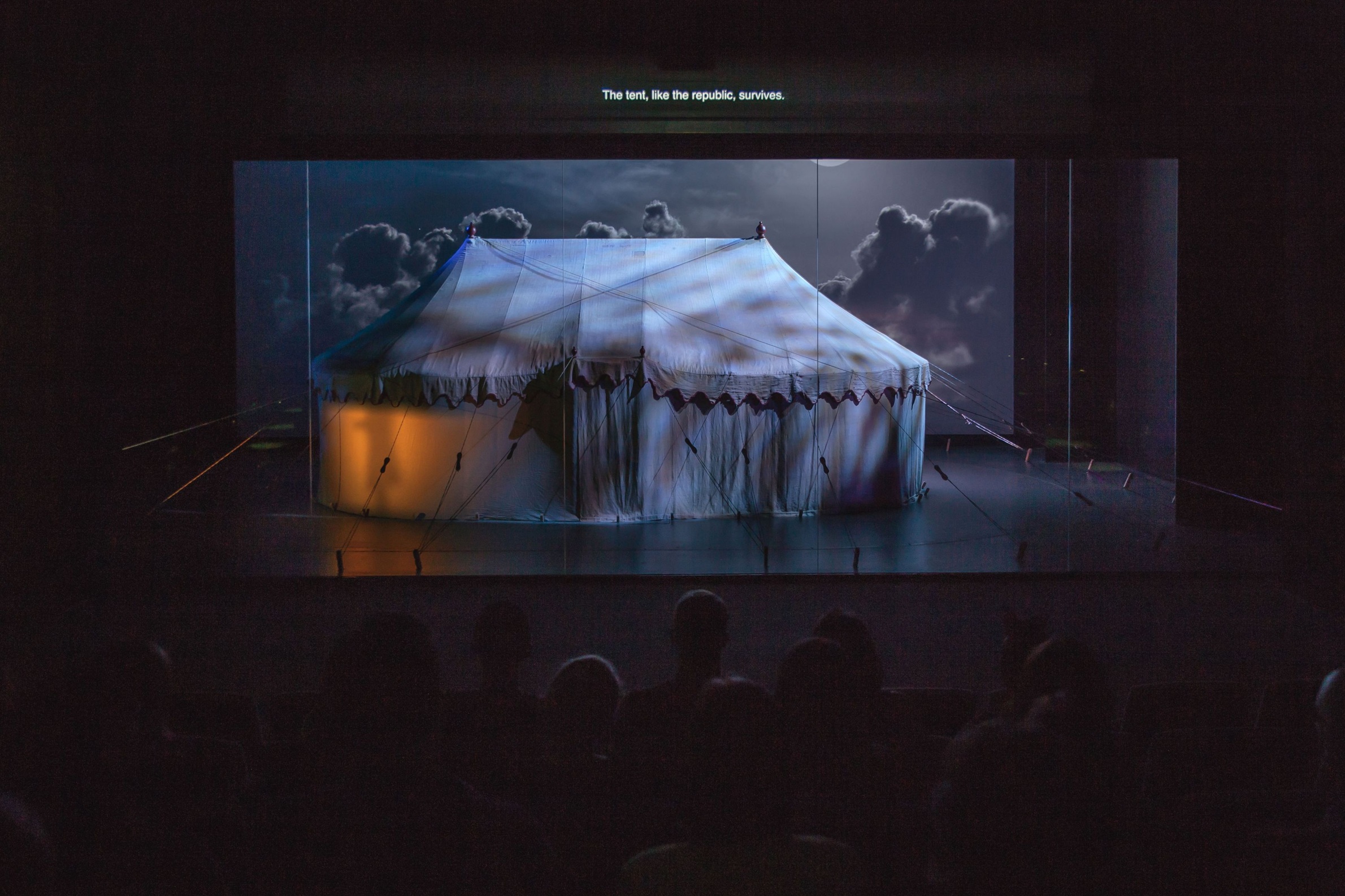
The museum owns part of the tent that George Washington used during the war, along with other artifacts belonging to him and his wife. The tent is kept in a dark, climate-controlled room and can only be viewed at specific times and for a very short duration.


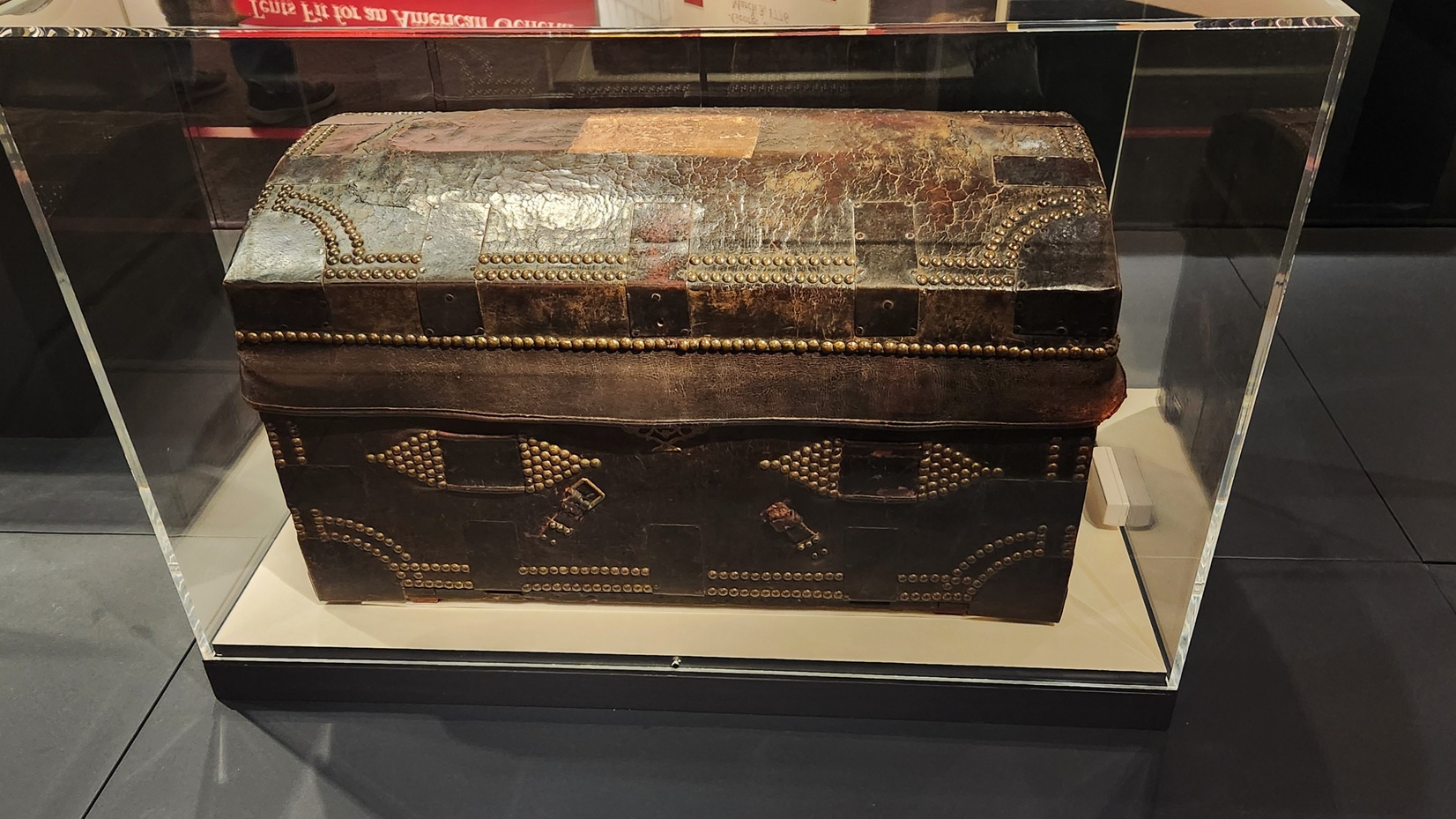
Martha Washington’s luggage.


More to come.


Posted in 2024 Travels Part Three | Comments Off on 2024 Travels Part Three

2024 Travels Part Two

Now we are beginning to head north for the summer:

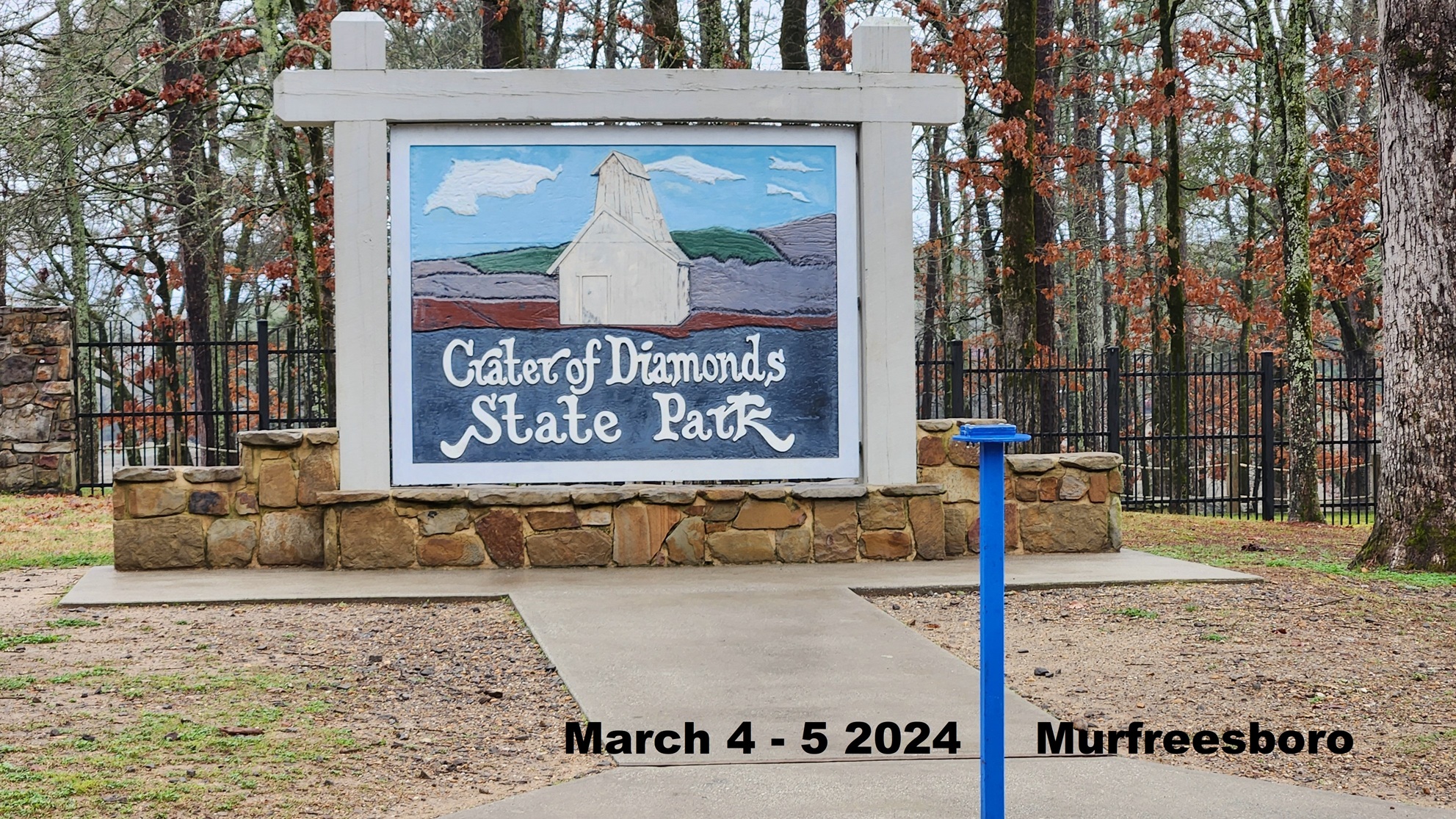
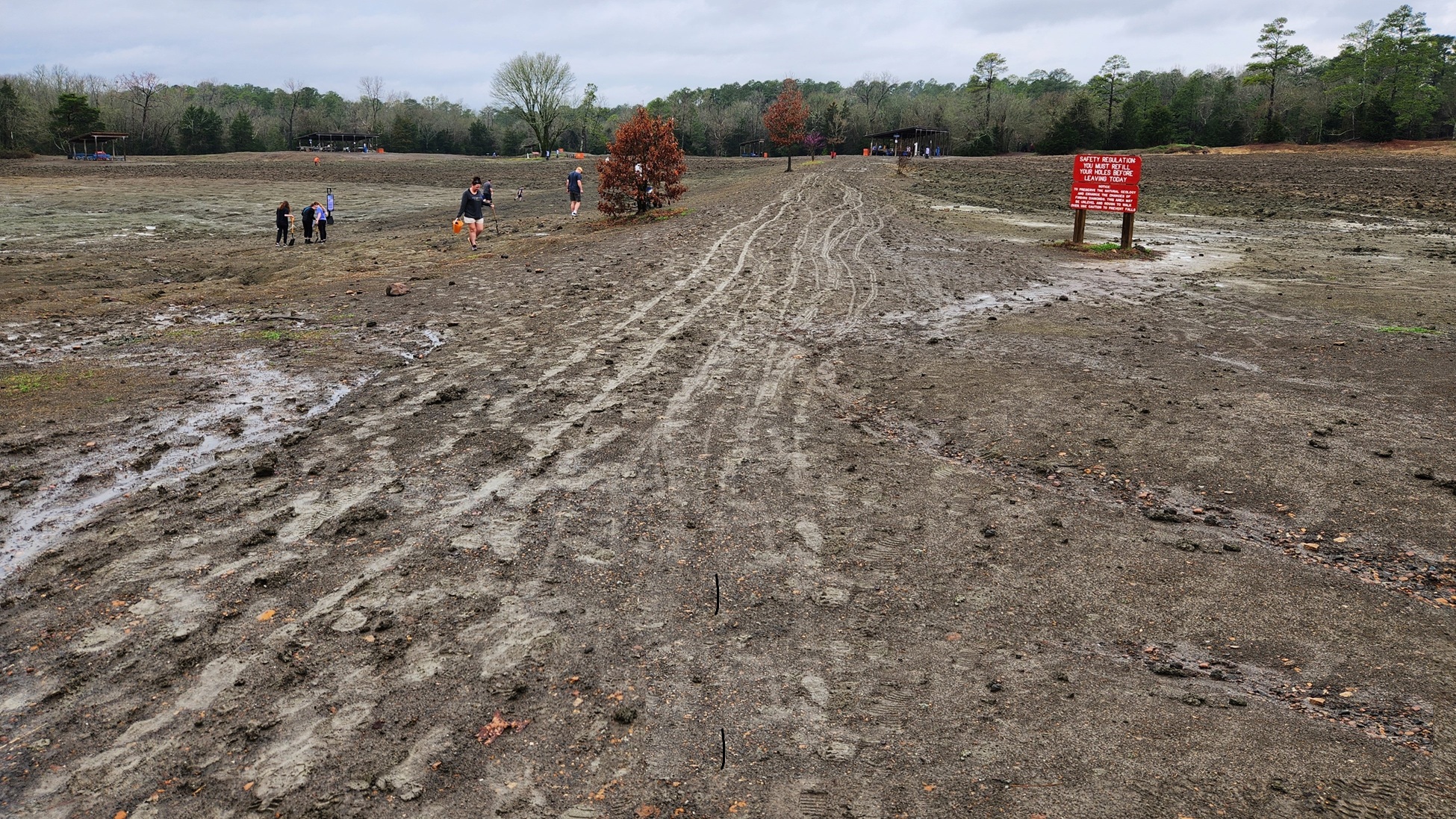
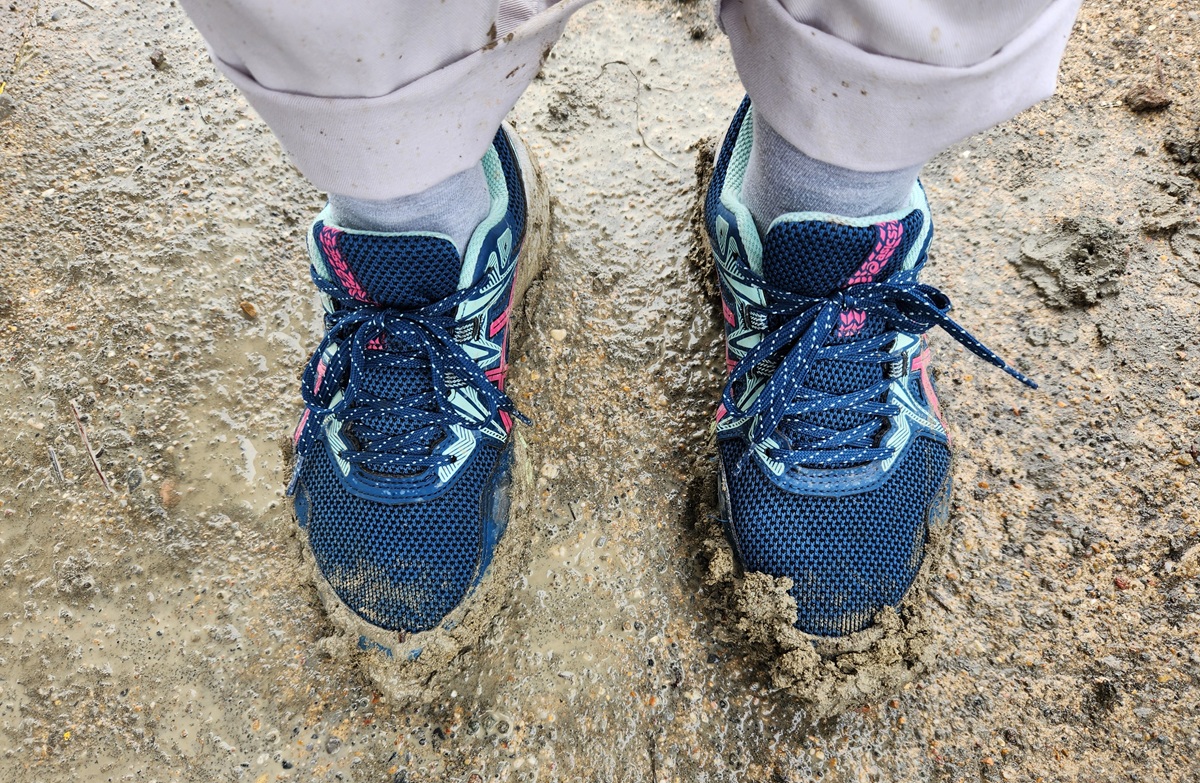
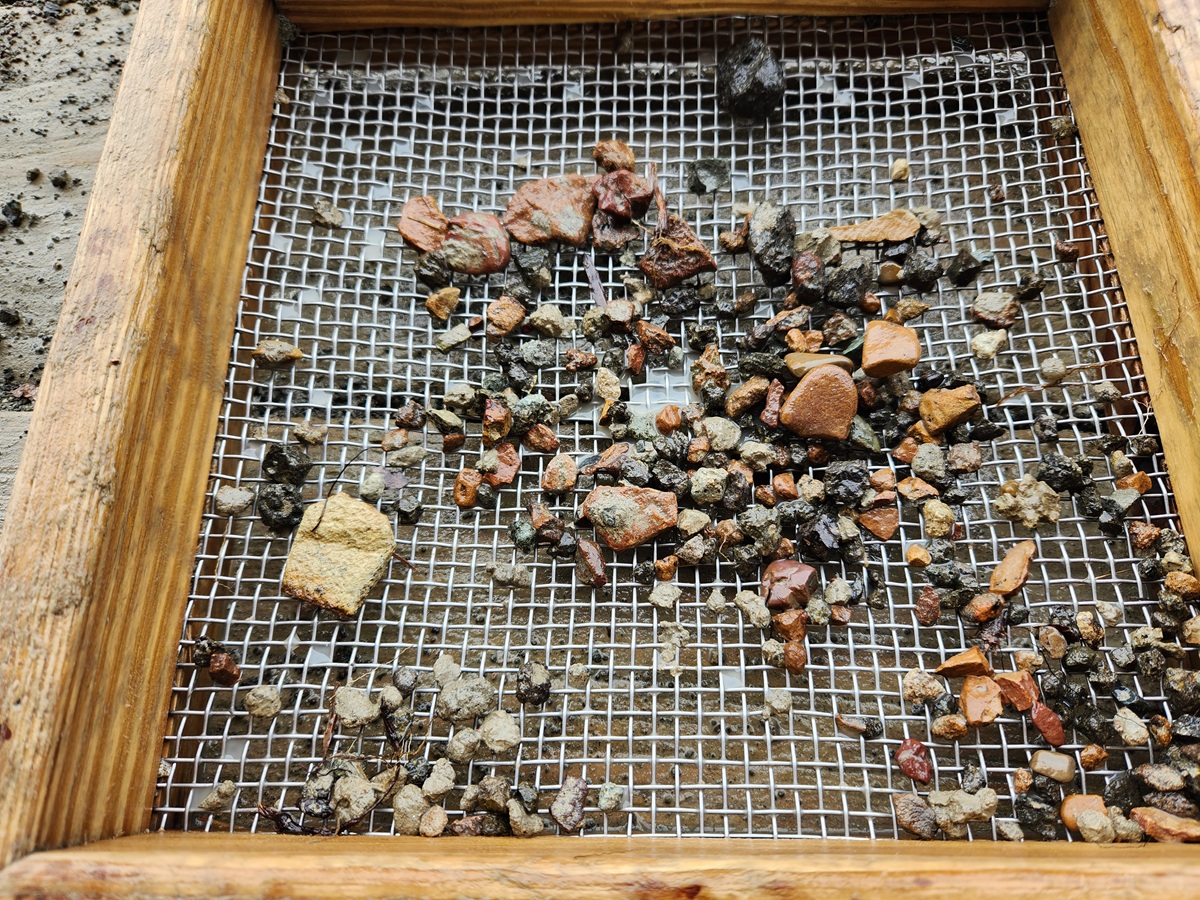
Just over the Arkansas border is Crater of Diamonds State Park, where you can dig all the dirt you want, in search of riches. Unfortunately for us, it rained all night after we arrived, so we were digging, slipping and sliding in mud. Several hours of that much fun was enough for us and we were moving on the next day, without any precious gems to show for all of our digging and washing.


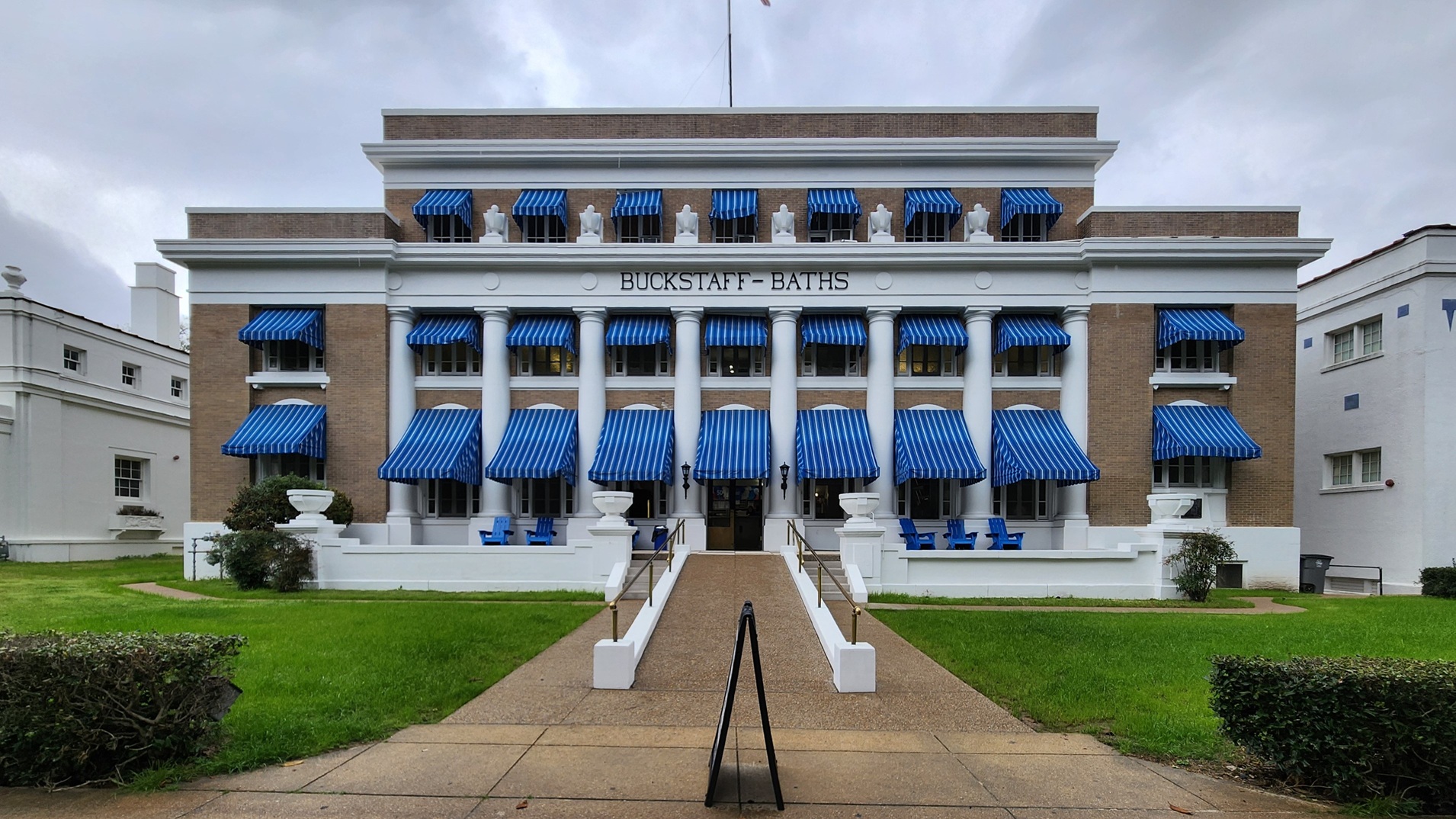
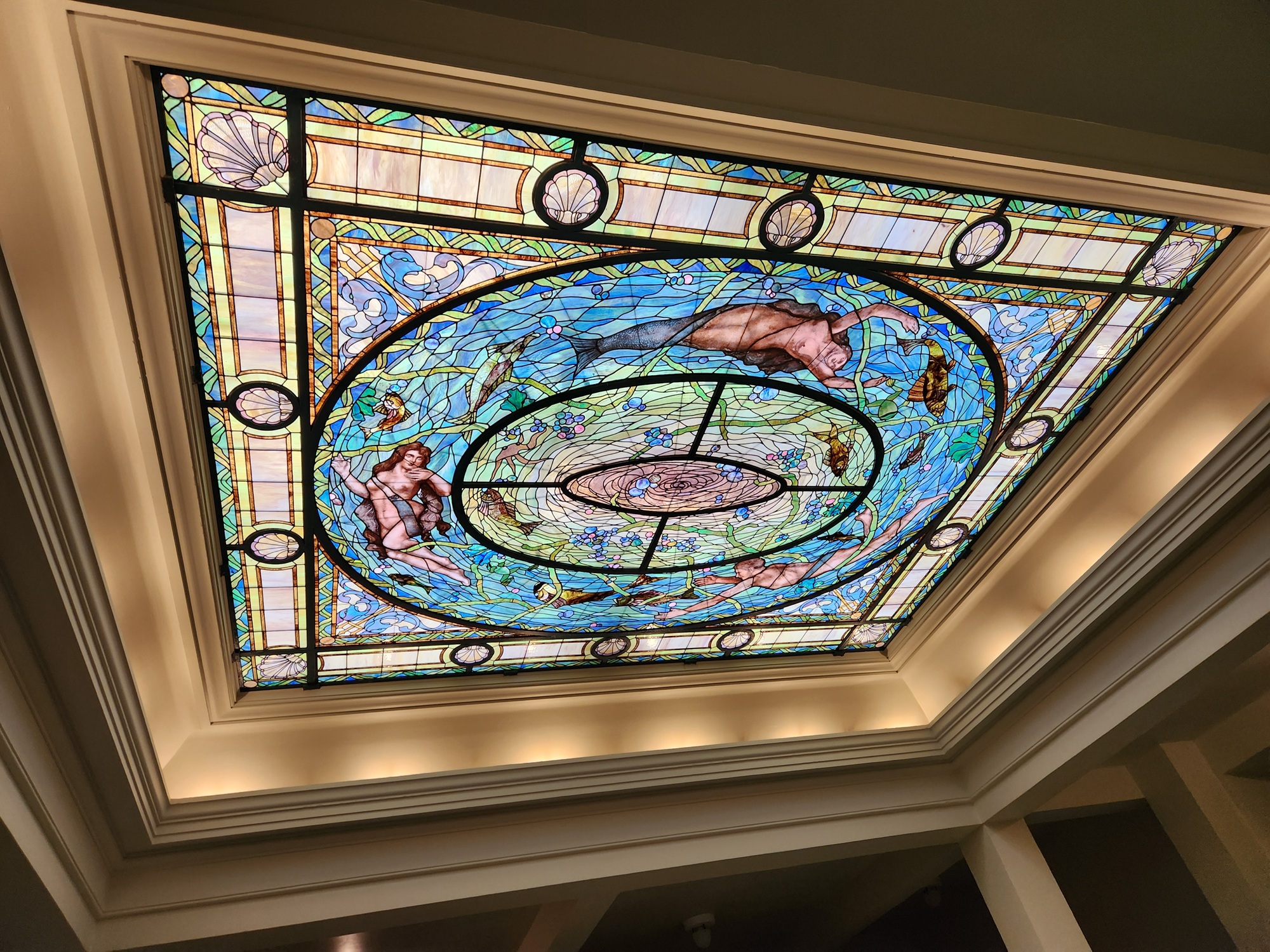
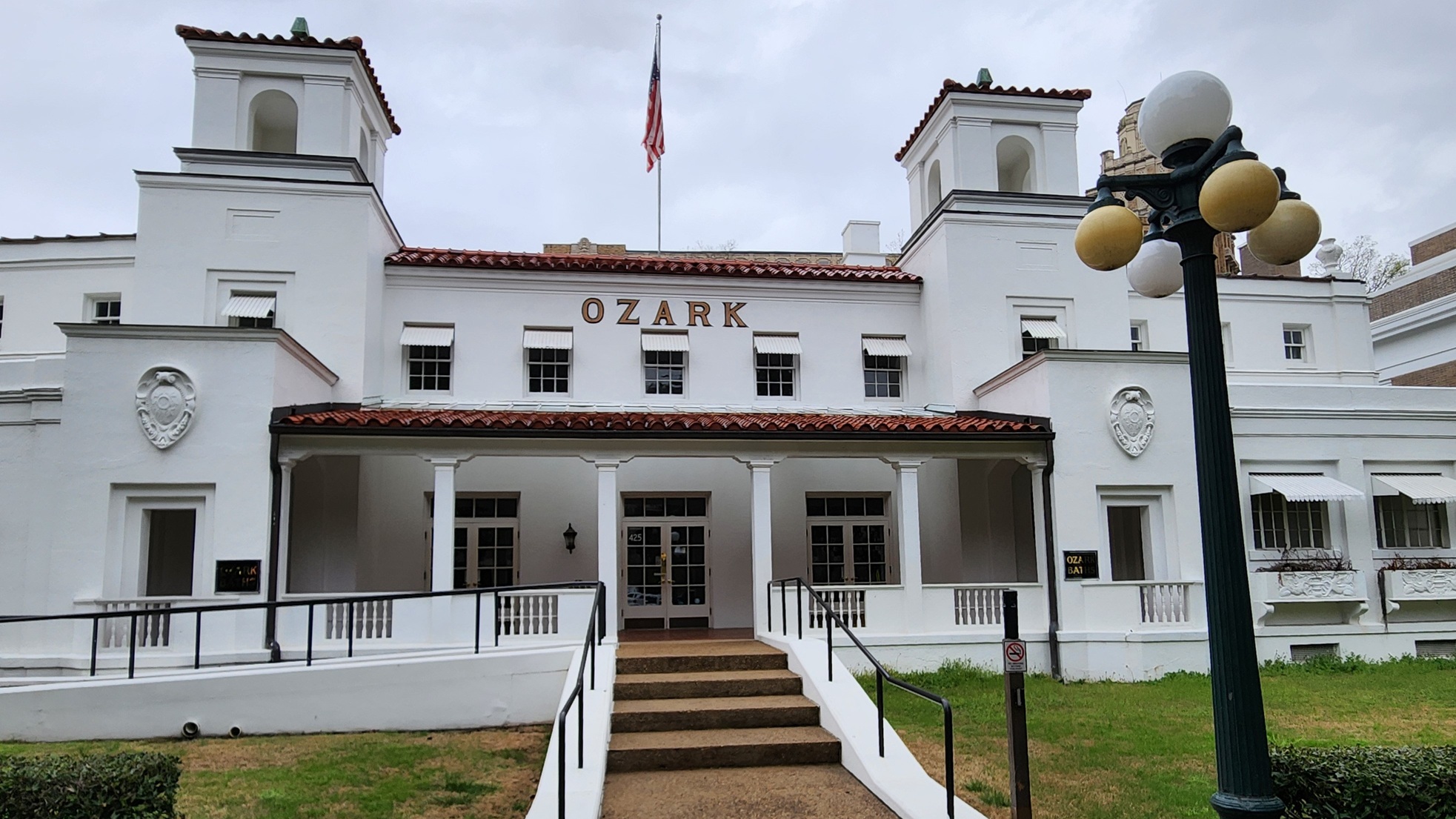
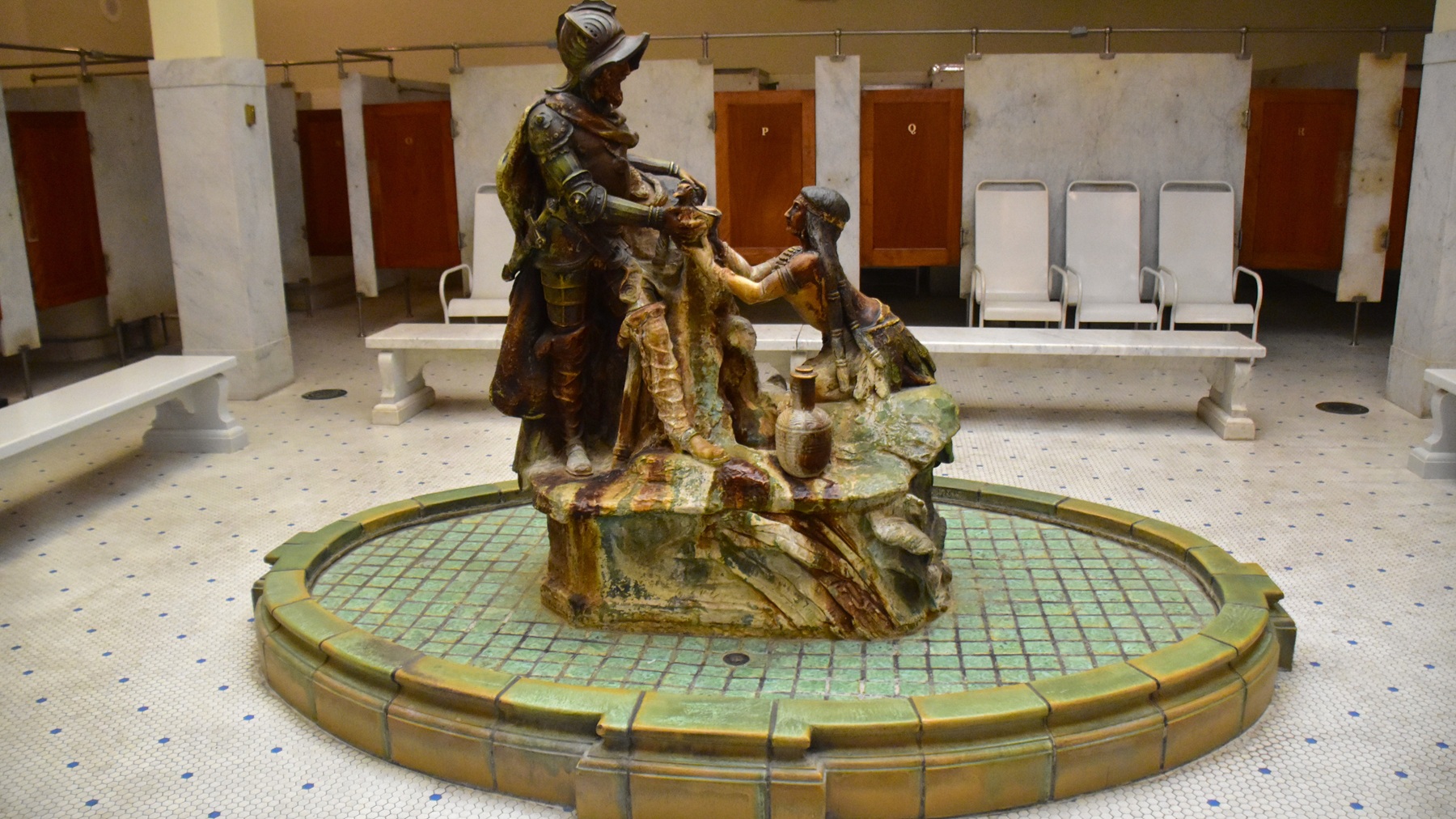
Hot Springs, Arkansas, is home to historic Bathhouse Row, where the rich and/or famous have visited since the early 1900’s to soak in and drink the warm mineral waters. Modern spas are still available in beautiful buildings, with one original bathhouse still usable.


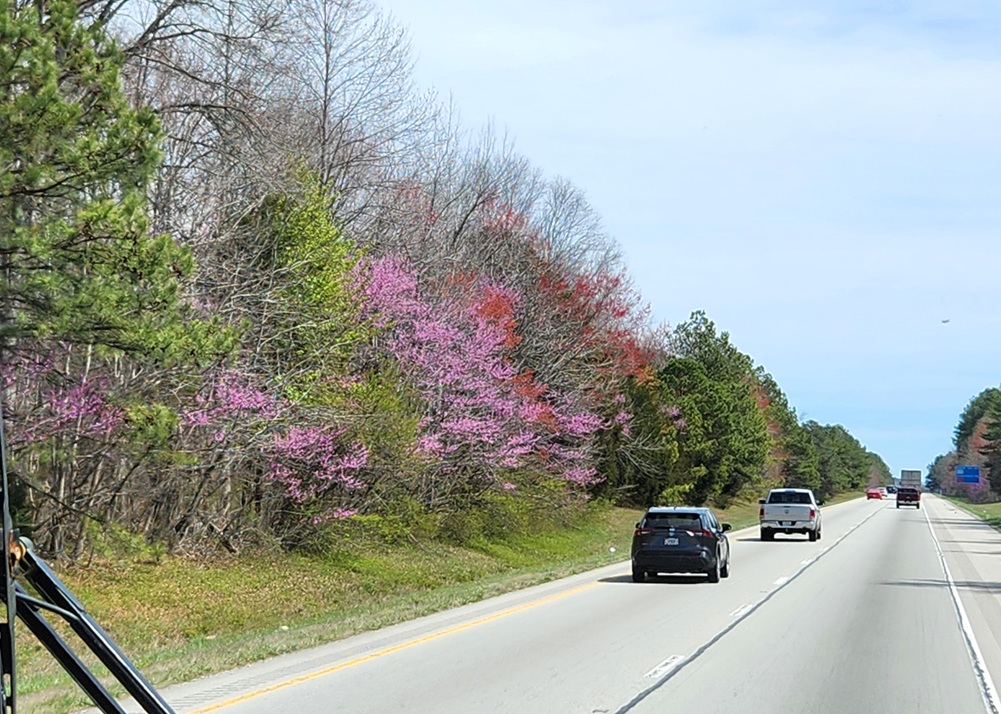
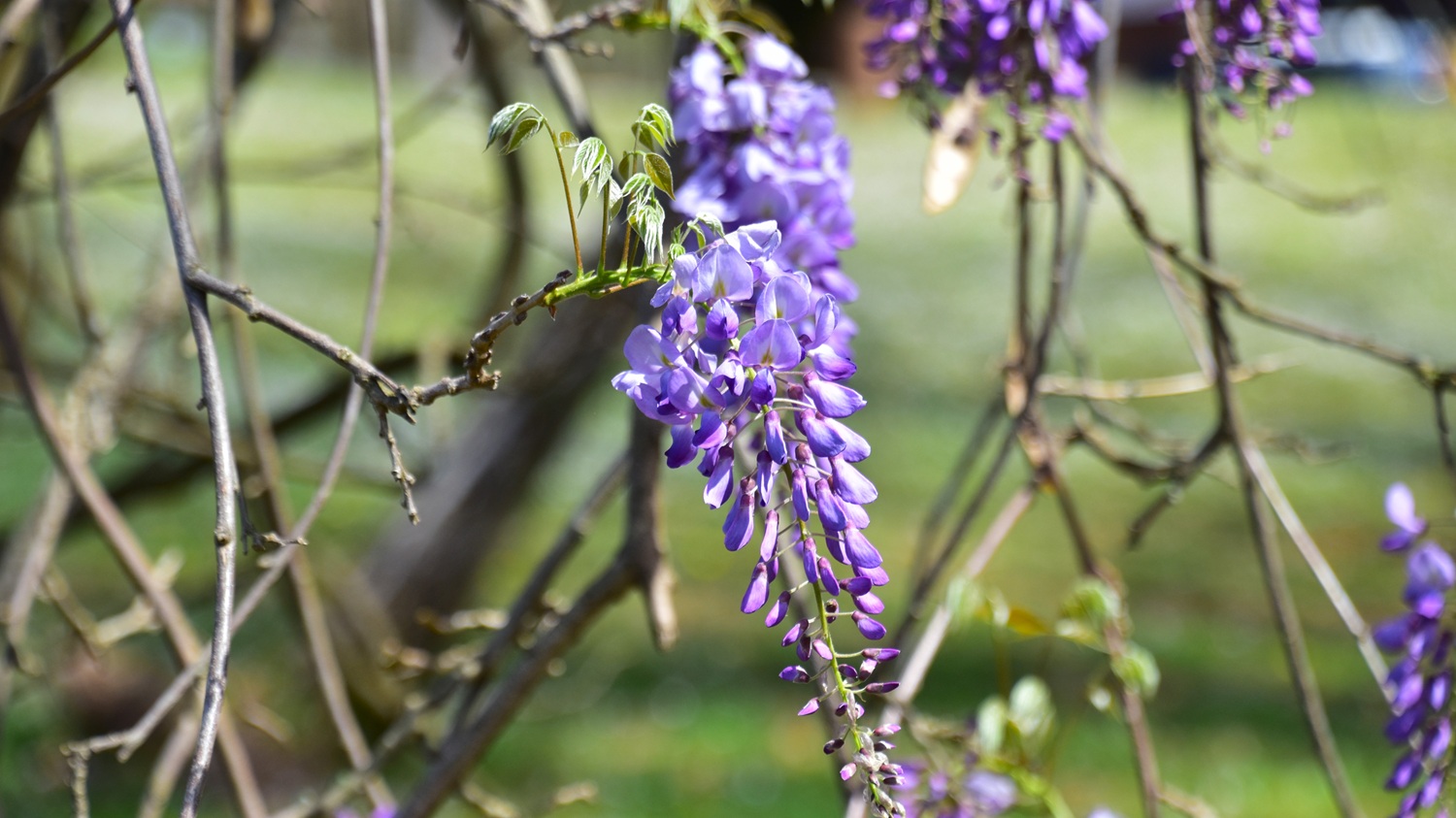
March produced blooms on some of our favorite flowering trees (Redbud and Dogwood), vines (Wisteria) and spring bulbs.


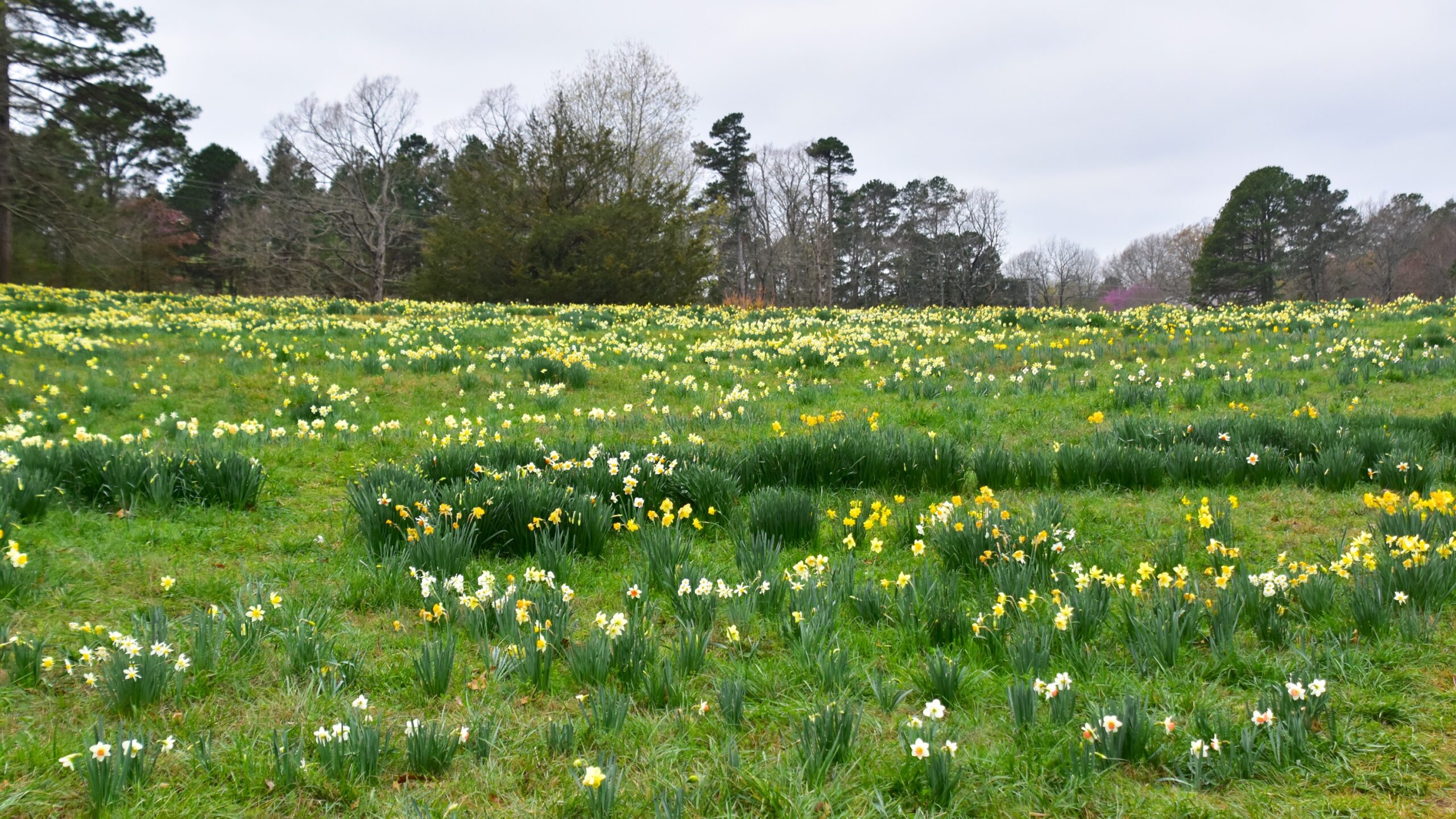
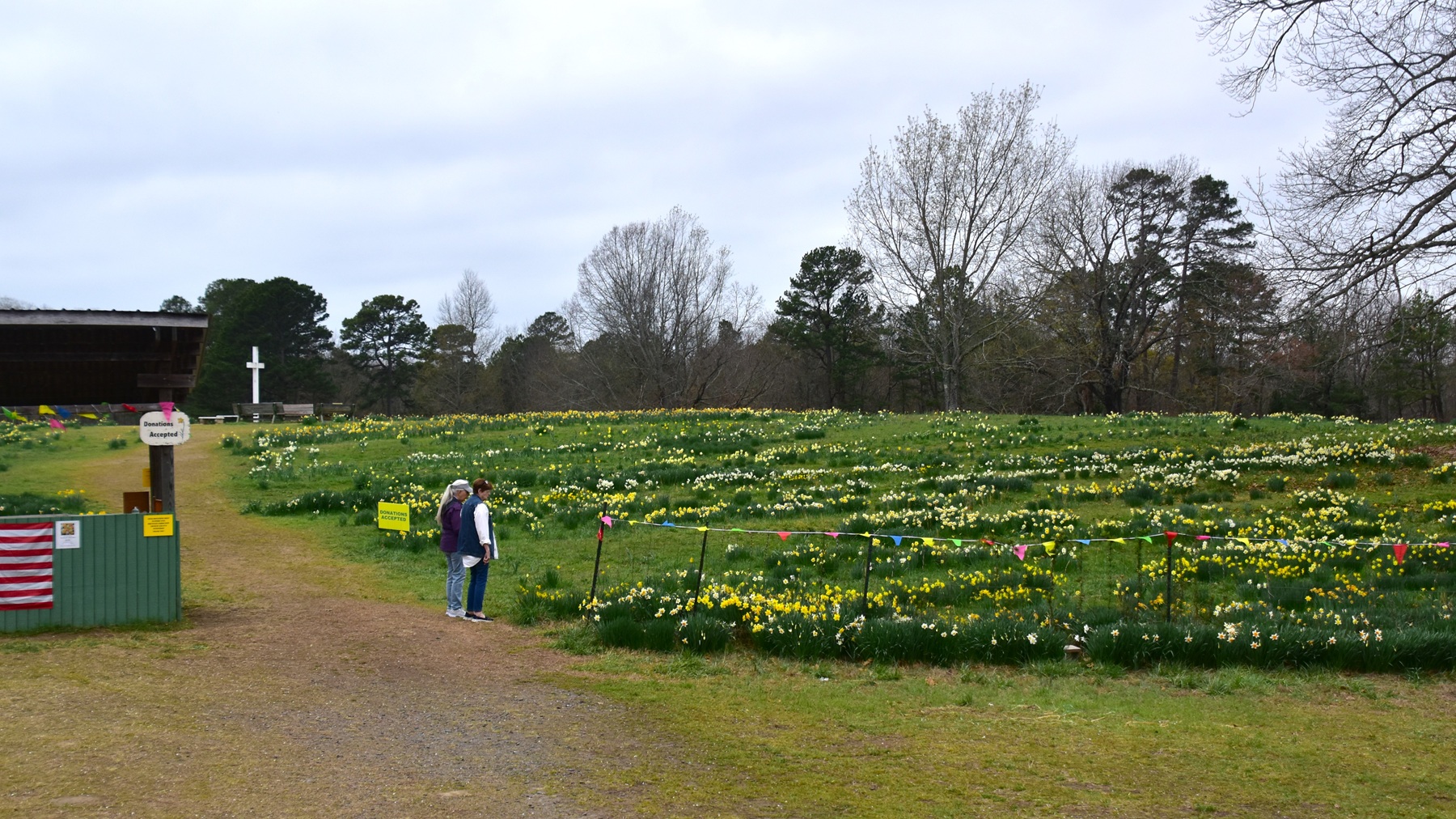
Wye Mountain Daffodil fields were just past their prime, but still showy enough for us to enjoy.


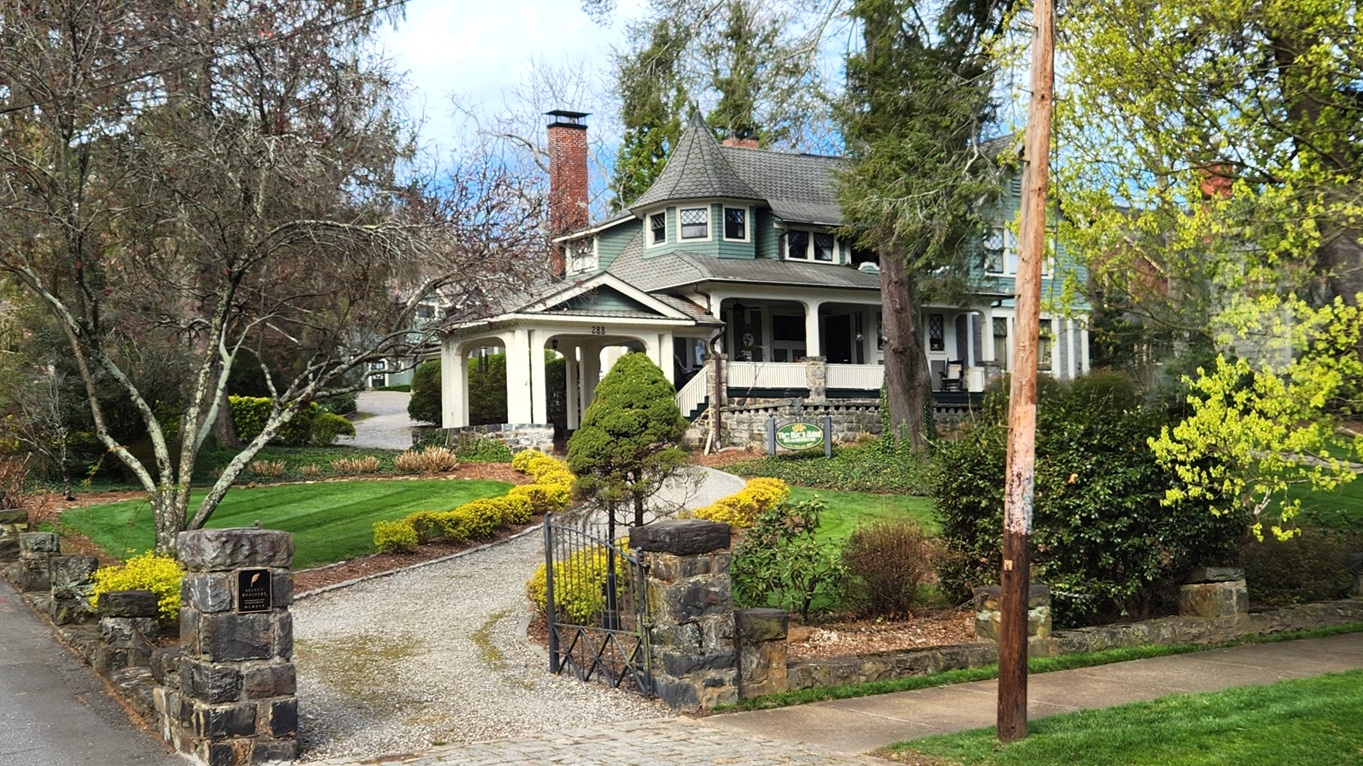
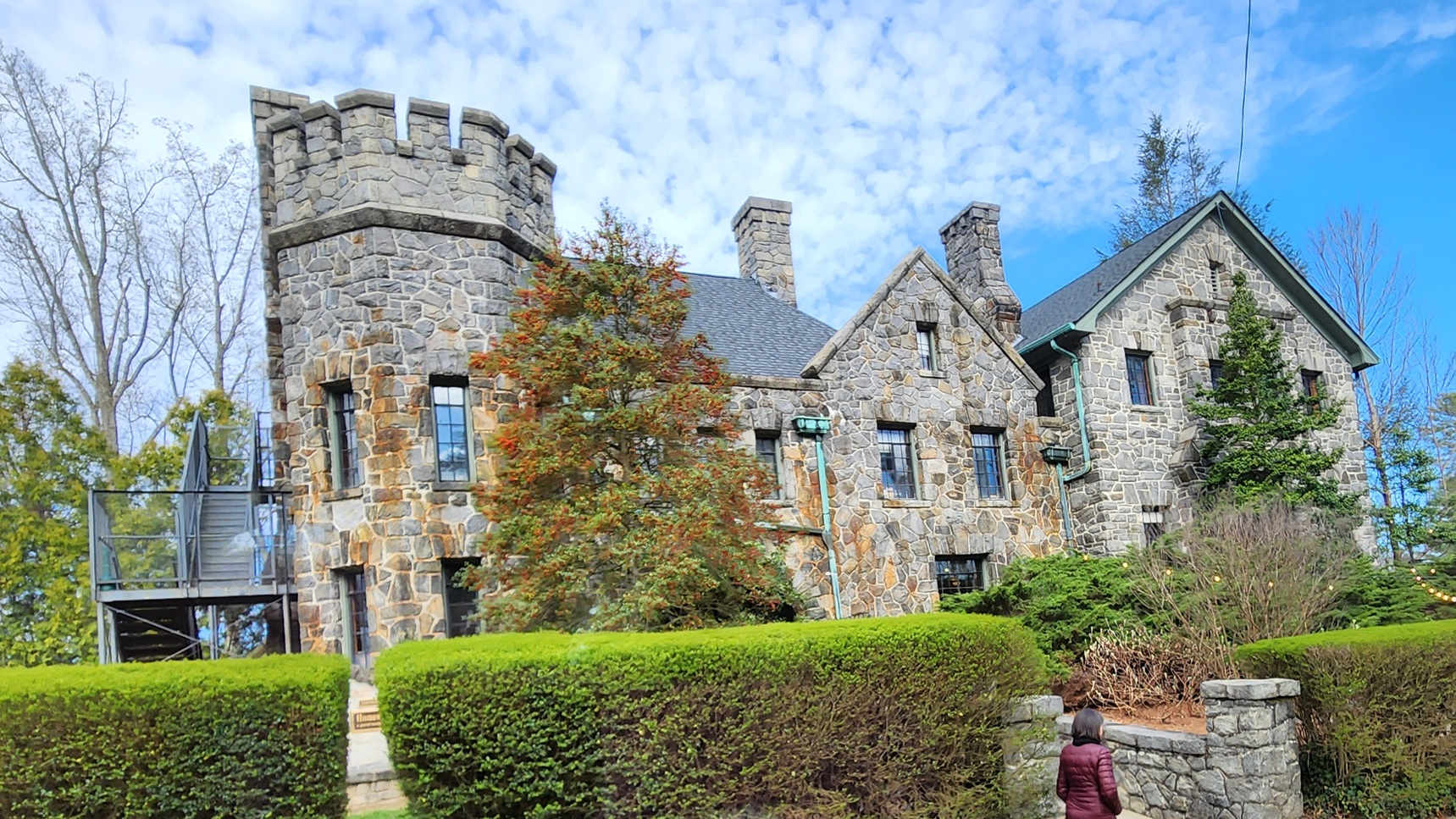
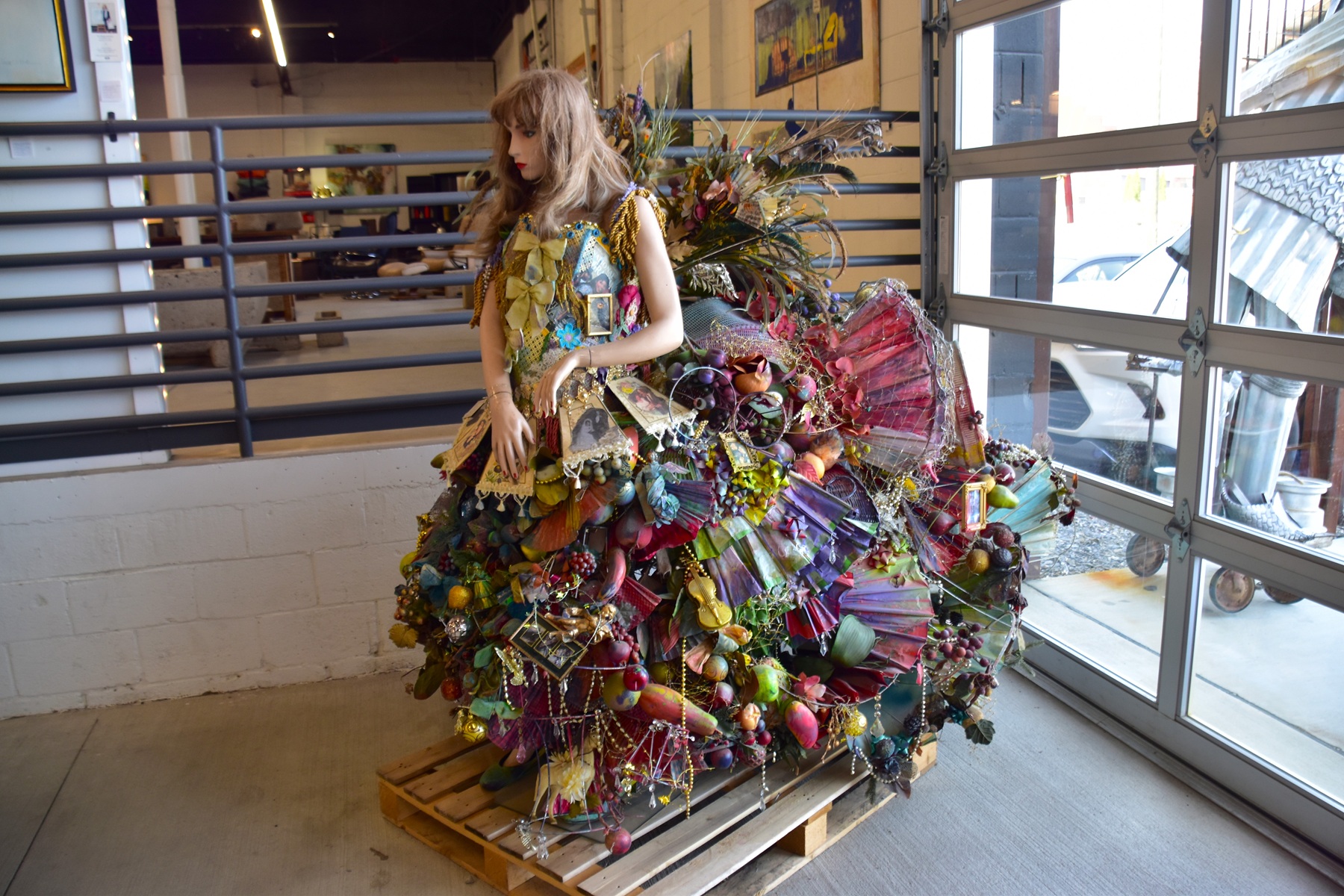
We had to check Asheville, North Carolina, off of our To-Visit list. Located in the eastern hills of the state, it features many historic homes, local artists exhibits and the fabulous Biltmore Estate.


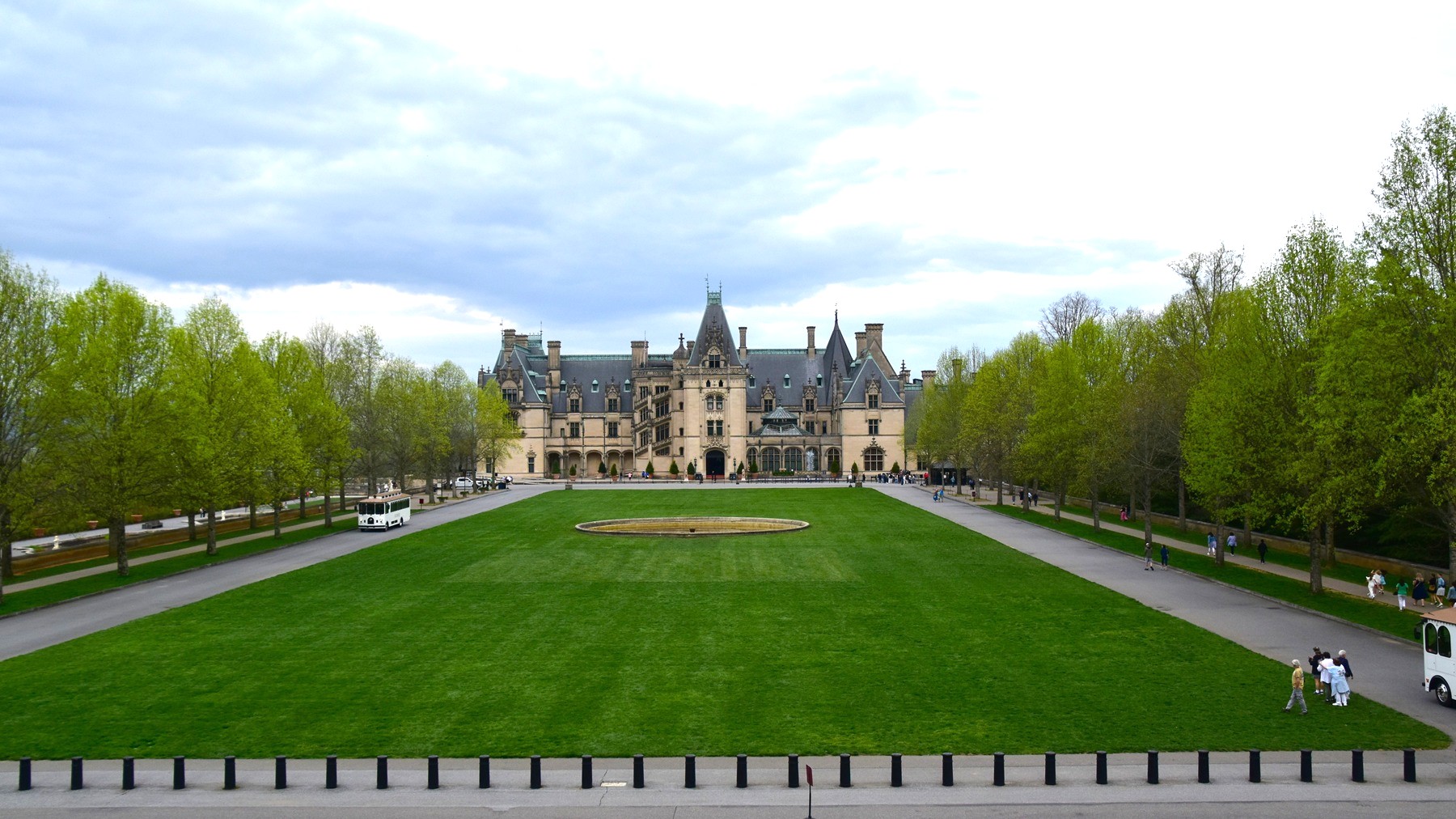
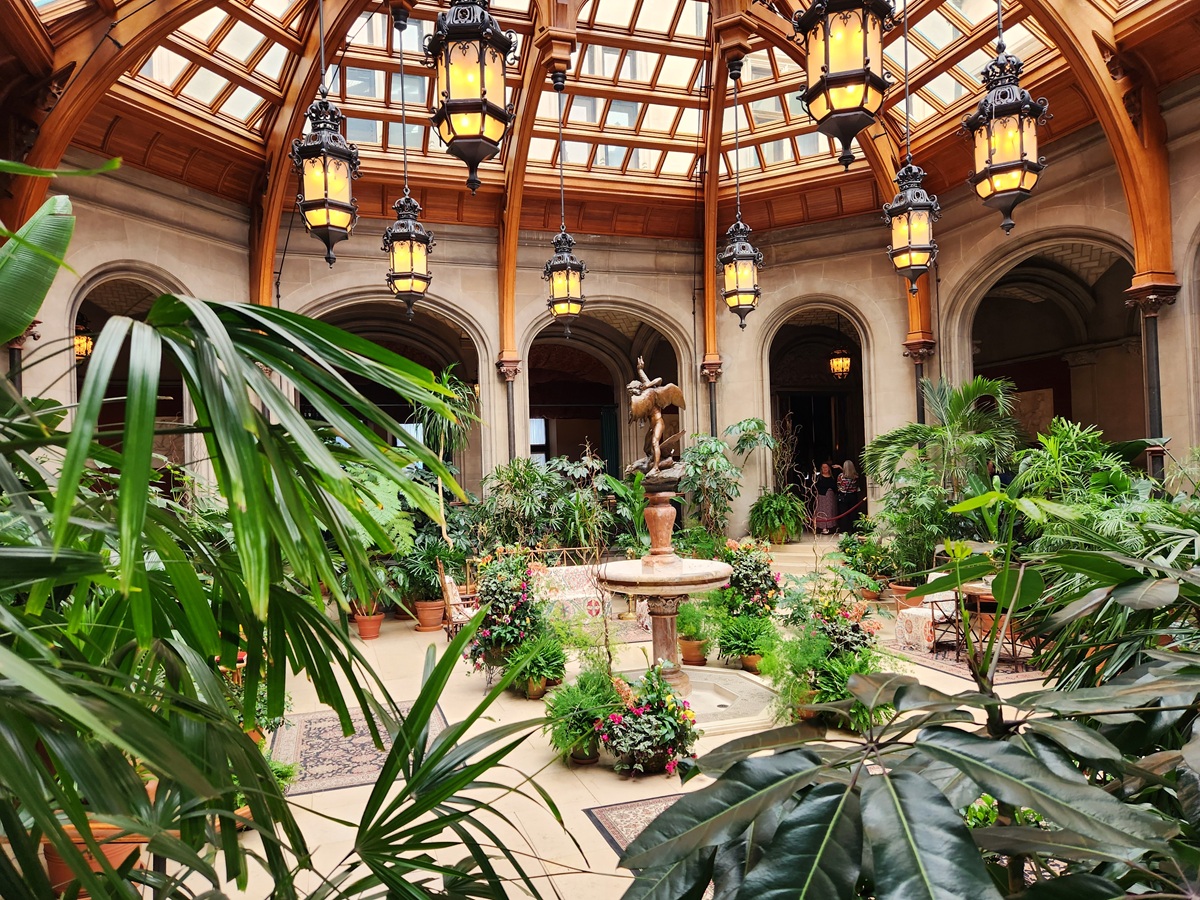
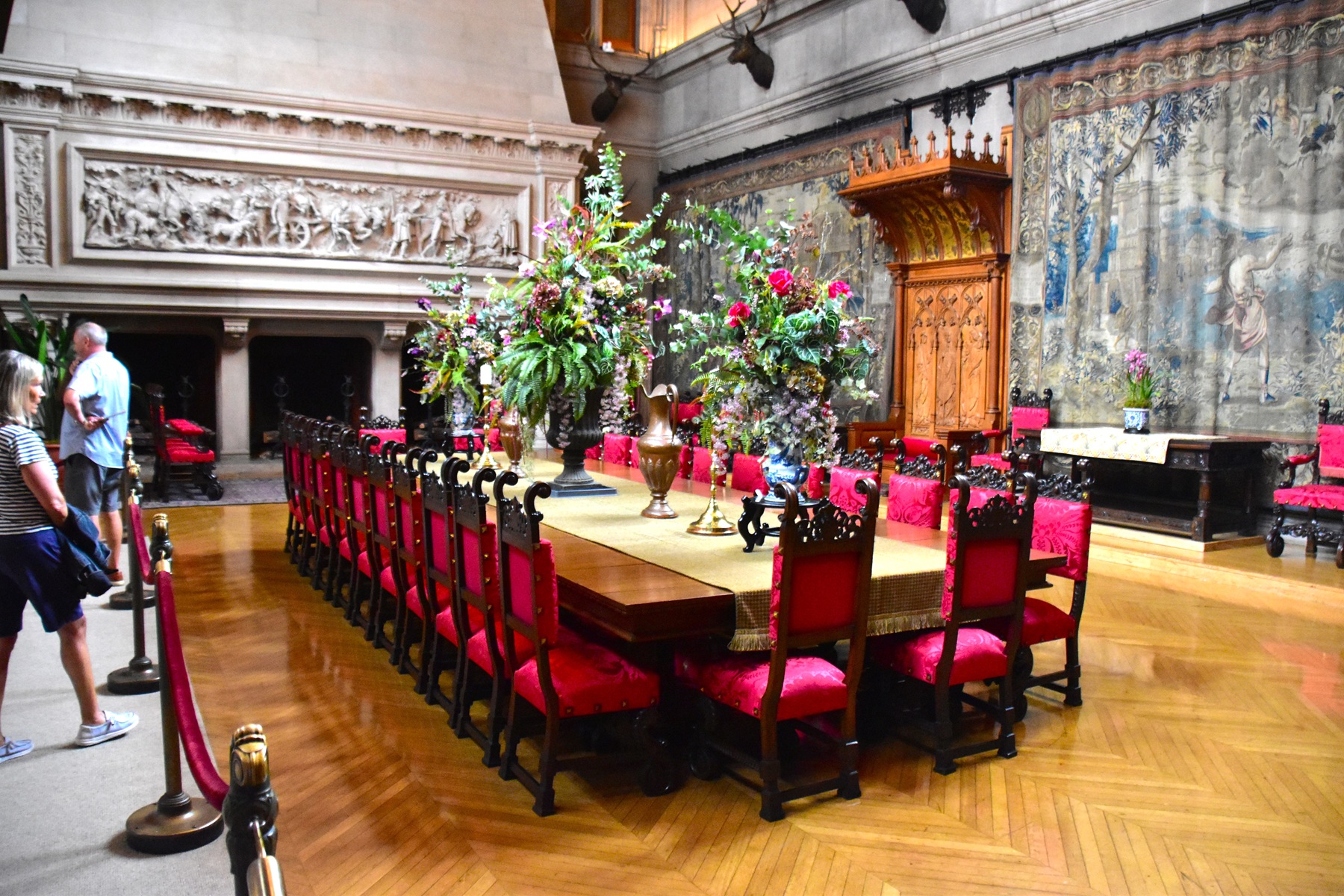
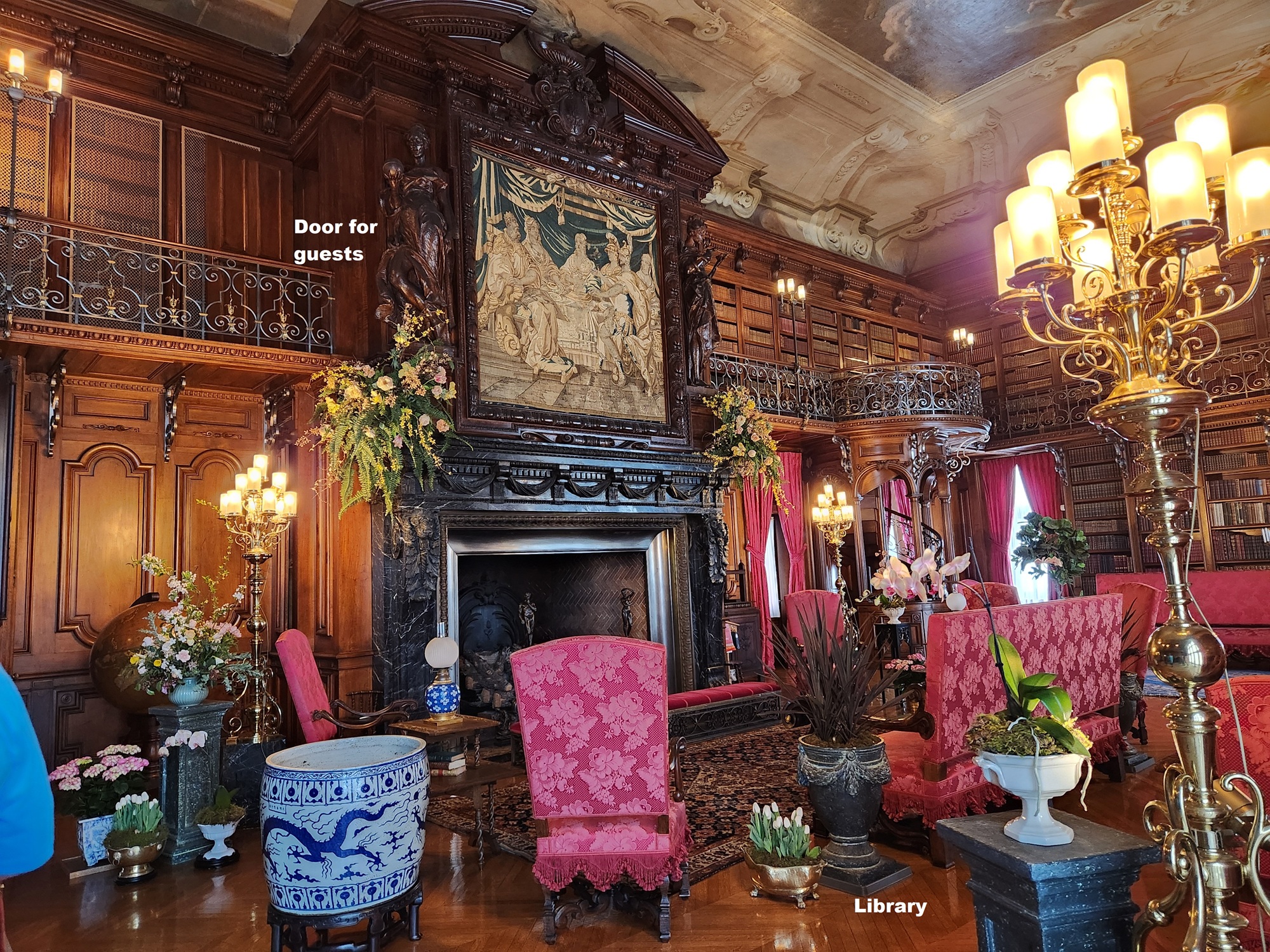
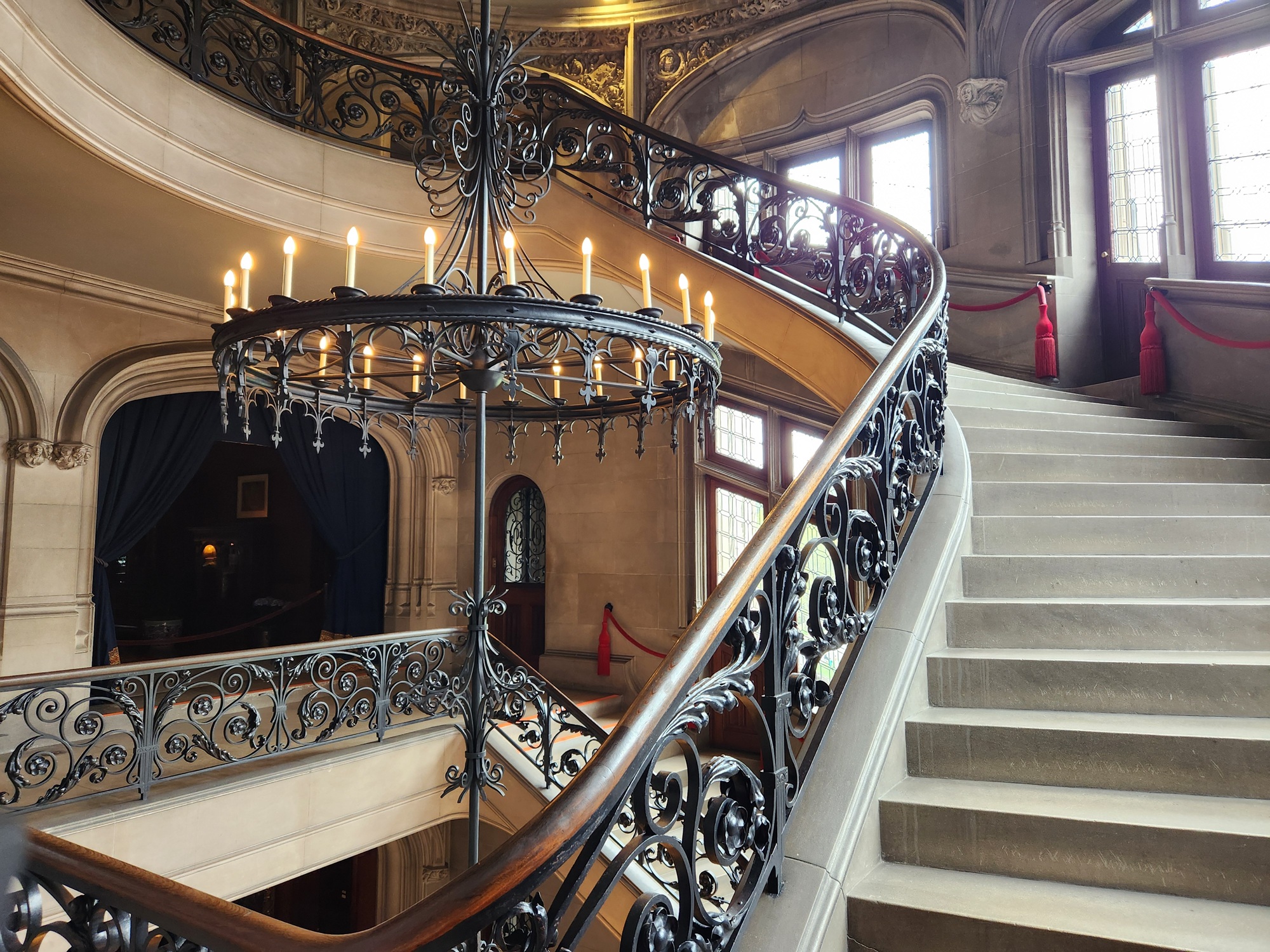
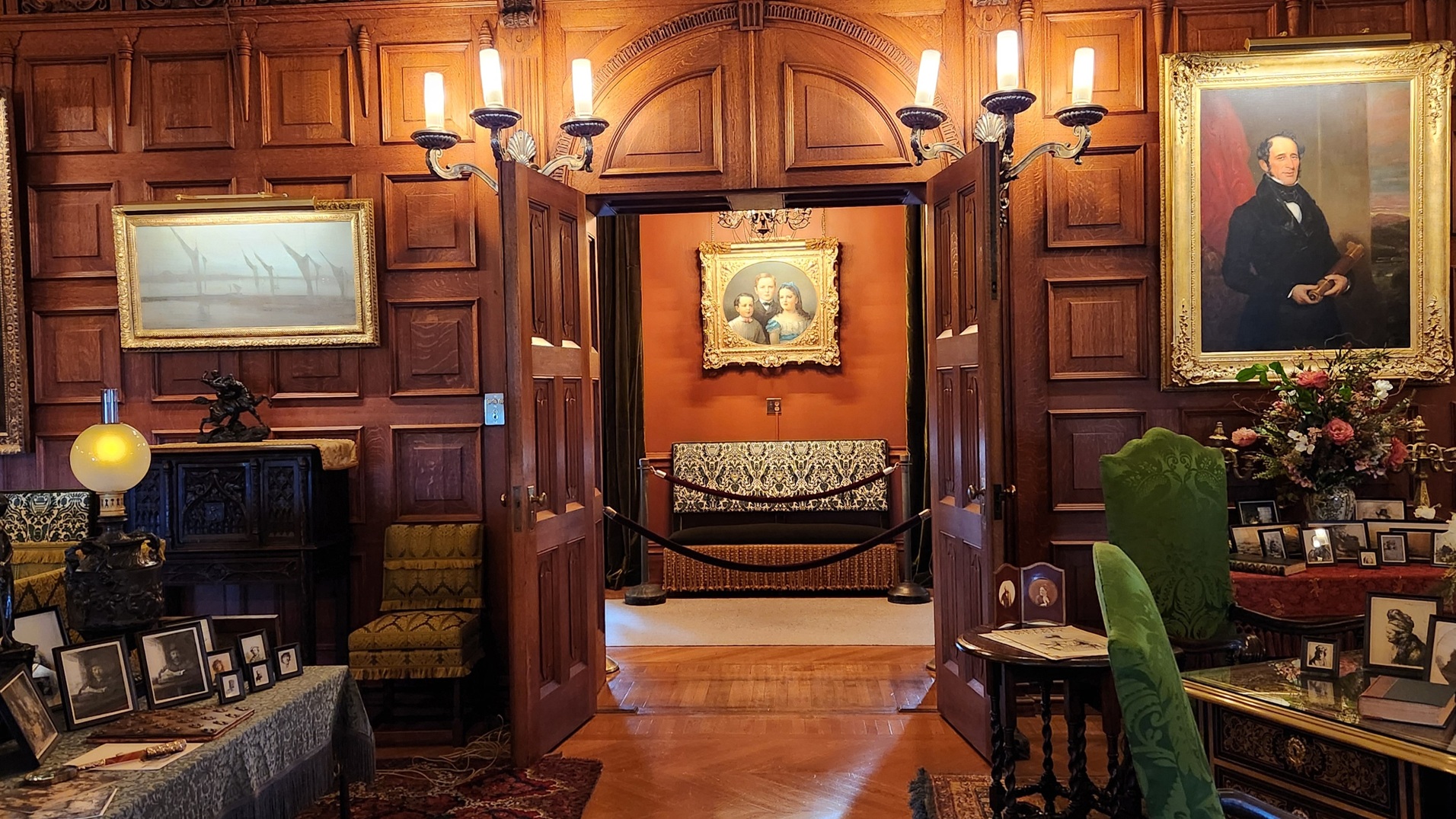
The 250 room Biltmore Estate was built by George Vanderbilt between 1889 and 1895, on 125,000 acres of land, some of which has been donated and sold over the years, and it is still the largest privately owned home in the U.S.  Vanderbilt included 35 bedrooms to accommodate visiting family and friends. Descendents of George still own and manage the estate today.

While not as ornate as the Rhode Island Vanderbilt mansions, the home and grounds are very impressive.


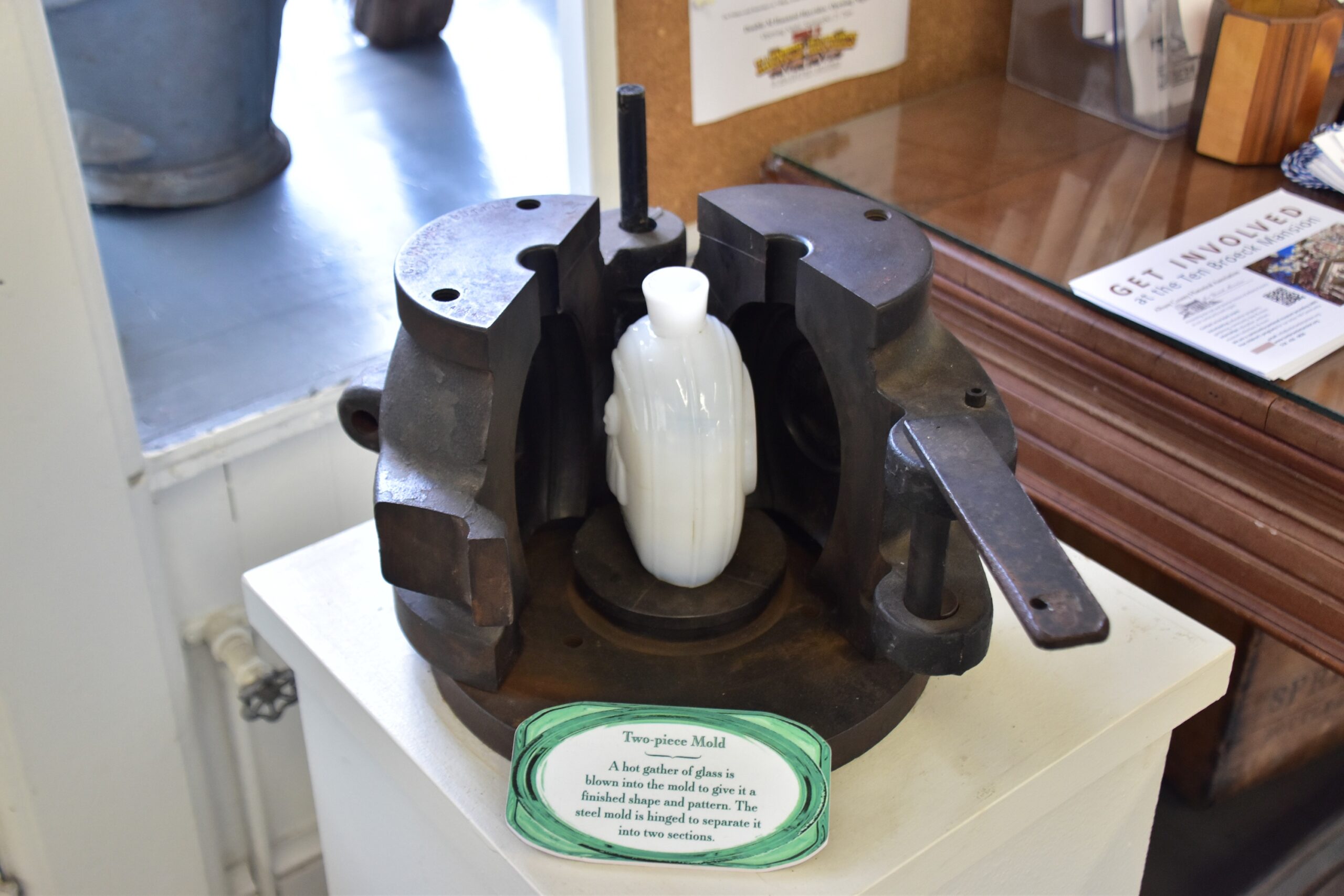
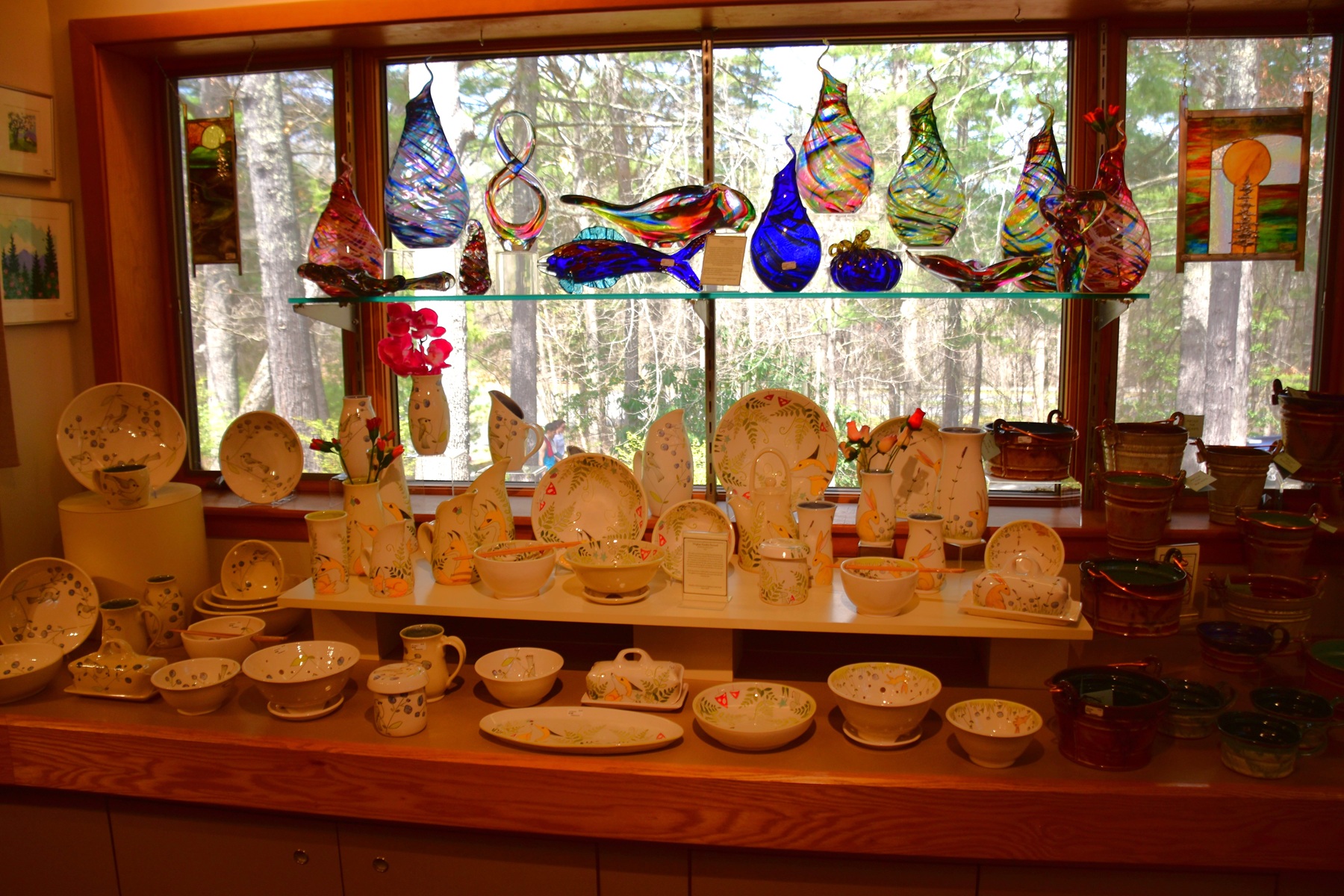
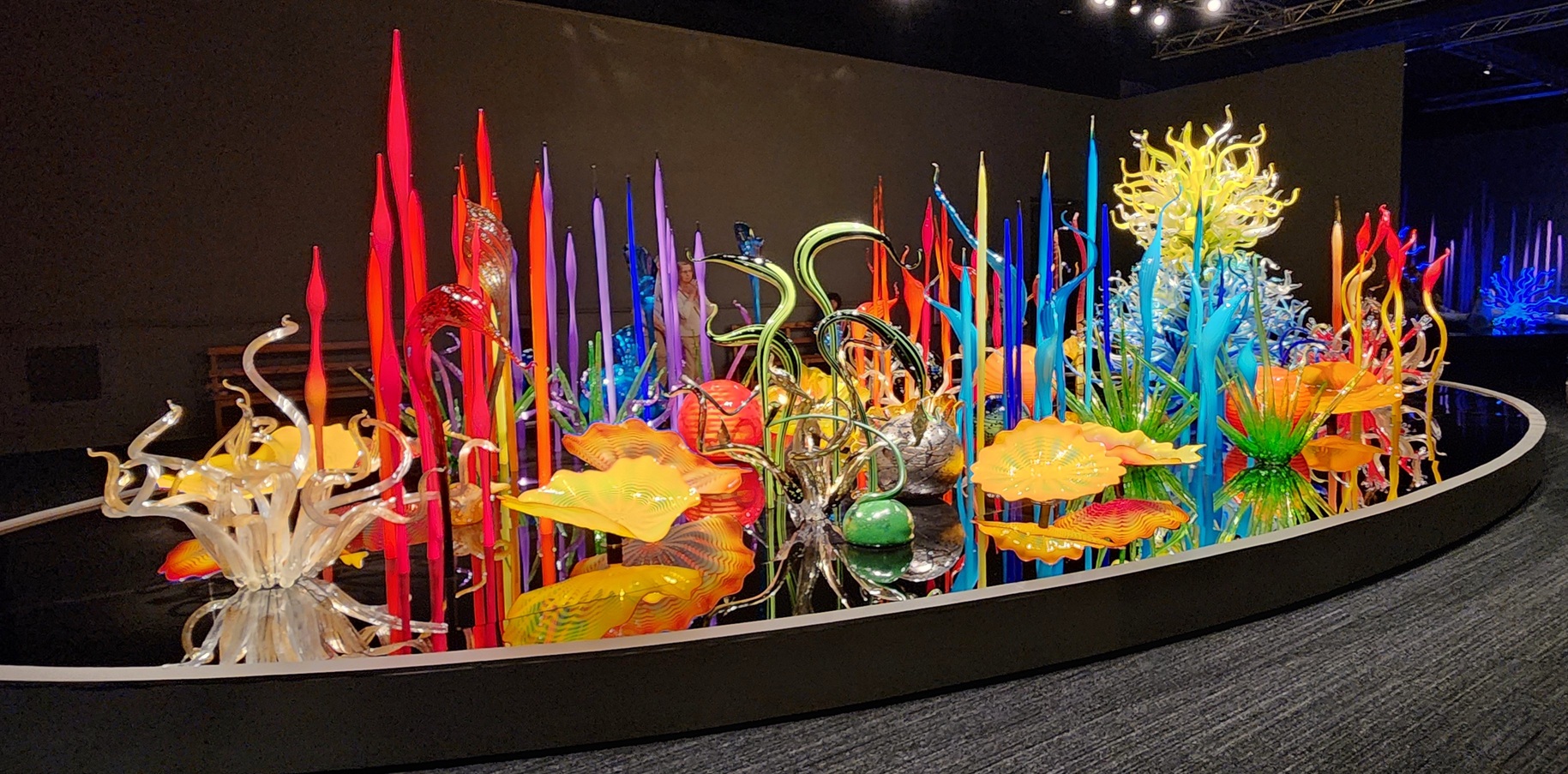
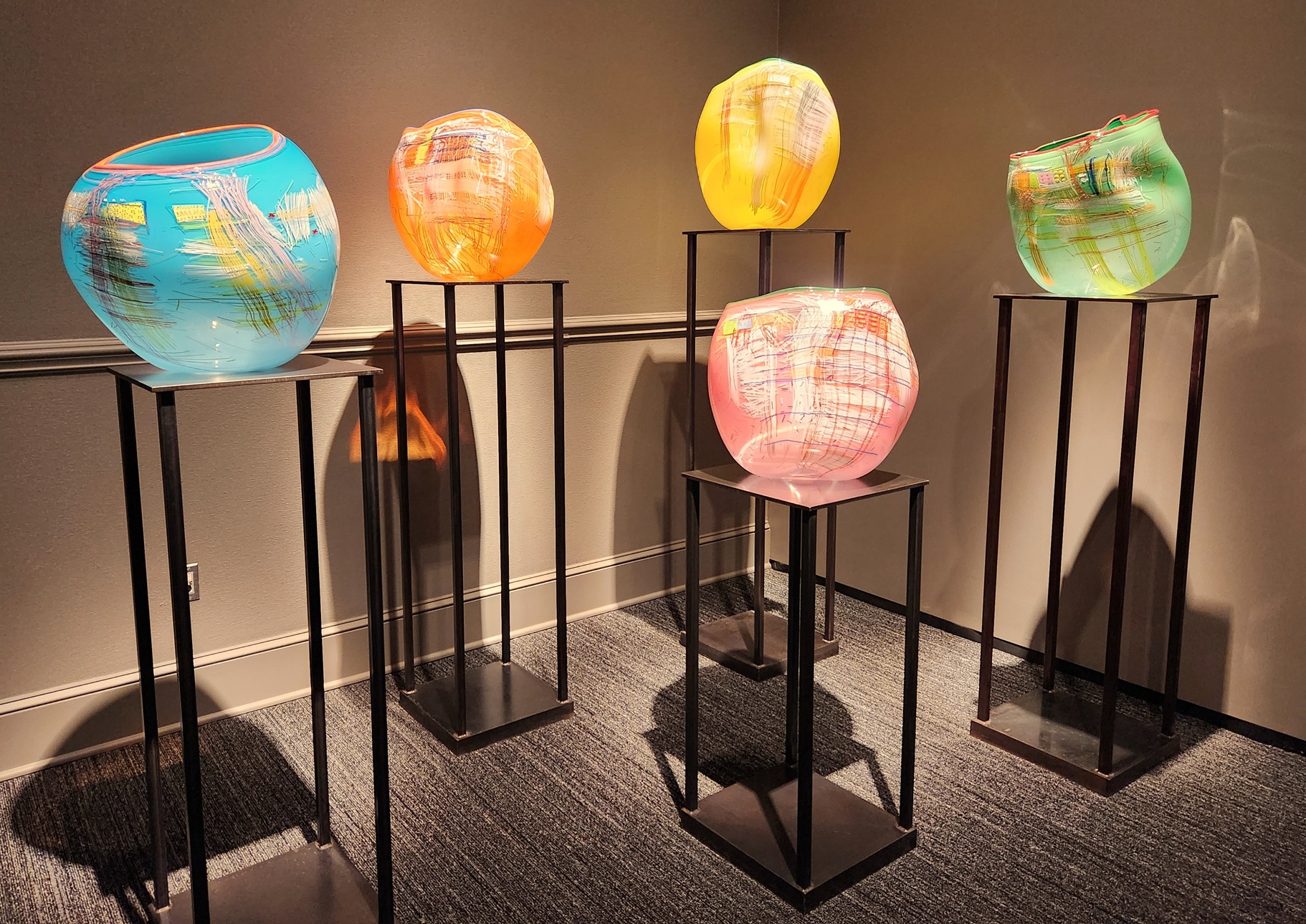
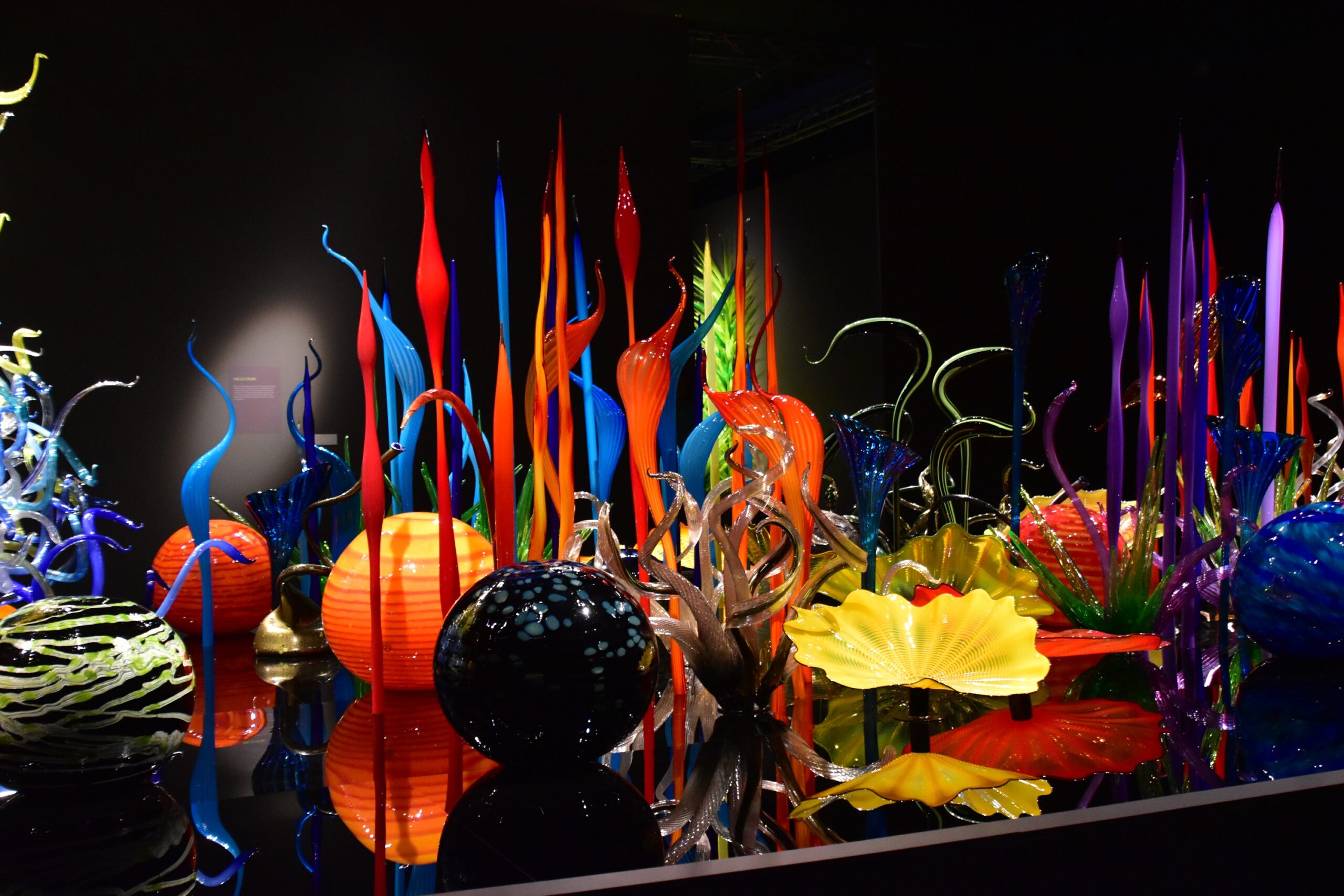
One of the buildings on the estate was hosting an exhibit of Dale Chihuly works, one of our favorite glass artists. 


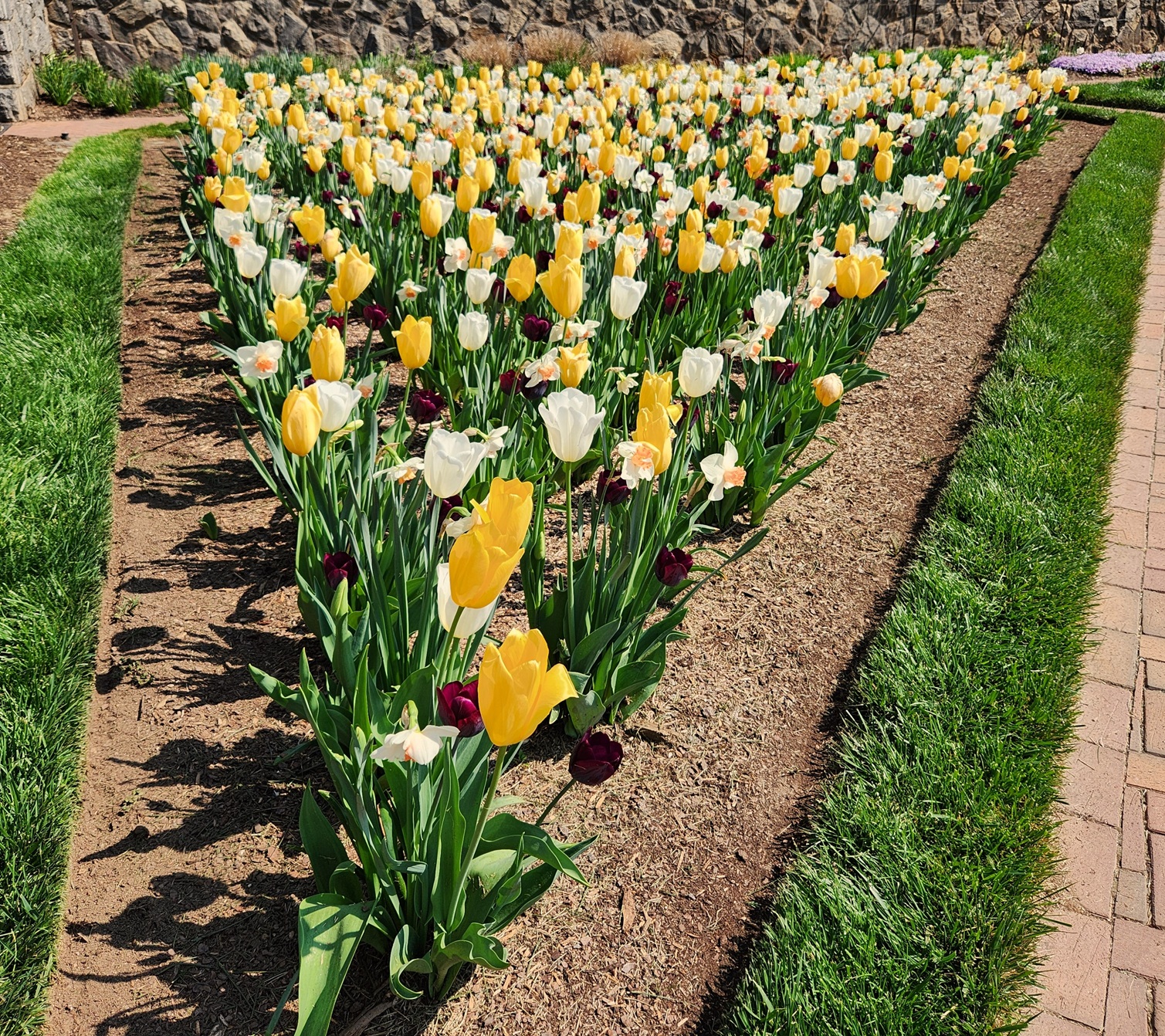
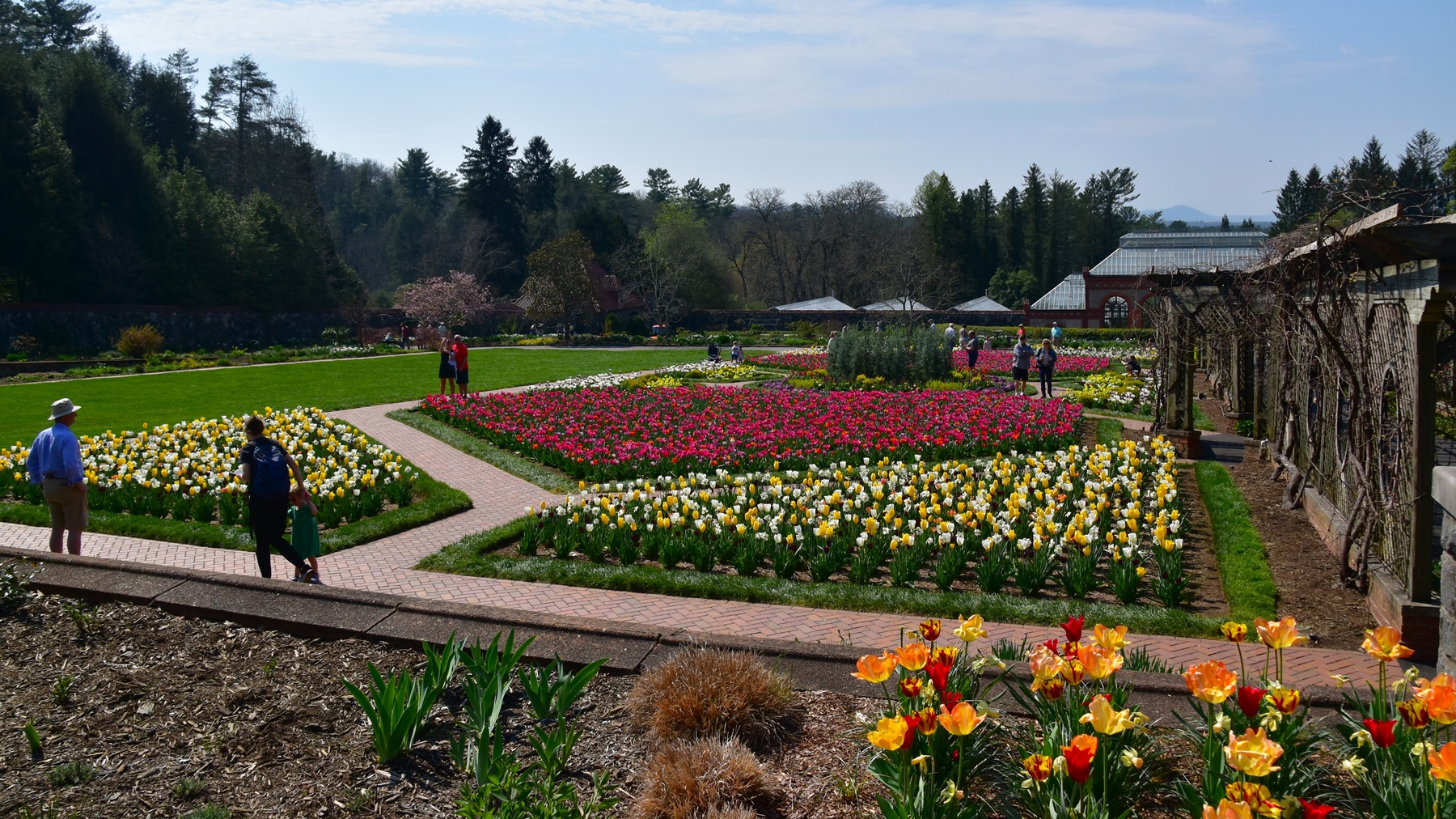
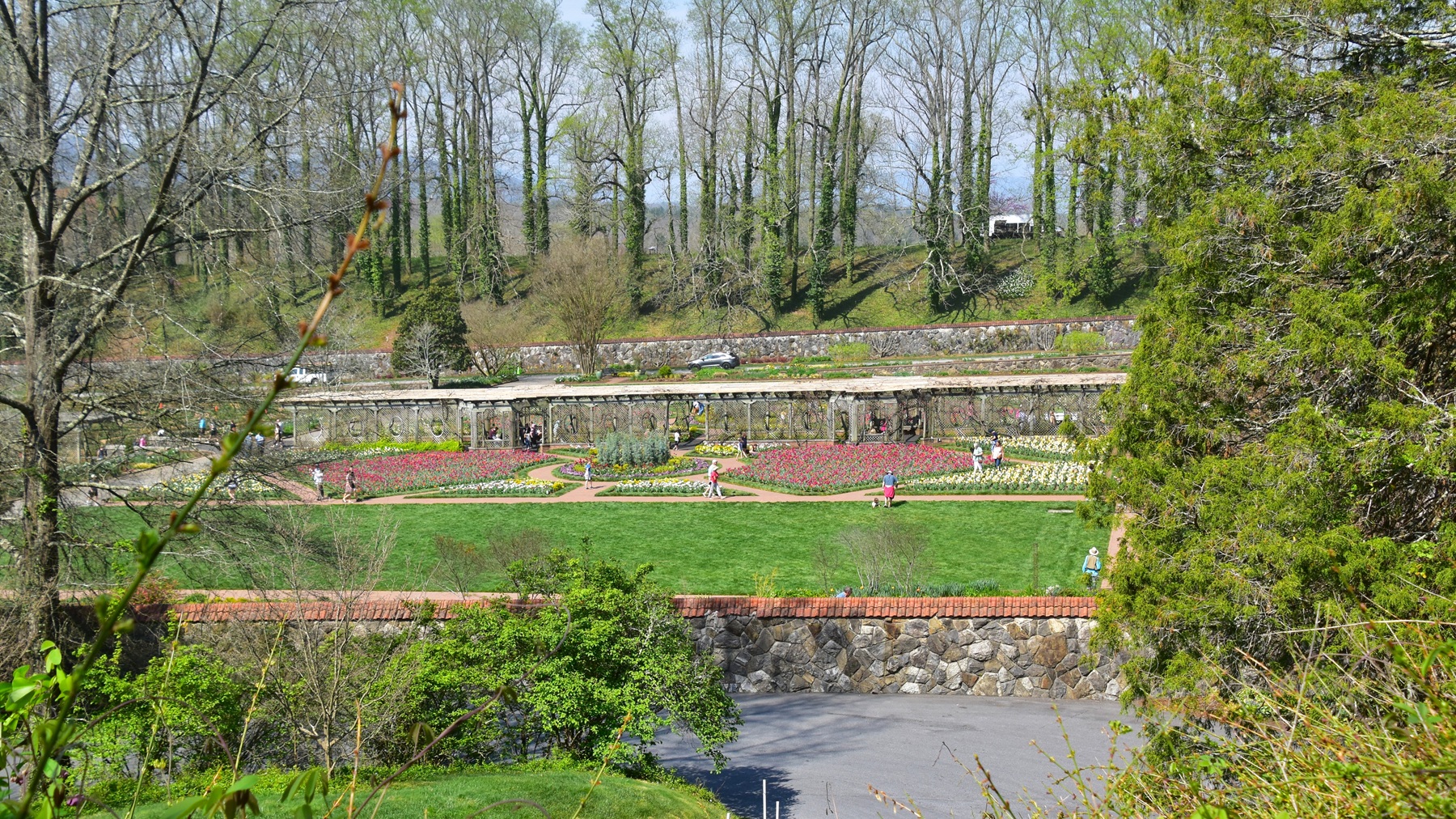
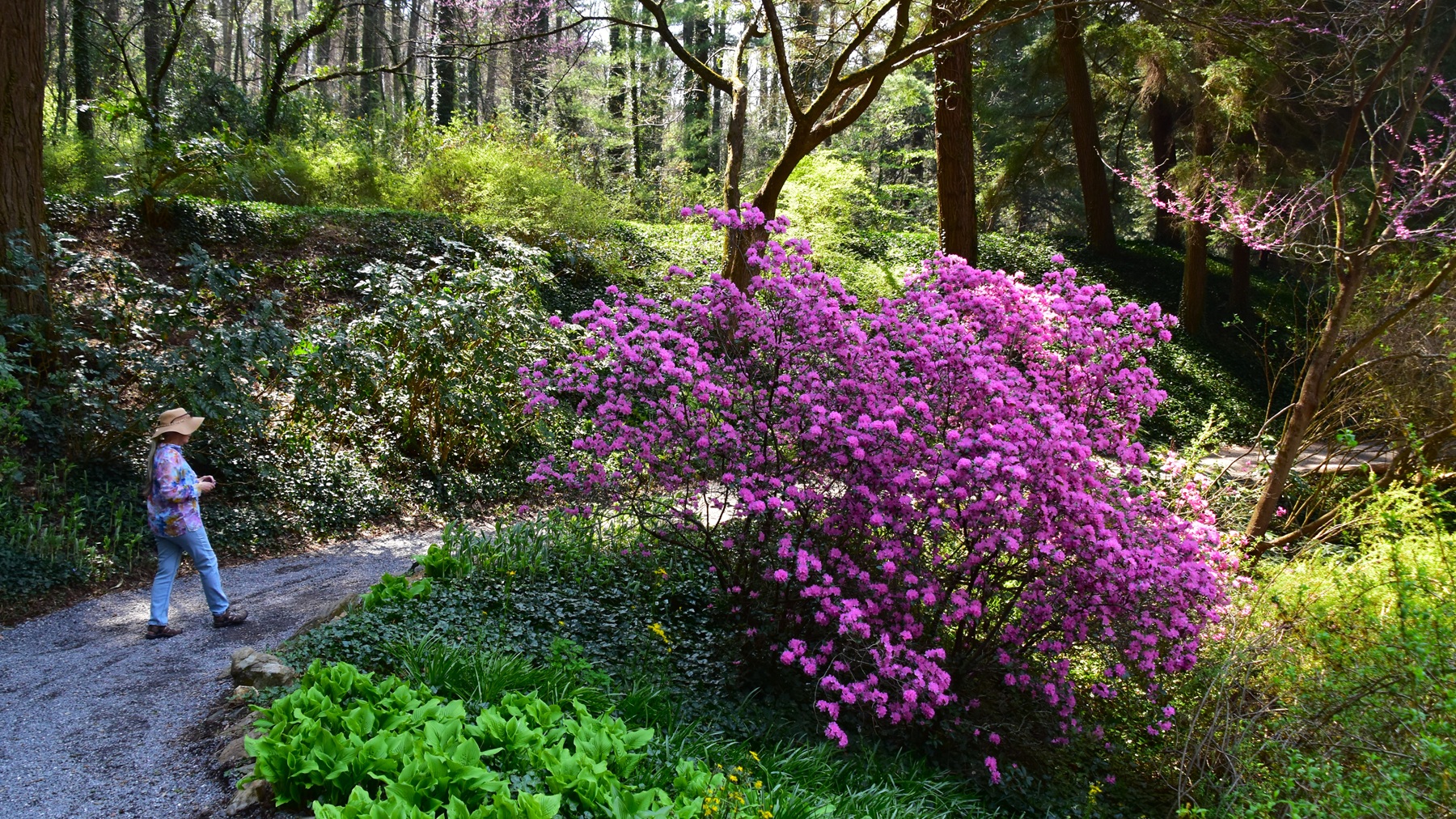
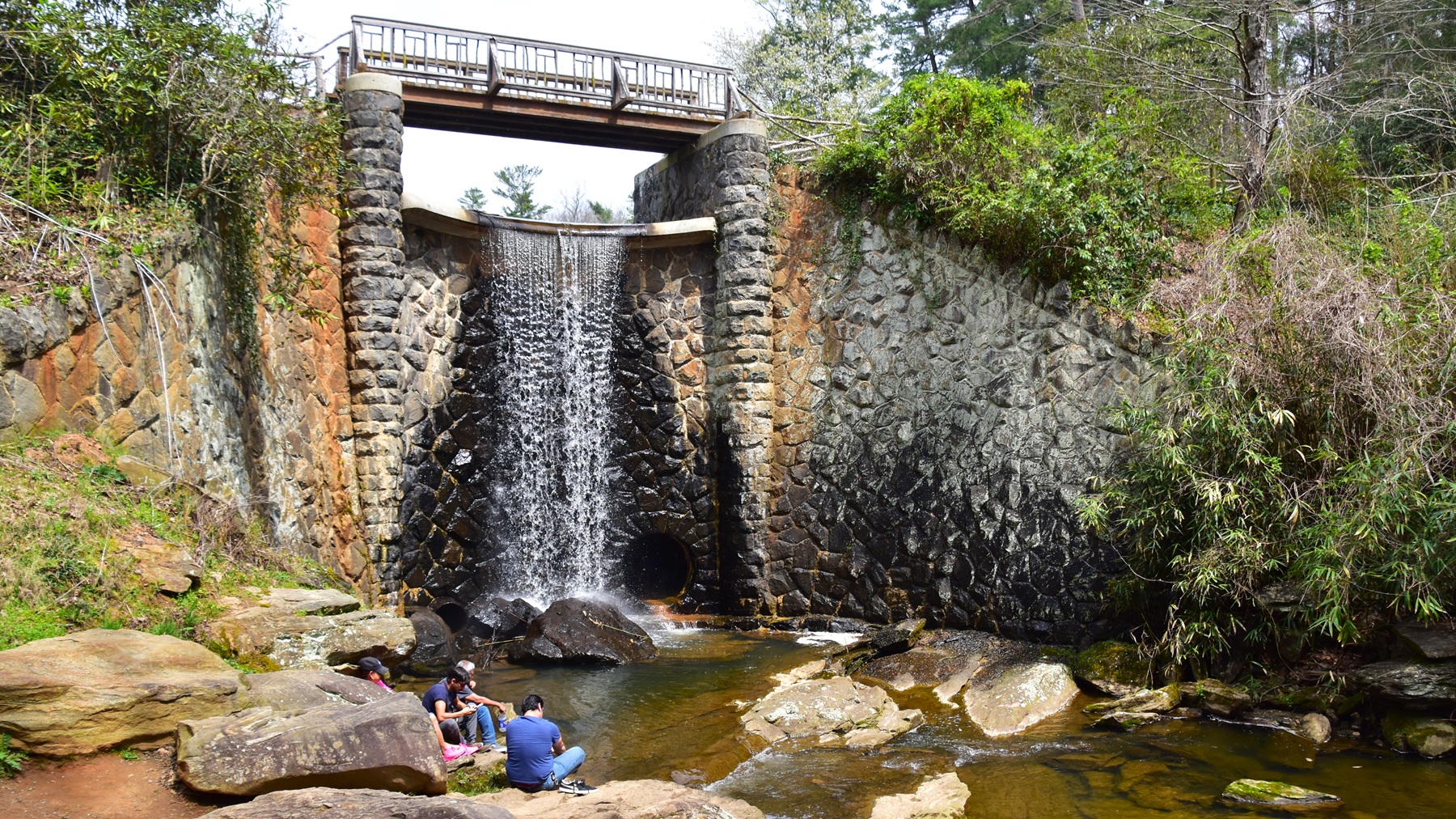
Day Two at Biltmore was spent in the gardens, where the beautiful displays of spring bulbs and shrubs were very impressive. The gardens are huge, encompassing many trails through landscaped gardens, ponds and woods.


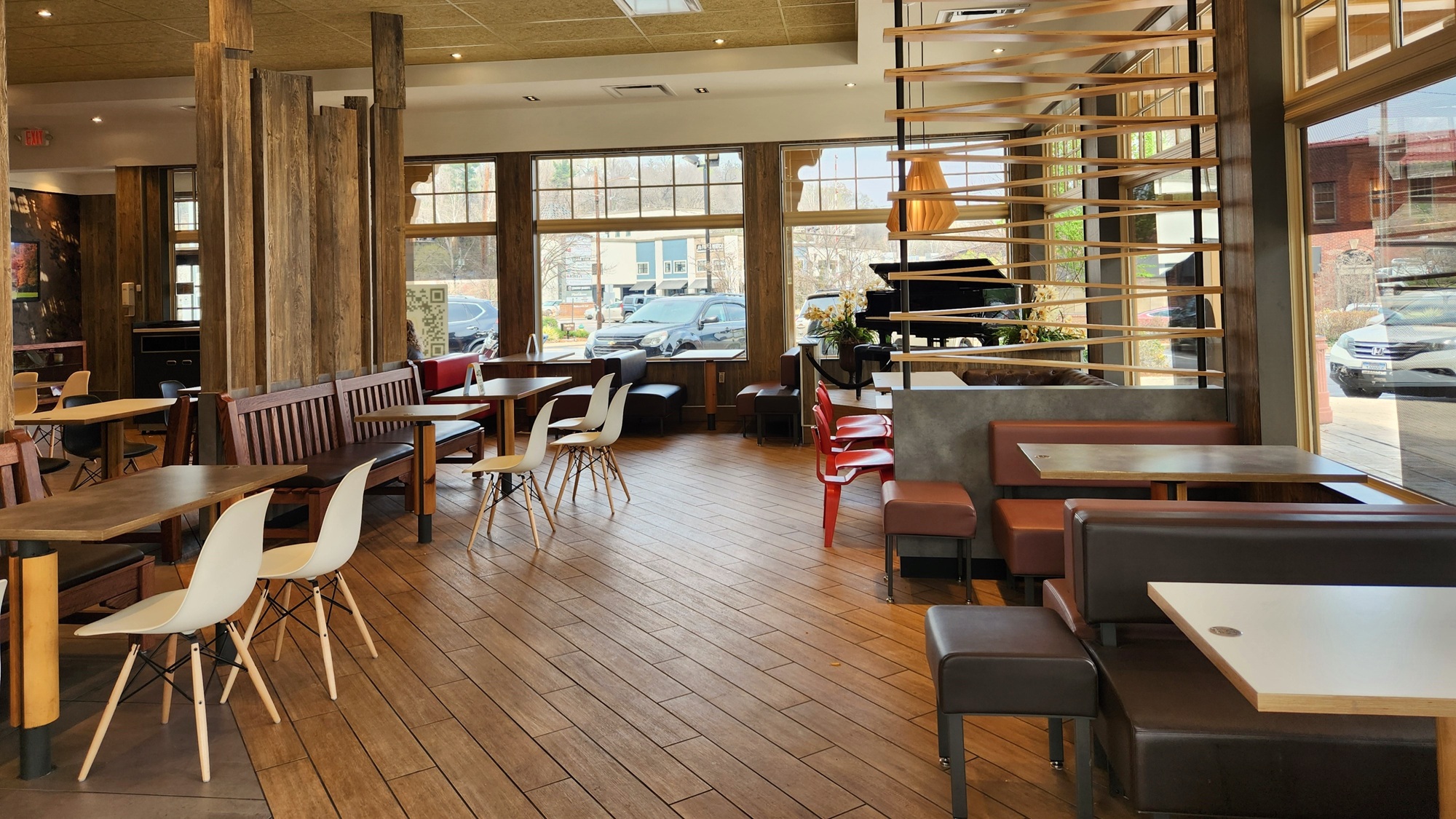
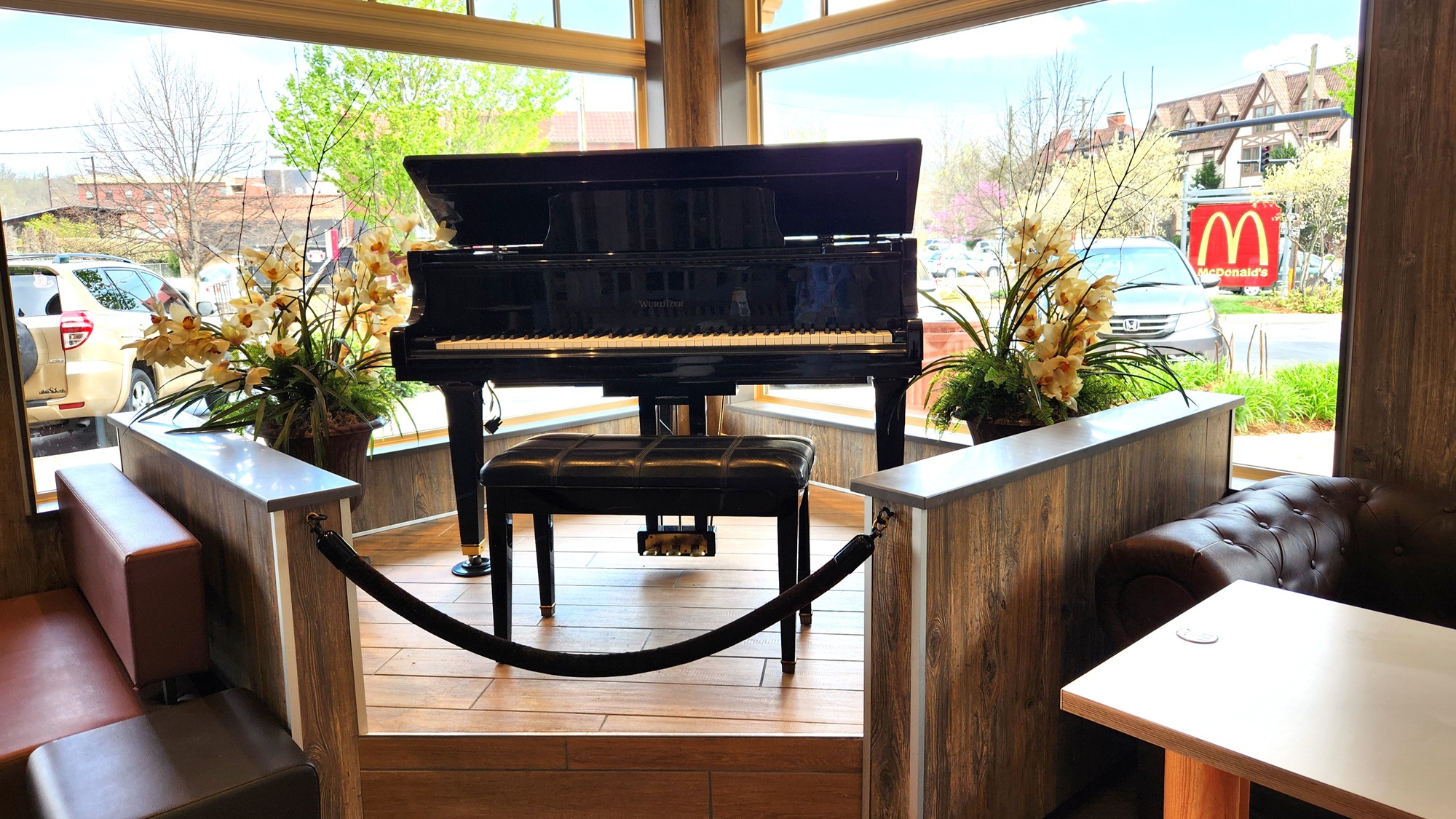
Biltmore Village was built to house the many employees of Biltmore Estate, and the village is now part of Asheville. The buildings were all beautifully constructed and even the McDonalds boasts that it is the most beautiful McDonalds in the U.S. and includes a player piano.


(Sadly, a year after we visited, a massive flood event destroyed much of this beautiful area.)

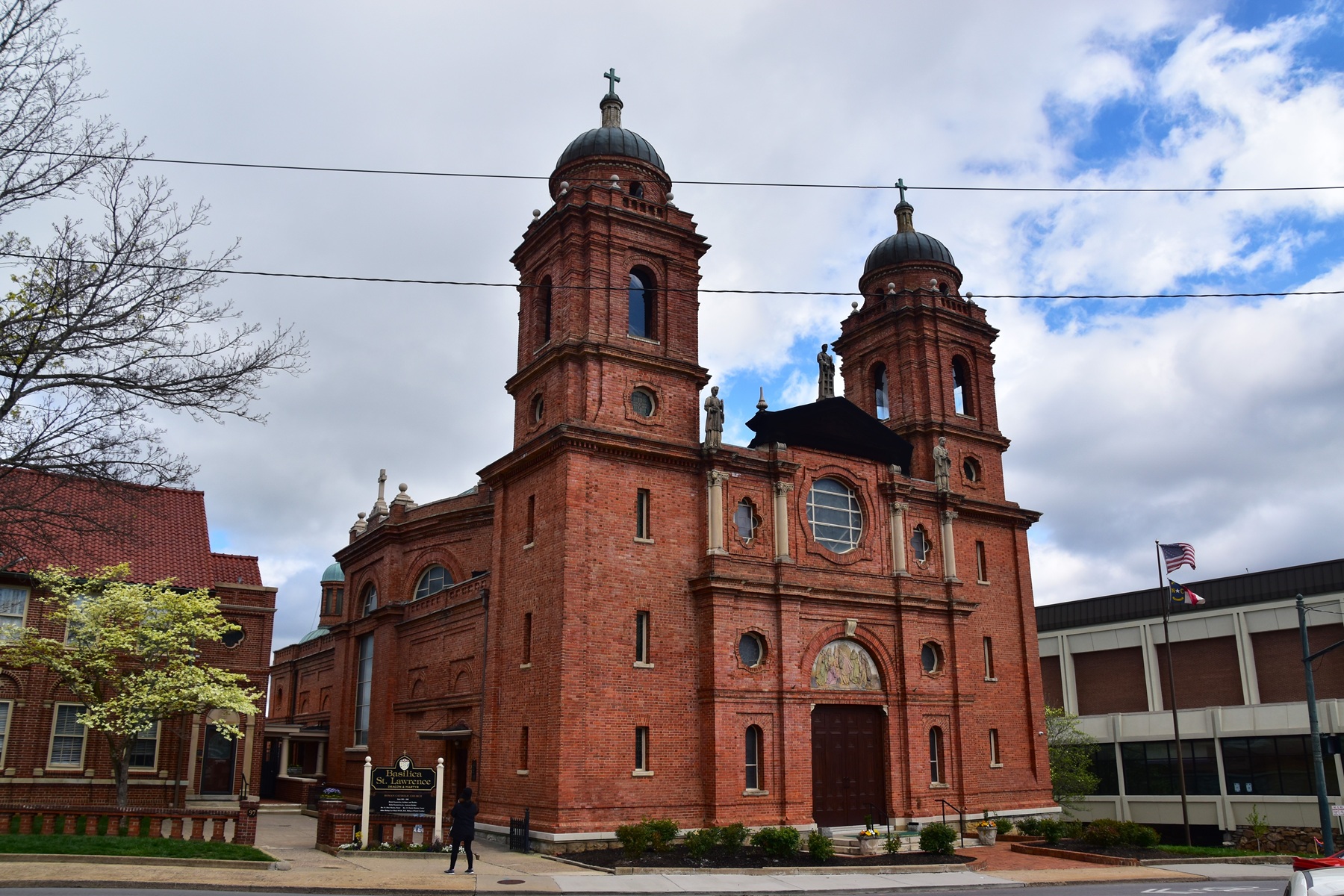
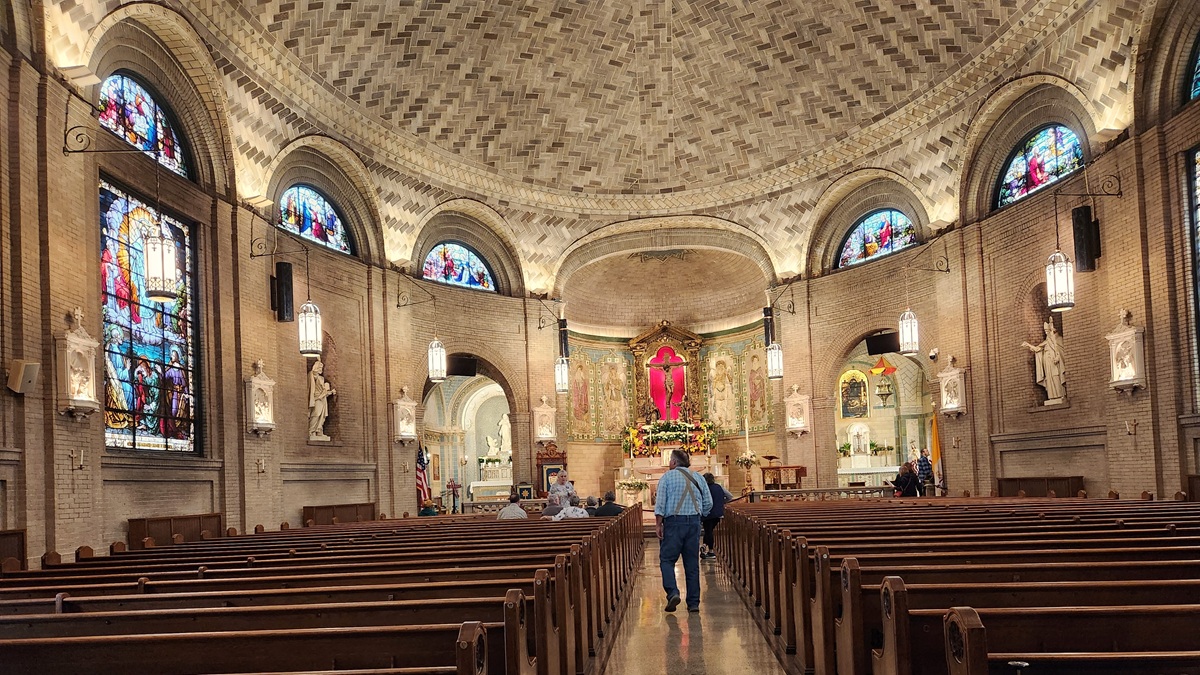
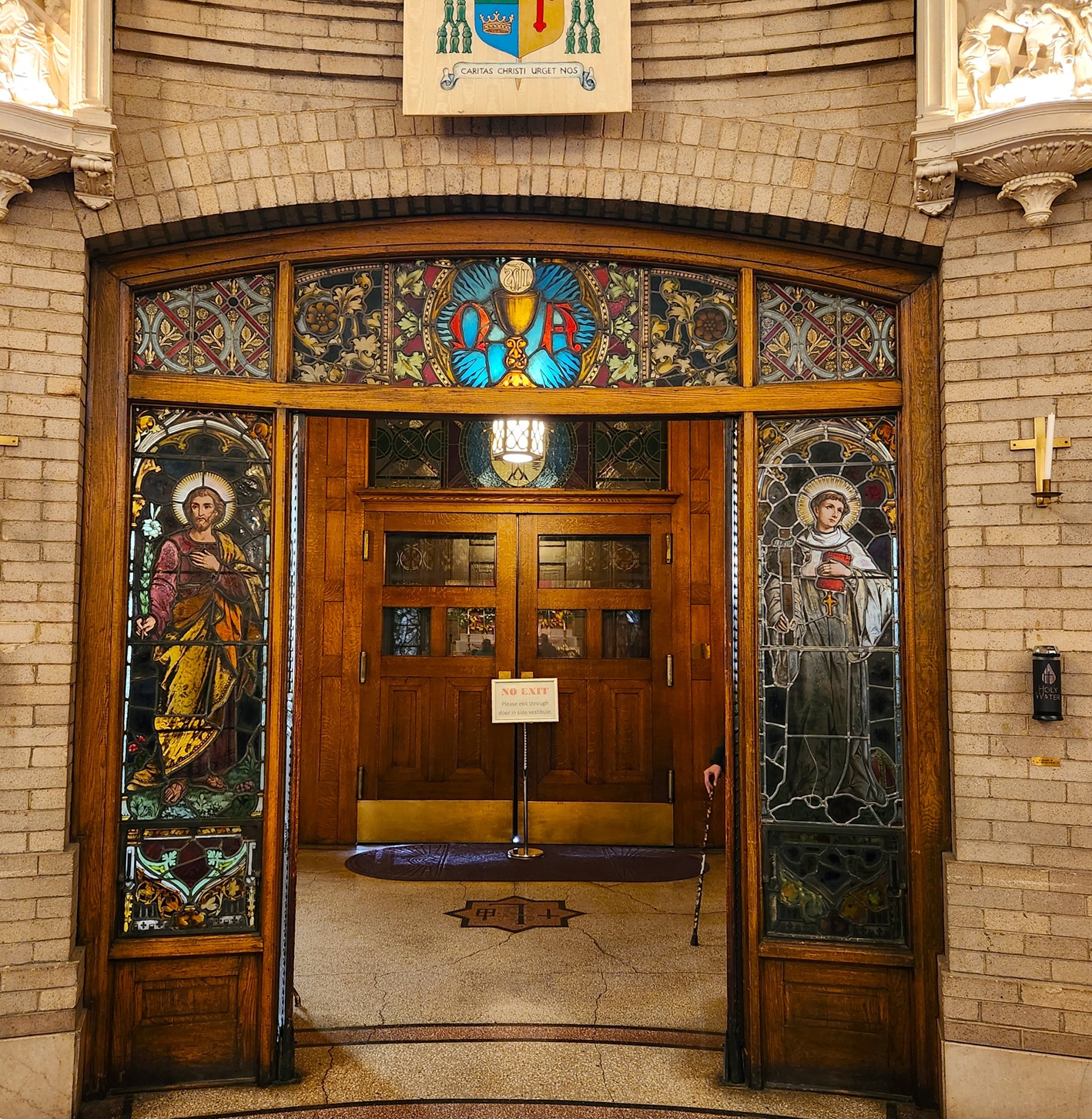
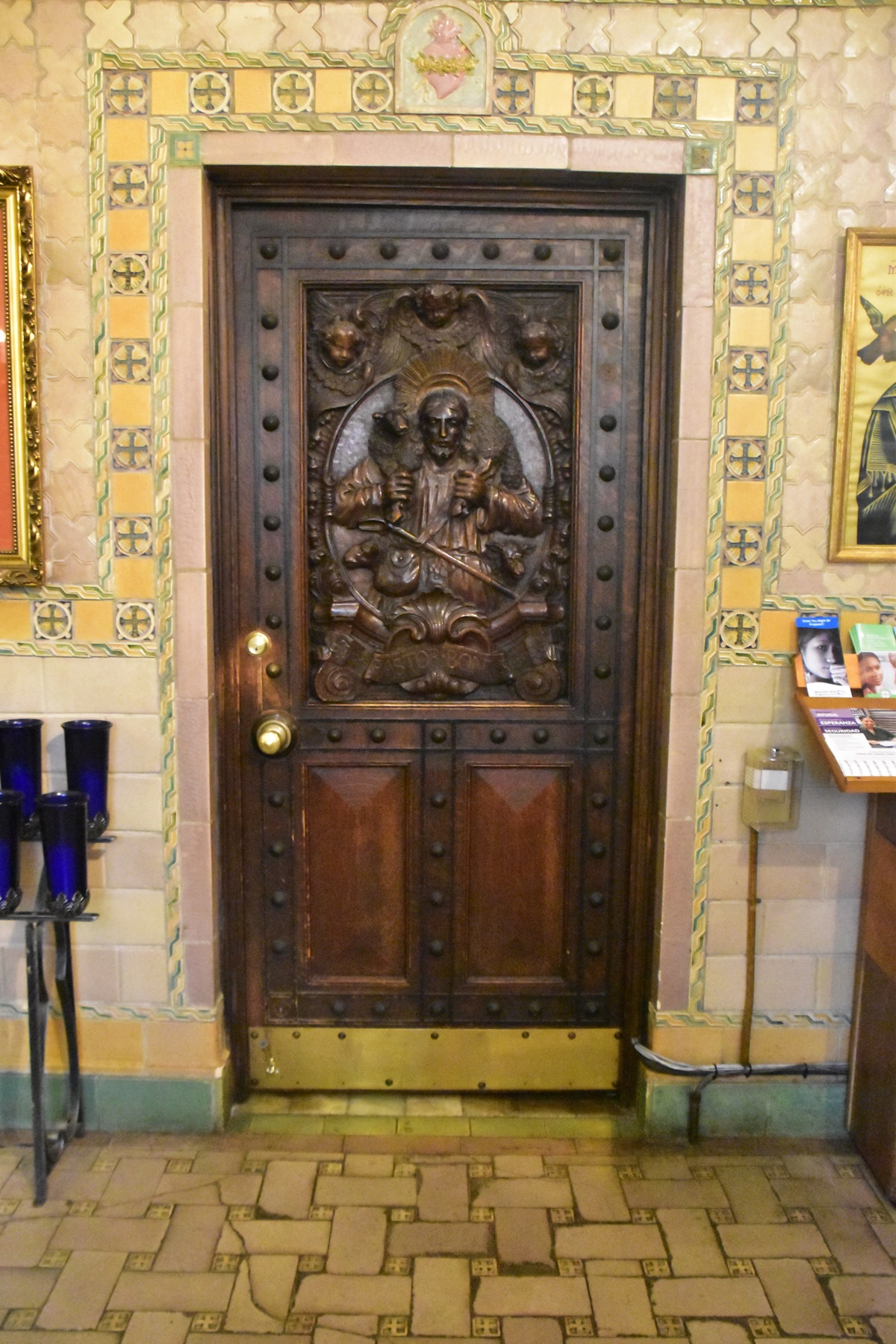
Rafael Guastavino was brought in to work on The Biltmore, and then he decided to stay in the area. In 1905 – 1909, he was the architect on the Basilica Saint Lawrence, in Asheville, which boasts the largest, freestanding, elliptical dome in North America. Guastavino is interred in the basilica.


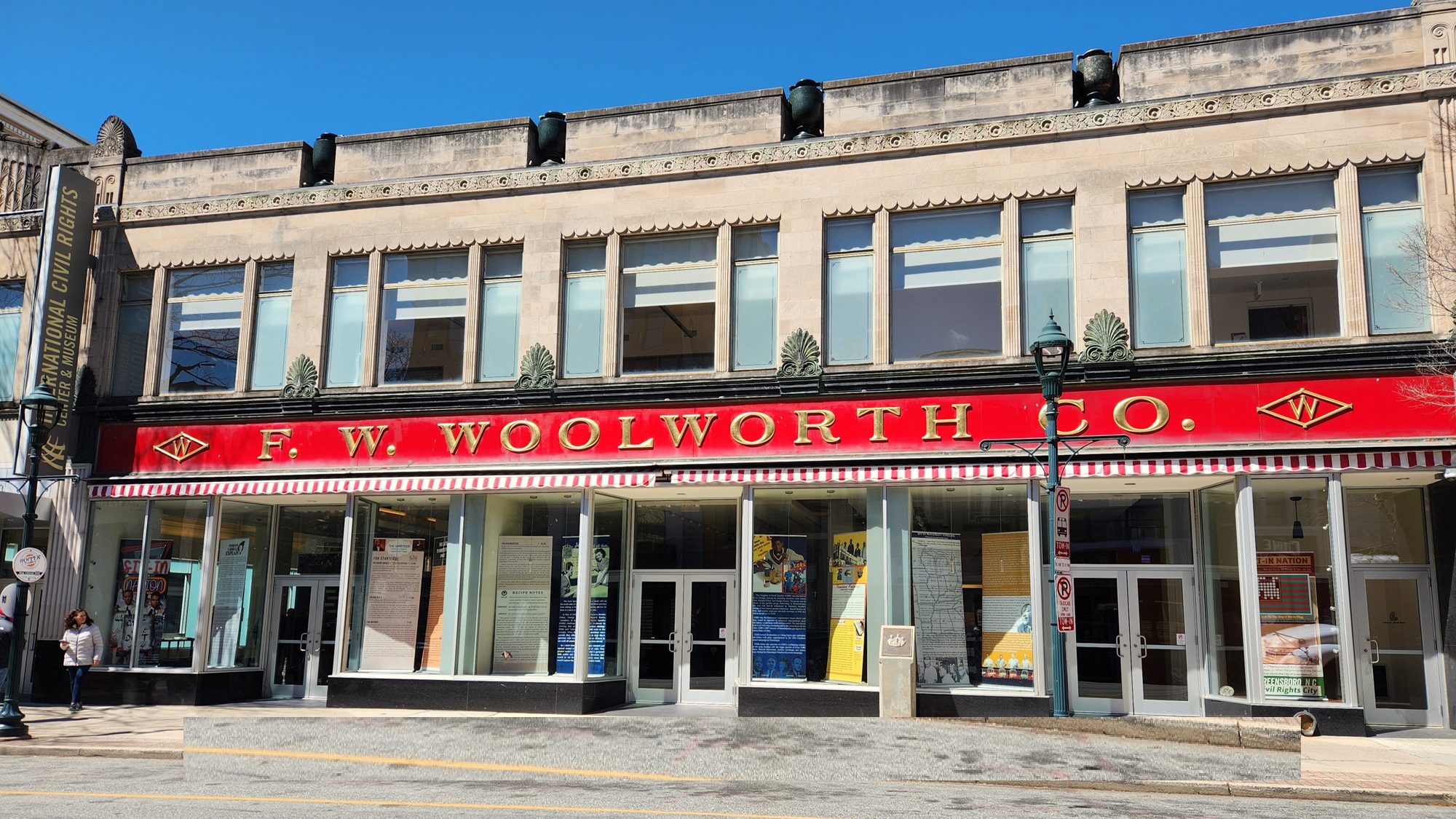
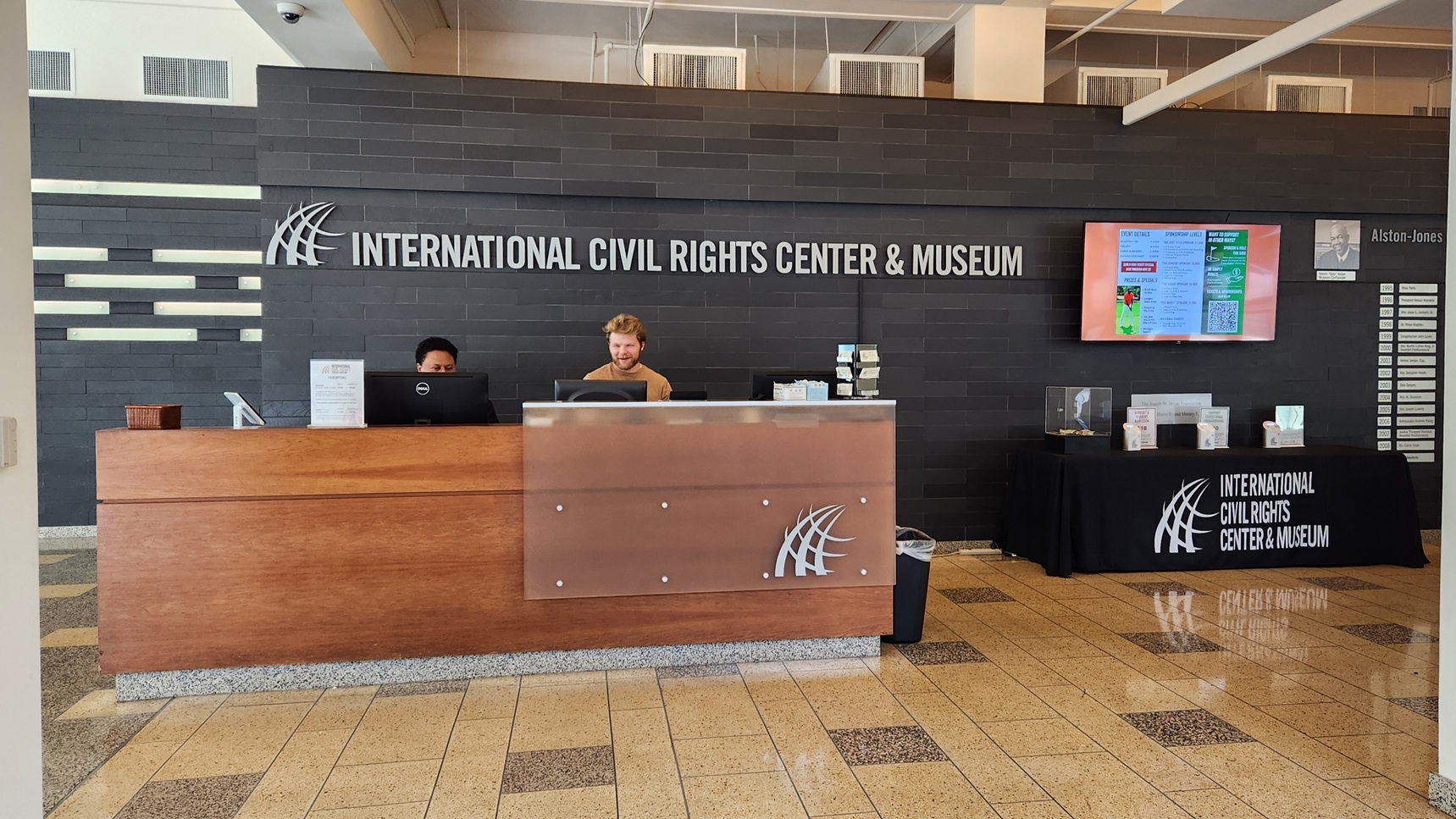
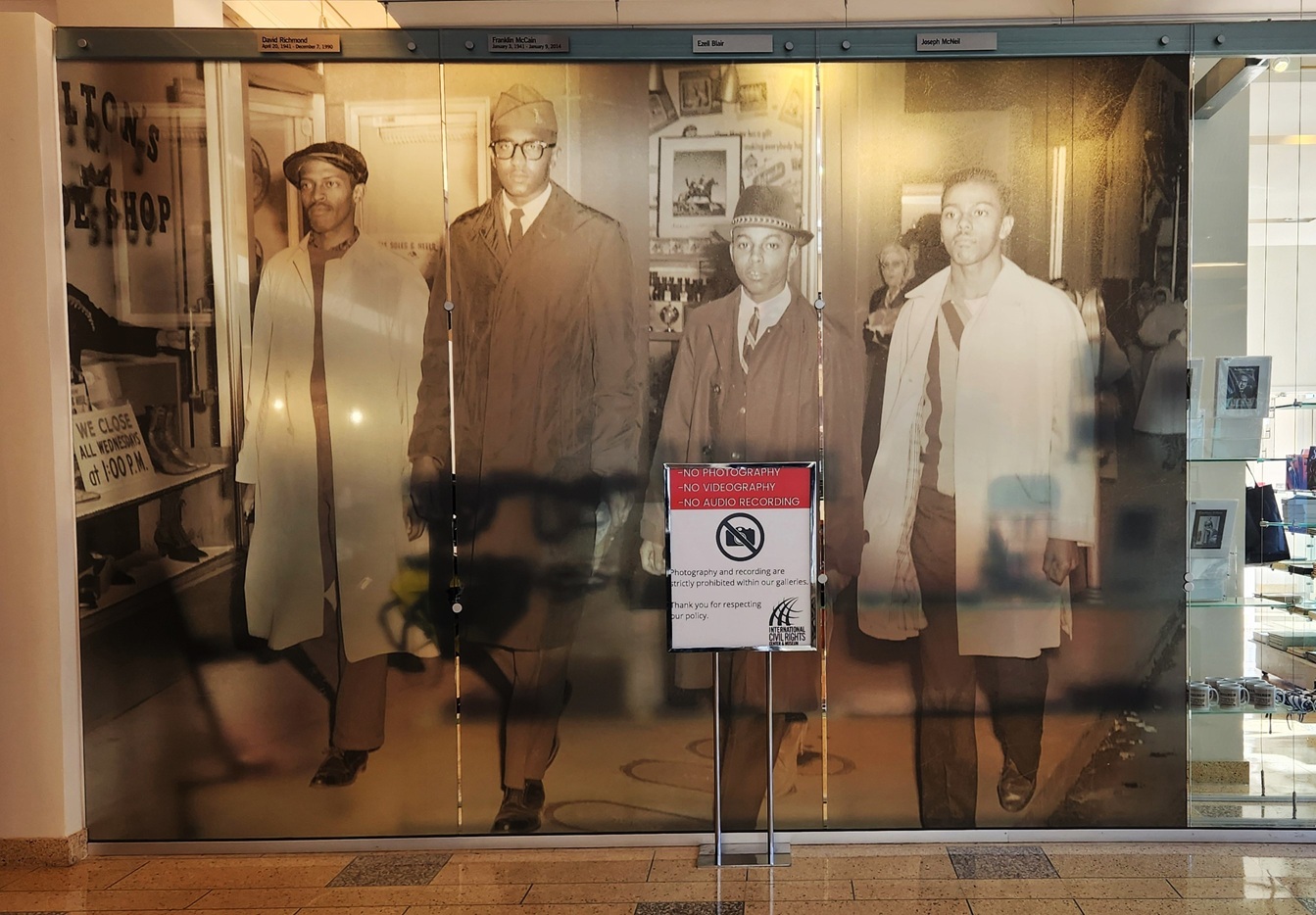
In Greensboro, we visited a former Woolworth’s building where, in 1960, four young black men sat at the counter and asked to be served. Fortunately, the manager did not want any trouble, so he allowed a sit-in to continue for months, until the Woolworth’s Company decided that everyone could be seated at the lunch counter. This interesting story was told to us by our docent, who had herself been part of integrating a segregated school in 1968. 


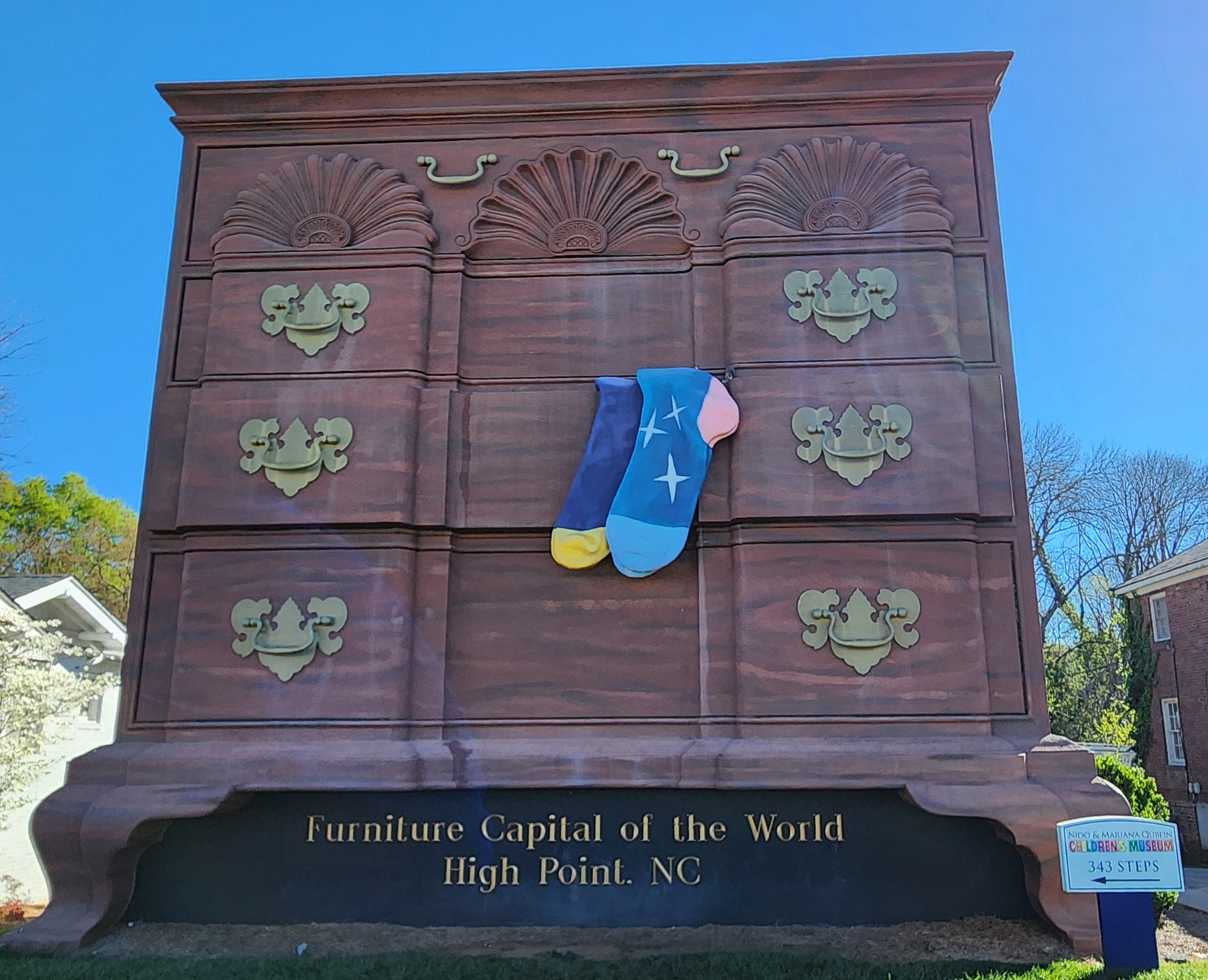
Highpoint, North Carolina, is the ‘Furniture Capital of the World’, and to prove that they have built the ‘World’s Largest Dresser’. It is big! 


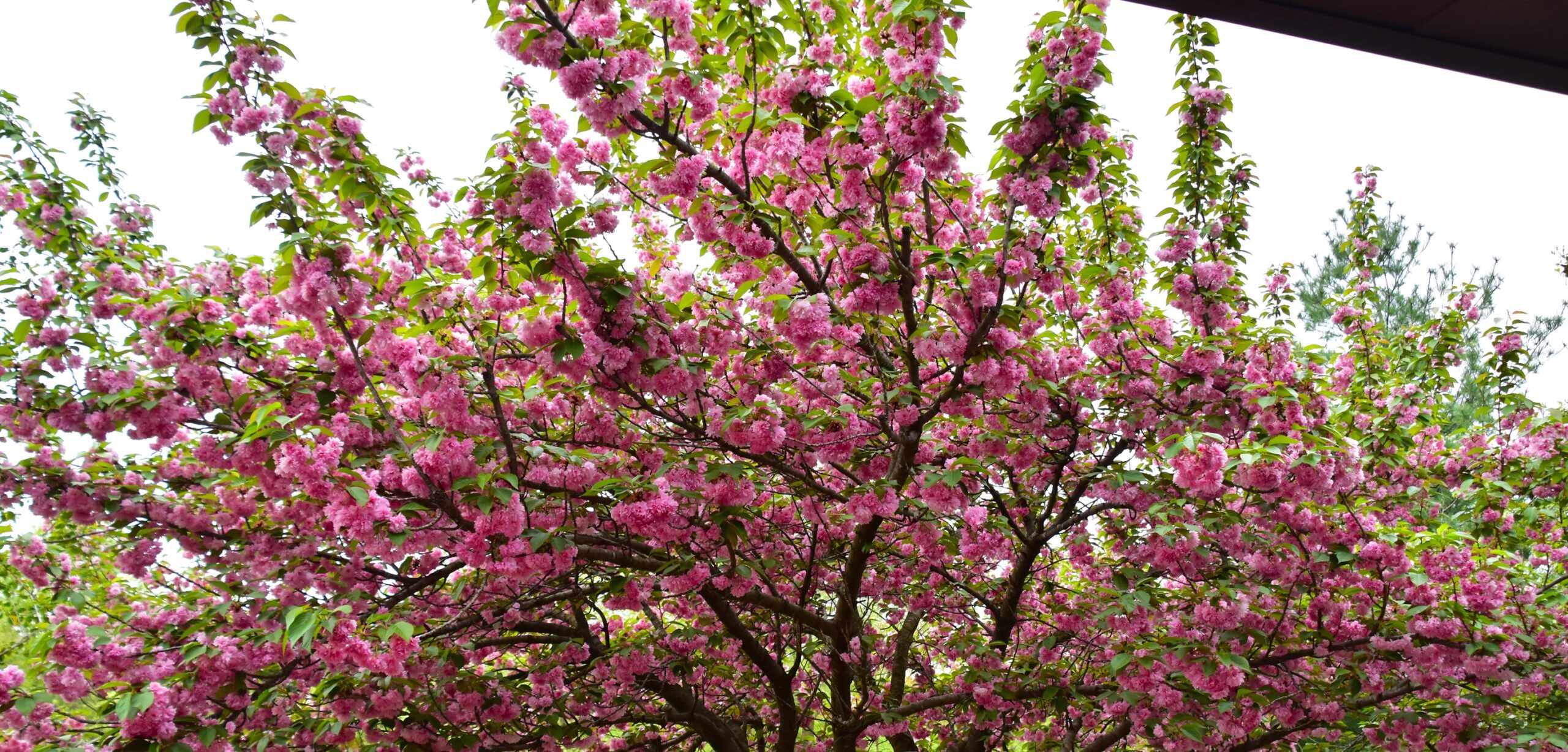
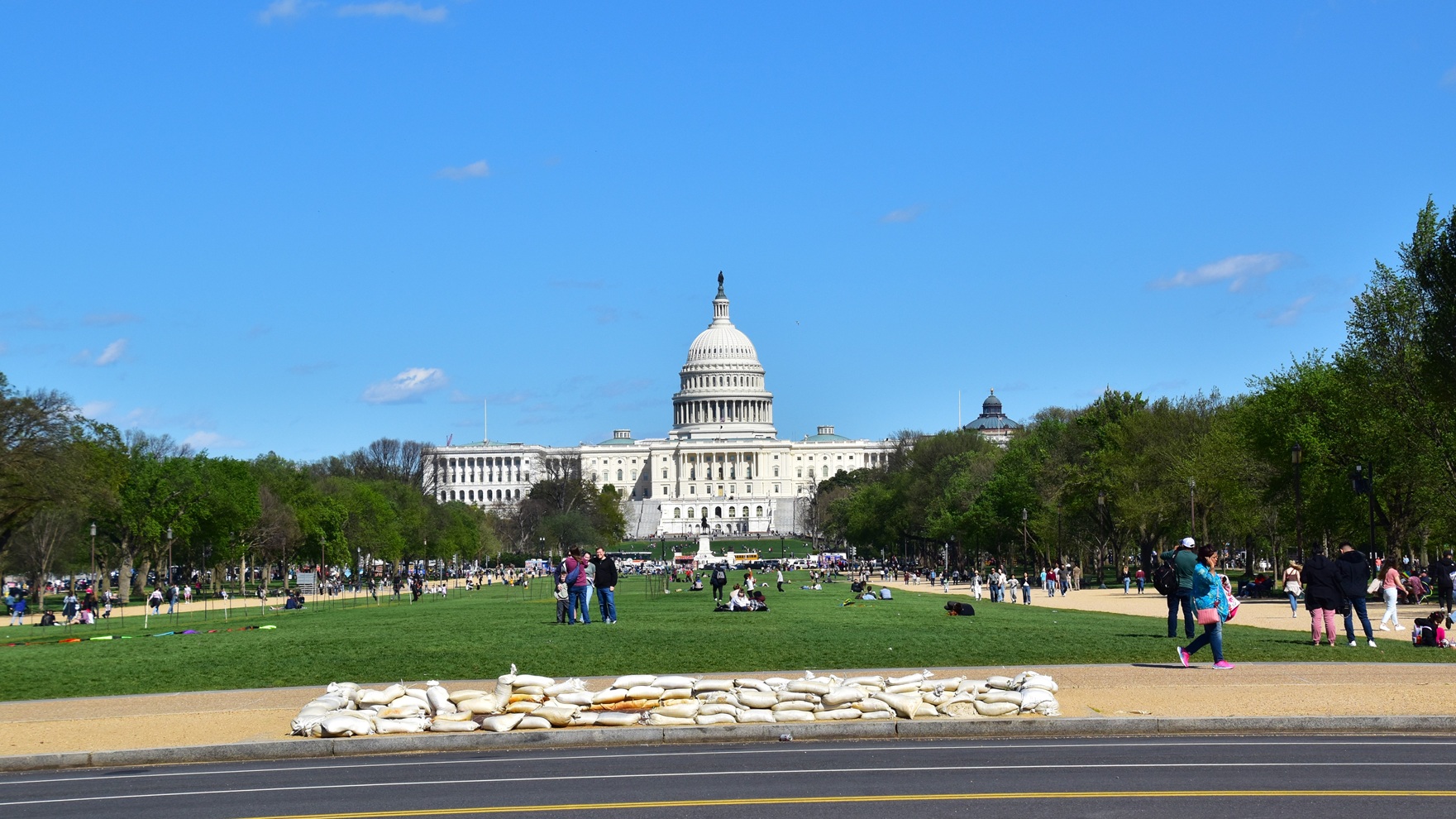
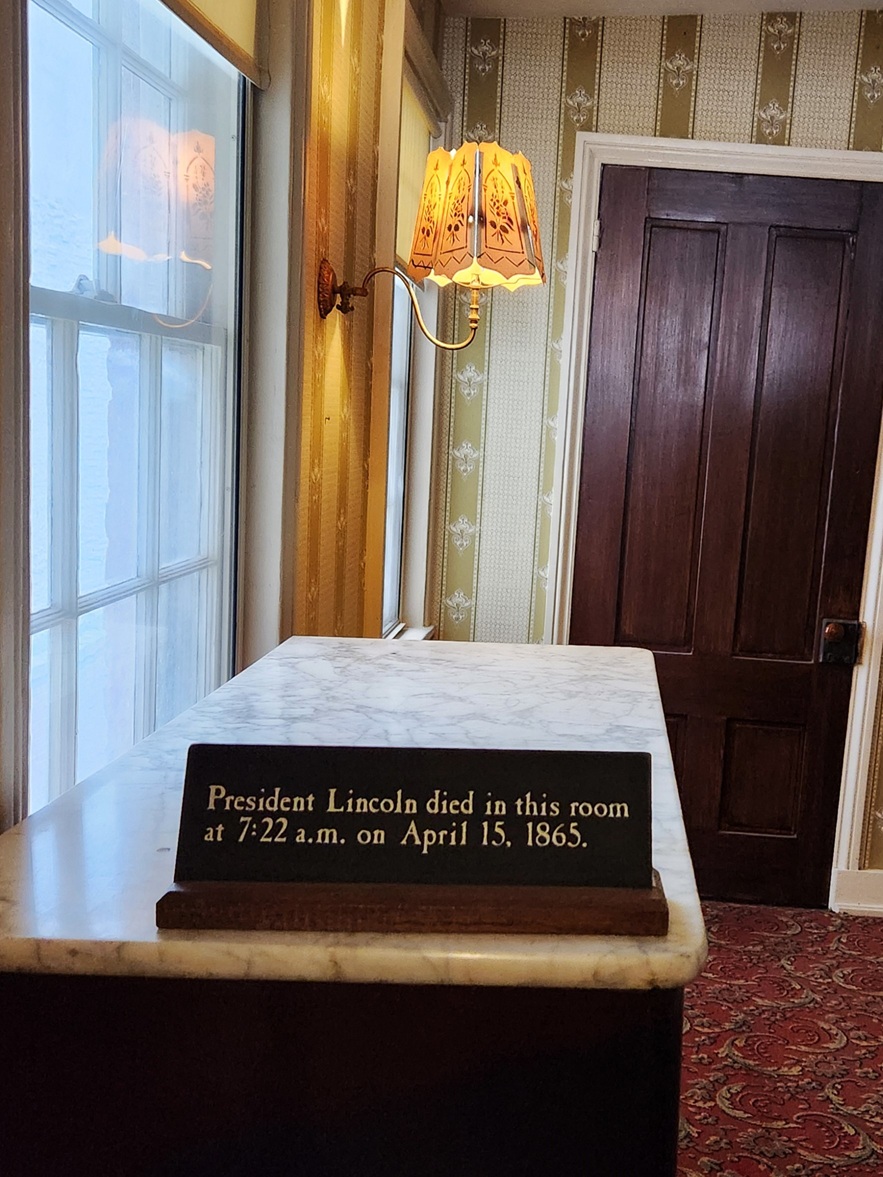
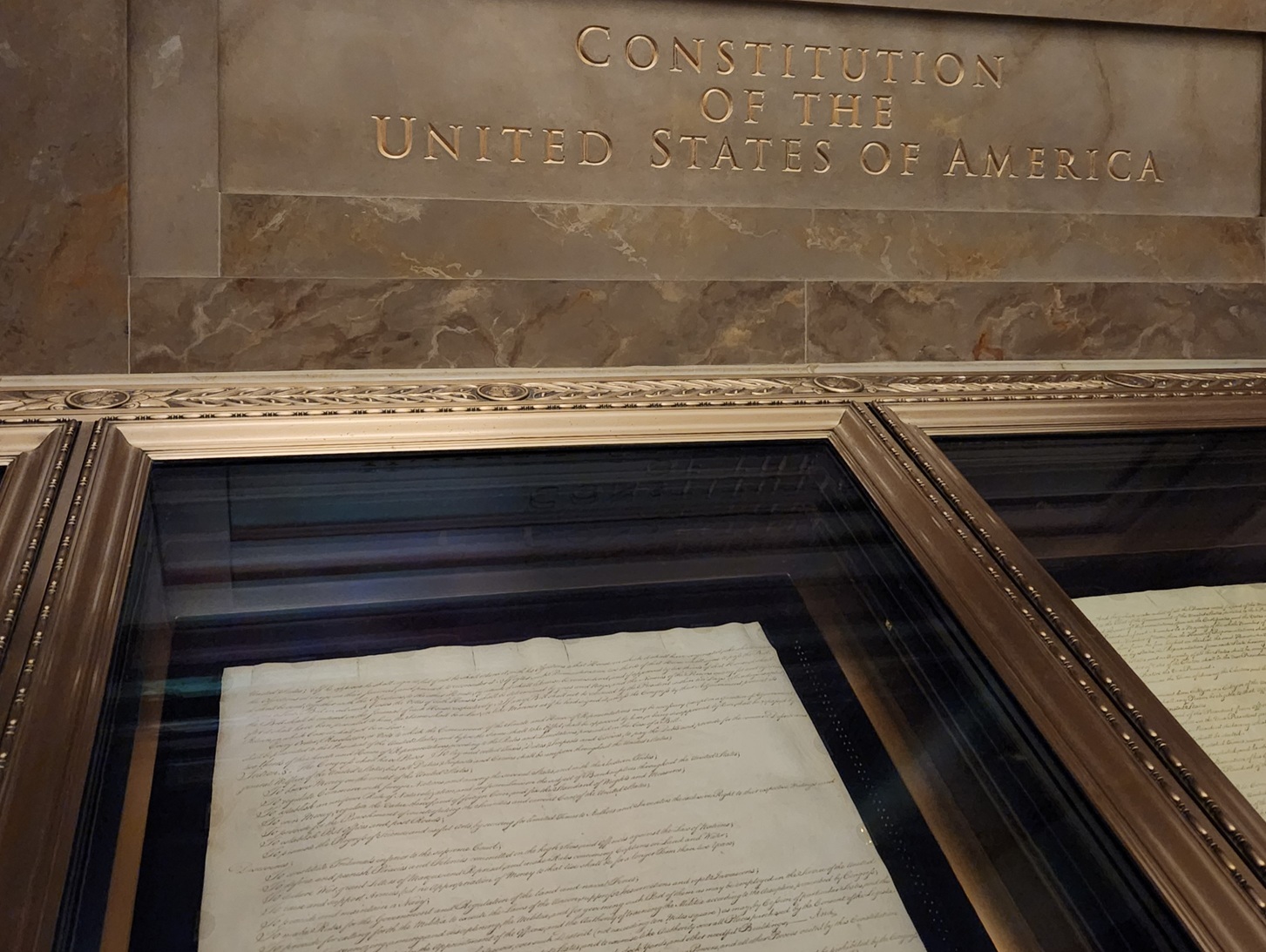
Two weeks in Washington, D.C. was our next adventure.  It was now April, and most of the cherry blossoms were finished, but we did get to see some of the late-bloomer trees, and they were very pretty.

We found a campground in Maryland that was perfect for our needs. They provided their own bus tours, plus they provided a tutorial, maps, passes, etc.; all that was needed to learn about, and use the available public transportation. The transportation system was so easy to use; easy to read maps and one single pass that covered boarding the bus, train, D.C. Circulator and even the parking garages. Along with senior citizen rates and half-price on weekends, we were thrilled with the ease and costs of getting around. And once in the Capital, getting around was fairly easy by either walking or hopping on one of the constantly roving circulators.

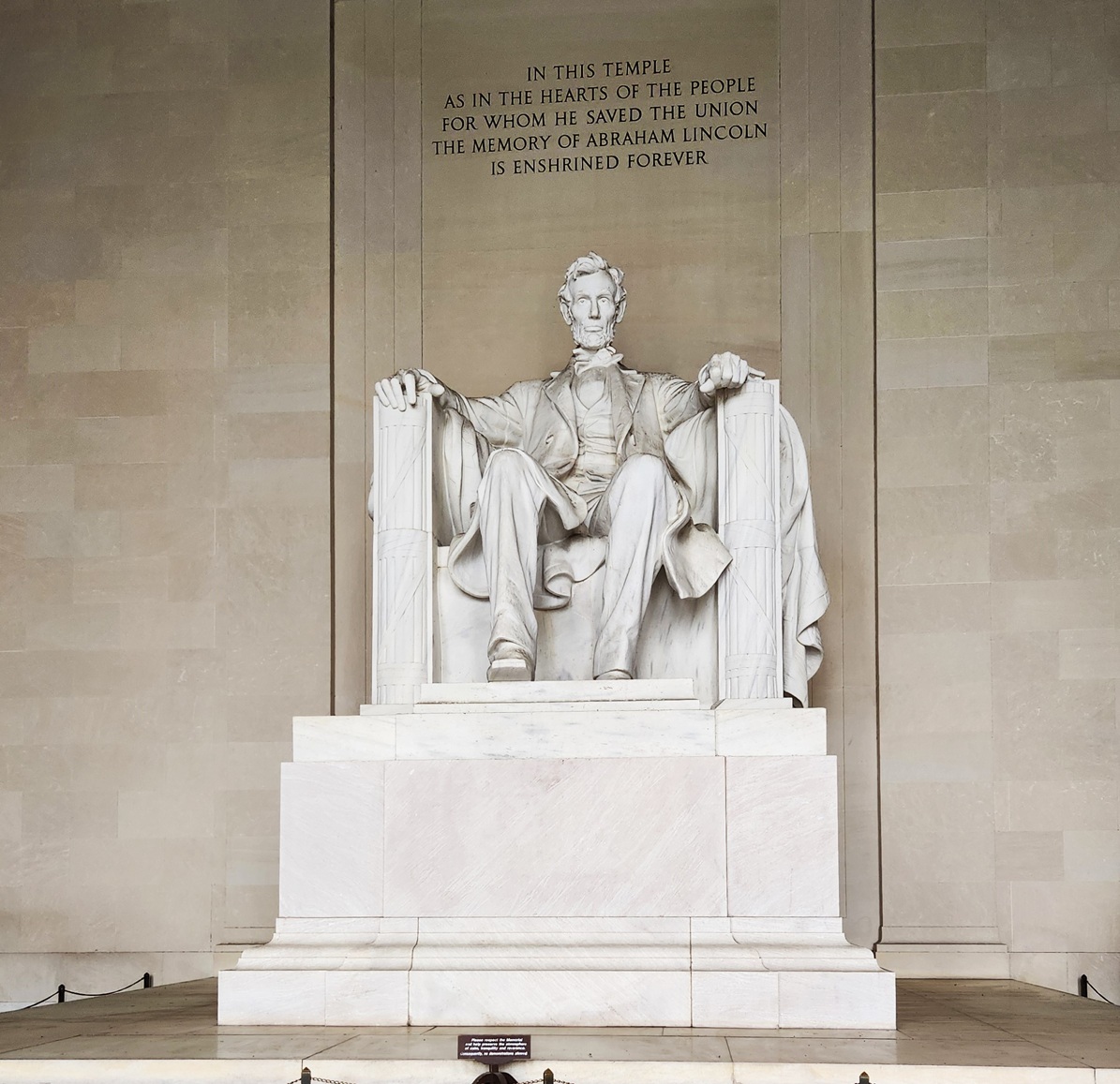
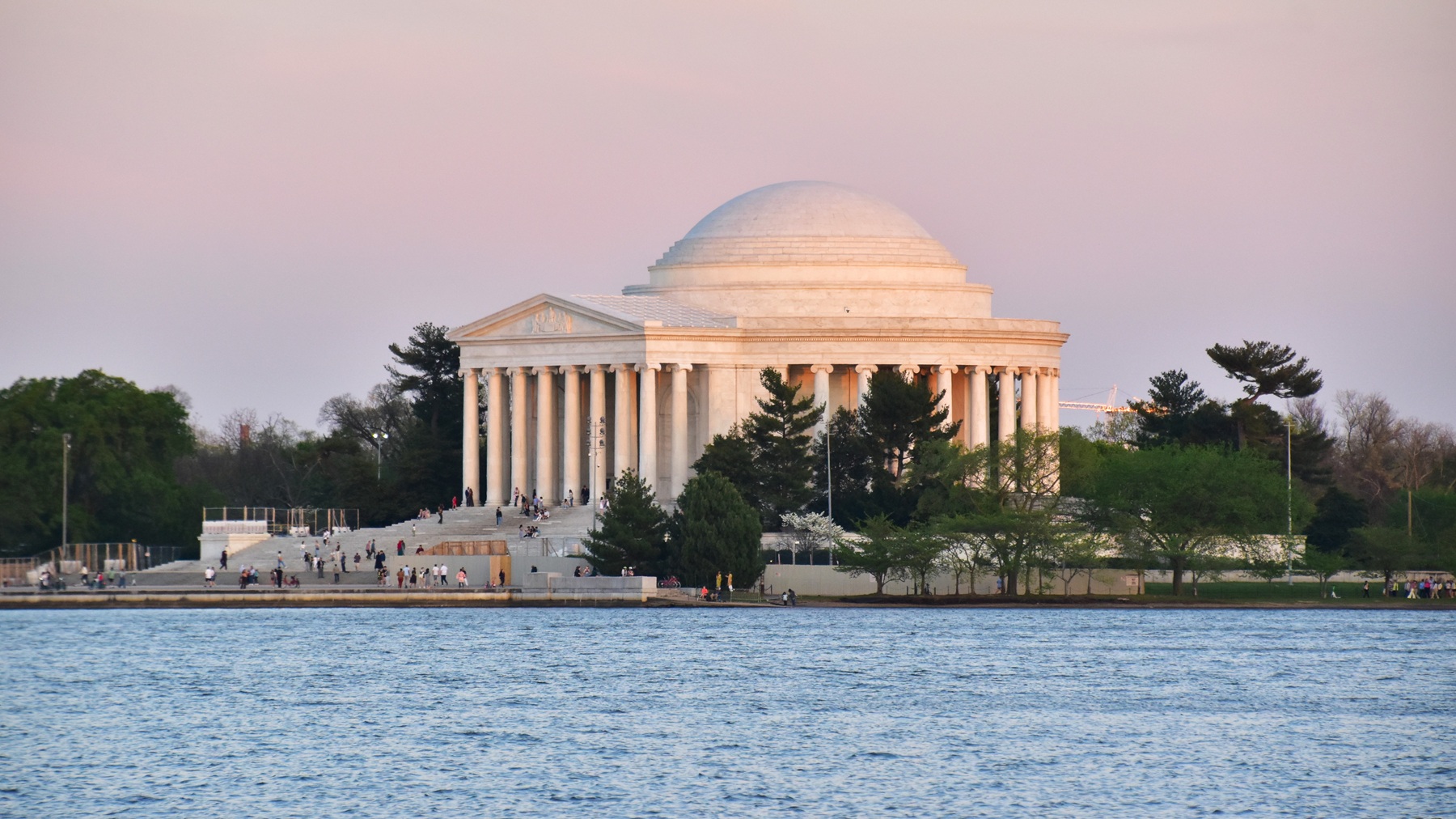
It is hard to pick photos of our two weeks there, everything is historic, iconic, etc. and we took a LOT of photos. Some of the highlights:

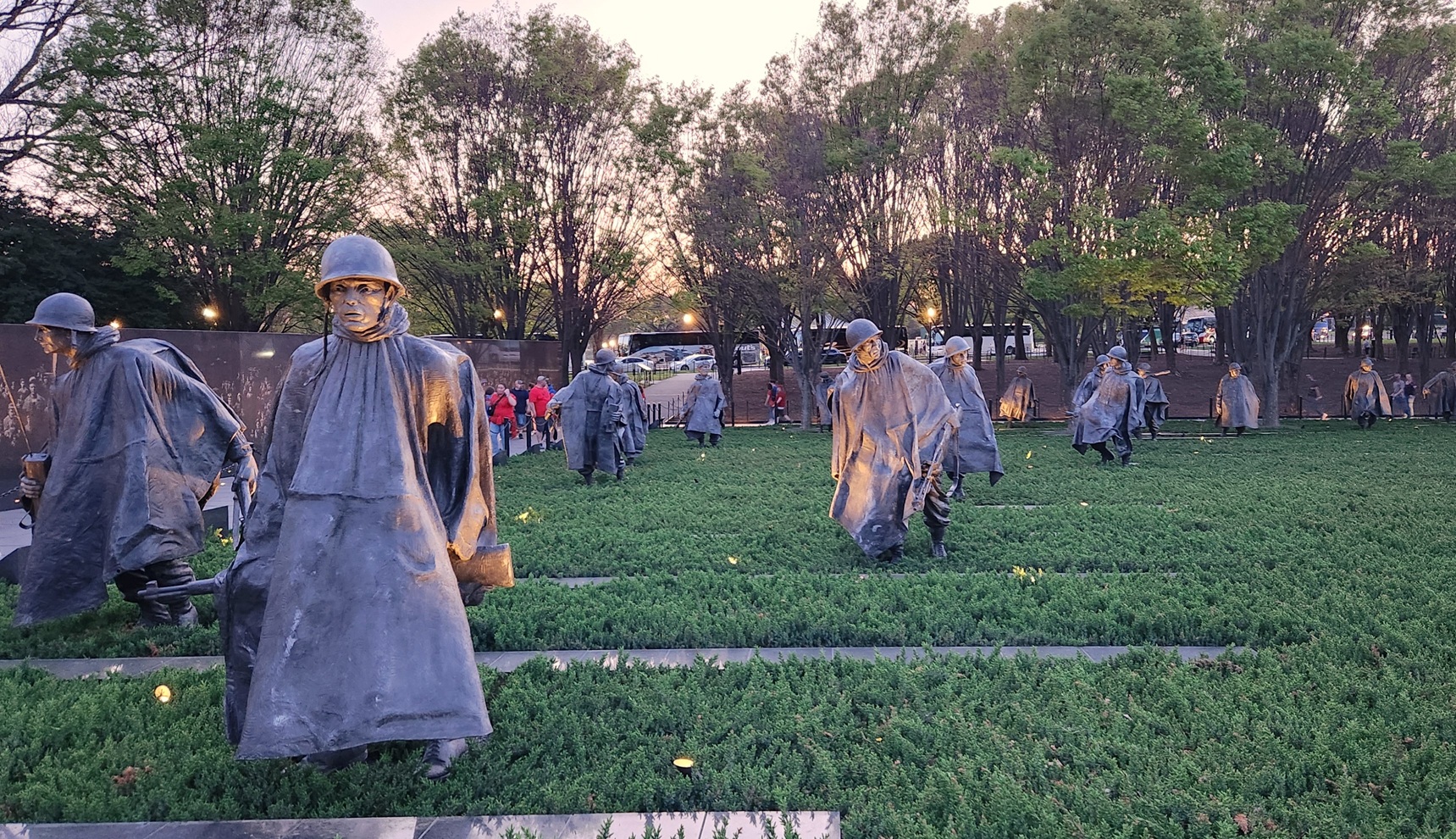
Korean War Memorial


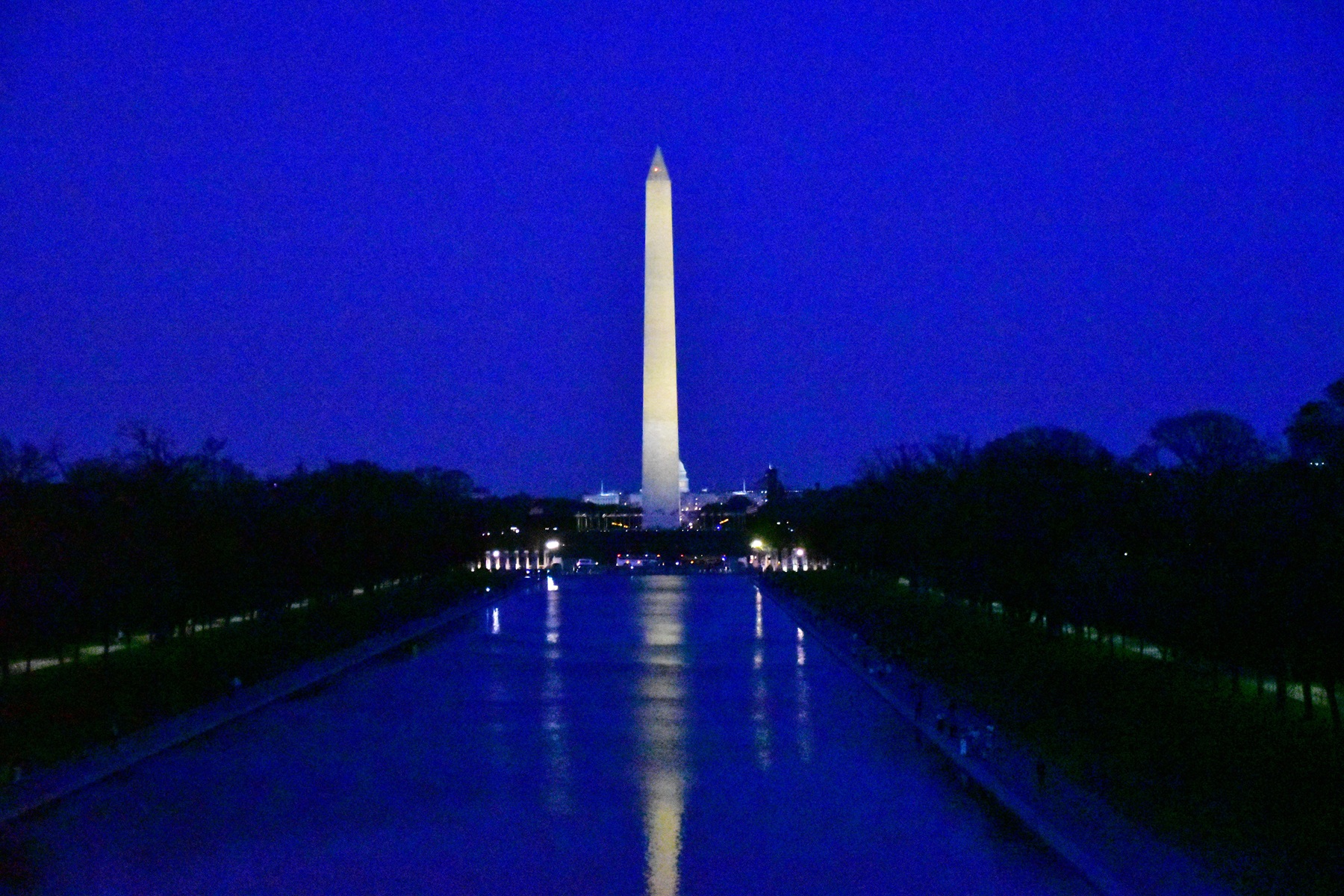
Some of the monuments were well-lit and very pretty at night.


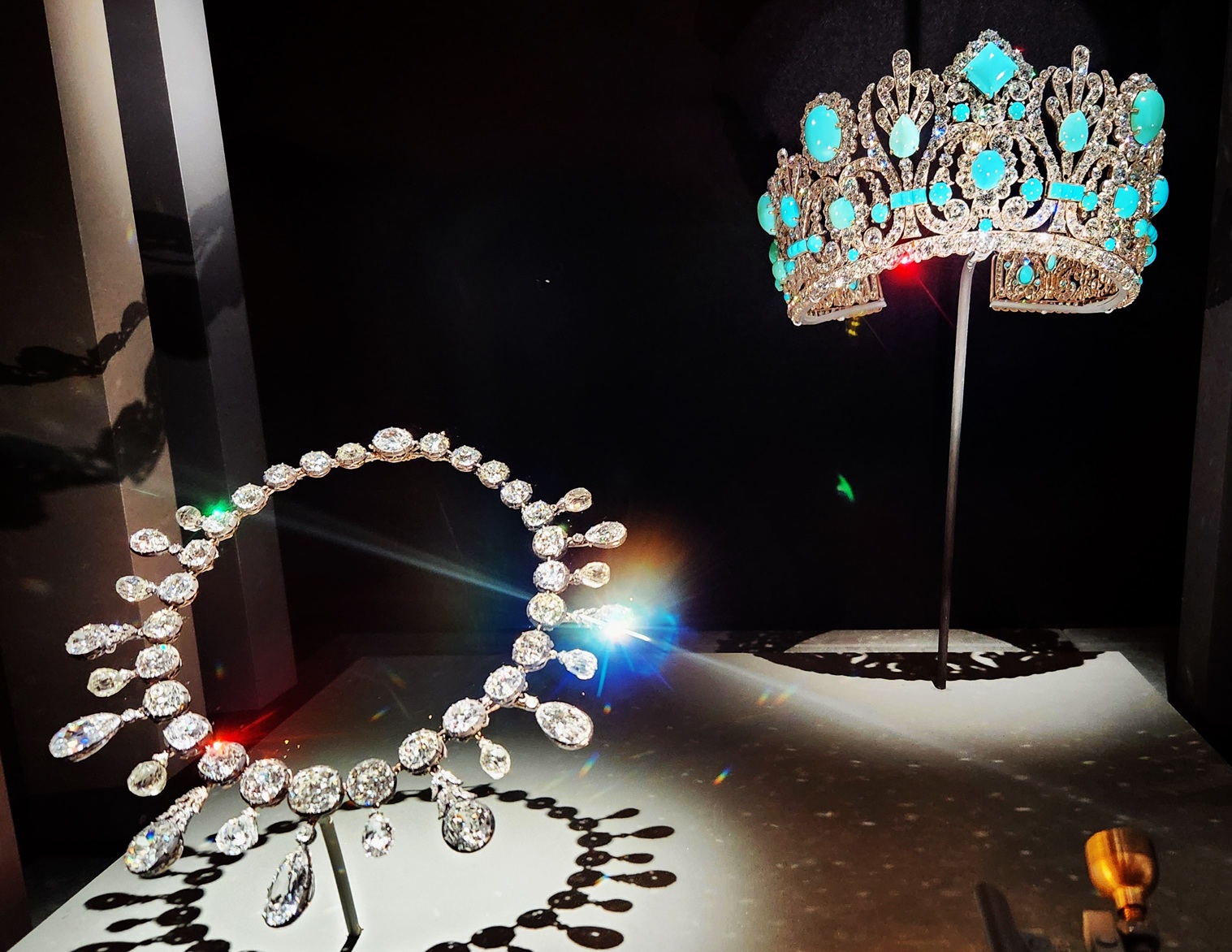
Some things were just plain dazzling at any time of the day.


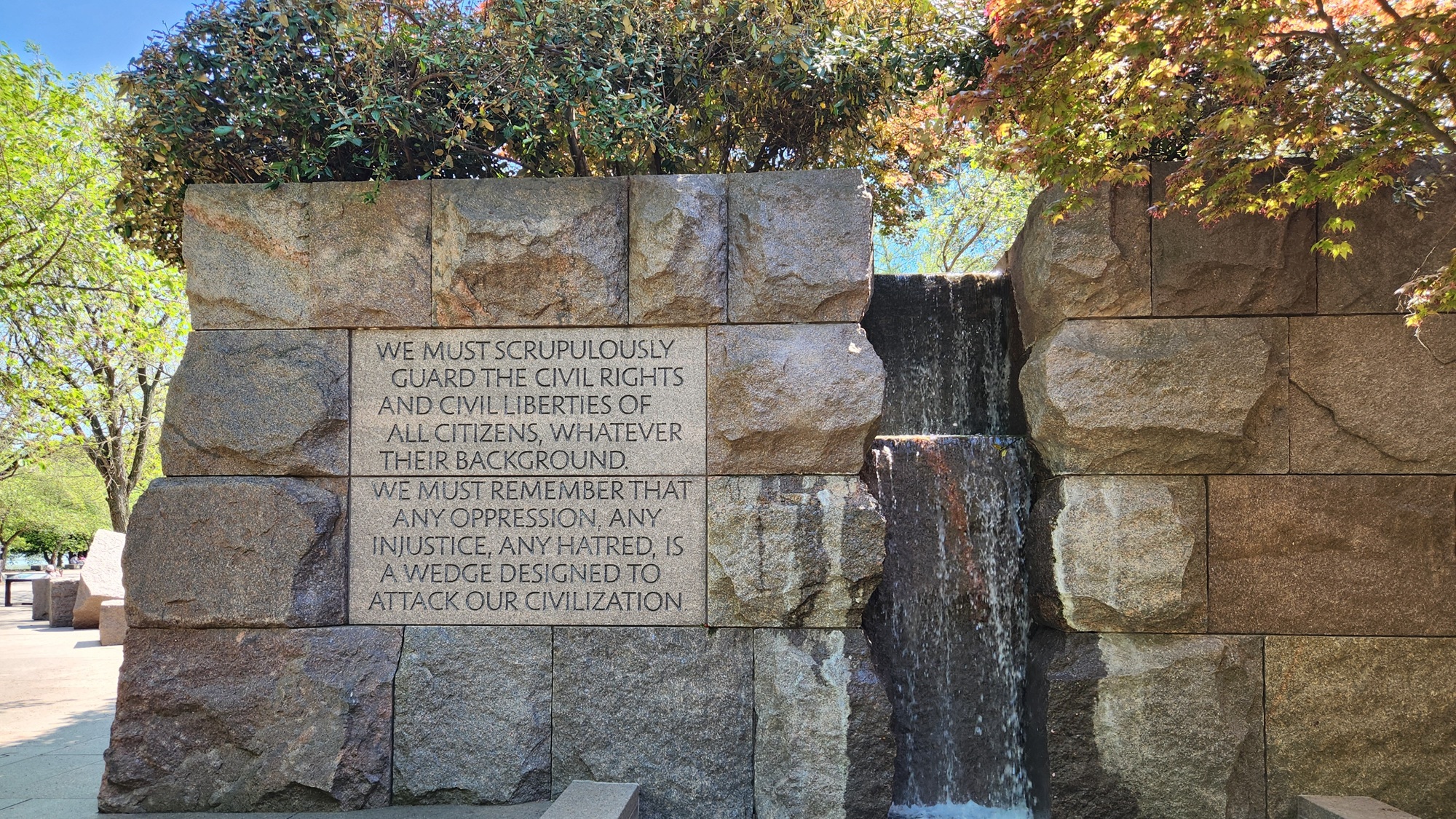
Parks dedicated to famous people were all around, and easy to walk between. This was in FDR’s park.


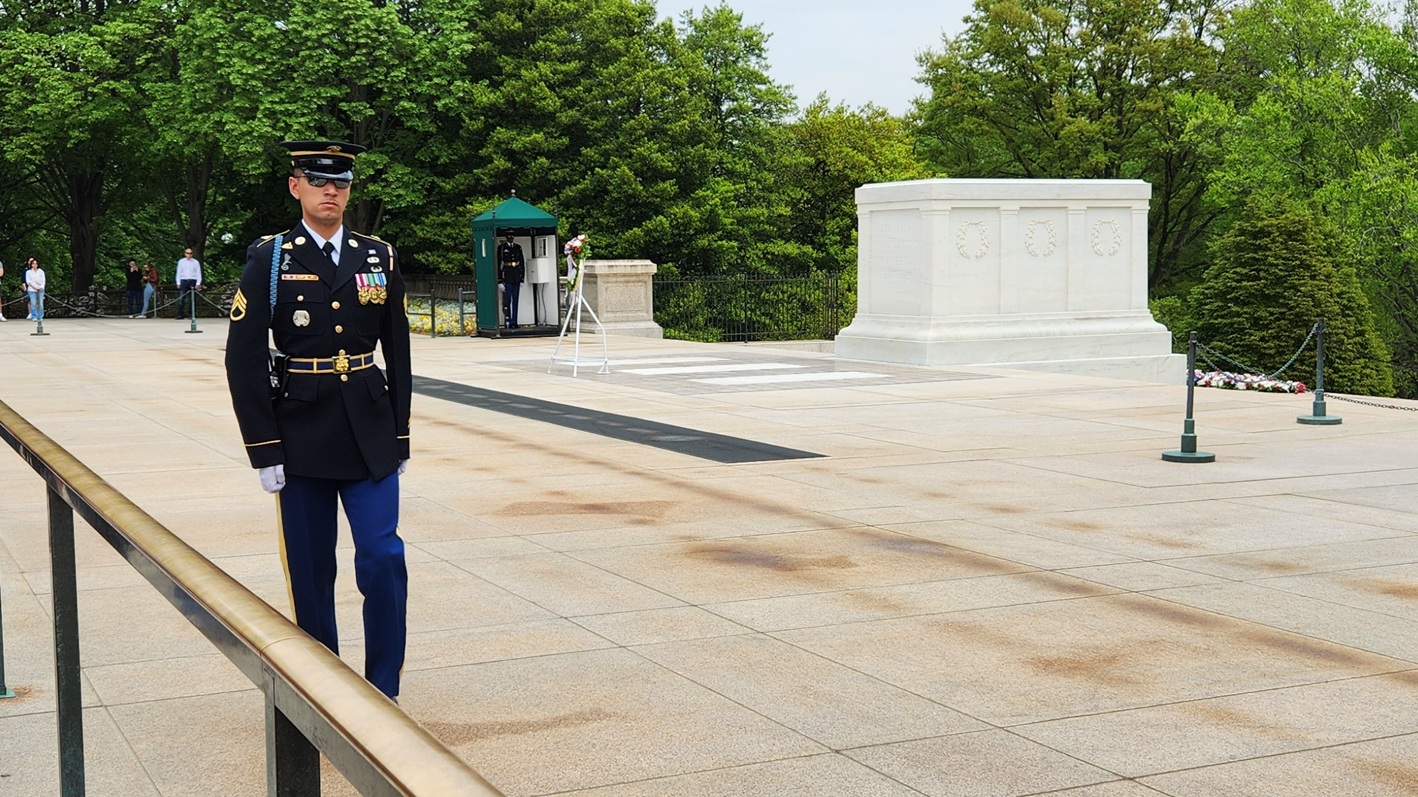
The Tomb of the Unknown Soldier is accessed by a bus ride to Arlington Cemetery, a beautiful and somber place.


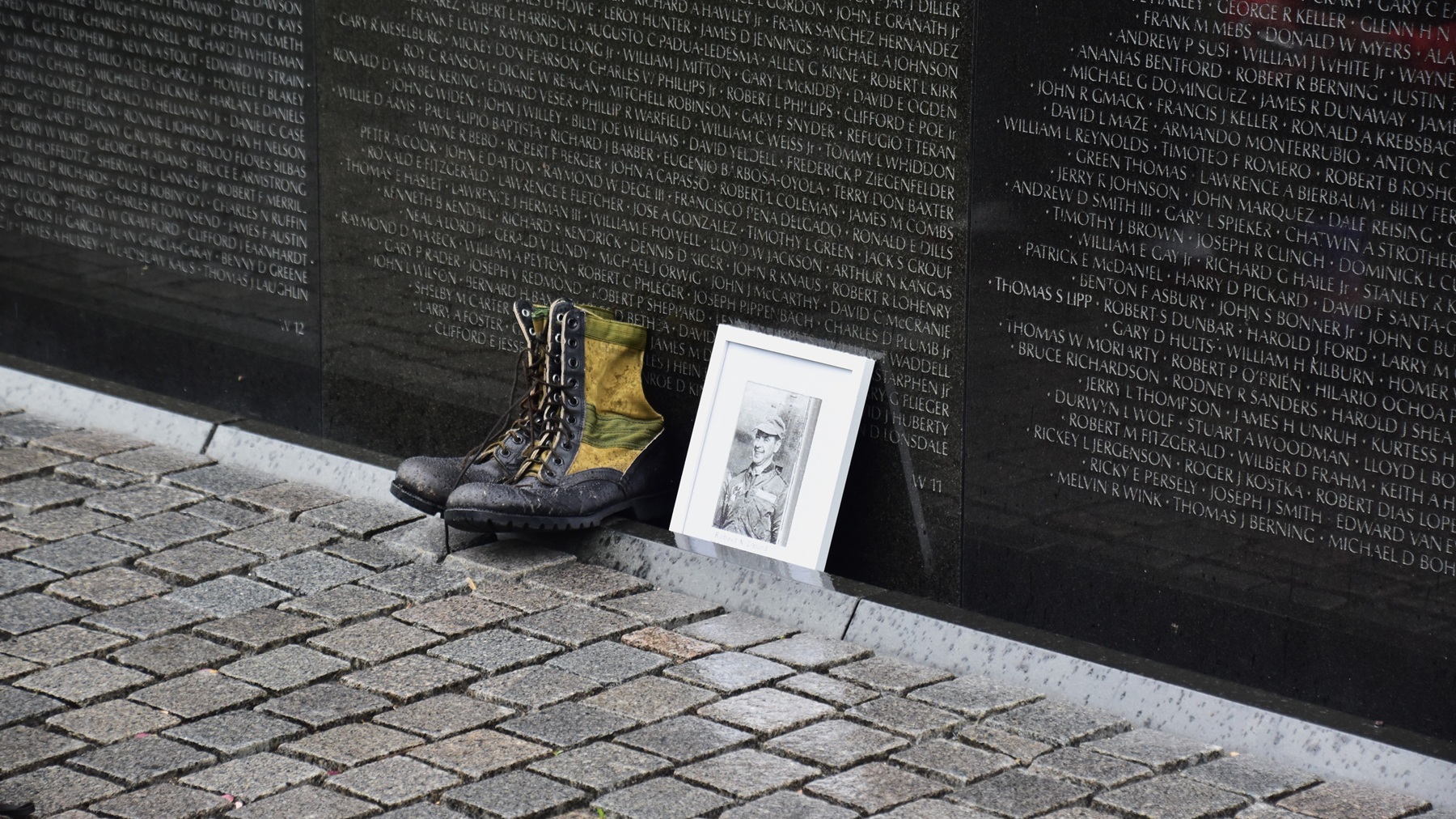
The Viet Nam Memorial:


Photos from our last day in D.C.


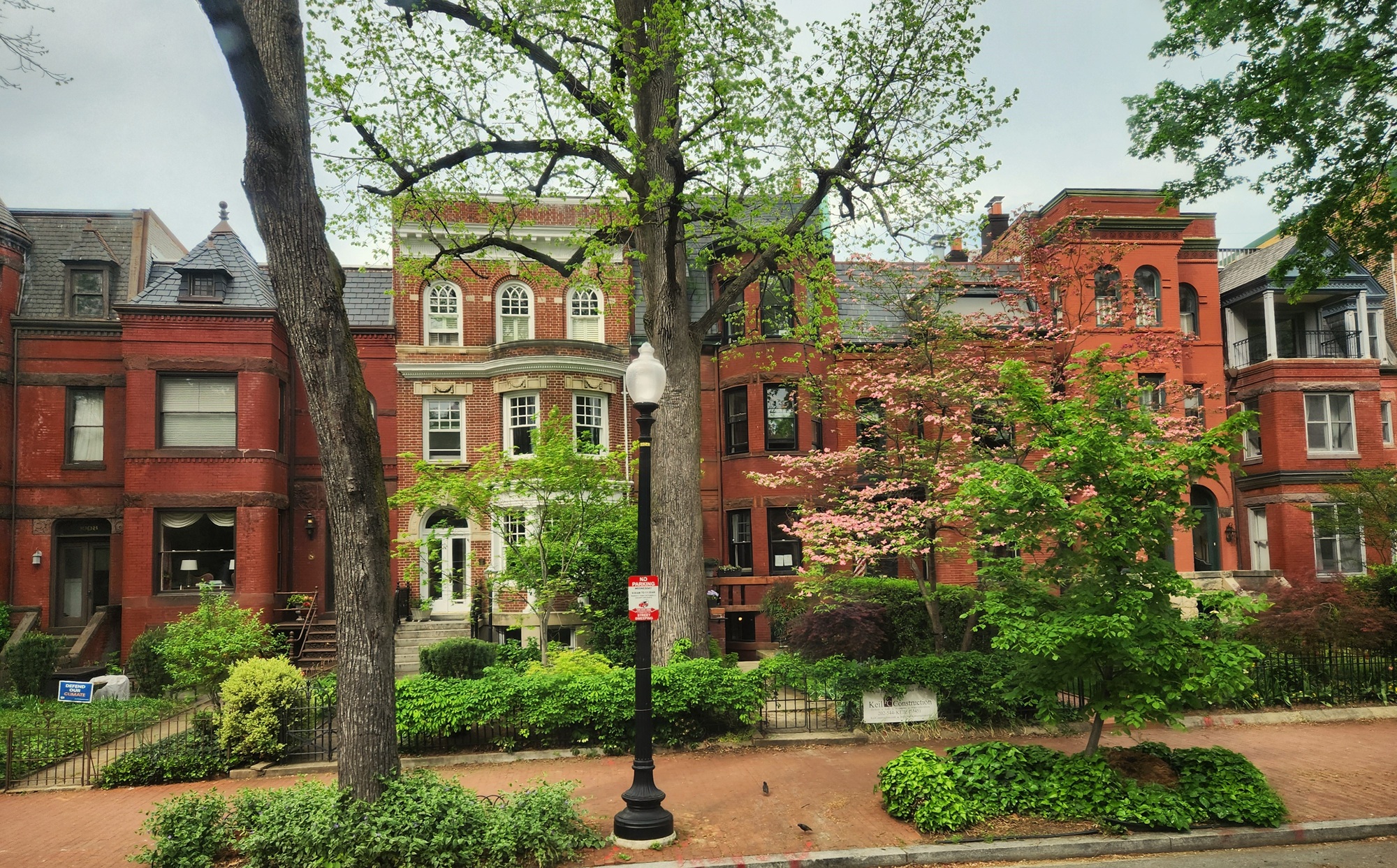
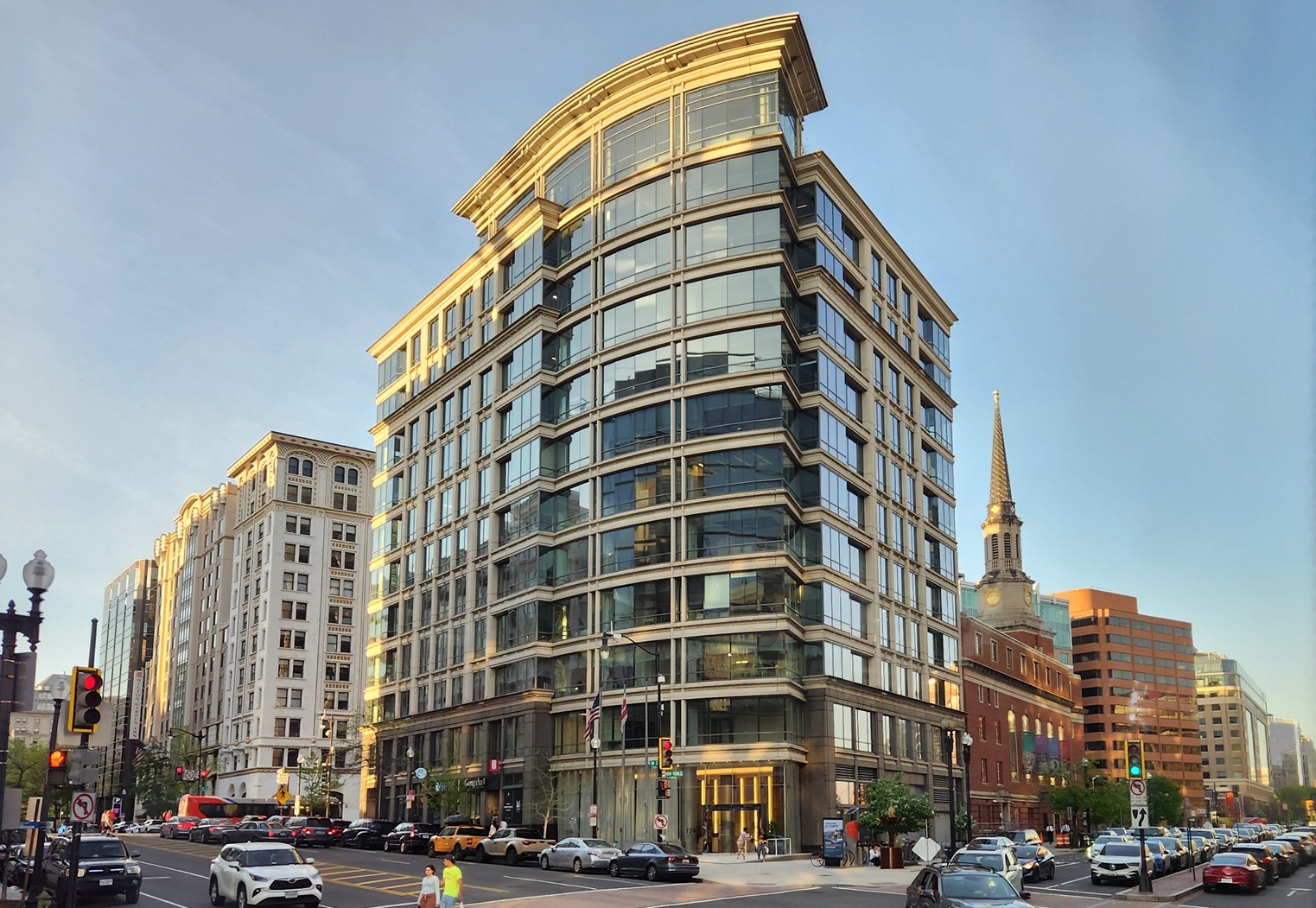
We drove through many kinds of neighborhoods on our various bus trips around the area.


More fun coming soon!

Posted in 2024 Travels Part Two | Comments Off on 2024 Travels Part Two

2024 – Our travels continue

2024 was a milestone year in our multi-year travel adventures. But, more on that later.

Our January began, as was pretty usual in the winter, in Florida, avoiding the cold and snow of the northern tier…sometimes. The south is also the winter home of many birds that, like us, enjoy the warmer temperatures. The ‘warm temperatures’ were only available during the day, at night it was getting down to 30 degrees.

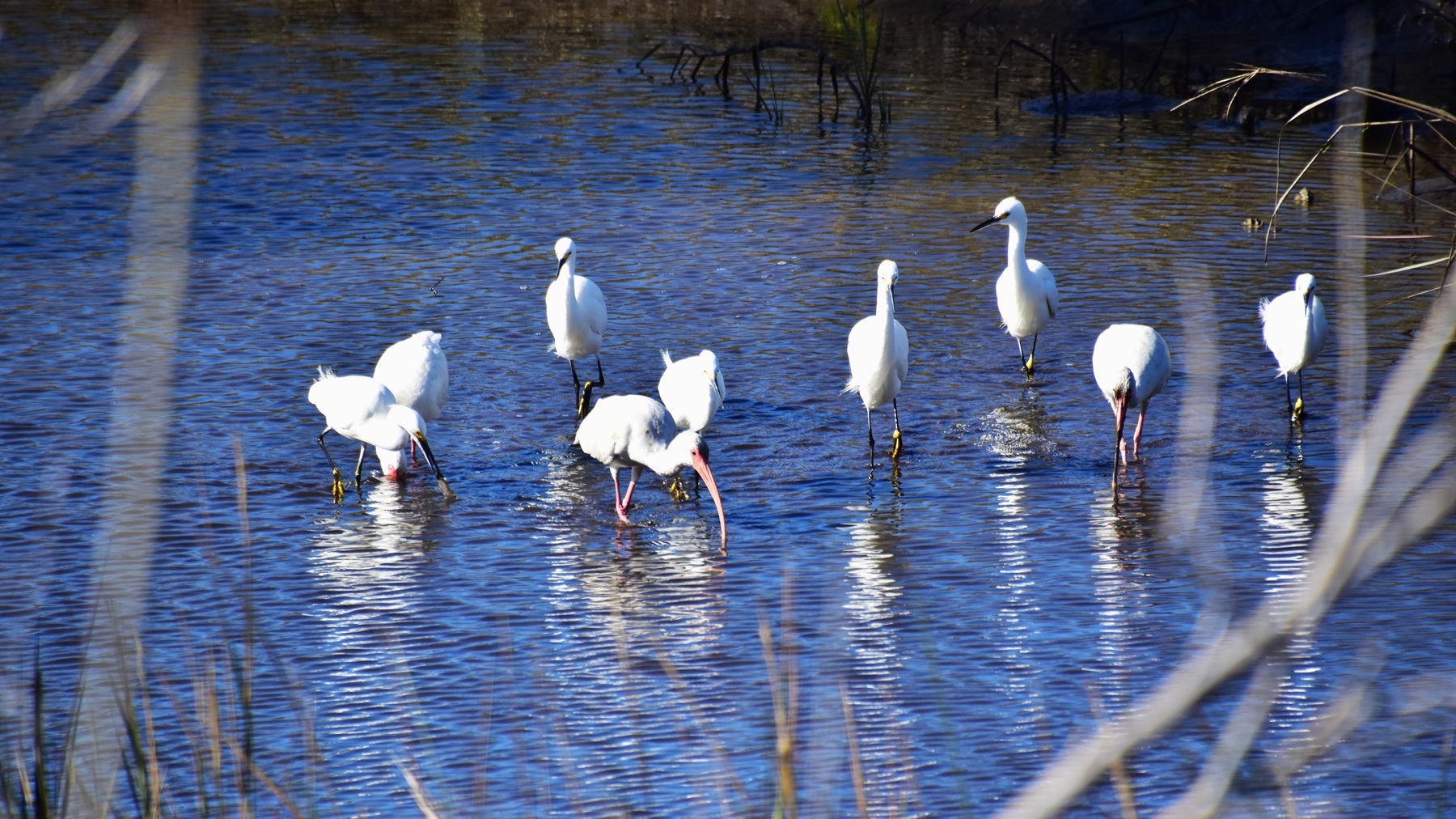
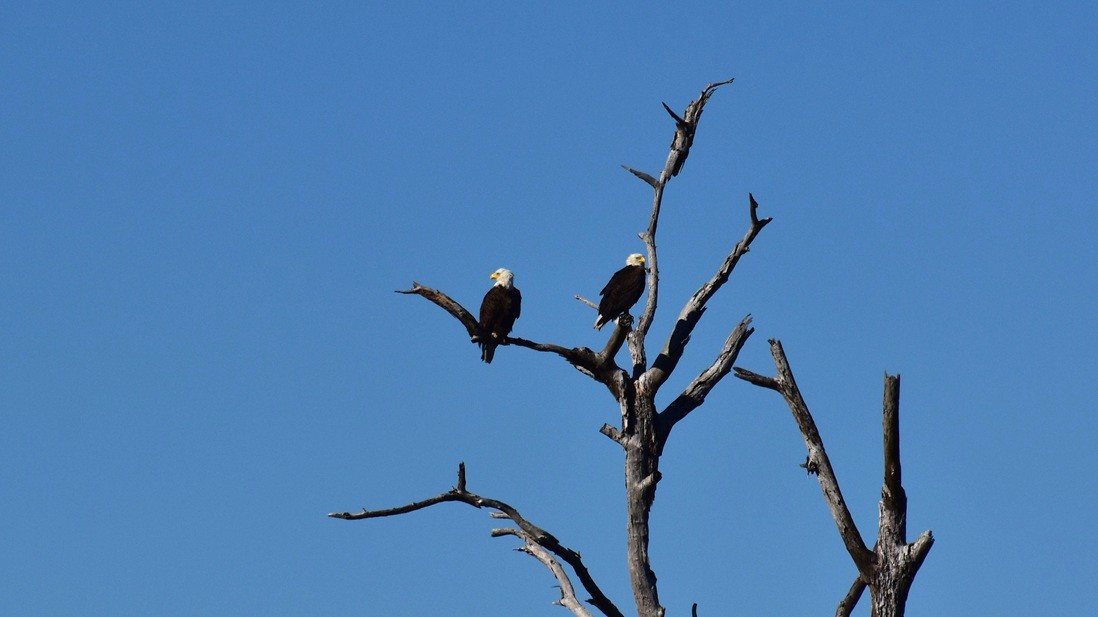
St. Marks Wildlife Refuge is along the panhandle and a favorite stop for us; a large preserve with lots of space to find all kinds of birds. 


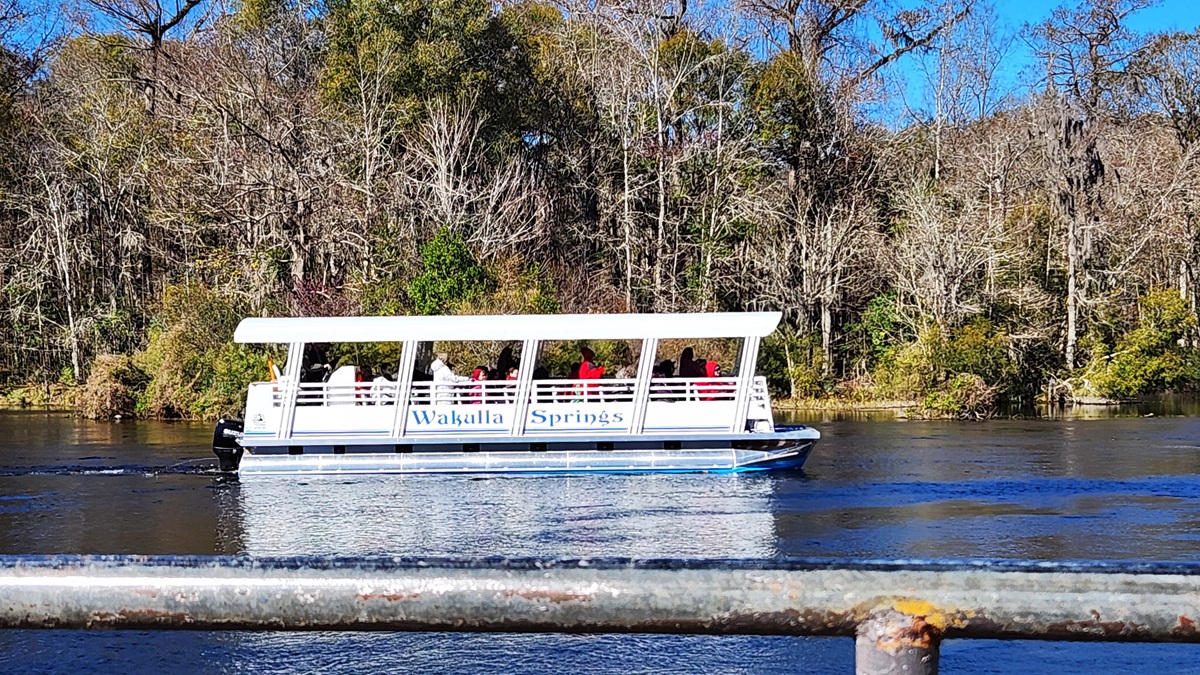
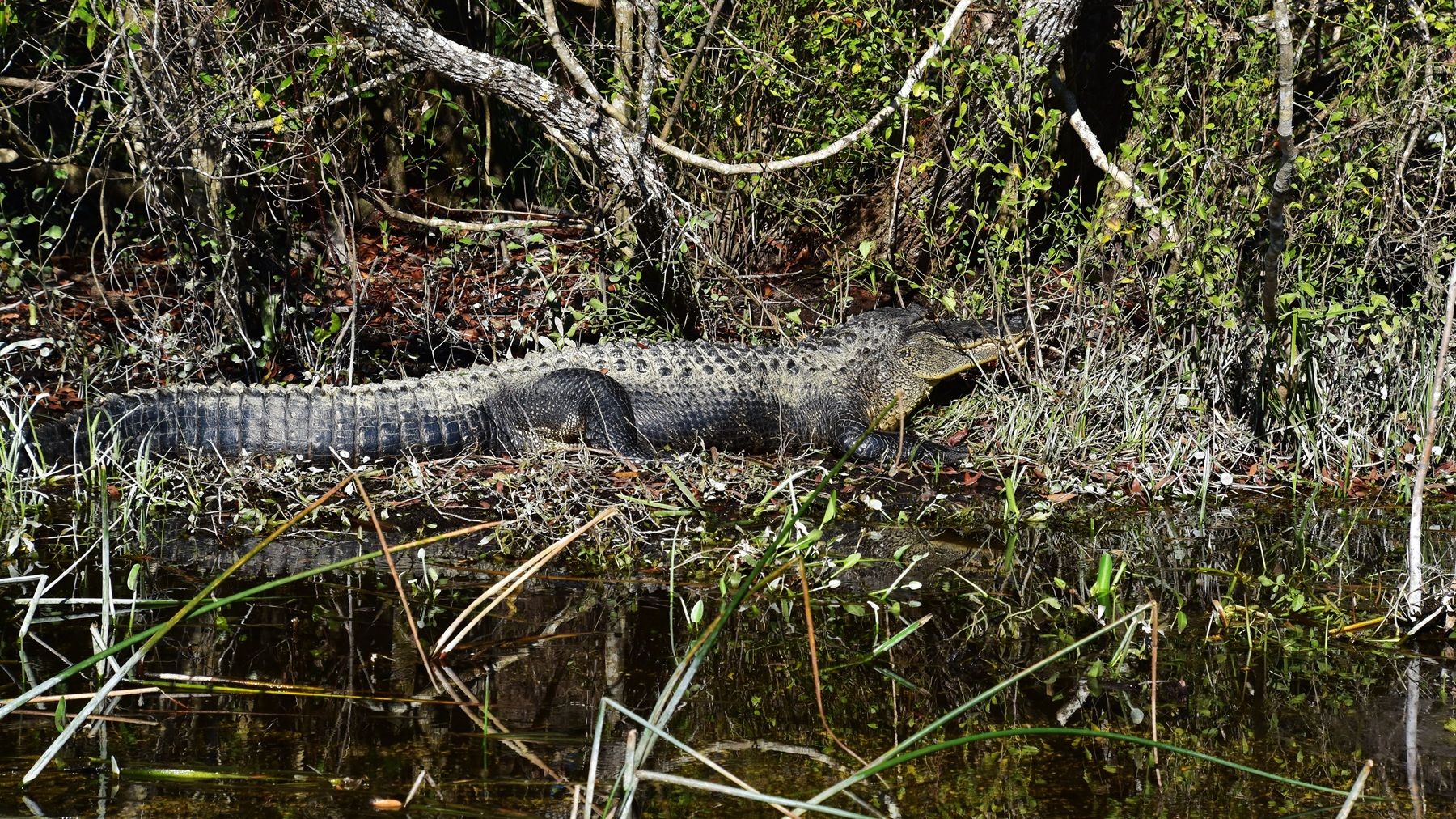
A few miles from the refuge is Wakulla Springs State Park, which boasts the world’s longest known marble bar in the on-site Lodge, and the site of movies like “Creature From the Black Lagoon”. The park offers a boat ride on the river where the movies were filmed, and the local critters were kind enough to pose for some photos.


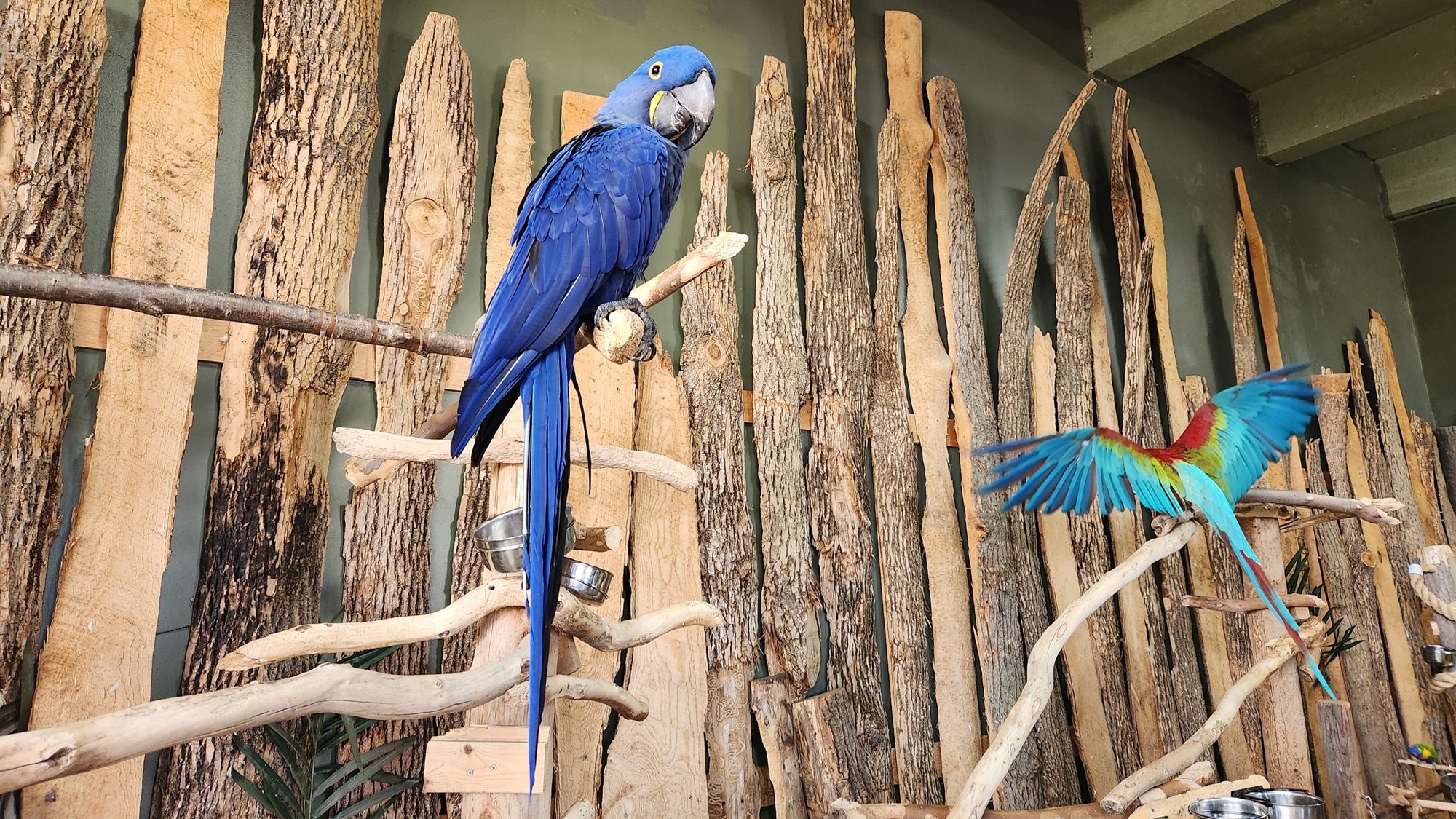
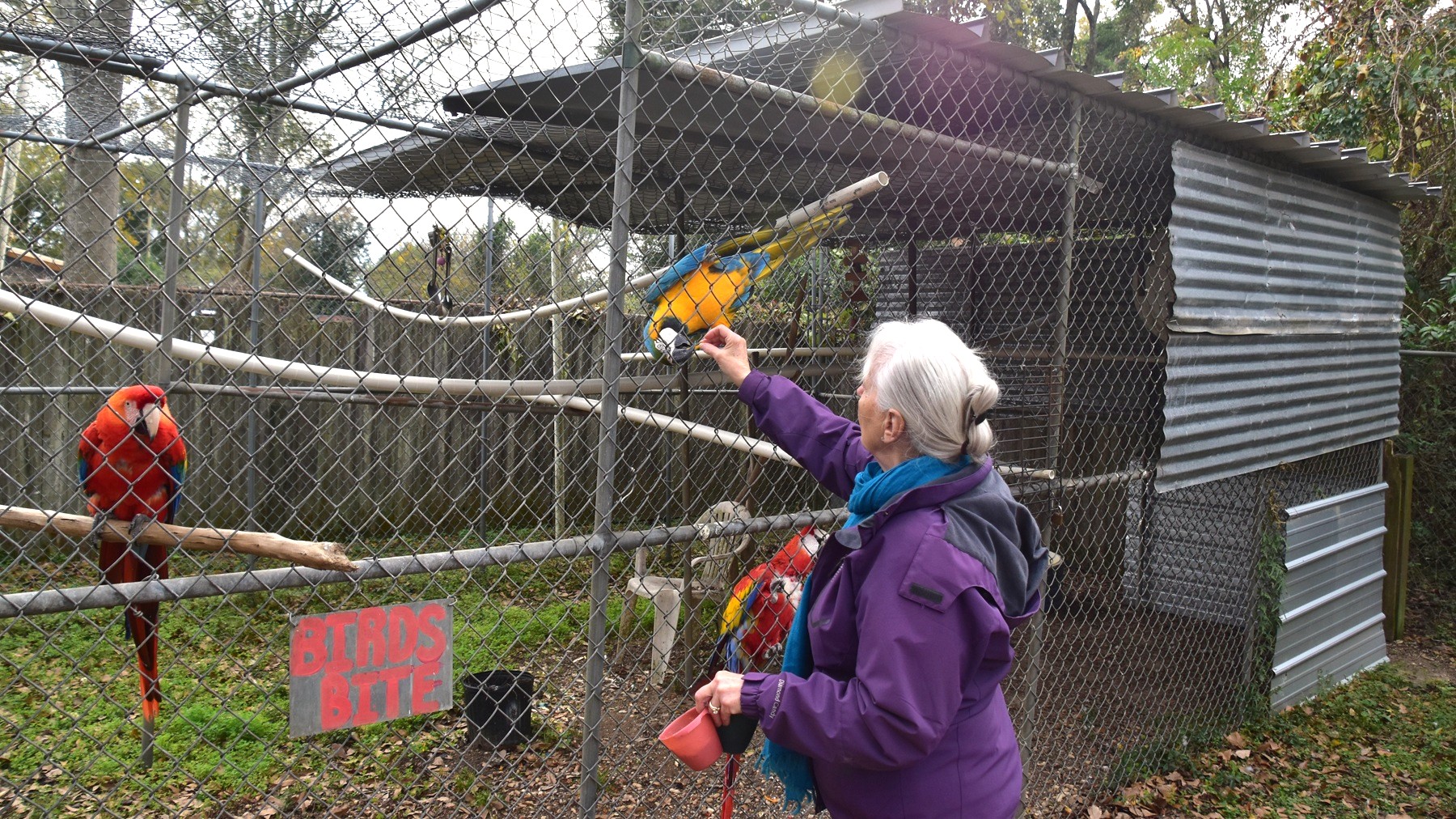
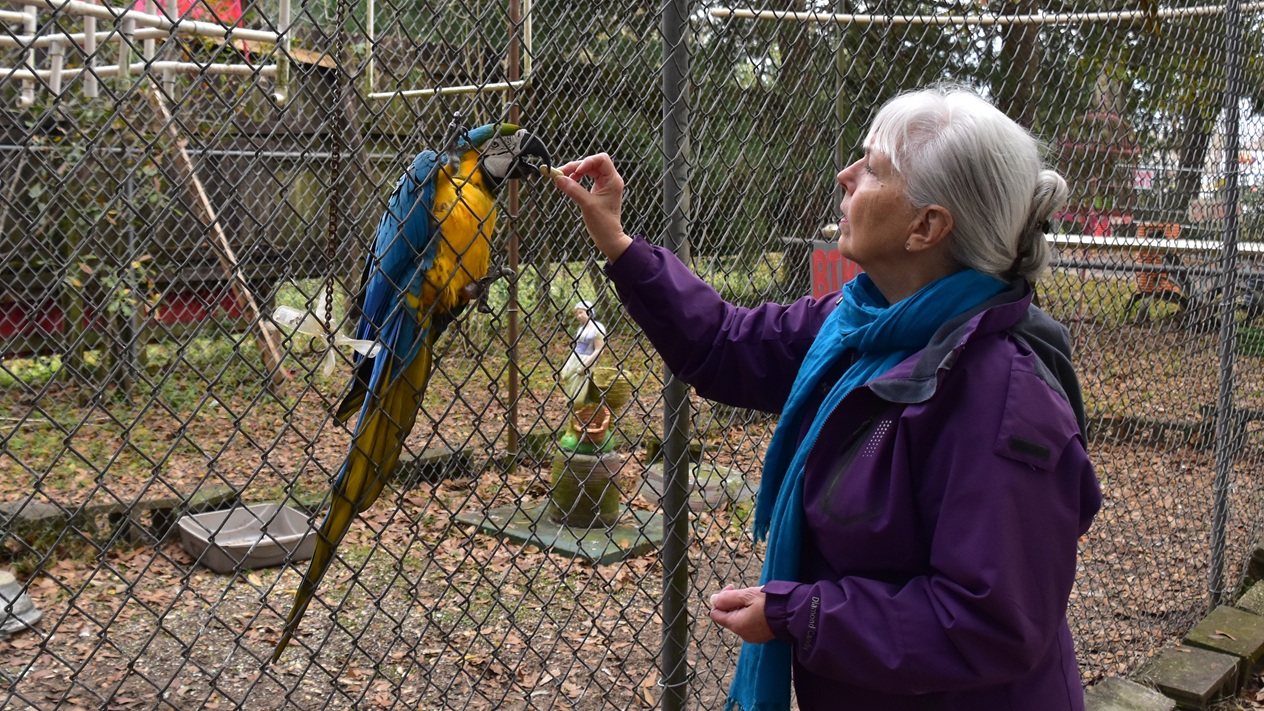
Pensacola is home to a Macaw sanctuary, where unwanted birds find a permanent home. Macaws are beautiful birds, but they are large and very noisy and often do not last long as pets. They love treats, and Gail had fun feeding them.


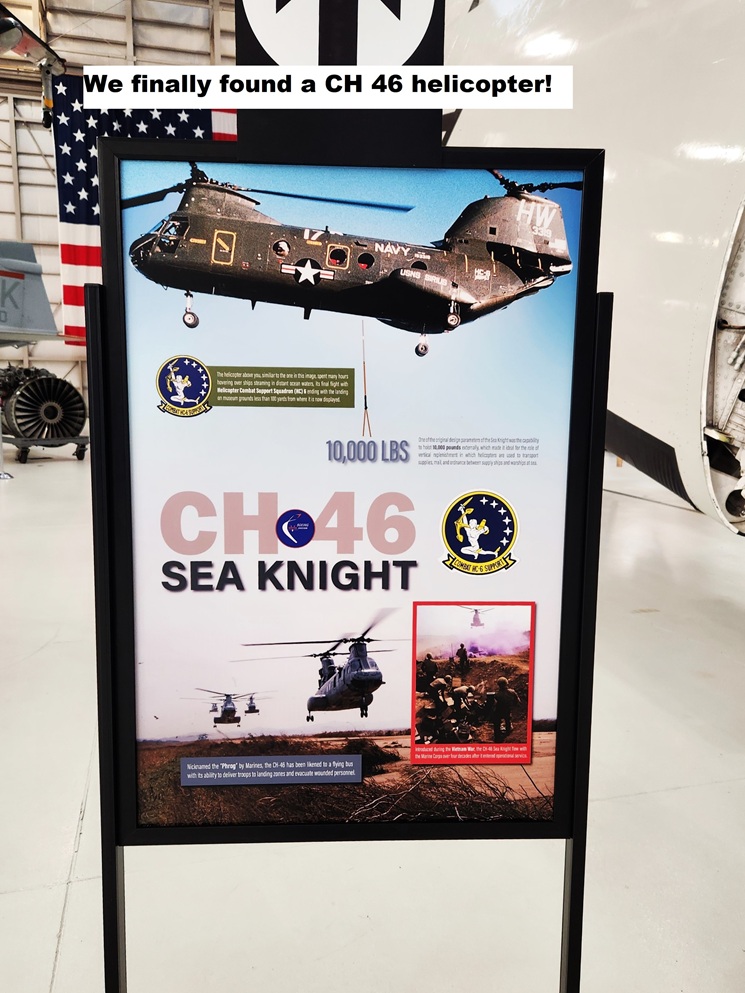
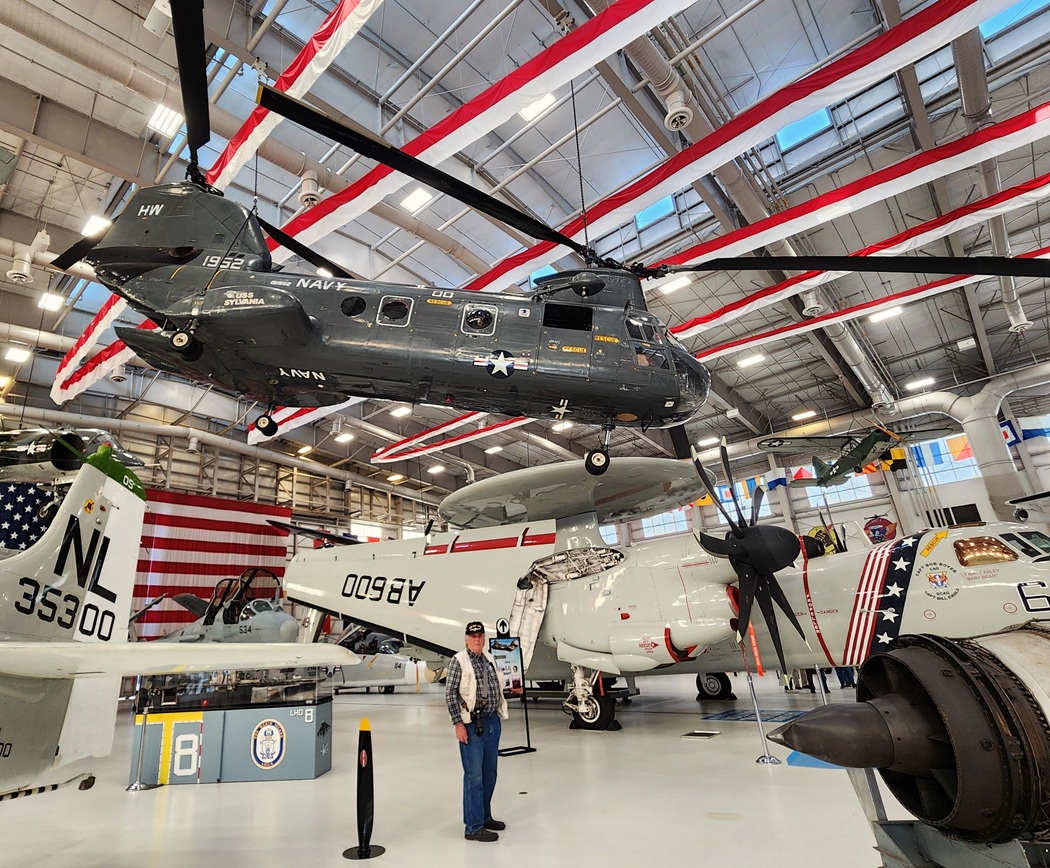
The National Naval Air Museum is also in Pensacola and, of course, we had to visit that. Many wonderfully maintained aircraft were displayed and the highlight was an H46, the helicopter Bruce was assigned to in the Navy. We had not found one of them in a museum before this.


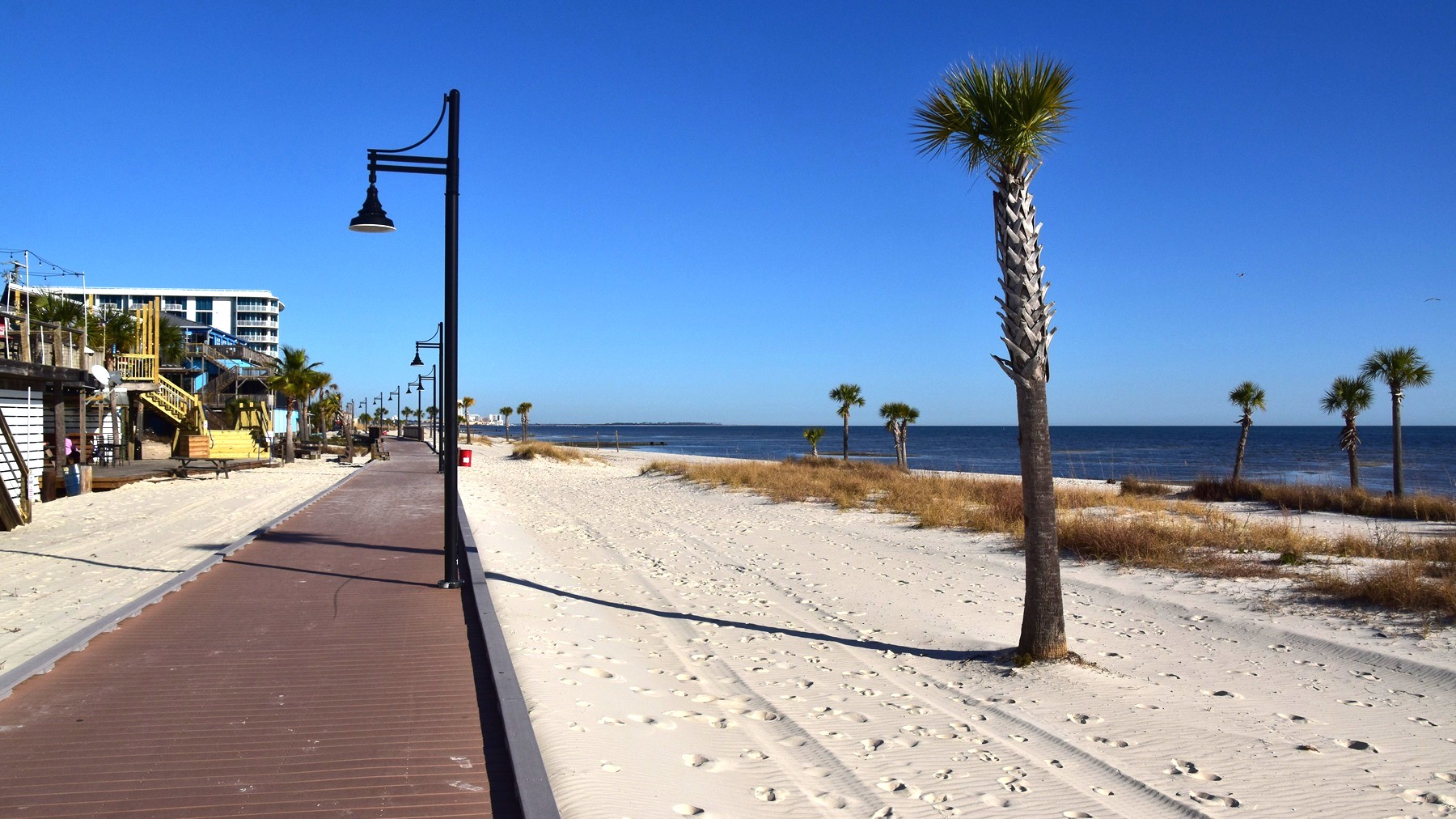
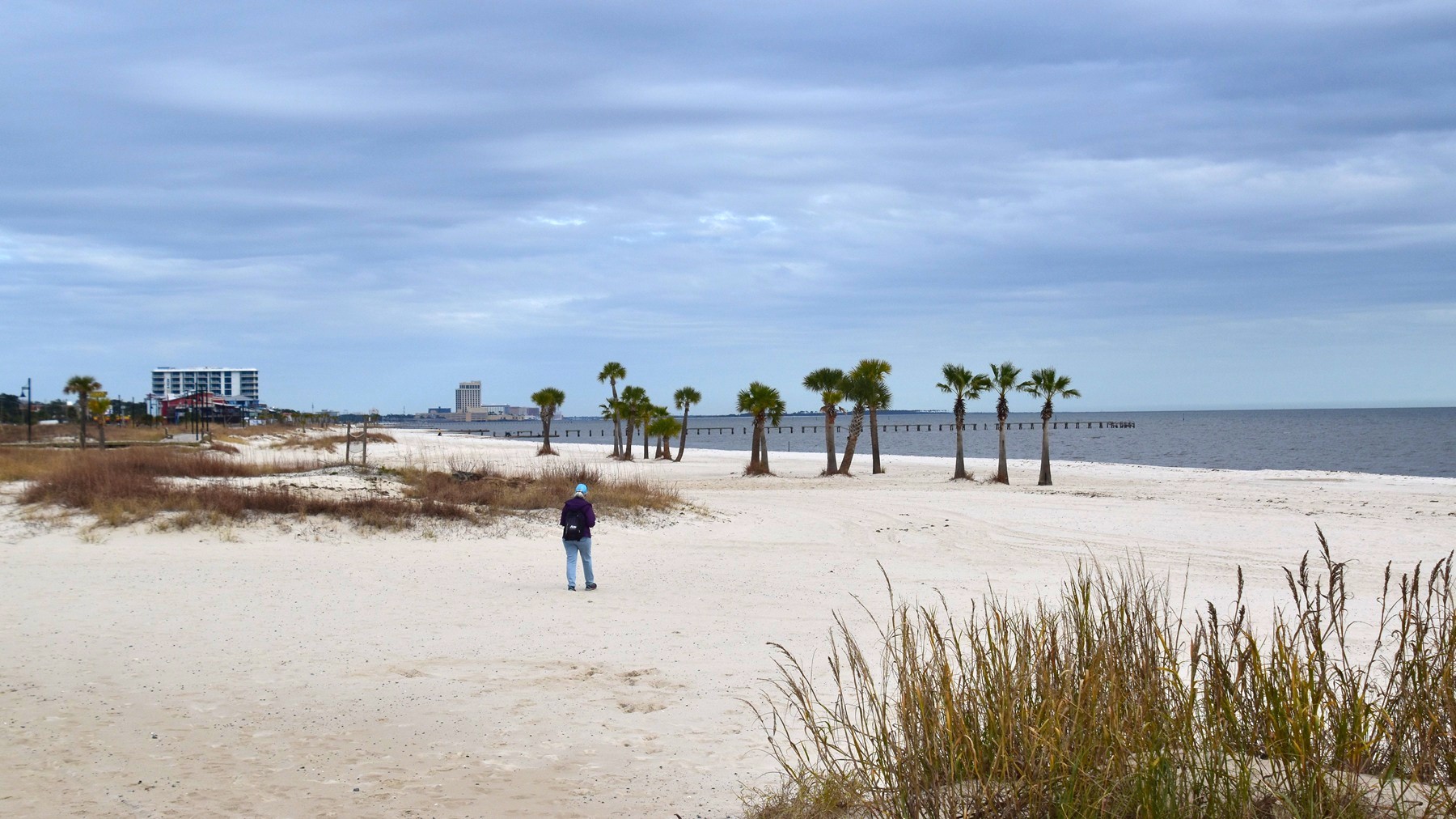
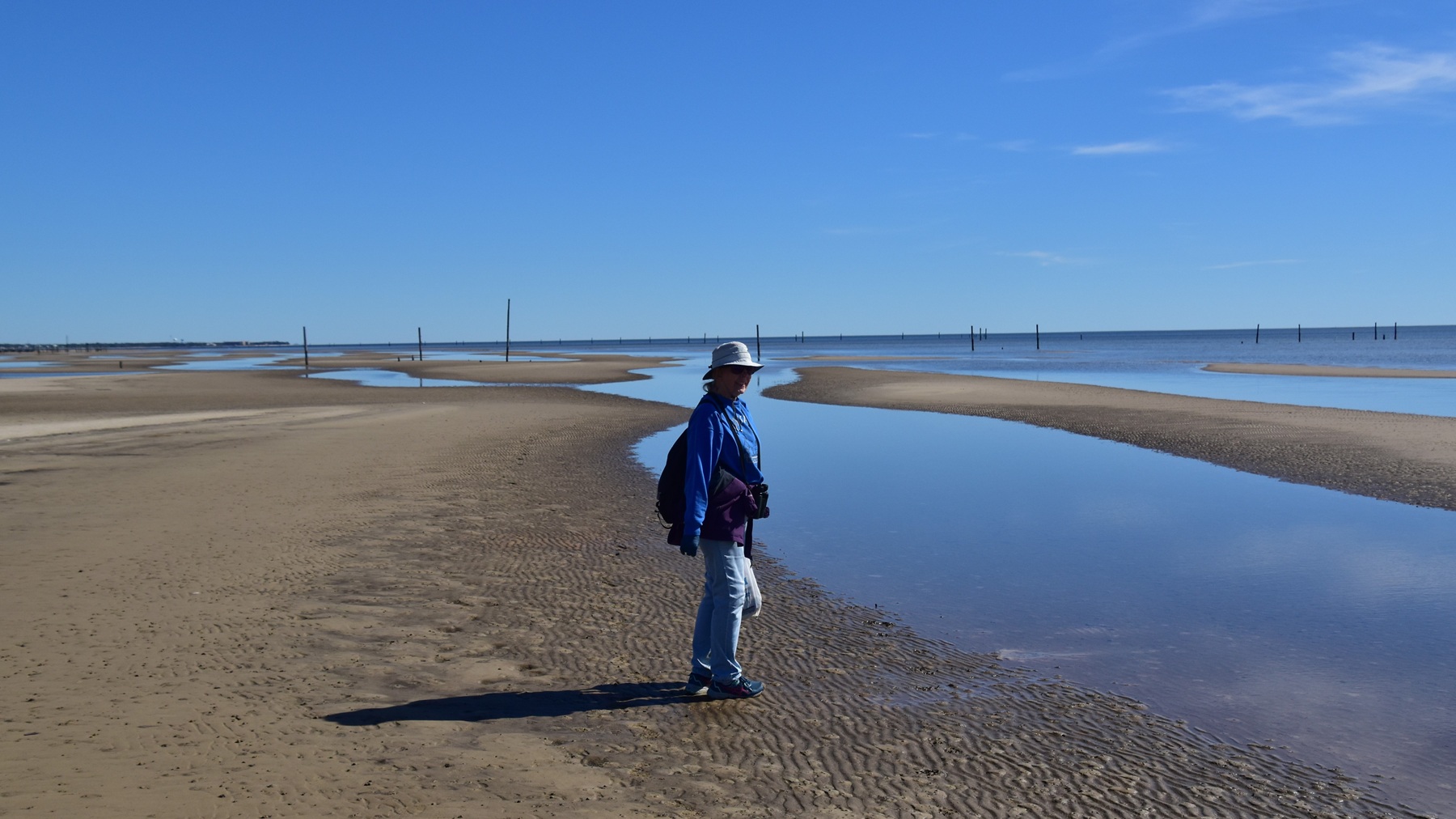
Along the Gulf of Mexico Coast, there are a series of RV parks that have become favorites, mostly because they are near good beaches, and where we return each winter. Biloxi, MS, is one such place. The white ‘sugar’ sand is a big draw on the coast, but interestingly enough along the Gulf Coast, storm drains dump all kinds of trash into the water. The beaches are great to walk, but the water is a bit iffy and there are frequent warnings about water quality.


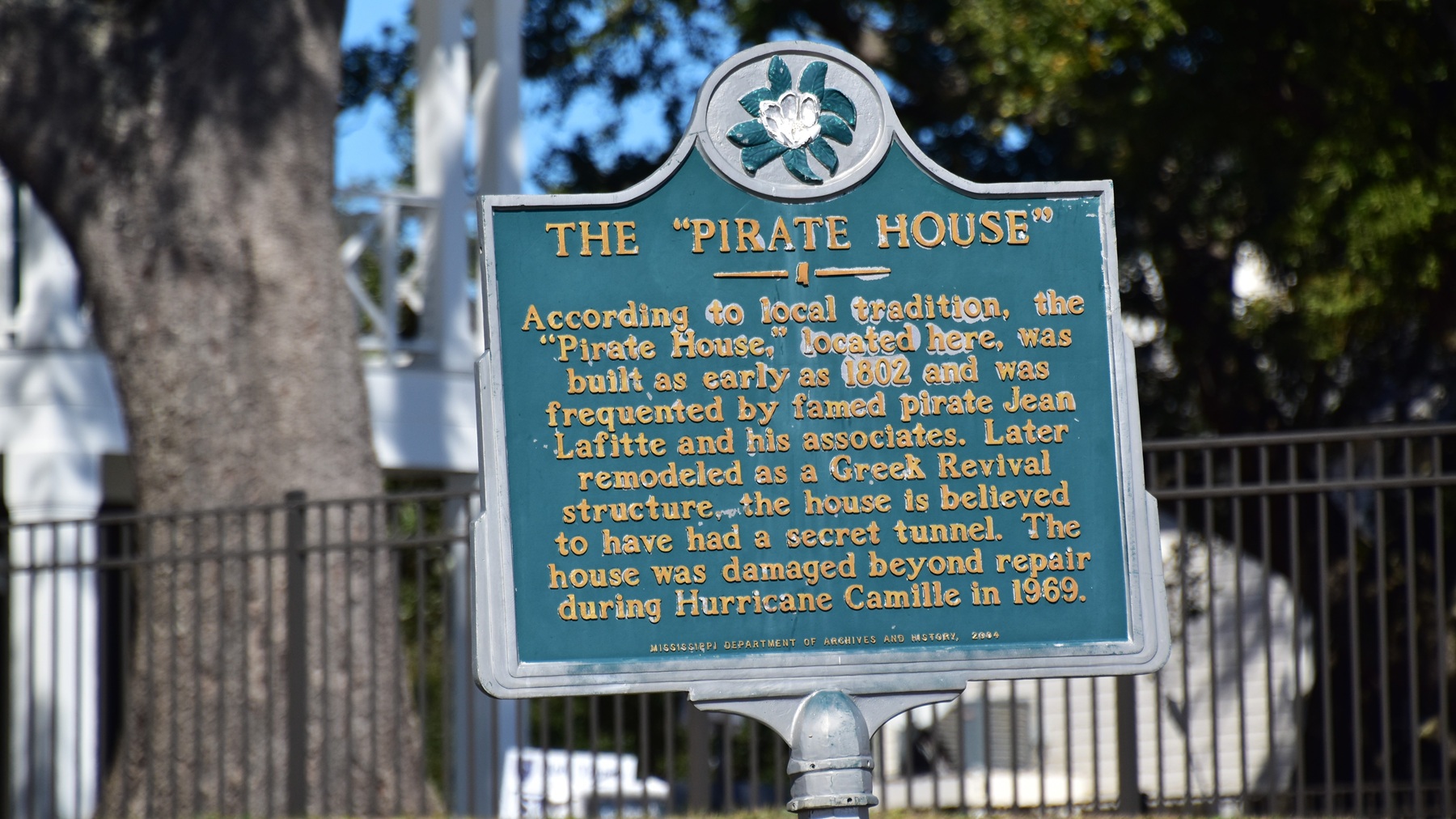
Waveland, just outside of Louisiana, was the next destination. There are good walking beaches just a short drive away from the RV park; and a lot of interesting historical places right there on the coast.

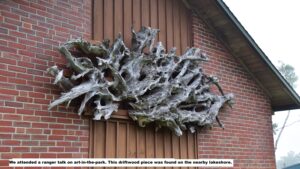
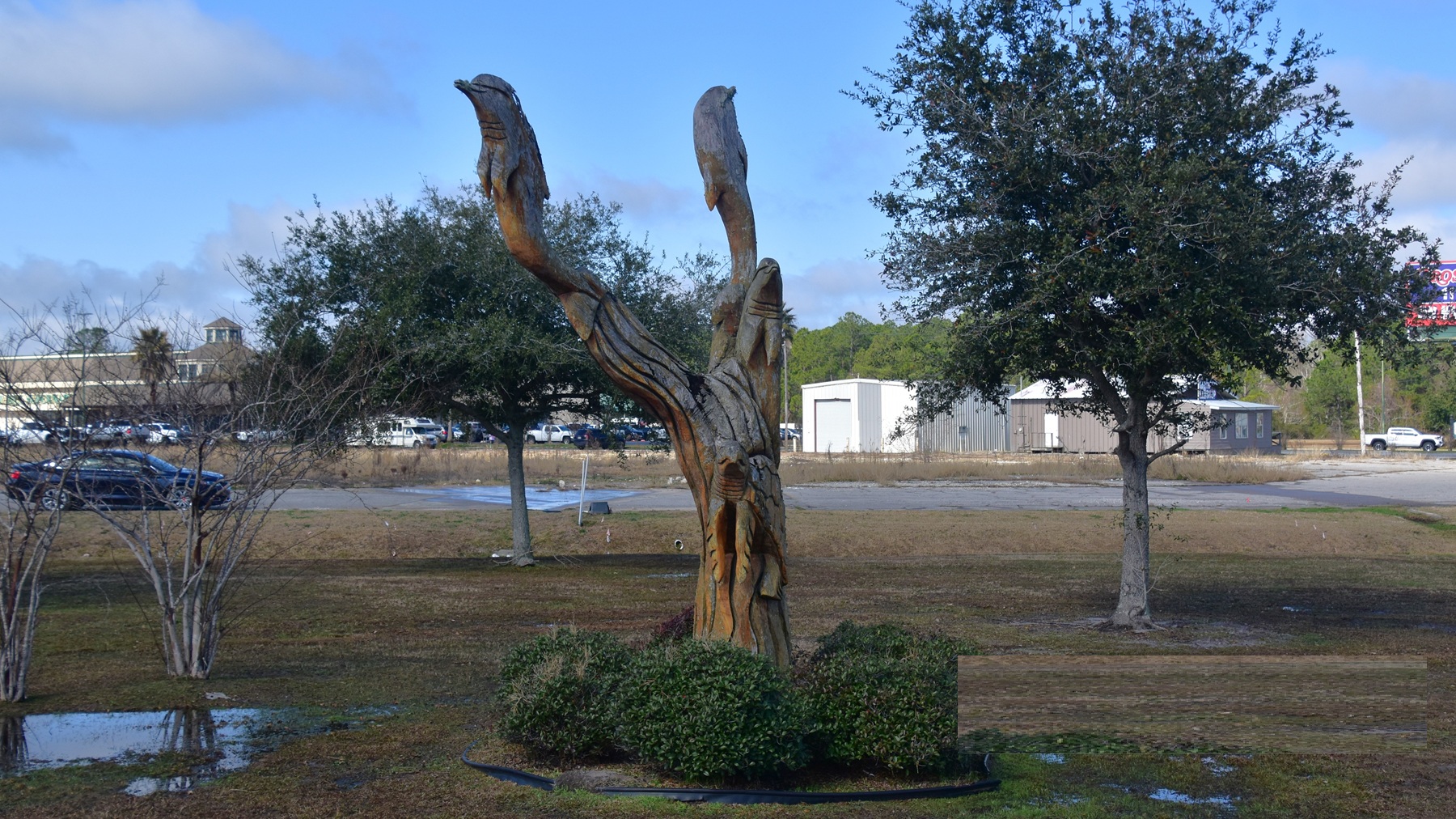
Hurricane Katrina made landfall in Waveland and, as you might imagine, did a lot of damage. An artist has turned trees that were decimated into sculptures that are located around town.


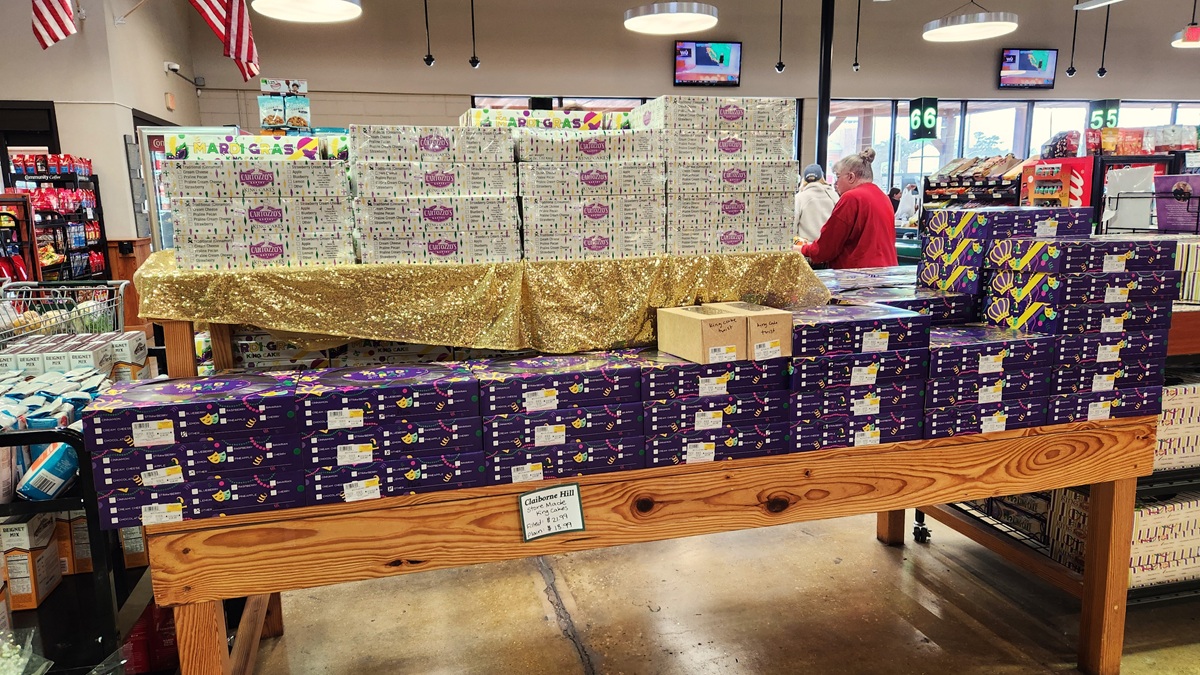
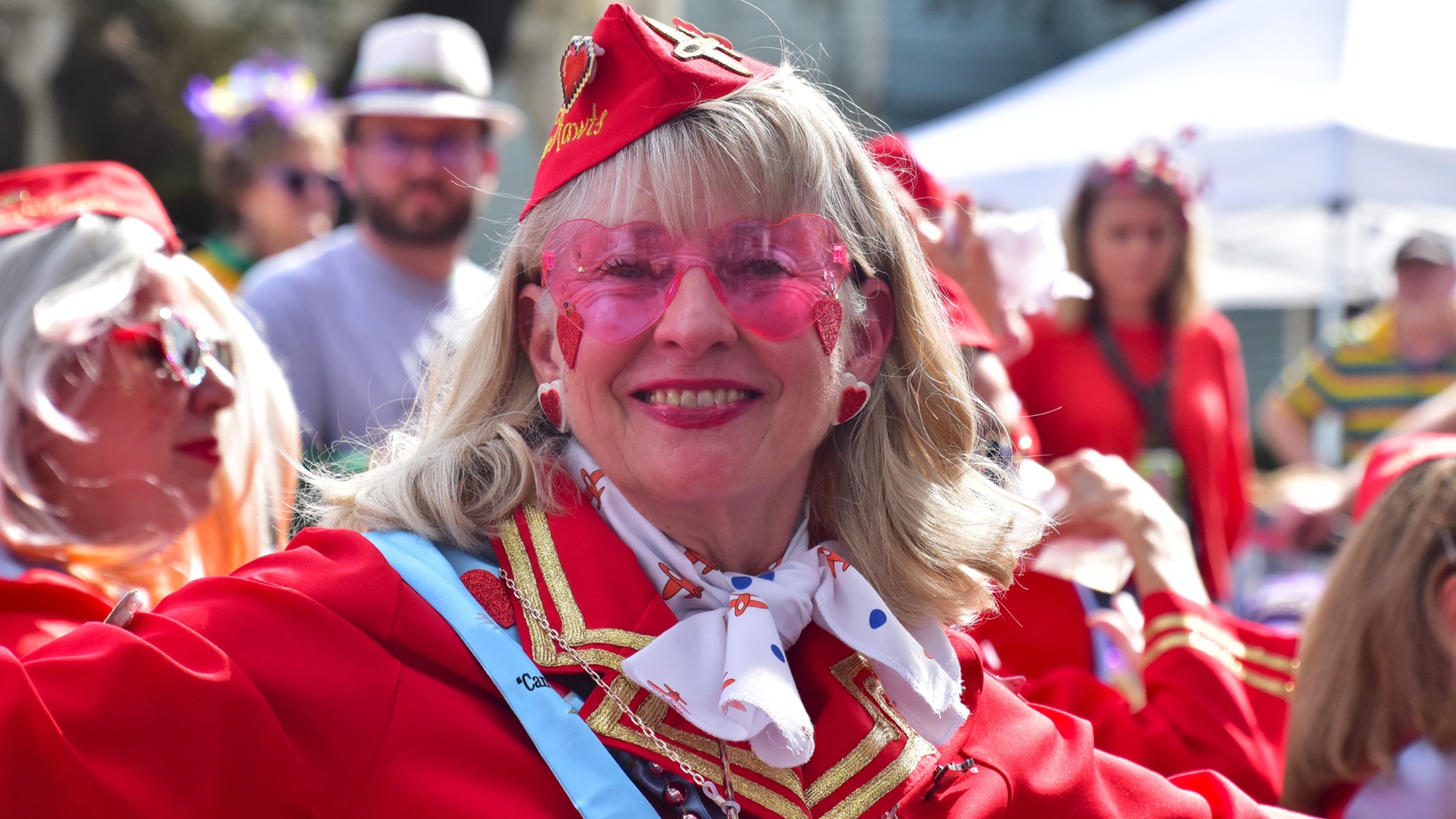
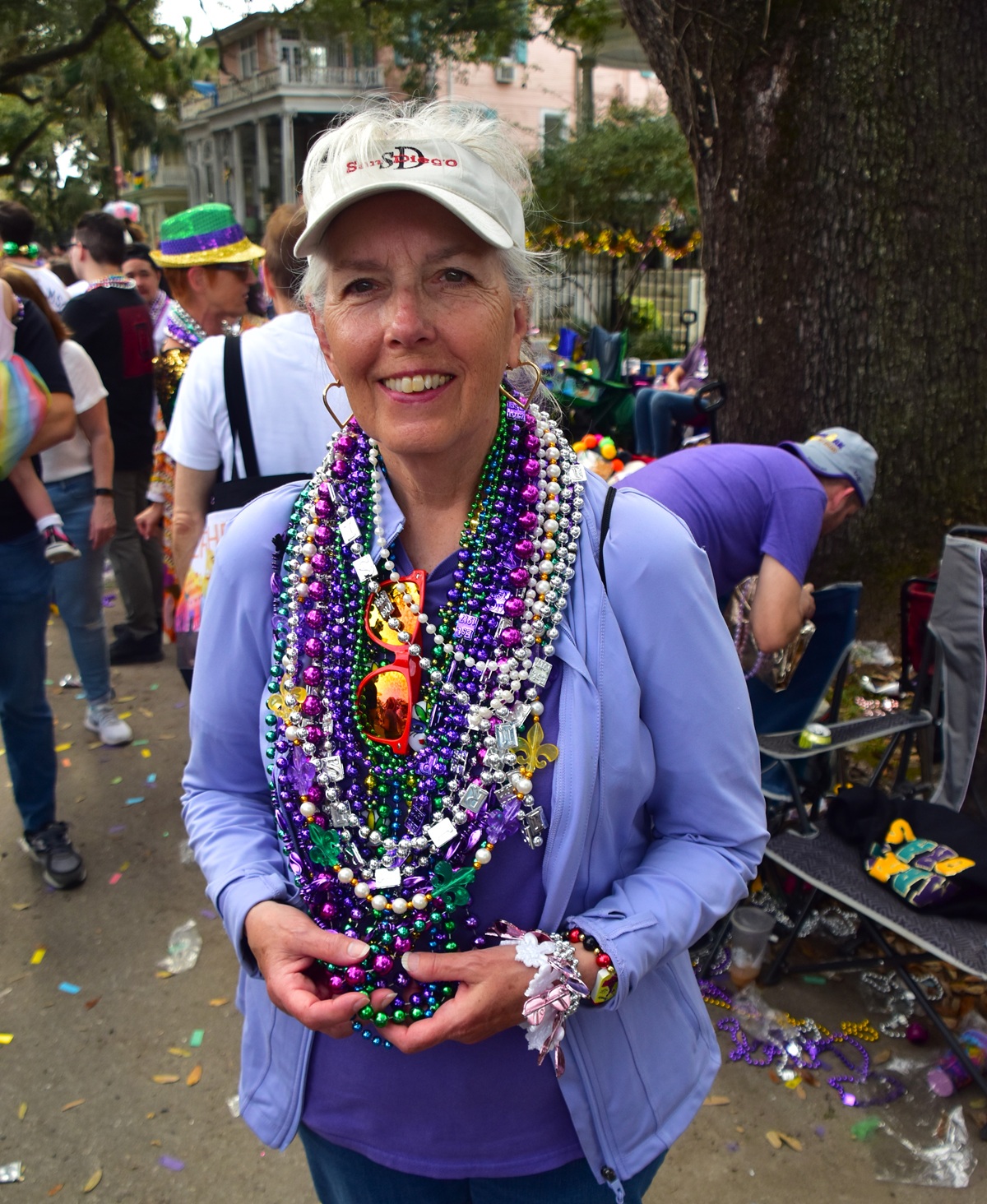
Early each year it is Mardi Gras time in the south, and we have come to enjoy the celebrations, decorations (people take the Christmas ornaments off their trees and pile on the Mardi Gras colors) and huge stacks of King Cake in all the grocery stores.

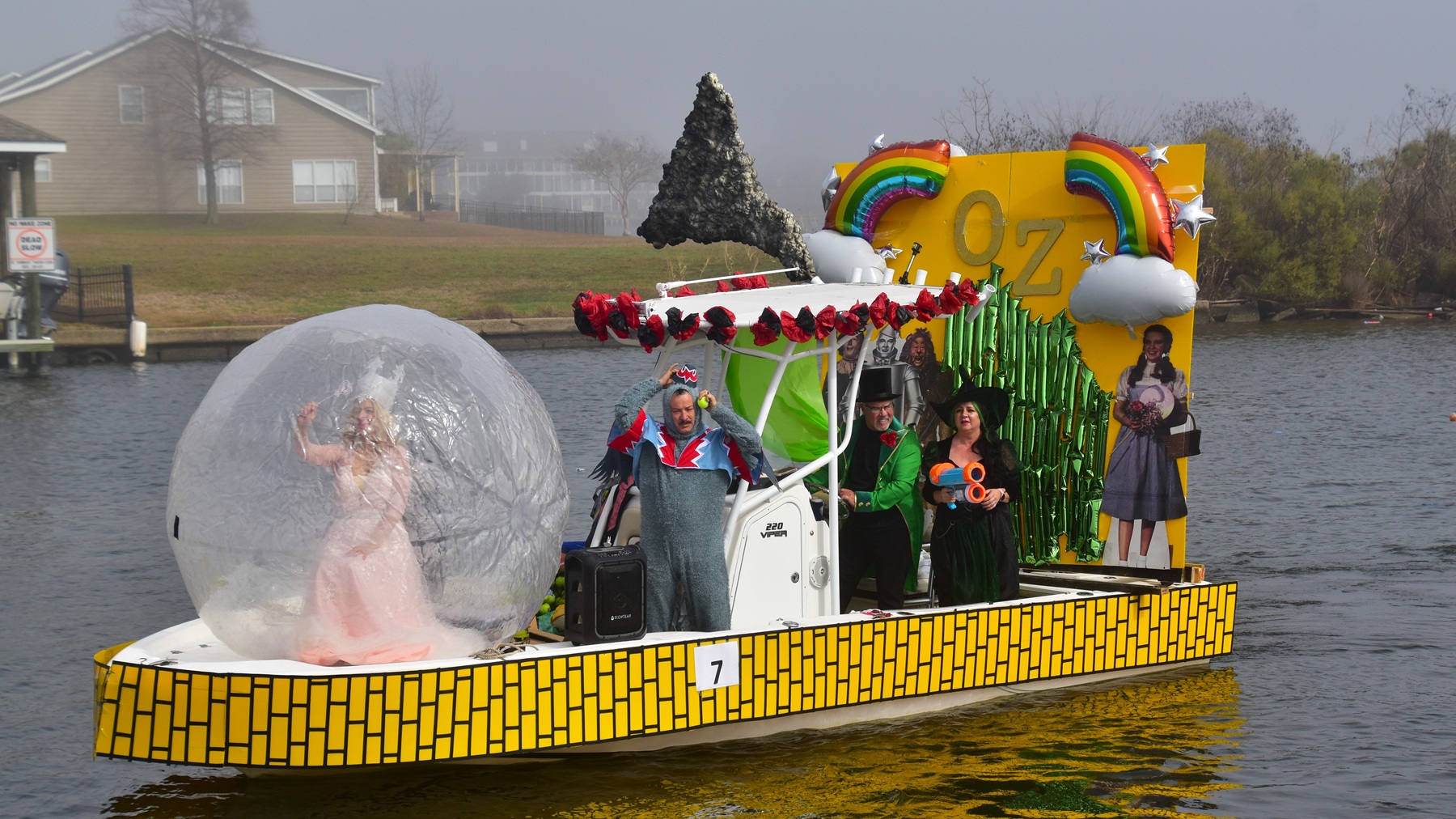
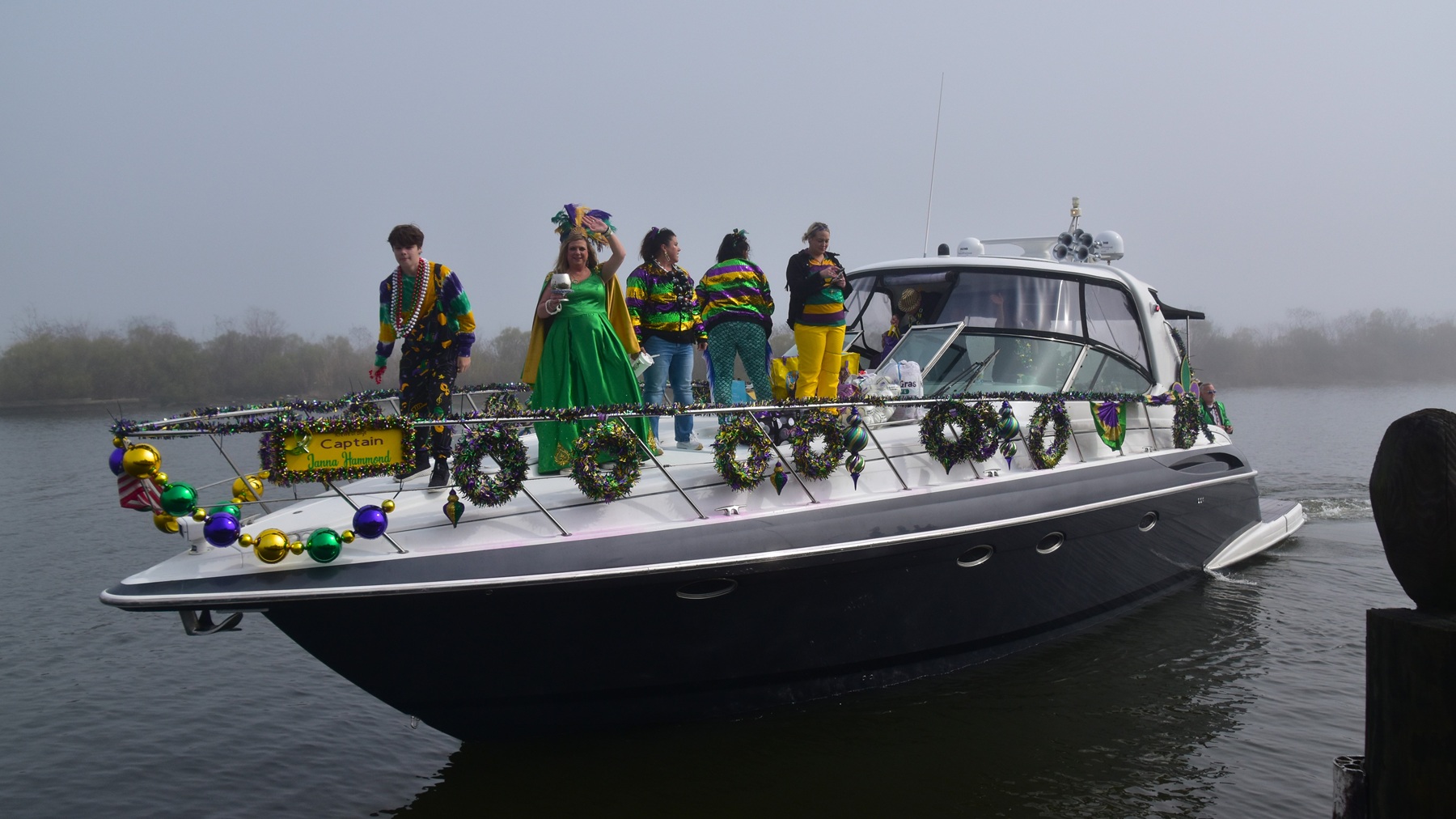
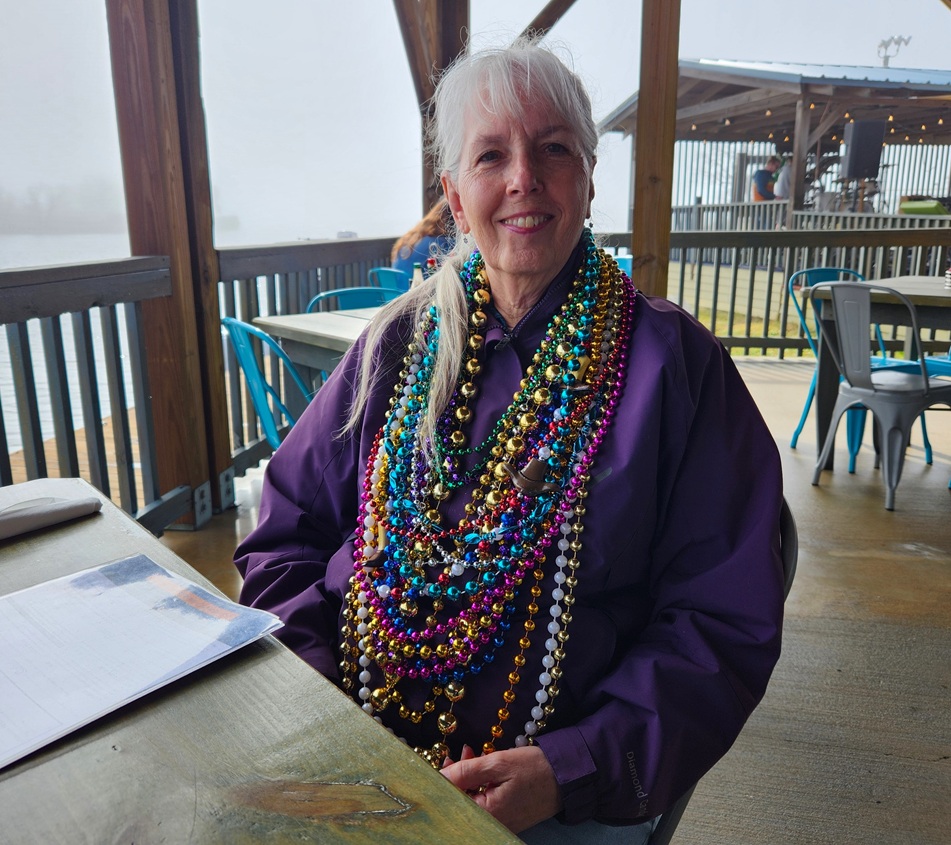
Waveland is very close to Louisiana, where a Mardi Gras parade that we enjoy is held. The ‘parade’ is along canals in a subdivision, and is entirely on the water.  Smaller crowds and a restaurant where we can eat lunch afterwards has drawn us back several times.


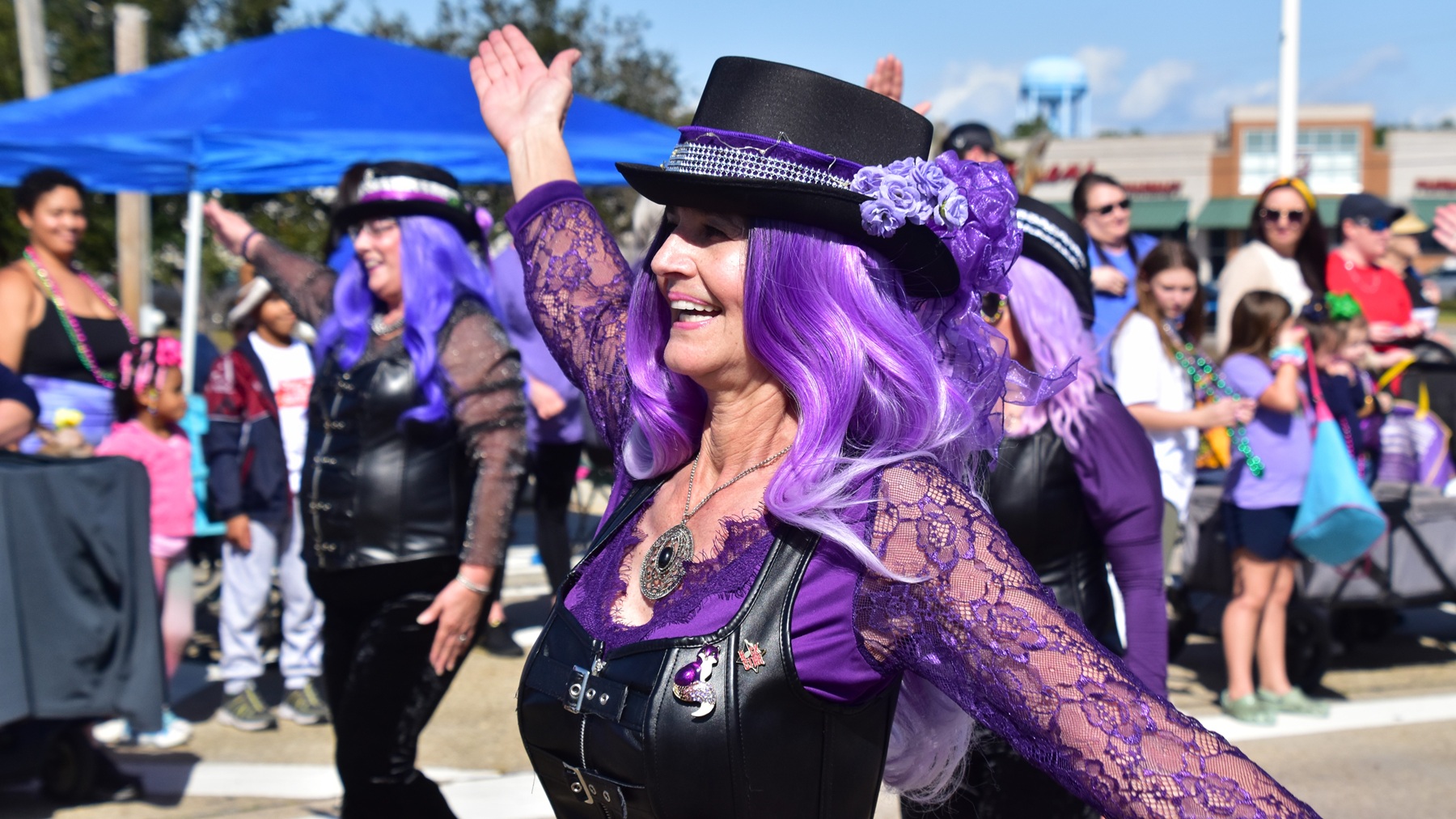
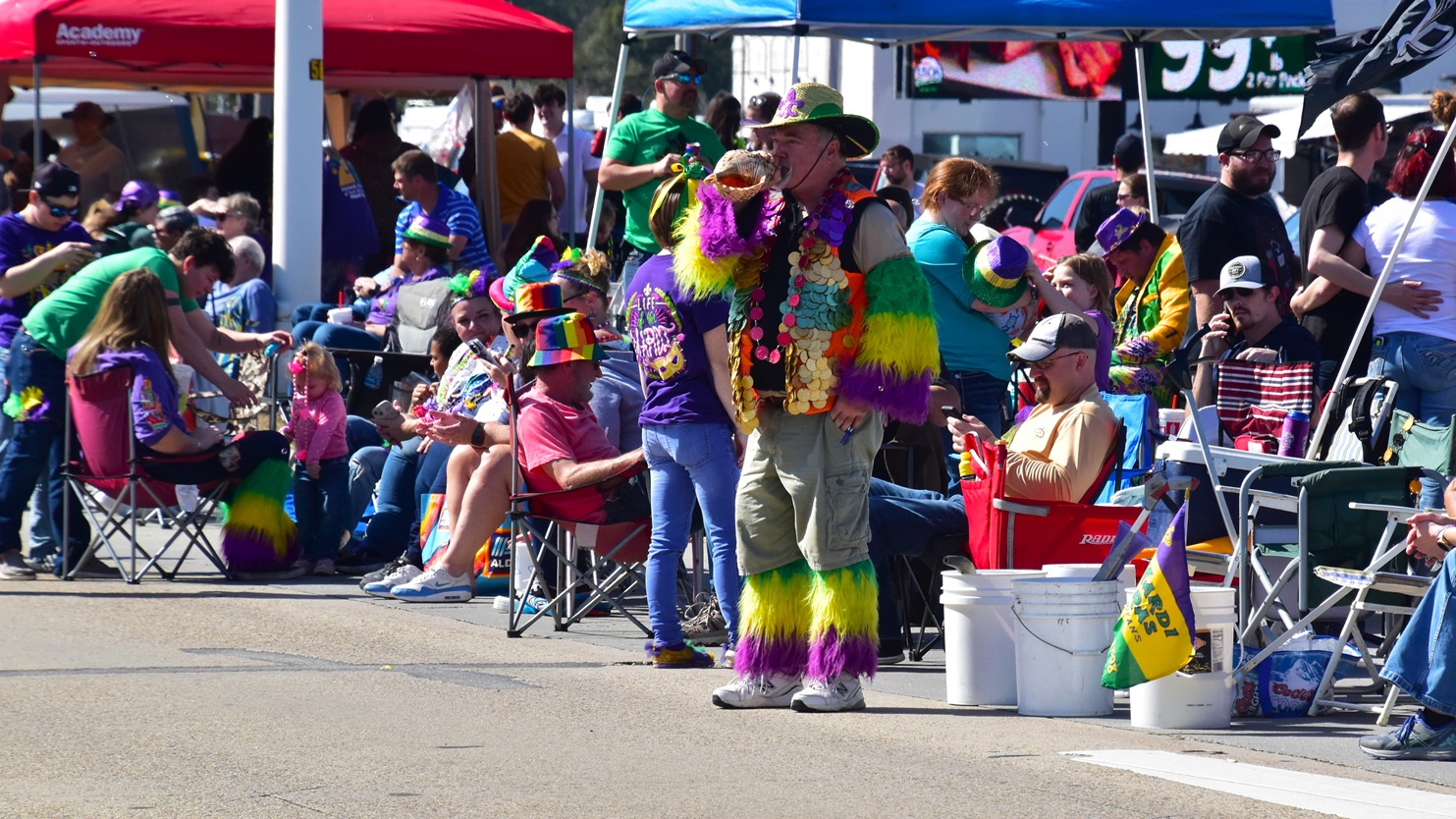
Waveland also has their own parade and the people watching is as much fun as the parade floats. 


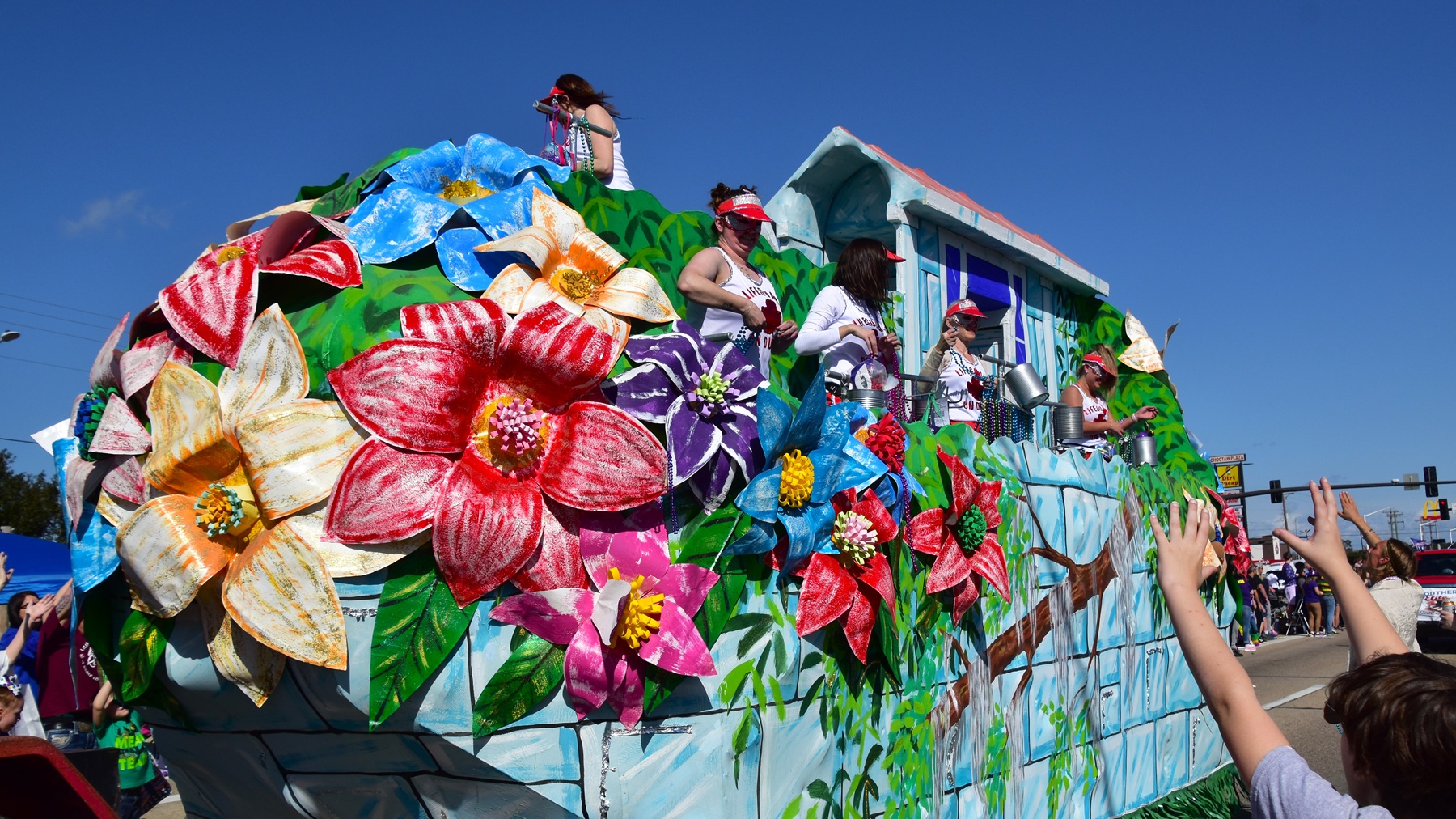
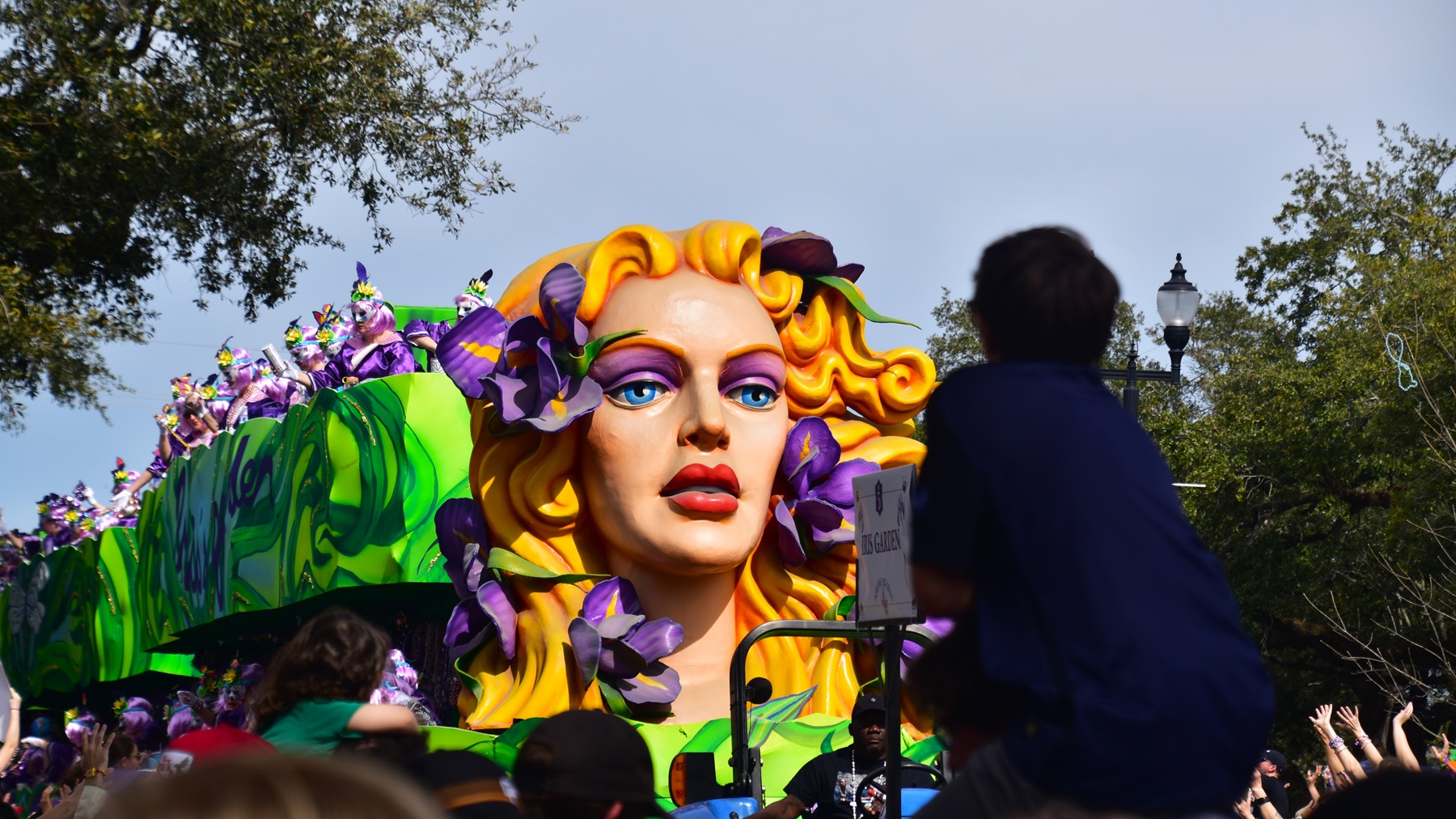
By now it was February and we had moved into Louisiana, just south of New Orleans, where we ventured into NOLA to watch a parade put on by the Krewe of Iris, an all-female group.

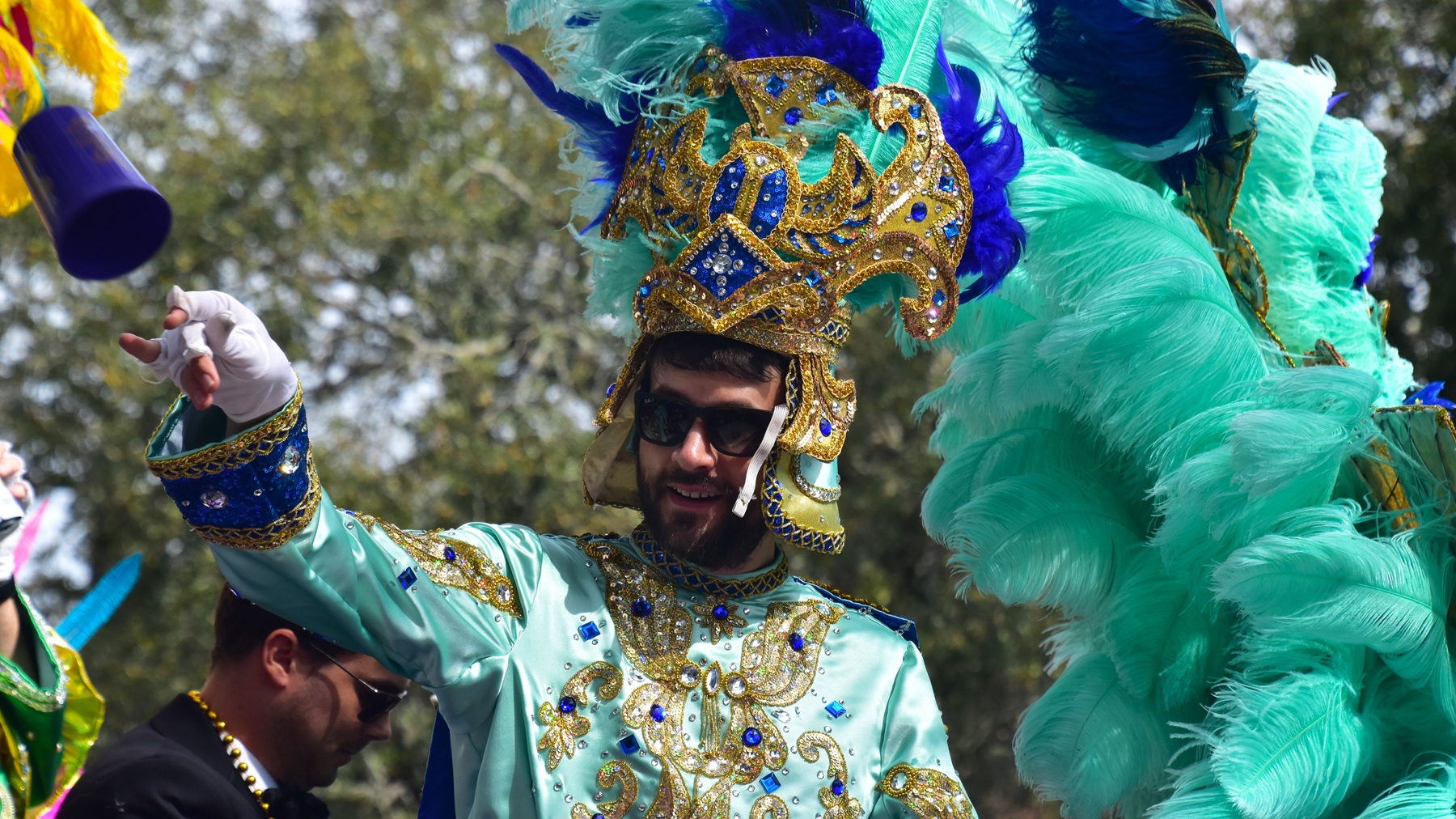
These parades feature floats that are the big and colorful, with lots of throws, sparkly costumes and many people along the parade route.


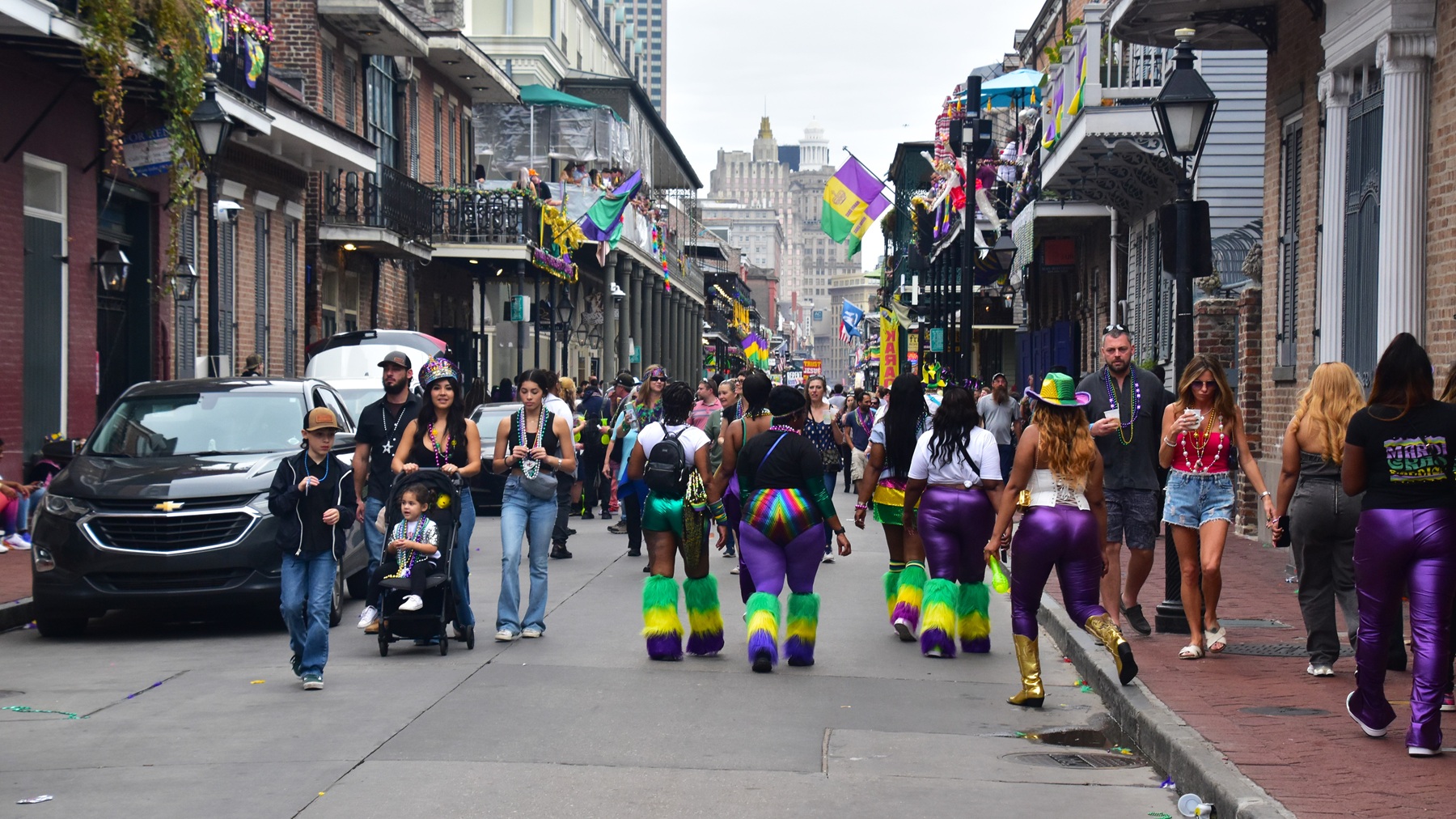
The best time to walk down Bourbon Street is during Mardi Gras season, when the balconies are strung with decorations, and the colorful people are out and about!


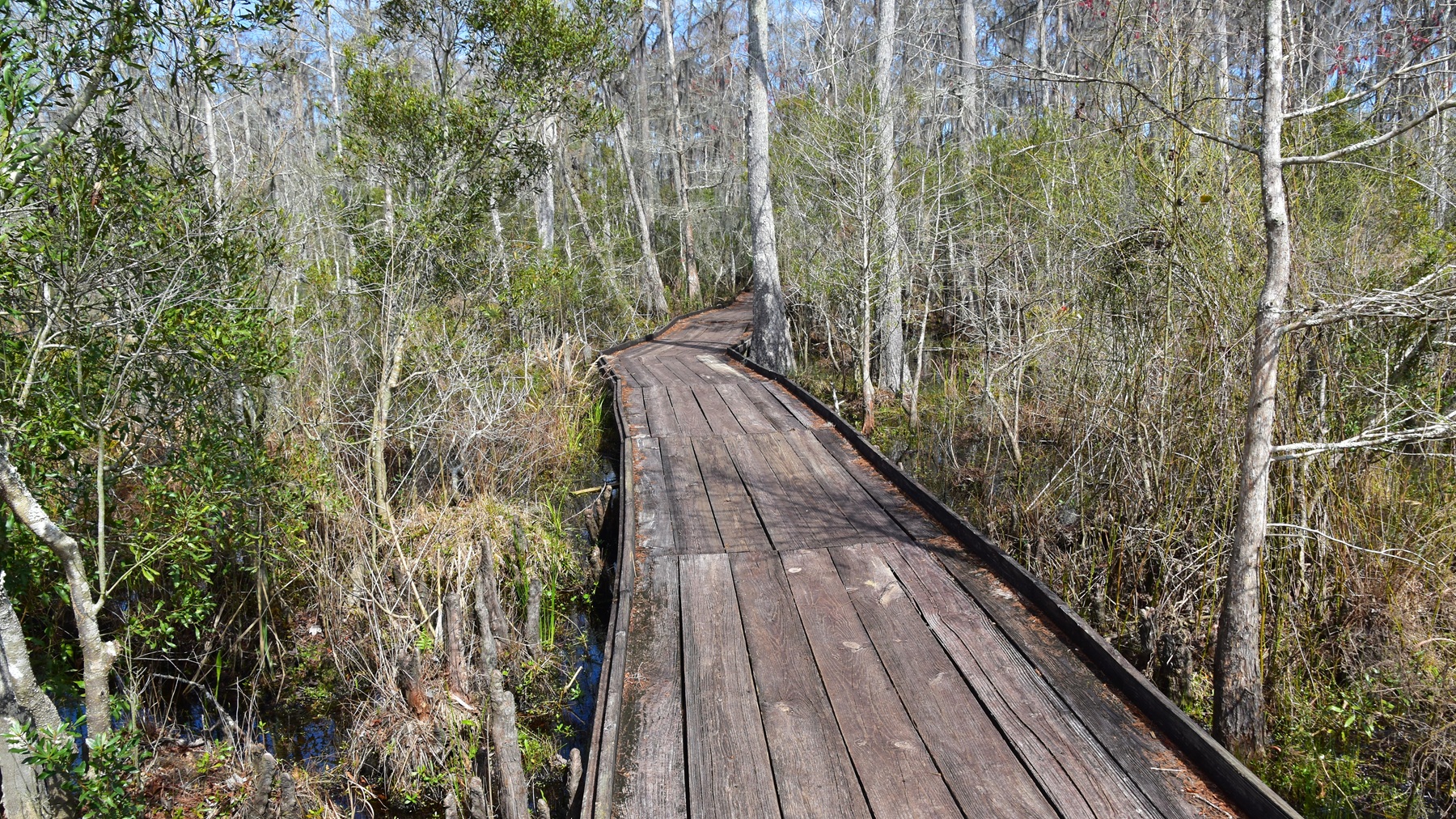
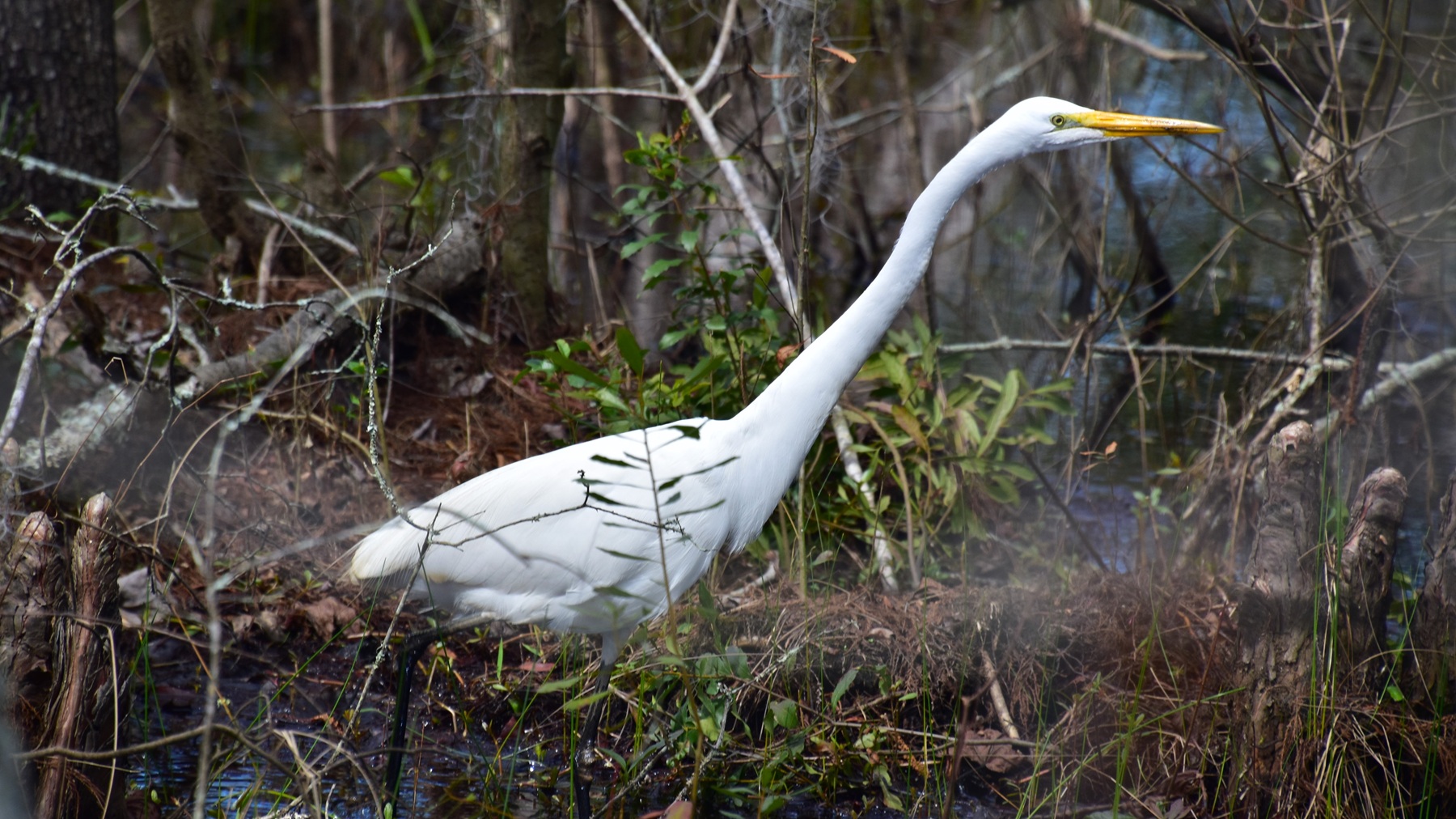
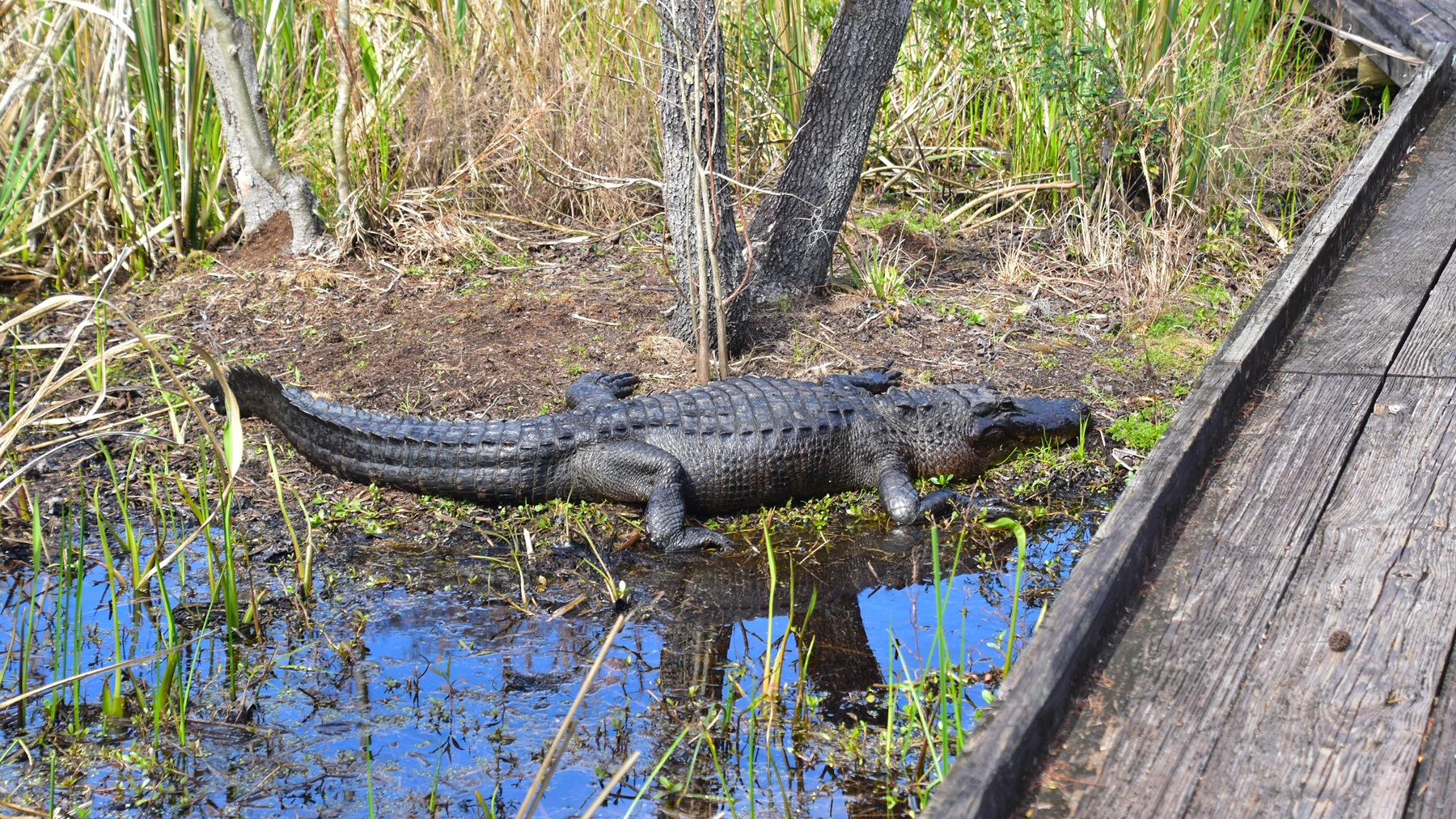
South of the RV Park where we were staying is Jean Lafitte National Historical Park and Preserve, where there is a wonderful boardwalk through the swamp that we have enjoyed many times (except when hurricanes have destroyed it). All kinds of critters inhabit the swamp; snakes, alligators, lizards, birds, etc. and because they are used to people, and it is wintertime, it is usually fairly easy to get good close-up photos. 


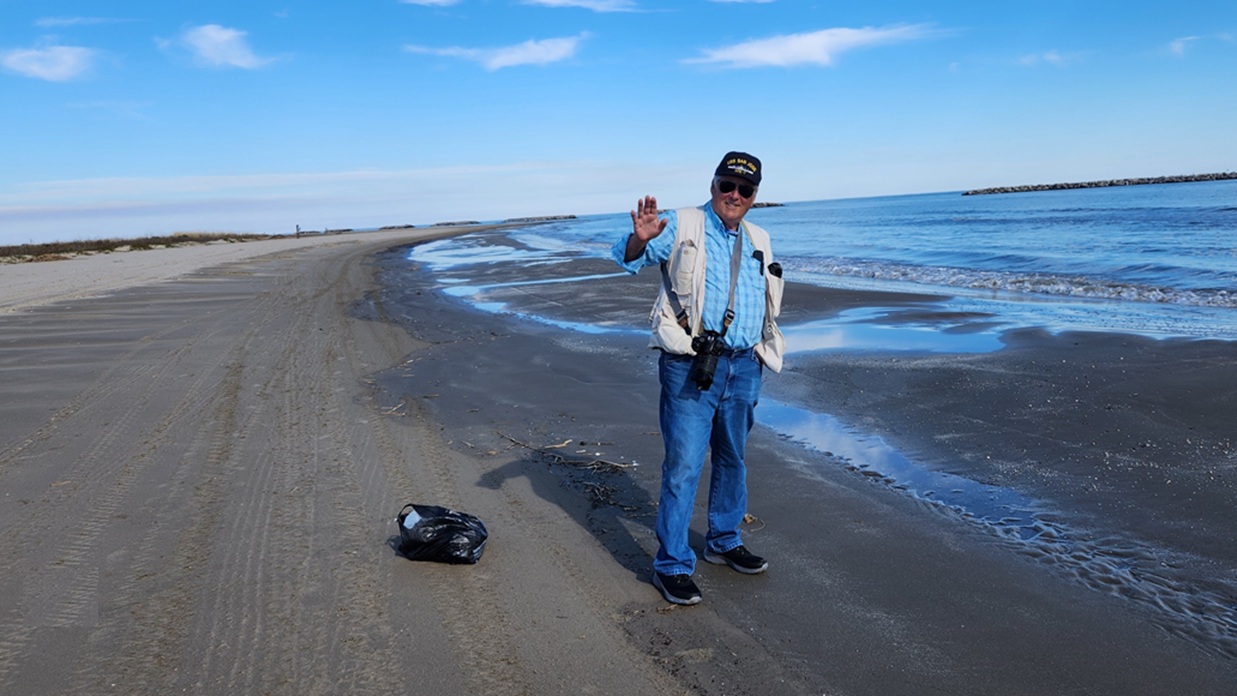
At the very bottom of Louisiana is Grand Isle, a spit of land surrounded by swamps and the Gulf, and inhabited by the largest, nastiest mosquitoes we have ever encountered. Its saving grace is a wonderful beach


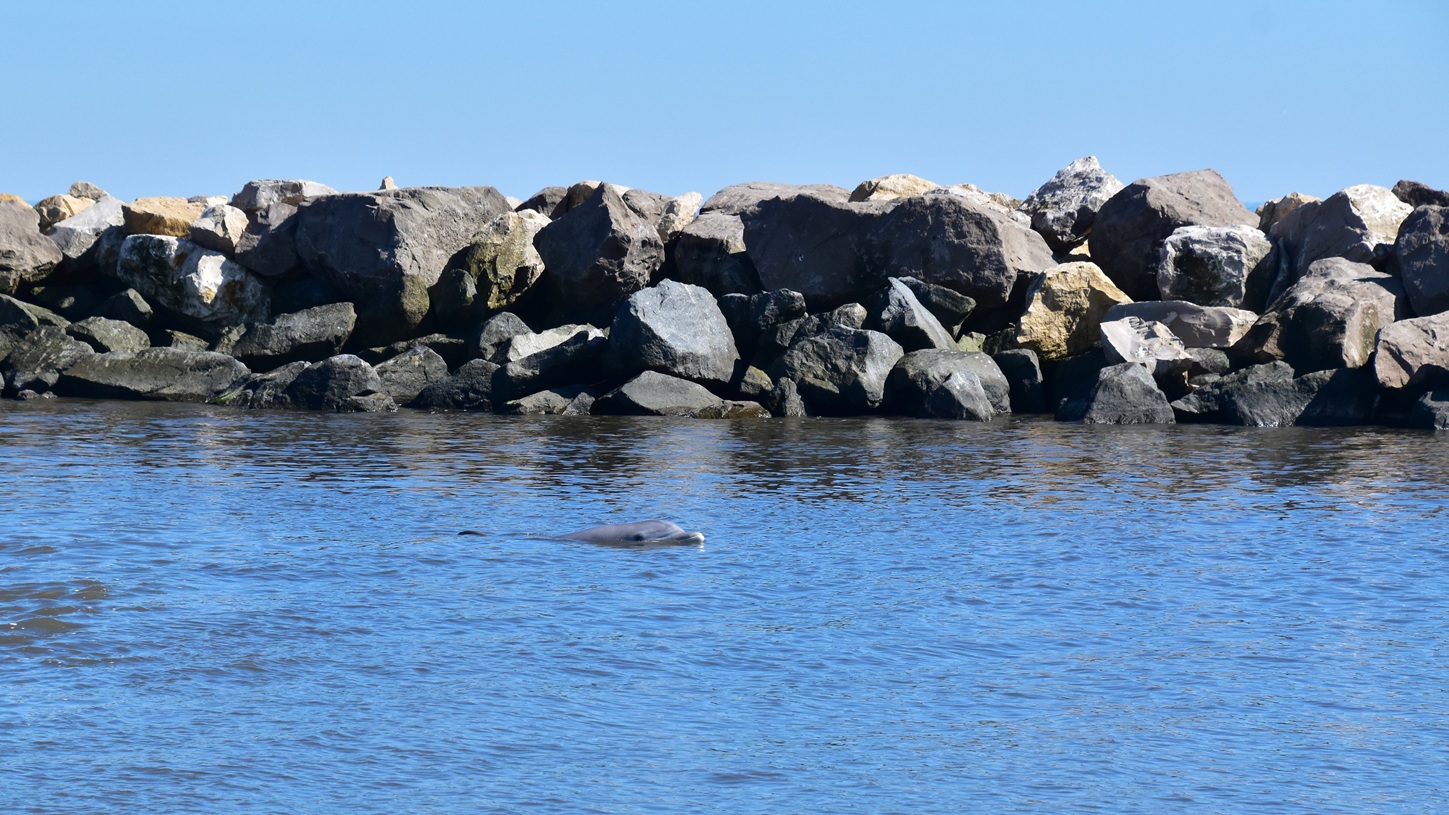
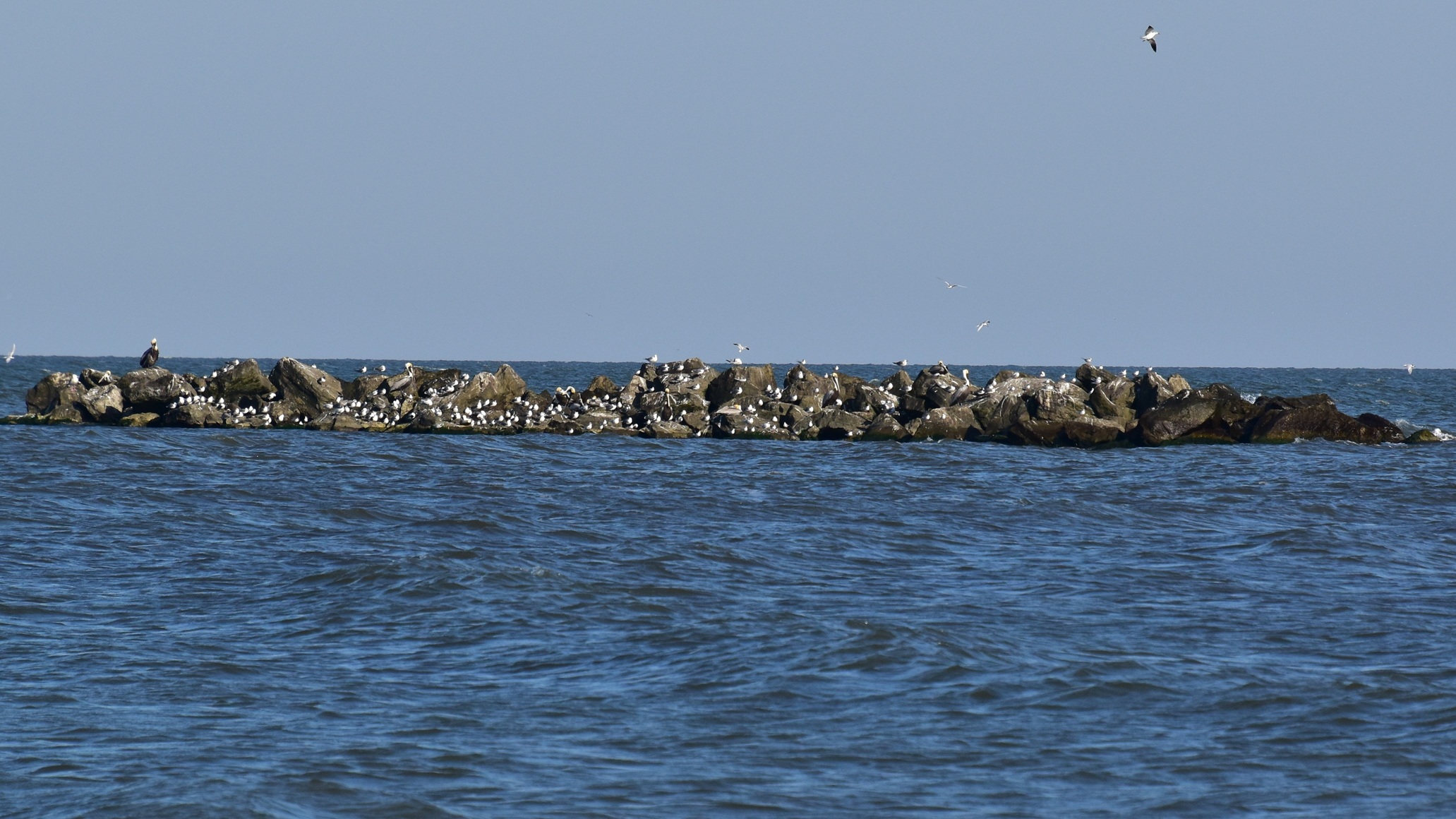
where the mosquitoes don’t hang out, but porpoises and lots of birds do.

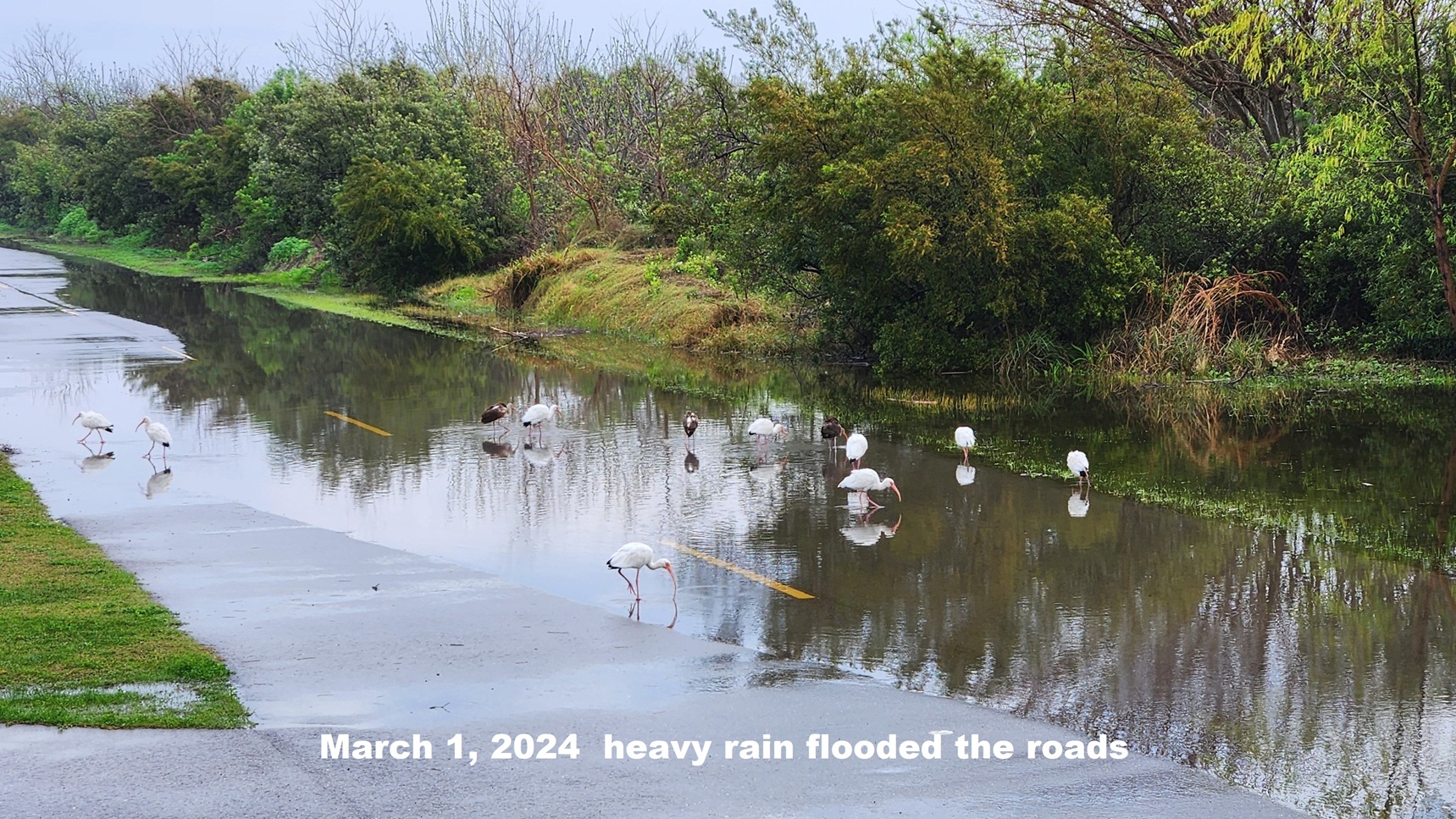
The day that we left, a huge rainstorm had left roads covered in water and a flock of Ibis flew in to get some wormy snacks.

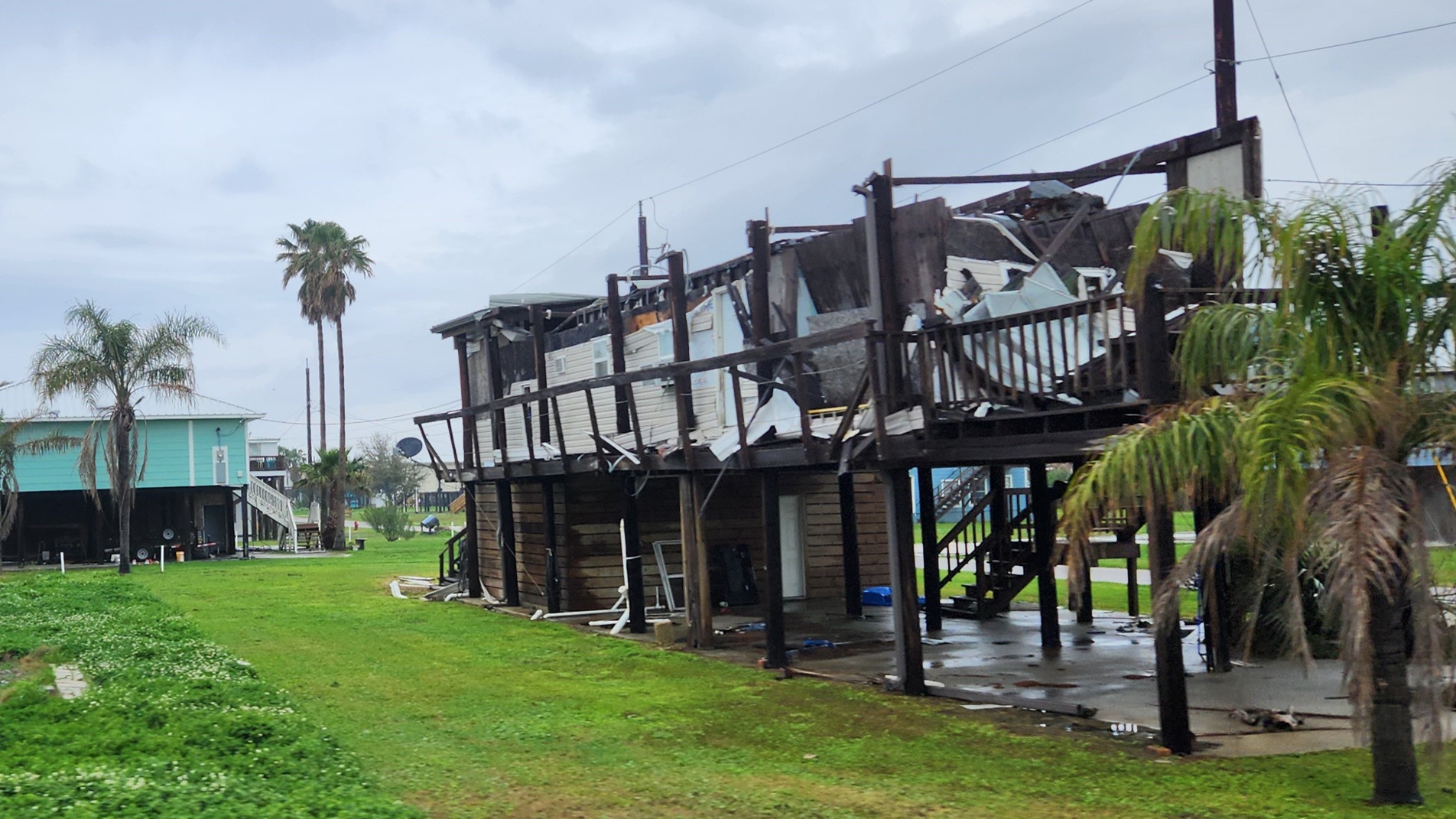
The destructive forces of hurricanes can be seen all over southern Louisiana.


To Be Continued

Posted in 2024 - Our travels continue | Comments Off on 2024 – Our travels continue

A bit more Pennsylvania Family Research 2025

In May we headed to Eastern Pennsylvania for a second round of Willaman family research, visiting the places that we missed or did not find the first time that we visited.

The places that we wanted to visit in that part of the state were all rather close together, and centered in an area not far from Lancaster. We always enjoy that part of Pennsylvania because the Amish are a part of the rural towns, and horse-drawn farm equipment, buggies and pedal-free bicycles share the roads with modern machinery and vehicles.

We stayed in a small RV park, in Ronks, a small town where there is an Amish farm with great produce at a good price a block away. Across the street from the RV Park, two houses shared a wide driveway leading to their respective garages.   The garage on the left stored a car and the garage on the right stored a horse and buggy. We loved the sound and sight of the beautiful horses, stepping out smartly, delivering their passengers to their destinations.

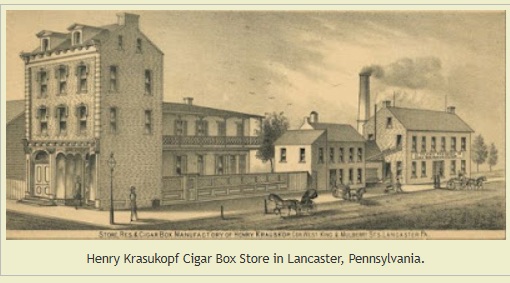
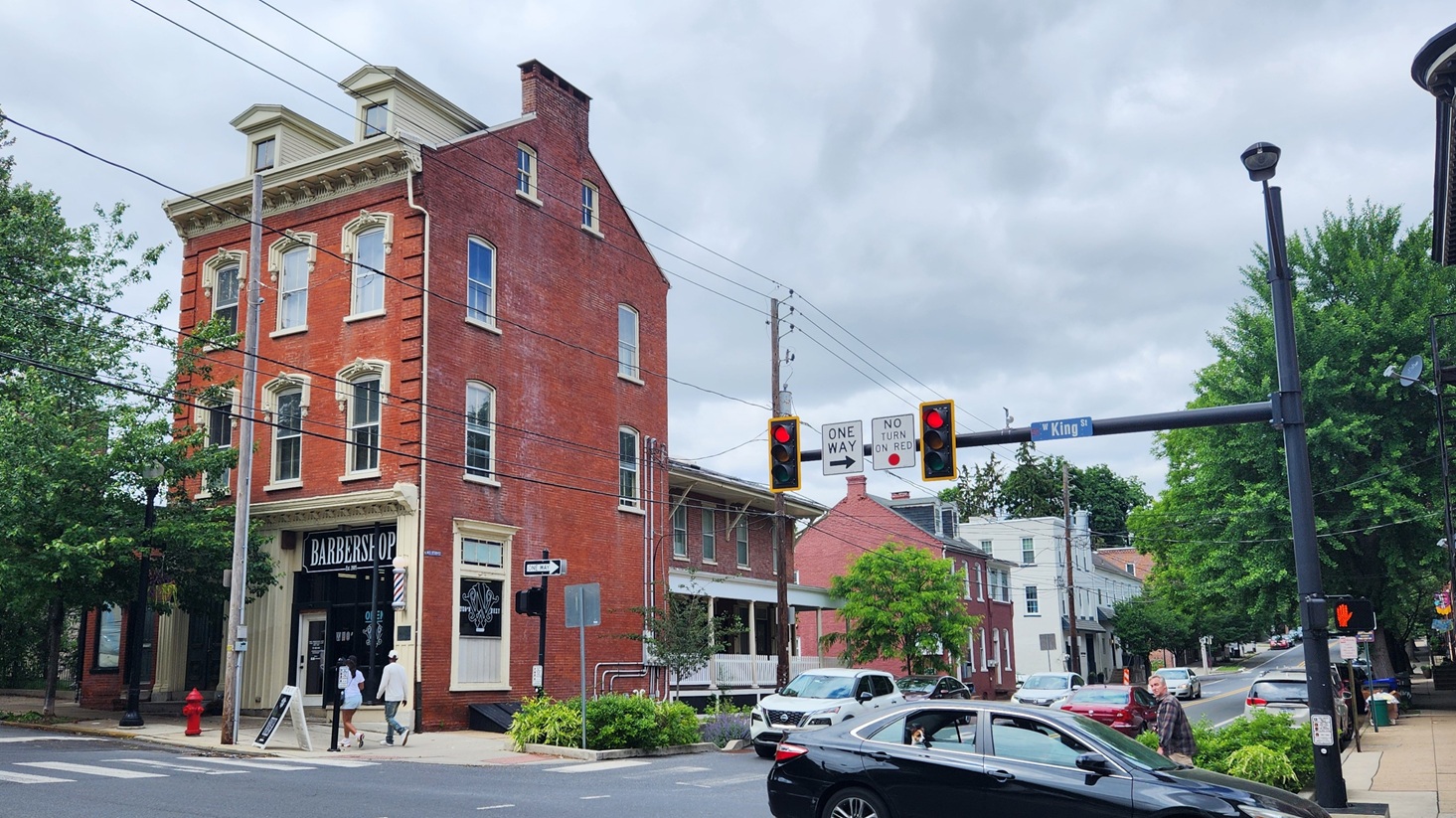
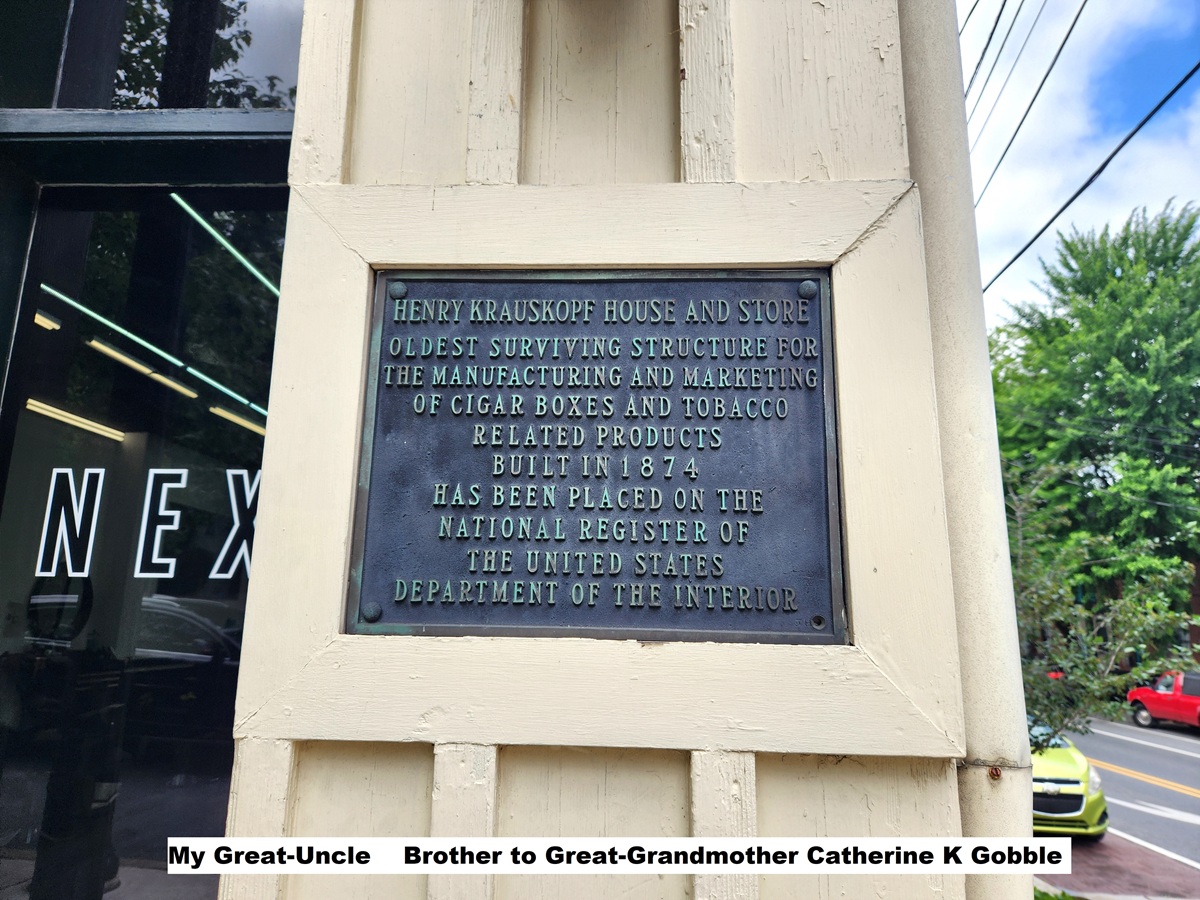
In Lancaster, we found the building which once housed a cigar box factory, and the home, of my great-uncle, Henry Krauskopf. It is the oldest existing cigar box factory, built in 1874,

and now houses a barbershop on the main floor.


Our next explorations centered around my Great Grandfather, Aaron Gobble (AEG), and a bit of my Grandmother. When we last visited Pennsylvania, we went to New Berlin, where my Grandmother was born and where AEG taught at Union Seminary, before moving to Myerstown. My Great-Grandparents, Great-Uncle and Grandparents are all buried in New Berlin, where a family plot was purchased when my Great-Uncle died as an infant before my Grandmother was born.

Union Seminary merged with Central Pennsylvania College, in Myerstown, and that is where the family moved next. My Grandmother graduated from High School and Central Pennsylvania College there, and also taught there for a year or two after she graduated.

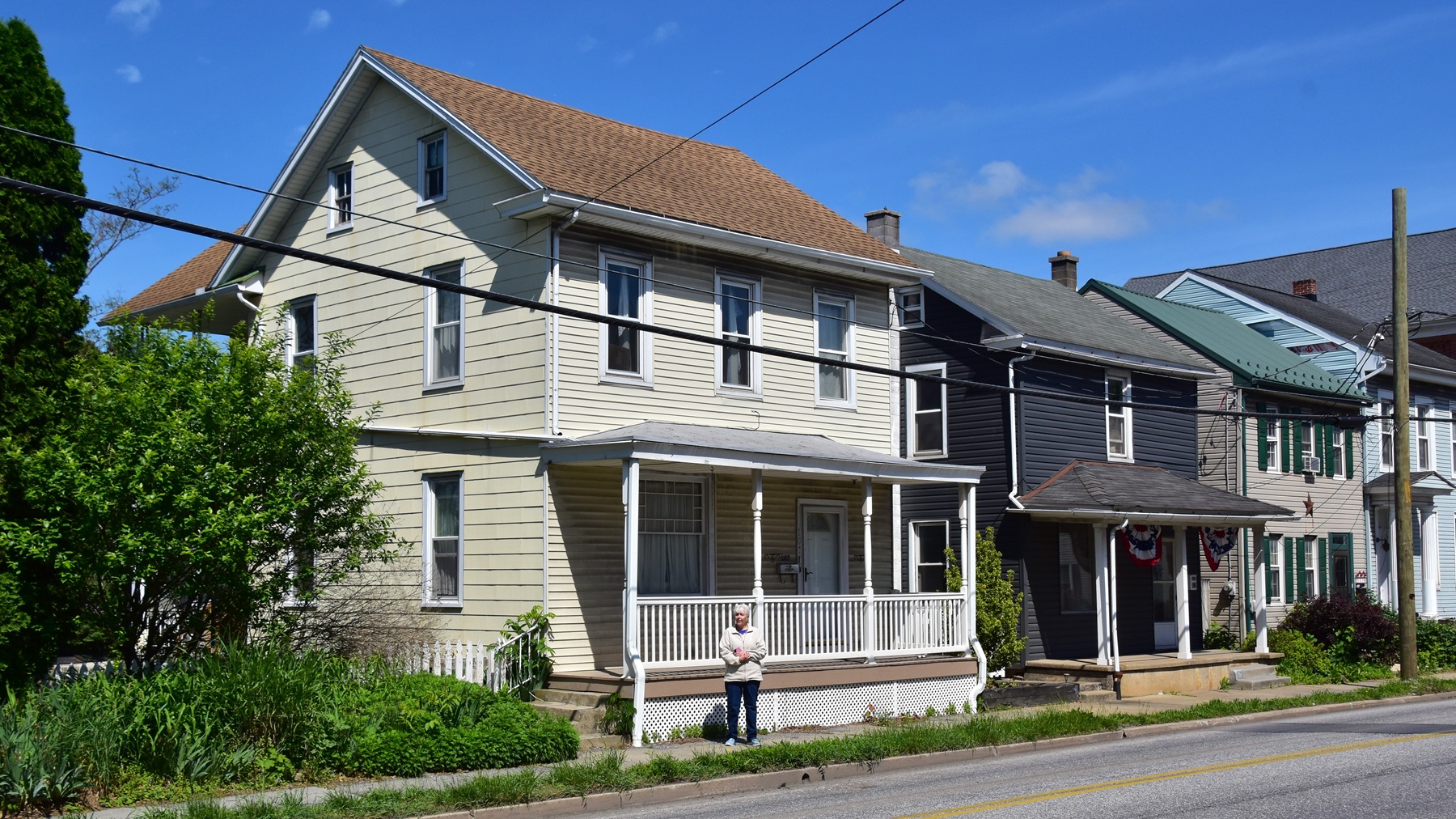
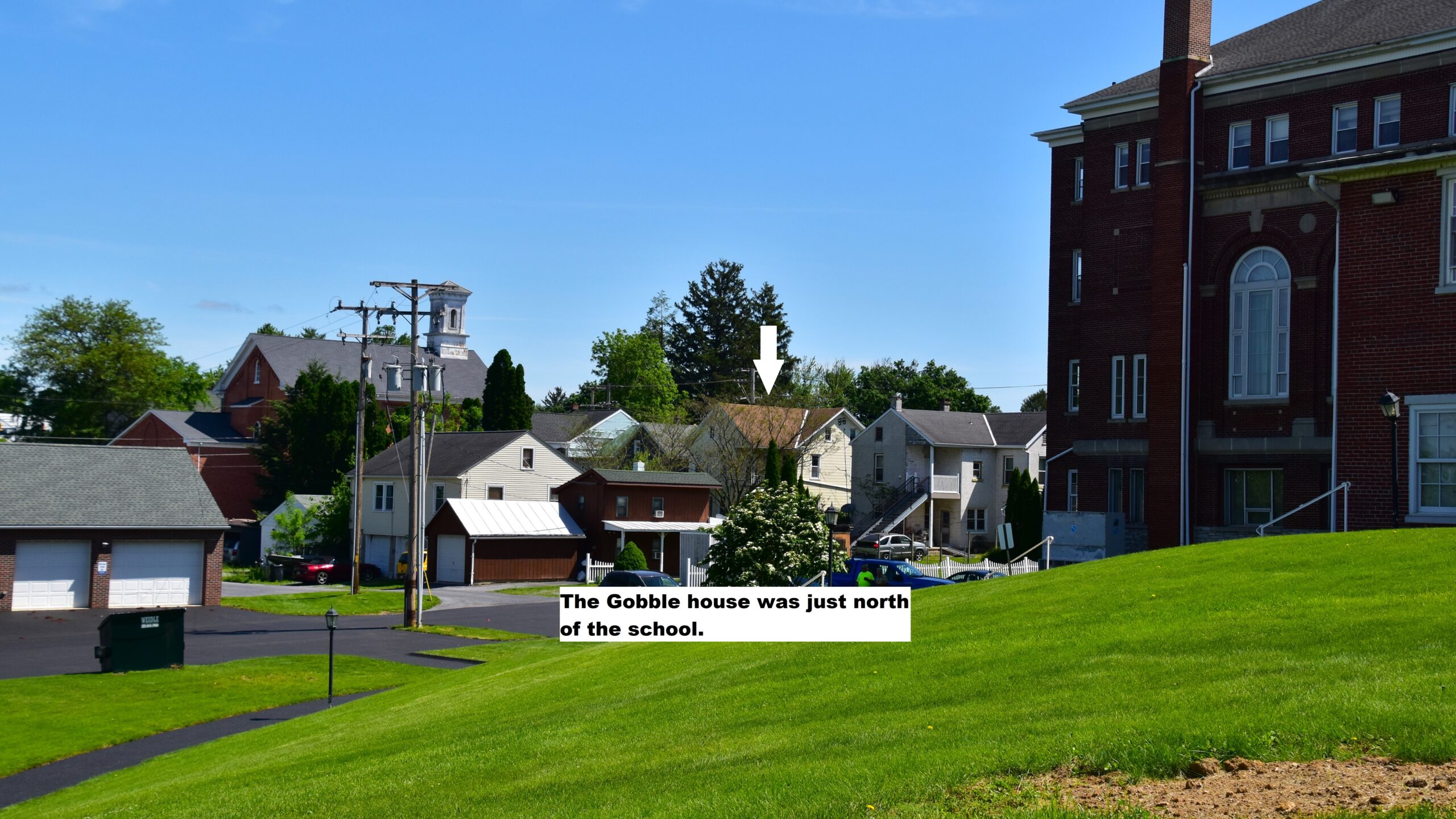
I found the address of the home where they lived, just a couple of blocks from the school. The street has changed from a quiet small-town avenue to a busy highway with large trucks rumbling by each day, coming to and from a nearby factory.

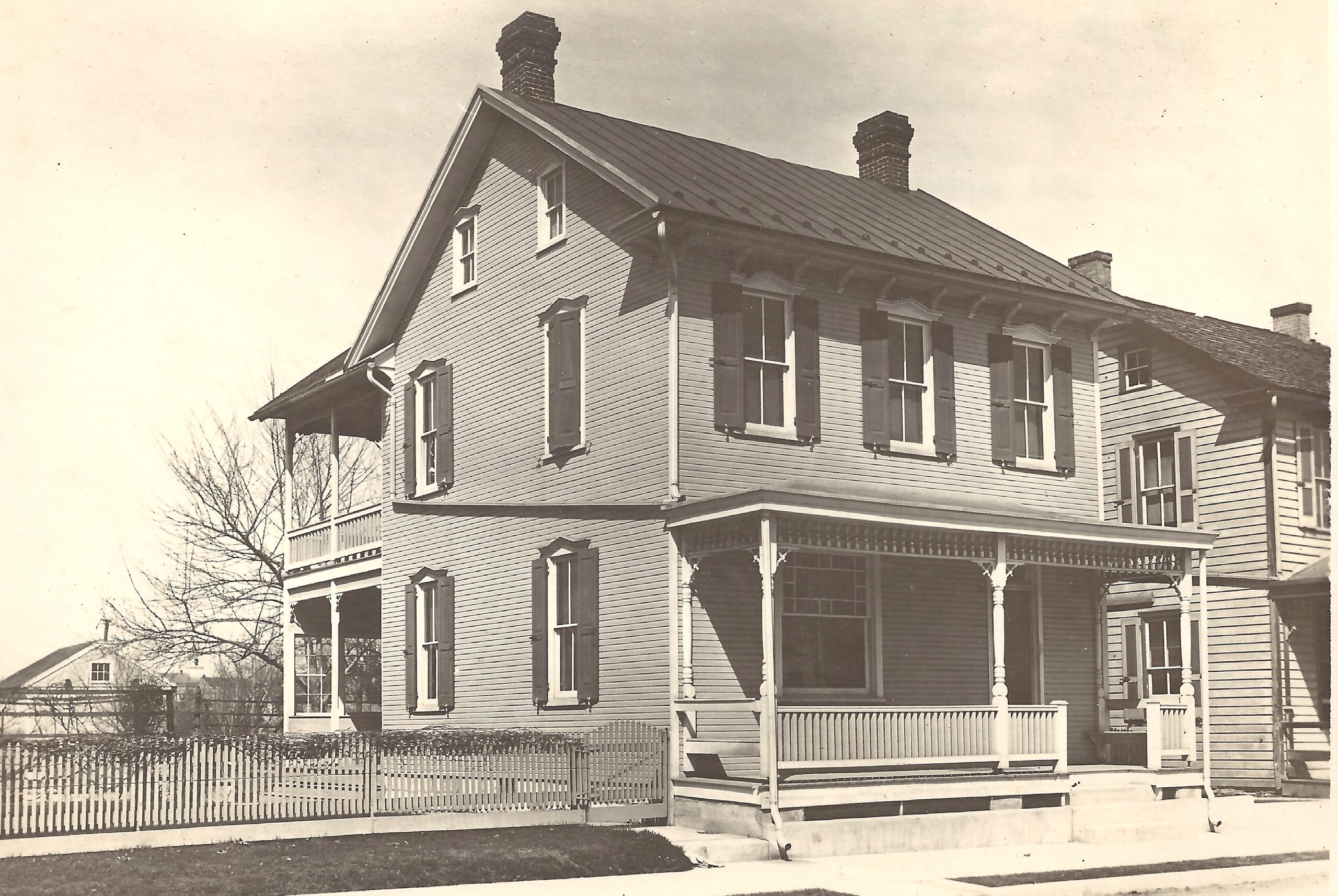
The home looks much the same as it did in the old pictures that I found, and is still in pretty good shape, just a big overgrown.


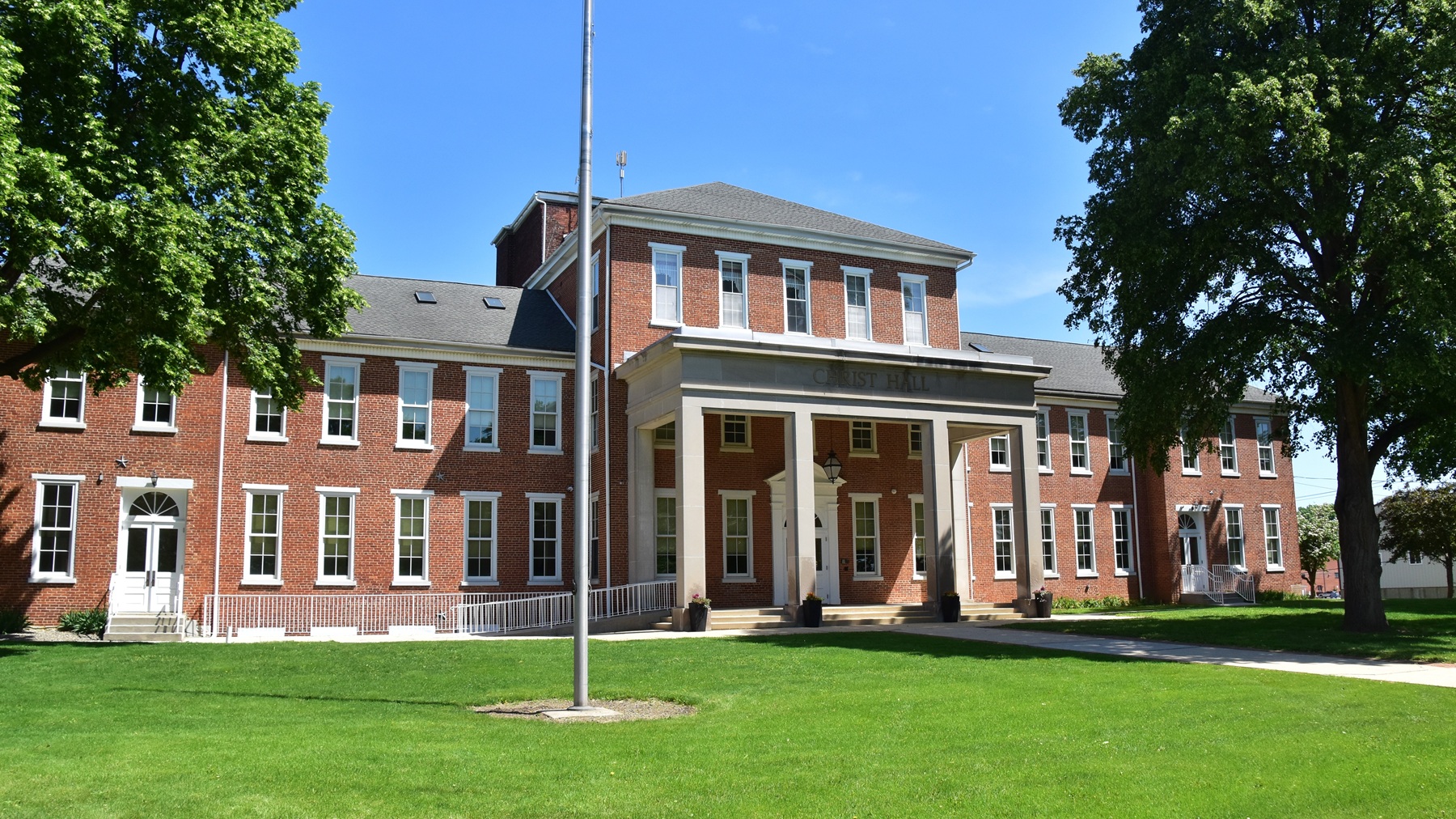
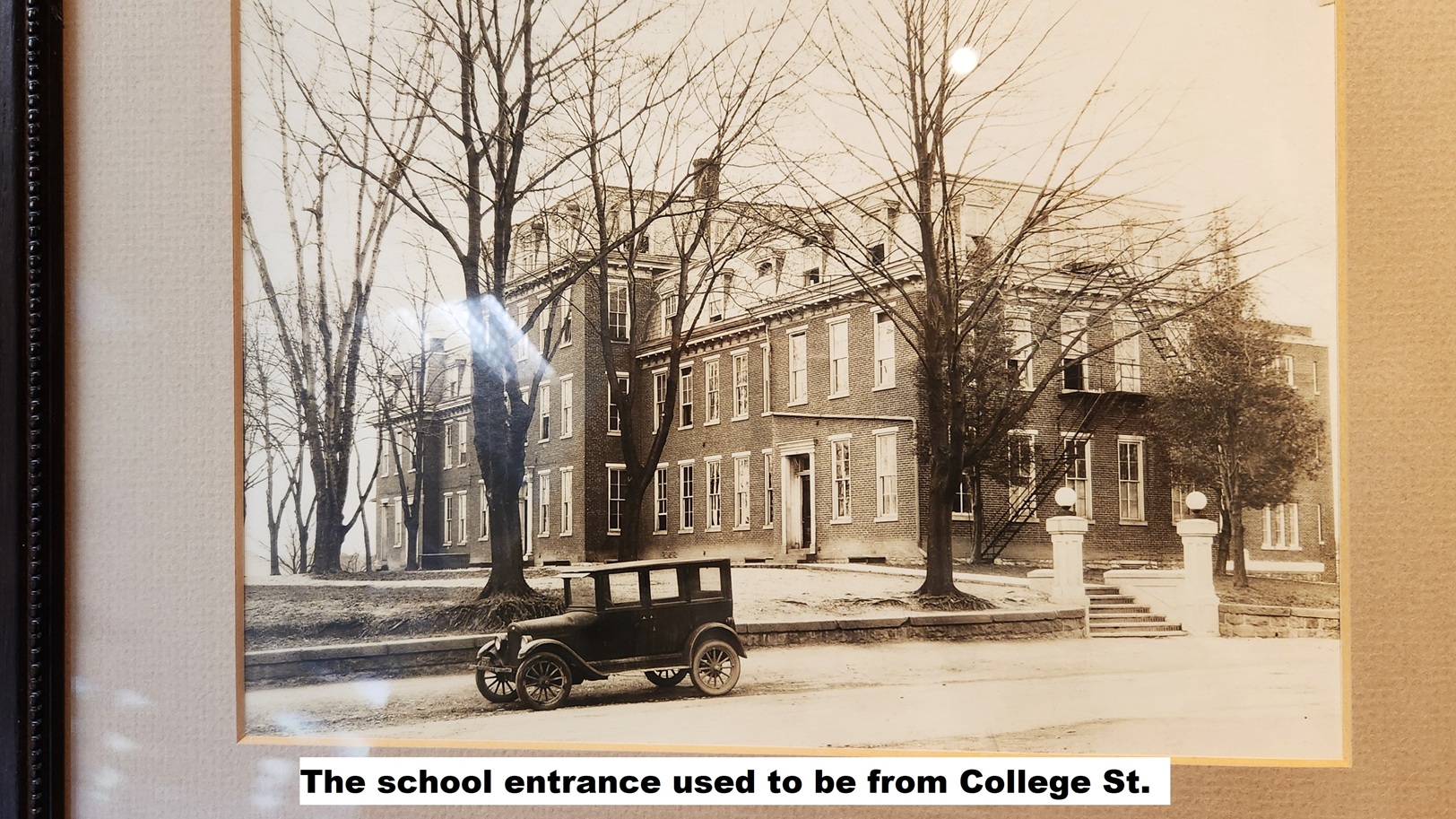
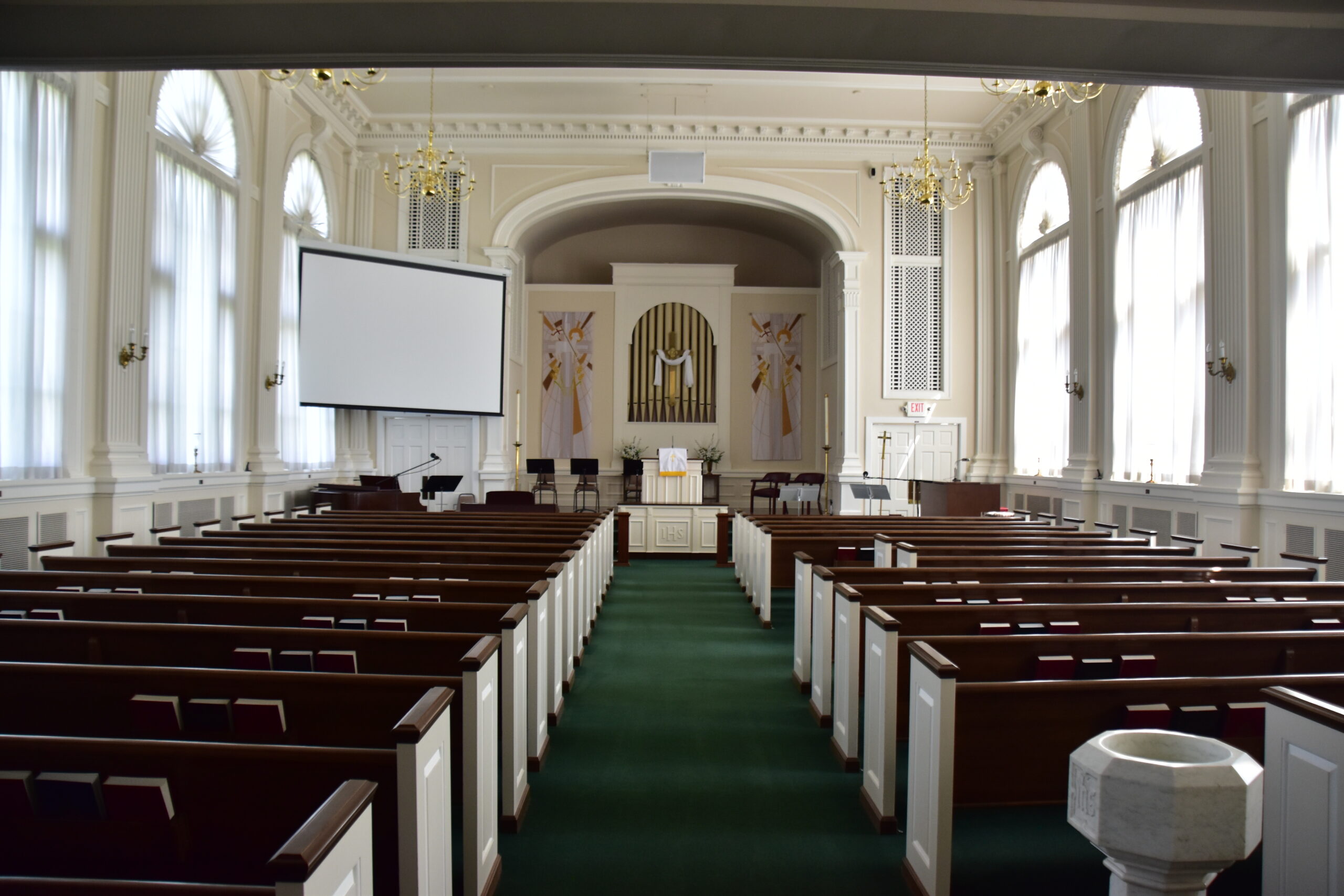
I had contacted the college prior to visiting and we were met by a woman who works there and who kindly showed us all around. It is currently owned by a church and is a seminary, teaching many of the military chaplains. The lady who showed us around is the wife of the minister of the church.

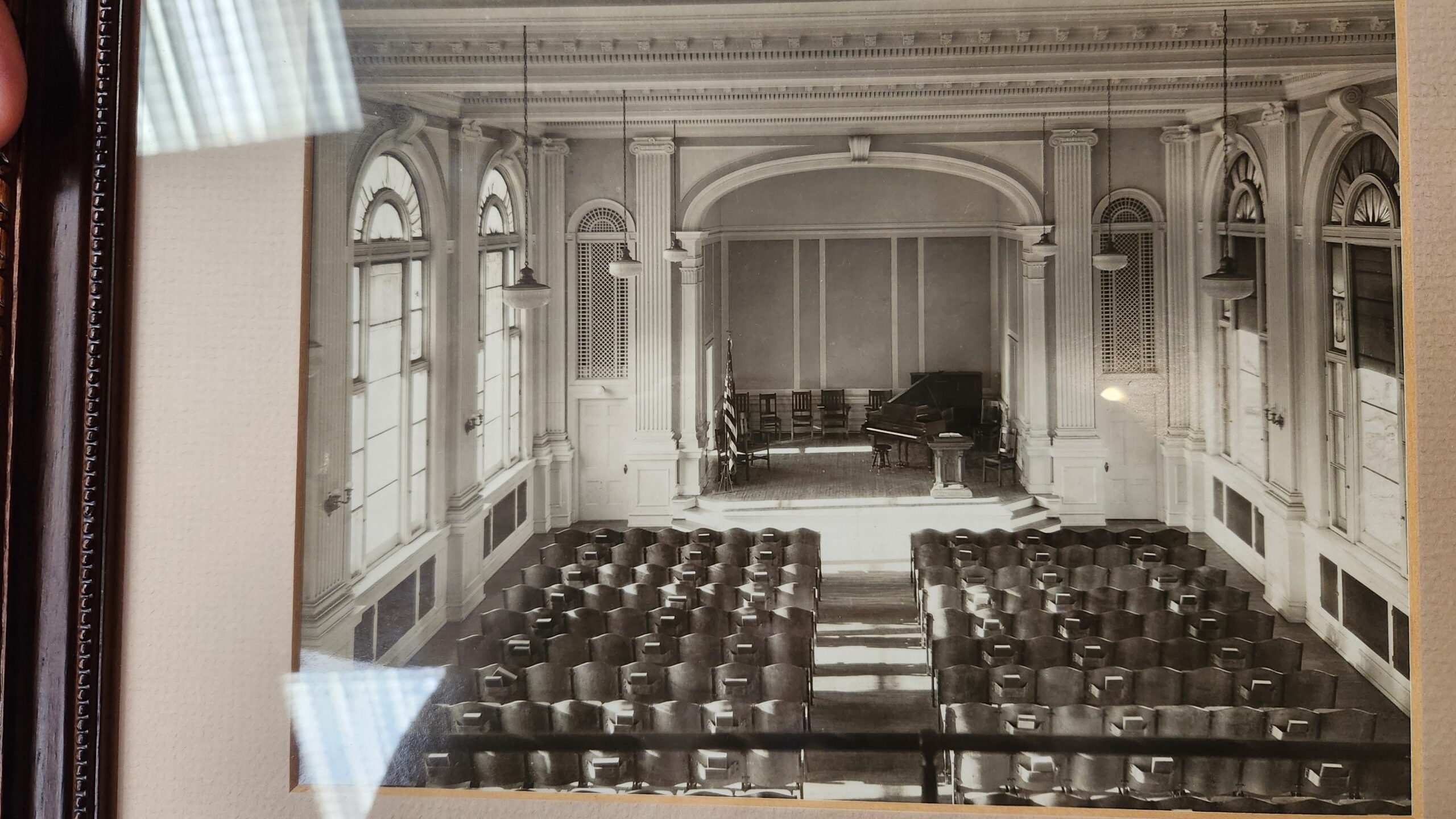
The inside of the building has changed quite a bit and the outside entrance was moved when the highway was expanded, but it was fun to walk around the inside and outside, and compare the school to old photos.


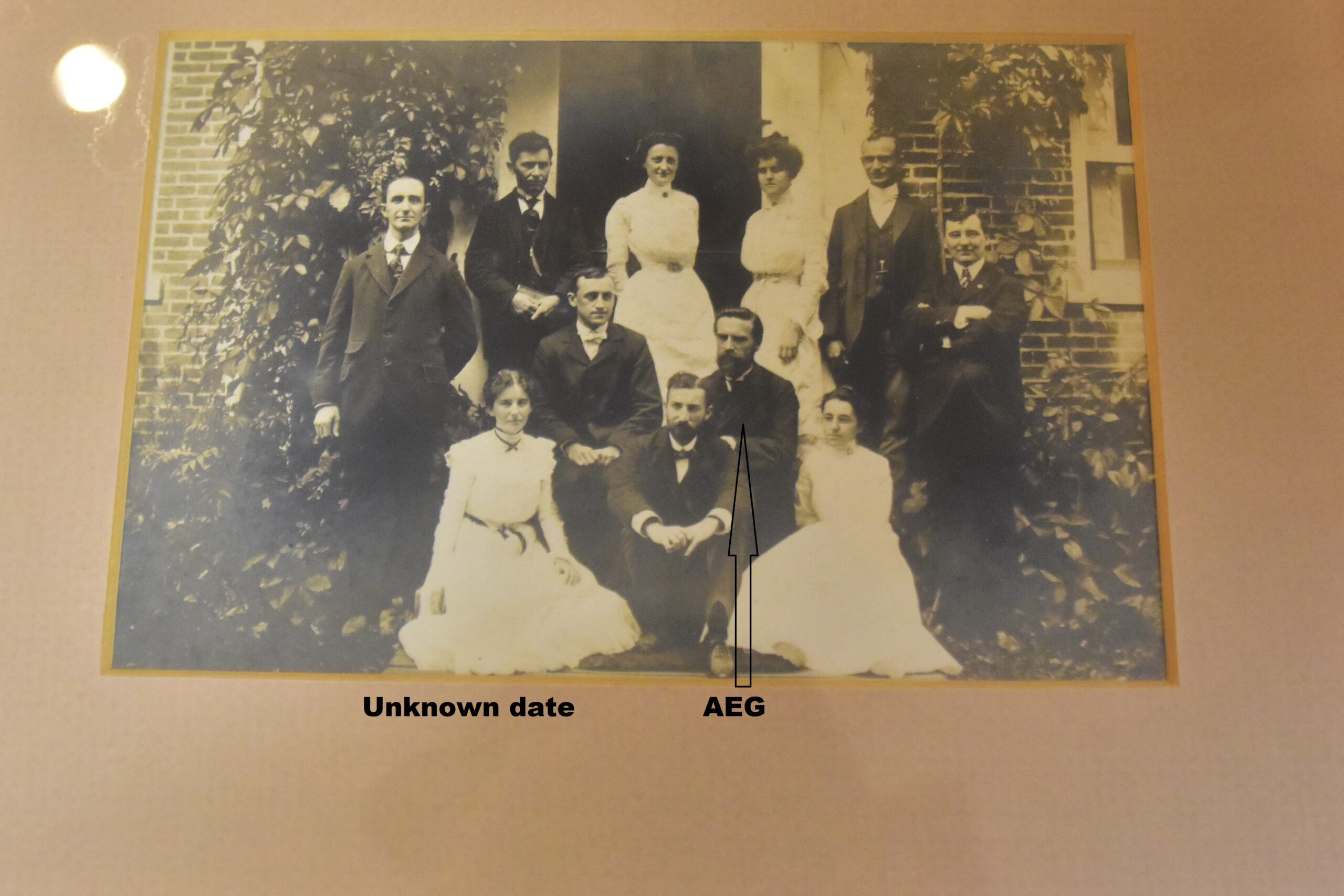
We even found some old scrapbooks that had photos of AEG, in what appears to be pictures of the teaching staff.


We could easily see their home from the college.


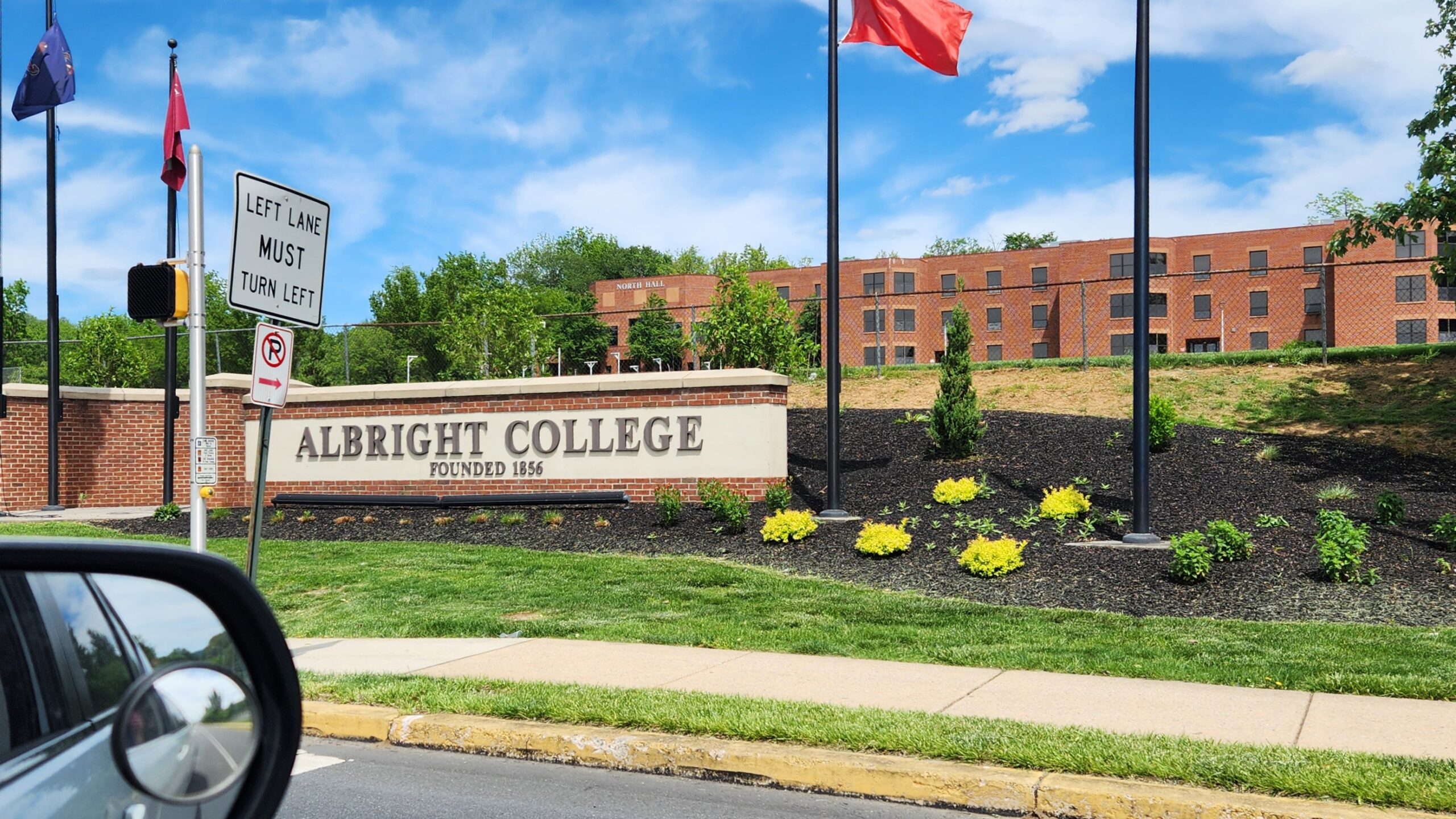
Central Pennsylvania College eventually merged with Albright College and it appears that AEG continued teaching in Myerstown until his death in 1929, which is the same year that the college moved to Reading. He passed away in Myerstown.

We checked out the Reading campus because a portrait of AEG was hung in the library in Reading in the 1930’s and Uncle Nic (John) remembers attending the unveiling with Grandmother and Mom. I don’t know that AEG ever taught there, but perhaps he did as it is not too far from Myerstown.

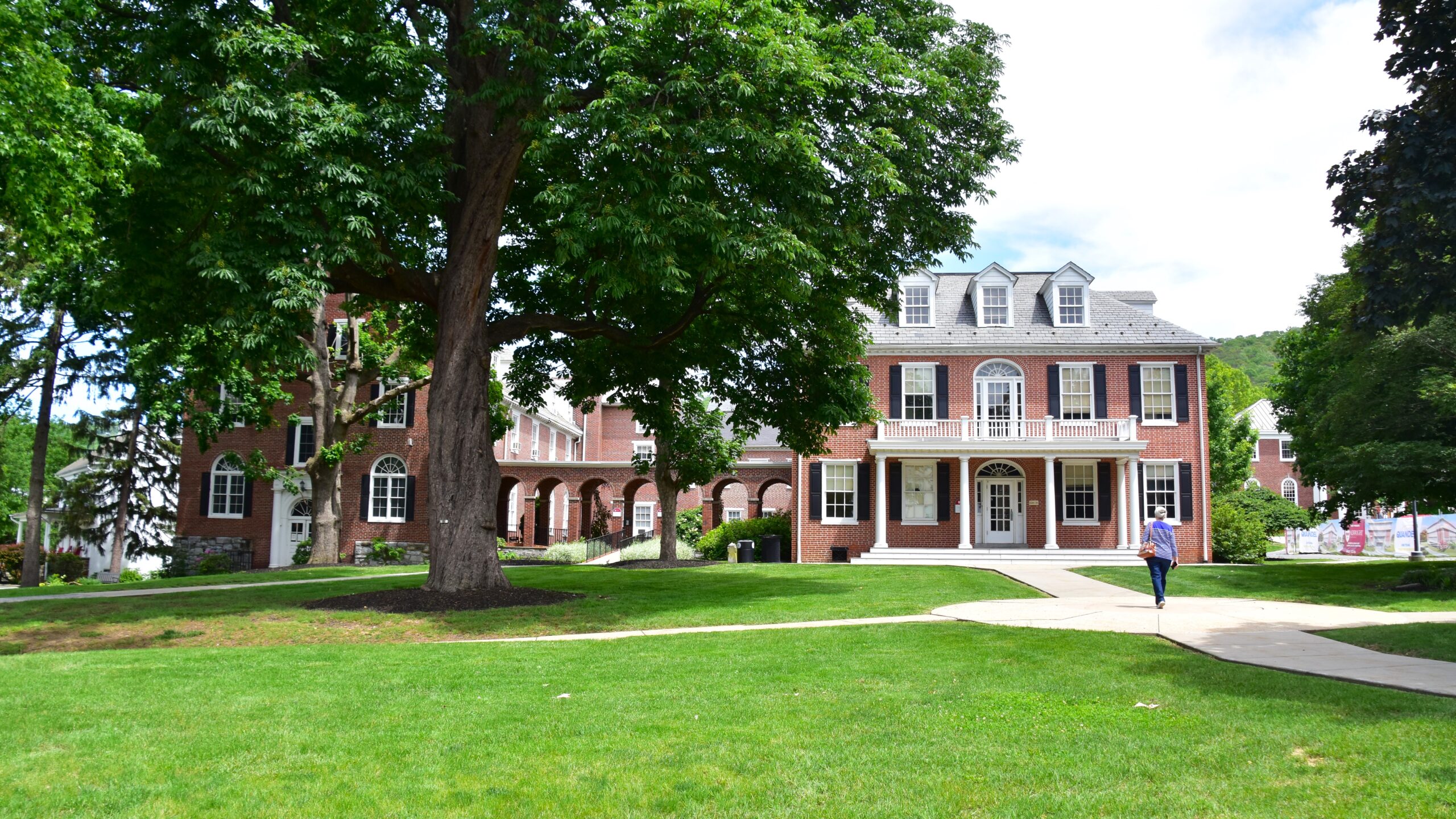
The Albright campus is quite lovely, fairly small and set on some hills above town.

The library had been completely gutted and  was in the process of a major remodel when we were there, so we had no way to determine if AEG’s portrait was still hanging there before the construction began, or if it will be returned to the library. We were given a tour of the campus by a young man who was a student there, but, of course, he did not remember a portrait of a long-ago teacher which might have hung in the library.


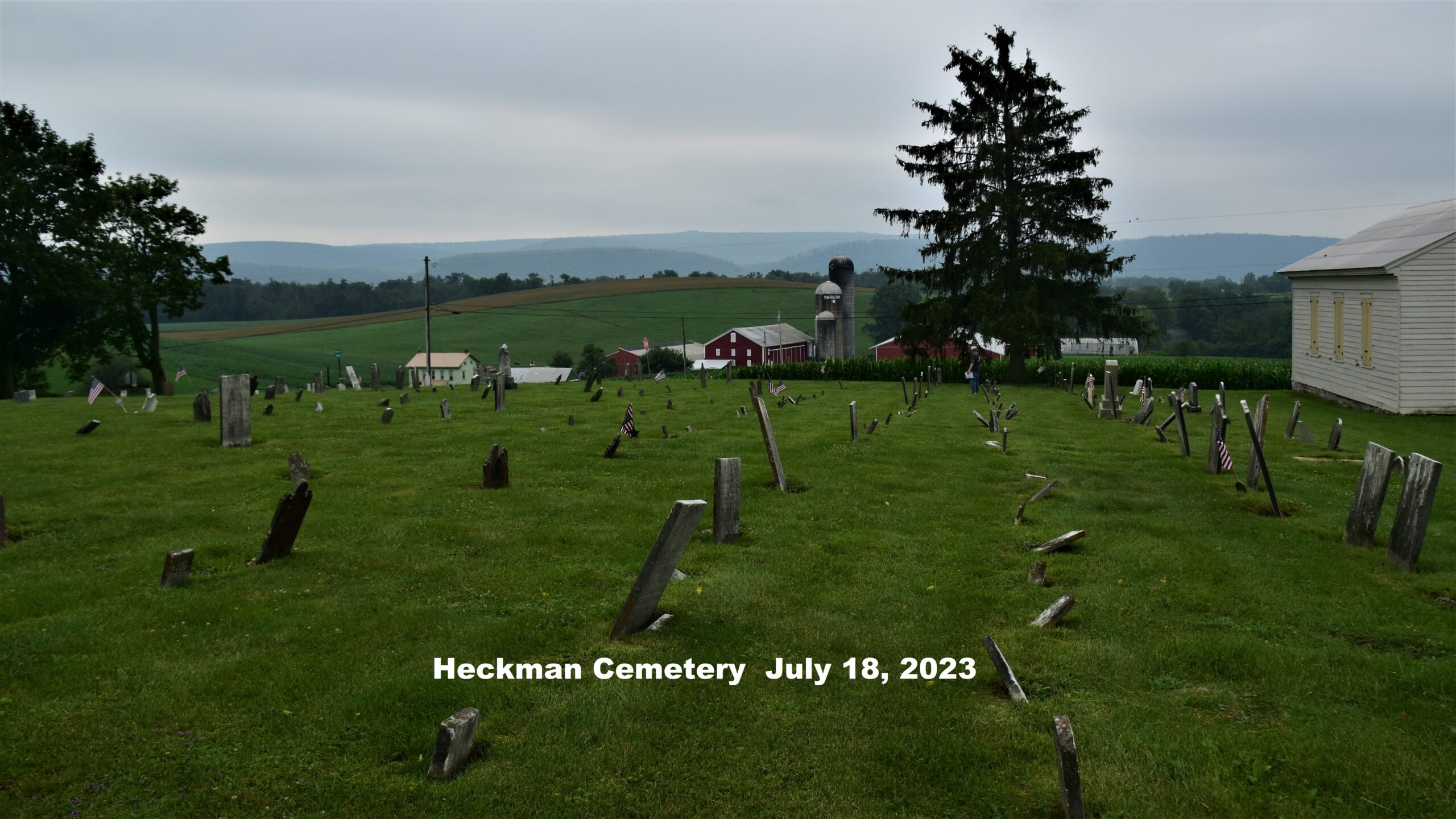
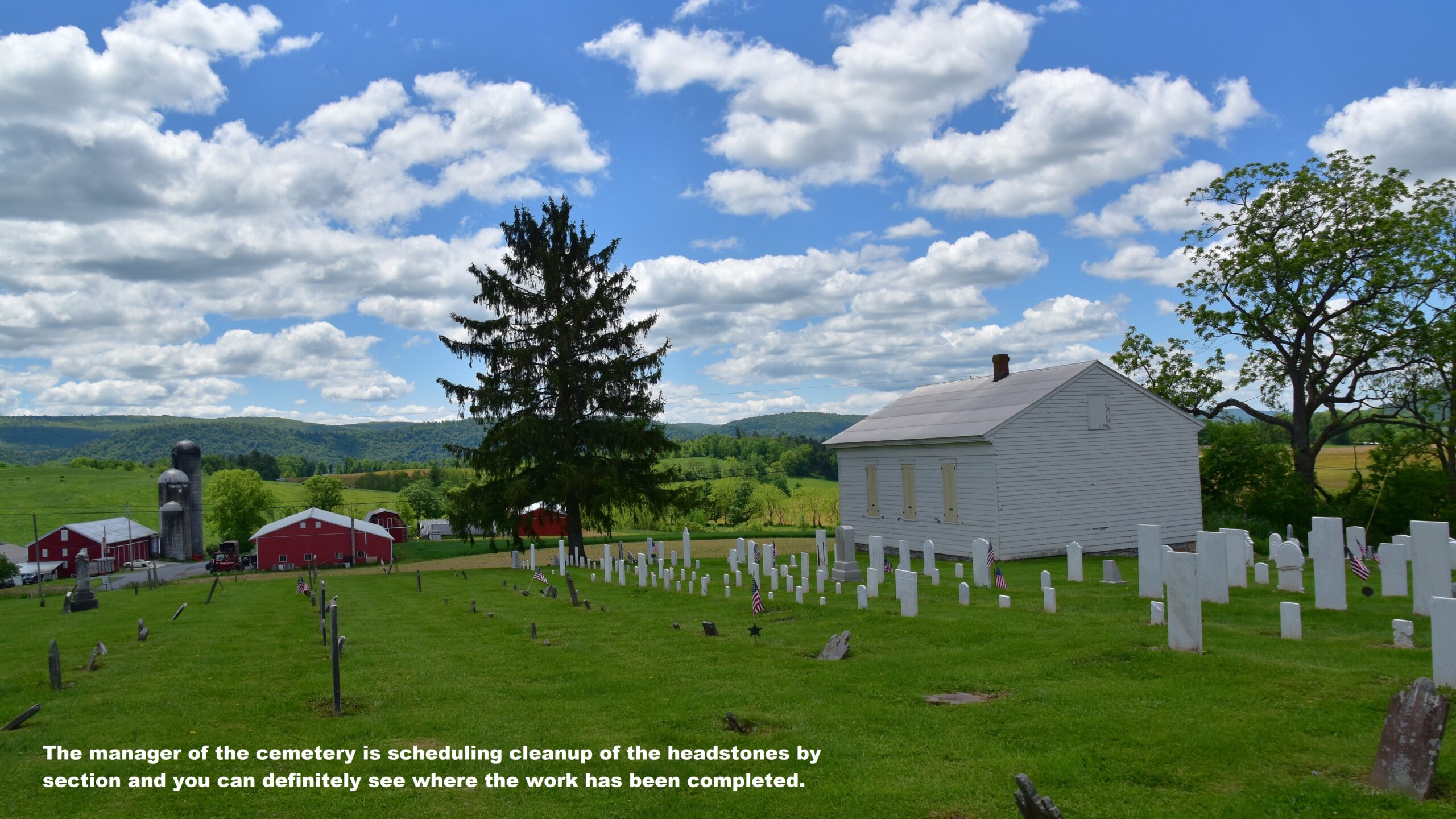
A bit further west, toward the center of Pennsylvania, we revisited Heckman Cemetery, where my third Great-Grandparents are buried, and where there was a nice surprise waiting for us.

We first visited it in 2023, in search of their grave sites, but had no luck locating the headstones, even though we knew the row and site numbers of their headstones. Many of the headstones were covered in grime, broken, tipped over, etc., making it hard to determine what was a row and what was a grave site.

I later did some more research and found a photo of my 3rd Great-Grandmother’s grave on the Find A Grave website. Armed with that picture, I figured I could find it, so we decided to try the search again.

I was able to contact the manager of the cemetery beforehand, who informed me that there is not a map of the grave sites, so there was no help there.  He also mentioned that the cemetery association was hiring a company to clean-up the grave sites, completing small sections each year.

He was not kidding about the clean-up project; the change is remarkable in the areas that have been refurbished.

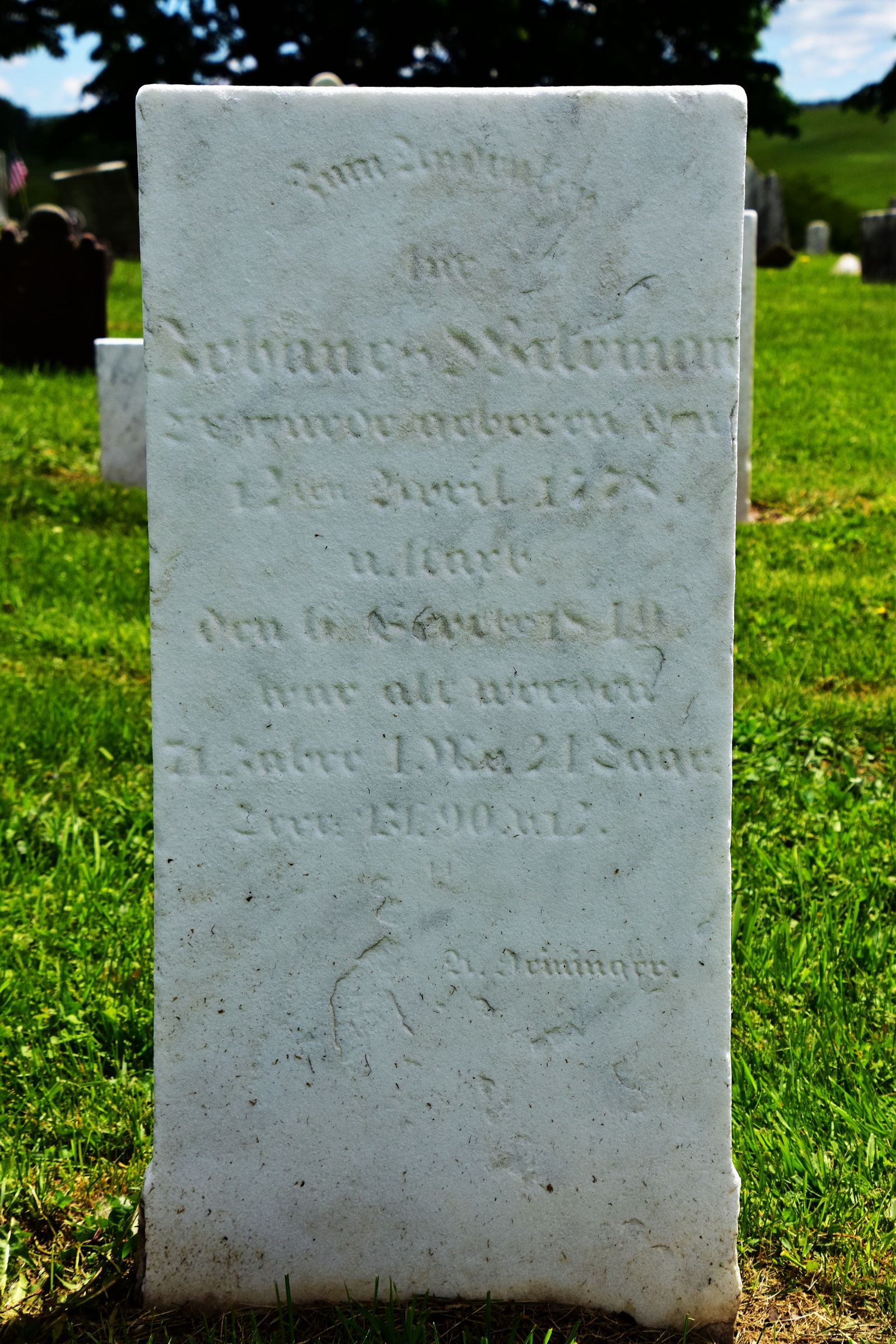
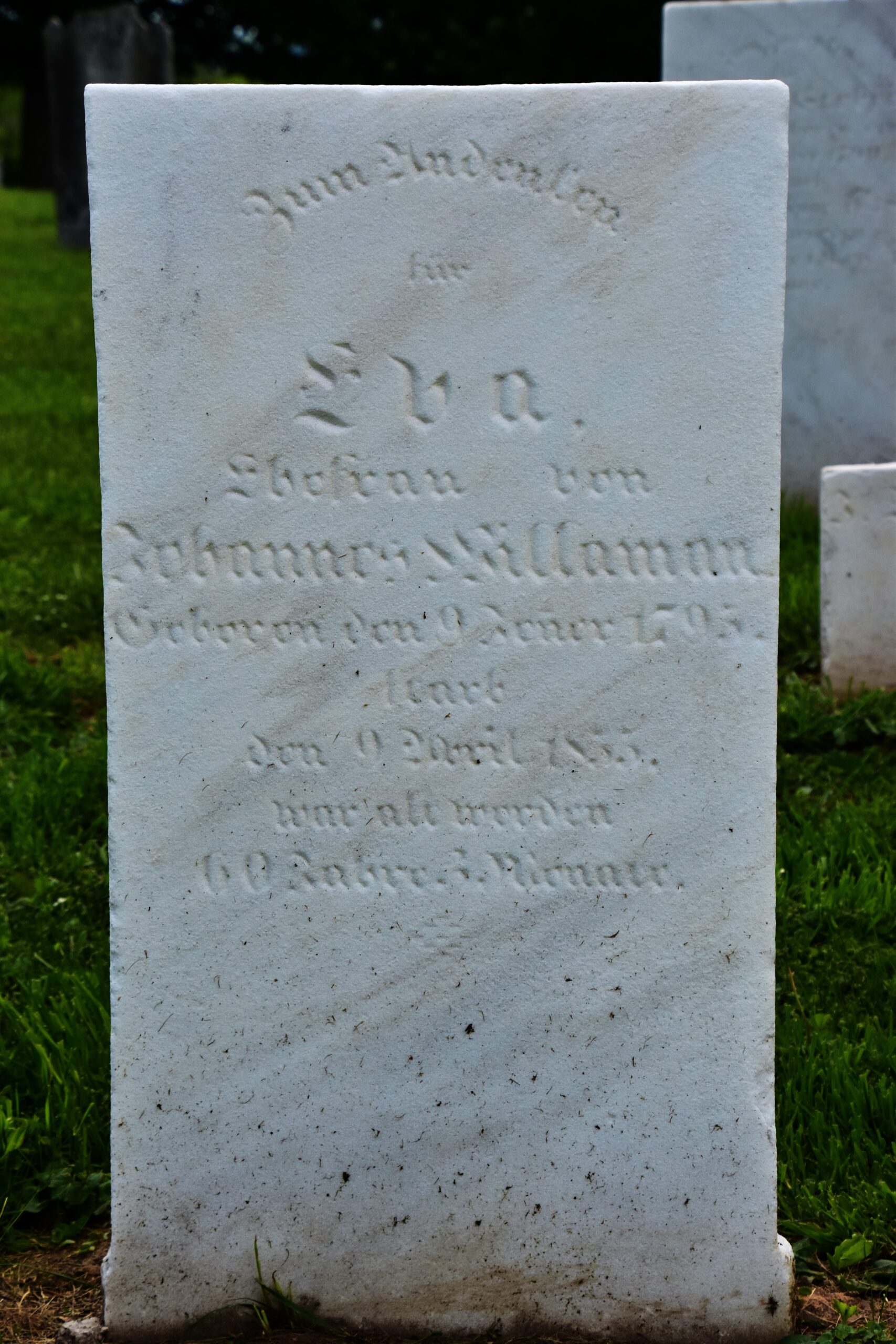
To our good fortune, the area that was cleaned contained the headstones we were seeking. Within a few minutes, I found Eva Willaman, and then Johannes Willaman was easy to find by looking for his date of death. All the burials were by death date, there were no family plots in the early days at this cemetery.

The gravestone inscriptions are in German, or Pennsylvania Dutch, or some variant of those.  By using Google, I was able to translate a few words and phrases. The words do not have a literal translation; the phrases seem to be a form of German that had been changed a bit in America. Does anyone know Old German words?

What I found so interesting is that Johannes, who died after Sarah, had changed the spelling of his name. I know it is him by his birth and death date, but the name appears to be Johanes Wilaman.  His gravestone is harder to read than hers.

Both have the phrase “war alt wurden”,  which I believe is something like “lived to an advanced age”.

The phrase at the top of each stone looks something like ‘Zum Hudretru’  which could mean ‘one hundred times faithful’.

I can translate:

Eva

Wife of Johannes Willaman

Born on 9 January 1795

(word for died perhaps)

The 9 April 1855


The lines I can translate:

‘Born on the 12th of April 1778’

‘The 6 September 1889’


The family research was fun, and then we were on the road again, finding more adventures during our travel westward, to Montana.


Posted in A Bit More Pennsylvania Family Research | Comments Off on A bit more Pennsylvania Family Research 2025

2023 Part 3

This gallery contains 70 photos.

August And then it was time to settle down for a bit, in New Hampshire. Bruce’s brother lives there and a convenient RV Park is just a few miles away. Bruce settled in for the month, with lots of things … Continue reading

More Galleries | Comments Off on 2023 Part 3

2023 Part 2

JUNE

The first day of June found us at Harper’s Ferry, WV, a town known for a bloody fight in 1859, when John Brown, an abolitionist, staged an unsuccessful raid on a United States arsenal in an attempt to support a slave revolt. The town was later devastated by the Civil War and then several floods in the 1900s. The NPS has restored some buildings and maintains a shuttle service, museums and visitor centers. 

The town where the raid occurred is called the ‘lower town’ and it is built alongside a river, with the buildings layered up steep hillsides.


We were not quite finished with our sightseeing in Virginia, and our next stop was Shenandoah National Park, where we drove the famous Skyline Drive, at least for a short distance. The road was blocked by snow slides after a few miles, but we did get some great scenery and a pretty picnic spot, before we had to turn back. Forest fires in Canada pushed smoke into the area, obscuring the long-distance views.


Then we were back to exploring West Virginia, and all of  its hills!

We have visited quite a few caverns, always fascinated by the various shapes that water dripping into a cave over centuries can create. In Lewisburg, we found Lost World Caverns, a privately owned, smallish cavern that has some great features along its .5 mile self-guided path.

The mining town of Beckley was next, where there is an underground exhibition coal mine. Our tour leader was a former mine worker, so we got the inside scoop on what a mining job was like, and we both decided we did not want to have that job!

(The tour leader said that he grew up “PO”, so poor that the family could not afford the “OR”.)


New River Gorge National Park, near Beaver, consists of New River and its watershed. We drove on both sides of the river for a few miles, passing through tiny towns and green hills and stopping at scenic overlooks to enjoy the views.


Our destination was Sandstone Falls, not a tall waterfall, but very wide and with a picnic area and trails to wander. 


Charleston is the capital city of West Virginia, and the capitol building  is stately and very pretty.

The West Virginia/Kentucky hills are known as the area where the Hatfield & McCoy feud took place in the mid-to-late 1800s.  The Hatfield clan eventually moved to peaceful-sounding Sarah Ann to be further away from McCoys and law enforcement from Kentucky. They built a large house and many outbuildings and had a successful and prosperous life in the rugged hills, always with sentries posted, looking for intruders. The original house is gone now and  a small museum stands in that space.

A huge Hatfield family cemetery is located on top of a nearby hill, accessed by a steep and rugged trail/almost road.


Matewan is a tiny town of 400 people, located on the border with Kentucky.

It was the site of a deadly 1920 struggle between miners, who wanted to join a union and went on strike, and mine owners (backed by government officials) who used rough tactics to prevent that from happening. On May 19, as security forces came to town to evict miners from company housing, a gun battle erupted that left 10 people dead. It became known as the Matewan Massacre. Bullets are still visible in some of the town’s buildings.

A very well done and informative museum in the town chronicles the mining history of the area.


It is an interesting drive through the West Virginia back-country hills. There is a lot of poverty, shown in the run-down houses in tiny towns tucked beside a winding river and road, in steep walled canyons. Older homes are built right beside the road, while a lot of newer ones have a bridge across the river to access their property, if there is room between the edge of the hills and the road. Bruce was told by a guy we met that outsiders are not really welcome and to be aware of our surroundings at all times.

The north end of New River Gorge National Park is near Mount Lookout, where there is a famous bridge: The New River Gorge Bridge. The bridge is 3,030 feet long and 876 feet above New River, and it is the longest single span steel arch bridge in the U.S. There is a catwalk under the bridge where you can walk across the gorge and back ….no thanks!

Twisting, steep, curving, (did I mention twisty) roads brought us to Marlinton, and the Cranberry Glades, where there is a boardwalk through a bog that grows all kinds of fun plants, including wild cranberries. This is in the fun-to-say Monongahela National Forest. 


Cass is a tiny town in a valley that houses the Green Bank Observatory, a huge array of dishes that listen for sounds from the universe.  The entire area is under an electronic blackout – no cell phones, wifi, television, etc.; there is a working landline at a nearby store to make  calls.

We took a coal-fired train ride from Cass to Durbin and back, a slow and peaceful ride through the countryside. The coal-fired train belches a lot of black, smelly smoke and you don’t want to be downwind of that!


At the nearby Green Bank Observatory, we found that the rules about electronic noise are even stricter. On the observatory grounds, the lawn mowers have electric motors because the spark plug needed to start a regular engine is electronic ‘noise’ to the radio telescopes. No microwaves can be used in the homes and the stores are wrapped in a protective insulation that does not allow wireless signals from the cash registers to escape the store walls. You cannot even take pictures with your cell phone as that can interfere with the very weak signals that they are trying to capture.

There is a good museum that explains all about the work they are doing at the observatory and the different types of signals that they are trying to receive. We took an electric tram tour of the telescope area, no digital cameras allowed, and then took a long distance shot of the big telescope, through the thick Canadian forest fire smoke.


July

We started the month off with a visit to an insane asylum…. the Trans-Alleghany Lunatic Asylum, a huge complex built in the 1800s and used until 1994. The building is rapidly deteriorating, but some areas have been restored enough to be open to the public. It was built at a time when it was felt that patients needed lots of light-filled rooms in order to recover, so the patient areas are quite pleasant.


To round out our ‘institution tours’, we then took a tour of the West Virginia Penitentiary, a two block long Gothic style jail used from the 1800s until 1992.


Across the street from the prison is a 2,000 year old, very large, burial mound and adjoining museum, Grave Creek Mound, in (the aptly named) Moundsville.


A very different type of compound, especially for West Virginia, was The Golden Palace, a retreat built for Srila Prabhupada, the man who brought Hare Krishna to the U.S. The place was built by volunteers beginning in 1973 and while it is still grand looking, it needs a lot of work to maintain it. The grounds surrounding the buildings contain gardens, ponds and paths.


Our final stop in West Virginia was Oglebay Park in Wheeling. This was a huge private estate that was willed to the city to be used as a park and we really enjoyed our time there.  We loved the glass museum

the tour of the family home,


the art collection,


the gardens, 

restaurant, shops…. really every part of it.

Pennsylvania was our next destination and Pittsburgh, the ‘Steel City’, was the first city we visited; a bustling place that was not our favorite to get around in, but we did some fun things. Pittsburgh’s claim to fame is that it has more bridges than any other U. S. city: 446!

The National Aviary was great and Gail got to participate in two bird ‘encounters’. The aviary hosts a group of penguins, and a unique way to view them is available. The opportunity to pet a penguin was too interesting to pass up, so Gail got to pet ‘Sidney’. The penguins get fish treats for participating, and they stand on a little rug and get a fish while they are getting petted.  They are actually quite soft.

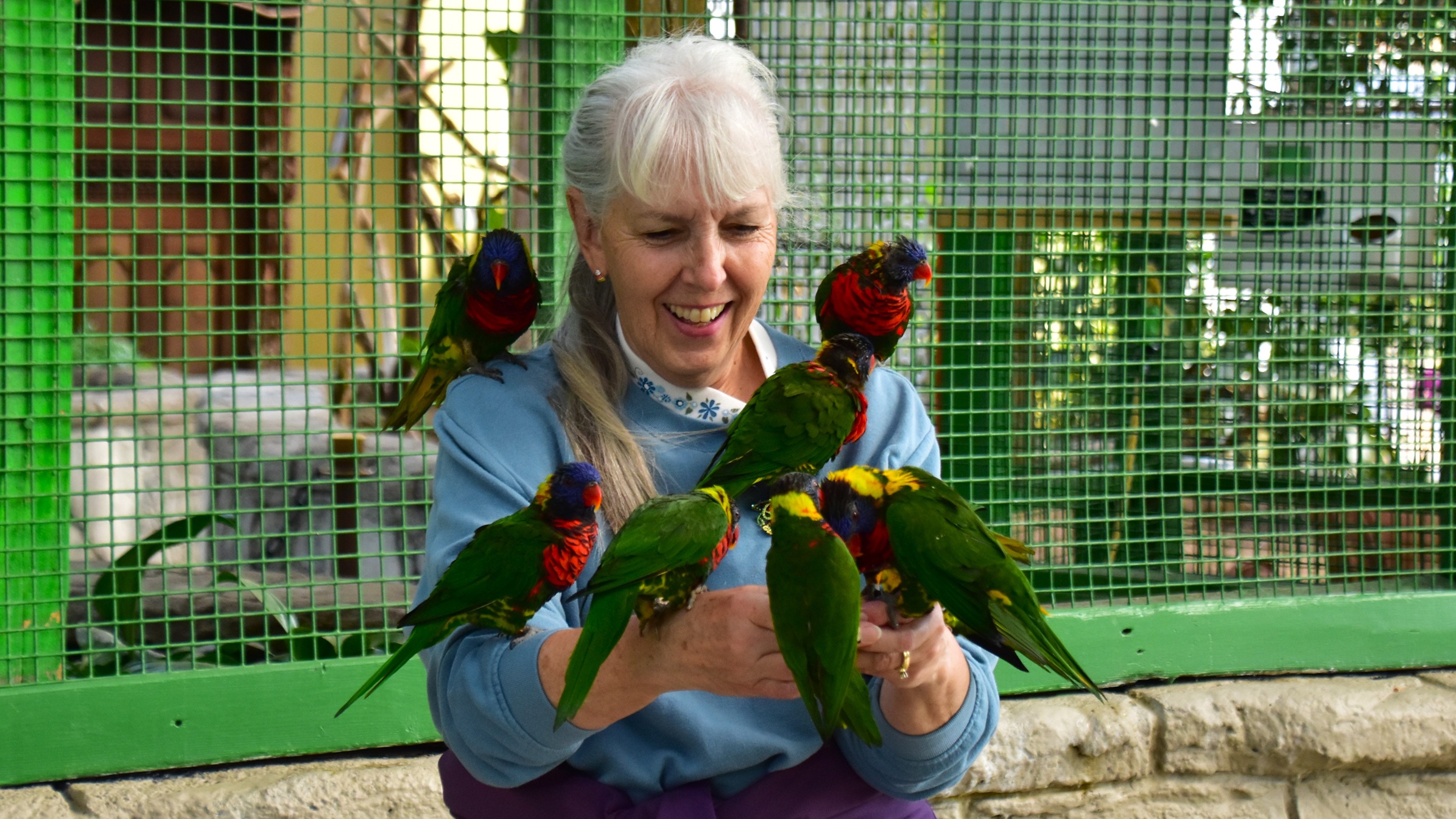
Lorikeet Feeding is quite fun: You are given a small cup of very sweet nectar, which the Lorikeets love, and then you stand in their aviary while they sit on your hands and quickly slurp up every drop.

We did some other sightseeing in Pittsburgh: a boat ride, an incline railroad ride and a Hop On/Hop Off bus. We tend to gravitate towards these 3 things in a new area because it gives such a great overview of what is available for us to visit.


A branch of Gail’s ancestors lived in various parts of Pennsylvania, and we were lucky enough to find a Historical Library in Bellefonte that had cemetery records for several generations of the family. We spent a couple of days driving to area cemeteries to find and clean up their grave sites. All but one of the cemeteries were small community plots, surrounded by farm land.  

Harrisburg is the capital of Pennsylvania, and, of course, we had to check it out.  The capitol is a lovely building, inside and out. 

We also visited the historical museum, which has three floors of interesting displays. 

President and Mrs. Eisenhower purchased a farm, next to Gettysburg Battlefield, that is now a National Historic Site.   It is a scenic area and we spent a few hours touring the home and outbuildings. It was a working farm, with a prized cattle herd.


The next day, we spent the entire day at Gettysburg, took a bus tour of the large battlefield  stopped at the Visitor Center and then visited the excellent museum.   A highlight for us was the cyclorama, a round, room-sized oil painting depicting scenes from the battle.

We could have spent more than one day at Gettysburg, because there is so much to see and learn.


We needed a sweet break from all the horrors of war, and Hershey fit that perfectly. 

We  took a bus tour of the town to learn about the start of Hershey and how much it supports the town now. The Hershey’s were not able to have children of their own, so they started a live-in orphanage/school for area children in need. The sales of Hershey candies support this town and school to this day. 

The Hershey ‘museum’ has lots of interactive chocolate adventures, plus an amazing amount of chocolate goodies for sale.   We went home well stocked!

Train enthusiasts should know about the Train Museum of Pennsylvania in Strasburg, with a huge display of well restored trains. 


President James Buchanan purchased ‘Wheatland’ before he became president and then retired to the place, and passed away in it in 1872. The home has remained essentially unchanged since his time there.


We had a very busy couple of months!  August, 2023 is next.


Posted in 2023 Part 2 | Comments Off on 2023 Part 2

What we did in 2023 (Part 1)

This is a recap of 2023 (Part 1), a pretty interesting year in our lives.

January:

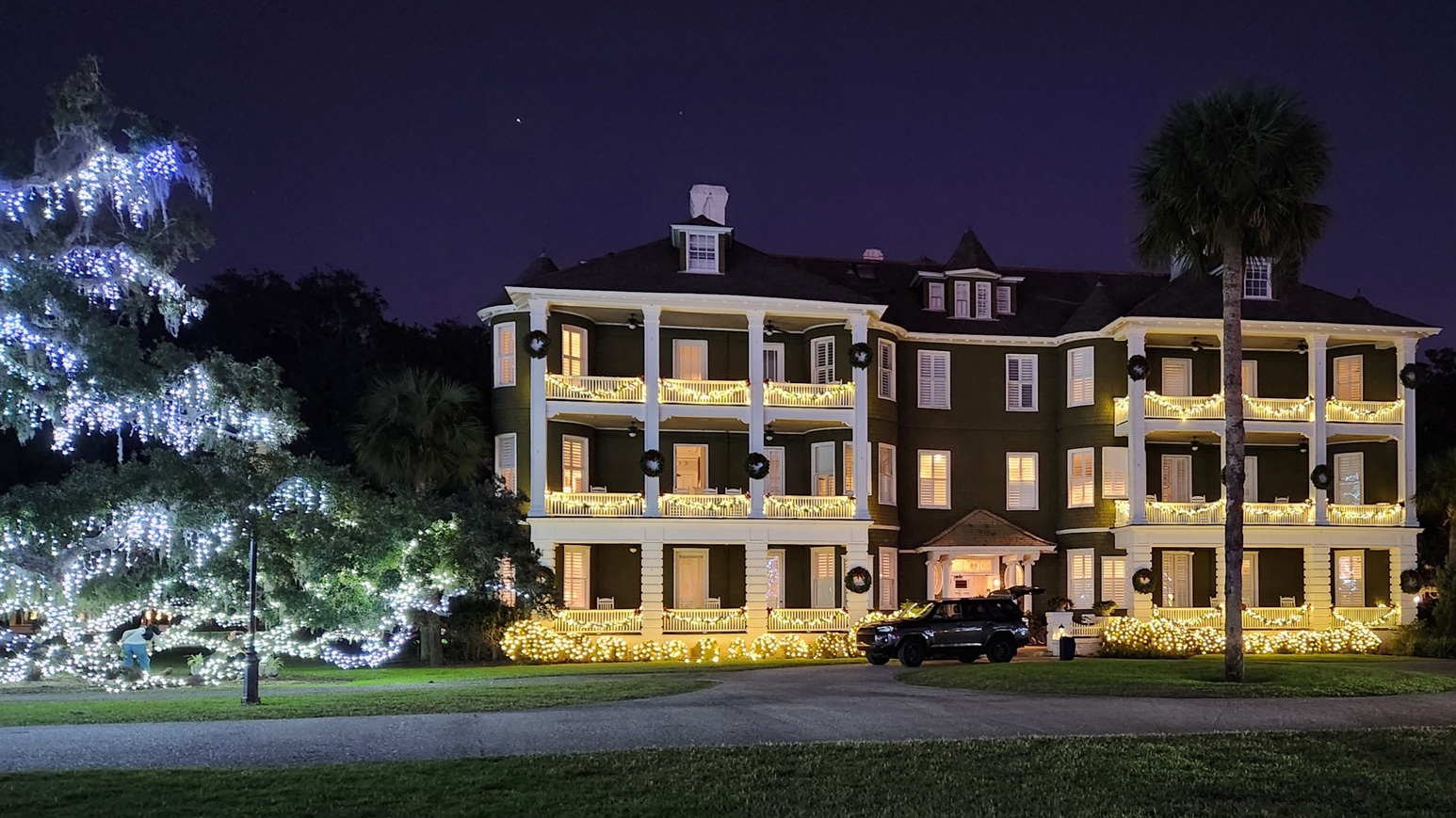
Bird watching. Our year began like so many of the days in the south in the winter begin for us, watching birds. We spent Christmas and New Years on a tiny private island, a few miles inland from the Georgia coast,where the owner has added a few RV hookups. Each day, when the tide went out,  the shore birds would flock to the marsh in front of us and it was quite interesting to watch.

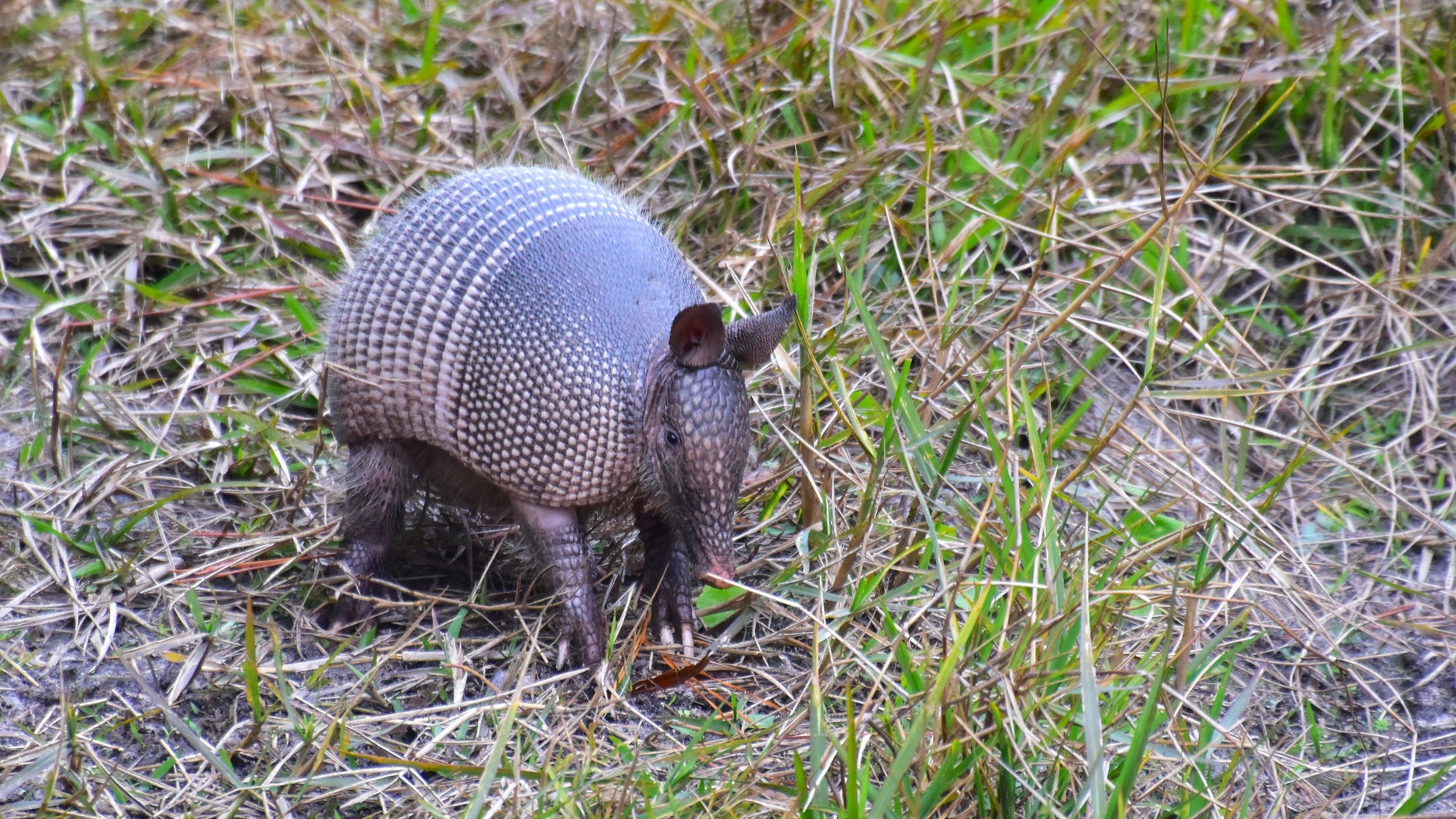
Just a few miles away was a wildlife refuge that was home to lots of birds, armadillos and alligators. We spent several days taking pictures and watching the activity.

We spent a week further south, in Brunswick, Georgia, at another park with armadillos and shore birds, plus an abundance of friendly rabbits.

The park we stayed in has miles of flat grassy trails along old canals and it is one of our favorite ‘wintering’ places. It is also a convenient spot from which to visit historic areas nearby.
Mid-month, we moved south to St. Augustine, FL, a very pretty and historic city. The fountain discovered by Ponce de Leon, which did not give him eternal youth, is still dispensing water to us tourists.


Crystal River, FL has a wonderful wintering spot for manatees and we were able to see quite a few of them when we visited Three Sisters Springs. The water was clear and sparkly and the manatees, which had crowded in to enjoy the warm water,  gave us a good show.

The campground we stayed in was on a canal that drew in multiple Yellow-crowned Herons in the evening, looking for a fish for supper.

February

The promise of seeing lots of birds drew us to Gainesville, FL, where Sandhill Cranes overwinter by the hundreds, as do many other birds. The excitement of the birding areas for us was the number of species that we had never seen before. There are huge Apple snails living in the waters of the Sweetgrass Wetlands, and those snails bring in birds who love to eat them. The tall (and loud) Limpkins and Snail Kites were new birds to us.


Further west in Florida, at St Marks National Wildlife Refuge, we found our first Flamingo, named Pinky, who flew in during a hurricane event several years ago and has stayed. When Pinky was in the area, he/she was hard to miss – those bright pink feathers fairly glowed in the sunlight.


March

March found us in Georgia, visiting Plains, where Jimmy and Rosalyn Carter live. The tiny town was the launching point for Carter’s campaign and the Carter’s childhood home and campaign buildings are available to tour.


We followed that up with a visit to the Carter Presidential Library in Atlanta.


In Warm Springs we saw the Little White House, a small home built in the hills by FDR, so that he could spent time in the healing warm waters to ease his polio symptoms. This is also where FDR passed away.


The Martin Luther King National Heritage Park, in Atlanta, has a museum and the street where MLK was raised has been preserved.

Martin Luther King and Coretta Scott King’s gravesite is also in the park and it is set in a lovely water feature.


We closed out March in North Carolina. One of the most interesting places we have visited was close to where we were parked in Supply: Mary’s Gone Wild. Mary has been creating buildings, art work, and just ‘stuff’ for years and it is a combination art gallery and junk pile. It was quite fun to pick our way through.


April

Raleigh is North Carolina’s capitol and a wonderful Museum of Natural History is located there.  We spent 2 days in the museum because it was so interesting.


The Wright Brothers tested their powered airplane flight on the sand dunes near Kitty Hawk in 1903 and there is a museum built on the site where they did their testing.


The actual path of the 4 successful tests made on December 17, is laid out, marked with signs and walk-able, which is quite fun.


The OBX (Outer Banks) is a great stretch of sand and sea that we got to enjoy. Driving south to Cape Hatteras is an adventure itself, long bridges over water, snowplows (to us Montanans) scraping away huge piles of sand that easily cover the narrow strip of land that is the highway, and lots of birds and boats to watch.

The Cape Hatteras Lighthouse has had to be moved inland because of the shifting sands in the area. The urban areas are covered in a lot of bushes, which I would assume helps to keep the sandy soil in place.


The road ends in the ocean a bit south of the lighthouse and a ferry is the only way to continue your travels south.  Ocracoke Island, the ferry’s destination, has a resident wild horse herd, probably the descendants of horses that escaped early day boat wrecks.

We shopped for souvenirs, checked out that lighthouse, had a fun lunch at a food truck and then found one of the best beaches for walking that we have ever discovered.

Our next state was Virginia, which has so much to offer that we spent two months exploring it, and still missed some of the interesting sites.

There is a ‘Historic Triangle’ at the bottom edge of the state and we enjoyed learning all we could about these places.
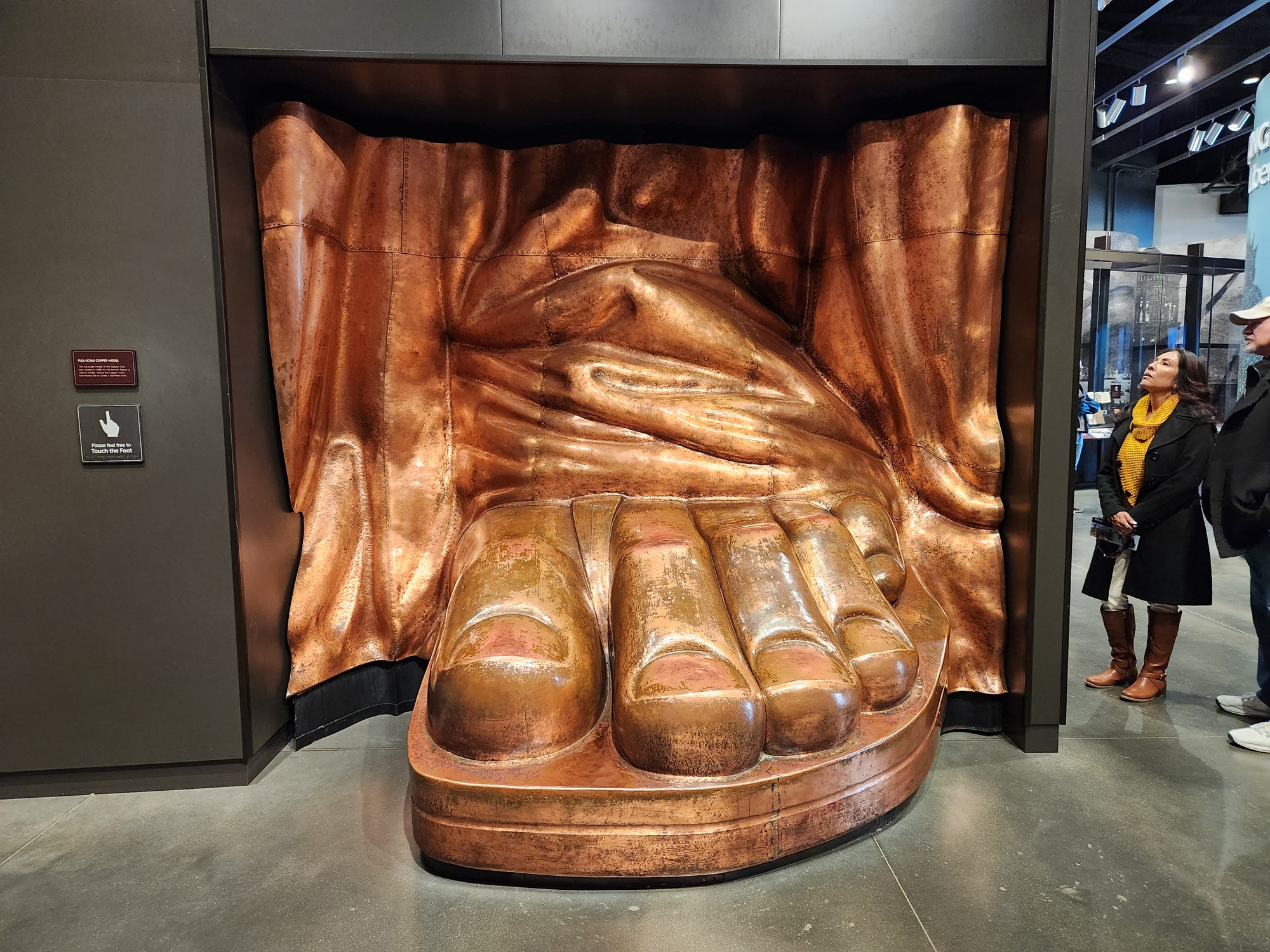
First up, Yorktown Battlefield, where Cornwallis surrendered to George Washington in the last significant battle of the Revolutionary War. Miles of trenches were dug into the farmland by both sides and some of those battles lines are preserved in the historical park.


We were lucky enough to attend a ranger talk by a very knowledgeable ranger who was able to describe the battle scene quite clearly as we walked around.

In the visitor center, George Washington’s battle tent is on display, still in very good shape, considering its age.  


The second point of the triangle is Jamestown, the oldest permanent English settlement in North America. Archaeologists are constantly digging in the site, trying to discover where all the buildings were.


They recently were able to identify all the corners of the original fort and have put up a pole fence around the area.


The final point on the triangle is Colonial Williamsburg, a large park of colonial buildings with people in period costumes giving tours and demonstrations.


Our favorite Virginia day began with a lecture by a high school history teacher, at St. John‘s Episcopal Church, which is situated on a hill overlooking Richmond. The teacher gave an extremely interesting talk about Patrick Henry’s famous ‘Give Me Liberty or Give Me Death’ speech, why Henry was at that church on that day, what the speech meant, and how that helped spur Virginians into the Revolutionary War. The teacher also gave us the history behind the church and even the attached graveyard. He was a great speaker and drew us into the story quite easily.


We then visited the ‘White House of the Confederacy’, where Jefferson Davis and his family lived from 1861 to 1865. A young lady gave a good tour, with lots of details about the house, which is now part of a huge hospital campus.


The Canal Walk, a path along the James River and across a bridge over the river, was our final destination that day. The bridge displays information panels about the last three days of the battle where the Union overtook Richmond, Davis’s hasty evacuation of the city on another bridge across the river and then President Lincoln’s arrival.


May

May found us still enjoying the many things to do in Virginia.

We visited the state capitol in Richmond, which was undergoing some major renovations on the outside, something that we see quite often in our visits to other state’s capitol buildings. The older buildings need constant upkeep. This capitol was rather small and plain compared to others, but it was still quite elegant.


We always visit the capitol building  and, if available, the state history museum in each state that we visit. Virginia has a Museum of History and Culture and we enjoyed the displays.


Appomattox Court House (where Lee surrendered to Grant) is a tiny village owned by the National Park Service and preserved as an important piece of American history.  Some of the buildings are original and some have been rebuilt. Costumed actors play the part of villagers and stay in character while talking about their lives in 1860s.


The McLean House, where Lee surrendered to Grant, still stands after being dismantled and then rebuilt.

A very interesting note about the McLeans: their home was in the middle of the Battle of Bull Run at the beginning of the Civil War. The McLeans wanted to avoid any more war so they moved to Appomattox Court House, where they once again ended up in the middle of a battle. The family was witness to the beginning and the end of the War.


Several U. S. Presidents built their homes in the hills of Virginia and we visited them all.

President James Monroe built Highland and did not spend much time there after he was elected President. The house burned after he sold it and another home was built on the site; however the guest house and outbuildings are still the originals.


Close to Highland, and in the hills, is the town of  Schulyer, the childhood home of Earl Hamner, the author of the book that became the TV series, The Waltons.  It is a tiny town that has capitalized on the success of the book and TV series.


Monticello, Thomas Jefferson’s home, was next and we took several of the available tours.  We ended up with mixed feelings about Jefferson; he fathered 6 children with a very young enslaved girl, while calling for freedom for white men. In the end, he willed Sally Hemmings to his sister instead of setting her free.


On to the final President’s house, James Madison’s Montpelier, another beautiful home with lovely grounds and even an old growth forest.


Two battlefields, where horrible bloody battles raged during the Civil War, occurred in this area of Virginia: Fredricksburg and Spotsylvania. It is always hard to imagine the horror that the now green, peaceful fields and hills  once witnessed.


Mount Vernon, another ‘must see’ for us, was a great place to visit. We love walking in the footsteps of famous people. Parts of the house were open to the public, as well as  many of the original out-buildings and gardens.


That ended the month of May and our time in Virginia, and we were on the road to West Virginia – the hilliest state!


Posted in What we did in 2023 | Comments Off on What we did in 2023 (Part 1)

Family Research in Pennsylvania – Summer 2023

Through Ancestry.com, Find A Grave, and some written family history, I  found information about our 3rd, 2nd and 1st Great Grandparents (4, 3 and 2 for the next generation) – where they were born, lived and where they were buried.

I found a little gold mine of information in a booklet at the Centre County Historical Library – a listing of all the area cemeteries and the row and plot number of all the people buried in them. I found three area cemeteries where our relatives were buried, and driving directions to them since they were small, rural places. The cemeteries were all in the same general area, located near where the families had lived.
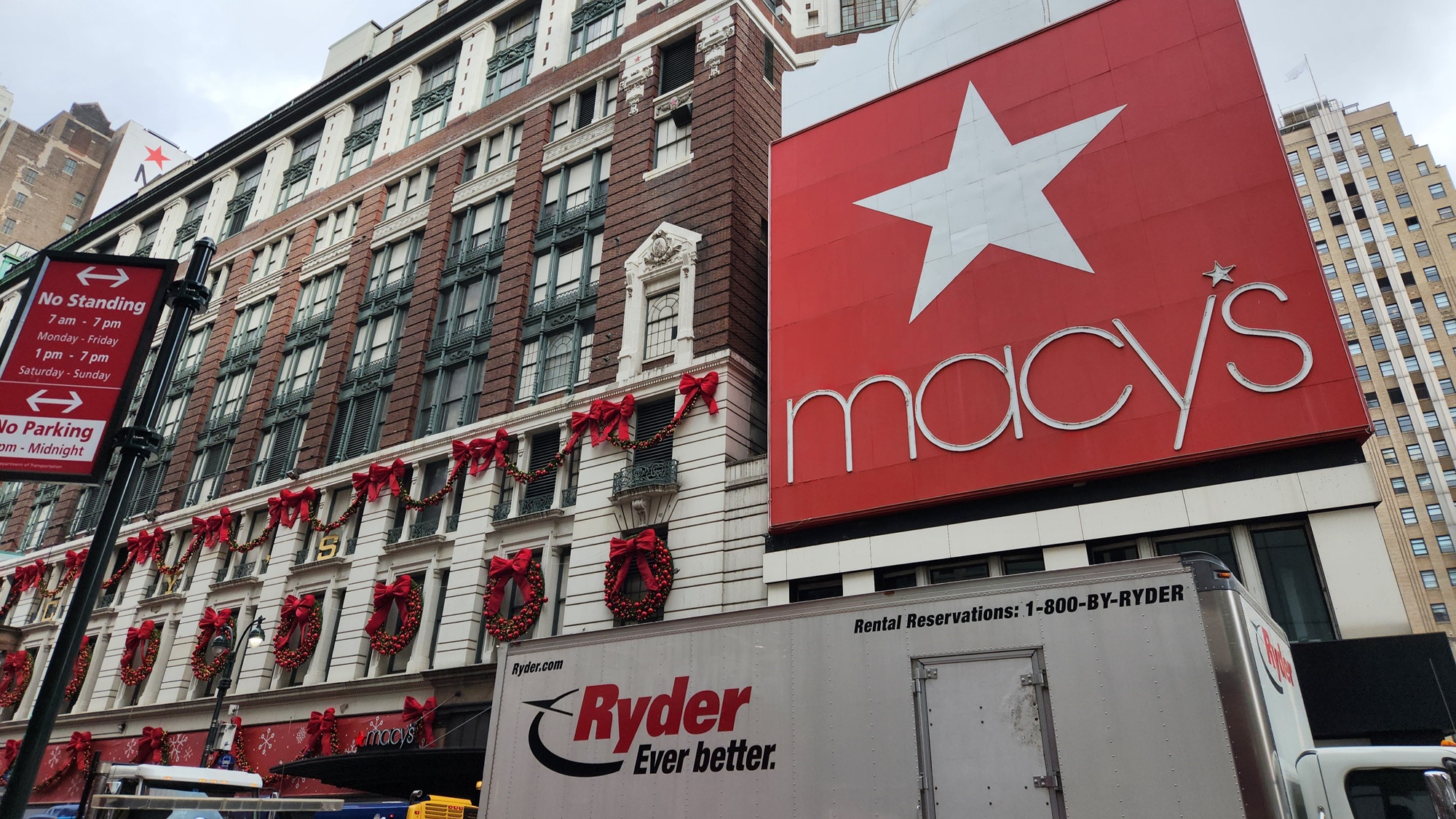
Heckman Cemetery is out in the farming country, as are all of them, and contains the graves of  our 3rd Great Grandparents: Johannes & Eve (Ream) Willaman.


Unfortunately, the gravestones in that cemetery were all of sandstone and quite badly deteriorated and/or missing altogether. Even with the row and space numbers, we could not locate the specific graves, just the general area. I am going to contact the Cemetery Association to determine if they can help us find where the graves are located. We want to see how much it would cost to place simple markers on the graves – it seems a shame to have them lost to history.

The only gravestone that we could read was for John Ream, a Revolutionary War soldier, who was probably related to Eve (Ream).


Our next stop was more productive.   I found the deed to the family farm, but in those days the legal descriptions were very general. This is probably the area where our Great-Grandfather, Aaron Ezra, was raised.

The only landmark that still existed was the ‘base of Brush Mountain’ which was to the north of the cemetery.


We found the grave of our 2nd Great Grandparents: Samuel and Sarah Grace Gobble,

2 of their children who died very young (so many children died in the 1800s) and Annie Margaret Willaman, a 3rd Great Aunt.

Both of the children’s gravestones had fallen forward and were pretty stained.

Bruce is never far from his tools, and he found a nearby pile of dirt to use.  He dug up the stones, cleaned them off and resituated them so that they will last longer.


I cleaned the Great Great Grandparent’s marker, and the back side, with Sarah Grace’s information, was very badly stained.  I got quite a bit off, but it will never be really good. Bruce dug up the ‘Father’ marker because it was badly tipped over, and re-situated it.  Someone has planted a pretty lily beside the gravestone.


I also cleaned Annie Margaret’s gravestone a bit, it had lichen and mildew on it as so many of them do.


Our third stop for the day was Holy Cross Cemetery, where we found the graves of John Wesley  and Amanda Gobble, Aaron Ezra’s brother and sister-in-law. His two children Mary and Samuel and their spouses are also buried there.

Mary Gobble Steiger was Grandma Willaman’s ‘much beloved cousin’ according to the note on the back of her photograph.


These granite markers were in pretty good shape; we just did a little cleanup of lichens and mildew, plus tossed out the broken, empty plant holders. The cemetery association was weed-eating around the gravestones that day so we thought it would help to clean up a bit.

Samuel and Annie’s stone was in pretty bad shape, but we were able to clean it up quite a bit.

Our fun story for the day: We carry some water with us to clean gravestones, but we mostly rely on the cemeteries to have some kind of water supply. The cemeteries we visited this day had no supplemental water and we had used up the water we had carried with us. We had passed a house with a nice flower garden right beside the narrow country road, so we decided to go back to that house and ask for some water.  We ended up visiting a very nice couple in their 80s who had lived in that area all their lives.  They even knew Mary Steiger and her family. We could have visited with them for hours.
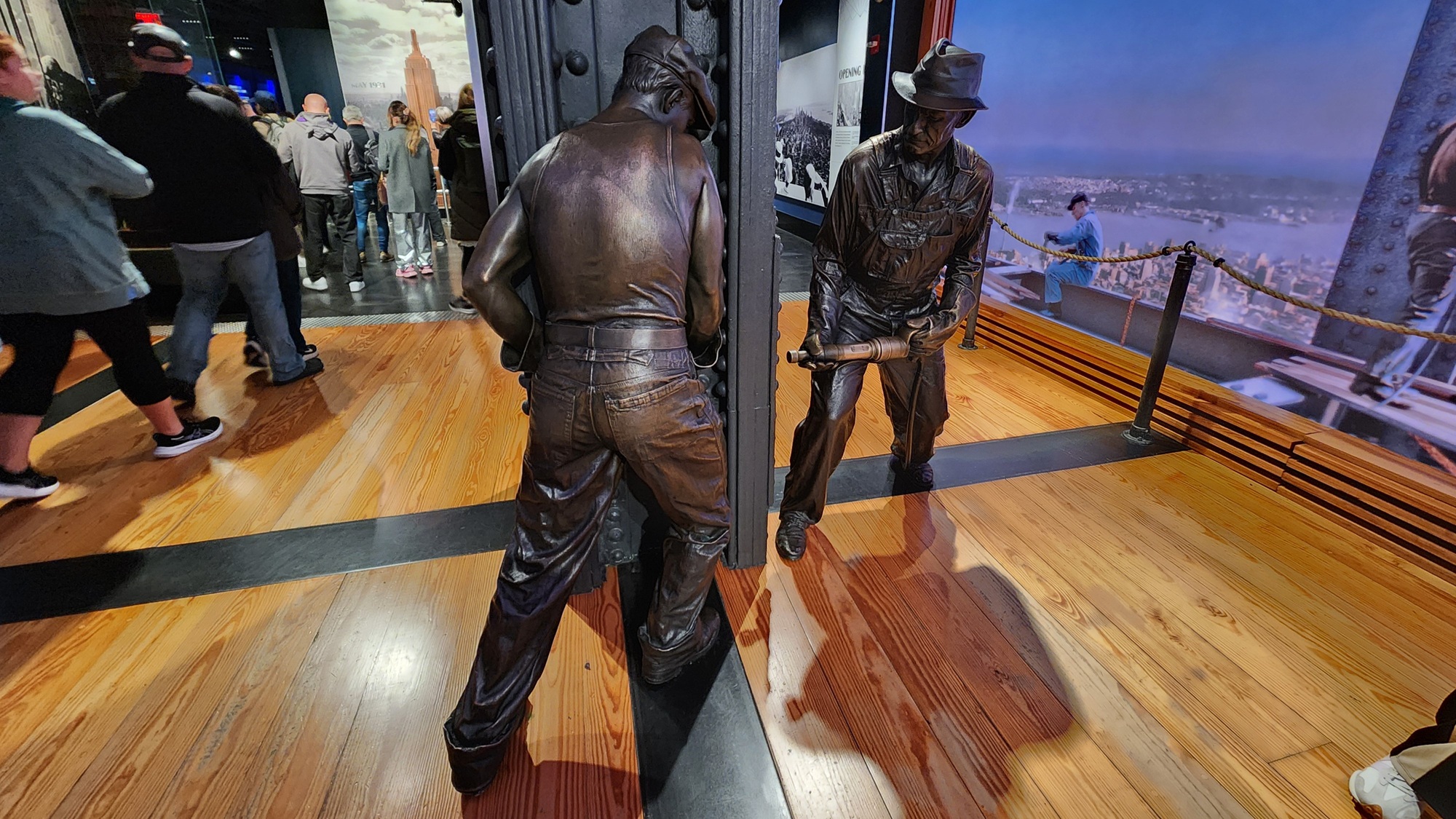
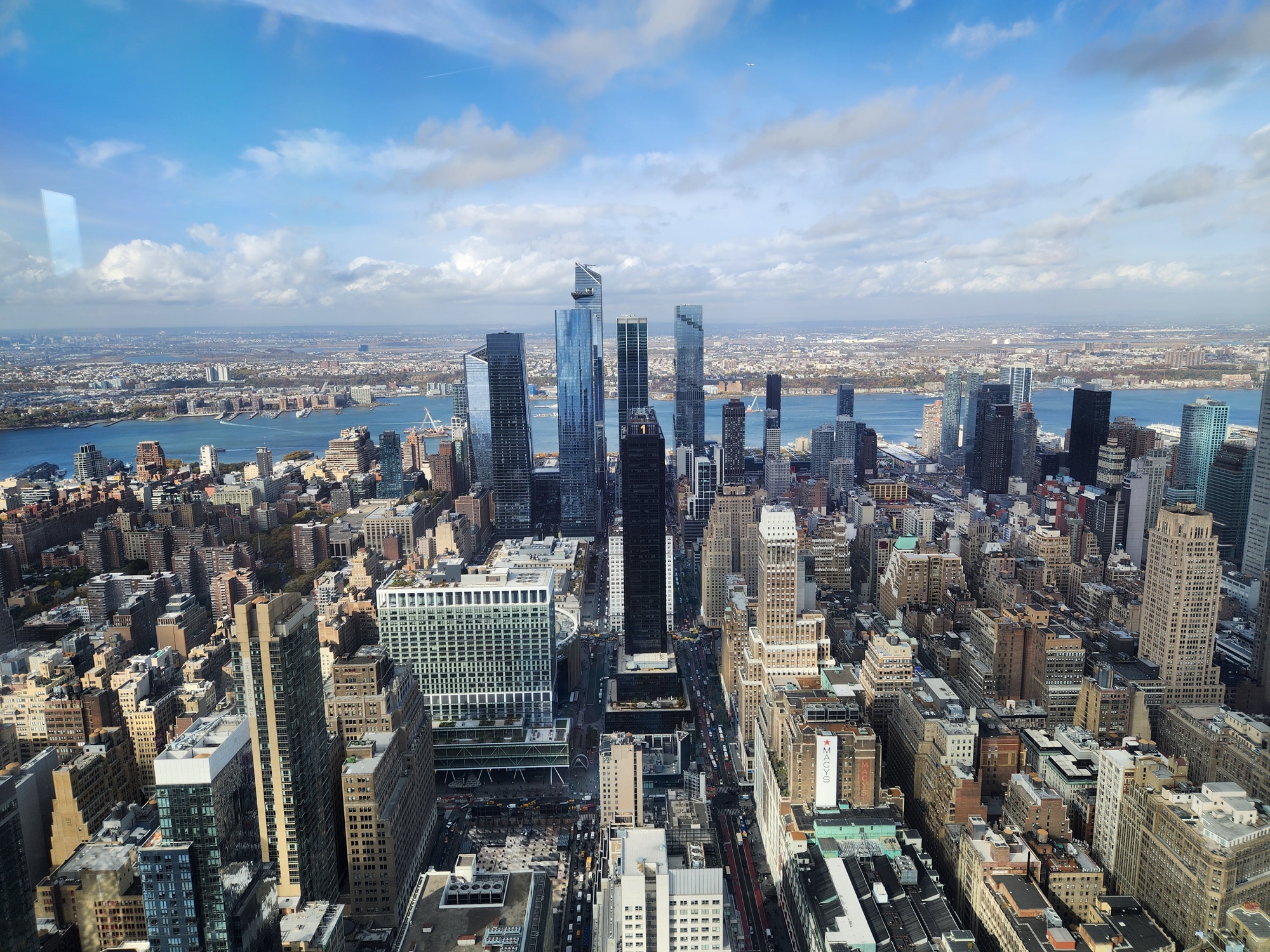
The next day, we drove to New Berlin, where Aaron Ezra Gobble had been president of Central Pennsylvania College and where Grandma Willaman was born.  The New Berlin Cemetery is quite large and located on the edge of town, on a hill.
 

Paul Seibert Gobble, Grandma’s brother, died at 1 year old and that is when the family plot was purchased, according to the deed for the plot recorded with the county recorder. Paul’s gravestone was quite unreadable and Bruce spent over an hour carefully cleaning the mildew stains, trying not to take off too much of the sandstone.  He got it cleaned up pretty well.


I cleaned our Great-Grandparents and Grandparents stones, which were not in bad shape at all, there was some lichen to remove and some staining to scrub off.


These projects ended our time in Pennsylvania. We headed east to New Hampshire where we have spent the rest of the summer.  We have lots more family records to explore and will return at another time.


Posted in Family Research in Pennsylvania | Comments Off on Family Research in Pennsylvania – Summer 2023

Florida 2023

What would make retired people, who like to sleep in and have a lazy start to their day, get out of bed at 6:30 AM?  Well, for us, it was the chance to see some amazing birds during the calm and cool hours of the day. And we were not disappointed.

We had been told that the area around Gainesville was a good spot to find birds in the winter and, boy, was that correct.  Gainesville has many parks and trails all around it, but we spent our time in two of the biggest parks:  Paynes Prairie Preserve State Park and Sweetwater Wetlands Park.

We spent 5 days visiting the parks, discovering some birds we had not seen before and taking lots of photos.  Below are some of our favorite shots.


Pynes Prairie is the winter home to thousands of Sandhill Cranes and it was an impressive sight to climb the observation tower at the Visitors Center and see cranes in the wetlands as far to the north as you could see. When we were arriving at Gainesville, we saw a small field beside the highway where dozens of cranes were enjoying a marshy meadow.

Quite often during the week we stayed in Gainesville, we heard and saw cranes flying above us as they began their journeys north again. (We wrote about watching cranes in the prior post:  ‘Our Summer in Montana’.)


Both parks are also home to two very specialized birds that we had never heard of before and who have a taste for snails. The Limpkin and the Snail Kite both have special beaks which they use to extract the tasty Apple Snails from their shells. The two birds are completely different in looks and techniques, and from the piles of empty snail shells we saw scattered around, they are very successful hunters.


The Snail Kite is a medium sized bird with a very hooked beak and long claws. They hunt over water, hoping to find a floating Apple Snail.


The Limpkin is large, long-legged and loud.  You can certainly hear a Limpkin from a distance. They wade and probe for snails with their long beaks.


Wood Storks are very large mostly white birds with massive bills that we had seen a few times before, but always from a distance. One morning we just happened upon one that was feeding in the water close to a viewing area and we discovered that what we had thought of as black feathers were actually a lovely shade of green in the sunlight.

LBB’s as we call them, ‘Little Brown Birds’, are really hard to identify because they flit  around in bushes very quickly and it can be difficult to pick out the characteristics that determine their species.  We did manage to identify a few that hung around long enough to be photographed.
Eastern Phoebe


Orange-crowned Warbler


Robins aren’t really LBB’s but this one was sitting in the sunlight and posing nicely for a photo, so we included it.


Herons are some of our favorite birds because they are pretty, and it is fun to watch them hunt for food.

Tri-colored Herons are actually quite small-bodied.


The Little Blue Heron is one of our favorite birds because of their brilliant blue color and reddish head. .

Seeing a Great Blue Heron in Montana is a pretty rare treat, but in the south we have become accustomed to having them around us when we are in wet environments. We never tire of watching them.
The snow is still blowing around up north, but in Florida in February some birds have begun to lay eggs already. We found this Blue Heron sitting on a nest.


A Litttle Blue Heron is actually white the first year of its life and this one is just beginning to get its adult coloring.


Green Herons are quite pretty and more shy than some of the other herons.

They kind of hunch up when on the ground.


Glossy Ibis is another bird that looks almost black, until the sunshine hits those shiny feathers.


Snowy Egrets have black bills and yellow feet:


Some of the more unusual and interesting birds that we saw:

Gallinule are pretty birds with very large feet that they use to walk on water plants.


Sora are quite small water birds that run in and out of reeds. Their markings are striking.

Not a bird, but these guys are all over the place, so it seems appropriate to include them.

Turkey Vultures have a face that only their mother can love!


This swamp rabbit does have a cute face.


Red-shouldered Hawks are another fairly common bird in Florida; we have seen quite a few.


Three of the duck species that we found in the parks:

Blue-winged Teal


Hundreds of boldly-colored Black-bellied Whistling Ducks, whose calls are like whistles, were in Sweetwater.

We found one pair of Mottled Ducks, with their striking feather patterns.


We found this guy hanging around in the reeds in the sunshine.

A couple of our very favorite photos:

A sunlit Snail Kite

Another new bird for us and one that just glowed in the sunshine: Grey-headed Swamphen.

Posted in Florida 2023 | Comments Off on Florida 2023

Wallpaper

Our five year Discovering America adventure has taken us to some remarkable places and we have been able to capture many of these sights on film.  We are posting a few of our favorite photos here for your enjoyment.  Please feel free to download any, or all, of these  for your personal use.


Fall day in Lincoln City, Indiana


Flowers blooming on a hillside near Mount Rainier, WA


Roseate Spoonbill building a nest at Rip’s Rookery on Jefferson Island, Louisiana


White-eyed Vireo at Peveto Bird Sanctuary, Holly Beach, LA


Missouri Botanical Gardens


Nesting Great Egrets at Rip’s Rookery, Jefferson Island, Louisiana


Green anole on the boardwalk at Bayou Sauvage National Wildlife Refuge, Louisiana


Small lake in our RV park in Hoquiam, Washington


On the beach at Long Beach, Washington


Yosemite National Park


The Redwoods in California


Alcatraz


Silver Bell Mine in Joshua Tree National Park, California


Foxtail barley in Willow Creek Recreation Area, Tiber Dam,  Montana


Painted Desert, Arizona


Flower center


Chrysanthemums in Mitchell Domes, Milwaukee, Wisconsin


Montezuma Castle National Monument, Arizona


Devil’s Tower in Wyoming


Fall colors on a very curvy road, Rockport, Wisconsin


South of Wye, Arizona


Rose in a city park in Minneapolis, Minnesota


Hay field near Merrill, Wisconsin


Early morning sky at Monahans Sandhills State Park, Monahans, Texas


Blooming Yucca at Big Bend National Park, Texas


Daylily in Alexandria, Minnesota


Monahans Sandhills State Park, Monahans, Texas


Loons on Rainy Lake, Voyageurs National Park, Minnesota


Center of a daylily.


Bald eagle enjoying a snack at Waveland, Mississippi


An old road in the desert near Wye, Arizona


Queen of the Prairie blossoms


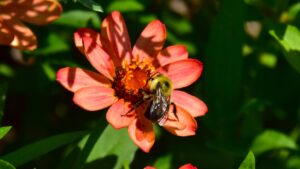
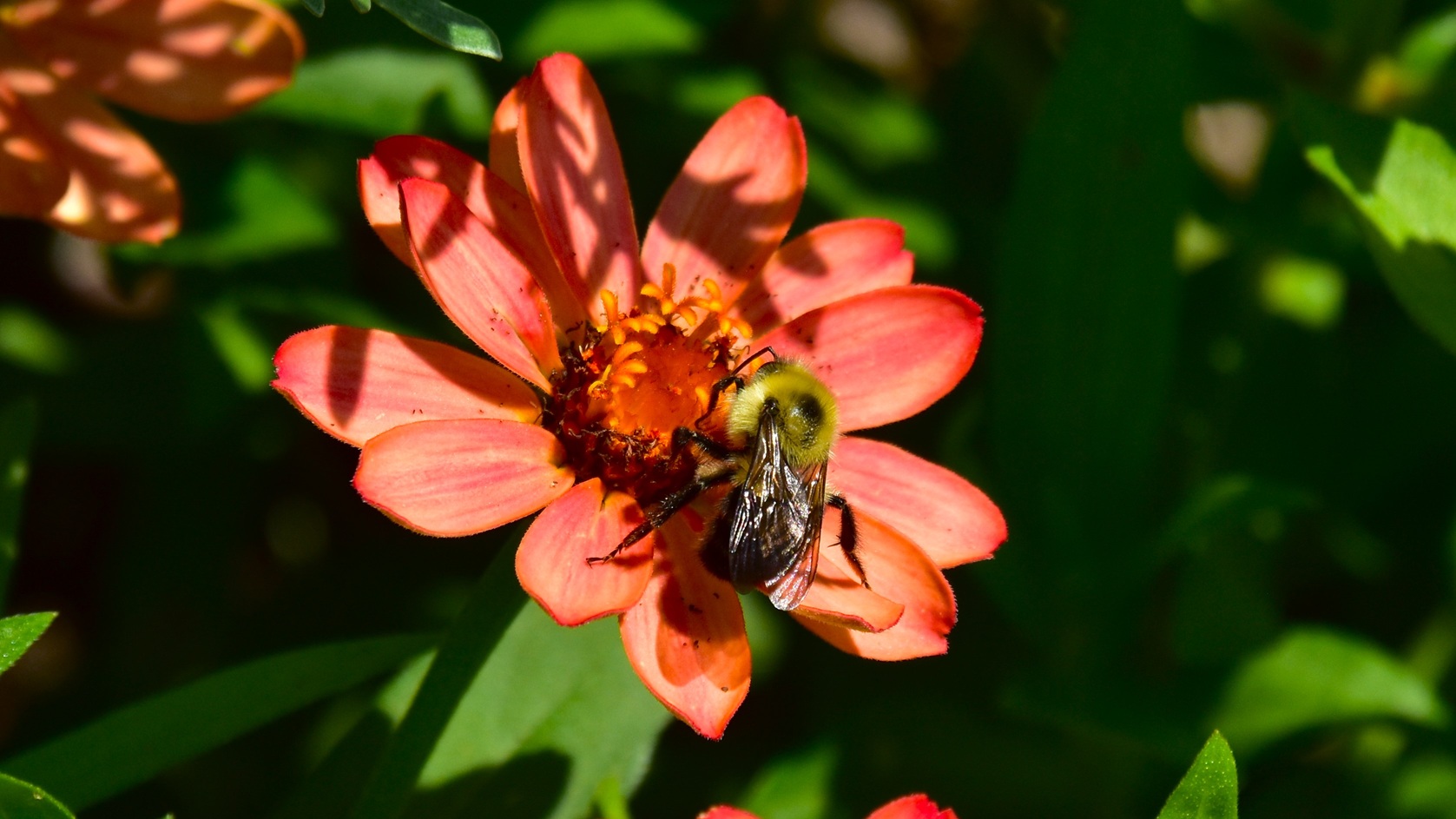
Bee on a coneflower


Old homestead near Laramie, Wyoming


Little Blue Heron after a bath in Okefenokee Swamp, Georgia


Little Blue Heron hunting for food, Okefenokee Swamp, Georgia


Sunset on the  beach at Biloxi, Mississippi


Hay field in Evergreen, Montana

Posted in Wallpaper | Comments Off on Wallpaper